
Breast Implants and Cancer Risks: Separating Myths from Facts
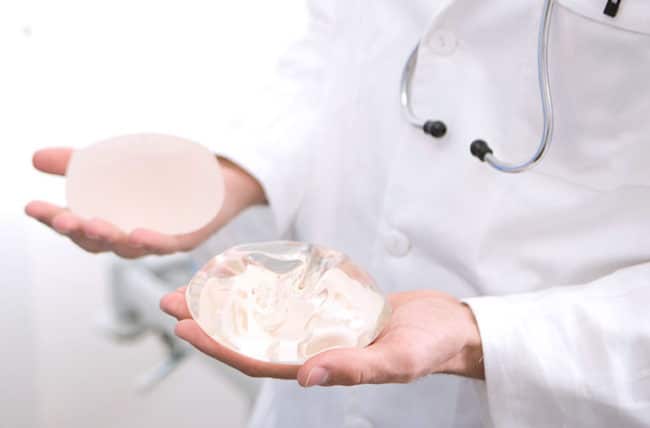
Breast implants offer a way for individuals to enhance or reconstruct the breast’s appearance, often leading to improved self-esteem and body image. This guide delves into the types of breast implants available, their safety profiles, and what one can expect during the recovery process. With advancements in medical technology, it’s crucial to understand how these options align with personal health goals and lifestyle preferences. By providing up-to-date information on breast implant procedures, this post aims to empower readers with knowledge to make informed decisions regarding their bodies.
Breast Implants and Breast Cancer Risk
Cancer Rates
Research shows no direct link between breast implants and an increased breast cancer risk. This finding is crucial for those considering or currently with breast implants. It means that having implants does not make you more likely to develop breast cancer compared to someone without them.
However, it’s important to maintain regular health checks. Regular mammograms are vital for early detection of any abnormalities in the breast tissue, whether one has implants or not.
BIA-ALCL Distinction
A significant distinction must be made between breast implant-associated anaplastic large cell lymphoma (BIA-ALCL) and traditional breast cancers. BIA-ALCL is a rare type of non-Hodgkin’s lymphoma that can develop around breast implants but is not classified as breast cancer per se.
Understanding this difference helps in recognizing symptoms and seeking appropriate treatment options promptly. Symptoms may include persistent swelling or pain around the implant area, which warrants immediate medical attention.
Regular monitoring through self-exams and professional check-ups remains essential for all individuals, irrespective of having breast implants or not. Early detection plays a key role in effective treatment outcomes across different types of potential complications related to breast health.
Debunking Breast Implant Myths
Silicone Safety
Research has shown that silicone implants do not cause systemic diseases. This conclusion comes from years of studies and evidence collected by scientists. They have looked into the fears people have about silicone spreading through the body and causing illnesses.
The accurate information available today tells us these concerns are largely unfounded. There is strong evidence to support the safety of silicone breast implants in this regard.
Breastfeeding Possibility
Many believe that having breast implants makes breastfeeding impossible or harmful. However, this is not true in most cases. Evidence suggests that women with implants can generally breastfeed effectively.
It’s important for expecting mothers to discuss their specific situation with a healthcare provider. But, for many, breastfeeding remains a viable option even after augmentation.
Lifespan of Implants
A common misconception is that once you get breast implants, they last a lifetime without any need for replacement or adjustment. This belief is incorrect.
-
Implants may require replacement.
-
The average lifespan of an implant is around 10 to 15 years.
Factors like aging, weight fluctuations, and complications can affect how long your implants will last before needing attention or replacement.
Understanding Breast Cancer and Implants
Safe Screenings
Mammography screenings are essential for early breast cancer detection. Women with implants can undergo these screenings safely. The technique might slightly differ to ensure comprehensive views of the breast tissue.
Technicians adjust their methods during mammograms for women with implants. This ensures the whole breast is examined, including areas around the implant. It’s crucial to inform your healthcare provider about your implant history before the screening.
BIA-ALCL Symptoms
Breast Implant-Associated Anaplastic Large Cell Lymphoma (BIA-ALCL) is a rare condition linked to certain types of implants. Key symptoms include swelling, pain, and asymmetry in the breasts after the initial recovery period from surgery.
Immediate consultation with a healthcare provider is advised if these symptoms occur. Early detection plays a significant role in effectively managing BIA-ALCL.
Importance of Disclosure
Disclosing your implant history to healthcare providers is vital for accurate cancer screening and diagnosis. Knowledge about your implants helps them tailor their approach during examinations and interpret results correctly.
Informing doctors about your implant size and type assists in making an informed decision regarding health interventions if needed. Your immune system‘s response to implants can also influence diagnostic procedures.
Lifestyle Factors and Breast Cancer Risk
Smoking Hazards
Smoking is not just a major health risk for lung cancer but also complicates breast surgery recovery. Studies show smokers face more complications after surgery than non-smokers. This includes slower wound healing and higher infection rates.
Quitting smoking can significantly reduce these risks. It’s never too late to stop. Doing so improves overall health and decreases the chance of developing other cancers.
Healthy Weight
Maintaining a healthy weight is crucial in reducing breast cancer risk. Excess body fat has been linked to an increased risk of several common cancers, including breast cancer. A balanced diet rich in fruits, vegetables, and whole grains supports a healthy weight.
Obesity increases the likelihood of heart disease and colorectal cancer as well. Therefore, managing your weight through diet and exercise is beneficial for overall health.

Exercise Benefits
Regular physical activity plays a vital role in lowering the risk of developing breast cancer. Exercise helps control weight, boosts the immune system, and keeps hormones at healthier levels.
Just 30 minutes of moderate exercise daily can make a difference. Activities like walking, cycling, or swimming are great options to incorporate into your routine.
Myths vs. Facts in Breast Augmentation
Sagging Breasts
Many people think implants stop sagging. This is a myth. Over time, breast implants do not prevent sagging. A lift may be needed as well.
Breast tissue changes with age and lifestyle factors discussed earlier, like pregnancy or weight fluctuations. Implants add volume but can’t fight gravity or natural aging processes.
Feel of Implants
There’s a common belief that one type of implant is “better” than the other in terms of feel. The truth is, saline and silicone implants have different feels; neither is superior.
Saline implants are often firmer to touch compared to silicone ones, which tend to feel more like natural breast tissue. Choosing depends on personal preference and realistic expectations about appearance after surgery.
MRI Scans
A persistent myth suggests that once you get silicone implants, no further checks are necessary. However, fact dictates otherwise.
The FDA recommends MRI scans every 2-3 years for those with silicone gel-filled breast implants to check their integrity. This helps detect silent ruptures early on since they might not be noticeable right away through physical symptoms alone.
Risks Associated with Breast Implants
Capsular Contracture
Capsular contracture is a common risk. It happens when scar tissue forms around the implant. This can make breasts feel hard and look unusual.
Many people need surgery to fix this issue. It’s important to know this before getting implants.
Revision Surgery
Sometimes, the first surgery doesn’t go as planned. You might not like how it looks or you could have complications.
Revision surgeries are often needed. They can add extra costs and recovery time.
BIA-ALCL Risk
A rare but serious condition linked to breast implants is BIA-ALCL. It’s mostly associated with textured implants.
It’s a type of cancer that affects the immune system. Quick diagnosis and treatment are crucial for health.
Breast augmentation comes with health risks that should be carefully considered. While debunking myths in the previous section helps clarify misconceptions, understanding these risks is vital for making informed decisions about breast implants:
-
Capsular contracture may require additional surgeries.
-
Dissatisfaction or complications sometimes lead to revision surgeries.
-
The rare risk of BIA-ALCL, especially concerning textured implants, underscores the importance of discussing all potential outcomes with a healthcare provider.
Long-term Effects of Breast Implants
Sensation Changes
Breast implants can alter sensation. Some people experience changes in nipple and breast feeling. This can be temporary or permanent.
After surgery, the sensation might not be the same. It’s a common side effect many don’t anticipate. The nerves in breast tissue can be affected during implant insertion.
Appearance Shifts
Aging, gravity, and weight fluctuations impact augmented breasts. Over years, these factors change their appearance significantly.
Implants don’t prevent natural processes like sagging due to aging or gravity. Weight gain or loss also affects how augmented breasts look over time.
Health Monitoring
Regular monitoring of implant condition is essential for health and aesthetics. Checking for lumps and irregularities in the surrounding tissue is crucial.
Yearly check-ups help catch potential issues early on.
-
Look out for unusual changes
-
Schedule regular mammograms if advised by your doctor
This ongoing vigilance ensures both safety and satisfaction with the results long-term.
Pregnancy and Breast Enhancement Surgery
Size and Shape
Pregnancy often changes a woman’s body. This includes her breasts. After pregnancy, breasts might not look the same as before. They can become larger or smaller. Their shape may change too.
These changes impact breast implants’ appearance. Sometimes, the results after surgery don’t last because of pregnancy. It’s important to think about this if you plan to have kids in the future.
Discussion with Surgeon
Talking to your surgeon is key before deciding on breast augmentation. If you plan to get pregnant, share this with them.
Your surgeon can advise on the best timing for surgery. They consider many factors, like age and health status.
This conversation helps avoid unnecessary revisions later on.
Post-Pregnancy Revisions
After having a baby, some women want their breasts adjusted again for aesthetic reasons. Breastfeeding and weight gain during pregnancy affect how implants look. Revisions might be needed to restore or improve appearance post-pregnancy.
-
Pros of discussing with a surgeon:
-
Personalized advice
-
Better planning for future pregnancies
-
Reduced need for revisions
-
-
Cons:
-
Possible delay in getting implants
-
Additional surgeries may be required later
-
Summary
This article has explored the intricate relationship between breast implants and breast cancer risk, debunked common myths, and presented factual information on the long-term effects and risks associated with breast augmentation. It has provided a comprehensive analysis, comparing myths versus facts in breast augmentation, while also considering the impact of lifestyle factors on breast cancer risk. The discussion extends to the implications of pregnancy post-breast enhancement surgery, offering a holistic view of the subject matter. Through objective analysis and detailed exploration, readers gain a clearer understanding of the complexities surrounding breast implants and their potential health implications.
Encouraging a detail-oriented approach towards decision-making regarding breast augmentation, this article underscores the importance of consulting healthcare professionals. It invites readers to further explore and engage in discussions about breast health, emphasizing the significance of informed choices. As awareness grows, so does the empowerment to make decisions that best align with individual health goals and well-being.
Frequently Asked Questions
Do breast implants increase the risk of breast cancer?
Breast implants do not directly increase the risk of developing breast cancer. However, they can make mammograms more challenging to read, potentially delaying a diagnosis.
Can you debunk common myths about breast implants?
Yes, one common myth is that all implants need to be replaced every 10 years. While it’s recommended to monitor them, many last longer without complications.
How does pregnancy affect previous breast enhancement surgery?
Pregnancy can alter the appearance of augmented breasts due to changes in size and shape from hormonal fluctuations and breastfeeding but doesn’t inherently harm the implants.
What are some long-term effects of having breast implants?
Long-term effects include possible implant rupture, capsular contracture (scar tissue formation), and slight changes in sensation around the nipple or breast area.
Are there lifestyle factors that influence breast cancer risk in individuals with implants?
Lifestyle factors such as diet, exercise, alcohol consumption, and smoking habits impact overall breast cancer risk similarly for individuals with or without implants.
What are some risks associated with getting breast implants?
Risks include surgical complications like infection or bleeding, implant rupture or leakage over time, capsular contracture (hardening around the implant), and potential alterations in nipple sensation.