
Breast Implants Rippling Recovery Guide: Tips for a Smooth Healing Process

Breast implants can be a game-changer for many, offering the allure of an enhanced figure and boosted confidence. However, not all journeys with these enhancements are smooth sailing. A common hiccup along this path is breast implants rippling, an issue that casts a shadow over the initial excitement of cosmetic enhancement. This post delves into understanding why rippling occurs and how to address it, ensuring those who choose this route can navigate their experience with greater assurance and less uncertainty.
Understanding the Causes of Rippling
Implant Types
Saline implants are more prone to rippling than silicone ones. This difference is due to the liquid nature of saline, which can create visible waves under the skin. Silicone implants, on the other hand, have a gel-like consistency that mimics human fat more closely, reducing the risk of rippling.
Silicone options offer a smoother appearance but are not immune to this issue. Both types require careful consideration during selection.
Filling Issues
Underfilling or overfilling breast implants can lead to rippling. Proper filling ensures that the implant maintains its shape and integrity, minimizing irregularities on the surface.
For saline implants, precise filling is crucial as they lack structural firmness when underfilled. Overfilled implants stretch the shell unnaturally, making ripples more likely. Therefore, optimal fill levels are essential for a natural look and feel.
Body Composition
Thin breast tissue and low body fat increase ripple visibility. Individuals with less natural padding are more likely to observe these imperfections through their skin.
This condition underscores the importance of thorough pre-surgical evaluations. Surgeons must assess patients’ body composition to predict how visible any potential rippling might be post-operation.
Identifying Early Signs of Rippling
Visible Wrinkling
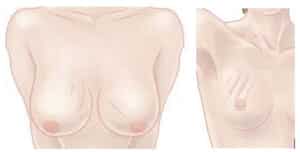
Visible wrinkling or waves on the breast surface serve as clear indicators of rippling. These abnormal contours can often be seen when wearing tight clothing or even under normal circumstances. They are not just aesthetic concerns but also signs that the implant may not be behaving as expected.
Patients might notice these changes during routine activities or while examining their breasts. The appearance of such wrinkles is a significant sign that warrants immediate attention from a healthcare provider.
Unusual Sensations
Another key symptom includes unusual sensations or changes in implant texture felt through the skin. This could range from mild discomfort to a peculiar feeling when touching the affected areas.
These sensations are important to note as they reflect changes beneath the skin’s surface, potentially indicating issues with the implant’s position or integrity.
Commonly Affected Areas
Rippling most commonly affects the sides or bottom of the breasts, where tissue coverage is thinner and more susceptible to showing irregularities.
This distribution pattern highlights why certain movements or positions may exacerbate visibility of rippling, urging patients to monitor these specific areas closely for any early signs.
Strategies for Preventing Implant Rippling
Implant Selection
Choosing the right type and size of breast implants is crucial. It’s essential to consult with a surgeon who can guide this decision. They consider factors like body frame, existing breast tissue, and aesthetic goals. This ensures the implant complements your natural anatomy.
Silicone implants may offer a lower risk of rippling compared to saline ones. Their consistency closely mimics natural breast tissue, leading to a more natural feel and appearance.
Placement Technique
The placement of the implant plays a significant role in minimizing rippling risks. Surgeons typically recommend submuscular placement (under the muscle) for individuals with less natural breast tissue. This method provides additional coverage over the implant, reducing visibility and palpability of ripples.
Subglandular placement (above the muscle) might be suitable for some, but it generally increases rippling chances due to less tissue covering the implant.
Weight Stability
Maintaining a stable weight is vital after getting breast implants. Significant weight fluctuations can alter the amount of natural breast tissue covering the implants. Loss of coverage might lead to increased visibility of ripples.
It’s advisable to follow a balanced diet and regular exercise routine to preserve your results and minimize risk factors associated with weight change.
Tips for a Smooth Healing Process
Supportive Garments
Wearing the right supportive garments is crucial. Doctors often recommend specific bras to aid in healing. These help keep implants stable, reducing stress on incisions.
It’s important not to skip this step. Proper support can significantly impact recovery speed and comfort.
Gentle Activities
Incorporating gentle activities into your routine is beneficial. They enhance blood circulation without putting pressure on the chest area.
Activities like walking can be highly effective. However, it’s essential to avoid any strenuous exercise that might disrupt the healing of scar tissue or aggravate swelling.
Avoid Harmful Substances
Staying away from smoking and alcohol plays a key role in recovery. Both can hinder the body’s ability to heal effectively.
Smoking reduces blood flow, delaying skin and tissue repair around incisions. Alcohol consumption can increase swelling and pain levels, complicating the recovery process further.
Lifestyle Adjustments for Enhanced Recovery
Balanced Diet
A balanced diet plays a crucial role in the recovery process. It’s essential to consume foods rich in vitamins and minerals. These nutrients support tissue repair, boosting the healing process. Include plenty of fruits, vegetables, lean proteins, and whole grains in your meals. They provide the necessary building blocks for your body to recover effectively.
Hydration is equally important. Drinking enough water aids not just in hydration but also helps flush out toxins from your body. This accelerates recovery and enhances overall health.
Exercise Caution
Exercise is beneficial for general well-being but requires caution post-surgery. Avoid strenuous activities and heavy lifting until your doctor gives you the green light. Engaging in these too soon can lead to complications or prolong the recovery period.
Instead, focus on light activities like walking as they promote circulation without straining your body. Always listen to your body and stop if you experience discomfort or pain.
Sleep Position
The way you sleep can impact your recovery experience significantly. Opt for a position that minimizes pressure on the breast area to prevent aggravating any sensitivity or discomfort you might have.
Using extra pillows can help maintain a comfortable position throughout the night, ensuring undisturbed rest which is vital for healing.
Non-surgical Solutions for Rippling Management
Fat Grafting
Fat grafting offers a natural solution to mitigate rippling. This procedure involves transferring fat from another part of the body to the breast area. It adds natural padding over the implants, reducing the visibility of rippling.
Patients often prefer this method as it uses one’s own tissue, minimizing risks associated with foreign materials. The recovery time varies but typically spans a few weeks.
Dermal Fillers
For minor rippling issues, dermal fillers present a temporary yet effective option. These fillers can smooth out unevenness caused by the implant beneath the skin’s surface.
However, it’s crucial to remember that fillers are not a permanent fix. They require regular maintenance sessions every six to twelve months to sustain their effect.
Specialized Bras
Wearing specialized bras is an immediate and non-invasive way to mask rippling effects under clothing. These bras are designed with specific features such as padded cups or strategic support panels.
They offer both comfort and aesthetic improvement without undergoing further procedures. This makes them an attractive choice for many individuals seeking quick solutions.
When to Consider Revision Surgery
Signs of Need
Persistent discomfort and cosmetic dissatisfaction often signal the need for revision surgery. If non-surgical methods fail to manage rippling, these signs become more pronounced.
Patients might feel ongoing pain or notice visible deformities in their breast implants. These issues can significantly impact self-esteem and overall well-being. Consulting a qualified plastic surgeon becomes crucial at this juncture.
Implant Adjustments
Revision surgery can address improper implant size or position, which are common causes of rippling. Surgeons may suggest changing the type of implant or adjusting its placement to achieve a more natural look and feel.
This procedure involves making incisions, often at the original sites, to minimize additional scarring. The goal is to correct any irregularities while ensuring the patient’s safety and satisfaction.
Expert Consultation
Consulting with a qualified plastic surgeon is essential when considering revision surgery for breast implants rippling. They can evaluate your situation accurately and recommend the best course of action based on your unique needs.
A thorough discussion about potential risks and benefits helps patients make informed decisions about their health and appearance.
Long-term Care for Lasting Results
Regular Check-ups
Regular follow-up appointments with your surgeon are crucial. They help in the early detection of potential complications like rippling. During these visits, surgeons assess the condition of the breast implants and the surrounding tissue.
Patients should not skip these appointments. They ensure that any issues are caught early on.
Breast Health
Monitoring breast health is key after getting implants. This includes performing self-exams and scheduling mammograms as recommended. These practices can identify changes or abnormalities early.
It’s important to inform radiologists about your implants before a mammogram. This ensures accurate results and proper care.
Healthy Lifestyle
Adopting a healthy lifestyle plays a significant role in maintaining implant results. Exercise and good nutrition contribute to skin elasticity and overall well-being.
Patients should focus on balanced diets and regular physical activity. These efforts support long-term satisfaction with breast implant outcomes.
Closing Thoughts
Rippling in breast implants can feel like a setback, but understanding its causes and spotting early signs are your first steps toward management. You’ve got strategies and tips to prevent and address rippling, ensuring smoother healing and long-term satisfaction. Remember, lifestyle adjustments and non-surgical solutions play a critical role in your recovery journey. And if needed, revision surgery is an option. Your commitment to long-term care will pave the way for lasting results.
Take charge of your health by staying informed and proactive. If you notice changes or have concerns about rippling, reach out to a healthcare professional early on. Your path to confidence and comfort lies in taking these insights and turning them into action. Let’s make your well-being a priority today.
Frequently Asked Questions
What causes breast implant rippling?
Implant rippling occurs when the edges of breast implants become visible under the skin, often due to thin tissue coverage or underfilling of saline implants. Choosing the right implant type and size can help minimize this risk.
How can I identify early signs of implant rippling?
Early signs include visible wrinkles or waves on the breast surface, especially when leaning forward. Prompt consultation with your surgeon is advised to discuss potential solutions.
Are there effective strategies to prevent breast implant rippling?
Yes, selecting appropriate implant size and material, ensuring adequate soft tissue coverage, and choosing a skilled surgeon are key strategies to prevent rippling.
What tips can aid in a smooth healing process post-implant surgery?
Following your surgeon’s post-operative care instructions closely, wearing recommended support garments, and avoiding strenuous activities help ensure a smooth recovery.
How do lifestyle adjustments enhance recovery after breast augmentation?
Maintaining a healthy diet, staying hydrated, not smoking, and gradually resuming physical activities as advised by your surgeon can significantly enhance recovery.
Can rippling be managed without surgery?
Non-surgical options like adjusting implant position through external manipulation or using fillers for minor corrections may manage rippling; however, effectiveness varies per case.
When should revision surgery for implants be considered?
Revision surgery should be considered if rippling affects your comfort or aesthetic satisfaction significantly. Consultation with an experienced plastic surgeon is crucial to explore suitable options.