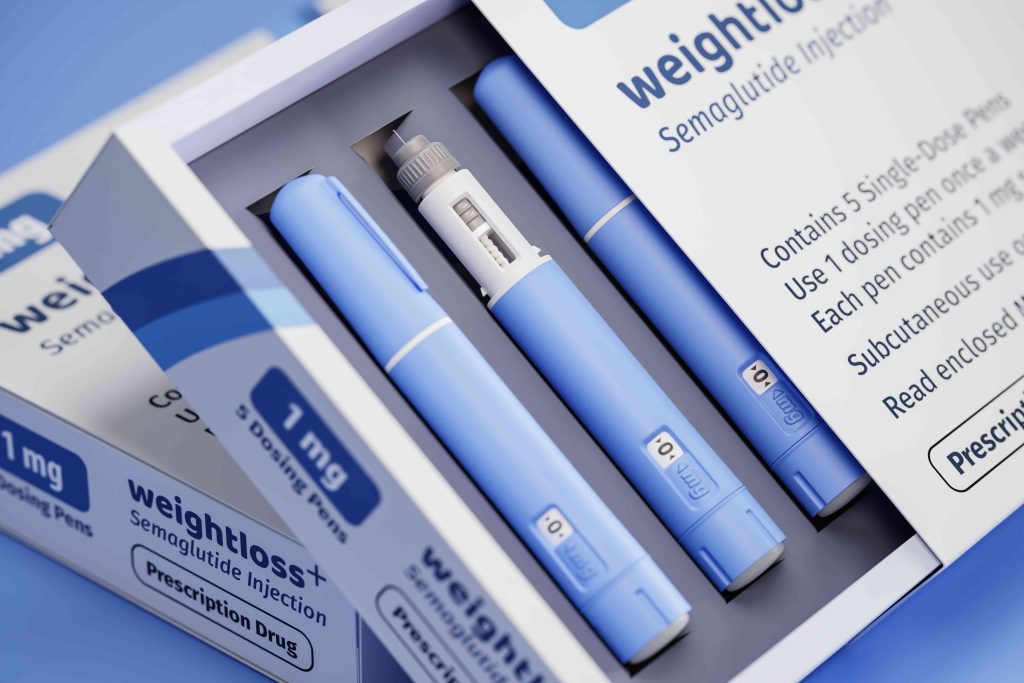
Post-Lipo Exercise Plan After GLP-1: Recovery Timeline, Workouts, and Nutrition

Key Takeaways

  • Learn how GLP‑1s reset appetite and metabolism and combine with lipo to sculpt the body. Coordinate with your team to update fitness and nutrition plans.

  • To back up this advice, follow a post-lipo exercise plan after glp-1 that starts with gentle walking and mobility, moves through low-impact and light resistance, and returns to strength and cardio by month three onward.

  • Forget fats and carbs for a moment. Focus on protein, hydration, and key micronutrients to support wound healing and muscle retention. Use meal scheduling and mindful eating to ensure you get these despite a diminished appetite.

  • Monitor metabolic and healing indicators, such as blood sugar, energy, wound appearance, and symptoms of deficiency. Respond quickly with increased or decreased activity or nutrition if you observe concerning symptoms.

  • Employ consistent self-tracking, symptom journals, and ongoing visits to your surgeon, endo, and nutritionist to calibrate recovery, medications, and workout regimes.

  • Balance physical forward momentum with mental health care. Pace workouts to your energy, include stress‑reducing practices, and don’t hesitate to seek support for body image or mood changes that can accompany rapid weight loss and recovery.

A post-lipo exercise plan after GLP-1 mixes slow activity with medical direction to promote recovery and preserve results. It includes timelines for walking, gentle stretching, and gradual strength work while addressing potential drug-induced impacts on energy and weight.

The plan focuses on low-impact cardio, core stability, and controlled intensity to minimize swelling and shield incisions. Working with your surgeon and prescribing doctor allows for a safe advancement and accounts for individual recovery rates.

The GLP-1 Context

GLP-1 receptor agonists impact appetite, glucose handling and adipose tissue behavior. They reduce hunger cues in the brain and delay stomach emptying, so people consume less and feel satiated longer. With these drugs, clinical trials show average weight loss of 15 to 20 percent of body weight, a degree of change previously seen primarily after bariatric surgery.

By early 2025, nearly 1 in 4 diabetes patients had initiated GLP-1 treatment, compared to 3 percent four years earlier. Rapid, sustained losses are common: fast early weight drop, ongoing appetite suppression, and improved metabolic markers. These shifts are significant to anyone considering liposuction or other contouring work while on GLP-1 therapy.

Metabolic Shift

GLP-1 agonists increase insulin sensitivity and glucose metabolism. That reduces circulating insulin and alters the storage of fat in the body. After liposuction, total fat mass is reduced in a local sense, but systemic fat redistribution is a function of current energy balance and hormonal context.

With GLP-1, the body tends to preferentially burn fat and may pull more on visceral fat reserves, which can benefit the waistline and shift skin tension over treated areas. Post-op patients should complement these metabolic shifts with consistent protein, complex carbs, and good fats to maintain muscle and metabolic rate.

Monitor blood sugar, triglycerides, and resting energy to detect any unwanted changes. For instance, a slight spike in triglycerides could indicate heightened fat mobilization and a requirement for nutritional fine-tuning. Daily low to moderate intensity activity keeps you insulin sensitive during recovery.

Healing Impact

GLP-1 drugs can influence nutrient intake and inflammation, which can impact tissue repair. Decreased appetite could lead to decreased caloric and protein consumption, decelerating the collagen formation and cellular renewal required for wound closure. Fast weight loss leaves behind loose skin that can’t tighten up completely.

Patients can come in with sagging or what we call ‘Ozempic face’ or ‘Ozempic butt.’ Good protein for most adults, 1.2 to 1.6 grams per kilogram of body weight during recovery, vitamin C, zinc, and iron help to counter these effects. Delaying intense exercise is prudent.

Strenuous activity early can open wounds or create seromas. As post-GLP-1 body contouring complication rates vary but are mostly wound-related, patience and a focus on nutrition reward.

Appetite Signals

GLP-1s mute hunger and shift eating habits. Patients could omit meals or under-eat after surgery, endangering low protein and calorie consumption necessary for healing. Use a planned meal schedule or simple table to ensure intake. Aim for regular, protein-rich mini-meals rather than relying on hunger.

Mindful eating assists by aiming for specific textures and timed combinations of foods to hit targets even when appetite is diminished. Watch for signs of poor nutrition, such as fatigue, slow wound healing, or weight loss beyond the target.

Track intake and lab markers, modifying supplements or meal timing as necessary to facilitate recovery and muscle retention.

Recovery Timeline

Recovery after liposuction falls within a pretty consistent timeline. Knowing the typical recovery timeline will help you set reasonable expectations for swelling, bruising, activity restrictions, and when to return to exercise. Here are the typical stages and actionable advice associated with recovery landmarks.

Immediate Post-Op

Rest is number one for the first 48 to 72 hours. Manage pain with prescribed medications and cold compresses, and keep incisions clean and dry to minimize infection. Avoid any exertion, heavy lifting, or bending because these increase blood pressure and can lead to bleeding or seroma formation.

Short gentle walks around the recovery area are encouraged between days one and seven to stimulate circulation and reduce the risk of clots. Adhere to surgeon directions regarding compression garments, drain care if applicable, and wound inspections.

Early Weeks

Begin short, frequent walks and light stretching to preserve mobility without over-stressing healing tissues. Low-impact cardio such as walking, stationary bike cycling, or elliptical can generally be started between weeks 2 and 3, assuming the surgeon gives clearance.

No heavy lifting, deep squats, or any sort of twisting that puts strain across incision sites. Watch for signs of infection: increasing redness, fever, foul drainage, or sudden worsening pain. Swelling and bruising should progressively get better. If swelling is increasing or the pain is not following its expected pattern, call the surgical team.

First Month

Add more movement throughout the day, with no impact activities or resistance work at your pre-surgery level. Light resistance training, low weight and high repetitions, can usually be initiated around week four. This should be about 60 percent of pre-op load and should emphasize control and range of motion.

Monitor your healing through how much swelling has subsided and how your incisions are. If any areas still feel numb, hard, or uneven, talk to your surgeon before progressing. For example, a sample plan for week four could consist of five 20 to 30 minute low-impact sessions, two days of light resistance, and daily short walks.

Swelling and bruising continue to decrease during weeks four to six.

The Exercise Blueprint

A phased plan like this lets you strike the right balance between healing and fitness post-lipo liposuction while on GLP-1. This way of addressing exercise minimizes risk, protects incisions, and supports metabolic health by maintaining activity that is both consistent and attuned to your scaled recovery. Following are staged prescriptions, rationale, and practical examples to direct safe progression.

1. Weeks 1-2: Foundational Movement

Start with short daily walks to reduce clot risk and increase circulation. Walk for 10 to 20 minutes a few times a day at approximately 40 to 60 percent of pre-surgery effort. Supplement with simple mobility drills such as ankle circles, shoulder rolls, and knee bends as far as comfortable to prevent stiffness and promote lymphatic circulation.

Protect against core strain and any motions that tug at incision sites by avoiding heavy lifting or high-tension stretching. Employ deep breathing and gentle stretches to relax and relieve mild swelling. Drink a minimum of 2 liters of water per day to assist recovery and maintain metabolic function.

2. Weeks 3-6: Low-Impact Integration

Add low-impact cardio between weeks 2 and 3, such as stationary bike, elliptical, or water aerobics if wounds cleared. Begin sessions short, lasting 20 to 30 minutes, and increase slowly while watching for swelling or pain. Light strength work can begin around weeks 4 to 6.

It’s important to focus on the non-operated areas at this time, so bodyweight exercises and relatively low loads should be used, with intensity close to 40 to 60 percent of pre-surgery levels. Plan gradual progress: tone at two to three weeks, and move toward fuller workouts around six weeks. Keep an eye on incision sites, and skip heavy lifting and any tension-stretching moves for healing areas in that first month.

3. Weeks 7-12: Strength Introduction

At approximately six weeks, begin light resistance training at approximately 60 percent pre-surgery intensity, with high reps and low weights. Incorporate bands or light dumbbells and compound movements that target large muscle groups, such as squats, rows, and pushes, while still shielding surgical areas.

Aim for two to three strength days per week, alternating with low impact cardio. Track strength, endurance, and body composition to inform progression. Pilates can be implemented or increased here for core strength and posture, helping to maintain liposuction results.

4. Month 3 Onward: Performance Building

Advance to moderate-to-high intensity workouts when approved by your provider. Add intervals, heavier resistance, and full-body routines to chisel contours and boost metabolism. Swimming is fine once wounds have fully healed and been cleared.

You should begin with 30 minutes a couple of times per week. Keep a balance of cardio, strength, and flexibility. Decide whether you want to increase stamina or muscle definition, then increase your loads gradually to avoid overtraining or injury.

Recommended exercises by stage:

  • Weeks 1–2: Short walks, ankle circles, seated marches, diaphragmatic breathing

  • Weeks 3–6: stationary bike, elliptical, water aerobics, bodyweight rows, seated leg lifts

  • Weeks 7–12: Resistance bands, light dumbbell squats, bent-over rows, modified planks

  • Month 3 or more: interval runs, heavier lifts, full Pilates classes, 30-minute swim sessions

Strategic Nutrition

Strategic nutrition to aid healing, conserve lean mass, and stabilize weight pre- and post-liposuction while on GLP-1s. Target slow and stable weight and metabolic stabilization. Most clinicians suggest weight stabilization for three to six months before elective body contouring, and six to twelve months of weight stability after GLP-1 initiation before surgery is often recommended.

Here are strategic zones to direct your food selections, timing, and supplements to complement a post-lipo workout regimen.

Protein Priority

Sufficient protein is the primary catalyst behind tissue repair and muscle conservation. Aim for 1.4 to 2.4 grams per kilogram of body weight depending on activity level and surgical stress, with the higher end for active individuals doing resistance work to preserve muscle while losing fat.

Choose easy-to-digest, high-quality sources: lean poultry, fish, eggs, Greek yogurt (if tolerated), tofu, tempeh, and low-sugar beef jerky. For GLP-1 low appetite patients, use protein powders or pre-made high-protein soups to meet targets without large volumes.

Spread protein for better absorption and steady satiety. Example: three meals with 25 to 40 grams of protein each, plus one to two protein-rich snacks. Monitor for indications of suboptimal recovery or muscle wasting, such as delayed wound healing, onset weakness, or rapid lean mass loss, and increase protein or see a dietitian if they emerge.

Hydration Focus

Hydration promotes metabolism, skin elasticity, and circulation post-surgery. GLP-1 medications can blunt appetite and reduce spontaneous fluid intake, so set simple goals: sip water regularly, aim for at least 30 to 40 milliliters per kilogram per day as a baseline, and more with exercise or heat.

Cut back on sugary drinks and caffeine, as both can exacerbate dehydration and mess with blood sugar control. Measure with a bottle or app log to maintain daily fluid consistency. Add electrolyte-rich drinks if excessive fluid losses are experienced, but steer clear of sugary sports drinks!

Micronutrient Support

Vitamins and minerals accelerate wound healing, bolster your immune system and help maintain consistent energy. Eat a variety of colorful vegetables, fruits and whole grains to cover your bases.

Consider targeted supplements when diet falls short: vitamin C for collagen, zinc for repair and iron if blood loss or low labs occur after checking levels. A quick reset that eliminates sugar, grains, dairy and processed foods and centers around whole proteins, vegetables and healthy fats can quiet inflammation and streamline consumption.

Checklist of essentials:

  • Vitamin C: 75 to 120 mg per day, citrus, bell peppers, or supplement for collagen.

  • Zinc: 8 to 11 mg per day. Shellfish, meat, legumes, check supplement if deficient.

  • Iron: Monitor ferritin. Consume red meat, legumes, or a supplement if deficient.

  • Vitamin D and calcium provide bone and immune support. Test levels and supplement where necessary.

  • Electrolytes: sodium, potassium for fluid balance during recovery.

Sample meal ideas:

  • 2-egg omelet, ¼ cup spinach, and 1 oz feta provide approximately 15 grams of protein and 5 grams of carbohydrates.

  • 1 ounce of almonds contains 7 grams of fat, 3 grams of fiber, and 170 calories.

  • 1 ounce of beef jerky contains 10 grams of protein and 0 grams of carbohydrates.

Mindful Monitoring

Mindful monitoring is careful attention to thoughts, emotions, and physical cues in recovery. It combines easy habits, such as taking 10 slow breaths to soothe the nervous system, with detailed symptom, food, sleep, and exercise tracking. This chapter dissects how to monitor the body and mind following liposuction and GLP-1 therapy, and how to switch strategies when feedback and feelings signal danger.

Body Signals

Know common warning signs: sharp or increasing pain, persistent swelling, dizziness, or rapid heart rate. Watch for delayed healing or incision site changes. Record these daily – a brief note on swelling, soreness, or appetite after each walk provides pattern data over weeks.

Employ a simple symptom chart with columns for date, exercise, pain (0 to 10), inflammation, hydration, and diet. That history helps you identify connections, such as intense muscle pain after a novel workout or diminished hunger after taking a dose. If you notice persistent red flags, cease or reduce the culprit activity and call your clinician.

grid 38062 1

Energy Levels

Energy swings inform you about recovery and if nutrition matches requirements. Monitor morning and evening energy on a straightforward 1 to 5 scale, recording what you ate, sleep, and medications. When energy is low, shorten or lower the intensity of workouts: swap a 45-minute cardio session for a 20-minute gentle walk or a mobility routine.

If your afternoon crashes are too frequent, it could mean your protein or total calories are too low or your GLP-1 effects are strong. Shift meals to emphasize compact protein sources such as Greek yogurt or lentils. Rest and sleep aren’t an option. Get eight hours whenever possible and supplement with power naps if your nighttime sleep is broken.

Trends of constant tiredness should trigger a diet check and clinical feedback.

Mental Health

Mood and self-image are hit by quick weight cycling and rebound stress. Practice brief mindful monitoring: set a timer twice daily to record feelings or do five minutes of seated breath work, taking ten slow breaths to down-regulate the nervous system. Journaling or affirmations can help reprogram your reaction to stress and build confidence.

Jot down where the triggers for emotional eating are and what helped you overcome them. Inject stress busters like light yoga, walking with a friend, or brief guided meditations. Look out for ongoing despondency, nervousness, or retreat.

These warrant a reworking of the plan and potentially professional help. Social connection and positive self-talk boost resilience and help with long-term commitment to exercise and diet goals.

Professional Synergy

Post-lipo care after GLP-1 therapy is a delicate dance that necessitates intimate collaboration among specialists working in tandem to allow for healing, metabolic shifts, and patient goals. Early framing of responsibilities and shared plans helps avoid conflicting advice and keeps recovery on track.

Coordinate care between plastic surgeons, endocrinologists, and dietitians for integrated treatment plans.

Plastic surgeons are concerned with wound healing, scar management, and physical limitations following liposuction. Endocrinologists oversee GLP-1 dosing, glycemic impacts, and medication side effects that can influence energy or appetite. Dietitians convert medication magic into meal plans that facilitate tissue repair and maintain a steady weight.

Sync up by establishing a baseline visit together within 2 weeks post-op, exchanging operative notes and medication histories, and uniting on re-referral red flags. For example, if the surgeon notes poor wound perfusion, the endocrinologist may pause GLP-1 to avoid nausea-related poor intake until perfusion improves.

Align exercise, nutrition, and medication strategies to maximize safety and effectiveness.

Go low and ramp by tissue tolerance exercise plans. Start with easy walking and range-of-motion work during the first one to two weeks, complemented by low-impact cardio added by week three to four. Then, resistance training around week six if cleared.

Diet should provide 1.2 to 1.6 grams of protein per kilogram of body weight daily to support repair while considering GLP-1 mediated appetite shifts. Promote nutrient-rich meals balanced with protein, low-glycemic carbs, and healthy fats in metric servings.

About professional synergy, medication timing can impact sessions. Plan GLP-1 shot injections so that peak nausea, if any, does not align with higher-intensity workouts. For example, a patient may take a GLP-1 dose in the evening when training is morning-based to reduce exercise intolerance.

Schedule regular follow-ups to review progress and update recovery protocols as needed.

Set a structured follow-up cadence: surgeon checks at 1 to 2 weeks, 6 weeks, and 3 months. The endocrinologist checks at 4 to 6 weeks after any dose change. Dietitian visits occur at 2 and 8 weeks to adjust intake.

Use simple outcome measures: wound status, pain scale, walking distance, strength benchmarks, and body composition by bioimpedance or calipers. Telehealth can fill in between checks. Review plans when recovery plateaus, weight loss is fast, or side effects emerge.

For example, if strength gains lag at 8 weeks, reassess protein intake and GLP-1 timing rather than immediately increasing training load.

Leverage expertise from multiple disciplines to address cosmetic, metabolic, and lifestyle goals.

About professional synergy, think to interlay surgical objectives, like contour refinement, with metabolic ambitions like enhanced insulin sensitivity and sustainable lifestyle changes. Leverage couples therapy to establish realistic time frames and to align expectations around fat loss, weight plateauing, and activity.

Offer practical tools: meal templates in metric measures, graded exercise sheets, and alert signs for each provider. Multidisciplinary strategies minimize duplication, accelerate healing, and aid sustainable change.

Conclusion

Post-lipo exercise plan after glp-1 Short walks begin day one and support blood flow and mood. Low-impact moves and band work build strength without stress. By week 4, incorporate light cardio and higher reps. Monitor pain, swelling, and energy. Track measurements and photos to watch actual progress. Consume protein with every meal and try to include complex carbs and good fats to energize healing. Remain intimately involved with your surgeon and your prescribing provider. Request modifications if weight loss or side effects impact healing. Small, consistent steps reduce risk and accelerate returns. Tinker with just one shift at a time and observe how your body reacts. Let’s get the plan in motion! Plan a check-in with your care team this week.

Frequently Asked Questions

What is the safest time to resume light exercise after liposuction while on a GLP-1 medication?

Most surgeons recommend light walking after 24 to 48 hours. If you’re on GLP-1, check with your provider regarding wound healing and stable blood sugar prior to an activity increase.

When can I start moderate cardio after liposuction while using GLP-1 drugs?

Moderate cardio usually starts at 2 to 4 weeks if healing is straightforward. First, get clearance from both your surgeon and the clinician managing your GLP-1 medication.

When is it safe to return to strength training after liposuction and GLP-1 therapy?

Wait 4 to 6 weeks for low-load resistance, progressing slowly with incisions healed and energy levels stabilized so that you don’t get dizzy or stall your recovery.

Do GLP-1 medications change recovery or exercise tolerance after liposuction?

Yes. GLP-1s can suppress appetite and induce tiredness, nausea, or hypoglycemia. Observe symptoms and adjust according to symptoms with your doctor’s assistance.

How should I adjust nutrition when exercising post-liposuction on GLP-1s?

Prioritize protein for healing, around 1.2 to 1.6 grams per kilogram of body weight, and small, balanced meals to avoid nausea or hypoglycemia. Work with your care team to set individual goals.

What signs mean I should stop exercising and contact my surgeon or clinician?

Pause and get care if you develop fever, progressive pain, redness or drainage, fainting, severe nausea, or dizziness. They can be signs of infection, dehydration, or medication-related issues.

How do I coordinate care between my surgeon and the clinician managing my GLP-1 medication?

Tell us about your operation notes, medicine schedule, post-lipo exercise plan after glp-1. Please provide me with unambiguous, written activity limits and blood glucose targets so that I don’t receive conflicting advice.


Medications Then Lipo: Before & After Results and Recovery Guide

Key Takeaways

  • Tirzepatide and semaglutide can do fat shifting and fat cell shrinking with quick weight loss, so be sure to hit a plateau and eat clean before considering a liposuction consultation.

  • Pay close attention to skin elasticity and muscle tone on a medication-induced weight loss journey. Less elasticity means a higher likelihood you will need additional skin tightening or excisional procedures for best results.

  • Modified surgical planning and recovery should be anticipated when you have taken GLP-1 or similar drugs. This includes specialized liposuction methods, potentially extended healing, increased bruising, or delayed tissue repair.

  • Consult about anesthesia alternatives and risk modifications with a board-certified plastic surgeon. Awake liposuction with tumescent local anesthesia decreases operative risks and accelerates recovery in select patients.

  • Follow obvious post-op care like compression garment, slow walk back to exercise, and monitor swelling or bruising weekly to support healing and catch complications early.

  • For the surgical route, it’s critical to prioritize a holistic surgical decision process. This includes a full medical evaluation, realistic expectations, strategically combined procedures like abdominoplasty, and ongoing follow-up to maintain results long term.

Before and after: meds then lipo journey describes changes people notice after weight-loss medications followed by liposuction.

We commonly see rapid fat loss on meds, followed by targeted contouring with lipo. Results depend on dose, duration of treatments, areas treated on the body, and post-care recovery.

There are risks and costs between medical and surgical steps. The body of each post goes over timelines, realistic results, side effects, and recovery tips so you can plan safely.

The Medication Phase

This phase includes how prescription weight loss medications alter the body prior to liposuction and how pain and post-op meds are handled afterwards.

Tirzepatide and semaglutide can induce rapid weight loss by reducing appetite and delaying gastric emptying. Fat loss starts everywhere, but individuals perceive more change in visceral fat and in areas where fat layers are thinner first. That transition can leave lumpy fat pockets or mini fat deposits where liposuction subsequently has to strike.

Surgeons will observe how much fat is left, how deep it is, and the skin reaction when scheduling surgery after these medications. Skin and muscle tone suffer during rapid weight loss. Skin elasticity is low when fat shrinks quickly, particularly in older patients or those with a history of sun damage or smoking.

Muscle under the skin can appear less voluminous, which accentuates any folds or loose skin. Monitoring in this context refers to occasional photos, pinch tests, and even the occasional ultrasound to gauge tissue thickness. If skin has little bounce back, surgeons might recommend combined procedures, delayed surgery, or non-surgical skin tightening before or in place of liposuction.

Steady weight and a robust diet are your foundation before booking a lipo consult. Weight changes alter surgeries and outcomes. Target, at minimum, three months of weight stability and a well-balanced protein-rich diet to encourage wound healing and muscle tone.

Present lab results and medication history to your surgeon so they can schedule the procedure when results are most predictable and risk is lower. Pain and recovery — the medication phase of liposuction. Prescribed pain meds account for those initial 3 to 5 days, after which the majority transition to over-the-counter paracetamol per instructions.

Mild to moderate pain is typical, generally worst during the first week, with pain, swelling, and bruising peaking during the first 3 days. A little pain is anticipated and typically managed with the course. Adhere to the provider’s medication phase to minimize pain, inflammation, and infection risk, which is still less than 1% of cases.

Common side effects of weight loss medications include nausea and vomiting, diarrhea or constipation, headache and fatigue, dizziness or lightheadedness, injection-site reactions, mild gallbladder issues or pancreatitis in rare cases, and reduced appetite leading to low energy or nutrient gaps.

Maintain logs of drug start dates, weight trends, and skin checks. Bring these to your surgical consult so the team can plan timing, technique, and post-op meds for optimal results.

How Medications Affect Liposuction?

Weight loss drugs alter body fat, skin, and healing in ways that impact liposuction planning and results. We have separated the following into effects on skin, fat, surgical risks, anesthesia, and recovery to give surgeons and patients nuance in making clear decisions.

1. Skin Elasticity

Medication-induced weight loss tends to have less skin snapback. Fast or big losses decrease elastin and collagen density so skin can hang or fold after fat removal. This is more common when patients lose weight on GLP-1s and don’t retone through exercise.

Many exhibit a bit of muscle atrophy that causes skin to appear looser. Check skin quality pre/post medication to anticipate extra work needed. A simple table can list variables: pre-med skin tone, post-med tone, pinch test result, degree of laxity, recommended adjuncts (skin tightening, abdominoplasty).

This assists in aligning expectations and scheduling combined procedures. Check elasticity carefully at preop visits. Exams such as pinch, photos, and history of weight change determine if liposuction alone is adequate.

Minimal elasticity often brings up mention of skin excision for optimal contours.

2. Fat Composition

Medications alter fat patterns and fat cell size. GLP-1s reduce the size of fat cells across the entire body and can leave mini, stubborn pockets of fat in the abdomen or thighs. Those pockets can defy noninvasive methods but are accessible to focused liposuction, which extracts cells for exact contouring.

Surgeons need to adjust technique according to changed volumes and tissue texture. Denser, fibrotic areas may be better served with power-assisted or ultrasound-assisted lipo. Recording fat composition with photos and notes allows us to set realistic goals for areas that are prone to stay fat even if you lose weight elsewhere.

Note that fat removal and weight loss serve different aims. Medications reduce fat cell size and body mass, while liposuction removes cells locally to contour the body.

3. Surgical Risks

Fat loss produces a greater chance of skin redundancy and incision complications. Patients can experience protracted swelling, excessive bruising, and sluggish tissue remodeling, especially if they have poor skin quality or muscle atrophy.

Delayed healing and infection risk increase when procedures are large or when skin viability is marginal. Enumerate these risks during consent. Note that discontinuing GLP-1s is not a universal recommendation.

The 2024 guidelines don’t mandate cessation, but personalized evaluation is crucial. Take into account the risk of weight regain upon discontinuing GLP-1s if lifestyle habits aren’t maintained.

4. Anesthesia Concerns

Awake or tumescent liposuction can substantially reduce systemic risk for patients with changed physiology from recent weight loss. Local methods minimize bleeding and recovery strain and might be appropriate for patients with lower BMI or comorbidities.

Anesthesia plans will need to echo your current weight and complete medical history. Board-certified plastic surgeon supervision guarantees safe selection among local, sedation, or general anesthesia and that changes are made for modified tissue and repair ability.

5. Recovery Timeline

Medication users frequently heal along a different timeline. Peak swelling can last longer and leftover puffiness lingers for weeks beyond. Expect staged improvement: peak swelling, gradual contour reveal, then months to refine.

Compare timelines: non-med users often see faster early resolution. Med users might require more prolonged advice and a more gradual resumption of hard workouts.

Monitor bruising and swelling weekly and postpone full workouts until cleared. A stable weight for six to twelve months before surgery is still a wise standard.

The Surgical Decision

The decision to have liposuction following drug-induced weight loss begins by establishing clear realities about what the procedure can and cannot accomplish. Liposuction is a body contouring tool, not a weight loss method. Candidates for the procedure are typically within around 30% of their target body weight with stubborn areas of fat that are diet and exercise resistant, like a stubborn belly pooch or love handles.

For example, someone who lost 10 to 15 kg with meds but still has a hard lower abdomen, or their waistline is still uneven although they are generally slimmer.

A full medical workup follows. Surgeons check medical history, current health, smoking and drinking habits, and medications. Patients must quit smoking and alcohol for a period of time before surgery to reduce risks of infection and healing.

Some medications increase bleeding risk. Blood thinners, NSAIDs, and certain vitamins or supplements should be discontinued a minimum of one week in advance. This check ensures the patient is healthy enough and helps shape safe plans, such as whether smaller staged procedures are better than one big session.

Your surgical plan is personalized to your body shape and goals. Together, they map target areas, discuss realistic results, and select techniques. The tumescent technique is common: surgeons infuse a mix of lidocaine, epinephrine, and saline into the tissue before suctioning.

About: The Surgical Decision Safety capping applies. Most surgeons will regard removal of up to 5,000 mL of fat in one session as a general safety limit. For the multi-area patient, say abdomen and flanks, either do them together or stage abdomen first and flanks later to remain in the safe volume range.

It’s worthwhile to look at other or complementary surgeries. An abdominoplasty could be necessary in the event that the skin is lax or the abdominal muscles have been compromised following major weight loss. Fat grafting can finesse contour by transferring harvested fat to hips, buttocks, or face.

A patient who has lost lots of weight could require abdominoplasty and liposuction to achieve a smooth, taut result. Discussing combined procedures clarifies trade-offs: longer surgery and recovery versus a more complete outcome.

A free consultation with a board certified cosmetic surgeon allows patients to put the finishing touches on the plan and set expectations. Surgeons should discuss risks, including a rate of approximately 2.7 percent for contour irregularities, infection, scarring and anesthesia complications.

Clear pre-op instructions, recovery timelines and follow up care round out the decision.

My Awake Lipo Experience

Awake liposuction is a local-anesthesia procedure that allows the patient to remain alert as select fat is extracted. The setup began with pre-op rules: stop smoking at least two weeks before, follow fasting or light eating guidelines, and arrange transport home. The procedure itself is typically one to two hours in duration based on how many areas are worked on and the amount of fat removed.

The process consisted of small 3 to 5 millimeter incisions made in inconspicuous locations. The surgeon injected tumescent solution, which is a cocktail of saline, local anesthetic and epinephrine, into the treatment areas to numb tissue, shrink blood loss and tighten fat for simpler extraction. As soon as the tissue felt sufficiently numb, tiny cannulas were inserted through the incisions to disrupt and vacuum out fat.

The surgeon moved methodically, rocking the cannula in measured strokes to sculpt softer lines. You will see instant shape improvements after swelling subsides a bit, but final contours can take three months or more to emerge.

Some moments were more comfortable than others. Tumescent anesthesia minimizes pain, but one still experiences pressure, pulling, and temporary sharp sensations. A lot of people say there are moments of intense discomfort that approach 7 or 8 out of 10, but these are temporary and step specific.

Even for those who tremble at the thought of needles or suffer from sensitive nerve endings, awake lipo can still be an option as it bypasses general anesthesia and keeps you in direct contact with the team. Pain management can be enhanced during the procedure with incremental local anesthetic and short-acting oral or IV meds as needed.

Awake liposuction benefits are faster recovery and minimal downtime when compared to conventional general-anesthesia liposuction. Since no heavy sedative load is administered, the majority of patients resume light activity within one to two days. Because they can typically do multiple areas in the same session, that means less time off work overall.

Anticipate swelling and bruising for weeks; these are standard healing, and they fade. Recovery pain is typically controlled with prescription pain medication and wearing a compression garment for a few weeks to minimize swelling and support the new contours.

Post-op care checklist:

  • Recovery requires rest for the first 24 to 48 hours and no heavy lifting for 2 weeks.

  • Compression garment to be worn continuously for the first two weeks, then as directed.

  • Take prescribed pain meds and antibiotics as directed.

  • Apply cold packs first 48 hours to limit swelling.

  • Sleep with elevated torso to reduce fluid pooling.

  • No smoking or alcohol for at least two weeks post-op.

  • Follow-up visits at one week, one month, and three months.

The Mental Shift

Weight loss and liposuction typically induce a very clear mental shift in the aftermath, a shift that combines relief with hope and uncertainty. It makes them feel lighter in their souls when the body follows their will, which can put a damper on decades of self-berating. Others encounter doubt and concern, wondering if the shift is permanent or if they will feel the same way in a few months. Mood swings are rife.

Studies indicate almost a third experience erratic moods post-op, while others endure bouts of depression. Self-compassion and awareness of these potential responses assist in making the transition more manageable.

Confidence and self-image generally increase as the new body becomes accustomed. Roughly 70 percent of patients are less body-dissatisfied post-op, and many report better posture, more eye contact, and eagerness to participate in social or professional activities they had been skipping.

This boost can feed motivation: when people see results on the scale and in photos, they often work harder to keep them. A dose of positive body image can spark sustained mental health gains. Other research shows depression lifts within six months and 80 percent report general mental health enhancement over the long term.

Establishing realistic expectations is at the heart of a sustainable mental shift. Surgery and weight loss alter form, not essence. Assume slow visible progress in healing, not instant flawlessness. Celebrate short-term victories, such as being able to buy new clothes or return to normal movement, and frame them as steps, not destinations.

Unrealistic hopes can fuel disappointment and anxiety, so clear preoperative discussions of probable results assist in avoiding future remorse.

Practical steps back up mental and physical maintenance. Opt for a calorie plan appropriate for your size and objectives, and prioritize whole foods, lean protein, and fiber to maximize satiety.

grid 37862

Try to maintain regular physical activity with three to five workouts a week that combine both cardio and resistance training to retain muscle and avoid weight gain. Follow straightforward metrics such as body measurements and performance markers instead of obsessing over weight alone.

Regular check-ins with a doctor or nutritionist can identify early weight gain and provide opportunities to course correct.

Emotional habits count. Employ positive self-talk and patience to construct resilience in recovery and beyond. Expect highs and lows and plan coping tools such as short walks, journaling, or talking with a therapist or peer group.

For some, the transformation provides closure and a durable confidence boost. For others, it is a step in continual self-care.

Life After Lipo

What to expect, and how to guard the goods. Recovery goes in stages, and patient decisions mold the long-term result. Here’s an easy-to-follow, numbered text list of average post-lipo recovery phases with realistic specifics.

  1. Immediate postoperative period (days 0–3): Expect swelling to peak within the first week, along with bruising and soreness. Wear compression garments immediately to reduce swelling and support tissues. Pain is typically controlled with prescribed meds. Take short walks around the room to lessen clot risk and increase circulation.

  2. Early recovery (days 4–14): Swelling typically begins subsiding toward the end of the first week. Most people are happy to return to light work within a few days, though they will avoid bending or heavy lifting. Wear compression garments until week four or as recommended by your surgeon. It will likely take longer to fully heal and allow you to return slowly to normal life after two weeks.

  3. Intermediate recovery (weeks 3–6): Swelling typically subsides significantly by weeks 5 to 8, although some can persist for up to six weeks. Simple walking should continue and patients can start low-intensity workouts within a few weeks, building up gradually. Slight shape enhancements, particularly in the belly or side thighs, begin to appear. With decent care post-op, you should notice the effect you’re after in about 6 weeks.

  4. Late recovery (months 2–6): Continued reduction in residual swelling and steady contour refinement. Follow-up appointments monitor healing and address issues like unevenness or fluid pockets. Final results have not quite set in, but most notice drastic improvement by the three-month mark.

  5. Final results (6–12 months): Final results generally show at six months to a year if you keep the weight off with diet and exercise. Scar maturation and softening of treated areas persist. Regular check-up assists in ensuring complete healing and directs any minor touch-ups if necessary.

A skincare/activity plan that you customize with me is part of your best practices to maintain results. Follow a surgeon-recommended skincare regimen: gentle cleansing, sun protection with SPF, and targeted moisturizers for scar care. If lymphatic massage is recommended, book trained therapists in advance to minimize swelling.

Eat a balanced diet; get stable weight, moderate quantities, and frequent protein to facilitate tissue repair. Adhere to exercise guidelines: start with walking, progress to low-intensity cardio after a few weeks, then add strength work gradually from week six onward as comfort allows.

Refrain from vigorous or high-impact exercise until released at follow-up appointments. Attend all scheduled follow-up appointments to track healing, catch late complications, and modify compression or activity guidance.

Celebrate your new body with good habits and loving your enhanced silhouette. Maintenance care maintains results and fuels lasting happiness.

Conclusion

Real trade-offs, meds then lipo journey. Medications can reduce risk and alleviate symptoms. Surgery can transform your figure quickly and increase your self-esteem. Healing does take time. Scars scab over and fade away. Swelling goes down. Pain improves with rest, cold packs, and mild medications. Mental work counts as well. Small wins develop consistent confidence in your physique. True magic happens with diligence, time, and consistent checking in with your physician. For instance, a week of enforced rest is rewarded with clearer motion by week three. One more discovered mood lift follows two months of visible change and improved sleep.

Balance medical necessities, timing and expense. Speak with a reputable surgeon and your prescriber. Shoot me an email if you’re ready to map out next steps or want assistance crafting questions for your squad. I can assist.

Frequently Asked Questions

Can taking medications before liposuction affect surgical outcomes?

Yes. Certain medications can make you bleed more, interfere with anesthesia, or impact healing. Tell your surgeon about all prescription and OTC drugs so they can tailor care and reduce risks.

How long before liposuction should I stop blood-thinning medications?

Usually 7 to 14 days for standard blood thinners, but timing depends on the drug and medical necessity. Always follow your surgeon’s and prescribing physician’s instructions to balance bleeding risk and overall health.

Will psychiatric medications disqualify me from liposuction?

Not typically. A lot of psych meds can be safe with surgery. Surgeons work with your psychiatrist to modify dosing or timing if necessary for safety.

What is “awake lipo” and who is a good candidate?

Awake lipo utilizes local anesthesia and light sedation as opposed to general anesthesia. Perfect candidates are healthy, have reasonable fat accumulations and expectations. Your surgeon will determine if you are a candidate during your consultation.

How soon will I see results after awake liposuction?

You see shape changes right away, but swelling masks final results. Anticipate incremental improvement over four to twelve weeks and final contour by three to six months, contingent on healing and swelling.

Can liposuction improve mental health or body image?

Sure, a lot of people feel more confident post-lipo, but the lipo doesn’t cure the mental illness. Talk about goals with your mental health professional and surgeon first.

What should I do to prepare mentally and physically for lipo?

Secure medical clearance, discontinue or modify medications as recommended, plan for assistance during recovery, and establish expectations. Good communication with your care team minimizes risk and maximizes satisfaction.

How to Maintain Liposuction Results Long-Term

Key Takeaways

  • Adhere to post-operative instructions and wear fitted compression garments as they recommend to minimize swelling and support healing. This enhances the likelihood of permanent contour shifts.

  • Activity should be increased gradually once your surgeon clears you to exercise, beginning with light walks and progressing to your normal cardio and strength training to optimize circulation and safeguard your results.

  • Make a commitment to a sustainable lifestyle. Eat healthy, stay hydrated, and exercise regularly. Track your weight or measurements weekly to identify trends before they jeopardize your liposuction result.

  • Take care of non-diet factors like sleep, stress, and alcohol by creating sleep routines, implementing stress relief methods, and drinking mindfully to promote recovery and maintenance.

  • Track your body over time with photos, measurements, and follow-up appointments. Be open to tweaking your plan or adding complementary treatments for skin laxity or resistant stubborn areas.

  • Think of lipo as a gateway procedure to whip your habits into shape. White recommends setting realistic goals and using concrete, written action steps to hold yourself accountable and maintain your results long term.

How to maintain lipo results long term is a schedule of consistent habits and aftercare. That means balanced eating with steady protein and fiber, regular moderate exercise that combines cardio and strength, and monitored weight with easy weekly checks.

Timing follow-up visits and wearing recommended compression help healing and contour. Stress, sleep, and avoiding major weight fluctuations also impact results.

The main body goes deep on routines, meal ideas, and tracking tools.

The Foundation

A solid recovery plan after liposuction acts like the foundation of a building: it supports new contours, prevents collapse, and sets the stage for long-term stability. Just as a house requires a level foundation, post-operative habits provide structure to outcomes. Here are the fundamentals patients should practice to safeguard results and foster durable transformation.

Compression Garments

Utilize compression garments as a constant buddy to assist skin retraction and retain softened tissues. When properly fitted, these garments distribute gentle compression to decrease swelling and fluid pockets, helping define contour.

Wear clothing that corresponds with your surgeon’s size recommendation. Too tight restricts blood flow, and too loose won’t compress swelling. Rinse and dry clothes often to avoid skin irritation, yeast, or bacterial overgrowth. Hand wash or use a gentle cycle and air-dry.

Wear them as prescribed, typically days to weeks full-time then part-time as directed, because short-term use dilutes long-term reward. Think of the garment as temporary scaffolding. Remove it only under professional advice.

Activity Levels

Resume light activity as soon as you’re cleared to encourage blood flow and decrease clot risk. Basic daily walks and gentle stretching work great. Stay away from heavy lifting, intense cardio and high-impact moves until your surgeon approves tissue healing, as strain too soon can cause bleeding or contour changes.

Suggested steps for increasing activity:

  • Week 1–2: Short walks several times per day, basic mobility at home.

  • Weeks 2–6: Longer walks, low-resistance cycling, light core work if cleared.

  • Weeks 6 to 12: Reintroduce moderate strength training and gradually increase higher-intensity cardio.

  • After 12 weeks, follow a tailored training plan and add resistance to rebuild muscle.

Watch for pain, swelling, or hardness that’s not even and decrease if any symptoms increase. Tracking progress relative to your body prevents backtracking and maintains muscle, which fights aging loss.

Follow-Up Care

Make all follow-up visits so your surgeon can monitor healing, remove sutures if necessary, and detect early problems. Open dialogue about surprise symptoms—fever, rising redness, new lumps, extended numbness—allows your squad to step in fast.

Follow wound care and scar advice exactly: clean as directed, use recommended ointments or silicone sheets, and protect scars from sun exposure. Update your post-op plan as your surgeon evaluates progress.

They may extend garment time, activity restrictions, or suggest physical therapy. Strong follow-up is like inspecting a foundation after a build. It prevents small problems from becoming structural failures.

Your New Lifestyle

Preserving lipo results long term depends on good daily habits that aid healing, promote stable weight, and maintain your body contour. Small consistent changes to eating, movement, sleep, and hydration matter more than intense efforts in short bursts. The advice below describes what to do, why it works, where it applies, and how to turn it into a routine.

1. Strategic Nutrition

Target meals focused around lean proteins, healthy fats, whole grains, and leafy vegetables to fuel tissue repair and provide sustained energy. Examples include grilled fish with quinoa and steamed kale, or a chickpea salad with olive oil and avocado. Go easy on sugar snacks, processed foods, and trans fats because they provide the body with calories it can easily deposit as new fat.

Organize meals and easy snacks such as hard-boiled eggs, Greek yogurt, or a handful of nuts to tame appetite and resist mindless munching. Maintain a food journal or easy table that records meals, portions, and moods. This makes patterns obvious and helps you identify where sneaky sugars or carbs creep in.

2. Consistent Hydration

Sipping water all day aids metabolism, tissue healing and natural detox. A common cue: pale straw-colored urine usually signals good hydration. Dark urine suggests you need more fluids. Trade sugary beverages for water, seltzer, or herbal teas to ditch empty calories.

Include hydrating foods such as oranges, cucumbers and tomatoes in meals for additional fluid and vitamins. Try to sip consistently, particularly on active, travel or hot days, as consistent consumption suppresses phantom hunger.

3. Purposeful Exercise

Start with gentle movement during recovery: daily walks or light stretching support circulation and reduce stiffness. No high-impact or strenuous workouts for the first 2 to 4 weeks post-surgery; adhere to your surgeon’s timeline.

Once cleared, design a schedule that combines aerobic exercise such as brisk walking, cycling, and swimming with strength training two to three days a week to help increase muscle tone and resting metabolic rate. Rotate activities to prevent burnout: one week focus on swimming and light weights, another on brisk walks and bodyweight circuits.

Modify the intensity to match your present fitness level and objectives and advance cautiously to prevent injury.

4. Stable Weight

Weigh yourself weekly to catch gains early and tweak food or exercise before weight climbs. Think slow and sustainable change, not quick fixes. Small weight gains can be nearly invisible, but big ones will undo your lipo.

Take it easy for a couple of weeks post-surgery to give your body time to mend and adjust. Let your new lifestyle of consistent habits maintain your weight. Quality sleep of 7 to 9 hours per night stabilizes appetite hormones and promotes sustainable weight management.

Beyond Diet and Exercise

It takes more than food and movement to keep liposuction results long term. Sleep, stress, alcohol, hydration, social support, and even some easy tracking habits all influence tissue repair, fat placement, and overall composition. Each subtopic goes through practical actions, reasons for doing them, and explicit examples you can use no matter where you live.

Sleep Quality

Sleep 7–9 hours per night helps tissue repair and hormone balance. Maintaining a consistent sleep schedule, hitting the sack and getting up around the same time, keeps your circadian rhythms aligned and appetite-regulating hormones stable.

Create a sleep-friendly room: limit screens an hour before bed, use blackout shades, and reduce noise with earplugs or a white-noise machine. If sleep doesn’t come easily to you, tackle this head-on—discuss sleep apnea, restless legs, or medication side effects with a clinician.

It helps you sleep better and supports recovery while reducing late-night binging that can sabotage lipo results.

Stress Management

Chronic stress raises cortisol, which can encourage fat storage and emotional eating. Practice simple stress-reduction tools: 10 minutes of deep breathing twice daily, short guided meditations, or a weekly restorative yoga class.

Pinpoint the main causes of stress — work, caregiving, money — and strategize. For example, delegate, build boundaries, and time-block deep work. Build regular relaxation into your week: a hobby that brings joy, a short walk in nature, or social time with a friend.

Instead, record your mood and triggers in a journal so that you notice the patterns and can prevent stress-related weight gain.

Alcohol Intake

Limit alcohol to reduce excess calories and to support your liver and metabolic health. If you do drink, opt for low-calorie options like dry wine or spirits with soda water and plan a weekly limit that aligns with your objectives.

NOTES: Remember alcohol dries you out and disrupts sleep, which impacts recovery and skin condition. Record intake in a straightforward journal or app to keep yourself honest.

Jot down notes on how you felt the following day to learn what works best. Cutting down on alcohol by just one drink a session tends to make its way into your waistline over a couple of months.

Checklist — Non-dietary habits for lasting results

  • Sleep: consistent 7–9 hours, dark room, screen limit.

  • Hydration: 8–10 glasses (adjust by activity and climate).

  • Stress: daily micro-tools, weekly relaxation, journal triggers.

  • Alcohol: set limits, choose lower-calorie drinks, log intake.

  • Recovery: wear compression garments when advised, follow surgeon guidance.

  • Monitoring: Measure, take photos, and use skin-firmness checks every 4 to 8 weeks.

  • Support: find an accountability buddy and enjoyable activity options.

  • Professional check-ins: schedule follow-ups to adjust plan.

The Body’s Response

Liposuction is much about the body’s response, not just the surgeon’s skill, when it comes to the duration of results. Tissue healing, residual swelling, and the reorganization of remaining fat cells sculpt your contours over weeks to months. Swelling can blur final contours for months post-op. Stress, hydration, sleep, and activity influence how tissues settle. Below are concentrated descriptions of the key mechanisms to monitor and control.

Fat Redistribution

Any remaining fat cells can still expand if weight goes up. Packing on a couple of pounds can discreetly alter your outcome and patients typically have to gain 5 to 20 pounds before changes become apparent. Fat, too, likes to creep back in un-zapped areas if habits slide. Measure major areas regularly and track change over time. Little shifts nabbed early are simpler to rectify with dietary or activity modifications.

Walking every day, even for 20 minutes, controls insulin and cortisol, two hormones linked to fat hanging on, and reduces the chance of fat accumulation in fresh areas.

Area

Initial measurement (cm)

Follow-up (3 months)

Follow-up (12 months)

Waist

Hips

Thigh (L)

Thigh (R)

Abdomen

With this easy chart, look for trends, not exact precision when you’re at home. If you observe consistent lean mass gains in untrained areas, tweak calories or activity.

Skin Elasticity

Skin bounce-back depends on collagen and elastin, two proteins that decrease as we age. Reinforce repair with collagen and vitamin C-rich foods, and maintain consistent hydration to aid skin suppleness and flush waste.

Topicals like retinol and hyaluronic acid can enhance texture, while professional treatments like microneedling or laser can stimulate collagen and maintain firmness. Don’t lose weight too fast post-surgery since fast shrinkage increases the risk of excess skin. Protect skin from the sun because UV exposure breaks down collagen and exacerbates sagging.

Hormonal Influence

Hormone shifts during menopause or perimenopause change fat distribution and your metabolism slows, so expect more belly flab when estrogen dips. Chronic stress boosts cortisol that can encourage fat retention and impede repair.

Look for indicators such as alterations in sleep, changes in mood, or sudden weight gain. Fix your diet by including more protein and lower but still consistent carbs, and maintain strength training to counteract hormonal factors. If you’re thinking about hormone replacement, talk to your clinician about its influence on body composition and lipo results.

ComfyUI 02099

Metabolic Shifts

Metabolism varies for different ages and activity levels. Save metabolic burn with daily movement, strength training to save your muscle, and a protein-fast diet. Skip those extended sedentary stretches that dampen calorie burn.

Monitor your energy and how you perform. Low energy can be a sign you need to adjust your food, sleep, or exercise. Just tiny, consistent habits keep your body looking good for the long term.

Long-Term Strategy

A defined strategy keeps lipo results lasting for years. Begin with attainable objectives, then construct lifestyle-compatible habits. Prioritize diet, movement, sleep, hydration, and skin care.

Be prepared to introduce treatments or adjust the regimen with age or lifestyle changes.

Complementary Treatments

No surgery and reducing the recovery period in a new power long-term strategy. CoolSculpting or cryolipolysis for those stubborn bulges, radiofrequency and ultrasound-based skin tightening for the firmness.

Book follow-up sessions as clinics advise. A maintenance CoolSculpting touch-up every 12 to 18 months may be beneficial for certain zones.

Topical treatments—retinoids for collagen, firming creams with peptides, vitamin C serums—support skin health but work gradually. Pair topical care with in-office treatments.

Compare procedures to pick what fits you. Consider cost, downtime, likely outcome, and how many sessions are needed.

Monitoring Progress

Take a photo every month in the same light, at the same time of day, dressed in similar clothes. Photos capture the small improvements a scale can’t.

Maintain a log of waist, hip, thigh, and other key measurements along with weight trends. You want to establish short (three months) and long (one year) goals.

Utilize an app or paper journal to monitor your efforts and note habits such as steps walked, workouts, sleep, and water consumption. Celebrate milestones.

Little treats for hitting your marks maintain your momentum and reinforce the habit. When you feel drift—weight creeping up, skin loosening—review your log and jump in early.

Small gains of 2 to 9 kilograms (5 to 20 pounds) might not show right away, but the bigger gains alter contour and can ruin results. Taking steps early keeps these changes small.

Personalized Plans

Sync diet, workouts and skin care with your goals and routines. A sensible, portion-controlled diet keeps the weight in check.

Get 7 to 9 hours of sleep each night to fuel healing, recovery and maintain a healthy weight. Drink at least eight 240-milliliter glasses of water every day for healthy skin and health overall.

See a trainer for a customized exercise plan that mixes cardio and strength work. Include daily movement: stand and walk every hour, take short active breaks, and use stairs when possible.

Alter the plan when life changes, such as pregnancy, job changes, or aging, to new steps.

  • Objectives: Maintain shape, avoid weight gain of 5 to 9 kg, and keep skin firm.

  • Diet steps: balanced meals, portion control, limit processed sugar.

  • Exercise steps: 150 minutes weekly cardio, 2–3 strength sessions.

  • Habits: hourly movement, 8+ glasses water, 7–9 hours sleep.

  • Follow-up: clinic check yearly, maintenance treatments as needed.

A Mindset Shift

Liposuction should be positioned as the beginning of a broader trajectory of consistent wellness and self-assurance, not a one-and-done solution. Specifically, this involves shifting from the short-term mindset to thinking long-term in a way that values consistent habits instead of flashy, short-lived transformations.

Self-reflection helps here: note why you chose surgery, what you expected, and what you want now. That clarity informs decisions around nutrition, exercise, sleep, and stress, and helps you swap out old habits for new habits that stick.

Lipo as a Catalyst

Take the process as a tangible occasion to establish new habits. Identify particular activities you desire to maintain—daily brisk walks, a strength session once a week, regular eating habits—and connect each to the motivation behind your lipo.

Remind yourself of changes you’ve already made, such as feeling lighter pulling on your clothes or transferring more easily, and document them. When your motivation flags, re-read that list.

Small wins matter: choosing a protein-rich breakfast, replacing one sugary drink a day with water, or taking the stairs three times a week are simple but durable. A mindset shift: treat setbacks as data.

Missed workouts mark open pockets in a schedule, not failure. Change the plan and try again.

Redefining Success

Shift the way you measure success. Success isn’t a number on a scale. It’s the daily capacity to maintain healthy habits and feel confident.

Aim for achievable goals, such as a maintainable weight range, monthly fitness objectives, or daily energy levels, rather than perfection. Track non-scale victories: better sleep, less joint pain, holding a plank longer, or clothes fitting differently.

When slipups occur, query what went awry and what you discovered. That growth mindset, viewing challenges as opportunities for growth, forges resilience.

Back up the momentum with positive, affirming language. Instead of saying ‘I failed,’ say ‘I learned what doesn’t work for me.’

Body Positivity

Appreciate her for the physical transformation and the hard work it represents. Be kind to yourself, speak to yourself like you would a friend, one who is making an effort.

Focus on function as much as form: greater mobility, easier daily tasks, and improved posture are important outcomes. If it feels right, share glimpses of your process.

Educating or inspiring others can fortify your own practices. Change your relationship with food and exercise toward balance: enjoy meals without rigid rules and view movement as care rather than punishment.

This slow shift tends to deliver more total wellness, prescience, and flexibility than rapid remedies ever do.

Conclusion

Liposuction can provide a sharp, permanent transformation. Preserve it with quality nutrition, daily activity, and sleep. Weigh and measure your waist every week. Use strength work twice a week to hold muscle and keep metabolism high. Keep hydrated and restrict alcohol. Keep stress low with short breaks, deep breaths, or a walk. See your surgeon for annual check-ups and discuss new goals. If fat returns, find the cause: more calories, less activity, hormones, or medications. Small course fixes work best. Form the habits that suit your life. Choose one habit to begin this week, and then introduce another after four weeks. If you need assistance with a plan, schedule a consultation or speak to a certified trainer or dietitian.

Frequently Asked Questions

How long do liposuction results last if I follow recommendations?

Lipid results can be long term if you keep a good, healthy diet and exercise and do not gain or lose a lot of weight. Fat extracted will never come back to treated areas, but if you slip in your lifestyle, new fat can build up anywhere.

Can weight gain after lipo ruin my results?

Yes. Significant weight gain will alter your shape and cause new fat deposits. Staying within a stable weight range maintains contour and keeps post-lipo changes to a minimum.

What lifestyle habits most help preserve lipo results?

Regular exercise, a nutrient-dense diet, proper sleep, and stress control are crucial. These habits keep the pounds, sagging skin, and bulges away post-lipo.

Do I need special post-op care long term?

Long-term care is about habits, not medicine. Apply sunscreen, hydrate your skin, and keep your follow-up appointments. Discuss scar or skin issues with your surgeon if necessary.

Will fat return in untreated areas after lipo?

Yes. Lipo gets rid of fat locally, but the body stores it systemically. Untreated areas will accumulate fat if energy balance is positive. Track weight and habits to avoid this.

Can non-surgical treatments help maintain results?

Yes. Procedures such as radiofrequency skin tightening or focused fat reduction can assist in sculpting and firming skin. Talk about options with a qualified provider to fit your needs and timing.

How soon can I expect to see final lipo results?

Initial contour changes show up within weeks, but final results typically take three to six months as swelling dissipates and tissues relax. A little patience and adherence to care tips helps accelerate the best possible results.

Does Waist Training Work After Liposuction?

Key Takeaways

  • Liposuction eliminates fat cells but doesn’t promise a forever-sculpted waist. Heed medical advice and wear prescribed compression pieces.

  • Medical-grade compression is very different from fashion waist trainers, which do not apply even pressure, help control fluid or assist in skin retraction, and are purely cosmetic and not appropriate during early recovery.

  • Wear tight but not excessively constricting medical garments during the initial phase. Progress to lighter or second-stage garments once the swelling subsides. Only think about non-medical shapewear once you get the green light from your surgeon.

  • Bad or overzealous waist training can constrict your breathing, reduce blood flow, inhibit healing and cause skin and tissue complications. Watch out for numbness, discomfort, or any signs of inflammation and always communicate concerns to your surgeon.

  • Back up the long term results with slow measures like exercise, nutrition, and occasional re-fitting of your shapewear instead of restrictive garments.

  • Stick to your board certified plastic surgeon’s post operative protocol religiously, monitor progress, and temper expectations to prevent disappointment and minimize risk of complications.

Does waist training work after lipo discusses how wearing corset-like compression garments can help slim your waistline after liposuction. When worn as directed by a surgeon, compression aids in swelling reduction, tissue support, and contour enhancement post-surgery.

Outcomes are based on surgical technique, healing, garment fit, and wear time. Long-term waist size is mostly due to fat loss, scar tissue, and posture; it is not the garment alone.

The following chunks are timing, risks, and tips.

Post-Lipo Shaping

Post-lipo shaping addresses both the immediate recovery care and the longer-term measures people adopt to maintain a sculpted waist following liposuction. While liposuction kills fat cells in certain areas, it can’t promise you a permanently contoured waist without some post-lipo support. Skin tone, fascia behavior, genetics, and patient compliance with postoperative protocols all determine the final outcome.

Medical compression garments and lifestyle shifts combine to assist swelling in subsiding, tissues to settle, and skin to firm up.

1. The Intention

Patients wear compression garments or waist trainers to assist in waist shaping post-surgery. The key is a waistline slimmer and smoother silhouette that complements surgical aims. Compression assists skin and underlying tissues to conform to new contours while minimizing areas where fluid can accumulate.

Most patients focus on minimizing swelling and decreasing the risk of lumpiness by wearing compression garments around the clock. Others desire extra confidence during their recovery.

2. The Reality

Waist trainers do not supplant medical-grade compression garments in the immediate post-op recovery period. You’ll likely be in a first-stage postsurgical garment for approximately 3 weeks after lipo to minimize swelling and protect incisions.

Real results rely on selecting the best garment, perfect fit, and consistent use. Some patients transition to a second-stage garment that hugs a little smaller and provides more specific compression after those initial few weeks.

Overuse or improper fit can impede healing or cause issues, and results differ with each individual’s healing speed and tissue reaction.

3. The Risks

It can lead to improper waist training, which can cause restricted breathing, tissue stress, or delayed wound healing. Skin irritation and scar tissue can develop if compression is too tight or if garments rub.

Swapping fashion trainers for medical bands during key weeks increases complication risks. Look out for symptoms such as numbness, stabbing pain, or increased swelling.

These indicate that the compression is too much and should be checked by a doctor.

4. The Alternatives

Don’t skimp on the medical-grade compression during those first few weeks. It’s more important than your fancy pieces. Post-Lipo Shaping is supported by light exercise and consistent nutrition.

Once the initial healing has passed, a second-stage garment or bodysuit can provide ongoing shaping. Post-Lipo Shaping for daily wear, once approved by a surgeon, non-restrictive shapewear provides aesthetic assistance without the dangers of intense compression.

5. The Verdict

Waist trainers aren’t post-lipo medical compression. They might help you look better later but do not provide healing support.

Compression vs. Cinching

Compression and cinching have different objectives post-liposuction. Compression garments are medical tools that utilize uniform pressure to the treated area to minimize swelling, aid the reattachment of skin, and decrease the likelihood of fluid accumulation.

On the other hand, cinching involves lacing up a waist trainer or corset to alter your look in the moment, typically not for therapeutic purposes. What you wear at every recovery stage counts for healing and comfort.

Feature

Medical Compression Garments

Waist Trainers / Cinchers

Primary goal

Support healing, reduce swelling

Temporary waist shaping, aesthetic

Pressure type

Uniform, graded compression

Localized, high-pressure at waist

Material

Breathable medical-grade fabrics

Latex, neoprene, fashion fabrics

Fit

Customizable, adjustable straps

Tight fit, hooks or velcro

Recommended use

Postoperative by surgeons

Fashion, workouts, short-term wear

Medical benefit

Reduces seroma risk, aids skin retraction

No proven postoperative healing benefit

Medical Garments

Medical compression garments have several key features. Adjustable straps allow fine-tuning of pressure over areas that need more support. High compression is measured through levels (e.g., mmHg or garment grades) to control swelling effectively.

Secure closures, such as zippers, hooks, or velcro, are designed to stay in place during movement. Additionally, targeted panels focus pressure on specific zones like flanks, abdomen, or back to guide healing.

Medical compression helps control post-op swelling and assists the skin in adjusting to new shapes. They’re constructed from materials with just the right amount of stretch and firmness so compression is consistent, not uncomfortable.

Clinicians swear by them to minimize risks of seroma, persistent edema, or uneven, dimpled skin. Wearing them as directed encourages scar tissue formation in a controlled manner and can enhance final contour.

Other patients zip into compression for shorter periods at first, then add on during activity or longer days as recommended. Comfort counts, of course, as correctly fitted dresses and corsets are airy and intended for many hours, not to dig into the flesh.

Always check with the surgeon on timing, duration, and garment grade post-lipo.

Fashion Trainers

Waist trainers, cinchers, and corsets are created to provide an hourglass look quickly. They most often employ latex, neoprene, or stiff boning and fasten with hooks, zippers, or velcro.

Fitness brands sell them for workouts and slimming the waist. Influencers wear them for pictures or events. These prioritize tightness over even medical support.

Cinching can be painful or bruising if too tight, and it doesn’t address fluid retention or assist skin retraction post-surgery. Some folks enjoy the instant visual transformation and sensation of support, but they don’t substitute for medical compression in terms of healing.

Consult your physician on the use of postoperative cinchers.

The Recovery Timeline

Liposuction recovery has a specific timeline of care and garment changes. Here’s a numbered guide to the immediate, healing, and maintenance phases, with garment and activity restrictions, and tracking tips.

  1. Immediate phase (first 0–3 weeks)

    • Checklist:

    • Continue wearing the first-stage postsurgical garment, taking it off only as instructed for short periods when showering. This piece offers snug, consistent compression and is generally advised for approximately 3 weeks.

    • Maintain incisions clean and dry. Apply sterile dressings as directed and observe for any drainage, redness, or fever.

    • Address pain and swelling with your prescribed medications, cold packs, and rest.

    • No heavy lifting, bending, or strenuous activity.

    • Fit and blood flow: The garment should feel snug but not painfully tight. Excess pressure can restrict blood flow and delay healing. If fingers or toes become numb, pale, or cold, loosen the garment and call your surgeon.

    • Support and swelling: Compression helps reduce swelling and supports tissues as they heal. Maintain firm support around incisions to prevent fluid collection and seroma.

    • Waist trainers: Do not use non-medical waist trainers or cinchers in this phase. These are not post-surgical items and they can interfere with healing or mask issues.

  2. Healing lasts three to six weeks. Garment transition involves moving to a second-stage garment at about three weeks if cleared by the surgeon. This piece provides lighter compression and a lot more flexibility yet still supports the curve.

    Activity and movement should begin with gentle walking and light range-of-motion work to boost circulation and reduce stiffness. Start low-intensity, core-friendly activity when cleared.

    Skin and comfort checks require monitoring for rubbing, skin breakdown, or allergic reactions to fabrics. You might need to switch up styles if you experience chafing.

    Considering shapewear, around four to six weeks, if swelling has subsided and the surgeon approves, you may test a non-medical cincher briefly. Start with one to two hour sessions, or even divide them into two shorter sessions in the early going.

  3. Maintenance (post approximately six to eight weeks).

    • Long-term focus: At roughly six to eight weeks post-op, most swelling resolves and full recovery progresses. This is usually when you’d return to normal and regular waist trainers if you wanted.

    • Cosmetic use: Use everyday waist trainers or cinchers for shaping only when fully healed. Begin with brief periods of wear (one to two hours) and then increase time slowly. Most individuals are able to achieve eight hours per day after a few weeks of incremental additions.

    • Exercise support: Continue wearing supportive garments during workouts if they add core stability, but ensure they do not restrict breathing or form.

    • Reassess and track: Measure circumferences, take photos, and note comfort. Modify garment type and compression as shape shifts or with seasonal training objectives. Continue checking in with your surgeon for updates.

Physiological Impact

Waist training post-liposuction shifts the mechanical stress on recovering tissues, fluid dynamics, and internal organs. Compression can assist in controlling edema and supporting the skin. It has dangers when applied too tightly, for too long, or without a physician’s oversight.

Here are the principal physiological impacts of compression after lipo:

  • Minimizes postoperative swelling by stimulating fluid flow out of treated areas and into the lymphatic vessels when applied properly.

  • Facilitates skin retraction and aids skin in molding to new curves, particularly when elastic recoil is still present.

  • Keeps consistent pressure to minimize seroma development and bruising during the initial healing period.

  • Increases intra-abdominal and thoracic pressure. Too much pressure can restrict your breathing and venous return.

  • Restricts chest and diaphragmatic expansion if constrictive. This reduces lung capacity and changes respiratory mechanics.

  • Danger of lymphatic stasis if binding is continued, as lymph circulation depends on deep breathing and free movement.

  • May result in skin irritation, rashes, or allergic reactions from materials or friction.

  • Can cause muscle atrophy and dysfunctional movement if used for extended periods, which creates core and postural imbalances.

Fluid Management

Physiological Impact: Wear the garment consistently in the early weeks, taking it off only when recommended by your surgeon. Apply graduated compression, tighter over treated areas and softer in other regions.

Check for a snug fit. Stay away from creases or seams that build caves of liquid. Add compression to some low-impact movements and short walks to assist lymph drainage. Use foam inserts or microspheres when the surgeon suggests local pressure for localized dents or pockets.

Steady, uniform pressure diminishes swelling and encourages drainage by directing fluid through natural channels. Improper or inconsistent compression can lead to stubborn swelling, hard lumps, or contour irregularities that are more difficult to fix down the line.

grid 38384

Tissue Healing

Soft, consistent pressure promotes fascia alignment and proper scar tissue development. Compression keeps skin supple and assists in maintaining elasticity as tissues remodel.

Too little tension can allow tissues to shift or develop uneven bands of scarring, resulting in an ugly surface presentation. Wean off compression as swelling subsides and tissue regains strength, transitioning to lighter weight hosiery and localized support during activity.

Internal Pressure

Effective compression provides internal support without undue pressure on organs or the diaphragm. Clothes that are too tight can interfere with breathing, digestion, and circulation and can even reduce lung capacity and cause constipation.

Opt for clothing with velcro or hooks that can adjust tightness to maximize comfort and safety. Be on the lookout for shortness of breath, numbness, or restricted movement as indicators to loosen or discontinue use.

Surgical Perspective

From a surgical perspective, surgeons consider post-operative compression and waist training as adjuncts that can help contouring when used appropriately and at the appropriate time. Compression garments assist in managing swelling, strengthen tissues during the healing process, and can increase comfort. Waist trainers are not the same as medical-grade compression garments.

Surgeons tend to caution patients to wait until the surgical healing process is over before introducing any non-medical shaping tools. Timing, fit, and incremental use are the common threads running through their advice.

Surgeon’s Role

Surgeons choose compression garments according to the operation, body contour, and skin condition. For liposuction, they generally recommend medical-grade garments that provide uniform compression over treated regions and do not create irregular pressure points that could impact tissue adhesion.

Fit is checked at post-op visits and adjusted as swelling changes. Surgeons set healing timelines and move patients through phases: immediate postoperative support with tight, secure garments, a transition phase as swelling falls, and eventual allowance for lighter or cosmetic garments.

They anticipate most patients wait at least six weeks prior to waist trainer potential, and a lot recommend complete recovery, which takes approximately eight weeks, prior to typical waist training. Short periods of wear during the day are suggested initially, with a slow buildup of time.

Surgeons provide specific directions for washing and storing clothing, how tight they should be, and indications that a garment is too tight, such as numbness and blanching of the skin. Monitoring continues. If uneven fibrosis, persistent swelling, or skin issues appear, the surgeon will change the plan, alter garment type, or pause shaping altogether.

Patient’s Role

Patients need to adhere to the garment schedule and activity restrictions to safeguard surgical outcomes. This translates to wearing your surgical garment as instructed, not undertaking strenuous activity until given the all clear, and not replacing it with over-the-counter waist trainers in the initial recovery period.

Measure your progress with photos, comfort observations, and wear time. Stop! Report any issues, such as pain, sensory changes, or wound drainage, immediately.

Maintain a healthy routine to support outcomes: gentle walking soon after surgery, gradual return to exercise as allowed, and balanced nutrition to avoid weight fluctuations that can obscure contour changes.

Once healed, waist-trainer sessions can commence for a few hours a day under clothing, increasing wear over weeks for some patients. See immediate transformation with everyday use, but know permanent reshaping requires months of daily wear and optimal weight.

Patience and consistent wearing provide the optimum opportunity to maintain surgical shape as you responsibly integrate your waist trainer into everyday life.

The Psychological Trap

Post-lipo waist training can seem like a shortcut to the look on the billboard. That instant sightline shift comes with a psychological price that warrants consideration. The tight silhouette produced by a garment gives fast feedback: clothes fit differently, photos look altered, and friends may compliment the new look. That immediate validation is potent.

It can train you to rely on the robe rather than your own body and to anticipate the same result without ongoing application. Social media and marketing intensify that cycle with before and after photos and contrived success stories that bypass healing constraints, operative nuances, and downstream results. Those selection tales establish a bar most can’t reach.

They then greet those expectations with disappointment when outcomes don’t align to the shiny pictures. Because of lipo, swelling, uneven healing and natural anatomy, real change is gradual. If the wearer relies on a waist trainer to provide last minute shaping, disappointment can ensue.

That frustration can become stress to wear the piece longer, tighter, or more often. Overuse raises practical risks: restricted breathing, skin irritation, and pain. On the psychological front, it can be addictive. Other users begin to believe they need the trainer on to feel secure.

When they take it off, they might feel insubstantial, vulnerable, or unattractive. Long-term reliance can hurt self-image. Studies and clinical reports associate regular cosmetic device use with lower body satisfaction in the device’s absence. Users might find their confidence dips without the waist trainer, and in some cases this feeds dysmorphia.

Continual constriction can set off claustrophobic, anxious, or even panic attacks for some individuals, particularly when the attire is removed for any brief duration. That cycle of visual reward, dependence, and withdrawal fuels the myth that a thin waist is bliss, perpetuating narrow, exclusionary cultural standards.

A more balanced approach minimizes these risks. Wear a waist band for limited periods of time, listen to post liposuction medical advice about when and how much pressure to apply in metric wherever applicable. Pair any external shaping with sustainable habits: gentle post-op exercise, nutrition, and patience with healing.

Find a therapist if strapping on the trainer induces anxiety, panic, or a decrease in body satisfaction. Talk therapy or a body image specialist can help reframe expectations.

Conclusion

Waist training after lipo can alter clothing fit but won’t reshape fat or speed tissue repair. Compression assists in reducing swelling and maintains skin close to the body in the initial weeks. Tight, structured cinchers apply local pressure on soft tissue and may cause discomfort or weird dents if worn too early or too tight. Surgeons recommend consistent, mild compression for the initial 4 to 12 weeks, followed by gradual transitions to lighter garments. Anticipate slow results due to healing, not the corset alone. True gains come from care, rest, and follow-up with your doctor. As a next step, verify your surgeon’s detailed regime and experiment with a quick test run of authorized garments to gauge your body’s response.

Frequently Asked Questions

Does waist training help maintain results after liposuction?

Waist training offers temporary external shaping and support. That doesn’t keep fat off for life. Long-term outcomes rely on weight consistency, scar maintenance, and surgeon follow-up.

When can I start wearing a waist trainer after lipo?

Stick to your surgeon’s guidelines. Most surgeons advise waiting until early swelling and drainage subside, typically two to six weeks. Too early or unsupervised application can damage recovery.

Is compression garment different from a waist trainer after surgery?

Yes. Compression garments are medical tools used to minimize swelling and promote recovery. Waist trainers are cosmetic and can cinch but do not medically control post-surgical swelling.

Can waist training affect my recovery or surgical results?

Skin irritation, the change of fluid drainage, or tissue healing distortion can be a consequence of tight or improper waist trainers. Use only post-op compression approved until cleared by your surgeon.

Will waist training prevent fat from returning after liposuction?

No. Liposuction eliminates fat cells in specific regions but does not immunize against future fat accumulation. Holding the results also requires maintaining your weight through diet and exercise, not a waist trainer.

How long should I wear compression after liposuction?

Your surgeon will guide, but general recommendations are 4 to 8 weeks of daily compression, with tapering. Follow-up visits: Timing is determined based on healing.

Can waist training improve my posture after surgery?

These contractions come from the state of fullness and emptiness of the bladder and bowels. Long-term posture benefits need core-strengthening exercises and physical therapy, not long term cinching.

Can I Drink Alcohol After Liposuction and When Is It Safe?

Key Takeaways

  • Alcohol impedes healing and exacerbates swelling and bruising. Skip the booze after lipo to safeguard tissue repair and your ultimate aesthetic outcome.

  • Alcohol dehydrates and saps nutrients, so hydrate on a schedule and eat well to rebound.

  • Alcohol thins your blood and increases your risk of bleeding, particularly when combined with pain medicines or blood thinners. Do not consume alcohol while on post-op prescriptions.

  • Alcohol inhibits your immune system and increases your infection risk, so keep a close eye on your incision sites and get in touch with your surgical team if you see anything changing.

  • Recovery demands a sober mindset and goal-oriented habits, so swap social drinks for supportive activities and document your progress with photos and milestones.

  • Listen to your surgeons and don’t drink until you’re cleared. Keep the lines open about any concerns and use a checklist to monitor hydration, medications, and activity restrictions.

Alcohol and recovery after lipo

Alcohol impedes tissue healing, increases bleeding risk and can interact with over-the-counter pain medications. Most surgeons will recommend avoiding it for at least two weeks and more if there are complications.

Staying hydrated, eating well and taking your medications as prescribed helps with your recovery. Below are timelines, risks, and safe choices to safeguard healing and minimize complications.

Alcohol’s Impact

Alcohol impacts numerous areas of liposuction recovery. It hinders tissue healing, increases the risk of bleeding and bruising, and can alter the body’s management of swelling and drainage. Here are the big ways alcohol disrupts recovery, with pragmatic tips to help patients make sense of risks and timing.

1. Dehydration

Alcohol is a diuretic. It steals fluid. Even one drink can literally suck the water out of cells and make skin and tissues less reparative.

Dehydration constricts blood vessels, limiting blood flow to surgical sites and delaying delivery of oxygen and nutrients necessary for cell repair.

Follow a strict hydration plan: drink water regularly, aim for consistent fluid intake across the day, and include electrolyte-rich fluids if recommended by your surgeon. Low fluid levels exacerbate swelling and edema and prolong the time it takes for swelling to subside.

Dehydration increases the risk of delayed wound closure and decreased scar quality.

2. Inflammation

Alcohol incites fresh swelling and can amplify inflammation already present at incisions. It heightened inflammation which slows tissue repair and renders the recovery period longer.

If inflammation is elevated, then lymphatic drainage and massage work less, which is important for arm lipo or other areas treated. Booze-induced inflammation can cause additional fluid retention and sabotage your cosmetic results.

Since alcohol can remain in the body for 24 hours or more, drinking in the weeks prior or following surgery increases the danger that inflammation will surge when tissues must heal the most.

3. Bleeding Risk

Alcohol is a blood thinner and it inhibits stable clot formation. This puts you at risk for bleeding long after liposuction and leads to quick escalation of bruising and drainage from surgical sites.

Alcohol and blood thinners or everyday painkillers such as aspirin or ibuprofen multiply that risk. Heavy bleeding can actually separate stitches, slow wound healing, and cause bigger, more persistent bruising.

Keep alcohol at bay to reduce the risk of hematomas or seromas and to secure wound edge adherence during healing.

4. Immune Suppression

Alcohol impairs immune function and diminishes the body’s initial barrier to infection. Lowered immunity raises the risk of wound infections that require antibiotics or additional care that may delay results and recovery.

Impaired immune response from drinking impedes recovery objectives and can give rise to complications such as fat regrowth or extended wound healing. Some suggest two to four weeks of abstinence to allow liver enzymes and immune function to recuperate.

5. Nutrient Depletion

Alcohol removes vitamins and antioxidants necessary for tissue repair and metabolism. This nutrient depletion delays cell repair and inhibits recovery from surgery.

Poor nutrition and alcohol will extend healing by weeks or months. Eat a well balanced diet filled with protein, vitamin C, zinc and other healing nutrients and steer clear of alcohol to safeguard surgical results and assist with long term recovery.

Medication Interactions

Alcohol may interfere with anesthetic agents, pain medicines, and your current medications, altering their effectiveness and increasing the risk of adverse reactions. Both anesthetics and alcohol suppress the central nervous system, so leftover alcohol in your system can intensify sedation, reduce breathing, and prolong emergence from anesthesia. Opioid and non-opioid pain medicines can become stronger or unpredictable when alcohol is involved, resulting in an increased risk of drowsiness, poor coordination, or life-threatening breathing suppression.

Other prescriptions, such as blood thinners, antibiotics, antidepressants, and anti-inflammatories, can interact with alcohol, modifying blood levels and toxic effects. This is important because post-liposuction, a stable, anticipated drug response aids in managing pain, bleeding, and the risk of infection. Post-surgery drinking can alter drug clearance and metabolism, so dosing might have to be modified.

Alcohol interferes with liver enzymes that clear a lot of medications. If those enzymes are induced or inhibited, medication can clear too fast or build to toxic levels. For regular drinkers, these enzyme changes can become chronic and continue to influence drug half-lives. Even for occasional drinkers, one intake can still reduce metabolism and increase peak drug levels.

Clinicians can often lower doses or choose different medicines when heavy drinking is known, and can delay some drugs until the liver clears alcohol. In areas where liver function is already depressed, even routine prescriptions can become dangerous. Alcohol with your post-op prescriptions is a recipe for random side effects and drug reactions.

Alcohol can cause patients to forget or incorrectly take doses, miss pain control, or move too soon. Missed meds or mis-timed meds and getting up too soon add to the risk of seromas or hematomas post-liposuction, especially if large fluid volumes were utilized. Alcohol disrupts fluid balance and clotting, which directly causes fluid collections and bleeding.

Even a single drink can impair wound closure and weaken immune response, so the risk of infection and delayed healing increases. Not drinking cuts down on anesthesia emergence issues and keeps dosing accurate through recovery. Alcohol impairs the immune system and nutrient absorption required to fix tissue.

It inhibits the metabolism central to healing and frequently drags out recovery by weeks or months. Most surgeons suggest no alcohol for a minimum of 2 to 4 weeks post lipo, with 5 to 6 weeks when bigger areas were treated or the patient has other health concerns. Talk about your individual risks with your surgeon to establish a specific timeline for your procedure and medications.

The Recovery Timeline

First days establish a healing direction. Steer clear of alcohol for the initial days and weeks following liposuction to decrease bleeding risk, control swelling, and promote optimal outcomes. It is during this initial week that swelling and bruising are at their worst, and pain and inflammation are at their peak.

Any blood-thinning or sleep and hydration-affecting use of alcohol can worsen these factors and prolong recovery. Alcohol can extend the entire timeline. Even one drink can exacerbate bleeding and disrupt sleep, which delays tissue repair.

Just a few drinks can add days, if not weeks, to swelling and bruising by pushing them out. Non-drinkers experience minimal visible swelling for approximately 1 to 2 weeks, moderate drinkers, 2 to 4 weeks, and heavy drinkers, beyond 4 weeks. Pain and inflammation are at their worst during the first three days, with moderate to severe pain typically subsiding by day five.

Drinking during this window can increase your pain, increase your risk of infection, and postpone your timeline for returning to activity. Recovery milestones matter. Most patients can return to desk work around two weeks after liposuction, but they should avoid heavy lifting and strenuous exercise for at least six weeks.

The body’s contour starts to firm and look more natural by weeks four to six. Near-final shape is often visible within three months, while the final contour and maintenance plan are best judged between six and twelve months.

Checklist for safer recovery

  • Day 0–7: No alcohol. Focus on rest, hydration, gentle walking, and wearing compression garments as directed. Take pain meds and antibiotics. Apply cold packs for brief intervals to minimize bruising.

  • Week 1–3: Continue no alcohol and follow a low-sodium diet to limit inflammation. Follow the Recovery Timeline. Track pain, bruising, and swelling daily and report fever or worsening pain to your surgeon.

  • Week 2: Consider returning to light work if cleared by your team. Avoid heavy lifting and intense exercise.

  • Weeks 4–6: Gradually add low-impact cardio only with approval. Compression garments may be weaned as directed.

  • Week 6 onward: If cleared, resume strength training slowly. Continue to observe skin contour and scar resolution.

  • Month 3–12: Attend follow-up visits for final contour assessment, discuss maintenance, and review lifestyle factors including alcohol use.

The recovery timeline should include maintaining an easy pain score log, weekly swelling photos, and sleep/hydration notes. Present these to your surgical team during follow-ups. Don’t drink again until your surgeon specifically clears you. That’s the best sign that your tissues and recovery overall are stable.

Beyond The Physical

Liposuction recovery is more than just wound care and swelling. Mental, emotional, and social elements influence how the body recovers as well as how pleased someone feels with outcomes. Alcohol impacts all of these. As with any surgery, avoiding alcohol before and after will minimize bleeding risk and your need for pain medication, but it promotes clearer thinking, a steadier mood, and better sleep, all of which contribute to tissue repair and the appearance of scars.

A caregiver or a mini-team to support them with the household and emotional burden makes the recovery smoother and reduces the urge to use alcohol as a bandaid.

Your Mindset

Cultivate a sober recovery mind to maintain momentum and shield long-term outcomes. Set clear, simple goals: stop drinking two weeks before surgery, continue abstinence for several weeks after, and postpone any social drinking until cleared by your surgeon.

Utilize a written recovery plan to map these dates, medication schedules, and follow-up visits so decisions aren’t based on willpower alone. Self-discipline matters, but so does small, steady motivation: track milestones, reward yourself with nonalcoholic treats, and lean on friends or a support group when cravings appear.

  • Activities and replacements to maintain sobriety:

    • Herbal tea, flavored seltzer, or mocktails.

    • Mini-blocks of walking outside or light yoga to boost spirits.

    • Journaling or a basic gratitude list each night.

    • Phone calls with a friend or designated care person.

    • Hobby time: reading, puzzles, creative projects.

Your Results

Alcohol can numb tissue healing and shift how fat and skin lay post-liposuction. Alcohol consumption increases the risk of bleeding and swelling, impedes collagen development, and can cause scars to be more pronounced.

It turns out people who quit alcohol for only a couple weeks before and a few weeks after surgery require less pain medication and experience quicker, more uniform healing. Impaired healing increases the risk of uneven fat deposits or small weight fluctuations that may change the aesthetics.

Take before and after photos on a regular basis to track your progress and stay motivated. Photos help you see real progress and stay focused on your long-term goals, rather than short-term cravings.

Your Habits

Examine typical drinking habits and implement immediate adjustments that assist healing. Trade in the usual coffee date or after-hours drink for something that meets your plan.

Watch hydration and nutrition carefully. Good hydration and quality protein heal faster and prevent cravings. Keep a simple log, using something as easy as a daily checklist or app, to record water consumption, meals, and supplements so you can provide the record to your care team if necessary.

  • Tips for tracking hydration and nutrition:

    • Set a goal: 30 to 35 milliliters per kilogram of body weight of water per day.

    • Log meals with one photo to verify protein and vegetable consumption.

    • Use a short checklist: meals, snacks, water, supplements.

    • Note feelings: sleep, mood, and hunger to spot patterns.

Stay away from high-impact exercise until your surgeon says yes. A good attitude, assistance from those around you, and defined routines all effectively enhance your mental well-being and your physical recovery.

Healthy Alternatives

Post-op recovery from liposuction is helped by purposeful decisions to hydrate your body, decrease inflammation, and provide your system with the nutrients it needs to heal. Here are realistic drink choices, a handy table for fast consultation, some restorative non-alcoholic activity ideas, and antioxidant and nutrition tips to help you heal faster and avoid complications.

  1. Refreshing water blends. Chug bowl after bowl of plain water during the day — at least 8 glasses (approximately 2 liters) to flush out toxins and reduce swelling. If plain water seems boring, toss in some thin cucumber, lemon, or mint slices for a little flavor without the sugar. Keep a reusable bottle close at hand and take frequent sips instead of gulping.

  2. Electrolyte-rich drinks (low sugar). Swap in electrolyte powders or low-sugar sports drinks to replenish sodium and potassium if you’ve been sweating it out or are on restricted fluids. Opt for low sugars and natural flavors. Coconut water is another option, providing potassium in addition to light carbs in each cup (240 ml). Be mindful of portions to prevent overeating calories.

  3. Protein boosting shakes. Pack lean proteins into at least three meals a day and sprinkle in a protein shake between meals if appetite is lacking. Try whey, pea, or soy protein mixed with water or unsweetened milk to aid in tissue repair. Target 15 to 25 grams of protein per shake depending on total daily requirements.

  4. Antioxidant-based teas and infusions. Green tea, rooibos, and certain herbal blends contain antioxidants that reduce oxidative stress. Make a point to drink one to three cups a day. Avoid blood thinning herbs in high doses and do-it-yourself concoctions. Consult your surgeon before taking any new herbal supplements.

  5. Veggies, fruit smoothies (portion controlled). Mix in leafy greens, fruit in moderation, and a protein scoop for a powerhouse drink! Limit fruit to one serving per smoothie to avoid excess sugar and eat fiber to avoid digestive issues after surgery.

  6. Broth and clear soups. Bone or vegetable broth provides minerals and easy-to-digest protein and supports fluid balance. Use as a light meal or snack in between meals.

Simple table of options for quick reference:

  • Water (plain or infused): hydration, swelling reduction

  • Low-sugar electrolyte drink / coconut water: electrolyte balance

  • Protein shake (whey/plant): supports tissue repair

  • Green tea / rooibos: antioxidants

  • Vegetable/fruit smoothie (small): vitamins, fiber

  • Bone/vegetable broth: minerals, light protein

Choose activities that promote relaxation without alcohol: short gentle walks to improve circulation, guided breathing or meditation to ease stress, light stretching or yoga approved by your surgeon, reading, and hobbies that keep hands and mind busy.

These activities curtail the craving to imbibe while promoting enhanced slumber and emotional state.

Antioxidants and good nutrition count. Try to eat five servings of fruits and vegetables per day, frequent smaller meals, lean proteins three times a day, and steer clear of trans fats, things like fried fast food and packaged snacks that will only slow you down.

Prepared meals can assist you in maintaining small portions and keeping blood sugar steady. Avoid alcohol for at least two weeks after surgery to ensure optimal healing.

Surgeon’s Advice

Surgeons provide detailed post-liposuction care plans to reduce risk and assist recovery. Stick to the plan precisely, as it takes into account your health, the nature and location of the procedure, and how you recover. Read the scripts, abide by medications, and run with the recovery checklist your squad supplies.

The checklist typically lists milestones such as the first dressing change, when to initiate short walks, when to return to work, and when to discontinue compression garments.

ComfyUI 00270

Rest and elevation count for the first few days. Elevate the treated regions when you can to control swelling and reduce pain. Surgeon’s advice is that short, frequent walks at home decrease the risk of blood clots and still allow tissues to settle.

Avoid standing or sitting for extended periods. If your surgeon observes special positions or pillows, adhere to those instructions precisely.

Wear compression for 4 to 6 weeks as per surgeon’s advice. Compression assists the skin in adhering to new contours, reduces the accumulation of fluids, and supports tissues during healing.

Wear it as per surgeon’s instructions during the day and take it off only when instructed. If it makes your leg numb, gives you terrible pain, or creates skin breakdown, call the clinic immediately. Bring the garment to follow-up visits so the team can monitor fit and progress.

Don’t do any strenuous exercise for 4 to 6 weeks. Lifting, high intensity cardio, and heavy resistance work can all cause blood pressure in treated areas, resulting in bleeding and increased fluid retention.

Begin with light walking and small, easy activity. Your surgeon will provide timing for more intense exercise. Going back too soon can undermine your outcomes and increase your chance of complications.

Hydration and no alcohol are the keys. Surgeon’s tip: Drink approximately two to two and a half liters of water per day, which is eight to ten glasses, to aid tissue repair and to reduce swelling.

Alcohol compromises clotting, thins your blood, and slows immune response. Surgeons generally recommend no alcohol for a few weeks prior to and during recovery.

SURGEON’S ADVICE Never combine alcohol with pain medications. If you’re worried about alcohol, inform your surgical team so they can counsel or modify care.

Steer clear of hot tubs, baths, and pools until your incisions heal, which is usually about two weeks. Open water and heat increase infection risk and can loosen scabs.

Don’t drive or make major decisions until you’re 24 hours off opioid pain meds. Stay in touch with your surgeon and notify him of fever, increasing pain, heavy drainage or odd bruising.

Surgeons customize recommendations to you and will alter timing if healing is sluggish or issues develop.

Conclusion

Alcohol impedes healing and increases dangers post-lipo. It thins your blood, increases swelling, and can interfere with pain medications. For the most part, surgeons request that you cease drinking for a minimum of two weeks prior to and anywhere from two to four weeks post-procedure. For more aggressive cases, wait longer. Choose water, herbal tea, or sparkling water with lemon or lime as simple substitutes. Rest, eat protein and veggies, and follow your surgeon’s plan to minimize risk and accelerate healing. If you feel off, get on the phone with your care team immediately. Definite action and consistent attention provide the greatest opportunity for an easy healing process and optimal outcomes. Consult with your surgeon for a schedule that best suits your health and procedure.

Frequently Asked Questions

How long should I avoid alcohol after liposuction?

Most surgeons say no alcohol for 48 to 72 hours. For optimal recovery, hold off for 1 to 2 weeks, particularly if you’re taking pain meds or experiencing major swelling. Always defer to your surgeon’s directions.

Can alcohol increase swelling or bruising after lipo?

Yes. Alcohol dilates blood vessels and thins your blood. That can exacerbate swelling and bruising and impedes outward recovery. Don’t imbibe until swelling and bruising have subsided.

Is it unsafe to drink while taking post-op pain medication?

Yes. Combining alcohol with opioids, benzodiazepines, or acetaminophen increases dangers such as respiratory depression, sedation, and liver damage. Never take a drink with prescribed medications unless your surgeon or pharmacist says it is okay.

Does alcohol affect scar healing after liposuction?

Alcohol can compromise your collagen production and tissue repair. Even regular or heavy drinking can exacerbate scar appearance and healing. Minimize alcohol in the first few weeks to aid optimal scarring.

Can moderate drinking delay my full recovery timeline?

Yes. Even moderate alcohol can decelerate immune function and tissue repair, dragging recovery out by days or weeks. Alcohol can wait. Staying alcohol-free in early recovery aids your return to normalcy.

Are there safer alternatives to alcohol during recovery?

Yes. Go for water, herbal tea, electrolyte beverages, or fruit-infused water. These hydrate you, aid healing, and fight inflammation without any medication interactions.

When should I ask my surgeon about resuming alcohol?

Consult your surgeon at your initial follow-up or when you discontinue prescription medication and the swelling diminishes. They will provide specific advice based on your recovery and medical background.

PRP and Fat Grafting for Facial Contouring — Benefits, Risks, and Candidate Selection

Key Takeaways

  • PRP and fat grafting lead to better survival and volume retention because PRP promotes angiogenesis and graft-tissue integration. Use PRP to maximize long-term results.

  • PRP delivers a concentrated dose of VEGF, PDGF, and other growth factors that rapidly stimulate new vessel formation and suppress adipocyte apoptosis. Ensure reproducible PRP preparation and aim for optimal platelet concentrations.

  • Technique counts for results and safety. Standardized steps include fat harvesting, purification, PRP blending, and sterile injection with relevant cannula and needle sizes.

  • Anticipate some resorption and realistic results, but many patients get better contour and less touch-ups. Schedule for secondary, not once and done.

  • Screen patients carefully and exclude those with active infection, coagulation disorders, or antiplatelet therapy. Evaluate donor adipose availability and recipient tissue health before proceeding.

  • Weigh the advantages against its constraints and expenses. Understand that PRP optimizes, not ensures, graft functionality. Talk with patients about research, hazards, recuperation measures, and subsequent surveillance.

Using PRP to improve fat grafting is a technique that adds platelet-rich plasma to fat before transfer to boost graft survival.

It mixes your own fat with concentrated growth factors to stimulate early angiogenesis and minimize fat resorption. Research is finding increased retention and lower complications with proper PRP use.

Below are methods, dosing, clinical results, and how to go about safely and effectively using it.

The Synergy

The synergy of combining PRP with fat grafting shifts the local wound environment to support graft survival, rapid revascularization, and more predictable volume retention. The mix acts on multiple fronts: it supplies concentrated growth factors, reduces early ischemic damage, and improves handling of graft material.

Small blood draws (usually around 8 ml) can generate PRP with a quick centrifuge step. Adding around 20% PRP to harvested fat is a practical ratio that delivers clinical benefits, including less bruising and inflammation and a more malleable, slightly liquified graft for even distribution.

1. Growth Factors

PRP provides a convenient suite of bioactive proteins: vascular endothelial growth factor (VEGF), platelet-derived growth factor (PDGF), fibroblast growth factor (FGF), and transforming growth factor (TGF). These factors induce endothelial cells to migrate and form new vessels, recruit reparative cells, and regulate extracellular matrix turnover.

VEGF and FGF primarily stimulate angiogenesis, PDGF stabilizes newly formed vessels and recruits pericytes, while TGF facilitates matrix remodeling and differentiation. Concentrated growth factors in PRP have been associated with increased adipocyte viability and accelerated tissue remodeling, minimizing local fat necrosis.

Other regenerative molecules in PRP, such as insulin-like growth factor and epidermal growth factor, support cell survival and wound repair, enhancing graft take.

2. Cell Survival

PRP supplementation maintains adipocyte and preadipocyte populations within the graft. Growth factors suppress apoptosis and assist cells in withstanding the transient hypoxic interval post-transfer.

Studies show improved viability of adipose-derived stem cells when PRP is present, and tissue samples often show a higher mean preserved adipose area of about 79% (IQR: 69.5%–86.5%) versus controls. Improved cell survival means more fat retention and less random resorption, which fluctuates between 10% and 90%.

PRP further reduces ischemic injury and encourages physiologic adipose regeneration instead of scar tissue formation.

3. New Vessels

PRP speeds early angiogenesis and neovascularization into and around the graft. More capillaries and microvessels mean better perfusion, particularly in paracentral zones where it counts most for oxygen delivery.

Fast vessel ingrowth lowers necrosis and caps fibrous encapsulation. The enhanced microvascular network further facilitates more uniform graft integration and long-term volume stability.

4. Tissue Repair

PRP accelerates dynamic tissue remodeling, recruits stem and progenitor cells, and downregulates excessive inflammation. This supports connective tissue repair and reduces cystic degeneration, with a mean affected area around 16% (IQR: 9.8%–22.8%) with PRP versus larger areas without.

Clinically, patients say they get improved skin tone and anti-aging benefits from the neoangiogenesis and soft-tissue support the combo delivers. In general, esthetic results are enhanced with reduced scarring and seamless shape transitions.

Clinical Evidence

Clinical and laboratory work combine to demonstrate how PRP can transform fat grafting results. PRP has a heavy concentration of growth factors that aid tissue repair, encourage new blood vessel formation, and direct adipocyte growth. In vitro work demonstrates that PRP induces human adipose-derived stromal cells to proliferate and differentiate toward osteogenic or adipogenic lineages, with optimal PRP concentrations reported to be in the range of 10 percent to 12.5 percent.

Animal and human studies then probe how those cellular effects manifest as graft survival, inflammation, and complications.

In vivo study findings and comparison

Some animal studies describe increased retained fat volume when PRP is combined with autologous fat grafts. They mostly exhibit quicker revascularization and reduced central necrosis in graft cores. A comprehensive examination of animal and clinical data in subgroup analyses discovered that the combined odds ratio for fat survival was markedly greater for PRP-treated grafts at the majority of follow-up intervals.

A meta-analysis of clinical trials found shorter recovery with PRP versus control, and reduced post-op inflammation and cyst formation in the PRP groups. These results are not uniform; study methods differ in PRP preparation, activation, and PRP to fat ratios, which explains heterogeneity in outcomes.

Model / Setting

Main outcome

Notes

Small animal models (rodent)

Increased graft volume retention

Faster angiogenesis, less necrosis

Large animal models (porcine)

Improved vascular ingrowth

Closer to human tissue response

Facial plastic clinical series

Higher soft-tissue fill longevity

Reduced bruising, lower early resorption

Breast reconstruction trials

Variable volume retention

Some show benefit; heterogeneity high

Soft-tissue filler applications

Lower inflammatory nodules

Less cyst formation reported

In facial plastic surgery, clinical reports tend to observe improved contour retention and fewer irregularities when PRP is added to fat. For breast reconstruction, a few trials indicate better graft take and reduced fat necrosis patches, while others observe minimal difference. These conflicting results echo variations in technique and patient factors.

In soft-tissue filler and contour work, PRP has been linked to a reduction in inflammatory nodules and cysts and faster early recovery.

Evidence summary and limitations

Across clinical evidence, PRP seems to increase angiogenesis and adipogenesis, decrease inflammation, and decrease fat necrosis. Maximal benefits appear dependent on platelet concentration, activation technique, and PRP-to-fat ratio. Significant heterogeneity in trial design and outcome measures precludes definitive guidance.

More large, standardized trials are necessary to find which patients and protocols provide reliable benefit.

The Procedure

The process mixes regular fat grafting techniques with PRP preparation and careful blending to enhance graft longevity. Here are the clinician’s step-by-step and practical specifics they use to harvest, process, and implant fat with platelet-rich plasma.

Preparation

  1. Aspirate peripheral blood and isolate by PRP preparation with a 2-step centrifugation protocol to concentrate platelets in the target range. Trail record volumes and spin settings.

  2. Label and store PRP under sterile conditions until use. Maintain temperature and time limits that consistently preserve platelet function.

  3. Donor site and sterile field preparation. Harvest zones and injection maps for recipient sites.

  4. Prepare a 3.8-mm universal lipoaspiration cannula, 18-gauge lipoinjection needles, syringes and fat-handling filters.

  5. Administer local or general anesthesia based on patient requirements and hospital protocols.

Fat harvesting employs negative pressure aspiration via a 3.8-mm cannula to minimize adipocyte trauma. It can be manual lipectomy or mechanical liposuction devices, and the decision depends on the quality of the fat, donor site, and the preference of a surgeon.

After aspiration, fat is allowed to sediment, followed by a two-step centrifugation process to separate oil, viable adipocytes, and fluids. Decant oils and sanguinous fluids while preserving clean fat. Reserve small aliquots for QC and histology if intended.

Decant and gently centrifuge to separate purified fat from excess fluids and dead cells. Keep it sterile when transferring, put it into sterile containers, and change gloves if there is a chance of contamination. Maintain consistent PRP prep to have reproducible platelet counts and growth factor profiles from case to case.

The Combination

Combine PRP with processed fat to form a consistent graft material. Utilize controlled volume ratios, typically 10 to 30 percent PRP by volume depending on protocol, to facilitate injection and provide growth factors. Pool in sterile syringes and gently invert. Don’t shake as this breaks up the cells.

Preimplantation PRP enhances vascular ingrowth and limits adipocyte death. PRP provides growth factors such as PDGF and VEGF, which promote angiogenesis. Spread PRP evenly with a stepwise mixing and injection schedule so growth factors permeate both superficial and deep graft layers.

A step PRP injection strategy would layer tiny aliquots of the PRP-fat mix along several planes with an 18-gauge needle or cannula. This encourages an even distribution and minimizes large clumps that threaten necrosis. Consider a second injection at day 14 to provide extra support during early revascularization for certain patients, particularly when initial volumes are high.

Intraoperative PRP application to recipient tunnels and pocket walls may decrease fat degeneration and cyst formation. Carefully observe platelet density and employ aseptic technique to prevent sepsis and inconsistency in results.

Recovery

  1. Do not put pressure on the treated areas and wear clothing as prescribed to help maintain the shape of the graft.

  2. Avoid strenuous activity for the first two weeks. Gentle exercise to aid circulation is permitted.

  3. Arrange 6- and 14-week follow-up visits for clinical and potentially histologic re-appraisal.

  4. Observe for evidence of resorption, fat necrosis, cystic change, or infection. REPORT WORRIES IMMEDIATELY.

Candidate Suitability

The ideal candidate for employing PRP to enhance fat grafting is driven by clinical, anatomic, and patient factors. The best candidates are patients requiring soft tissue volume enhancement with adequate donor adipose tissue. Donor sites should provide high-quality fat, as adipocyte viability decreases with increasing negative suction pressure.

Thus, manual low-pressure harvesting is optimal to preserve graft cells. The stromal vascular fraction (SVF) in harvested fat introduces preadipocytes and adipose-derived stem cells capable of differentiating into reparative cells. Methods that process fat more delicately, such as sedimentation, washing, filtration, or low-speed centrifugation, usually preserve a higher number of viable cells and can potentially enhance results when used with PRP.

When considering PRP and fat transfer, it is crucial to exclude patients with active infection, known coagulopathy, or those on antiplatelet therapy. Infectious risks can translocate to graft beds and sabotage fat viability and PRP benefits. Coagulation issues and antiplatelet medications cause bleeding and risk of hematoma that can compress the graft and decrease perfusion, leading to increased resorption.

Screen with simple labs and a medical review. If it cannot be safely discontinued, explore alternatives. Discuss in detail patient expectations regarding volume change and esthetic result. Fat graft survival is variable and resorption is reported between approximately 10 percent and 90 percent.

grid 38491

It can take several sessions, and while PRP can improve survival chances and speed wound healing, it doesn’t necessarily ensure complete retention. Utilize visualization or 3D imaging if there is any to demonstrate potential spreads. Talk to me about donor-site scarring, contour changes, and the risk of irregularities. Define achievable objectives for contour, symmetry, and durability.

Address recipient tissue heterogeneity and cardiovascular health prior to presenting combined PRP-fat grafting. Scarred, irradiated, or poorly perfused beds diminish graft take, and while PRP may enhance angiogenesis, it cannot fully overcome severely compromised recipient islands. Look for systemic factors that impact healing, such as smoking, uncontrolled diabetes, autoimmune disease, and poor nutrition, and counsel patients on optimization.

Cardiovascular health is important because microvascular perfusion nourishes the graft. Uncontrolled hypertension or vascular disease could increase the risk of complications. Determine candidate suitability by combining fat quality, preferred method, and patient health.

There’s no compelling research connecting particular harvest sites with improved graft effectiveness, so prioritize adipose quality and management. If fat tissue is inadequate or the recipient bed is suboptimal, discuss other fillers or staged procedures. Discuss the main limitation candidly: inconsistent graft survival may limit wound healing efficacy despite PRP and SVF benefits.

Beyond The Hype

PRP is frequently marketed as a near-magical add-on to fat grafting. The next few chapters demarcate data-supported from speculative. Then, they consider practical factors, realistic outcomes, and the cost trade-offs clinicians and patients should consider.

PRP Variables

Platelet concentration, preparation method, and activation affect PRP activity. Higher platelet counts might deliver more growth factors, but they can alter clot dynamics. Preparation selections—single-spin versus double-spin centrifugation, filtration, washing, or sedimentation—impact the eventual mix and debris load.

Activation with calcium or thrombin shifts immediate release profiles. Type differentiation PRP exhibits anti-angiogenic and adipocyte protective effects. Leukocyte-rich PRP can enhance inflammation and rapid vascular ingrowth in certain models, whereas leukocyte-poor PRP is less inflammatory and may better promote adipocyte survival.

Studies show mixed results; some report improved capillary growth while others show minimal change in fat cell viability. One meta-analysis found approximately 13 percent more retention with PRP, yet heterogeneity across studies remains high. A standardized PRP protocol would reduce inconsistent results.

Specify desired platelet fold increase, centrifuge settings (g-force and time), and leukocytes. Utilize standardized activation steps and record volume ratios of PRP to fat. Timing and dose are important. Incorporating PRP at the time of grafting is a routine procedure, but the decision to combine PRP directly with lipoaspirate or administer it by infiltration around the graft bed is inconsistent.

Greater PRP volumes might enhance vascular signals but can lead to the formation of pockets that disrupt graft contact. Early vascular support is reasonable, but the optimal timing window is unknown.

Realistic Outcomes

Don’t be surprised by partial resorption. Across many series, long-term survival averages somewhere between 50 percent and 70 percent, but has been reported to run as low as 10 percent and as high as 90 percent. Fat necrosis, uneven resorption, and touch-ups are realities.

Some swelling and bruising is normal and typically resolves within weeks, but full recovery can take up to two months. Approximately, most patients find roughly 50 to 66 percent of transferred volume still present long term. PRP may contribute to a relative increase, with approximately 13 percent higher retention in meta-analyses.

One session alone seldom provides lasting, full-thickness repair and stacked interventions are frequently anticipated. While the usual cosmetic results are smoother contours and a natural soft-tissue texture once grafts take, complications such as cellulitis, cysts, or apparent fat necrosis are possible.

These emphasize the requirement for meticulous technique and follow-up.

Cost-Benefit

Item

Benefit

Risk/Cost

PRP-enhanced grafting

Modest increase in retention; improved vascular support

Extra lab/time cost; variable efficacy

Standard fat grafting

Autologous tissue; natural feel

Higher chance of re-do; variable resorption

Commercial fillers

Immediate predictable volume

Repeated cost; foreign material risks

Financially, PRP adds immediate cost but can cut down on some repeat procedures if retention goes up. Compare lifetime costs: repeated hyaluronic acid filler sessions can exceed the one-time plus touch-up cost of grafting.

Patient selection, expectation clarity, and protocol standardization are what is most important.

Potential Risks

PRP with fat grafting opens up additional benefits and new risks that clinicians and patients should be aware of. Here’s a targeted review of problems associated with the hybrid approach – why they occur, where they occur, and how technique and post-care alter results.

Complications related to PRP and fat transfer include:

  • Donor site contour irregularities (1.2% in some series)

  • Donor site induration (1.2%)

  • Skin irregularities and persistent edema (greater than 15 days)

  • Graft hypertrophy and fat necrosis

  • Infection and acne flare

  • Telangiectasia and calcifications

  • Cystic degeneration with small and medium cyst formation

  • Vascular complications by site (forehead 10% to 11.5%, temporal 8% to 9.2%, periocular 5% to 5.7%, nose and nasolabial fold 4% to 4.6%, cheek 1% to 1.1%)

PRP-specific risks are allergic or inflammatory reactions and the possibility of excessive tissue proliferation. PRP is autologous in most cases, which reduces true allergic risk. Activation techniques, additives or residual anticoagulants can induce local inflammation.

Overactive growth factor signaling has a theoretical risk of causing excessive fibrosis or nodules in the grafted area, which can present as firmness or visible lumps.

Donor site complications from fat harvest are not insignificant. Lipoaspiration may result in contour deformities, persistent induration, hematoma, seroma, and scarring. With a published complication rate of 5.5%, donor contour problems and induration were the most common events at 1.2% each.

Appropriate cannula selection, light aspiration, and modest harvest volumes assist in minimizing these risks. Graft survival and early necrosis drive several negative outcomes. Fat that is not re-vascularized within those first three days will necrotize and can cause fatty cysts, fibrosis, and calcifications.

It reports cystic degeneration in a mean of 32.5% of all series and moderate degeneration in 16%, with cysts tending to form centrally or paracentrally in the graft. These changes might necessitate additional surgery or drainage.

Technique and aftercare count. Incomplete or inaccurate injection planes, overfilling, poor handling of fat, or inadequate sterility increase rates of fat necrosis, infection, and visible irregularities.

A meta-analysis across 4,577 patients found an overall complication rate of 2.27%, with common events being skin irregularities, prolonged edema, graft hypertrophy, fat necrosis, infection, acne, and telangiectasia. Vascular complications, while rarer, have catastrophic implications and differ by location.

Meticulous technique, standardized PRP preparation, careful patient selection, and clear aftercare instructions minimize risk and optimize engraftment.

Conclusion

PRP can increase the take of fat grafts by promoting fat cell survival and reducing early resorption. Research indicates increased graft volume during follow-ups and quicker tissue healing for many patients. The extra step integrates into typical harvest and graft workflows with easy preparation and low cost. Complications remain minimal but involve infection and asymmetry, so select patients based on overall health, smoking history, and achievable expectations. If it’s a cheek fill, infusing with PRP frequently provides more voluminous, longer-lasting results. For breast or body work, gains differ and require meticulous technique. Speak to a surgeon who uses PRP regularly and request before and after photos and results data. Book a consult to see if PRP fits your plan.

Frequently Asked Questions

What is PRP and how does it help fat grafting?

PRP (platelet-rich plasma) is platelets concentrated from your blood. It releases growth factors that can enhance fat graft survival, reduce inflammation, and accelerate healing when mixed with or applied to transplanted fat.

Is PRP-enhanced fat grafting proven to work?

While clinical studies demonstrate encouraging results for enhanced graft retention and healing, the clinical evidence is mixed. Further high-quality long-term trials are needed to establish consistent benefits across procedures.

Who is a good candidate for PRP with fat grafting?

Ideal candidates are healthy adults looking for enhanced fat graft survival. Smoking, an uncontrolled medical issue, or active infection would make you a less likely candidate.

How is PRP prepared and used during the procedure?

A little blood is spun in a centrifuge to concentrate platelets. The PRP is then combined with harvested fat or injected around the graft site during the same procedure to stimulate healing and promote graft take.

What are the potential risks and side effects?

Risks are minimal because PRP utilizes your blood. Potential complications are infection, bleeding, swelling, bruising, and unequal grafting. Results can still be unpredictable and may need multiple surgeries.

How long until I see results and how durable are they?

First notice improvement within weeks as the swelling decreases. Fat retention stabilizes over three to six months. Longevity depends on method, site, and patient, but some fat can be permanent.

Will PRP guarantee 100% fat survival?

PRP can enhance graft survival but cannot provide complete retention. There are a dozen issues, such as technique, blood supply, patient health, and others, that dictate the end results.

Return to Work After Liposuction: Desk Jobs vs. Active Jobs?

Key Takeaways

  • Recovery timelines for returning to work after liposuction vary by job type, with sedentary roles allowing for earlier returns and strenuous jobs requiring a longer recovery period.

  • Whether your job is physically demanding or more on the sedentary side, listening to your body and following your surgeon’s advice is key to getting back to work safely.

  • Things like the amount of work performed, the surgical technique, your overall health and post-operative care all play a role in this.

  • Open communication with your employer and proactive workspace adjustments help ease the transition back to work and support ongoing recovery.

  • Being comfortable at work means managing your pain, supporting your body with compression garments, taking breaks to walk around, and eating healthy while staying hydrated.

  • By tackling the mental aspect of recovery, managing expectations, and rallying support from co-workers and healthcare professionals, you will be able to return to work with ease and confidence.

Return to work after lipo by job type depends on your body’s movement and task difficulty. Desk jobs typically allow folks to return after a few days. However, occupations requiring excessive standing or lifting may require extended time off.

Rest is recommended depending on the job demands and the speed of healing. To assist planning your return, this guide details what to expect by job type.

Work Return Timeline

Recovery from liposuction is never one-size-fits-all. How much time you require before returning to work varies based on your occupation and your body’s recovery. Swelling can persist for weeks and it could be months before you feel totally normal.

It’s helpful to listen to your body and discuss with your employer if there are any changes in your work tasks or hours that could make things easier during recovery.

1. Sedentary Roles

Desks jobs, the majority can return to work within one to two weeks, some as early as three to seven days if only one area is treated and swelling is mild. A lot of white-collar types adapt by working fewer hours or at home while they recover their strength.

Having a supportive chair and the ability to stand or stretch relieves swelling and discomfort. Remember to check in with your manager about your needs, such as more frequent breaks or a flexible schedule.

If procedures involved multiple regions or symptoms persist, others may require up to four weeks before feeling up to full responsibilities.

2. Lightly Active Roles

Walkers, those with occupations that require light ambulation—retail workers or standing most of the day—typically come back in 2 to 3 weeks. It’s wise to inject more action piece by piece while monitoring for pain or swelling.

Many people find it useful to divide shifts or switch to activities requiring less walking or lifting. Certain positions permit lighter duties, so it’s helpful to inquire about this possibility.

If pain flares during work, stop and allow your body to catch up before you push forward.

3. Moderately Active Roles

If you’re in a profession such as teaching, nursing, or light warehouse work, hold off for 3 to 4 weeks. In the beginning, attempt to cling to occupations that don’t require too much stooping or lifting.

Frequent, short breaks assist in controlling pain and swelling. Discuss with your boss a work transition for a while to ease your return.

It may take up to a month before feeling strong enough, particularly if swelling is reluctant to subside.

4. Strenuous Roles

Hard labor, construction, or positions with many lifting and moving typically require four to six weeks prior to returning. It’s best to begin by returning to less challenging work in a phased return.

Review your responsibilities with your boss to determine what can be modified. If there’s an option to do less physical work for a period of time, choose it.

For certain procedures, a complete return to work might only be safe after six weeks or longer, particularly following intricate surgeries.

5. High-Visibility Roles

For sales, media or public facing roles assume 2 to 4 weeks off, depending on the visibility of swelling or bruising. A lot of people prefer a gentler reintroduction to work with remote meetings or a less public role to start.

If you’re self-conscious about your appearance, it can assist to script answers in advance. Usually, it’s the other way around where the mind needs more time to recover than the body, with most not feeling comfortable in front of clients or the public for three or four weeks.

Recovery Variables

‘Recovery variables’ after liposuction come from a number of interlacing elements that determine how soon you can get back to work. The relationship between the extent of the surgery, the surgical method employed, your own personal health, and post-operative care you follow will influence how fast and seamless the recovery process is.

Below is a table that illustrates the relationship between these variables and recovery timelines.

Variable

Direct Impact on Timeline

Interaction With Other Variables

Procedure Scope

More areas = longer downtime

May require stricter post-op adherence

Surgical Technique

Less invasive = faster recovery

Influences risk of complications

Personal Health

Good health = quicker healing

Health issues can slow all other factors

Post-Op Adherence

Strict adherence = smoother, quicker recovery

Poor adherence can worsen outcomes

Procedure Scope

The liposuction volume can prefigure a recovery. One small area is typically quick, resulting in less downtime, and multiple or larger areas can increase the number of days or weeks.

Swelling and bruising tend to be most severe during the first three days. When multiple areas are addressed, these symptoms can be more significant and persist for a longer duration.

A few of our large-scale patients might require assistance at home for a week or more, particularly immediately post-op. Discuss these decisions with your surgeon, who can set expectations for your specific case and help customize your plans to return to work.

Surgical Technique

Other liposuction methods affect recovery speed. Tumescent liposuction, with its local anesthesia and fluid injection, typically causes less trauma than traditional approaches.

Recovery tends to be quicker and less painful. The more invasive or older techniques could carry greater risks of things like infections or lingering swelling, stretching the recovery process past those typical 4 to 6 weeks.

If problems do develop, such as seroma or irregularities, recovery may be prolonged. Your surgical approach should inform your expectations and help you plan your work leave.

Personal Health

Individuals absent any chronic health complications recover more swiftly. Underlying conditions, such as diabetes or cardiovascular disease can inhibit recovery and make you more vulnerable.

Even minor concerns, like anemia or low immunity, could potentially add additional days onto recovery. A healthy lifestyle, including a good diet, ample sleep, and no smoking, can aid the body’s recovery.

If you have pre-existing health issues, verify with your physician prior to the surgery and during your recovery that you’re in shape to return to work.

Post-Op Adherence

Abiding by your provider’s aftercare instructions is one of the biggest recovery variables. This encompasses taking medicines as prescribed, staying on top of follow-up appointments, and wearing compression garments when recommended.

Missing these steps can lead to setbacks, such as infections or scarring. Light movement, like gentle walks, assists with blood flow and keeps complications down, particularly during week one.

Avoiding heavy lifting and intense activity for at least a month is key. Recovery is generally easier for those who follow the advice and request assistance at home as necessary.

Workplace Transition

Going back to work after liposuction requires some advance planning and candid conversation with your boss. The kind of job, physical requirements, and company culture are all factors in how you transition back. For a smoother workplace transition, keep these points in mind:

  • Inform your employer regarding your surgery and anticipated return.

  • Request any modifications you might require to your location or responsibilities.

  • Keep your employer updated on your progress and needs.

  • Schedule your workload and tasks so you do not overwork yourself in the beginning.

Employer Communication

Notify your employer about the surgery at your earliest convenience. Provide a specific sense of how much time you’ll require to recuperate. It aids in planning and demonstrates respect for your team’s process.

If you require lighter work, different hours, or work-from-home accommodations, request these in advance. This way, you and your employer both know what to expect.

grid 38187

Check in regularly, particularly if your recuperation lags. Inform your employer of any adjustments in your capabilities or schedule. If your employer is worried, address that head on with updates from your doctor or by providing frequent work feedback.

This establishes credibility and goes a long way toward keeping things smooth for all parties involved.

Workspace Modifications

Sitting or standing for extended periods can be painful or cause swelling post-liposuction, particularly if you have a desk job or one that requires a lot of activity. A good chair with back support, a footrest, or a standing desk can help reduce strain.

Shift frequently used tools within easy reach, so you don’t have to stretch or twist. Make sure your workspace is clean to avoid tripping over things or falling. If you need assistance moving heavy objects or require an alternative chair, consult your employer.

Most workplaces will bend over backwards to assist if you simply articulate your needs and propose clear solutions. For standing or walking jobs, short breaks and good shoes could assist.

Managing Expectations

Be straightforward with what you can stomach the first weeks back. Let your boss and coworkers know if you require additional time on assignments or can’t carry heavy objects.

Assume that you might have to begin slow and build up to your former workload. Schedule your days of work with tiny, obvious milestones, and expand from there while you recover.

If you feel better or worse than expected, adjust your goals and inform your team. Be open and flexible to shift as your recovery continues.

On-the-Job Comfort

Back to work after liposuction – new obstacles each day. Being comfortable at work is not just about pain management. It’s about intelligent scheduling, proper attire, good mobility, and adequate nutrition. These tips will assist anyone—from desk jockeys to standing professionals—to keep pace with job requirements while healing.

Pain Management

Pain management at work begins with adhering to your health care provider’s plan. Take medicines timely and as prescribed. Over-the-counter options may ease minor discomfort, but you may require stronger medications initially.

Monitor pain during your work day. If pain spikes, either decelerate or transition to easier tasks. Notice triggers that aggravate discomfort. A pain journal logs what you feel and when, assisting in pattern recognition. Share these notes with your care team to tweak your pain plan if necessary.

Open conversations with your provider is key. Inquire about safe methods to cope with pain on the job, including any non-medication alternatives like ice or gentle massage. Getting in ahead of problems can prevent them from becoming full blown setbacks.

Garment Strategy

Compression garments are par for the course in post-lipo care. Wear them as your doc says, even at work, to manage swelling and assist healing. Seek out stretch wear that does not chafe tender spots. Tight belts or stiff fabrics can chafe and hold you back!

Certain careers necessitate changing into clothes or uniforms. Schedule sneaky changes of clothes if your shift is extended. Opt for soft, breathable fabrics. This aids in ventilation and diminishes chances of chafing or overheating, which is often a worry in hot or kinetic settings.

Movement and Breaks

Movement promotes circulation and keeps stiffness at bay. Short breaks every hour can go a long way. Even the little things, such as standing, taking a walk to the restroom, and light stretches at the desk, keep muscles loose.

Sit-down or stand-up jobs demand unique strategizing. Incorporate mini movement sequences such as ankle rolls, neck tilts, or cautious arm stretches. Pay attention to your body! If you’re fatigued, take a genuine resting pause for a few minutes. Too much effort can delay healing and cause a relapse.

Hydration and Nutrition

About on-the-job comfort: drink water frequently. Healing requires additional fluids to assist tissue repair and decrease inflammation. Keep a water bottle handy in your desk or work area.

Consume vitamin and mineral rich foods, such as fruits and vegetables, lean meats, and whole grains. Stay away from excessive caffeine or alcohol, which can hinder recovery and exacerbate dehydration. Energetic snacks like nuts, yogurt, or sliced fruit will keep your strength up and promote healing.

The Mental Return

Return to work after liposuction is not only about physical recovery. The mental side is tough as well. Others experience shifts in their relationship with their bodies, their vitality, and how they relate to co-workers. These shifts in mindset can impact confidence, motivation, and workplace relationships.

Body Image

Liposuction can alter your perception of yourself, particularly in the workplace where appearance can seem tied to confidence or even performance. Some feel bolder and more confident; others might become self-conscious. We often concentrate on healing spots, scars, or swelling.

These emotions can wear off, yet they can influence your disposition and behavior toward your squad. Constructing the right attitude is crucial. Rather than beat yourself up over the physical changes, focus on the new sense of self-care you’ve demonstrated.

Discussing concerns with trusted colleagues or friends can relieve anxiety. Most find relief when they confide, even if it’s with a single individual. Remind yourself that your worth in the office is contingent on your abilities, not just your appearance.

Turning your attention to your work and your contributions can help defocus it on your appearance and place it instead on what you add to the group.

Energy Levels

Energy can ebb and flow in convalescence. Some days you’re nearly normal, others you suck up all the energy in the room. This is standard, particularly during the initial two to four weeks post-op. Work that requires manual labor, such as teaching or retail work, can be more difficult than desk-based work.

If your energy wanes, switch what you’re doing or cut back your hours if you can. Discuss with your boss or HR what you need so you can implement changes guilt-free. They might allow you to telecommute or shift your hours.

Schedule mini-breaks to recharge. Even five minutes to stretch or just sit quietly can go a long way. Keep snacks and water nearby. Log your energy in a notebook or on your phone to identify trends.

Social Dynamics

Work relationships can change post-surgery. You could receive inquiries about your time away or regarding noticeable differences. Your colleagues will have varying reactions. Some will not know what you’ve been through, and others will be inquisitive or encouraging.

Talk simply, openly with coworkers you trust. Communicating a bit about your recuperation can foster understanding and encouragement. If rumors or gossip arise, confront them with composure and clarity.

Getting that out of the way early can save you confusion. A nurturing environment aids recuperation. Promote bonus chatter, and when you glance at the negative stuff, steer conversation back to work.

Your Surgeon’s Role

Your surgeon is at the center of your post-lipo return to work, directing each phase of your recovery and tempering your expectations. Their feedback is informed by your health, the nature of the liposuction performed and your everyday work requirements.

Whether you’re desk-bound, on your feet or doing heavy labor, your surgeon has specific tips to help you recover well and reduce risks.

Pre-Surgery Planning

Planning begins before surgery. Coordinate with your surgeon to come up with a plan that accommodates your work type and schedule. Be forthcoming about your work activities, hours, and any lifting or moving you may do at work.

This aids your surgeon in establishing a timeline and plan that suits you. Discuss potential challenges you may encounter. For instance, if you have a physically demanding job that requires you to stand or move around frequently, your surgeon might recommend additional time off or a gradual return.

If your work is primarily desk based, you may return earlier, but with pauses to address swelling or exhaustion. Your surgeon might advise you to wear compression garments for a minimum of six weeks, sometimes more, to minimize swelling and assist in contouring the areas addressed.

Think about post-surgery care. Your surgeon might direct you to drink ample water, eat a low-sodium diet, and abstain from heavy lifting or strenuous activity for at least 4 to 6 weeks. Set achievable goals, as most return to full work immediately.

Your surgeon may recommend half-days or working from home for the first two weeks to help you get back into the swing of things.

Follow-Up Appointments

Follow-up visits are key. You’ll probably have 1 to 3 short clinic visits in the first month post-operatively. These visits give your surgeon an opportunity to monitor your recovery, address your questions, and detect any complications early.

If you experience new numbness or hard lumps, your surgeon may want to see you sooner. Discuss any swelling, pain, or changes in your feelings at each visit. Your surgeon might modify your care, such as switching up your compression garment schedule or advising when you can begin light exercise, typically following the two-week mark, or resume more vigorous training later on.

Monitor your progress. Your surgeon might have you re-evaluate your symptoms every few days. That way it can be nipped in the bud and you’ll have a roadmap moving forward.

You should always get your surgeon’s okay before jumping back to work, especially if you’re in an active or physical job.

Clearance for Duty

Prior to your return to full work duties, obtain formal clearance from your surgeon. Readiness depends on how your swelling, exhaustion, and incisions are healing. Your surgeon will determine whether you are mobile, have strength, and are no longer at risk for complications.

If you have any suspicions or new symptoms, talk to your surgeon. They might alter your return-to-work scheme or recommend additional leave. You’ll want to be sure you feel prepared, physically and mentally, before returning to work.

Others return in phases, beginning with light duty or part-time hours. Your surgeon’s advice and your own sense of preparedness both count.

Conclusion

Back to work after lipo, job type charts the course. Desk jobs typically require a shorter absence, while more physical work necessitates additional recovery time. Swelling, pain, and mood all have a factor. Listening to your body and your doctor smooths out bumps along the way. Work modifications such as cozy chairs or brief strolls smooth those initial post-op days. The mind requires a pause as well. Feeling drained or overwhelmed is expected. Giving your care team updates keeps things safe and on track. Every job and every body is unique. For actual steps or tips, consult your doctor or trusted nurse. Take care, ask questions, be safe, and go at your own pace.

Frequently Asked Questions

How soon can I return to an office job after liposuction?

Return to office work is about 3 to 7 days. Always check with your surgeon. Your comfort and the lack of complications are important.

When is it safe to go back to a physically demanding job?

2 to 4 weeks before returning to heavy lifting or intense jobs. Respect your body and adhere to your surgeon’s recommendations for a sound recuperation.

What factors affect my return-to-work timeline after lipo?

Your job type, the volume of fat extracted, your general health and how quickly your body heals all matter. Every recuperation is different, so heed individual medical guidance.

Can I work from home sooner after liposuction?

Yup, most can get back to remote work within a few days. You can take it easier and be more flexible with your schedule while working from home. Verify with your doctor.

How can I stay comfortable at work during recovery?

Don’t be afraid to wear loose clothing, take short walks, and avoid heavy tasks. If you can, modify your work station to minimize pressure on treated regions. Talk to your boss.

Is it normal to feel tired or emotional when returning to work?

Yes, you’ll be tired or emotional after surgery. Recovery is taxing and returning to work can be stressful. Breaks and support are needed.

Should I consult my surgeon before going back to work?

Of course, always check with your surgeon before you return to work. They know your procedure and can advise you according to your occupation and recovery.

Desk Job vs. Physical Job: Understanding Recovery Challenges and Solutions

Key Takeaways

  • Desk jobs and physical jobs both present their own distinct health hazards. Desk work is connected to sedentary strain, and manual labor is linked to musculoskeletal injuries.

  • Common ailments are back pain, joint pain, and repetitive motion injuries, making job-specific prevention and recovery essential.

  • Ergonomic tweaks, body mechanics, and movement breaks can help ease discomfort and stave off injuries in both types of jobs.

  • Recovery timelines are different. Giving enough rest, after expert advice, and even physical therapy can encourage superior healing for all workers.

  • Mental health is just as critical. Stress management, balanced workloads, and supportive environments help workers across the board.

  • By adopting healthy habits such as eating right, moving regularly, and sleeping enough, which are all foundational to feeling and functioning well long-term, he supports his day-to-day workplace productivity.

Desk job vs physical job recovery, as in how human beings recover after work in these two types of jobs.

Recovery from a desk job typically requires time away from screens and some movement to loosen stiff muscles. This often includes stretching, taking breaks to walk around, and engaging in activities that promote relaxation.

On the other hand, physical jobs require rest to heal weary or aching bodies. Workers in these roles may need to focus on recovery strategies that involve rest, proper hydration, and nutrition to support muscle recovery.

Each type of work impacts stress and health differently. Desk jobs can lead to issues such as eye strain and poor posture, while physical jobs may result in muscle fatigue and joint pain.

The following sections illustrate what facilitates recovery for each job type. Understanding these differences can help individuals tailor their recovery strategies to better suit their work environment and personal needs.

The Health Divide

The health divide is the disparity in health and medical care between individuals in various occupations and income levels. Desk jobs and physical jobs mold this divide in distinct ways. Both introduce hazards and complexities that can influence lifespan, generate ongoing afflictions, and impact recuperation from harm.

Getting these distinctions right is critical for creating more equitable workspaces and improved health for everyone.

1. Sedentary Strain

Sitting is the iconic behavior of desk work. Too many office workers are plagued by back pain and suboptimal spinal health from hours in front of a screen. Poor chair support compounds the issue and contributes to muscle tension and hunched posture.

Stiff poses can tension joints and depress spirits. Over the years, sitting too long can set off headaches, sore shoulders and even nerve pain. Ergonomic cano fixes such as adjustable chairs, lumbar cushions and sit-stand desks can assist.

Organizing the workspace to reinforce the back and facilitate movement can help.

2. Physical Toll

Manual labor occupations require perpetual motion, lifting, and hauling. These chores stress joints and leave muscles fatigued or torn. Heavy lifting, strange postures, and repetitive motion can lead to chronic pain or injuries such as tendonitis.

Good lifting habits and body mechanics reduce the possibility of injury. Employees who condition their core and stretch muscles are more equipped to deal with the physical strain.

Minor adjustments, such as alternating activities or wearing support belts, can be beneficial.

3. Repetitive Motion

Desk-bound repetitive finger and wrist motions can cause carpal tunnel syndrome. Manual workers encounter comparable dangers with repetitive motions at work.

Shifting tasks and switching hands and taking micro-breaks can relieve muscle tension. Stretching your wrists, shoulders, and back will keep that pain away.

Short, regular movement breaks are a boon for both parties and decrease the likelihood of chronic injury.

4. Acute Injuries

Sprains, strains and falls for manual laborers. These are the injuries that come from heavy lifting or slippery floors. Desk jockeys aren’t exempt either; trips and falls occur, particularly around crowded or poorly organized desks.

Safety rules, good shoes and ergonomic checks reduce injuries. Quick action, such as rest, ice, and compression, is crucial for faster healing when injuries happen.

5. Chronic Conditions

Sedentary work can make us fat, give us heart problems, and kill us prematurely, particularly in the poor. Manual labor could contribute to chronic pain and joint problems.

Routine health checks and preventive measures back long-term health in both. That would mean eating well, staying active after work, and managing stress, all of which are crucial for recovery and well-being.

Recovery Timelines

Recovery post-injury or surgery looks different for desk workers and manual laborers. The nature of one’s work dictates how quickly he can return to work and what his body can handle during convalescence. A desk job allows them to get back sooner, whereas a physical job requires more healing time and additional steps before return.

Comparing the two can help establish realistic expectations and illustrate why some individuals require additional time before they’re able to function as they used to.

Type of Job

Minor Injury (Days)

Moderate Injury (Weeks)

Post-Surgery (Weeks/Months)

Full Duty (Months)

Desk Job

1–5

1–3

1–2 (ACL/rotator cuff: 1–2)

1–2

| Physical Job | 3 to 7 | 2 to 4 | 3 to 4 (ACL/rotator cuff: 3 to 4 plus) | 6 to 10 |

Physical therapy sculpts the timeliness and quality of recovery for both parties. Desk workers may require therapy to correct sitting posture or maintain strength with reduced activity. For manual laborers, therapy typically focuses on restoring strength, equilibrium and range of motion.

For either, therapy typically means 2 to 3 visits per week. Doing supplemental exercises at home is crucial. It helps shave time off recovery and prevents the same spot from being re-injured.

Listening to your body and allowing it time to heal is the essence of quality recovery. The first week at home after something big, like ACL surgery, is crucial. That’s when pain control, protecting the repair, and initiating gentle moves are most important.

Anybody who returns too soon, particularly to heavy work, risks exacerbating the situation. The initial 24 weeks following ACL surgery pose the greatest risk for re-tearing the tendon. Following rotator cuff surgery, nearly everyone is in a sling for 4 to 6 weeks, highlighting just how much support the body requires during those initial weeks.

Pushing too hard can slow your healing or set you back. Return to work can vary depending on the occupation and severity of injury. Desk workers can sometimes return in one to two weeks after surgery, but if the work requires some movement, then it might be three to four weeks.

Manual workers, those who lift or stand all day, generally require at least three to four months before they are safe to return. Complete clearance for heavy lifting could take six to ten months, underscoring why matching recovery to job type is important.

Proactive Prevention

Proactive prevention is doing something tangible to minimize issues or harm before they occur. Both desk and physical work can become health hazards if not handled properly. Sedentary work increases the risk of chronic disease, while manual labor introduces the risk of injuries.

Both types of jobs reward forward thinking and prioritize physical wellness at work.

Examples of proactive measures for all work types:

  • Take advantage of ergonomic furniture and tools that align with the body’s requirements.

  • Move often throughout the day, not just during breaks.

  • Give training on posture, lifting, and safe movement.

  • Plan regular physical activity and stretch breaks.

  • Start workplace wellness programs to boost health awareness.

  • Offer health checks and risk assessments.

  • Encourage reporting early signs of discomfort or injury.

  • Rotate tasks when possible to limit repetitive strain.

  • Support mental health through stress management resources.

Office Shield

Ergonomic chairs, desks, and keyboard setups make a big difference in keeping office workers safe. These tools help the body stay in good shape during long hours at a desk. When offices use adjustable chairs and desks, workers can lower the risk of back pain and carpal tunnel syndrome.

Regular ergonomic checks ensure workspaces stay supportive and fitted to each person’s needs. Bad posture can sneak up on you. Educating employees to sit up straight, hold screens at eye level, and use footrests when necessary can prevent muscle aches and joint pain.

Little tweaks, like making sure your monitor is properly height adjusted, provide enduring returns. Standing desks and dynamic chairs disrupt sitting time and promote activity. Others employ sit-stand desks or treadmill workstations to induce a little more motion throughout the day, which research indicates can improve health and well-being.

They reduce the dangers associated with prolonged sitting. Sedentary behavior is now recognized to exacerbate health issues, even for those who work out outside of work. This is something short of a cure, but better than the alternative.

Field Guard

Manual work requires an emphasis on safety and training. The right tools, gloves, helmets, and steel-toed boots are all ways to prevent many workplace injuries from ever occurring. Proactive prevention requires employers to provide experiential training on how to lift, carry, and operate equipment safely.

Just as warm-up exercises before strenuous work maintain muscles in a state of readiness and reduce the risk of strains, little rituals, such as a stretch or a light walk, condition you to tackle hard tasks. Safety rules and gear, like high-visibility vests and harnesses, protect workers from falls or cuts.

Equally important is taking breaks. Brief breaks assist employees to rejuvenate, reduce fatigue, and maintain robust performance via extended shifts. When workers stay alert, accidents decline and everybody comes home safe.

Fostering an environment where breaks are valued, not seen as lazy, is crucial for morale and well-being.

Ergonomics Versus Technique

Ergonomics versus technique both influence how humans rejuvenate from desk and manual labor. Ergonomics is configuring the space to reduce stress or injury, whereas technique focuses on how you move or work. Both matter, and each contributes its own role to healing and injury risk.

The following table outlines some important ergonomic and technique examples for each job type.

Work Type

Ergonomic Practices

Proper Technique

Desk Jobs

Chair at right height, feet flat, screen at eye level

Sit upright, relax shoulders, avoid hunching

Physical Jobs

Use supportive shoes, lift with legs, limit heavy loads

Use slow, controlled movements, change tasks often

Good ergonomics are important and can go a long way toward increased comfort and the length of time you can work pain-free. Take, for instance, desk jobs — minor adjustments such as maintaining knees at 90 degrees or having the monitor at eye height can prevent neck and back pain.

For manual work, anti-fatigue mats or strategically positioned hand tools can reduce muscle stress. These changes only take you so far if the individual does not employ safe technique. Lifting with your back, twisting quickly, or sitting with stopped shoulders can all cause damage, even if your workspace is properly arranged.

Others believe technique could be more important than the setup. Bad habits like slouching at a desk or bending at the waist to pick something up and lift it can cause joint pain and long-term injuries. Research suggests that the optimal outcome results from combining good ergonomics and good technique.

Consider, for instance, a long-hour sitter: they can reduce neck and shoulder pain by maintaining a neutral posture and standing for a few minutes every 30 to 60 minutes. These short rests assist the body in recovering and reduce strain, regardless of how ergonomic the chair or desk may be.

Practice is important for both jobs. Educating employees to identify bad posture, configure their workspace, or apply proper lifting technique equips them with actionable strategies to work safer and more efficiently.

It’s easy to get the same old bog standard tips that work for everyone else, but that might be totally wrong for you. It’s clever to remind employees not to depend too heavily on ergonomic products alone. Over time, this can cause less attention to be paid to moving safely, which carries its own hazards.

The Mental Burden

The cognitive overhead from work is influenced by occupation, routine, and professional culture. Desk jobs and physical jobs both pose their own challenges, but the impact on mental health can manifest very differently. Mental well-being is not a side issue; it is key to staying healthy and productive.

The toll from stress, anxiety, and fatigue can permeate beyond the office, impacting workers’ lives, their families, and even the broader economy.

Cognitive Fatigue

Deskworkers often suffer from cognitive burnout, the exhaustion that results from long stretches of screen time, tight deadlines, and incessant digital chatter. Typical symptoms are distraction, forgetfulness, or increased errors.

This kind of cognitive fatigue bogs down work and makes mistakes more common, particularly following long shifts or consecutive meetings.

Physical laborers can experience mental exhaustion as well — particularly in occupations that require rapid decision-making, constant vigilance, or concurrent manual work and multitasking. Desk and physical work both require a mix of concentration breaks.

Research demonstrates that breaks and movement — like a quick walk or some stretching — can enhance mental acuity, reduce stress, and maintain consistent energy throughout the day.

To keep mental stress down, a healthy work load is required. Overwork, particularly beyond 60 hours per week, is associated with increased anxiety and depression. Mindfulness can assist.

Simple breathing exercises, short meditations, or mindful movement can clear the mind and sharpen focus, helping you manage stress for both kinds of work.

Identity Crisis

Work molds your identity, your worth, your place in the world. For others, a desk job can seem monotonous or removed from genuine effect, imbuing boredom or even burnout.

In manual labor, they may instead struggle with uncertainty in upward mobility or anxiety about accidents. These too undermine self-esteem and occupational pride.

Burnout and dissatisfaction can accumulate in both environments. The symptoms might vary. White collar workers may feel trapped by an unrelenting stream of emails or meetings.

Blue collar workers may feel trapped by the pounding of lifting, 10-hour shifts, or brutal environments. Work-related stress shows up more in studies of jobs than in surveys of the general population, so the connection to mental health is evident.

ComfyUI 01475

It’s important to find meaning in your work, be it through skill-building, clear objectives, or a supportive team. Workplaces contribute by ensuring people are noticed, heard, and respected.

A culture that respects mental health, such as open conversations around stress, flexible hours, or mental health days, can go a long way. Personal coping skills count; some people manage stress better than others, but support must always be there for those who need it.

Lifestyle Integration

Lifestyle integration is the key for both desk workers and physical job workers. As more and more people migrate to remote and hybrid arrangements, schedules are shifting. Flexible hours can facilitate sneaking exercise into the day, but it means workers must be more deliberate about how and when they move, eat, and rest.

Prolonged sitting and standing both have their risks. Sitting increases the risk of premature death and standing can disrupt circulation. Integrating work tasks with movement, nutrition, and rest is at the heart of long-term well-being.

Nutrition

  • Plan meals in advance to avoid quick, unhealthy choices.

  • Stock up on superfoods like nuts, yogurt, or fruit for consistent fuel.

  • Add lean proteins, whole grains, and lots of veggies at lunch.

  • Make easy meals at home and pack them when you can.

  • Use hydration reminders on smartphones or water bottles.

Good nutrition promotes recovery for both sedentary and active occupations. For desk workers, stable blood sugar can ward off energy slumps and increase concentration. Physical workers require more calories and protein for muscle repair and recovery.

Poor food drags healing and diminishes work for all. Hydration keeps your mind sharp and your body strong. Sipping water throughout the day battles weariness and staves off headaches and muscle cramps, which abound in both desk-bound and active roles.

Movement

  • Set reminders to stand, stretch, or walk each hour.

  • If you’re really motivated, use activity apps or wearables to see how many steps or movements you get.

  • Add 5–10 minute movement breaks to your schedule.

  • Infuse small bursts of activity in your work day. Try alternate work positions: sit, stand, or try a stability ball.

Short walks and stretches relieve tension in your back, neck, and shoulders. These habits minimize the chance of musculoskeletal aches and pains, especially prevalent for those who work at a computer or do repetitive physical labor.

Randomly interspersing postures and movements promotes blood flow and reduces healing time after physical activity. Those who record 150 minutes of moderate exercise a week see a health improvement.

Telecommuters can leap into a lunchtime stroll or a 30-minute sweat session. Even little things, like taking the stairs or standing during phone calls, accumulate over time and improve productivity.

Rest

Rest is equally as important as movement and nutrition. One long day working either on your feet or at a desk can drain you. A good night’s sleep allows your muscles to recover and your mind to stay sharp on the job.

Just unplug and relax, either with a hobby or simply by turning off your devices. Optimizing your sleep hygiene, such as maintaining a consistent bedtime, ensuring your room is dark and quiet, or avoiding caffeine, can assist.

Even brief respites during the day are important because they allow the body and mind to rejuvenate. A workplace that supports breaks, reasonable workloads, and self-care can help make these habits stick.

Conclusion

Desk jobs versus physical jobs both influence how quickly people recover. Office workers tend to experience slow aches that stack up, while movers have to grapple with sharp pangs or quick jabs. Good habits, like regular breaks, correct posture, and strategic moves, reduce danger in both realms. Little adjustments, such as a better chair or a walk at lunch, go a long way. Choosing what matches your rhythm and requirements can lighten the burden, both physically and mentally. For immediate comfort and long-term health, monitor how your job behaves and change it up when necessary. To keep strong and stay sharp, review your routine and make minor adjustments where they make a difference.

Frequently Asked Questions

What is the main difference between recovery from a desk job and a physical job?

Recovery from a desk job often involves alleviating muscle tension and enhancing posture. Recovery from a physical job emphasizes muscle restoration and joint wellness.

How long does it take to recover from work-related fatigue in desk and physical jobs?

Desk job exhaustion can often recover from a few breaks or a night’s sleep. Physical job recovery can take longer and sometimes requires multiple days, depending on the intensity of the activity.

Are there health risks unique to desk jobs compared to physical jobs?

Desk jobs cause back pain, eye strain, and poor posture. Physical jobs have higher risks of muscle injuries and joint strain.

Can good ergonomics help reduce recovery time for desk job workers?

Yes, good ergonomics can help by preventing discomfort and recovering faster.

Why is mental recovery important for both desk and physical jobs?

Regardless of the type of work, mental recovery aids in stress management, increases focus, and promotes well-being. It is crucial for long-term health.

What proactive steps can help prevent injuries in both job types?

Frequent stretching, breaks, and proper techniques or ergonomic arrangements can help avoid injuries in both desk and physical jobs.

How can I integrate healthy recovery habits into my daily work life?

Interject short walks, stretching, hydration, and mindful breaks throughout your work day to facilitate recovery and sustain energy.

How Do Fat Cells Change After Liposuction?

Key Takeaways

  • Liposuction slims your body by permanently removing fat cells from specific areas, but if you don’t commit to healthy habits, those remaining fat cells can still expand.

  • Over the long term, it all comes down to balanced nutrition, exercise, and continued lifestyle changes to avoid succumbing to fat again.

  • Tissue remodeling and body contour improvements take time. Patience and realistic expectations are essential in the recovery process.

  • Liposuction improves insulin sensitivity and might promote better metabolic health. It doesn’t reduce deeper visceral fat.

  • Psychological support and open communication with your medical team can go a long way to ensure satisfaction and foster a positive body image post-surgery.

  • Being aware of the latest research and techniques can inform smarter decisions for preserving your results and total well-being post-liposuction.

Fat cells in areas treated are removed during liposuction, so the fat cell count in those areas decreases permanently. Post-procedure, your body won’t regenerate fat cells in that same location, but the cells that remain can indeed expand with weight gain.

Fat shifts and shape changes depend on your habits post surgery. The next two sections discuss what occurs afterward and what to anticipate.

Cellular Response

Your fat cells, adipocytes, respond to the nuances of life after liposuction. It extracts some of the fat cells from the affected areas and alters the local and systemic environment of the tissue. This section explores the cellular response following liposuction, elucidating the mechanistic pathways, metabolic implications, and determinants of long-term adaptation.

1. Permanent Removal

Liposuction mechanically disrupts and suctions out fat cells via a cannula. These cells never return, resulting in a permanent reduction in fat cell count in treated regions. Since the extracted fat won’t return, your body’s fat storage capacity is diminished permanently in the treated areas.

The body occasionally makes up for this loss by fat redistribution or fat deposition in untreated areas if calories in are greater than calories out. For most people, body satisfaction gets better after liposuction, but long-term results require consistent weight and lifestyle maintenance.

2. Remaining Cells

Liposuction fat cells can still grow if the energy balance tips. If you eat more calories than you burn, these cells can stretch back out and expand, causing fat to come back right where you had it treated or possibly elsewhere. Nutritious eating and exercise play a vital role in sustaining results.

Hormonal fluctuations, such as those induced by stress or aging, can impact the behavior of these cells. Tracking fat distribution with easy measures such as waist circumference provides a convenient means to follow changes over time.

The reaction of fat cells is malleable. It varies based on several factors, such as your genetics, hormone levels, and lifestyle. For instance, post surgery, some experience fat gain in areas such as the upper body and others do not. Unhealthy fat gain is more likely when diet and physical activity are overlooked.

3. Cellular Signaling

Liposuction changes the cell signals that regulate fat storage and fat breakdown. Hormones such as leptin, which falls after fat loss, have a role in hunger and metabolism. Adipokines such as adiponectin can be elevated by resistance exercise and promote favorable metabolic profiles.

Insulin sensitivity tends to improve after liposuction in part because glucose uptake increases and AMPK decreases. These shifts may translate into improved lipid profiles and reduced odds of metabolic syndrome.

Exercise post lipo keeps these channels even. What matters is the intensity and type of activity. High-intensity or resistance training exerts more robust effects on cytokines and metabolic markers, such as reducing levels of IL-6 and TNF-α. All of our bodies respond differently by health status, body composition and amount of fat removed.

4. Tissue Remodeling

Following liposuction, the body experiences tissue remodeling. This stage sculpts the final contour and skin texture. The repair process involves collagen and elastin, the key skin-firming proteins.

Good skin elasticity assists the skin in shrinking to the new shape. The results may depend on age, genetics, and the volume of fat removed. Complete remodeling may require months.

As the swelling recedes and the skin settles, supportive care such as compression garments accompanies cellular response to steer the healing process and can help optimize final results.

5. Technique Influence

Various liposuction techniques, be it tumescent, ultrasound-assisted, or laser-assisted, impact fat extraction and tissue damage in their own way. Expert methods typically employ smaller cannulas or energy-assisted instruments to minimize trauma, accelerate healing, and decrease edema.

The expertise of the surgeon is essential. Well-trained surgeons can target fat more precisely and reduce the risk of lumpy outcomes or side effects. Method selection impacts fat redistribution and how quickly the individual can resume normal activity.

Body Readjustment

Body readjustment following liposuction is a slow, continuing transformation. Your body wants to re-balance itself after losing fat and that takes months or years. This change isn’t always limited to where fat was sucked away. Instead, fat cells elsewhere can expand if calorie intake increases, leading to a redistribution of subcutaneous fat.

Studies indicate that individuals who shed weight, say, 2.8 kilograms within ten weeks, experience actual improvements in their perception of themselves. These changes in body shape and self-image, as measured by body shape questionnaires, can continue for up to 12 weeks post surgery. Holding onto these shifts is a matter of decisions made daily—what to eat, how much to move, how to tend to the body as it recovers.

Subcutaneous Fat

Subcutaneous fat lies directly beneath the skin and contributes significantly to body aesthetics following liposuction. Its primary function is energy storage and it creates body contour while impacting garment fit. Liposuction is intended to address these pesky pockets of subcutaneous fat, such as on the thighs, belly, or hips, that diet and exercise frequently fail to eliminate.

Getting rid of fat in these areas can make body lines look smoother and make people feel more comfortable in their own skin. Post-surgery, the distribution of subcutaneous fat can shift. Occasionally, the body will store fat in new places as it readjusts itself, especially if lifestyle habits slip a bit.

This is the reason why it’s crucial to adhere to good habits. Consuming balanced meals, maintaining physical activity, and monitoring changes in limbs or skinfolds can all contribute to sustained results. For most, this consistent routine maintains the advantage of liposuction while reducing the likelihood of reinflation in new or surprising locations.

Visceral Fat

Visceral fat accumulates deeper, surrounding the organs, and liposuction can’t get to it. This fat is associated with more dire health consequences, like heart disease and diabetes, as it can influence the body’s insulin usage and energy storage. Since liposuction just removes subcutaneous fat, visceral fat levels remain unchanged post-surgery.

We can’t ignore the role of visceral fat. Even with a thinner appearance, elevated visceral fat can signify increased risk for disease. When it comes to keeping visceral fat in check, daily habits are where it’s at — consistent activity, nutrient-rich meals and minimizing sugar.

Monitoring your waistline or your weight will assist in identifying shifts quickly. Surgery can be a psychological boon, but genuine health shifts happen in the context of consistent healthy living.

Metabolic Aftermath

Liposuction eliminates fat cells in specific parts of the body, but the consequences extend beyond physique. It can affect metabolism, hormones, and blood sugar for months afterward. These shifts can influence health, not just appearance.

The science isn’t all one-sided, with research reporting conflicting findings on the impact of liposuction on metabolism and sustained weight stability.

Metabolic Factor

Reported Change Post-Liposuction

Long-Term Effect

Insulin Sensitivity

Improvement seen in some studies

May help lower diabetes risk

Leptin Levels

Significant decrease up to 3 months post-op

Can impact appetite regulation

Inflammatory Markers

Reduction with at least 10% fat loss

Lower risk of metabolic syndrome

Adiponectin

Can rise with moderate/high exercise post-op

Aids glucose and fat metabolism

Energy Expenditure

Sometimes decreases, may slow weight loss

Risk of regaining fat elsewhere

Fasting Glycemia

Lower levels reported after large-volume fat loss

Better blood sugar control

Hormonal Shifts

Liposuction disrupts the equilibrium of hormones regulating fat storage and appetite. Leptin, a hormone produced by fat cells, plummets very shortly after fat removal. Researchers have observed this dip occurring as soon as day one and for up to three months.

When leptin decreases, the brain can perceive that there is less stored energy, pushing appetite and promoting weight regain. Insulin, cortisol, and other hormones conspire to maintain weight. Fat mass transitions alter these cues, occasionally rendering fat loss retention more difficult.

Exercise after surgery can assist by increasing adiponectin, which is a hormone that allows the body to better utilize sugar and fat. This is particularly the case with moderate to high intensity workouts. Following hormones post-liposuction provides a more transparent picture of how the body is managing.

Routine checkups and blood panels can detect early changes, allowing individuals and their physicians to take swift action if concerns arise.

Insulin Sensitivity

Insulin does a good job of moving sugar out of the blood and into cells. Post-liposuction, others experience improved insulin sensitivity. The requirement of insulin for the body to maintain blood sugar levels is lower.

ComfyUI 01811

This becomes most evident following significant fat reduction. One research study in obese females discovered reduced glucose concentrations and improved insulin response at one month. Less fat, particularly abdominal fat, can translate to less insulin resistance.

This can slash your risk for type 2 diabetes and heart disease, though the size or duration of the benefit is disputed by some studies. Others discover the absence of dramatic shifts, yet subtle gains can still count for enduring wellness.

Maintaining these gains relies on good habits. Staying active, eating right, and maintaining a healthy weight all help support insulin function. Moderate-to-high-intensity exercise, not just light activity, can increase sugar-utilizing hormones like adiponectin.

The Mind-Body Connection

Liposuction alters more than body contour. It can change the way individuals perceive themselves, the way they experience beauty, and even their happiness. Through hormones such as insulin and ghrelin, the brain and body collaborate, joining physical change to mental welfare.

Studies demonstrate that changing body shape can contribute to reducing levels of depression and anxiety. This connection underscores the importance of considering mental and physical health in the pre- and post-operative periods.

Body Image

Liposuction can make people feel good about their appearance. For others, casting a different reflection provides a sense of control. The decrease in plasma leptin levels post-operation might alter one’s perception of his or her body, making him or her feel lighter and more free.

These shifts can register on instruments like the Body Shape Questionnaire, which measures people’s shape and weight focused cognition. Not all of us feel great. Others may remain fixated on body areas they still dislike, or new worries can pop up down the line.

Backing mental health is essential for those undergoing liposuction. A counselor or support group can assist individuals in navigating concerns about their appearance and identifying indications of more serious issues, such as body dysmorphic disorder (BDD).

When body image goes unaddressed, little anxieties can become big and impact day-to-day life. For instance, one might skip social gatherings if they’re displeased with their outcomes or anticipate more from the surgery than it can provide.

Well-formed body image post liposuction relies on more than just the operation. Those who still practice self-care, set micro-goals, and discuss their feelings with others can maintain a level of confidence.

It helps to share your stories with others who have gone through the same experience.

Realistic Expectations

Having realistic ideas about what liposuction is and is not able to do is crucial. The surgery may extract fat cells, but can’t prevent future weight gain or sagging skin. Recovery can take weeks and pain or swelling can linger longer than anticipated.

Consulting a surgeon prior to surgery assists in establishing what is and isn’t feasible. Candid discussions can demonstrate that impeccable outcomes are a myth and small variation is inevitable.

Other times, patients want rapid, impeccable results. You need patience. It can take months for the last shape to appear. Stress management and not rushing the healing process can significantly impact how good people feel in their new body down the line.

Allowing for minor imperfections and remaining flexible to modifications is a crucial element of being satisfied with the result.

Sustaining Results

Maintaining liposuction results isn’t simply the surgery. It requires maintenance, good habits, and reasonable expectations. Research demonstrates an initial decrease in body fat, improved body image, and reduced insulin levels following liposuction, but the long-term impact remains uncertain.

Others may experience a more defined physique and enhanced self-confidence well beyond 12 weeks, but maintaining these gains requires implementing permanent lifestyle adjustments. Setbacks can occur if old habits creep back in or changes are not maintained. As other studies have demonstrated, body image disturbance can linger for some, so self-work and conviction are as important as nutrition and fitness.

Nutrition

  • Choose foods rich in vitamins, minerals, and lean protein

  • Eat plenty of fruits, vegetables, whole grains, and legumes

  • Limit processed foods, sugar, and saturated fats

  • Stay hydrated with water and limit sugary drinks

  • Avoid crash diets or rapid weight changes after surgery

Gaining too many calories post-liposuction can produce fat cell proliferation and growth in untreated areas. Maintaining results requires nutrient-dense foods such as leafy greens, nuts, seeds, and lean meats to promote cell repair and keep your energy up.

Be careful of portion sizes — you don’t want to creep up in weight. Eating regular, smaller meals will keep hunger in check and prevent overeating as the body adapts post-surgery.

Exercise

  • Wait for your doctor’s clearance before starting any routine

  • Start with low-impact activities like walking or swimming

  • Include cardio to assist in calorie burning and heart health

  • Include strength training to support muscle tone and metabolism

  • Stretch regularly to keep flexibility and prevent stiffness

Both cardio and strength work best in conjunction. Cardio, such as brisk walking or cycling, supercharges metabolism and can help prevent fat from reappearing. Resistance training, using either body weight or light weights, builds muscle and keeps you toned.

Exercise promotes circulation, reducing swelling and accelerating healing. By establishing straightforward and attainable fitness objectives, such as being active for a half hour on the majority of days, you’ll have a much easier time maintaining consistency. Exercise-induced activity helps keep insulin levels balanced, which can help results last.

Lifestyle

  • Sleep well each night for recovery and hormone balance

  • Track progress with photos, journals, or regular check-ins

  • Build routines that fit your daily life and schedule

  • Seek support from friends, family, or support groups

Stress can make us eat poorly or be unhealthy. Techniques such as meditation, deep breathing, or simple walks may help you manage stress. Know that aging can shift where we hold fat. Tuning habits, whether that is eating less processed food or moving more, can sustain results as time passes.

A nurturing home or work environment makes a difference. Keeping healthy snacks in sight, meal planning, or scheduling workouts with a friend can help make the right choices easier and avoid lapses.

The Unseen Dialogue

That invisible conversation in fat cell change post-liposuction is not about language or primitive gestures. It’s a series of wordless adjustments and ripostes that occur down in the muscle, under the skin. This dialogue is influenced by factors such as cellular memory, previous weight fluctuations, and the body’s inherent feedback mechanisms.

For most, it’s a jumble of subliminal signals, unspoken routines and instinct—untraceable and unpredictable. There’s limited research on these quiet rhythms. Much of what we do know largely comes from small samples, anecdotal evidence, or work in psychology and biology. The unseen dialogue counts for everyone who wants to know what really happens after fat is removed.

Cellular Memory

Fat cells aren’t simply inert reservoirs. They recall previous weight in a manner that influences future fat storage. This ‘memory’ arises from cellular changes such as the response of fat cells to hormonal or nerve signals. If they had weight swings in the past, their fat cells might be already primed to store fat once more, even post surgery.

This can include persistent regrowth in areas where fat was eliminated. Cellular memory makes it difficult to maintain liposuction results long-term. Most of us discover that without the new behaviors, flab can return, albeit occasionally in fresh locations.

Dealing with this is bigger than the operating room. It demands continuous adjustment in diet, exercise, and stress. We’ll see how a combination of regular eating, everyday activity, and sleep seems to keep new fat from accumulating, studies indicate.

Others examine potential methods to eliminate or ‘reset’ adipocyte memory. Early research on medicine, metabolism tricks and gene editing is promising, but it’s not ready for prime time. For the moment, lifestyle changes remain the top method to assist in controlling fat regrowth.

Breaking habits is never easy. It’s essential. The folks who maintain consistent habits hold on to gains longer. It’s not just about willpower. It’s about discovering what works for us all individually in our lives.

Future Research

New fat and liposuction research is underway all the time. Other teams are exploring approaches to either enhance the removal of fat or prevent its resurgence. For instance, new tools and safer ways of going about it could soon assist doctors in removing fat with more precision.

Others are investigating treatments that could potentially block the signals that instruct fat cells to regrow. A few early successes are promising, but more work remains before these become alternatives for most individuals.

Working research is crucial. The better we understand the behavior of fat cells, the better we can assist patients in maintaining their desired shape and health post-liposuction. As comprehension evolves, optimism for improved, more enduring outcomes increases.

Conclusion

Fat cells shift dramatically after liposuction. Some shrink, some remain, and some migrate. Your body fights to maintain a set point, so changes are still occurring beneath your skin. You feel it in little ways, like clothes that fit differently or energy levels that fluctuate. For most, it’s healthy habits post-procedure that keep gains in check. A healthy balance of nutrition, rest, and exercise can assist the body in adjusting to a new equilibrium. Others discover that chatting with a care team or support group is beneficial. Results hold best with diligence and consistent effort. For more on actual changes after liposuction or advice to maintain results, consult a medical professional or seek out reliable information from clinics or physicians.

Frequently Asked Questions

What happens to fat cells after liposuction?

Liposuction extracts fat cells from specific locations. The body does not replace these cells, so the number of fat cells in that area is permanently reduced.

Can fat return after liposuction?

Fat can come back if you gain weight. Fat cells in the treated and untreated areas can still expand, but the treated area will have fewer fat cells.

Does liposuction affect metabolism?

Liposuction doesn’t really change your metabolism. Your body’s metabolic rate is primarily a function of muscle mass, activity and body composition.

Is liposuction a solution for weight loss?

Liposuction is not a means of weight loss. It is intended for body contouring and actually targets fat deposits, not body weight.

How does the body adjust after liposuction?

Post liposuction, the body readjusts itself by repairing tissues and fluid equilibrium. Swelling and bruising are common and the final shape appears once healing occurs.

Can lifestyle affect liposuction results?

Yes, a healthy lifestyle is a must. Balanced nutrition and exercise keep those results and fat in other areas at bay.

Are there risks to fat cell removal?

Of course, like any surgery, there are risks such as infection, uneven contours, and changes in skin sensation. Selecting a reputable doctor discounts these hazards.

Apron Belly: Causes, Treatment Options, and Health Implications

Key Takeaways

  • Apron belly or panniculus can be created post weight loss due to skin elasticity, genetics, and fat distribution.

  • Non-surgical options such as lifestyle changes, core strengthening exercises, and topical treatments can assist in managing apron belly. They need consistency and patience for results to show.

  • Surgical options like panniculectomy, abdominoplasty, body lifts and liposuction provide more immediate and dramatic change but carry risks, costs, and recovery time that you should really think about.

  • Talking to your healthcare providers is key to figuring out everything that is on the table and getting advice customized to your actual health concerns and desires.

  • Overcoming apron belly can enhance physical comfort, hygiene, and mental wellness, ultimately improving your quality of life.

  • It’s a good idea to continue living healthy post-treatment to help maintain results and promote overall wellness.

About ‘apron belly’ options post weight loss

We all encounter this change after large weight loss — regardless of how we lost the weight.

How to get rid of apron belly includes exercise, skin care, compression clothes, and surgery.

Every option comes with its own benefits, expenses, and impact.

To assist with deciding what best fits, your primary choices and what to anticipate are outlined in the following segments.

Understanding Panniculus

Panniculus is an apron of skin and fat that drapes over the lower abdomen after extensive weight loss. Known as “apron belly,” it can be anything from a small fold to an overhang that covers the thighs. This excess tissue develops when the skin and fat in the stomach area don’t shrink back post-weight loss.

The skin may have lost the ability to snap back from stretching, age, or other reasons. A sizable panniculus can restrict movement, induce lower back and hip pain, and occasionally contribute to skin infections. Conditions such as hypothyroidism, PCOS, Cushing’s syndrome, and diabetes increase the risk.

Others may become self-conscious or isolated due to the appearance of their body, which can affect daily activities or even restrict activity. Surgery, as in a panniculectomy or tummy tuck, is occasionally required to eliminate the excess and enhance comfort.

  • Understanding what causes apron belly lets us control our health risks.

  • Understanding the causes lets people make informed treatment choices.

  • It can alleviate embarrassment or confusion by describing the condition.

  • Helps guide conversations with healthcare providers about options.

Skin Elasticity

As we age, our skin becomes less resilient. That’s because the body produces less collagen and elastin, two things that keep skin taut. When weight falls away quickly, the skin does not have adequate time to catch up and sometimes will sag even more.

Fast weight loss can damage collagen synthesis, which leaves skin frailer and less capable of maintaining its form. Menopausal or other major hormone transitions can cause a drop in skin elasticity. This can exacerbate the issue.

Caring for your skin counts. Hydrating and consuming vitamins C and E, zinc, and protein are key to keeping skin as healthy as possible.

Fat Distribution

It’s very genetic how and where your body stores fat. Some stash the majority of their fatty deposits in their belly. Others find it spread across their hips or thighs. Being overweight or yo-yo dieting can alter fat distributions on the body.

Lifestyle counts as well. Your diet is full of processed foods and low activity levels, which just leads to more belly fat. Exercise and good nutrition can reduce abdominal fat but not necessarily eliminate stretched out belly skin.

Visceral fat, which lies deeper in the belly, increases health risks such as diabetes and heart disease, particularly if accompanied by a panniculus.

Genetic Factors

Family history has a lot to do with who ends up with an apron belly after losing weight. Certain genes determine where fat is deposited and how the body shape develops. That’s why some people have a larger belly fold than others after similar weight loss.

Knowing your genes can help set realistic goals for treatment and recovery. Genes play a role in how well the skin rebounds post-weight loss. Discussing your family history with a doctor will help you sort out your best options.

Non-Surgical Solutions

Non-surgical solutions garnered plenty of attention when it comes to addressing apron belly post weight loss. These include everything from lifestyle changes and exercise to topical treatments and non-invasive procedures. All have their own advantages and limitations, but can be a useful component of a long-term strategy to enhance the appearance and feel of the abdominal region.

Core Strengthening

Developing core strength tones the muscles that support the tummy. These exercises won’t eliminate surplus fat or skin, but they will sculpt your waist, improve your posture and reduce back pain. A strong core helps you move more easily day-to-day and can potentially alleviate aches and pains associated with a heavy apron belly.

  • Planks (front and side)

  • Bicycle crunches

  • Leg raises

  • Bird-dogs

  • Dead bugs

More robust core muscles can, in turn, support greater balance and stability. Good posture from a strong core can distribute weight more evenly and can relieve lower back pain. Spot exercises, like crunches or leg raises, won’t actually burn fat in a targeted location.

A blend of core moves promotes general health and shapes the waistline. Pair these exercises with consistent full-body movement, and you’re on the path to sculpting and sustaining that midsection!

Topical Treatments

Topical lotions and creams can smooth skin and increase moisture, which can potentially aid the appearance of loose belly skin. Lotions containing collagen or hyaluronic acid are commonly applied to achieve the appearance of firmer, more elastic skin. They act by retaining moisture in the skin and facilitating its own healing mechanism.

One long-term measure is ensuring the skin remains well-hydrated. This can increase skin elasticity and potentially reduce sagging ever so slightly as time goes on. Topicals can’t eliminate surplus skin or fat, but they can support a comprehensive care strategy.

Using these creams religiously and combining them with good nutrition and consistent weight control will provide the greatest opportunity for minor but noticeable transformation.

Non-Invasive Procedures

Procedure

Description

Benefits

Cryolipolysis

Fat freezing to reduce fat cells

No surgery, low risk

Radiofrequency (RF)

Heat to firm skin and boost collagen

Firms skin, short sessions

Ultrasound Therapy

Sound waves to break down fat cells

Targets fat, no downtime

Laser Therapy

Light energy to tighten skin and reduce fat

Quick, minimal discomfort

Non-surgical procedures can assist in contouring the tummy and firming skin with minimal to no downtime. The majority of them require multiple treatments for significant effect. Such treatments can be beneficial; they’re not magic and are most effective on mild to moderate cases of loose skin or fat.

It’s best to visit a qualified provider to talk through which option might fit your needs and what to expect. Results can be gradual and not necessarily permanent without maintenance and lifestyle support.

Surgical Interventions

Surgery is a go-to option for apron belly weight loss victims. They can sculpt the tummy, eliminate excess skin and even repair loose muscles in some cases. A lot of people opt for surgery because diet and exercise can’t eliminate the loose skin.

Tummy tuck (abdominoplasty) and panniculectomy are the most common. Both can provide true and enduring results, but they carry hazards. Each individual has to consider the advantages and potential disadvantages. A conversation with the right surgeon goes a long way toward discovering the best fit for your body and ambitions.

1. Panniculectomy

Panniculectomy extracts the excess skin and fat hanging down in the lower stomach. It’s not cosmetic surgery. Instead, it assists with comfort, skin issues, and hygiene. For a lot of people, the apron of skin can lead to rashes, infections, or difficulty with mobility.

Taking it out simplifies and eases everyday living. Individuals who undergo this procedure might experience increased body confidence. It can lift your confidence, particularly when the excess skin has previously made social or athletic activities difficult.

Even so, they don’t always work out perfectly. Scarring can occur. Your belly may not be flat or tight, but it won’t hang as it used to. Having realistic goals with your surgeon is key.

2. Abdominoplasty

Abdominoplasty, or a tummy tuck, does more than cut away skin. It tightens flaccid or overstretched muscles. This delivers a more taut, toned appearance to the abdomen. For significant weight losers, this can make a huge difference.

Tummy tucks typically provide the most striking outcomes, which can endure for years if weight remains consistent. A tummy tuck takes time to recover from. Most folks require two to three weeks off work, with heavy lifting suspended for six to eight weeks.

Swelling and bruising are expected. Quality post-op care, including compression garments, wound management, and follow-ups, can go a long way toward recovery. For goodness sakes, always select a board-certified surgeon for this procedure.

Work and practice reduce hazards and assist in guaranteeing the optimal result.

3. Body Lifts

They don’t just tackle the stomach – body lifts. They combat loose skin on the hips, thighs, and back as well. This is perfect for individuals who shed a considerable amount of weight and have loose skin in multiple locations.

The surgeon can mold a more proportional appearance by eliminating skin from around the body. The difference can be profound, sometimes restoring both confidence and ease. These surgeries are larger and longer to recover from.

Not all body contouring surgery is a total body lift. Your doctor will examine your health and skin prior to determining whether this is suitable for you. Coupling a body lift with healthy habits, such as balanced nutrition and consistent exercise, can help maintain the results.

4. Liposuction

Liposuction removes those stubborn pockets of fat that diet or exercise can’t seem to shift. It can be done in conjunction with other surgeries, such as a tummy tuck, to better enhance body shaping. Liposuction extracts fat, not skin, therefore it’s most effective for individuals with taut, elastic skin and minor pockets of persistent fat.

Following surgery, maintaining a stable weight is important. Liposuction doesn’t prevent new fat from developing. It’s not an obesity cure or a rapid weight loss shortcut. It’s not sculpting; it’s surgical.

It’s important for patients to maintain healthy habits to prolong the results.

Deciding Your Path

Considering your options for an apron belly after weight loss requires some deliberation. Every journey is individualized, influenced by factors such as skin elasticity, genetics, your health history and the impact apron belly had on your day-to-day life or self-image. Some take it as a notice of advancement, others as a call for transformation.

Everything from lifestyle tweaks to surgery or non-invasive treatments is involved. Whatever decision you make should align with health objectives and values.

Self-Assessment

Begin by considering the impact of apron belly on your daily life. For some, it causes chafing or rashes. For others, it’s a matter of style. Think about whether it’s altered your confidence, gait, or wardrobe.

Consider emotions associated with your figure, particularly following drastic shifts such as weight loss or pregnancy.

Step 1: Look at Your Habits. How frequently do you exercise and what’s your nutrition like? Daily exercise and a healthy diet can minimize the appearance of apron belly, though outcomes will differ depending on elements such as genetics or whether you have diastasis recti.

Skin elasticity factors in. Younger skin or those who lose weight slowly can experience more “bounce back.” Make your goals achievable and secure. If you’re looking for a flatter stomach or to relieve pain, be truthful about how long it could take and what is achievable with your body.

Determine your path. Write down what means the most to you: less bulk, easier movement, more comfort, or just plain feeling good about your shape. Honesty is key. Self-assessment is about checking in with yourself, not judging.

Being clear on your needs and limits helps you pick a path that fits your life.

Professional Consultation

A doctor can help winnow decisions. Medical advice is particularly necessary if you already have health concerns, such as type 2 diabetes, heart disease, or chronic skin conditions due to the apron belly.

A board-certified surgeon can discuss the difference between a panniculectomy or tummy tuck and less invasive options like CoolSculpting. Ask clear questions: What results should you expect? Recovery. How long will it take? What are the dangers?

Be candid about your fears and ambitions. Healthcare professionals can customize advice to your particular anatomy and medical history. Prior to any therapy, a comprehensive health screening is required.

This guarantees you are operation or procedure ready and can assist in avoiding complications during convalescence.

Financial Considerations

  1. Expenses differ. Surgical alternatives such as tummy tucks or panniculectomy can set you back thousands of dollars or euros, not to mention aftercare or medication. Non-invasive treatments are generally lower, but results can be more subtle, so those repeat sessions add up.

Lifestyle changes like new exercise routines or specialist guidance have costs, albeit often lower than surgery. If surgery is out of reach, look for payment plans or medical loans. Several clinics finance bigger operations by spreading the payments out.

Budget for the procedure itself and the aftercare. Follow-up visits, wound care, garments, and potential time off work. Health is not just about looks.

Feeling better, getting easier movement, or reducing health risks is worth treatment spending for some.

The Hidden Health Impact

Apron belly, or the loose skin and fat that remains on the lower abdomen following weight loss, is not just a cosmetic issue. There is a hidden health impact to this condition. Untreated apron belly can take a physical and mental toll and affect your daily life and overall well-being.

  • Heightens the risk of chronic skin infections and ulcers caused by constant dampness and rubbing between folds.

  • Can cause back pain, limited mobility and poor balance.

  • Linked to an increased risk of type 2 diabetes, heart disease, hypertension, sleep apnea, and some cancers.

  • Can create hygiene issues since cleaning and drying beneath the skin fold can be a challenge.

  • May lead to self-doubt, negative body image, and anxiety.

  • At other times, it’s an indication of an underlying medical condition such as hypothyroidism, PCOS, Cushing’s or diabetes.

  • Affects quality of life by being painful to sit or move.

Physical Discomfort

Chafing is prevalent. Skin-on-skin friction beneath the belly can lead to burning, redness and even open sores. As sweat and bacteria become sealed in, infections such as fungal rashes are at risk. For others, it’s so painful that it is difficult to walk, exercise or even stand for an extended period.

Back pain can creep in. The additional poundage in your lower belly alters posture, tugging your spine out of alignment and straining muscles. This pain hampers daily activity and makes small efforts seem more difficult than they should be.

ComfyUI 00184

Hygiene problems are a serious matter. It’s difficult to clean under the skin fold, particularly for individuals with reduced mobility. Moisture and warmth are a prime incubation spot for germs to proliferate and cause chronic infections or even ulcers. These sores can be slow to heal and may recur if the underlying cause is not addressed.

Tackling these physical symptoms can yield big shifts. Treatments, surgical or non-surgical, can relieve pain, halt infections, and simplify daily activities. For most, more comfort equals higher quality of life.

Mental Well-being

Dealing with apron belly can lead to self-doubt. A lot of people are ashamed by the transformation of their new shape, which could exacerbate low self-esteem. It’s not just superficial—many times there’s a profound disassociation between body and mind. These emotions can manifest as social anxiety, depression, or simply an absence of social confidence.

Posttreatment, mental health rebounds. They say they feel more comfortable in their bodies. They wear it with less anxiety about what other people think. Improved body image can lead to new activities, friendships, and experiences.

Self-acceptance is a big piece of a person’s happiness. As the physical toll of apron belly is reduced, the mental burden frequently dissipates too. Dealing with this affliction is not merely external. It’s about restoring comfort, confidence, and peace of mind.

Recovery and Beyond

Surgical options for apron belly — such as panniculectomy or tummy tuck — provide an opportunity for physical relief and increased mobility post-weight loss. Recovery is a phased journey, guided by personal health, the dimensions of apron belly, and the surgical approach. Recovery requires diligence, patience, and robust aftercare to minimize the chance of complications and promote optimal outcomes.

The weeks following surgery might be filled with swelling, bruising, and aches. With the right care, these can be alleviated and complications avoided.

Immediate Aftercare

The initial post-surgical days are crucial to recovery. Physicians might recommend rest, dryness, and a compression garment to assist in alleviating swelling. Pain and soreness are prevalent at this point, so medication and cold packs can ease the suffering. It is expected to be sore, but the pain should decrease each day.

Follow-up visits allow medical teams to examine the wounds, address concerns, and detect complications at an early stage. These visits are essential for monitoring recovery and modifying treatment. Good wound care is paramount. Keep the area clean, adhere to dressing change guidelines, and monitor for signs of infection. Taking action early can avoid more serious problems.

Postoperative restrictions are hard for a few weeks. Lifting and other limits are generally lifted four to six weeks following a panniculectomy and six to eight weeks post-tummy tuck. For the majority of individuals, this means they may go back to light activity within a few weeks and can resume normal activity in around six to eight weeks.

Return to work is two to four weeks after a panniculectomy and two to three weeks after a tummy tuck.

Long-Term Maintenance

Long-term outcomes are driven by good habits every day. Eating nutritious meals keeps weight stable and skin healthy, while low-impact regimens can help build muscle and preserve shape.

As anyone who’s lost a substantial amount of weight knows, your skin doesn’t always “snap back” because the elasticity is gone, resulting in an apron belly. Continued self-care, such as moisturizing and light massage, can help maintain skin integrity. Non-invasive treatments like CoolSculpting or radiofrequency can be great for small fat pockets but won’t take away loose skin.

Realistic goal setting helps you stay motivated. Some have the extra hardship of dealing with things like hypothyroidism, PCOS, or diabetes, which can impact losses and body composition. Assistance from medical professionals and routine check-ups can help control these problems and maintain progress.

Conclusion

Weight loss brings big wins, but an apron belly can linger. Some people attempt skin-firming lotions, massage, or targeted exercise. Some opt for surgery, like a panniculectomy, to remove that extra skin. Both routes have their advantages and disadvantages. Health, comfort, and looks all play a role in this selection. Others notice skin problems or pain intensify, so they look for assistance. Consult with medical professionals to figure out what suits your lifestyle. Inquire about incision, maintenance, and actual outcomes. The best plan fits your needs and goals. To explore more or share experiences, consult a health professional or join the community along for the ride.

Frequently Asked Questions

What is an apron belly or panniculus?

An apron belly, known as a panniculus, is excess skin and fat that drapes from the lower abdomen. It’s that dreaded ‘apron belly’ type of situation that typically manifests after major weight loss or childbirth.

Can exercise help reduce apron belly after weight loss?

Exercise will tone muscles and decrease some fat. It cannot eliminate excess skin. Only surgery can take off the loose skin after significant weight loss.

Are there non-surgical ways to manage apron belly?

Compression garments can help support that area. Skin care, gentle massage, and keeping a healthy weight can minimize discomfort.

What surgical options are available for apron belly?

Tummy tuck or abdominoplasty is the key surgical option. It eliminates excess skin and fat from the lower abdomen. Talk to a qualified surgeon.

How do I decide if surgery is right for me?

Think about your health, personal goals, and expectations. Consult with a physician to discuss your options and any risks.

Can an apron belly cause health issues?

Yep, an apron belly can cause skin irritation, rashes, or infections. It can impact your posture and confidence. Ask your doctor for direction.

What is recovery like after apron belly surgery?

The recovery spans a few weeks. You’ll likely require time off from your job and assistance around the house. Take all the guidance of your surgeon for the best results and safe recovery.

Anesthesia Safety and Management With GLP-1 Receptor Agonists During Perioperative Care

Key Takeaways

  • Update preoperative checklists to capture GLP-1 drug use and note the specific last dose date and time, fasting decisions, and anesthesia planning.

  • Screen every patient for GLP-1 therapy, assess for gastrointestinal symptoms and comorbidities, and document findings for team awareness to reduce aspiration and anesthesia risks.

  • Preoperative patients on GLP-1 medications should hold them before surgery. New recommendations distinguish timing for daily versus weekly agents and for hyperglycemia when drugs are withheld.

  • Expect delayed gastric emptying and modify fasting, airway, and anesthetic plans to mitigate aspiration risk and intraoperative hemodynamic or glycemic fluctuations.

  • Reduce perioperative risk by facilitating clear communication between anesthesia, surgery, and nursing teams and making sure patients comprehend hold/continue instructions.

  • Maintain up-to-date institutional protocols reflecting evolving guidelines, conduct frequent staff training, and promote near-miss reporting to reinforce team awareness and patient safety.

Anesthesia safety on GLP-1 drugs refers to managing anesthesia for patients taking glucagon-like peptide-1 receptor agonists.

These drugs impact gastric emptying, blood glucose, and weight, which affect perioperative risks and fasting recommendations.

Clinicians consider medication timing, aspiration risk, and glycemic control when planning anesthesia. Evidence and consensus differ by agent and procedure.

Multidisciplinary planning and clear documentation enhance outcomes and provide guidance for intraoperative monitoring and postoperative care.

GLP-1 Fundamentals

GLP-1 drugs are drugs designed for type 2 diabetes and weight management in obese individuals. They’re designed to mimic the incretin hormone glucagon-like peptide-1, which enhances insulin secretion the moment glucose is elevated and suppresses glucagon, thereby helping regulate blood sugar.

Many agents on the market hit similar receptors but have different dosing, duration, and side effects. Use has expanded beyond endocrinology clinics into primary care and weight clinics; therefore, more surgical patients are on them.

Mechanism of action and relevance to anesthesia

GLP-1 agonists stimulate insulin secretion at mealtime, delay gastric emptying, and suppress appetite. Slowed gastric emptying means food and liquid are in the stomach longer than normal, increasing the chance of regurgitation and aspiration at induction if fasting guidelines are not modified.

For anesthesia teams, this matters for airway planning, fasting period decisions, and risk stratification. Slower emptying may differ between agents and patients; some exhibit significant delay, while others show little.

Consider nausea and vomiting as typical side effects that can increase perioperative aspiration risk. Gastric emptying effects may persist beyond the last dose, especially with long-acting weekly agents. A weekly injectable can prolong slowed emptying for several days after the last injection.

Shorter-acting agents have a shorter window but still affect perioperative timing. Anesthesia providers should ask about specific GLP-1 use, route, dose schedule, and timing of last dose when evaluating aspiration risk.

Common GLP-1 medications include:

  • Exenatide (short-acting, twice daily or weekly extended-release)

  • Liraglutide (daily injection, used for diabetes and weight loss)

  • Semaglutide is available as a weekly injection or in oral form and is most popular for weight loss.

  • Dulaglutide (weekly injection)

  • Albiglutide (weekly injection, less common)

  • Tirzepatide is a dual GIP and GLP-1 receptor agonist that is administered weekly for weight management and glycemic control.

Prevalence and perioperative implications

GLP-1 drugs have soared globally for diabetes and obesity treatment. More elective and emergency surgery patients will be presenting on these agents. This makes standardized preop questioning regarding GLP-1 use and clear fasting guidance even more imperative.

Several centers now view GLP-1 therapy as an adjustment to fasting times, occasionally advocating extended NPO periods or aspiration prophylaxis for high-risk patients. Whenever feasible, collaborate with prescribing clinicians to determine if the drug should be held prior to surgery.

For emergencies, manage the patient as higher aspiration risk, arrange for rapid-sequence induction if indicated, and contemplate gastric US to evaluate residual volume. Intraoperative glucose monitoring still matters because GLP-1 drugs change glycemic response to fasting and stress.

Preoperative Protocol

Preoperative protocols should be updated to include GLP-1 receptor agonist exposure as a standard item. This short note sits alongside allergies and anticoagulant status so anesthesia and surgical teams can view it at a glance prior to planning airway, fasting, and glucose control strategies.

1. Patient Assessment

Screen all patients for GLP-1 use during the preoperative interview. Inquire specifically about prescription names, dose, formulation (daily injection, weekly injection, oral), and last dose timing.

Record any gastrointestinal complaints: nausea, vomiting, bloating, early satiety, or known gastroparesis. These symptoms modify gastric emptying assumptions and potentially aspiration precautions.

Assess comorbidities that raise anesthesia risk: diabetes duration and control, cardiovascular disease, renal impairment, prior difficult airway, and history of bariatric or upper gastrointestinal surgery.

Note concurrent medications that affect gastric motility or blood glucose, such as opioids or insulin secretagogues. Document findings clearly in the chart and flag abnormal results for team review.

2. Medication Timing

Hold GLP-1 drugs preoperatively per existing guidance and individual risk. For short-acting daily agents, hold for 24 to 48 hours.

For weekly preparations, omit one dose cycle or 7 days for elective procedures based on agent half-life and pharmacokinetics. Customize schedule for emergent surgeries.

Observe glucose carefully if GLP-1 drugs are held, particularly in T2DM patients on insulin or sulfonylureas. Expect short term insulin or modification of oral agents.

Capture the last dose date and time in the perioperative note so anesthesiologists can leverage that information for aspiration risk and pharmacologic planning.

3. Aspiration Risk

Identify delayed gastric emptying from GLP-1 agents as an aspiration risk. Factor this risk with others, including obesity, pregnancy, GERD, and emergent surgery, to make your decision on enhanced precautions.

Adjust fasting for high-risk patients by prolonging fasting for solids and evaluating clear-liquid timing on a case-to-case basis. Prepare airway strategies: rapid-sequence induction, availability of suction, video laryngoscope, and readiness for difficult airway management.

For endoscopy or airway cases, consider anesthetic depth and antiemetic prophylaxis and have a low threshold for aspiration protective measures.

4. Communication

Require explicit, written communication between anesthesia, surgery, nursing, and pharmacy regarding GLP-1 status and the medication plan agreed upon.

Leverage preoperative briefings to validate who is holding meds, glucose plans, and airway approach. Get patients basic, written instructions on holding or continuing their GLP-1 drug and who to reach out to with questions.

Record communication, decision making, and patient education in the perioperative note so any member of the team can pull up the evolution of the rationale and timing of interventions.

Anesthetic Interactions

GLP-1 receptor agonists modify physiology in pharmacologically important directions for anesthetic care. They delay gastric emptying, suppress appetite and alter glucose metabolism. These impacts can alter risks with airway management, aspiration, blood sugar control, and post-operative recovery.

The subsequent sub-sections discuss probable drug interactions, actionable adjustments to anesthetic plans, intraoperative monitoring requirements, and measures to mitigate GLP-1-related PONV.

Review potential interactions between GLP-1 drugs and anesthetic agents

GLP-1 drugs have no direct pharmacologic blockade or enzyme induction with commonly used anesthetic agents. Classic drug-drug interactions are unlikely. Indirect interactions occur through physiologic change.

Delayed gastric emptying raises aspiration risk during induction, and lower baseline glucose or altered counterregulatory responses can change responses to sedatives and opioids. GLP-1 users report nausea that could be exacerbated by opioids or volatile agents.

Examples: a patient on semaglutide with persistent nausea may have increased sensitivity to opioid-related emesis. Another on tirzepatide may have lower oral intake preop, affecting anesthetic induction planning. Remember that long-acting GLP-1s are active for weeks, so even holding doses may not have immediate physiologic effects.

Adjust anesthetic plans for patients with delayed gastric emptying or GI symptoms

Consider these patients as elevated aspiration risk. When airway risk is high, plan rapid sequence induction and apply cricoid pressure per institutional practice. Prolong fasting periods for solids longer than the typical six to eight hours if symptoms or imaging indicate gastroparesis.

Think about preoperative prokinetics such as metoclopramide when suitable, although the advantage with GLP-1 mediated delay differs. If you have regional anesthesia available, favor it to prevent airway manipulation.

In severe vomiting or reflux cases, place a gastric tube after induction to decompress the stomach. Document GLP-1 use in the anesthesia record and notify the surgeons.

Monitor for intraoperative hypoglycemia or hemodynamic instability

GLP-1s reduce fasting and postprandial glucose and improve insulin response. If they’re under anesthesia and eating less, they can have hypoglycemia. Test glucose on arrival, then hourly for higher risk patients.

Be quick to administer IV dextrose if glucose is less than 4.0 mmol/L. Hemodynamic instability can be due to volume depletion from poor PO intake or vasodilatory effects of anesthetics unmasked by altered metabolic state.

Get vasopressors and IV fluids primed. For patients with diabetes on insulin or sulfonylureas, collaborate on perioperative dose adjustments with the endocrine team.

Prepare for possible postoperative nausea and vomiting linked to GLP-1 use

GLP-1 use increases baseline nausea risk. Combine that with anesthesia and opioids and the risk of postoperative nausea and vomiting rises. Use multimodal antiemetic prophylaxis, including a 5-HT3 antagonist, dexamethasone, and consider NK1 antagonists for high-risk patients.

Minimize opioids with regional blocks or non-opioid analgesics. Encourage early ambulation and clear fluids as tolerated. If nausea persists, consider a temporary hold of GLP-1 therapy and consult the prescriber.

health GettyImages 2025836701 ce3f5ccf0f98428e9d14abaeb07ba307 1

Perioperative Risks

GLP-1 receptor agonists impact many systems that count in the perioperative period. Knowing the breadth of risk allows teams to plan anesthesia, fluid care, glucose monitoring, and post-op support. Here’s a list of perioperative risks associated with GLP-1 drugs, then a detailed examination of blood glucose volatility, fasting and IV fluid requirements, and GI issues.

  • Delayed gastric emptying increasing risk of aspiration under anesthesia

  • Nausea and vomiting that persist after anesthesia, complicating recovery

  • Postoperative ileus or bowel slowdown results in an extended hospital stay.

  • Fluctuating blood glucose responses, such as hypoglycemia in combination with other diabetes medications or hyperglycemia during stress.

  • Dehydration from reduced oral intake, weight loss, or vomiting

  • Changed IV fluid and electrolyte needs as a result of extended fasting or gastrointestinal losses.

  • Drug interactions with sedatives or those that affect heart rate or blood pressure.

  • Unknown when the last dose was taken preoperatively, complicating perioperative risk planning.

  • Difficulties with neuraxial or regional anesthesia if diabetic with neuropathy.

Watch out for perioperative glycemic fluctuations. GLP-1 drugs reduce glucose by increasing insulin secretion and decreasing glucagon secretion in a glucose-dependent manner. Perioperative stress, steroids, or fasting can alter this balance.

Check capillary glucose prior to induction, then at regular intervals intraoperatively and in recovery, typically every 1 to 2 hours for major cases and at least every 4 hours for minor. If patients take sulfonylureas or insulin concomitantly, anticipate increased hypoglycemia risk and decrease those agents accordingly. Target glucose ranges should be consistent with institutional standards, typically 6 to 10 mmol/L (110 to 180 mg/dL), and protocols should have explicit cutoffs for administering IV dextrose or insulin boluses.

Expect extended NPO and modify IV fluids. Since GLP-1 agents delay gastric emptying, elective surgery timing and last oral intake should be reviewed on a case-by-case basis. If fasting is prolonged, begin maintenance IV fluids with balanced crystalloids at standard rates, such as 1 to 1.5 mL per kg per hour for adults, and replace losses.

Consider adding low-rate dextrose for patients at risk of hypoglycemia or prolonged NPO, such as 1 to 2 percent dextrose in crystalloids with monitoring. Discuss planned resumption of GLP-1 therapy with the surgical and endocrine teams to avoid either unintended gaps or premature reinitiation.

Track postoperative GI complications, such as ileus or persistent nausea. Expect higher rates of nausea and delayed return of bowel function, which can slow oral refeeding and drug restart. Use multimodal antiemetic regimens and early mobilization.

Assess for ileus with serial abdominal exams, bowel sound checks, and when indicated, imaging. If ileus or severe vomiting occurs, pause enteral GLP-1 dosing and manage fluids, electrolytes, and pain control. Restart only when oral intake is reliable.

Evolving Guidelines

Perioperative care of patients on GLP-1 receptor agonists is a rapidly evolving field as new evidence around drug impact, aspiration risk, and metabolic control comes to light. Clinicians need to monitor updates from leading societies, integrate that evidence into local protocols, and educate teams so practice aligns with current guidance.

Stay updated on changing recommendations for perioperative GLP-1 management

The guidance shifted as case reports and small studies elucidated dangers such as delayed gastric emptying and inconsistent glucose control. Keep an eye out for official position statements from anesthesiology, endocrinology, and surgical societies as well as drug safety alerts from regulators.

Watch for randomized trials and large observational cohorts in the literature that measure aspiration, perioperative nausea and vomiting, and glycemic excursions. Update frequency should be set by institutional risk. High-volume centers may review quarterly while lower-volume sites may review twice yearly.

Practical steps include subscribing to society email lists, setting alerts in PubMed, and assigning a clinician to summarize new findings for the perioperative committee.

Display current society guidelines and recommendations for perioperative GLP-1 management in a markdown table

Society

Recommendation (general)

Timing guidance

American Society of Anesthesiologists (ASA)

Consider holding long-acting GLP-1 agonists before major surgery when delayed gastric emptying is a concern

Often hold 1–7 days depending on agent

Endocrine Society

Balance infection/fasting risks vs. glycemic control; individualize decision with diabetes specialist

Hold on case-by-case basis; short-acting may be continued with monitoring

European Society of Anaesthesiology (ESA)

Recommend preop assessment of gastric emptying and glycemic plan; stop therapy for high aspiration risk procedures

Stop 24–72 hours for agents with shorter half-life, longer for weekly drugs

Society for Ambulatory Anesthesia (SAMBA)

Emphasize same-day procedure safety; consider delaying elective procedures if medication-related GI symptoms present

Hold if recent vomiting or significant nausea

These entries reflect common themes: individualize care, consider drug half-life, and weigh aspiration risk against hyperglycemia.

Integrate new evidence into institutional protocols promptly

When a new study or guideline comes out, update standing orders, preoperative checklists, and EHR prompts. Define agent-specific hold times and a perioperative glucose target along with an insulin dosing plan.

Run scenario drills: a patient on weekly GLP-1 presenting for urgent surgery and a patient with type 2 diabetes on daily GLP-1 scheduled for ambulatory endoscopy. Follow up on results after the protocol change to validate improvement or discover holes.

Educate staff regularly on updates to ensure compliance and safety

Concentrate sessions for anesthesiologists, surgeons, nurses, and pharmacists. Use case learning, quick-reference cards, and EHR pop-ups with summaries for hold times and glucose protocols.

Audit compliance and provide feedback. Emphasize that communication between teams and with patients about medication plans diminishes last-minute mistakes and increases safety.

The Human Factor

Perioperative safety around GLP-1 receptor agonists is reliant as much on humans and systems as on medications and instruments. Defined roles, direct instructions, and open communication minimize risk. Here are some essential human-focused moves that reduce mistakes, enhance patient survival, and fortify care agents.

Recognize the role of patient education in preventing perioperative complications.

Patients need to understand what their GLP-1 drug does, why it’s important pre-surgery, and how to handle it. Give simple written and spoken instructions: name of the drug, last dose timing in hours or days, and clear reasons such as reduced appetite, delayed gastric emptying, risk of hypoglycemia with insulin, or nausea that affects recovery.

Use examples: for a weekly GLP-1 injection taken on Monday with surgery on Thursday, advise skipping the dose that would fall within X days depending on product guidance. Use teach-back: ask the patient to repeat instructions in their own words.

Send materials in the patient’s language of choice and provide phone or telehealth follow-up within 48 to 72 hours pre-op for questions. Record that education occurred and what the patient learned.

Empower staff to speak up about concerns related to GLP-1 drug management.

Frontline clinicians tend to identify holes early. Design explicit escalation pathways so nurses, anesthetists, and pharmacists can highlight ambiguous medication histories immediately. Make checking for GLP-1 use standard on pre-op checklists and handovers.

Make sure leaders are trained to accept worries without fault and to respond rapidly by altering orders, seeking endocrinology, or postponing surgery as necessary. Give examples of scripts staff can use, such as, “I need clarification: patient reports weekly GLP-1 injection; this may affect fasting time—do we consult endocrinology before induction?

Follow responses and feedback to iterate.

Foster a culture of vigilance and teamwork in perioperative settings.

Team safety grows from shared routines: standardized medication reconciliation, consistent fasting protocols, and joint briefings before induction. That’s why we need to bring pharmacists into pre-op clinics to check dosing schedules and interactions.

Use case reviews systems, not individuals, to keep us interested. Provide brief, targeted training on GLP-1 effects and example scenarios, such as a diabetic patient on GLP-1 who experiences unexpected nausea and delayed gastric emptying after general anesthesia, and have squads map out decisions stepwise.

Encourage reporting and discussion of near-misses to improve future protocols.

Near-misses expose vulnerable binders prior to damage. Facilitate easy nonpunitive reporting, permit anonymous submissions and discuss reports in periodic safety meetings.

Turn reports into actionable changes: update checklists, adjust patient education scripts, or add pre-op medication flags in the electronic record. Share results with staff so they witness the effect.

Measure change with simple metrics: the number of reports, time to resolve, and the percent of patients with documented GLP-1 counseling.

Conclusion

Plain steps reduce danger for GLP-1 drug patients requiring anesthesia. Discontinue 1 to 3 days prior to minor surgery and 3 to 7 days before major cases, depending on drug half-life and gastrointestinal side effects. Monitor blood sugar frequently, utilize smaller opioid dosages and prioritize regional blocks when safe. Be aware of delayed gastric emptying and prepare airway management and aspiration prophylaxis. Speak early with the patient, surgeon, and anesthetist. Take note of kidney or heart complications and modify fluid and medication regimens. Use local examples: a patient with type 2 diabetes who held semaglutide for five days had less nausea and an easier airway; a bariatric patient kept on GLP-1 faced higher aspiration risk. Read the latest guidance prior to each case and record your plan.

Review current hospital policy and update practice now.

Frequently Asked Questions

Can I safely have anesthesia if I take GLP-1 drugs (e.g., semaglutide, liraglutide)?

Yes. Many patients on GLP-1 drugs have safely undergone anesthesia. Your anesthesiologist and surgeon must know your medication, dose, and timing to adapt fasting and glucose management.

Should I stop GLP-1 drugs before surgery?

Usually yes, but timing differs. There are some guidelines saying one to seven days prior to surgery depending on the drug and procedure. Defer to your clinician’s advice.

Do GLP-1 drugs increase the risk of aspiration during anesthesia?

GLP-1 drugs can delay gastric emptying and there’s an increased aspiration risk. Anesthesia teams might lengthen fasting time or employ rapid-sequence induction to mitigate risk.

How do GLP-1 drugs affect blood glucose during the perioperative period?

GLP-1s lower glucose and can interact with insulin and other diabetes meds. We monitor perioperative glucose closely and adjust insulin to avoid hypo or hyperglycemia.

Will GLP-1 drugs change my anesthetic drug choices?

They can impact anesthetic planning because of gastric emptying and metabolic effects. The anesthesiologist might modify airway strategy, fluid plan, and monitoring but does not necessarily change core anesthetic agents.

Are there special considerations for emergency surgery if I’m on a GLP-1 drug?

In emergencies, medication can’t always be halted. Teams will take for granted delayed gastric emptying and manage airway and glucose risk preemptively. Record medications and last dose taken.

Where can I find reliable, up-to-date guidance about GLP-1 drugs and anesthesia?

Believe professional society statements on anesthesiology and perioperative medicine, your care team, and recent peer-reviewed studies. Ask your anesthesiologist to see the protocols used at their institution.

How Much Fat Is Needed for a BBL?

Key Takeaways

  • Average fat transfer per buttock is approximately 300 ml to 1000 ml. This varies depending on your goals and donor fat. Plan for 60 to 80 percent fat survival and over-harvest accordingly.

  • Evaluate body anatomy and donor availability at consultation to establish achievable volume objectives and determine if a traditional, skinny, or hybrid BBL is the best approach.

  • Utilize safe harvesting, careful processing, and accurate subcutaneous injection to optimize fat survival and minimize risks such as fat necrosis or patchy retention.

  • Balance size with shape and proportion by emphasizing natural contours and symmetry over pure volume. Customize placement to accentuate hip dips and upper pole fullness.

  • Identify thresholds for slender patients and options like staged BBLs or implants when donor fat is inadequate, while steering clear of overfilling that increases risk.

  • Adhere to rigorous post-operative care such as pressure avoidance, compression, maintaining a stable weight and follow-up appointments for enhanced long-term retention and monitoring.

How much fat is needed for BBL is the volume of fat a surgeon extracts and injects to contour the gluteal region in a Brazilian butt lift.

Average volumes can be anywhere from 200 ml to 1000 ml per side based on body type, donor fat, and goals.

Factors include overall health, skin quality, and survival rate of fat after transfer.

Information on evaluation and healing continues in the primary post.

Fat Volume Calculation

BBL fat volume planning starts with a crystal clear estimate of how much fat is required and can be safely provided by the body. Average per-side ranges are around 200cc to 1300cc, which is 0.44 to 2.87 pounds, with several doctors recommending 200 to 800cc for standard cases. More dramatic targets typically need around 1000cc harvested in total to account for loss.

These headliner numbers establish the context for the detailed evaluation that ensues.

1. Desired Outcome

Establish volume targets that are consistent with the patient’s physique and aesthetic objective. Light enhancement may require 200 to 400 cc per side, moderate transformation typically suits 400 to 800 cc, and jaw-dropping contouring could demand 800 to 1000 or more cc per side, but donor restrictions can limit.

Discuss trade-offs: larger transfers increase the chance of needing staged procedures and raise concerns about fat survival. Above all, ensure that the waist, hips, and thighs are in harmony; otherwise, you’ll have a lopsided appearance.

Photographs and 3D images are helpful in matching patient expectations with what is possible given anatomy and donor fat.

2. Body Anatomy

Evaluate buttock shape, skin laxity and fat distribution to determine the grafting locations and volumes. Tight skin restricts expansion from generous transfers. Loose skin can accommodate larger volume but provide less lift.

Gauge muscle bulk and pelvic shape, as a flat gluteal shelf requires more projection than a naturally curved one. Fat Volume Calculation. Determine donor zones: abdomen, flanks, medial/lateral thighs and arms, and local fat thickness.

Tailor extraction and injection vectors to anatomy. More central grafting is for projection, lateral placement is for width, and subcutaneous plane choices are guided by tissue quality.

3. Donor Availability

Make sure you have adequate donor fat available before pledging volumes. Slim patients don’t have easy-to-harvest fat and might only provide 300 to 600 cc total. Average-sized patients often yield 600 to 1200 cc.

They haven’t encountered patients with fat to spare who can provide 1200 cc or more. Is donor volume low? Consider a hybrid BBL, which combines fat and small implants, or staged transfers.

Use a safe harvest estimate and over-harvest because not all grafted fat will survive. BMI is not a hard pass or fail; measure real fat volume instead.

4. Fat Viability

Anticipate a 20 to 40 percent transfer fat loss, with a minimum of 25 percent early fat death, so structure transfers accordingly. Employ gentle harvest, careful processing using a low-speed centrifuge or decanting, and small-volume droplet injection to optimize survival.

Reduce tissue trauma and large boluses. Methods such as layer-by-layer placement and no intramuscular injection enhance retention and safety. Survival differs from patient to patient and cannot be predicted exactly.

5. Surgical Method

Choose technique by patient size and goals: traditional BBL focuses on fat-only transfer. Skinny BBL employs conservative harvesting and contouring. Hybrid techniques incorporate implants.

Use state-of-the-art grafting techniques, such as droplet injection and ultrasound guidance as necessary, to distribute fat uniformly. Maintain small incisions to promote healing.

Customize the strategy to patient anatomy and donor volume for optimal and safest results.

The Survival Factor

Fat grafting is not a one-to-one transfer. Only part of the fat injected will live on long term, and that is what defines the final shape and volume following a BBL. Assume that around 15 to 20 percent of fat is lost in the transfer process itself, and then another 20 to 30 percent or more might be reabsorbed by the body over weeks to months.

Combine those figures, and long-term survival of transferred fat is typically more than 80 percent of the refined fat that makes it through the initial processing and implantation. To grossly oversimplify, if you put 1 liter of purified fat into each buttock, about 2 cups, you will ultimately get about 800 milliliters to stick over time with good technique and care.

Post-op care directly influences fat survival. By not putting direct pressure on the buttocks in those first few weeks, you reduce the likelihood that the delicate grafted cells lose blood supply and perish. Wearing recommended compressions controls the swelling that disrupts tissue apposition necessary for revascularization of grafted fat.

ComfyUI 01765

Practical steps include sitting on a cushion when required, using a special pillow, and adopting sleeping positions that minimize pressure to the grafted area. Early activity should be gentle. A slow resumption of normal movement promotes circulation without crushing fresh grafts.

Clinical and individual factors influence fat persistence. Surgeon’s technique matters: methods that reduce fat trauma and improve placement, such as careful purification and layered micro-droplet placement, raise survival. Although methods such as Expansion Vibration Lipofilling (EVL) assert that they improve graft take by imbibing a superior recipient bed, there is research to support that the technique can make a difference.

Patient health is crucial: good circulation, no smoking, controlled blood sugar, and stable weight all help fat cells reestablish their blood supply and persist.

See what’s changing, as this is how you judge stability. Anticipate the widest transformation in the initial three to six months as swelling dissipates and reabsorption finishes. Beyond this time, residual fat tends to act like native fat.

If you gain or lose weight, those cells inflate or deflate and the buttock shape will shift. For those who maintain a stable weight and healthy lifestyle, BBL results can last years or even decades. Because individual body type and lifestyle vary, the amount of fat needed differs too. Lean patients may need more harvested fat to reach a desired result, while those with more donor fat may require less.

The Surgical Journey

A BBL transfers fat from areas resistant to diet and exercise into the buttocks for added fullness. The below numbered steps track the procedure from initial consultation to recovery and cover important information patients should be aware of.

  1. Consultation involves performing a comprehensive evaluation of body type, fat resources, and vision. Go over medical history, current health, and previous cosmetic work to verify that you’re a candidate. Tell them that most BBLs need approximately 300 to 500 cc per side and that approximately 1,000 cc of harvested fat is typically required to hit that goal.

Be upfront about risks, recovery, and that approximately 25 percent of transferred fat will perish. Design a custom plan that aligns anatomy and objectives, such as which donor sites (abdomen, flanks, thighs, arms) will be utilized.

  1. Harvesting… Perform targeted liposuction to suction fat from selected donor sites. Use gentle, low-trauma techniques to keep fat cells viable and minimize bruising. Measure lipoaspirate volume so the team is aware if there isn’t sufficient fat for the desired transfer.

Tar the harvest site accordingly if intraoperative findings indicate less fat available than anticipated. Standard harvested totals tend to hover around 1.0 L for most patients to allow 300 to 500 cc per buttock after decanting and anticipated cell attrition.

  1. Loading . . Purify harvested fat by filtering or centrifuging it to separate blood, oil, and excess fluid. Focus on healthy fat cells to enhance graft take and avoid putting damaged tissue back into the buttocks.

De-bulk any non-viable tissue to reduce the risk of fat necrosis or oil cysts. Set the resulting graft in syringes for the precise layered injection.

  1. Inject the processed fat in small aliquots in multiple planes of the buttocks for even distribution and increased survival. With small syringes and precise placement, they sculpted curvature, avoided lumps, and kept injections subcutaneous to minimize deeper risks.

Keep checking symmetry and proportion as you transfer, adjusting until you get the contour you want.

  1. Recovery room and immediate aftercare. Prepare patients for general or local anesthesia with sedation, small incision sites, and a typical timeline of 10 to 14 days of swelling and discomfort, with most results visible at six to eight weeks.

Prescribe pain meds and fit a compression garment over donor and graft sites for approximately two weeks. Have patients avoid sitting or lying on their buttocks as much as possible the first two weeks to protect grafts.

Volume Risks

Volume in a BBL touches on both results and safety. Deciding how much fat to harvest and inject requires a defined plan that balances aesthetic goals with the body’s capacity and the surgeon’s safety limits. Below is a pragmatic checklist to identify possible pitfalls and direct volume choices, with subsequent targeted discussion of the dangers of transferring insufficient or excessive amounts of fat.

Checklist for identifying potential complications related to fat transfer

  • Excessive liposuction volume: Removing more than eight pounds increases complication risk and reduces overall safety. The advocated maximum withdrawal is approximately 5,000 ml (approximately 11 lbs).

  • Overly ambitious injection volume: Exceeding the recommended buttock fill raises the chance of fat embolism and poor blood supply to grafted fat.

  • Skin tension and wound issues: High injected volumes can overstretch skin, impair perfusion, and lead to delayed healing or contour deformities.

  • Signs of fat necrosis include firm nodules, persistent pain, or areas of hardening that may indicate fat cell death. Early detection helps prevent infection and contour issues.

  • Infection indicators include fever, increasing redness, drainage, or systemic symptoms that demand prompt evaluation and antibiotics if needed.

  • Uneven fat distribution: Visible asymmetry or hollows can result from uneven grafting or differential fat survival. Phased correction might be required.

  • Patient factors: Very low body fat limits available graft and may force either multiple sessions or alternative approaches.

  • Realistic expectations: Clarify that the body typically absorbs 30 to 50 percent of transferred fat. Best cases experience around 70 percent survival, but planning should assume approximately 50 percent retention.

Too Little

Not enough fat got moved to where it’s needed, resulting in negligible impact. Thin patients typically don’t have donor fat, so they’ll need a couple of BBL sessions or complimentary procedures like implants.

Surgeons tend to overfill at first since the body will absorb some of the graft, which can be between 30% and 50% in many instances. Underfilling invites dissatisfaction.

The majority of patients seeking a noticeable difference need approximately 1,000 cc harvested to achieve their goal, but this varies from person to person.

Too Much

It can be medically dangerous and it can cause an unnatural shape or prolonged swelling if you inject too much volume. Respecting upper limits avoids fat embolism, one of the most serious dangers.

For some surgeons, 800 cc per buttock is fine for some patients, while plus-size patients can get away with about 1,160 cc, depending on how much fat you have available and want transferred.

Debulking too much fat or overfilling beyond the capacity of the soft tissue increases tension and complications. When it comes to volume risks, talk goals openly with your surgeon so volume remains in safe, evidence-based limits.

Beyond Volume

A successful BBL is about more than the raw milliliters of fat transferred. Final shape, balance, and lasting feel are just as important as size. Results take time to reveal: swelling subsides and transferred fat stabilizes over three to six months, and surgeons expect at least 25 percent of grafted fat to die. That loss shifts how much fat a surgeon intends to inject at first.

How much you need varies based on body fat, overall proportions, and the look you’re going for. Recommendations vary considerably; some surgeons recommend 200 to 800 cc per buttock, and very slim patients may only tolerate around 220 cc per side. Too thin candidates occasionally require weight gain prior to safe goal attainment.

Shape

SCULPTING goes beyond volume and shapes a round, lifted, and youthful contour that fits each patient’s anatomy. Strategic fat placement sculpts your upper pole, fills out lateral buttock zones, and softens hip dips. For a patient with wide hips, supplementing the upper outer quadrant with fat creates a gentle curve without too much projection.

For a narrow pelvis, lateral fullness and mild central projection prevent an unnatural boxy appearance. Techniques vary: layered injections, different cannula planes, and targeted bolus versus microdroplet deposits. Think flexible and organic, not about forward projection at all costs. Excess projection with scant overlying tissue appears fake and enhances complications.

Anticipate contour shift as fat reabsorbs. Surgeons usually overcompensate a bit since around 30 to 70 percent survival is normal.

Proportion

When buttocks, hips, waist and thighs are in harmony, the silhouette is balanced. Adjust transfer volumes to suit overall body size: a petite frame needs less volume than a taller, broader torso to keep proportions pleasing. Surgeons consult pre-op photos and measurements to establish achievable goals.

Avoid dramatic jumps that call attention to imbalance, not enhancement. In addition to volume, showing patients before and after sets that are tailored to their specific body type helps establish expectations. Dietary guidance matters: maintaining a healthy weight and eating sufficient calories, around 2,000 kcal daily adjusted individually, supports graft survival and long-term contour retention.

Symmetry

  • Mark and measure both cheeks pre-op to document any preexisting asymmetry.

  • Inject in mirrored patterns and count aliquots per zone.

  • Stop regularly to cross-check sides and make minor, real-time adjustments.

  • Preoperative imaging or intraoperative markings can help guide depth and placement.

  • Address scar tissue or volume deficits before finalizing injections.

Keep checking symmetry during the procedure and make adjustments for existing asymmetries.

Long-Term Outlook

The long-term outlook for a Brazilian Butt Lift (BBL) depends on several linked factors: how well the grafted fat survives, early post-op care, and the patient’s weight and lifestyle after surgery. Anticipate the apparent result shift during the initial 3 to 6 months while inflammation diminishes and fat cells either settle or are absorbed. About 50 to 70 percent of transferred fat usually survives; the balance is lost to the body. This early phase is the most important for establishing the stable outcome.

Fat hang on during and immediately following surgery is key to long-term contour. When surgeons deposit fat in tiny, widely distributed parcels instead of large clumps, each parcel presents more surface to the surrounding blood supply. That connection aids fat cells to survive the first few weeks. If fat shifts or migrates in the days following surgery due to bad positioning, too much pressure on the area or early exertion, survival decreases and the final contour can be altered.

For instance, sitting without padding or sleeping on your back too early can displace fat away from desired areas and decrease graft take. Once fat has taken hold, usually by three to six months, those cells are considered a normal component of the body and less prone to disappear. Beyond that window, changes in butt size are more connected to general weight fluctuations than to graft failure. Heavy weight gain can expand native and grafted fat, occasionally creating excess bulge or change in contour.

Losing a lot of weight can compress the transplanted zone and minimize the volume. Weight stability is key. If you want predictable, long-term results, try to maintain your body mass in a tight range post-operatively. Durability ties into surgical technique and aftercare. Good technique involves thoughtful fat harvesting, delicate processing, and layered injection into secure planes.

Aftercare is the same — limited sitting, wearing a compression garment as directed, no smoking, and follow-up visits. Frequent follow-ups help the surgical team track healing, catch complications early, and provide guidance on lifestyle choices that preserve grafted fat. If concerns do emerge — uneven areas, lumps, or unexpected loss — early evaluation keeps options for revision or touch-up grafting open.

It depends on the individual. Some relish their BBL for decades, with results being reported to last over 10 years when technique and care converge and weight remains stable. Final results tend to be evident by 3 to 6 months, then level off gradually over time, with maintenance and healthy habits fueling the optimal long-term outlook.

Conclusion

A safe BBL requires thoughtful planning, a consistent technique, and reasonable expectations. Most folks get permanent gains with roughly 100 to 400 ml of injected fat per buttock, though it differs by body type and fat survival. Surgeons use the survival factor and patient health to select a goal. With our emphasis on layer placement, gentle tissue handling, and no overfilling, we cut risk and help fat live longer. Consider the full picture: donor-site contour, recovery time, and lifestyle habits like sleep and smoking. Seek out a board certified surgeon who provides transparent before and after photos and discusses compromises. Ready to discover more or schedule a consult? Reach out to a reputable clinic and request a personalized plan.

Frequently Asked Questions

How much fat is typically needed for a Brazilian Butt Lift (BBL)?

Amount varies by body and goals. They typically harvest between 300 and 1500 mL of fat per side prior to processing. The final injected volume is typically less because of processing and survival rates.

What is the “survival factor” for transferred fat?

Survival factor is the percentage of injected fat that remains long-term. Assume approximately 50 to 70 percent survival. They tend to overshoot to account for loss.

Can any amount of fat be safely injected in one session?

Safety limits are contingent on surgeon skill, patient anatomy and technique. Excessive injection increases dangers such as fat embolism. Follow your surgeon’s conservative guidelines.

How does body type affect how much fat can be transferred?

Slim patients have less donor fat. This restricts transfer volume and can necessitate staged procedures or other forms of augmentation.

What are the risks of injecting large volumes of fat?

Above a certain volume, increased infections, cysts, contour irregularities, and rare but serious fat embolism can occur. Selecting a skilled plastic surgeon minimizes these dangers.

Will all transferred fat remain permanently?

A certain amount of fat is absorbed again over months. Once healed, residual fat typically remains stable and acts like native fat long-term.

How can I improve fat survival after BBL?

Follow post-op care: avoid sitting on the buttocks for 2 to 6 weeks, wear compression garments, maintain stable weight, and follow your surgeon’s guidance. Good care makes for a better survival and outcome.