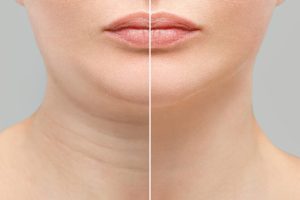
Minimally Invasive Body Sculpting: Techniques, Benefits, and Choosing a Provider

Did you know that over 60% of people are unhappy with their body shape due to loose skin, excess fat, cellulite, and the search for weight loss solutions? Minimally invasive body sculpting offers a game-changing solution. This innovative approach targets stubborn fat in fatty areas without the need for major surgery, as nonsurgical body sculpting techniques work better than traditional liposuction and promote lipolysis. It’s quick, effective, and has minimal downtime. Many people are turning to these techniques, including nonsurgical fat reduction and fat reduction procedures, for thigh fat reduction to achieve their dream body through lipolysis.

From laser treatments to injectable options, including nonsurgical body sculpting techniques and nonsurgical fat reduction, there’s something for everyone beyond traditional liposuction and invasive body shapiang. These nonsurgical body sculpting techniques not only enhance your appearance but also boost confidence, unlike invasive body shaping and other methods of nonsurgical fat reduction and fat removal. You can enjoy results faster than traditional methods. Discover how minimally invasive body sculpting, including nonsurgical fat reduction and fat removal for excess fat, can transform your look and lifestyle. Get ready to embrace a new you with nonsurgical body sculpting for fat removal, less hassle, and more results against excess fat.

Understanding Minimally Invasive Body Sculpting

Definition

Minimally invasive body sculpting focuses on fat removal and reshaping the body with less trauma than traditional surgery, especially for excess fat. The goal is to enhance appearance through nonsurgical body sculpting while minimizing recovery time and ensuring fat removal. These body sculpting procedures often involve small incisions or non-invasive techniques. They aim to improve body contours without extensive surgery.

Differences

Minimally invasive procedures differ from non-invasive ones. Non-invasive methods, such as nonsurgical body sculpting, do not require any cuts or incisions. For example, treatments like CoolSculpting freeze fat cells without harming the skin. On the other hand, minimally invasive procedures may use small tools to enter the body. This allows for targeted fat removal or skin tightening. Both types offer benefits, but nonsurgical body sculpting options can provide quicker results with less downtime.

Techniques

Various techniques fall under minimally invasive body sculpting. Fat reduction is a primary focus. Liposuction, for instance, can be performed through tiny incisions. Surgeons suction out excess fat through nonsurgical body sculpting to create a slimmer profile.

Muscle toning is another technique used in these procedures. Devices like Emsculpt use electromagnetic energy for nonsurgical body sculpting to stimulate muscle contractions. This helps build muscle and burn fat simultaneously. Patients often see improved muscle definition after a few sessions.

Skin tightening is also essential in body sculpting. Technologies such as laser therapy heat the skin’s deeper layers. This stimulates collagen production, leading to firmer skin over time. The result is smoother and more youthful-looking skin.

Technology

Technology plays a significant role in these procedures. Many devices are designed to provide precise results with minimal discomfort. For example, ultrasound technology targets fat cells without affecting surrounding tissue. This precision reduces recovery time and enhances safety.

Advancements in technology have made these procedures more accessible and effective. Patients can choose from various options based on their needs and goals. Some might prefer fat freezing, while others opt for laser treatments for skin tightening.

Need

The need for minimally invasive body sculpting has grown in recent years. Many people seek quick solutions to achieve their desired body shape. Busy lifestyles often make long recovery times impractical. Minimally invasive options allow individuals to return to daily activities faster.

With increasing awareness of these techniques, more patients are exploring their choices. They want effective solutions that fit into their lives without major disruptions.

How Non-Surgical Fat Reduction Works

Cryolipolysis

Cryolipolysis is a popular method for fat reduction. It uses cold temperatures to target fat cells. During the procedure, a device applies controlled cooling to specific areas. This cooling causes the fat cells to freeze and die.

The body then gradually eliminates these dead fat cells through natural processes. Typically, results become visible within three weeks after treatment. Full results may take up to three months as the body continues to flush out fat.

Laser Treatment

Laser treatment is another effective technique for reducing fat. This method employs laser energy to heat and break down fat cells. The heat targets only the fat tissue, leaving surrounding skin and muscles unharmed.

After treatment, patients often experience minimal discomfort. Results can be seen within a few weeks, with optimal results appearing after about two to three months.

Mechanism of Action

Both cryolipolysis and laser treatment work by breaking down fat cells without harming nearby tissues. They specifically target adipocytes, the cells that store fat.

In cryolipolysis, the cold temperature induces apoptosis, or programmed cell death, in fat cells. In laser therapy, the heat disrupts the cell membranes of fat cells, causing them to rupture.

These mechanisms ensure that only unwanted fat is affected while preserving healthy tissue. This precision contributes to faster recovery times and fewer side effects compared to traditional liposuction.

Recovery Timeline

After undergoing non-surgical fat reduction, patients often return to normal activities quickly. Most people experience some swelling or redness at the treatment site. These effects usually resolve within a few days.

The timeline for seeing noticeable changes varies among individuals. Typically, initial improvements appear within three weeks. However, complete results may take longer due to the body’s natural elimination process.

Natural Elimination Process

The body naturally processes and eliminates the destroyed fat cells over time. This process occurs through the lymphatic system, which helps filter waste from the body.

As dead fat cells exit the body, patients notice a gradual change in their body shape. This slow transformation helps maintain a natural look and feel.

Is Non-Surgical Fat Reduction Right for You?

Ideal Candidates

Non-surgical fat reduction suits individuals with stubborn fat pockets. These are areas where traditional weight loss methods, like diet and exercise, may not work effectively. People close to their target weight often benefit the most from these procedures. They usually have realistic expectations about what non-surgical options can achieve.

Those who want to enhance their body shape without undergoing major surgery find these treatments appealing. Common areas targeted include the abdomen, thighs, and arms. Candidates should be in good overall health and have no significant medical conditions that could complicate treatment.

Contraindications

Certain conditions make someone ineligible for non-surgical fat reduction. Individuals with severe obesity might not see desired results. Those who are pregnant or breastfeeding should also avoid these treatments due to potential risks.

Skin conditions like infections or rashes can interfere with the procedure. People with certain autoimmune disorders may experience complications as well. Those on blood thinners need careful evaluation before proceeding.

Consultation Importance

Consulting with a qualified provider is crucial. A professional can assess individual suitability for non-surgical fat reduction methods. They will review your health history and discuss your weight loss journey goals. This helps ensure alignment between your expectations and what the treatment can realistically achieve.

During the consultation, providers often perform a physical examination. They may suggest alternative options if non-surgical methods are unsuitable. Open communication about concerns and questions leads to better outcomes.

Providers will tailor recommendations based on specific needs. They consider factors such as skin type, age, and lifestyle habits. Personalized plans increase the likelihood of success.

In summary, non-surgical fat reduction works best for candidates who have stubborn fat pockets and maintain a healthy lifestyle. However, contraindications exist that could prevent eligibility for these treatments. Consulting with a qualified provider ensures you receive tailored advice based on your unique situation.

Benefits of Non-Surgical Fat Reduction

Efficacy

Non-surgical fat reduction treatments are effective in targeting stubborn fat. Many people see noticeable results after just one session. Studies show that these procedures can reduce fat by up to 25% in treated areas. This means patients can achieve their desired body shape without invasive surgery.

These methods use advanced technology like cryolipolysis or ultrasound. They destroy fat cells while leaving surrounding tissues unharmed. This precision enhances the overall efficacy of the treatment. Results may vary, but most individuals experience satisfactory outcomes.

Safety

Safety is a primary concern for many considering body sculpting. Non-surgical options have a strong safety record. They do not require general anesthesia, which reduces risks associated with surgical procedures. Patients can avoid complications such as infections or excessive bleeding.

Most treatments involve minimal side effects. Common effects include temporary redness or swelling at the treatment site. These usually resolve within a few hours to days. The absence of incisions or scars also contributes to a safer experience.

Convenience

Convenience plays a significant role in the appeal of non-surgical fat reduction. Many patients appreciate the little to no downtime required after treatment. Most can return to their daily activities immediately. This flexibility makes it easier to fit into busy schedules.

The gradual onset of results allows for discreet improvements over time. Patients often find this appealing since they can enhance their appearance without drawing attention. Friends and family might not even notice any drastic changes right away.

Minimal Side Effects

Minimal side effects further enhance the attractiveness of these procedures. Unlike traditional surgery, there are fewer risks involved. Patients report only mild discomfort during and after treatment, if any at all.

Fat reduction results appear gradually, usually over several weeks. This slow progression allows individuals to adjust to their new look without feeling overwhelmed. Many enjoy seeing subtle changes that boost their confidence over time.

Real-Life Examples

Many people have shared positive experiences with non-surgical fat reduction. For instance, a working mother found success with cryolipolysis after struggling with stubborn belly fat post-pregnancy. She appreciated how she could schedule her treatment during her lunch break and return to work without any issues.

Another individual used ultrasound technology to target love handles before a wedding. The gradual improvement allowed them to feel more confident in their dress without drastic changes overnight.

Limitations of Non-Surgical Fat Reduction

Minimal Sculpting Ability

Non-surgical fat reduction treatments mainly target fat cells. These methods, like CoolSculpting and SculpSure, focus on reducing fat but offer limited sculpting ability. Unlike surgical options such as liposuction, they do not provide the same level of contouring. Patients may find that their body shape does not change significantly after treatment. This limitation can be disappointing for those seeking more dramatic results.

Multiple Sessions Required

Achieving desired results often requires multiple sessions. Many patients need two to four treatments to see noticeable changes. Each session may take several weeks apart. This timeline can extend the overall process, making it less convenient than expected. For busy individuals, fitting these appointments into a schedule can be challenging. It is essential to plan accordingly and understand that patience is necessary.

Control Over Fat Loss

Controlling the amount of fat loss can be difficult with non-surgical methods. Doctors cannot precisely target specific areas with the same accuracy as surgical procedures. This lack of control means some patients may experience uneven results or not lose enough fat in certain areas. As a result, individuals may feel dissatisfied with their outcomes.

Suitability for Patients

Not everyone is a good candidate for non-surgical fat reduction. These treatments work best for individuals who have small pockets of stubborn fat. People with significant amounts of fat might not see effective results. For them, traditional surgery could be a more suitable option. Consulting with a qualified professional helps determine the best approach based on individual needs.

Temporary Results

Results from non-surgical fat reduction are not permanent. Body weight changes and lifestyle choices can affect the outcome over time. Patients must maintain a healthy diet and exercise routine to keep results intact. Without proper care, any lost fat can return, diminishing the effectiveness of the treatment.

Cost Considerations

Costs for non-surgical fat reduction can add up quickly. While initial sessions may seem affordable, multiple treatments increase overall expenses. Insurance typically does not cover these procedures since they are considered cosmetic. This financial aspect can deter some patients from pursuing these options.

GJiENw6WcAAhTk

Non-Surgical Body Contouring Options

Cryolipolysis

Cryolipolysis is a popular nonsurgical body sculpting technique. This method uses cold temperatures to freeze and destroy fat cells. The body then naturally eliminates these dead cells over time. Treatments typically last about an hour per area. Many patients see noticeable results within a few months.

This option works well for areas like the abdomen, thighs, and flanks. It is effective for people with localized fat deposits who want to avoid surgery.

Laser Treatments

Laser treatments offer another nonsurgical body sculpting option. These procedures use focused light energy to target fat cells beneath the skin. The heat from the laser breaks down the fat, which the body later removes naturally.

Sessions usually take 30 to 60 minutes, depending on the area treated. Laser treatments can also improve skin texture and tone. Patients often experience minimal downtime with this approach.

Injectable Deoxycholic Acid

Injectable deoxycholic acid is a newer method for body contouring. This injectable treatment targets and destroys fat cells in specific areas, such as under the chin. The active ingredient, deoxycholic acid, occurs naturally in the body and helps break down dietary fat.

Patients may require multiple sessions for optimal results. Each session takes about 15 to 20 minutes. Side effects might include swelling or bruising at the injection site.

Choosing the Right Technique

Selecting the right nonsurgical body sculpting procedure depends on individual needs and goals. Factors include the amount of fat to be reduced, desired outcomes, and recovery time. A consultation with a qualified professional is essential before deciding on a technique.

Not all methods suit every person. Some techniques work better for certain body types and areas than others. For example, cryolipolysis may not be ideal for those looking for significant weight loss but works well for targeted fat reduction.

Popular Non-Surgical Fat Reduction Treatments

Cryolipolysis (CoolSculpting)

Cryolipolysis, commonly known as CoolSculpting, uses controlled cooling to freeze and eliminate fat cells. The process targets specific areas of the body while leaving surrounding tissues unharmed. It received FDA clearance for safety and effectiveness. Common treatment areas include the abdomen, flanks, and thighs. Patients can see noticeable results within a few weeks after the procedure.

Laser Treatment (SculpSure)

SculpSure employs laser energy to heat and destroy fat cells. This method is non-invasive and typically takes about 25 minutes per session. The laser targets stubborn fat in areas such as the abdomen and love handles. Many patients appreciate that there is no downtime required after treatment.

Injectable Deoxycholic Acid (Kybella)

Kybella works by using injections of deoxycholic acid to break down fat cells. It is specifically FDA-approved for treating submental fat, which is often referred to as a double chin. Most patients require multiple treatments to achieve desired results. Side effects may include swelling or bruising at the injection site.

Ultrasound Fat Reduction

Ultrasound fat reduction utilizes focused ultrasound waves to target and destroy fat cells. This method is also non-invasive and has a strong safety profile. Common treatment areas include the abdomen and thighs. Patients typically experience gradual fat reduction over several weeks, making it a preferred option for those seeking subtle changes.

Red Light Therapy (UltraSlim)

UltraSlim uses red light to stimulate both fat cell reduction and collagen production. The treatment is painless and non-invasive, attracting many looking for an easy solution. Typical areas treated include the abdomen and thighs. Some patients may notice immediate results after their first session.

Choosing a Provider for Non-Surgical Fat Reduction

Qualified Surgeons

Selecting a qualified provider is crucial for non-surgical fat reduction. A trained cosmetic surgeon can ensure safety and effectiveness. Check their credentials and certifications. Look for board certification in cosmetic surgery or dermatology. This shows they have completed the necessary training.

Research the surgeon’s experience with specific procedures. Some surgeons specialize in certain techniques or technologies. Find out how many similar procedures they have performed. An experienced surgeon is more likely to achieve your desired results.

Patient Reviews

Reading patient reviews can provide insight into a provider’s reputation. Look for feedback on their website or independent review platforms. Positive reviews often indicate a high level of patient satisfaction. Pay attention to comments about the provider’s communication skills and results.

Consider both positive and negative reviews. They can help you understand what to expect. If many patients mention complications, take that seriously. A good provider will have mostly positive feedback and will address any concerns promptly.

Scheduling Consultations

Scheduling a consultation is essential before making a decision. This meeting allows you to discuss your goals and expectations directly with the provider. During the consultation, ask about the treatment options available. A qualified surgeon will tailor recommendations based on your unique needs.

Use this opportunity to inquire about the procedure details. Understand what it involves, including recovery time and possible side effects. Discuss any health issues that may affect your treatment plan.

Bring a list of questions to ensure you cover all concerns. Ask about the technology used and its success rates. Inquire about follow-up care after the procedure as well.

Understanding Costs

Costs can vary widely among providers. Discuss pricing during your consultation to avoid surprises later. Some clinics offer financing options to make treatments more affordable. Compare costs among different providers while considering their qualifications.

Be cautious of prices that seem unusually low. They may signal inadequate training or experience. Focus on quality over cost when choosing your provider.

Setting Realistic Goals

Setting realistic goals is vital in body sculpting treatments. Understand that non-surgical fat reduction has limitations compared to surgical options. Discuss these limitations with your provider during consultations.

Align your expectations with what can be achieved through these treatments. Your provider should help you understand what is possible based on your body type and weight.

Closing Thoughts

Minimally invasive body sculpting offers a game-changing approach to achieving your aesthetic goals. With various non-surgical options available, you can enjoy the benefits of fat reduction without the downtime of traditional surgery. Understanding your choices and knowing what works best for you is key to making an informed decision.

Take charge of your body transformation journey today. Consult with a qualified provider who can guide you through the process, ensuring you achieve the results you desire safely and effectively. Your path to confidence starts now—don’t wait any longer to embrace the body you’ve always wanted.

Frequently Asked Questions

What is minimally invasive body sculpting?

Minimally invasive body sculpting refers to non-surgical techniques that reduce fat and contour the body with minimal recovery time and fewer risks compared to traditional surgery.

How does non-surgical fat reduction work?

Non-surgical fat reduction uses various technologies like cryolipolysis, radiofrequency, or ultrasound to target and eliminate fat cells without incisions or anesthesia.

Who is a good candidate for non-surgical fat reduction?

Good candidates are those close to their ideal weight but have stubborn fat pockets. It’s best to consult a qualified provider for personalized advice.

What are the benefits of non-surgical fat reduction?

Benefits include minimal downtime, less discomfort, no need for anesthesia, and natural-looking results. Many patients can return to daily activities quickly.

Are there any limitations to non-surgical fat reduction?

Yes, limitations include less dramatic results compared to surgical options, potential need for multiple sessions, and not being suitable for significant weight loss.

What popular treatments are available for non-surgical fat reduction?

Popular treatments include CoolSculpting, SculpSure, and UltraShape. Each uses different technologies to achieve effective fat reduction.

How do I choose a provider for non-surgical fat reduction?

Choose a certified provider with experience in body sculpting procedures. Look for reviews and before-and-after photos to gauge their expertise and results.

IPL (Intense Pulsed Light) Therapy: Unlock Benefits & Weigh Risks

IPL (intense pulsed light) therapy stands out in the world of skin treatments, addressing various dermatological conditions and concerns, often alongside sun protection cream and dermatological surgery. Unlike traditional cosmetic treatments, it uses expert IPL therapy services with broad-spectrum light to target various skin issues during treatments IPL sessions that work. This non-invasive cosmetic skin treatment tackles everything from acne to sun damage with light treatment, making it a versatile choice for many and ensuring clean skin under the guidance of a skin care specialist.

Patients often see significant results from cosmetic skin treatment without the long recovery times associated with surgery, as a skin care specialist can address unwanted skin pigment conditions. The technology behind IPL is advanced yet user-friendly, appealing to both skin care specialists and clients alike during skin time. With its ability to improve skin tone and texture, IPL therapy provides an effective solution for those seeking a brighter complexion. Embrace the change and discover how IPL can transform your skin health today.

What Is IPL Treatment

Overview

IPL treatment, or intense pulsed light therapy, is a non-surgical method. It improves skin color and texture effectively. This treatment targets issues like sun damage and uneven skin tone. Many people seek IPL to enhance their appearance without invasive procedures.

Areas Treated

IPL treatments can be performed on various body parts. The most common areas include the face, neck, hands, and chest. These regions often show signs of aging and sun exposure. IPL sessions help rejuvenate the skin in these areas.

Photofacial Benefits

Known as a photofacial, this therapy offers several benefits. It reduces redness, brown spots, and fine lines. Clients often notice a more youthful appearance after their sessions. The procedure is gentler than traditional laser treatments. This makes it appealing for those with sensitive skin.

Session Requirements

Many clients wonder about the number of sessions needed. Typically, IPL sessions require multiple visits for optimal results. Each session usually lasts about 30 minutes to an hour. Depending on individual needs, clients may need anywhere from three to six sessions.

Expert Services

Finding an expert IPL treatment provider is crucial. Qualified professionals ensure safety and effectiveness during treatments. They assess skin type and tailor the procedure accordingly. Experienced providers offer personalized care for each client’s goals.

Light Treatment Process

The process involves using a handheld device that emits pulses of light. This light penetrates the skin and targets specific pigments. The heat generated helps stimulate collagen production as well. Increased collagen leads to improved skin elasticity and texture over time.

Recovery Time

Recovery from IPL treatments is relatively quick. Most clients experience minor redness that fades within a few hours. Sunscreen is essential after each session to protect treated areas. Avoiding sun exposure helps maintain results longer.

Side Effects

While side effects are rare, some may occur after treatment. Temporary swelling or slight discomfort can happen but usually resolves quickly. Serious complications are uncommon when performed by trained professionals.

Cost Considerations

Cost can vary based on location and provider expertise. On average, each session ranges from $300 to $600. Many clinics offer package deals for multiple sessions, making it more affordable.

How IPL Treatment Works

Skin Heating

IPL therapy heats the skin to eliminate unwanted cells. This process helps create a more even skin tone. The heat stimulates collagen production, leading to a youthful appearance. Collagen is essential for maintaining skin structure and elasticity.

During treatment, the device emits light pulses. These pulses penetrate the skin layers, targeting specific areas. The heat affects only the targeted cells, sparing surrounding tissue. This precision makes IPL effective for various skin concerns.

Light Energy

Light energy plays a crucial role in IPL therapy. It targets specific skin colors, allowing for tailored treatments. Different wavelengths of light can address various issues like pigmentation and redness.

For instance, brown spots respond well to certain wavelengths. Meanwhile, red areas benefit from different settings. This adaptability makes IPL suitable for many skin types and conditions.

Professional Administration

IPL must be performed by a board-certified dermatologist or skilled professional. Proper administration ensures safety and effectiveness. Trained experts understand skin types and adjust settings accordingly. They also assess individual needs before treatment.

A consultation usually precedes the procedure. During this meeting, professionals evaluate the patient’s skin condition. They discuss goals and potential outcomes. This step is vital for achieving satisfactory results.

Patients should follow pre-treatment guidelines provided by their dermatologist. Avoiding sun exposure is often recommended before the procedure. This precaution reduces the risk of complications during treatment.

Treatment Sessions

Multiple sessions are typically required to achieve desired results. Most patients undergo three to five treatments spaced several weeks apart. Each session builds on the previous one, enhancing overall effectiveness.

After each session, skin may appear slightly red or swollen. These effects usually subside within a few hours to a few days. Patients often notice improvements gradually as collagen builds over time.

Safety Measures

Safety measures are critical during IPL therapy. Professionals use protective eyewear to shield eyes from bright light pulses. They also monitor the patient’s comfort throughout the procedure.

Post-treatment care is essential for optimal recovery. Dermatologists provide specific instructions to minimize irritation or discomfort. Following these guidelines helps maintain results and promotes healing.

Conditions IPL Treats

Acne Treatment

IPL therapy effectively treats acne. It targets the bacteria that cause breakouts. This treatment reduces inflammation and redness associated with acne. Many patients see improvement after just a few sessions.

Skin Pigmentation

Unwanted skin pigment conditions respond well to IPL. The therapy can diminish age spots, freckles, and birthmarks. It breaks down melanin in the skin, leading to a more even tone. Patients often notice brighter skin after treatment.

Vascular Lesions

Broken blood vessels are another concern addressed by IPL. The light energy targets these vessels without harming surrounding tissue. This results in reduced redness and improved skin appearance. Many find relief from chronic skin disease related to vascular issues.

Scars and Stretch Marks

IPL can also improve the appearance of scars and stretch marks. The treatment promotes collagen production, which aids in skin healing. As new skin forms, old scars become less visible. Stretch marks may fade significantly with consistent sessions.

Unwanted Hair Removal

For those seeking hair removal, IPL is an option. It effectively reduces unwanted hair growth on various body parts. The light energy targets hair follicles, preventing future growth. Results vary based on skin type and hair color.

Best Candidates

Patients with pale or light brown skin achieve the best results with IPL therapy. The contrast between the skin tone and the targeted areas enhances effectiveness. Darker skin tones may require caution due to the risk of hyperpigmentation.

Multiple Treatments

One advantage of IPL is its ability to treat multiple dermatologic conditions simultaneously. Patients can address several issues in one session. This saves time and often reduces overall treatment costs.

Consultation with Specialists

Before starting IPL therapy, consulting a skin care specialist is vital. They assess individual needs and recommend appropriate treatments. Specialists provide guidance on what to expect during the process.

Safety Considerations

Though generally safe, some side effects may occur. Common reactions include redness and swelling at treatment sites. These typically resolve quickly but should be discussed with a professional.

IPL treatments dreamstime s 173989368 hq scale 2 00x

Who Should Avoid IPL

Pregnant Individuals

Pregnant individuals should be cautious with IPL therapy. Hormonal changes during pregnancy can affect skin sensitivity. This makes the skin more reactive to treatments like IPL. Consulting a doctor before undergoing any procedure is essential. Medical professionals can provide guidance based on individual health conditions.

eone who is pregnant may experience heightened sensitivity and discomfort. Therefore, it’s best to avoid this treatment until after childbirth. Safety should always come first for both the mother and the baby.

Skin Conditions

People with certain skin conditions must also think twice before choosing IPL therapy. Conditions such as eczema or psoriasis can flare up after treatment. These issues can worsen with light exposure. Anyone with these conditions should seek medical advice beforehand.

eone with active acne or rosacea should also avoid IPL. The treatment may irritate their skin further. A healthcare provider can suggest safer alternatives tailored to their specific needs.

Light Sensitivity

Not recommended for those sensitive to light, IPL therapy can cause adverse reactions. People who have experienced sunburns or have recent tanning should also reconsider this option. The skin becomes more vulnerable when it has been recently tanned.

IPL uses intense light pulses that can trigger discomfort in sensitive individuals. This discomfort may include redness, swelling, or even blistering. Those who know they are prone to such reactions should avoid IPL.

Cancer Concerns

Individuals with skin cancer concerns must avoid IPL treatments altogether. The therapy can stimulate cell growth, which is not safe for someone with a history of skin cancer. Consulting a specialist is crucial if there are any doubts about skin health.

eone worried about potential skin cancer should prioritize regular check-ups instead of cosmetic procedures. Early detection is vital in managing any serious health issues related to the skin.

Dark Skin Types

People with very dark skin should also think carefully before opting for IPL therapy. The treatment targets pigmentation in the skin, which may lead to complications for darker skin types. Risks include hyperpigmentation or burns from the intense light used in the procedure.

Healthcare providers often recommend alternative methods for hair removal or skin treatments for those with darker complexions. These options may offer safer results without compromising skin health.

Summary

In summary, several groups of people should avoid IPL therapy. Pregnant individuals and those with specific skin conditions need to consult a doctor first. Sensitivity to light and concerns about skin cancer also warrant caution. Finally, individuals with very dark skin types should explore other safe alternatives.

Side Effects of IPL

Skin Reactions

Possible skin reactions can occur after IPL therapy. Patients may notice redness and swelling in the treated area. This typically happens right after the procedure. The skin may feel warm or slightly uncomfortable. These effects usually fade within a few hours to a couple of days.

Mild skin discoloration is also common. Some individuals experience temporary changes in skin pigmentation. These changes can include darkened skin or light spots. Such pigment issues may last for several weeks but often resolve on their own.

Skin Hyperpigmentation

Skin hyperpigmentation can be a concern following IPL treatment. Areas that receive intense light exposure might become darker. This condition may be more pronounced in individuals with darker skin tones. Sun damage can increase the risk of this issue, making sun protection vital before and after treatment.

e patients might develop mild skin discoloration or patches that differ from their natural tone. It’s essential to discuss these risks with a healthcare provider prior to undergoing IPL therapy. They can provide guidance on managing potential side effects.

Rare Risks

Rare risks exist, although they are not common. Blistering can occur, leading to discomfort and possible scarring if not treated properly. Infection is another rare complication associated with IPL therapy. Proper post-treatment care is crucial to minimize these risks.

Patients should follow all aftercare instructions provided by their practitioners. Keeping the treated area clean and moisturized helps reduce the chance of complications. If any unusual symptoms arise, contacting a healthcare professional promptly is important.

Acne Concerns

IPL therapy targets various skin issues, including acne. While it can help reduce acne breakouts, some patients report an initial worsening of their condition post-treatment. This reaction typically resolves as the skin adjusts.

Understanding how IPL affects individual skin types is essential for managing expectations. Consulting with a dermatologist before starting treatment can help clarify potential outcomes and side effects.

Cancer Awareness

Concerns about cancer risks associated with IPL therapy have been raised. Research indicates that there is no direct link between IPL treatments and an increased risk of cancer. However, it’s crucial to ensure that treatments are performed by qualified professionals using proper equipment.

Regular check-ups and discussions about any family history of skin issues are advisable. Staying informed about personal health can aid in making educated decisions regarding treatment options.

The IPL Procedure

Preparation Steps

The IPL procedure begins with preparation. A technician applies a cooling gel to the treatment area. This gel protects the skin during the process. It also helps the light penetrate better. After applying the gel, the technician uses a handheld device. This device delivers pulses of light to the skin.

Session Duration

Sessions usually last between 20 to 30 minutes. During this time, patients may feel a slight warming sensation. Some describe it as a rubber band snapping against the skin. Most people tolerate this feeling well. The technician monitors comfort levels throughout the session.

Treatment Frequency

Multiple sessions are often necessary for optimal results. Typically, patients need about three to six treatments. These sessions occur at intervals of three to four weeks. This schedule allows the skin to heal and respond effectively. Consistency is key to achieving a youthful complexion.

Post-Procedure Care

After an IPL therapy session, normal skin care routines can resume. Patients should avoid sun exposure immediately after treatment. Wearing sunscreen becomes crucial for protecting the skin. Redness or slight swelling may occur but usually subsides within a few hours.

Expected Results

Results from the IPL procedure can vary. Many notice improvements in skin pigmentation and tone after just one session. Over time, skin texture often improves as well. The light targets specific issues like dark spots and redness.

Considerations

Understanding potential side effects is important before starting treatment. Common side effects include temporary redness and swelling. These typically resolve quickly without intervention. Serious complications are rare but can occur if not performed by qualified technicians.

Recovery After IPL

Minimal Downtime

Most people experience minimal downtime after IPL therapy. Many return to their normal activities immediately. Some may notice mild redness or swelling, similar to a mild sunburn. This reaction typically fades within a few hours to a couple of days.

Patients can resume work or social activities right after the procedure. However, it’s wise to plan for a day when you might be less active. This allows your skin time to adjust without added stress.

Sun Protection

Sun protection is crucial following IPL treatment. Practitioners often recommend using sunscreen with a high SPF. This helps protect the skin from damage caused by UV rays. Direct sun exposure should be avoided for at least two weeks post-treatment.

Even on cloudy days, harmful rays can penetrate through clouds. Therefore, applying sunscreen daily is essential. This practice helps maintain an even skin tone and protects against brown spots.

Follow Aftercare Instructions

Following aftercare instructions is key for optimal recovery. Practitioners provide specific guidelines tailored to individual needs. These may include avoiding hot showers, saunas, and strenuous exercise for a few days.

Keeping the treated area clean and moisturized aids in healing. Patients should avoid picking at any peeling skin to prevent scarring. It’s also important to stay hydrated during recovery.

Expected Changes

e changes may occur in the weeks following IPL therapy. Brown spots may darken initially before flaking off. Skin tone may appear uneven during this phase but will improve over time.

It’s common for patients to feel anxious about how their skin will look post-treatment. Patience is vital as the skin undergoes its natural healing process.

Long-Term Care

Long-term care includes regular skincare routines and sun protection habits. Continued use of sunscreen helps prevent future damage and maintains results. Regular follow-up appointments with practitioners ensure that any concerns are addressed promptly.

Maintaining healthy skin requires commitment beyond the initial treatment. Incorporating gentle exfoliation and hydration into your routine can enhance results.

Emotional Considerations

The emotional aspect of recovery should not be overlooked. Many individuals feel excited about their improved appearance after IPL therapy. However, some may experience anxiety about changes in their skin.

Open communication with your practitioner can ease these concerns. They can provide reassurance and guidance throughout the recovery process.

Cost of IPL Treatment

Treatment Areas

The cost of IPL therapy varies based on the treatment area. Different body parts require different levels of intensity and time. For example, treating the face may cost less than treating larger areas like the back or legs.

Each area may also have unique challenges. Facial skin is often more sensitive, requiring careful handling. Larger areas might need more sessions to achieve desired results. This variation affects the overall price.

Number of Sessions

The number of sessions needed impacts the total expense. Most patients require multiple treatments for effective results. Typically, a series of three to six sessions is common. The exact number depends on individual skin conditions and goals.

Patients should consult with their provider for a personalized plan. A tailored approach ensures that each person receives the right treatment for their needs. This consultation helps in understanding how many sessions are necessary and their associated costs.

Average Costs

The average cost of IPL therapy ranges from $300 to $600 per session. This price includes the procedure itself and any necessary follow-up care. Prices can vary significantly based on location and clinic reputation.

In metropolitan areas, costs tend to be higher due to demand and overhead expenses. Conversely, smaller towns might offer more affordable options. Researching local clinics can help find competitive rates.

Package Deals

e clinics offer package deals for multiple sessions. These packages often provide savings compared to paying for each session individually. For example, buying a package of five sessions may reduce the overall cost by 10% to 20%.

Patients should inquire about these deals during their initial consultation. Discounts can make treatments more accessible for those concerned about finances.

Additional Costs

Consider additional costs that may arise during treatment. Consultation fees might apply before starting IPL therapy. Some clinics charge extra for follow-up visits or necessary skincare products post-treatment.

Patients must factor in these potential expenses when budgeting for IPL therapy. Understanding all costs involved leads to better financial planning.

Insurance Coverage

Insurance coverage for IPL therapy varies widely. Many insurance plans do not cover cosmetic procedures like this one. Patients should check with their insurance provider beforehand to understand what is covered.

If insurance does not cover it, financing options may be available through clinics. Some facilities offer payment plans to help manage costs over time.

Alternatives to IPL

Laser Treatments

Laser treatments offer more intense results than IPL therapy. These procedures target specific skin issues using focused light beams. The heat from lasers can penetrate deeper into the skin layers. This makes them effective for hair removal and reducing skin spots.

Different types of lasers exist, such as fractional lasers and CO2 lasers. Fractional lasers improve skin texture by targeting small areas at a time. CO2 lasers treat deeper wrinkles and scars. Patients often notice significant changes after just a few sessions.

Dermatologists recommend laser treatments for those seeking long-lasting effects. They can also help with issues like pigmentation and uneven skin tone. However, these procedures may require downtime for recovery.

Chemical Peels

Chemical peels are another option for cosmetic skin treatment. They involve applying a solution to the skin that causes it to exfoliate. This process helps remove dead skin cells and improves overall appearance.

There are three main types of chemical peels: superficial, medium, and deep. Superficial peels are gentle and suitable for all skin types. Medium peels penetrate deeper and address moderate skin issues. Deep peels provide more dramatic results but require longer recovery times.

These treatments can reduce fine lines, sun damage, and dark spots. Patients often experience brighter, more radiant skin after a peel. Regular chemical peels can enhance the effectiveness of a home skincare regimen.

Microdermabrasion

Microdermabrasion is a popular method for exfoliation and treating minor skin imperfections. This technique uses tiny crystals to gently buff away the outer layer of skin. It reveals smoother, healthier skin underneath.

This procedure is non-invasive and requires no downtime. Many people choose microdermabrasion for its quick results and ease of use. It can improve the appearance of acne scars, age spots, and uneven texture.

Multiple sessions may be necessary to achieve desired results. Dermatologists often recommend combining microdermabrasion with other treatments for enhanced effects.

Choosing the Right Option

Selecting the right alternative depends on individual needs and goals. Consulting with a dermatologist is crucial in making an informed decision. They can evaluate skin type, issues, and treatment history before recommending an option.

Each treatment has its pros and cons. For example, while laser treatments provide intense results, they may involve discomfort or downtime. Chemical peels can enhance skin texture but might cause temporary redness or peeling.

Closing Thoughts

IPL therapy offers a range of benefits for various skin conditions. It’s effective, relatively quick, and less invasive than many alternatives. You’ve learned about its procedure, recovery, and costs. Knowing who should avoid it and potential side effects is crucial for making informed choices.

If you’re considering IPL treatment, consult with a qualified professional to see if it’s right for you. Your skin deserves the best care. Don’t hesitate to explore this option further and take that step towards healthier skin.

Frequently Asked Questions

What is IPL therapy used for?

IPL therapy is primarily used for skin rejuvenation. It treats various conditions like acne, rosacea, pigmentation, and hair removal. The treatment improves skin texture and tone, offering a more youthful appearance.

Is IPL treatment safe for all skin types?

While IPL is generally safe, it may not be suitable for darker skin tones. Individuals with certain skin conditions should consult a dermatologist before undergoing treatment to avoid complications.

How long does an IPL session take?

An IPL session typically lasts between 20 to 60 minutes, depending on the area being treated. This makes it a convenient option for those with busy schedules.

How many IPL sessions are needed for optimal results?

Most patients require 3 to 6 sessions spaced about four weeks apart for optimal results. Individual needs may vary based on the condition being treated.

What should I expect during the IPL procedure?

During the procedure, a cooling gel is applied to the skin. You will feel a warm sensation as the light pulses are delivered. Most patients find the experience tolerable.

Are there any side effects of IPL treatment?

Common side effects include redness, swelling, and mild discomfort in the treated area. These usually subside within a few hours to a couple of days.

How much does IPL therapy cost?

The cost of IPL therapy varies widely based on location and provider but typically ranges from $300 to $600 per session. Always consult your provider for an accurate estimate.

Non-Surgical Nose Job: Discover Benefits, Risks & Process

A non-surgical nose job, often referred to as nonsurgical rhinoplasty treatments, offers a quick and effective way for a rhinoplasty patient to enhance your appearance without the need for invasive surgery, as recommended by a rhinoplasty surgeon through various nasal treatments. Unlike traditional rhinoplasty, which requires downtime and recovery, this cosmetic surgery procedure uses dermal fillers as nasal treatments to reshape your nose in under an hour.

You can achieve a more balanced profile with minimal discomfort and immediate results using nose filler for an improved nose or contoured nose, unlike a surgical rhinoplasty procedure. Many people are now opting for this less risky alternative, such as dermal filler, to achieve their desired look, like a contoured nose instead of rhinoplasty surgery or surgical revision rhinoplasty. It’s perfect for those who want to refine their features without the commitment of surgery. This blog will explore the benefits, process, and what to expect from a non-surgical nose job, helping you decide if it’s right for you.

What is a Non-Surgical Nose Job

Definition

Nonsurgical rhinoplasty, often referred to as a liquid nose job, is a cosmetic procedure. It uses injectable fillers to reshape the nose. This method offers an alternative to surgical nose jobs. Patients prefer it for its non-invasive nature.

Injectable fillers, such as hyaluronic acid, are the most common choice. They provide volume and contour to specific areas of the nose. The results can last from six months to two years, depending on the type of filler used.

Procedure Overview

During the nonsurgical nose job treatment, a qualified practitioner injects fillers into targeted areas. Common injection sites include the nasal tip and bridge. These fillers help create a more balanced appearance and enhance facial symmetry.

Patients usually experience minimal discomfort during the process. Many practitioners apply a topical anesthetic before injections. This helps reduce pain and make the experience more comfortable.

Benefits

Nonsurgical nose jobs offer several advantages over traditional surgical procedures. First, they require no downtime. Most patients can resume normal activities immediately after treatment.

Second, results are visible right away. Patients can see changes in their nose shape almost instantly. This immediate outcome is appealing for those who want quick results.

Lastly, nonsurgical treatments allow for adjustments. If a patient desires further refinement, additional filler can be added later. This flexibility is not available with surgical nose reshaping.

Considerations

While nonsurgical procedures are less invasive, they still carry risks. Possible side effects include swelling, bruising, or allergic reactions to fillers. Patients should consult with experienced professionals for safe practices.

Results are temporary. Those seeking permanent changes may need to consider surgical nose jobs instead. Surgical options involve more extensive procedures and longer recovery times.

Costs

The costs of nonsurgical nose job treatments vary widely. Factors influencing price include the practitioner’s experience and location. On average, sessions can range from $600 to $1,500 per treatment.

In contrast, surgical nose job costs typically start around $5,000 and can go much higher based on complexity. Patients should weigh these financial aspects when considering their options.

How Non-Surgical Rhinoplasty Works

Fillers Used

Nonsurgical rhinoplasty primarily uses hyaluronic acid or similar dermal fillers. These substances are safe and effective for reshaping the nose. Hyaluronic acid is naturally found in the body, making it a popular choice. It helps add volume and smooth out irregularities.

Dermal fillers can also create a more defined nose tip or bridge. They improve the overall appearance without needing surgery. This method is often referred to as liquid rhinoplasty. Patients appreciate its quick results and minimal downtime.

Injection Process

The injection process involves several steps. First, a qualified practitioner evaluates the patient’s nose and discusses their goals. This consultation is crucial for achieving the desired outcome.

Next, the practitioner cleans the area around the nose. They may apply a topical anesthetic to reduce discomfort during the procedure. Once ready, they inject the filler beneath the skin using a fine needle.

The injections are strategically placed to reshape the nose structure. Practitioners often use multiple injections to achieve an even result. Each injection adds volume and alters the contour of the nose.

Temporary Results

The effects of nonsurgical rhinoplasty are temporary. The results typically last between six months to two years, depending on the type of filler used. Patients may need follow-up treatments to maintain their desired look.

This temporary nature allows flexibility for patients who may want to change their appearance later. If they decide to pursue surgical rhinoplasty procedures in the future, they can do so without complications from previous fillers.

Patients should understand that nonsurgical rhinoplasty does not address all concerns. It works best for minor adjustments, like smoothing bumps or enhancing shape. For significant changes, surgical rhinoplasty procedures might be necessary.

Safety Considerations

Like any cosmetic treatment, safety is essential. Choosing a qualified professional ensures proper technique and minimizes risks. Side effects may include swelling or bruising at the injection site. These usually resolve quickly.

Patients should discuss their medical history and any allergies with their provider before treatment. Understanding potential risks helps in making informed decisions about nonsurgical options.

Benefits of Non-Surgical Rhinoplasty

Outpatient Procedure

Non-surgical rhinoplasty is a convenient option for many. This procedure takes place in an outpatient setting. Patients do not need to stay overnight. They can go home soon after the treatment. This aspect makes it appealing for those with busy schedules.

Quick Procedure Time

The time it takes for non-surgical rhinoplasty is often 15 minutes or less. This quick process allows patients to fit it into their day easily. Many people choose to have this treatment during their lunch break. The efficiency of the procedure is one of its biggest advantages.

Immediate Recovery

After a non-surgical nose job, patients can return to daily activities right away. There is no long recovery period like with surgical rhinoplasties. Patients can go back to work and other routines almost immediately. This immediate return to normal life is a significant benefit for many individuals.

Minimal Discomfort

Most patients experience minimal discomfort during the procedure. Dermal fillers used in non-surgical rhinoplasty are generally well-tolerated. Some may feel slight pressure or a pinch, but this usually subsides quickly. For many, this makes the procedure much more manageable than traditional surgical options.

Versatile Results

Results from non-surgical rhinoplasty can be quite versatile. With dermal fillers, practitioners can shape the nose effectively. They can address various concerns like bumps or irregularities. Adjustments can enhance the overall appearance of the face.

Lower Costs

Choosing non-surgical options often comes with lower costs compared to surgical rhinoplasties. Surgical rhinoplasty involves higher expenses, including anesthesia and extended recovery care. Non-surgical treatments do not require these additional costs, making them more accessible.

Fewer Risks

Non-surgical procedures carry fewer risks than traditional surgery. Complications such as infections or scarring are less common. This safety aspect appeals to individuals who may be hesitant about undergoing invasive surgery.

No Long-Term Commitment

Patients considering nonsurgical rhinoplasty enjoy flexibility in their decision-making. Treatments using dermal fillers are temporary, often lasting several months to a year. If someone is unhappy with the results, they can choose not to repeat the procedure.

Ideal for Enhancements

This method works well for those wanting subtle changes rather than drastic alterations. Individuals looking for minor improvements find this option particularly suitable. It allows them to enhance their features without committing to surgical revision rhinoplasty.

images rdsa

Risks and Side Effects

Common Side Effects

People often experience side effects after a non-surgical nose job. These effects can vary from mild to moderate. The most common side effect is redness at the injection site. This usually fades within a few hours. Swelling may also occur, typically lasting one to two days. Bruising is another frequent issue, especially for those with sensitive skin.

Other side effects include itching and tenderness around the treated area. Some individuals report a sensation of tightness or pressure on their skin. Rarely, patients might experience lumps under the skin where the filler was injected. Most side effects are temporary and resolve without intervention.

Potential Complications

Non-surgical rhinoplasty is generally safe, but complications can still happen. Some people may have an allergic reaction to the fillers used. Symptoms can include rash, swelling, or difficulty breathing. Such reactions require immediate medical attention.

Infections are another potential risk. While rare, they can occur if proper hygiene is not maintained during the procedure. Infections may lead to pain, swelling, and pus formation. If untreated, they could cause scarring or deformity.

Vascular occlusion is a serious complication that can arise from filler injections. This occurs when the filler blocks blood vessels in the nose. It can lead to tissue death if not addressed quickly. Signs include sudden pain, discoloration, or loss of vision if it affects nearby areas.

Importance of Qualified Providers

Choosing a qualified provider is crucial in minimizing risks associated with this procedure. A skilled practitioner understands facial anatomy and knows how to inject fillers safely. They can assess individual needs and recommend appropriate treatments.

Patients should look for board-certified dermatologists or plastic surgeons with experience in non-surgical rhinoplasty. Researching reviews and asking for before-and-after photos can help ensure quality care.

Consultations provide an opportunity to discuss concerns and understand what to expect. Providers should explain potential side effects and complications clearly. This transparency helps build trust and allows patients to make informed decisions.

Traditional vs. Non-Surgical Rhinoplasty

Cost Comparison

Traditional rhinoplasty can be expensive. The average cost ranges from $5,000 to $15,000. This figure often includes surgeon fees, anesthesia, and facility costs. Many patients find this price tag daunting.

Non-surgical nose jobs are more affordable. They typically cost between $600 and $1,500. This lower price makes it accessible for many people who want to enhance their appearance without breaking the bank.

Permanence of Results

Results from traditional rhinoplasty are permanent. Once the surgery is complete, the changes last a lifetime. Patients can enjoy their new look without worrying about future adjustments.

In contrast, non-surgical rhinoplasty offers temporary results. The effects usually last from six months to two years. After that time, patients may need to repeat the procedure to maintain their desired appearance. This difference is crucial for those considering their long-term options.

Recovery Time

Recovery time is another significant difference between these two procedures. Traditional rhinoplasty requires considerable downtime. Patients may need weeks to fully recover. Swelling and bruising can take time to subside, impacting daily activities.

Non-surgical rhinoplasty has minimal recovery time. Most patients return to their normal routines within a day or two. Side effects like swelling are usually mild and resolve quickly. This quick recovery appeals to those with busy lives who cannot afford extended downtime.

Risks and Side Effects

Both procedures come with risks and side effects. Traditional rhinoplasty carries surgical risks such as infection and scarring. Patients must be prepared for these potential complications.

Non-surgical options also have risks, though they differ in nature. Common side effects include temporary swelling or bruising at the injection site. While these issues are typically minor, they can still cause concern for some individuals.

Choosing the Right Option

Choosing between traditional and non-surgical rhinoplasty depends on individual needs and preferences. Those seeking permanent changes might favor traditional surgery despite its higher cost and longer recovery time.

People looking for a less invasive option may prefer non-surgical rhinoplasty due to its affordability and quick recovery. Understanding the differences helps potential patients make informed decisions.

Pre-Procedure Expectations

Consult Provider

A consultation with a trained provider is essential. This step helps in creating a personalized plan for the non-surgical nose job. The provider will assess your unique facial structure and discuss your desired results. They will explain what can be achieved through the procedure.

During this meeting, candidates should feel free to ask questions. Understanding the process is important for comfort and satisfaction. A skilled provider will offer insights based on experience and expertise. They can also show before-and-after photos from previous patients. This visual aid can help set realistic expectations.

Discuss Medical History

Candidates must discuss any allergies or medical conditions during the consultation. Certain health issues may affect the procedure’s outcome. For instance, individuals with autoimmune disorders might face complications.

Providers often inquire about past surgeries or treatments as well. Sharing this information allows them to tailor the approach effectively. Transparency about medications is also crucial. Some medications can interfere with the healing process or increase risks.

Avoid Medications

Before the procedure, it is wise to avoid certain medications and supplements. Blood thinners such as aspirin or ibuprofen can lead to excessive bleeding. Patients should refrain from these at least one week prior to the appointment.

Herbal supplements like garlic or ginkgo biloba can also pose risks. These may affect blood clotting and overall recovery time. Providers typically recommend stopping these products several days before the procedure.

Understand Results

Understanding potential results is vital for candidates considering a non-surgical nose job. Results vary based on individual anatomy and treatment goals. The filler used during the procedure can create a more defined shape or smooth out bumps.

However, results are not permanent. Most fillers last between six months to two years, depending on the product used. Regular follow-up appointments may be necessary to maintain desired aesthetics.

Prepare for Recovery

Recovery after a non-surgical nose job is generally quick compared to traditional methods. Most patients return to normal activities within a day or two. Minor swelling or bruising may occur but should subside rapidly.

Following post-procedure instructions from the provider ensures optimal outcomes. Avoiding strenuous activities and sun exposure for a few days is advisable.

What to Expect During the Procedure

Initial Consultation

The initial consultation is a crucial first step. A qualified practitioner will discuss your goals and concerns. This conversation helps set realistic expectations for the cosmetic procedure. The practitioner will examine your nose and facial structure. They will take notes on what you want to change.

Next, they will mark the injection sites on your nose. These markings guide the filler injections during the procedure. Clear communication ensures that both you and the practitioner are on the same page. It is important to ask questions at this stage. Understanding the process can ease any anxiety.

Numbing Agent Application

To minimize discomfort, the practitioner applies a numbing agent before starting the filler injections. This agent can come in cream or injectable form. It usually takes about 15 to 30 minutes to take effect.

This step is vital for a comfortable experience during the dermal filler procedure. Patients often report minimal pain during the injections thanks to this preparation. Knowing that discomfort is managed helps many feel more relaxed.

Injection Process

Once numbness sets in, the injection process begins. The practitioner uses a thin needle to inject the filler into specific areas of your nose. Each injection targets precise spots to achieve desired changes. Common areas include the bridge and tip of the nose.

Filler injections are quick, typically taking around 15 to 30 minutes. After each injection, the practitioner may assess results immediately. This allows for adjustments if necessary, ensuring satisfaction with outcomes.

Patients might notice some swelling or bruising after treatment. These effects usually resolve within a few days. It’s essential to follow post-procedure care instructions provided by your practitioner.

Immediate Assessment

After completing all injections, an immediate assessment occurs. The practitioner evaluates how well the fillers have settled into place. They check for symmetry and overall appearance. If adjustments are needed, they can make them right away.

Most patients leave feeling pleased with their new look. Results from filler injections can last several months, depending on individual factors and products used.

Understanding what happens during this cosmetic procedure helps manage expectations and reduces anxiety. Being informed leads to a more positive experience overall.

Post-Procedure Care Tips

Avoid Strenuous Activities

Patients should avoid strenuous activities for at least 24 to 48 hours after the treatment. This includes heavy lifting, intense workouts, or any activity that raises the heart rate. Such activities can increase blood flow to the face, leading to more swelling and bruising.

Rest is essential during this time. Staying calm and relaxed helps the body heal faster. Gentle movements are acceptable, but anything vigorous should wait until you feel fully recovered.

Apply Ice Packs

Applying ice packs can significantly help reduce swelling and redness after the procedure. Use a clean cloth to wrap ice or a cold pack. Place it on the nose for about 10 to 15 minutes at a time. This method can be repeated every hour as needed for the first day.

Cold therapy constricts blood vessels and minimizes inflammation. It also provides comfort by numbing any soreness. Be careful not to apply ice directly to the skin, as this can cause frostbite or irritation.

Schedule Follow-Up Appointments

Follow-up appointments are crucial after a non-surgical nose job. These visits allow medical professionals to monitor results and address any concerns. Typically, patients should schedule their first follow-up within one week of the treatment.

During these appointments, practitioners evaluate how well the nose is healing. They check for any unwanted side effects and ensure that results align with patient expectations. Patients should bring up any issues experienced since the procedure.

Monitor Symptoms

Patients must monitor their symptoms closely in the days following treatment. Common side effects include mild swelling, bruising, or tenderness around the injection sites. These symptoms usually subside within a few days.

If any severe reactions occur, such as excessive pain or unusual discoloration, seek medical attention immediately. Quick responses can prevent complications from developing.

Maintain Cleanliness

Keeping the treated area clean is vital for recovery. Patients should wash their faces gently with mild soap and water. Avoid scrubbing or using harsh products for at least a week post-treatment.

Makeup application should also be limited during this period. If makeup is necessary, use non-comedogenic products that won’t clog pores or irritate sensitive skin.

Pensamientos Finales

A non-surgical nose job offers a quick, effective way to enhance your appearance without the downtime of traditional surgery. You’ve learned about the procedure, its benefits, and what to expect before, during, and after. Understanding the risks helps you make informed choices, ensuring your experience is safe and satisfying.

Now that you’re equipped with knowledge, consider consulting a qualified professional to explore your options further. This could be the change you’ve been looking for. Don’t hesitate—take the first step toward your desired look today!

Frequently Asked Questions

What is a non-surgical nose job?

A non-surgical nose job, or non-surgical rhinoplasty, uses injectable fillers to reshape the nose without invasive surgery. It enhances features and corrects minor imperfections.

How long do the results last?

Results typically last between six months to two years, depending on the type of filler used and individual factors. Regular touch-ups can maintain your desired appearance.

Is the procedure painful?

Most patients experience minimal discomfort during a non-surgical nose job. Topical anesthetics are often applied to ensure a comfortable experience throughout the procedure.

Who is a good candidate for this procedure?

Good candidates include individuals seeking subtle changes in their nose shape without surgery. Ideal patients are generally healthy and have realistic expectations about the outcomes.

Are there any side effects?

Common side effects may include swelling, bruising, or redness at the injection site. These usually resolve within a few days. Serious complications are rare but possible.

Can I return to normal activities after the procedure?

Yes, most people resume normal activities immediately after a non-surgical nose job. However, it’s advisable to avoid strenuous exercise for at least 24 hours post-procedure.

How much does a non-surgical nose job cost?

Costs vary widely based on location and provider expertise but typically range from $600 to $1,500 per session. Always consult with a qualified professional for an accurate estimate.

Natural Breast Augmentation – Understanding Fat Transfer Techniques

Did you know that over 300,000 women in the U.S. opt for breast augmentation with a plastic surgeon using implants or fat grafting techniques each year, despite the cons? Natural breast augmentation, often involving structural fat grafting instead of implants, is becoming a popular choice for those seeking a fuller look without invasive surgery, despite some cons discussed by plastic surgeons. This method uses your body’s own fat to enhance breast size, offering a more organic feel and appearance than an implant, with fewer cons. Many women appreciate the reduced risk of complications compared to traditional implants in regular breast augmentation.

In this post, we’ll explore the benefits of natural breast augmentation using structural fat grafting, how it works with an implant, and what to expect during the procedure. If you’re considering enhancing your curves through breast augmentation surgery but want to keep things as natural as possible, this guide is for you on your breast augmentation journey. Discover how you can achieve your desired look through your breast augmentation journey while prioritizing safety and wellness with options like breast implants, breast reconstruction, and structural fat grafting.

What Is Natural Breast Augmentation?

Definition

Natural breast augmentation is a procedure that uses the patient’s own body fat to enhance breast size. This method aims to restore fullness and shape to the breasts through structural fat grafting. Unlike traditional breast augmentation, which often involves implants, this technique focuses on using fat transfer.

Procedure Overview

The natural breast augmentation procedure begins with fat harvesting. A skilled surgeon removes fat from areas like the abdomen or thighs. They use liposuction techniques for this step. After collecting the fat, the surgeon cleans and processes it before injecting it into the breasts. This careful handling is crucial for successful results.

Candidate Criteria

Not everyone is suitable for natural breast enlargement. Candidates must be healthy and non-smokers. It’s important to have sufficient body fat for this breast augmentation journey method to work effectively. Surgeons evaluate each patient’s body type during consultations. They ensure that patients understand the expectations of the breast augmentation journey and structural fat grafting surgery.

Benefits

Natural breast enhancement has several advantages over traditional methods. The results can look more natural since they use the patient’s own tissue through structural fat grafting in their breast augmentation journey. There is also a lower risk of complications compared to structural fat grafting and implant breast augmentation methods. Patients may experience less scarring as well because incisions are smaller.

Risks and Considerations

Like any surgery, there are risks involved in natural breast augmentation surgery. Possible complications include infection or uneven results. Patients should discuss these risks with their surgeon prior to the procedure. Understanding these factors helps in making an informed decision.

Recovery Process

The recovery process after natural breast augmentation varies by individual. Most patients can return home on the same day as their surgery. However, they should avoid strenuous activities for a few weeks. Follow-up appointments with the surgeon are essential for monitoring healing and results.

Results Longevity

Results from natural breast enhancement can last for years but may vary based on lifestyle factors. Weight fluctuations can affect breast size after surgery. Maintaining a stable weight helps preserve the results longer.

Understanding Fat Transfer Technique

Fat Removal

Fat transfer surgery begins with liposuction. This method removes fat from donor areas like the abdomen or thighs. Surgeons use a thin tube called a cannula to extract the fat. This process is minimally invasive and typically requires local anesthesia. The amount of fat removed varies based on individual needs.

After extraction, the surgeon prepares the fat for injection. This involves cleaning and purifying the harvested fat. The goal is to remove any impurities and dead cells. This step ensures that only healthy fat cells are used for the procedure.

Purification Process

The purification process is crucial in the fat transfer procedure. It helps improve the survival rate of injected fat cells. Surgeons may use different techniques to purify the fat. Common methods include centrifugation and filtration.

Centrifugation spins the fat at high speeds. This separates unwanted materials from healthy fat cells. Filtration uses a special device to filter out impurities. Both methods result in a clean, viable fat graft ready for injection.

Injection Techniques

Injecting purified fat into breast tissue is an art. Surgeons inject it into multiple layers of tissue for a natural look. They carefully place small amounts of fat in various areas. This technique allows for better integration with existing breast tissue.

Surgeons often use a syringe with a fine needle for this process. This minimizes trauma to surrounding tissues. The result is a smoother appearance and less risk of complications.

Benefits of Fat Transfer

Fat transfer offers several advantages over traditional implants. It uses the patient’s own body fat, reducing the risk of rejection. Patients enjoy a more natural feel as well as appearance. There are fewer visible scars since liposuction creates smaller incisions.

Many patients appreciate that they can enhance their breasts while also contouring other body areas. For example, removing excess fat from the abdomen can create a slimmer waistline.

Recovery Expectations

Recovery from fat transfer surgery varies by individual. Most patients experience swelling and bruising after the procedure. These symptoms usually subside within a few weeks. Doctors often recommend wearing a supportive bra during recovery.

Patients should follow their surgeon’s post-operative instructions closely. This helps ensure optimal results and promotes healing.

Benefits of Fat Transfer Augmentation

Reduced Rejection Risk

Fat transfer breast augmentation uses the patient’s own fat. This method significantly reduces the risk of rejection. Implants can sometimes cause complications, such as infection or allergic reactions. Using your own tissue minimizes these issues. The body tends to accept its own fat better than foreign materials. This leads to a safer procedure overall.

The fat grafting process involves harvesting fat from another area of the body. Common areas for fat removal include the abdomen and thighs. After extraction, the fat is purified and injected into the breasts. This technique enhances natural results since it utilizes your body’s own cells.

GQNFMPCa4AAaXhI

Minimal Scarring

Fat transfer breast enlargement procedures involve smaller incisions compared to traditional implants. Surgeons make tiny cuts in discreet locations. These incisions often heal well and leave minimal scarring. Patients appreciate this aspect because it contributes to a more natural appearance post-surgery.

The structural fat grafting method allows for precise placement of the fat. Surgeons can sculpt the breasts while minimizing visible scars. Many patients prefer this over larger surgical scars associated with implants.

Maintained Nipple Sensation

A common concern for those considering breast augmentation is the loss of nipple sensation. Fat transfer breast enhancement results show that most patients maintain their nipple sensitivity after surgery. Unlike some implant procedures, which can damage nerves, fat transfer tends to preserve feeling.

Maintaining sensation is crucial for many women. It impacts both physical and emotional aspects of their lives. Patients often report satisfaction with their augmented appearance while retaining normal sensations.

Personalized Consultations

During a fat transfer breast augmentation consultation, doctors assess individual needs and goals. They explain the entire process and address any concerns. This personalized approach helps patients feel comfortable with their decisions.

Surgeons evaluate body types and recommend suitable techniques during these consultations. Each person’s anatomy is unique, so tailored plans ensure optimal results. This enhances patient confidence in choosing fat transfer for breast enhancement.

Comprehensive Results

Fat transfer breast augmentation provides comprehensive benefits beyond aesthetics. The procedure not only increases breast volume but also improves body contours through liposuction. Patients enjoy dual benefits: enhanced breasts and a slimmer figure in donor areas.

Overall, fat transfer offers a reliable alternative to implants. With reduced risks, minimal scarring, and preserved sensations, it stands out in cosmetic surgery options.

Drawbacks of Fat Transfer Augmentation

Multiple Sessions

Fat transfer breast augmentation often requires multiple sessions to achieve desired results. The initial procedure may not provide enough volume. Surgeons may need to inject more fat in follow-up visits. This can extend the overall treatment timeline. Each session carries its own risks and recovery time.

Patients should prepare for a longer commitment. This process can be frustrating for those seeking immediate results. It is vital to have realistic expectations about the number of procedures needed.

Recovery Time

Recovery time is another significant drawback. Patients typically experience a prolonged recovery period. The final shape of the breasts can take up to six months to become visible. Initial swelling can mask the true outcome. This delay can lead to anxiety for some individuals.

During recovery, patients may need to limit their activities. Discomfort or bruising can hinder daily routines. Proper care is essential for optimal healing and results.

Fat Reabsorption

Fat reabsorption presents another challenge with this method. Not all injected fat survives in the new location. Some of it will be absorbed by the body over time. This leads to less predictable outcomes compared to implants.

The degree of absorption varies from person to person. Some may see significant volume loss, while others retain most of the fat. This unpredictability can affect the overall satisfaction with the procedure.

Risks Involved

Several risks accompany fat transfer breast augmentation as well. These include infection, uneven results, and calcification of fat cells. Patients must weigh these potential complications against the benefits.

Surgeons emphasize thorough consultations before proceeding. Understanding these risks helps patients make informed decisions. It’s crucial to choose a qualified professional for this type of augmentation.

Ideal Candidates for Fat Transfer

Modest Increase

Individuals seeking a modest increase in breast size often make ideal candidates for fat transfer. This method typically enhances the breast by about one cup size. Many women prefer this subtle change over larger implants. They appreciate the natural feel of their own body fat.

Candidates should have enough body fat available for harvesting. The procedure involves removing fat from areas such as the abdomen or thighs. Surgeons then inject this transplanted fat into the breasts.

This option suits those who desire a natural look. It avoids synthetic implants, which some may find uncomfortable or unappealing. Those who want to enhance their appearance without drastic changes often choose this route.

Natural Results

Those desiring natural-looking results benefit greatly from fat transfer augmentation. The use of one’s own body fat creates a softer, more organic appearance. Unlike implants, which can sometimes appear artificial, this method blends seamlessly with existing tissue.

Patients often report satisfaction with how their breasts look and feel after the procedure. The results can be very pleasing, especially for those who value authenticity in their cosmetic choices.

Surgeons emphasize the importance of having realistic expectations. Fat transfer does not provide the same volume as traditional implants. However, it offers a more natural enhancement that many find appealing.

Realistic Expectations

Understanding the limits of the procedure is crucial for potential candidates. Patients must have realistic expectations about what fat transfer can achieve. This approach is not designed for those looking for significant size increases.

Fat transfer works best for individuals who are comfortable with minor enhancements. They should also understand that some of the transplanted fat may not survive after injection. This means that results can vary.

Candidates should discuss their goals openly with their surgeons. A thorough consultation helps ensure everyone is on the same page regarding outcomes and limitations.

Who Should Avoid Fat Transfer?

Smokers

Smokers should avoid fat transfer for natural breast augmentation. Smoking negatively impacts blood flow. This can slow down the healing process significantly. Poor healing may lead to complications after surgery.

Nicotine constricts blood vessels, reducing oxygen delivery to tissues. This increases the risk of infection and poor graft survival. Studies show that smokers face higher rates of complications in cosmetic procedures. Quitting smoking before surgery can improve outcomes.

Health Conditions

Individuals with health conditions affecting healing should also consider alternatives. Conditions like diabetes or autoimmune disorders can hinder recovery. These health issues may lead to delayed wound healing.

People with blood clotting disorders face similar risks. They have a higher chance of developing complications during and after surgery. Consulting a healthcare provider is essential before considering fat transfer.

Insufficient Body Fat

Those lacking sufficient body fat for harvesting are not ideal candidates. Fat transfer requires enough fat to be taken from another part of the body. If a person does not have enough body fat, the procedure may not be successful.

Inadequate fat can lead to poor results. The body may absorb the transferred fat quickly, leading to unsatisfactory outcomes. Candidates must have enough donor sites, such as the abdomen or thighs, for effective fat harvesting.

Significant Size Increase

Patients desiring a significant breast size increase beyond one cup should avoid this method. Fat transfer typically provides modest increases in size. Most patients achieve an increase of about half to one cup size.

For those wanting larger breasts, implants might be more suitable. Implants offer more predictable and dramatic results compared to fat transfer. Discussing options with a qualified surgeon can help determine the best approach.

Emotional Considerations

Emotional readiness is also crucial for anyone considering this procedure. Those who expect unrealistic results may feel disappointed afterward. It’s essential to have clear expectations about what fat transfer can achieve.

Support from family or friends can help during this decision-making process. Understanding one’s motivations for surgery is vital for overall satisfaction with the outcome.

Pre-Surgical Consultation Steps

Consultation Goals

Surgeons begin the consultation by discussing reasons for breast augmentation. Patients often seek this procedure to enhance their appearance or boost self-confidence. They may want to correct asymmetry or restore volume after weight loss or pregnancy. Clear communication about desired outcomes is crucial. Patients should express their goals openly. This helps the surgeon create a tailored plan.

Medical Review

Surgeons review medical history during the consultation. This includes discussing past surgeries, medications, and any health conditions. A thorough physical examination follows. The surgeon checks breast tissue and skin quality. This assessment aids in determining if the patient is a good candidate for the procedure. Understanding these factors ensures safety and effectiveness.

Personalized Treatment Plan

After gathering information, surgeons provide a personalized treatment plan. This plan aligns with the patient’s anatomy and goals. It outlines the recommended procedures and techniques, such as fat transfer or implants. The surgeon discusses incision options and placement methods. Each choice impacts recovery and results.

Patients also learn about costs during this stage. The total cost can vary based on several factors, including location, surgeon experience, and specific treatments chosen. Discussing financial aspects early helps manage expectations.

Team Overview

The surgical team plays a vital role in the process. Patients should meet all team members involved in their care. This includes anesthesiologists and nurses who will assist during surgery. Knowing who will be part of the experience fosters trust and comfort.

Setting Expectations

Surgeons emphasize setting realistic expectations regarding results and recovery times. They explain that individual healing varies significantly among patients. Some may recover quickly, while others may need more time due to unique circumstances.

Patients should ask questions throughout the consultation. This helps clarify any doubts about procedures or outcomes. Knowledge empowers patients to make informed decisions about their bodies.

Follow-Up Care

Post-operative care is just as important as pre-surgical steps. Surgeons outline follow-up appointments to monitor healing progress. These visits ensure that any complications are addressed promptly.

Necessary Pre-Surgical Tests

Blood Tests

Surgeons require patients to undergo blood tests before surgery. These tests check for overall health and any underlying conditions. They assess blood type, hemoglobin levels, and clotting ability. Results help identify potential risks during the procedure.

Good health is vital for successful surgery. Blood tests can reveal issues like anemia or infections. If complications arise, surgeons need to know how to manage them.

Imaging Tests

Imaging tests are essential in evaluating breast tissue. Surgeons often recommend mammograms as part of the pre-surgical process. These scans provide a clear picture of breast anatomy. They help detect any abnormalities that might complicate surgery.

Patients should follow up on any findings from these imaging tests. Additional procedures may be necessary if concerns arise. This ensures that the surgical team has all relevant information before proceeding.

Surgeon’s Instructions

Following the surgeon’s instructions is crucial for a smooth process. Each surgeon may have specific requirements based on individual patient needs. Some may ask for additional tests beyond blood and imaging.

Patients must communicate openly with their surgeons. Discussing medical history helps tailor the necessary testing. This approach reduces risks during surgery and recovery.

Anesthesia Assessment

Anesthesia plays a significant role in surgical procedures. Surgeons will evaluate patients for anesthesia suitability. This assessment includes reviewing medical history and allergies.

Understanding the type of anesthesia used is important. Local anesthesia may be sufficient for minor procedures, while general anesthesia might be needed for more extensive surgeries.

Risks and Complications

Every surgical procedure carries risks. Surgeons explain potential complications during consultations. Patients must understand these risks before making decisions.

Common complications include swelling, infection, or bleeding. Awareness helps patients prepare mentally and physically for recovery. Discussing these factors with healthcare providers aids in informed decision-making.

Recovery Expectations

Recovery is an essential aspect of the surgical process. Patients should expect some swelling and discomfort post-surgery. Understanding what to expect helps manage anxiety about the recovery period.

Surgeons typically provide guidelines for post-operative care. Following these instructions can lead to better outcomes and quicker recovery times.

Final Remarks

Natural breast augmentation through fat transfer is an innovative option for those seeking enhancement without implants. This technique offers benefits like a natural feel and minimal scarring, making it appealing for many. However, it’s essential to weigh the drawbacks and understand if you’re a suitable candidate.

Before deciding, consult with a qualified professional to discuss your goals and any concerns. They can guide you through the pre-surgical steps and help ensure a successful outcome. Your body deserves the best care possible. Explore this exciting option today and take the first step toward achieving your desired look!

Frequently Asked Questions

What is the recovery time for natural breast augmentation?

Recovery typically takes about one to two weeks. Most patients can resume normal activities within a few days, but strenuous exercise should be avoided for at least four to six weeks.

How long do the results of fat transfer augmentation last?

Results from fat transfer augmentation can last several years. However, some of the transferred fat may be reabsorbed by the body, so follow-up treatments might be needed for optimal results.

Is natural breast augmentation safe?

Yes, natural breast augmentation using fat transfer is generally considered safe when performed by a qualified surgeon. It minimizes risks associated with implants and uses your own body fat.

Can I combine fat transfer with other procedures?

Absolutely! Fat transfer can be combined with procedures like liposuction or tummy tucks. Consult with your surgeon to discuss personalized options that suit your goals.

Are there any side effects of fat transfer augmentation?

Common side effects include swelling, bruising, and mild discomfort. These usually resolve within a few weeks. Serious complications are rare but can occur; always discuss risks with your surgeon.

Will my breasts feel natural after the procedure?

Yes, most patients report that their breasts feel soft and natural after fat transfer. The technique uses your own tissue, enhancing comfort and aesthetics.

How do I choose a qualified surgeon for this procedure?

Look for a board-certified plastic surgeon with experience in fat transfer techniques. Check reviews, before-and-after photos, and ensure they provide thorough consultations to address your concerns.

Dermal Fillers Types: Benefits & Choosing the Right One

Understanding the different dermal fillers types, including hyaluronic acid products and hyaluronic therapy, is crucial for anyone considering cosmetic enhancements and surgery, as well as being aware of the risk. These cosmetic injections, including various brand names, can smooth wrinkles, add volume, and rejuvenate your appearance. Each type serves a unique purpose, whether it’s hyaluronic acid for hydration, collagen fillers for volume, or calcium hydroxylapatite for deeper wrinkles as injectable dermal fillers or synthetic dermal filler options.

Knowing the options, such as soft tissue fillers, facial fillers, and wrinkle fillers, helps you make informed choices that suit your needs. Choosing the right facial fillers and soft tissue fillers can enhance your natural beauty and boost your confidence. It’s essential to consult with professionals who understand each product’s benefits and risks, including facial fillers. This guide will break down the various types of dermal fillers, helping you navigate the world of cosmetic treatments with ease.

What Are Dermal Fillers

Definition

Dermal fillers are injectable substances used to restore volume in the skin. They smooth out lines and enhance facial contours. Many people choose dermal fillers for a more youthful appearance.

Common Uses

These products are popular in cosmetic procedures. They help address signs of aging like wrinkles, sagging skin, and facial fillers. Many individuals seek dermal filler treatments to improve their facial aesthetics.

Types of Dermal Fillers

Different types of dermal fillers exist, each with unique properties. Some facial fillers are made from natural substances, while others are synthetic.

  1. Hyaluronic Acid Fillers: These are among the most common types. They add moisture and fullness to the skin. Examples include Juvederm and Restylane.

  2. Calcium Hydroxylapatite Fillers: These fillers provide more structure and support for the skin. Radiesse is a well-known product in this category.

  3. Poly-L-lactic Acid Fillers: This type stimulates collagen production over time. Sculptra is a popular choice for gradual results.

  4. Fat Grafting: This involves transferring fat, often used as a facial filler, from one part of the body to another. It can offer long-lasting results with facial filler but requires a surgical procedure.

  5. Synthetic Fillers: These include products like Bellafill, which provide longer-lasting effects. They may require allergy testing before use.

Approved Dermal Fillers

The FDA approves several dermal filler products for safety and effectiveness. It’s essential to choose approved options when considering treatment. Using non-approved fillers can lead to complications.

Getting Dermal Fillers

Getting dermal fillers involves a consultation with a qualified professional. Patients should fill in their goals and medical history during this visit. The provider will fill recommend suitable options based on individual needs.

Treatment Process

The dermal filler treatment process is straightforward. A healthcare provider cleans the area, fills it, and may apply a numbing cream. After that, they inject the filler using a fine needle or cannula. The entire procedure usually takes about 30 minutes.

Benefits of Dermal Fillers

Many people experience immediate results after treatment. Dermal fillers can enhance facial features and boost self-confidence. Minimal downtime is required to fill the gap, allowing individuals to return to their daily activities quickly.

Risks and Considerations

While generally safe, some risks are associated with dermal filler injections. Possible side effects include swelling, bruising, or allergic reactions. Consulting with a licensed practitioner minimizes these risks.

Hyaluronic Acid Fillers

Natural Substance

Hyaluronic acid is a natural substance that can fill spaces in the body. It plays a key role in filling and retaining moisture in the skin. This makes it fill biocompatible and safe for use in cosmetic procedures. The body produces hyaluronic acid, which helps fill and maintain skin hydration and elasticity.

Popular Brands

Several popular brands offer hyaluronic acid fillers. Juvederm is one of the most recognized names. Restylane and Perlane are also well-known options. Each brand has different formulations designed to fill specific areas of the face. These products fill various results based on their unique properties.

Versatile Treatments

Hyaluronic acid fillers are versatile. They fill and treat many areas, including acne scars, smile lines, and lip borders. These facial fillers can add volume and smooth out wrinkles effectively. Many people choose these fill injections for a more youthful appearance.

Injection Process

Filler injections usually take less than an hour. A healthcare professional fills and performs the treatment in an office setting. They inject the filler into targeted areas using a thin needle. Patients may fill experience mild discomfort during the procedure, but it is generally well-tolerated.

Results Duration

Results from hyaluronic acid filler treatments typically last between six months to a year. Factors like the type of product used and individual metabolism fill affect this duration. Regular maintenance treatments help keep results looking fresh.

Safety and Side Effects

Most patients tolerate hyaluronic acid fillers well. Common side effects include swelling, bruising, or redness at the injection site to fill. These effects usually resolve within a few days. Serious complications are rare when performed by trained professionals.

Hyaluronidase Use

In cases where adjustments are needed, hyaluronidase can dissolve hyaluronic acid fillers. This enzyme breaks down hyaluronic acid quickly and safely. It allows for corrections if too much filler was injected or if the desired result isn’t achieved.

Calcium Hydroxylapatite Fillers

Natural Source

Calcium hydroxylapatite is a substance that occurs naturally in human bones to fill. This mineral compound provides structure and strength to bones. Its presence in the body makes it a safe option to fill for cosmetic treatments.

Common Brand

Radiesse is a well-known brand of calcium hydroxylapatite fillers. It stands out in the market for its effectiveness and safety profile, filling a crucial need. Many dermatologists and plastic surgeons recommend Radiesse fill for various aesthetic procedures.

Treatment Areas

These fillers are particularly useful for treating moderate-to-severe creases. They fill effectively on nasolabial folds, which run from the nose to the corners of the mouth. Patients often seek these fillers to reduce the appearance of wrinkles.

Cheek enhancement is another popular use of calcium hydroxylapatite fillers. They fill, add volume and contour to the cheeks, giving a more youthful look. This filler can create natural-looking results that last longer than some other options.

Longevity

The effects of calcium hydroxylapatite fillers can last anywhere from 12 to 18 months. This duration is longer compared to hyaluronic acid fillers, which typically last around six to twelve months. The extended lifespan makes calcium hydroxylapatite an appealing choice for many patients.

Biostimulation

Another significant benefit of these fillers is their ability to stimulate collagen production. Collagen is essential for maintaining skin elasticity and firmness. Over time, this stimulation helps improve skin texture even after the filler has been absorbed by the body.

Safety Profile

Calcium hydroxylapatite fillers have a strong safety profile. Side effects are generally mild and may include swelling or bruising at the injection site. Serious complications are rare when performed by qualified professionals.

Consultation Importance

Consultation with a qualified practitioner is crucial before undergoing treatment. They can assess individual needs and recommend the best approach. Understanding potential risks and benefits will help patients make informed decisions.

Poly-L-lactic Acid Fillers

Overview

Poly-L-lactic acid is a synthetic filler. It works by stimulating collagen production in the skin. This process helps restore volume and improve skin texture. As a result, it can reduce the appearance of wrinkles and fine lines.

Common Brand Name

Sculptra is a well-known brand name for poly-L-lactic acid fillers. It has been used since 2004. Many people choose Sculptra due to its effectiveness and long-lasting results. The treatment involves a series of injections, typically spaced several weeks apart.

Effectiveness

Sculptra is particularly effective in treating deep nasolabial folds. These are the lines that run from the sides of the nose to the corners of the mouth. Many patients also use Sculptra to plump thin lips. The results can last up to two years, making it a popular choice.

Treatment Process

The treatment process starts with a consultation. A qualified practitioner assesses the patient’s needs. They discuss expectations and desired outcomes. After that, they create a personalized treatment plan.

During the procedure, the practitioner injects Sculptra into specific areas of the face. Patients may experience some discomfort during this process. However, many find it tolerable.

After treatment, patients should expect some swelling or bruising at injection sites. These side effects usually resolve within a few days.

Benefits

Poly-L-lactic acid fillers offer several benefits:

  • Natural Results: They promote collagen growth, providing natural-looking volume.

  • Longevity: Results can last up to two years.

  • Versatility: They treat various areas, including cheeks, temples, and lips.

Considerations

While Sculptra is effective, it may not be suitable for everyone. Individuals with allergies to any component should avoid it. Consulting with a healthcare provider is essential to ensure safety.

Patients should also consider their skin type and goals before choosing this filler. Each person’s skin reacts differently to treatments.

BVsDys

Polymethylmethacrylate Fillers

Synthetic Fillers

Polymethylmethacrylate (PMMA) is a type of synthetic filler. It is often used in cosmetic procedures. PMMA is a semi-permanent filler, which means it lasts longer than many other options. This quality makes it popular among patients seeking lasting results.

PMMA is especially effective for treating deep wrinkles. It also adds volume to facial contours. Many people choose this filler to enhance their appearance. The process typically involves injecting the filler into targeted areas of the face.

Permanent Fillers

Unlike some fillers that are temporary, PMMA acts as a permanent filler. Once injected, it can provide long-lasting results. The key component of PMMA is its microspheres. These microspheres help maintain the structure and shape of the injected area.

The effects of PMMA can last for several years. Patients appreciate this benefit as it reduces the need for frequent touch-ups. However, it’s important to note that results may vary from person to person.

Treatment Areas

Common treatment areas include smile lines, marionette lines, and hollows under the eyes. Each of these areas can benefit from the volumizing effects of PMMA. The technique requires skill and precision from the injector. Proper placement ensures natural-looking results.

Patients often report satisfaction with their outcomes. They enjoy smoother skin and improved facial contours after treatment. The longevity of PMMA makes it an appealing choice for many.

Considerations

While PMMA offers many benefits, there are considerations to keep in mind. Some patients may experience side effects like swelling or bruising post-injection. These effects usually resolve within a few days.

It’s crucial to consult a qualified professional before undergoing treatment. An experienced injector can help determine if PMMA is suitable for you. They will assess your skin type and desired outcomes.

Polyalkylimide Fillers

Aquamid Brand

Aquamid is a known brand for polyalkylimide fillers. This product offers a unique option in the dermal filler market. It stands out due to its semi-permanent results. Users can expect effects that last longer than many other fillers. This longevity makes it appealing for those seeking sustained enhancements.

Aquamid works well for deeper wrinkles and facial wasting. It helps restore volume in areas where fat loss occurs. Many people experience this as they age or after certain medical conditions. The treatment can improve facial contours and boost overall appearance.

Biocompatibility Benefits

The biocompatibility of polyalkylimide fillers is a key advantage. These fillers interact minimally with human tissue. This means they are less likely to cause adverse reactions. Most patients tolerate them well, reducing concerns about side effects.

Studies show that polyalkylimide fillers integrate smoothly into the skin. They do not provoke significant inflammation or irritation. This feature makes them suitable for various skin types and conditions.

Treatment Considerations

Patients should consider a few factors before choosing Aquamid. First, it’s essential to consult with a qualified professional. They can assess individual needs and recommend appropriate treatments.

Second, understanding the procedure is crucial. The injection process is relatively quick and straightforward. However, some swelling or bruising may occur post-treatment. These effects usually resolve within a few days.

Lastly, patients should be aware of the semi-permanent nature of Aquamid. While many appreciate long-lasting results, some may prefer temporary options instead.

Comparison with Other Fillers

Polyalkylimide fillers differ from polymethylmethacrylate fillers discussed earlier. While both offer lasting solutions, their properties vary significantly. Polymethylmethacrylate fillers are often considered permanent but can lead to complications over time.

In contrast, polyalkylimide fillers provide a balance between longevity and safety. They allow adjustments if desired changes occur later on.

Benefits of Dermal Fillers

Immediate Improvement

Dermal fillers provide immediate and noticeable improvement in facial appearance. Patients often see results right after the injection. This quick transformation can boost self-esteem and enhance confidence. Many choose dermal fillers for their ability to smooth out wrinkles and fine lines effectively.

The fillers can also restore volume in areas that may have lost it over time, such as cheeks or lips. This restoration helps create a more youthful look. As a result, many people feel happier with their appearance shortly after treatment.

Non-Surgical Procedure

The non-surgical nature of dermal fillers makes them appealing. Unlike surgical cosmetic procedures, fillers require minimal downtime. Most patients can return to daily activities within hours after treatment. This convenience attracts those who want quick results without extensive recovery.

In-office treatments usually take less than an hour. The procedure involves injecting the filler into targeted areas using a fine needle. Anesthesia is often used to minimize discomfort. Patients appreciate this quick and efficient process.

Versatile Solutions

Dermal fillers are versatile in addressing various cosmetic concerns. They treat not only wrinkles but also volume loss in different parts of the face. For example, fillers can enhance lips, define jawlines, and soften nasolabial folds.

Different types of dermal fillers offer unique benefits. Hyaluronic acid fillers add moisture and plumpness to the skin. Calcium hydroxylapatite fillers stimulate collagen production for longer-lasting effects. Each type targets specific issues effectively.

Patients often find that these options allow for personalized treatment plans. A skilled injector can recommend the best filler based on individual needs and desired outcomes.

Side Effects

Like any cosmetic medicine, dermal fillers come with potential side effects. Common side effects include swelling, redness, or bruising at the injection site. These effects usually resolve within a few days.

Serious complications are rare but can occur if the filler enters blood vessels. Choosing a qualified professional for injections reduces risks significantly. Researching practitioners ensures safe and effective treatments.

Choosing the Right Filler

Consultation Importance

Consulting with a qualified provider is crucial. They can help determine the best filler based on individual needs. Each person has unique facial features and goals. A professional can assess these factors effectively. They will consider skin type, age, and desired results. This ensures a personalized approach to treatment.

Treatment Areas

Different fillers work better in various areas of the face. For instance, certain fillers are ideal for lips, while others suit cheeks or under-eye areas. Understanding the area to be treated is essential. Some fillers offer more volume, making them suitable for deeper wrinkles. Others provide subtle enhancement for fine lines.

Longevity of Results

The desired longevity of results also influences filler choice. Some fillers last longer than others. For example, permanent fillers can provide long-lasting effects but may carry higher risks. Temporary fillers typically last from six months to two years. Patients should weigh their options carefully before making a decision.

Researching Fillers

Researching different types of fillers is beneficial. Popular fillers include hyaluronic acid-based products and collagen stimulators. Gel filler products often provide immediate volume and smoothness. Injectable fillers like Juvederm and Restylane are well-known brand name fillers that many choose.

Specific Benefits

Each filler type has specific benefits. Hyaluronic acid fillers hydrate the skin while adding volume. Collagen stimulators encourage the body to produce its own collagen over time. Understanding these differences helps in making an informed choice.

Common Filler Options

Here are some common filler options:

  • Hyaluronic Acid Fillers: Juvederm, Restylane

  • Calcium Hydroxylapatite Fillers: Radiesse

  • Poly-L-lactic Acid Fillers: Sculptra

  • Fat Grafting: Natural fat from your body

  • Permanent Fillers: Bellafill

Each option serves different purposes and outcomes.

Consideration of Risks

Patients should also consider potential risks associated with each filler type. Side effects can include swelling, bruising, or allergic reactions. Discussing these risks with a provider is important before proceeding.

Final Thoughts

Choosing the right filler involves careful consideration of multiple factors. Consulting with an expert guides patients to make informed decisions. Evaluating treatment areas and desired results helps narrow down options. Research into different types of fillers provides clarity on their specific benefits.

Finding a Qualified Provider

Board-Certified Surgeons

Choosing a board-certified dermatologist or plastic surgeon is crucial. These professionals have undergone extensive training and meet high standards. They understand the various dermal fillers and how to use them safely. A qualified provider can minimize risks associated with the procedure.

Certification ensures that the surgeon has passed rigorous examinations. This gives patients confidence in their skills and knowledge. Patients should always verify the credentials of their provider before moving forward.

Experience Matters

Experience plays a significant role in achieving desired results. Providers with years of practice tend to have better outcomes. They are familiar with different types of fillers and know how to apply them effectively.

Reviewing before-and-after photos from previous patients can be very helpful. These images showcase the provider’s work and skill level. They also give insight into what kind of results to expect. Patients should look for consistency in results across multiple cases.

Read Reviews

Reading online reviews is essential when selecting a provider. Many patients share their experiences on websites and social media platforms. These reviews can highlight both positive and negative aspects of the treatment.

Seeking recommendations from trusted sources can also guide decision-making. Friends, family, or healthcare professionals can offer valuable insights. Personal experiences often provide a clearer picture of what to expect during the procedure.

Office Environment

The office environment can also indicate the quality of care provided. A clean, organized office reflects professionalism and attention to detail. Patients should feel comfortable asking questions about safety and procedures.

Providers should explain the treatment process thoroughly. Understanding risks involved in dermal filler treatments is key to making informed decisions. The best providers will ensure that patients are aware of potential side effects.

Safety First

Safety should always be a top priority in any cosmetic procedure. Choosing a qualified provider significantly reduces risks associated with dermal fillers. The right professional will prioritize patient safety throughout the treatment process.

Potential complications can arise if an inexperienced person performs the procedure. Knowing the types of fillers available and how they work helps patients make informed choices.

Final Remarks

Dermal fillers offer various options to enhance your appearance. From hyaluronic acid to poly-L-lactic acid, each type has unique benefits tailored to your needs. Understanding these differences helps you make informed choices about your aesthetic goals.

Choosing the right filler and provider is crucial for achieving desired results safely. Always consult a qualified professional to guide you through the process. Your journey to a rejuvenated look starts with knowledge and the right expertise. Don’t hesitate to reach out and explore your options today!

Frequently Asked Questions

What are dermal fillers used for?

Dermal fillers are used to restore volume, smooth wrinkles, and enhance facial contours. They provide immediate results for a more youthful appearance.

How long do dermal fillers last?

The longevity of dermal fillers varies by type. Hyaluronic acid fillers typically last 6 to 12 months, while others may last up to 2 years or longer.

Are dermal fillers safe?

Yes, dermal fillers are generally safe when administered by a qualified provider. Side effects are usually mild and temporary, such as swelling or bruising.

Can I choose the type of filler?

Absolutely! Different types of fillers serve various purposes. Consult with your provider to determine the best option for your goals.

How much do dermal fillers cost?

The cost of dermal fillers varies based on the type, amount used, and provider’s expertise. Prices typically range from $500 to $2,000 per treatment.

Is there any downtime after getting fillers?

Most patients experience minimal downtime. You may have some swelling or bruising, but these effects usually resolve within a few days.

How do I find a qualified provider for dermal fillers?

Look for board-certified dermatologists or plastic surgeons with extensive experience in administering fillers. Check reviews and ask for before-and-after photos to ensure quality.

Skin Tightening Technologies: A Comprehensive Overview of Non-Surgical Options

Skin tightening technologies are revolutionizing the beauty industry. These innovative cosmetic dermatology services help combat sagging skin, including tissue tightening and surgical face tightening, and restore youthful firmness through cosmetic surgery. With options like surgical skincare treatments, laser therapy, ultrasound, and radiofrequency body treatments, achieving tighter skin is more accessible than ever through this cosmetic procedure. Each method offers unique benefits for various skin concerns, making it easier to find one that suits your needs for proper skin care and body treatments.

The advancements in surgical skin tightening technologies mean quicker results in the treatment area with minimal downtime for overall skin tightening and skin treatments. People are turning to these skin treatments for both cosmetic reasons and self-confidence boosts, addressing skin problems and seeking overall skin tightening, even aiming for the surgical skin tightener award. Whether you’re looking to enhance your natural beauty, address skin problems, or fight the signs of aging with radio frequency skin tightening, understanding your options is key. Dive into the world of skin tightening technologies, including radio frequency, and discover how they can transform your skincare routine.

Overview of Skin Tightening Technologies

Skin tightening technologies have gained significant attention in recent years. Many people seek these treatments to improve their appearance. As aging occurs, skin can lose its elasticity. This leads to sagging, particularly in the face and neck areas, which can be addressed with radiofrequency skin tightening and radio frequency skin tightening. The desire for a more youthful look drives the popularity of radio frequency skin tightening technologies.

Radiofrequency (RF)

Radiofrequency (RF) is one of the most common skin tightening methods. It uses energy waves to heat the skin’s deeper layers. This process stimulates collagen production. Increased collagen helps tighten the skin over time. Treatments are non-invasive and typically require no downtime. Many patients report visible results after just one session.

RF technology works best on mild to moderate skin laxity. It suits various skin types and tones. Sessions usually last around 30 to 90 minutes, depending on the treated area, including radio frequency skin tightening. Some individuals may need multiple sessions for optimal results.

Intense Focused Ultrasound (IFUS)

Intense Focused Ultrasound (IFUS) is another effective technology for skin tightening. It delivers focused ultrasound energy deep into the skin layers. This technique promotes collagen remodeling and tightens the skin without surgery. IFUS targets specific areas, making it precise and effective.

The treatment duration for radio frequency skin tightening varies but often lasts about 60 to 90 minutes. Patients may notice immediate lifting effects from radio frequency skin tightening, with improvements continuing over several months. The process is generally well-tolerated, with minimal discomfort reported.

Goals of Skin Tightening Technologies

Both RF and IFUS aim to address skin laxity effectively. They focus on rejuvenating the face and neck areas primarily. These technologies offer non-surgical alternatives to facelift procedures. Many patients prefer them due to their convenience and lower risk.

The goal is not only to tighten the skin but also to enhance overall appearance. Patients seek a more youthful look without invasive surgery. Both technologies provide noticeable results while minimizing recovery time.

These advancements in skin tightening reflect broader trends in cosmetic treatments today. Non-invasive options continue to rise in popularity as people prioritize convenience and safety.

Non-Surgical Skin Tightening Options

Noninvasive Techniques

Noninvasive skin tightening methods provide an alternative to surgical procedures. Many people prefer these options due to their lower risks and shorter recovery times. Treatments like ultrasound therapy, radiofrequency, and laser therapy are popular choices. They stimulate collagen production in the skin. This process enhances overall skin tightening and improves skin elasticity.

Studies show that patient satisfaction rates for these treatments are high. For instance, a 2019 study reported a satisfaction rate of about 85% among participants who underwent noninvasive skin tightening. Patients often appreciate the gradual improvement they see over time. Results can appear natural and subtle, which many find appealing.

Gradual Results

Gradual skin tightening is a key feature of non-surgical options. Unlike surgical face tightening, which offers immediate results, nonsurgical tightening takes time. Patients typically notice changes after several sessions. This slow progression allows the skin to adjust without drastic alterations.

Setting realistic expectations is crucial for those considering these treatments. Patients should understand that results vary based on individual skin types and conditions. Some may achieve desired outcomes faster than others. Discussing these factors with a qualified provider helps ensure clarity.

Skin Rejuvenation Methods

Various skin rejuvenation techniques fall under the non-surgical category. These include microneedling, chemical peels, and dermal fillers. Each method targets specific concerns related to loose skin and wrinkles.

Microneedling promotes collagen production by creating tiny wounds in the skin. This encourages healing and tightens loose areas over time. Chemical peels remove dead skin layers, revealing fresher skin underneath. Dermal fillers, while not strictly a tightening method, add volume to areas that may sag.

Treatment Care

Proper treatment care enhances the effectiveness of non-invasive procedures. Following aftercare instructions is essential for achieving optimal results. Patients should also maintain a skincare routine tailored to their needs.

Hydration plays a vital role in maintaining skin health. Drinking enough water keeps the skin plump and resilient. Using sunscreen protects against further damage from UV rays.

Radio Frequency (RF) Treatments

How RF Works

Radio frequency skin treatments utilize energy to create heat in the skin’s deeper layers. This heat induces a tissue response that stimulates the body’s natural healing process. As the skin warms, it triggers collagen production. Collagen is vital for maintaining skin elasticity and firmness.

The RF energy penetrates the skin without damaging the surface. Patients often experience minimal discomfort during the procedure. Sessions typically last around 30 to 90 minutes, depending on the area treated. Results usually appear gradually over several weeks as collagen builds up.

Collagen Remodeling

Collagen remodeling plays a crucial role in radiofrequency skin tightening. This process helps improve skin texture and tightens loose areas. RF treatments effectively target wrinkles and sagging skin by enhancing collagen fibers.

Studies show that RF can lead to noticeable improvements in skin quality. Over time, patients report smoother and firmer skin. The effects can last for months or even years with proper maintenance. Regular sessions may be necessary to sustain results.

Types of RF Devices

Various radiofrequency skin devices are available today. Each device offers unique features and benefits. Some common types include:

  • Monopolar RF: This type uses a single electrode to deliver energy deep into the tissue.

  • Bipolar RF: Bipolar devices use two electrodes, focusing energy on a smaller area. This method is ideal for treating delicate regions like the face.

  • Fractional RF: Fractional RF combines traditional RF with micro-needling technology. It creates tiny wounds in the skin, promoting faster healing while tightening.

Different devices cater to different needs, from facial rejuvenation to body contouring. Patients should consult with professionals to choose the right option.

Safety and Side Effects

RF treatments are generally safe for most individuals. Common side effects include slight redness or swelling after the procedure. These effects usually subside quickly.

Patients should ensure they receive treatment from qualified professionals. This minimizes risks and enhances overall satisfaction with results.

Ultrasound Skin Tightening Explained

Mechanism of IFUS

Ultrasound skin tightening utilizes intense focused ultrasound (IFUS). This technology delivers energy deep into the skin layers. It targets the dermis and subcutaneous tissues without harming the outer layer. The heat generated stimulates collagen production. Collagen is essential for maintaining skin structure and elasticity. Over time, increased collagen leads to tighter and firmer skin.

This method works effectively by creating micro-injuries in the tissue. These injuries prompt the body’s natural healing response. As a result, new collagen forms, improving skin appearance. Studies show that patients often see results within weeks. Full effects may take up to six months as collagen continues to build.

Benefits of Ultrasound

Ultrasound offers several advantages in skin tightening. It penetrates deeper than many other treatments, such as radio frequency. This allows for effective targeting of specific areas. The ability to reach deeper layers enhances its effectiveness on lax skin.

Patients experience minimal discomfort during the procedure. Many describe it as a slight warming sensation rather than pain. There is no downtime required after treatment. Most individuals can return to their daily activities immediately. This convenience makes ultrasound a popular choice among those seeking non-invasive options.

Another key benefit is its precision. Practitioners can adjust settings based on individual needs. This customization leads to better outcomes for different skin types and concerns.

Effectiveness in Specific Areas

Ultrasound skin tightening proves particularly effective for certain areas. The neck and lower face are common treatment zones. These areas often show signs of aging first due to thinner skin and gravity.

Studies indicate significant improvement in skin laxity in these regions after ultrasound treatment. Patients report a more defined jawline and less sagging around the neck. Results can last for over a year, making this an appealing option.

Comparatively, ultrasound may outperform other methods in these specific areas. It provides a lifting effect without invasive procedures or surgery.

Procedural Aspects of RF Treatments

Treatment Steps

Radiofrequency (RF) treatments involve several key procedures. First, a consultation occurs. A qualified practitioner assesses the patient’s skin and discusses goals. Next, the area to be treated is cleaned. This step ensures that the skin is free from oils and impurities.

After cleaning, a conductive gel is applied. This gel helps the RF device glide smoothly over the skin. The practitioner then uses a handheld device that emits RF energy. This energy heats the deeper layers of the skin, stimulating collagen production.

Each session typically lasts between 30 to 90 minutes. The duration depends on the size of the area being treated. Patients usually require multiple sessions for optimal results. Most practitioners recommend about 4 to 6 sessions spaced a few weeks apart.

Session Duration

The duration of each RF treatment session can vary. Smaller areas, like around the eyes, may take less time. Larger areas, such as the abdomen or thighs, will take longer. On average, patients spend about an hour per session.

The total number of sessions needed can also differ based on individual factors. Skin type, age, and desired results all play a role. Many patients see noticeable improvements after just a few treatments.

Downtime and Recovery

One significant advantage of RF treatments is minimal downtime. Most patients can return to their daily activities immediately after the procedure. Some may experience slight redness or swelling in the treated area. These effects usually resolve within a few hours.

Patients are advised to avoid sun exposure for a short period after treatment. Sunscreen application becomes essential to protect sensitive skin during recovery. Drinking plenty of water also aids in healing and enhances results.

Duration and Longevity of Results

RF Treatments

Results from Radiofrequency (RF) treatments can last between six months to two years. The longevity often depends on individual factors. Many patients notice significant skin tightening immediately after the procedure. However, full results typically develop over several months as collagen production increases.

Age plays a role in how long results last. Younger individuals tend to have more resilient skin. Their results may last longer compared to older adults. Skin condition also affects durability. Individuals with healthier skin may enjoy extended benefits from RF treatments.

IFUS Treatments

The effects of Intense Focused Ultrasound (IFUS) treatments usually last around one year. Patients often report improvements in skin firmness and elasticity shortly after the procedure. Like RF, the final results appear gradually as collagen builds up.

Factors such as age and skin type influence how long the results remain visible. Older patients may experience quicker loss of elasticity, leading to shorter-lasting outcomes. Those with dry or damaged skin might not see lasting effects as well.

Factors Influencing Longevity

Several factors can impact the duration of results from both RF and IFUS treatments:

  1. Age: Older skin loses elasticity faster.

  2. Skin Condition: Healthier skin retains results better.

  3. Lifestyle Choices: Smoking and sun exposure can diminish effects.

  4. Genetics: Some people naturally age slower than others.

These factors highlight the importance of personal care before and after treatment. Maintaining a good skincare routine can help prolong the benefits.

Maintenance Sessions

Maintenance sessions are crucial for extending the effects of both RF and IFUS treatments. Many practitioners recommend follow-up treatments every six to twelve months. These sessions help boost collagen production and maintain firmness in the skin.

Patients should discuss their specific needs with their providers. Tailoring a maintenance plan can lead to optimal results over time.

In summary, understanding the duration and longevity of results from RF and IFUS treatments helps set realistic expectations. Age, skin condition, and lifestyle choices play significant roles in determining how long these results will last. Regular maintenance sessions can further enhance these effects, ensuring that patients enjoy their youthful appearance for as long as possible.

liposuction questions

Benefits and Limitations of Treatments

Primary Benefits

Skin tightening treatments offer several key advantages. First, most of these procedures are non-invasive. This means they do not require any cuts or stitches. Patients can often return to their daily activities right after the treatment. Minimal recovery time is a significant plus for busy individuals.

Another benefit is the ability to achieve noticeable results without major downtime. Many people appreciate this aspect. They want to look younger but cannot afford lengthy recovery periods. These treatments can improve skin elasticity and firmness effectively.

e technologies even stimulate collagen production. Increased collagen helps maintain skin structure over time. This can lead to longer-lasting results compared to other methods.

Limitations of Treatments

Despite the benefits, skin tightening treatments have limitations. Often, patients need multiple sessions to see significant changes. Results may vary based on individual skin types and conditions. Some people may notice improvements sooner than others.

These treatments are not always effective for everyone. Factors like age, skin condition, and lifestyle play a role in outcomes. Therefore, it is essential to consult with a qualified professional before starting any treatment.

Moreover, these procedures should not be considered substitutes for surgical options. Surgical procedures often provide more dramatic results for severe sagging skin. Non-invasive treatments work best for mild to moderate skin laxity.

Consultation Need

Before undergoing any treatment, a thorough consultation is necessary. Professionals will evaluate your skin and discuss your goals. They can recommend suitable options based on individual needs.

Understanding the potential outcomes helps set realistic expectations. Patients should know that while some improvements are possible, they may not achieve perfect results.

In summary, skin tightening technologies present both benefits and limitations. The non-invasive nature and minimal recovery time make them appealing choices for many individuals. However, the need for multiple sessions and varying results must be acknowledged. Consulting with professionals ensures informed decisions regarding these treatments.

Factors Influencing Treatment Choice

Skin Type

Individual skin type plays a crucial role in selecting the right skin tightening technology. Different treatments work better on specific skin types. For instance, laser treatments may be more effective on lighter skin tones. On the other hand, radiofrequency technologies can benefit all skin types.

Skin conditions also matter. Patients with acne scars or rosacea may need tailored approaches. A qualified professional can assess these factors during a consultation. They can recommend the best method based on each person’s unique needs.

Patient Goals

Patient goals significantly influence treatment choices. Some individuals seek immediate results, while others prefer gradual improvements. Knowing what you want helps narrow down options.

For example, someone looking for subtle changes might opt for non-invasive procedures. Meanwhile, those desiring dramatic results may choose surgical options. Understanding personal expectations is vital for satisfaction after treatment.

Professional Consultation

Consulting with a qualified professional is essential in determining the best option. Experts have the training and experience to evaluate skin conditions accurately. They can explain how different technologies work and what to expect.

During the initial consultation, professionals will discuss your treatment area and concerns. They will also provide information about potential risks and benefits of each option. This guidance helps patients make informed decisions.

A thorough examination allows professionals to recommend appropriate treatments tailored to individual needs. For instance, someone with loose skin around the neck may require different techniques than someone with sagging cheeks.

Cost Considerations

Cost also influences treatment choice. Various technologies come with different price tags. Non-invasive options tend to be less expensive than surgical methods. Patients should consider their budget when choosing a treatment plan.

Insurance coverage varies as well. Some procedures may not be covered under health plans. Understanding financial implications is critical before committing to any treatment.

Recovery Time

Recovery time is another important factor in decision-making. Some treatments require downtime, while others allow patients to return to daily activities immediately.

Non-invasive treatments often have minimal recovery times, making them appealing for busy individuals. In contrast, surgical options typically involve longer healing periods and more aftercare.

Choosing the Right Provider

Importance of Certification

Selecting a certified provider is crucial. Certifications ensure that the provider has met specific standards in training and education. This background helps guarantee safe and effective treatments. A certified provider understands various skin tightening technologies. They can recommend the best options for individual needs.

Experience also plays a vital role. Providers with years of practice often have more refined skills. They are usually familiar with different skin types and conditions. Their experience can lead to better outcomes. Patients should prioritize providers who specialize in skin tightening.

Checking Reviews

Positive reviews from previous clients indicate reliability. Many patients share their experiences online. Reading these reviews can help identify skilled providers. Look for consistent feedback about results and customer service.

Consider checking platforms like Google, Yelp, or RealSelf. These sites often provide detailed reviews and ratings. They can give insights into what to expect from a specific provider. High ratings often reflect a provider’s commitment to quality care.

Consultation Value

A thorough consultation is essential before any treatment. During this meeting, patients can discuss their concerns and goals. It allows the provider to explain different treatment options. Patients should ask about expected outcomes and potential risks.

The consultation also helps establish trust between the patient and provider. A good provider will listen carefully and answer all questions. This interaction can reveal the provider’s communication style and approach.

Providers should explain the technologies they use clearly. Understanding how each technology works helps patients make informed decisions. It also shows that the provider is knowledgeable and confident in their methods.

Areas of Expertise

Different areas of expertise exist among providers. Some may focus on non-invasive techniques, while others might offer surgical options. Knowing what a provider specializes in can guide your choice.

Patients should inquire about specific procedures they are interested in. For instance, some providers excel in ultrasound therapy, while others may be experts in radiofrequency treatments. Matching the provider’s expertise with personal needs is important for achieving desired results.

Making an Informed Choice

Choosing the right provider requires careful consideration. Researching credentials, reading reviews, and attending consultations are vital steps. Patients should feel comfortable discussing their needs openly.

Taking time to find a qualified expert pays off in the long run. The right provider can significantly impact treatment success and satisfaction.

Últimas Consideraciones

Skin tightening technologies offer a range of options to help you achieve firmer, youthful skin. From non-surgical methods to advanced RF and ultrasound treatments, each has its unique benefits and considerations. Understanding these can empower your choices, ensuring you select the best path for your skin.

Stay informed and consult with a qualified provider to determine what suits your needs. Your skin deserves the best care possible. Explore these technologies further and take the first step toward rejuvenation today!

Frequently Asked Questions

What are skin tightening technologies?

Skin tightening technologies include various non-surgical and surgical methods designed to improve skin elasticity and reduce sagging. Popular options include radio frequency (RF) treatments and ultrasound therapies, which stimulate collagen production for firmer skin.

How do non-surgical skin tightening options work?

Non-surgical options use energy-based technologies like RF and ultrasound to heat the skin’s deeper layers. This stimulates collagen production, leading to tighter, smoother skin without the need for invasive procedures or significant downtime.

Are RF treatments safe?

Yes, RF treatments are generally considered safe when performed by qualified professionals. They have minimal side effects, such as slight redness or swelling, which typically resolve quickly.

How long do the results of skin tightening treatments last?

Results can vary based on individual factors but typically last from six months to two years. Maintenance sessions may be needed to prolong effects and maintain optimal skin firmness.

What are the benefits of ultrasound skin tightening?

Ultrasound skin tightening offers a non-invasive solution with no downtime. It effectively lifts and tightens the skin while stimulating collagen production, resulting in a more youthful appearance.

What factors should I consider when choosing a treatment?

Consider your skin type, desired results, budget, and any medical conditions. Consulting with a qualified provider can help you choose the best technology tailored to your needs.

How do I select the right provider for skin tightening treatments?

Look for licensed practitioners with experience in skin tightening technologies. Check reviews, ask for before-and-after photos, and ensure they offer personalized consultations to discuss your goals.

Athletic Contouring for Men: Sculpt Your Ideal Physique

Athletic contouring for men, including male tummy tuck and body lifts, has gained popularity in recent years as part of aesthetic plastic surgery for the ideal male physique. This trend focuses on enhancing masculine features, achieving a sculpted physique, and includes procedures like male tummy tuck, body lifts, body contour, and plastic surgery. Historically, body image ideals have evolved, with men increasingly seeking ways, such as a male tummy tuck, to boost their confidence through physical appearance, according to a doctor.

Athletic contouring combines fitness and aesthetics. It offers men a chance to highlight their strength and body contour while improving their overall look. Techniques such as targeted workouts and nutritional plans help achieve desired body contour results. As more men embrace this approach, the conversation around body positivity and self-care continues to grow. Athletic contouring is not just about looks; it’s about feeling good in your skin and showcasing your hard work.

Understanding Male Body Contouring

Definition

Male body contouring includes procedures designed to remove excess skin and fat. These methods aim for a slimmer, more athletic appearance. Many men seek these treatments to enhance their body shape and achieve a more toned look.

Role of Dr. Emily J. Kirby

Dr. Emily J. Kirby is a board-certified plastic surgeon specializing in male body sculpting. She understands the unique challenges that men face regarding their abdominal contours and overall physique. Her expertise helps men refine their body contours effectively.

Dr. Kirby emphasizes personalized treatment plans. Each plan addresses specific goals and concerns, such as body contour, abdominal fat, or excess skin after weight loss. Her approach ensures that patients receive tailored body contour care to achieve their desired results.

Focus on Support Tissues

Procedures in male body contouring focus on enhancing the underlying support tissues. This enhancement creates a naturally athletic look. Techniques like surgical body sculpting target certain body areas where fat tends to accumulate.

Surgical options include the male tummy tuck, which removes excess skin from the abdomen for body contour. This procedure also tightens the abdominal muscles for a firmer appearance and improved body contour. Body lifts can further improve the overall silhouette by addressing sagging skin.

Benefits of Body Sculpting

Body sculpting offers numerous benefits for men seeking to improve their physique. Here are some key advantages:

  • Enhanced Confidence: Many men feel more confident after undergoing body contour procedures.

  • Improved Physical Appearance: Sculpted bodies and body contour often lead to a more attractive look.

  • Targeted Fat Removal: Procedures can specifically target stubborn fat areas for body contour.

Men can achieve a trim waist, toned abdomen, and body contour through these techniques. The results often motivate them to maintain healthy lifestyles post-treatment.

Common Procedures

Several common procedures exist within male body contouring:

  1. Liposuction: Removes unwanted fat from various parts of the body.

  2. Tummy Tuck: Tightens abdominal muscles and removes excess skin.

  3. Gynecomastia Surgery: Reduces enlarged breast tissue in men.

These options allow individuals to customize their approach based on personal goals.

Differences Between Male and Female Contouring

Target Areas

Male contouring focuses on specific body areas. These include the chest, abdomen, thighs, flanks, and buttocks. After significant weight loss, these regions often require attention. Men aim for a trim waist and flat chest. They also want a muscular abdomen and fit-looking thighs and buttocks.

Men’s bodies have different fat distribution compared to women. Males tend to store fat in the abdominal area, which can make achieving a toned look challenging. This is why targeted contouring is essential for men. It helps shape their physique effectively.

Desired Outcomes

Men typically seek a well-defined appearance. They want to highlight their muscle structure while minimizing unwanted fat. A flatter stomach and more pronounced chest are common goals. Fit thighs and buttocks complete this desired look.

Many men desire a “V” shape for their torso. This shape emphasizes broad shoulders with a narrow waist. Achieving this form requires careful planning in contouring procedures. The results should enhance the natural lines of the male body.

Expert Understanding

Dr. Kirby has a deep understanding of male anatomy. Her expertise covers the unique architecture of male muscle and skin. This knowledge informs her tailored approach to male body contouring.

She considers factors like skin elasticity and muscle definition when planning treatments. Each procedure is customized to meet individual needs. Dr. Kirby aims for results that appear natural and fit seamlessly into the patient’s overall physique.

Techniques Used

Various techniques exist for male contouring. Liposuction is a common method used to remove stubborn fat from targeted areas. This technique can help sculpt the abdomen, flanks, and thighs effectively.

Another option includes non-invasive treatments like CoolSculpting. This method freezes fat cells without surgery. It is popular among men who prefer minimal downtime.

Men may also consider surgical options for more dramatic changes. Procedures like abdominoplasty can create a flatter stomach by removing excess skin and fat.

Recovery Process

Recovery varies by procedure type. Surgical methods may require longer healing times than non-invasive options. Men must follow post-operative care instructions closely to achieve the best results.

Physical activity may be limited initially after surgery. Gradually returning to exercise is crucial for maintaining results long-term.

grid 32344

Popular Procedures for Men

Abdominoplasty

Abdominoplasty, commonly known as a tummy tuck, helps many men achieve a flatter abdomen. This procedure removes excess skin and fat from the stomach area. It tightens the abdominal muscles, creating a more toned appearance. Many men find this procedure beneficial after significant weight loss or aging.

Liposuction

Liposuction is another popular choice among men. This technique removes stubborn fat from various body parts. Areas like the abdomen, thighs, and love handles are common targets. By eliminating fat deposits, liposuction helps create a more sculpted physique. Men often choose this procedure to enhance their overall body shape.

Thigh Lift

A thigh lift focuses on the upper legs. Many men struggle with loose skin or excess fat in this area. This procedure tightens and reshapes the thighs, improving contour and definition. A thigh lift can significantly boost confidence for those who feel self-conscious about their leg appearance.

Arm Lift

The arm lift addresses sagging skin and fat in the upper arms. Many men experience this issue due to aging or weight fluctuations. This procedure removes excess tissue and tightens the skin, resulting in a firmer look. An arm lift helps men feel more comfortable wearing short sleeves or tank tops.

Blepharoplasty

Blepharoplasty is eyelid surgery that enhances the eyes’ appearance. Many men seek this procedure to reduce puffiness or drooping eyelids. It can create a more youthful and alert look. This subtle change can significantly impact how others perceive them.

Gynecomastia Surgery

Gynecomastia surgery reduces enlarged male breasts. Many men face this condition due to hormonal changes or weight gain. This procedure removes excess breast tissue, providing a flatter chest. It allows men to feel more confident in their bodies and clothing choices.

These procedures demonstrate the versatility of cosmetic techniques available for men. Each one targets specific areas of concern, helping achieve a defined and athletic physique. Men can combine multiple procedures for optimal results based on their unique needs.

Many men appreciate how these procedures align with their fitness goals. They desire not only to work out but also to enhance their appearance through medical interventions. These cosmetic procedures complement physical training by refining body contours.

Ab Etching Overview

Definition

Ab etching is a specialized form of liposuction. This procedure aims to create the appearance of defined abdominal muscles. It focuses on enhancing the natural contours of the body. Many men desire a more sculpted look, and ab etching offers a solution.

Process

The process involves selectively removing fat around the abdominal muscles. Surgeons use precise techniques to target specific areas. This method enhances the visibility of the muscles beneath the skin. The result is a more athletic and toned midsection.

Typically, this procedure takes about one to two hours. It often requires local anesthesia or sedation for comfort. Recovery time varies but usually lasts from one to two weeks. Patients can return to light activities within a few days. However, they should avoid strenuous exercise during recovery.

Popularity

Ab etching has gained popularity among men in recent years. Many seek this procedure to improve their body image. It appeals to those who struggle with stubborn fat despite regular exercise. Men want a chiseled look without extensive workout periods.

Surveys show an increase in demand for cosmetic procedures among men. In 2020, nearly 15% of all cosmetic surgeries were performed on men. Ab etching stands out as a favored choice for achieving defined abs.

Benefits

Men experience several benefits from ab etching:

  • Enhanced muscle definition

  • Improved self-confidence

  • Quick recovery period

  • Minimal scarring

These advantages make it an attractive option for many.

Considerations

Before undergoing ab etching, individuals need to consider various factors. They must be in good health and have realistic expectations. Consulting with a qualified surgeon is crucial. This step ensures safety and optimal results.

Surgeons evaluate candidates based on their body type and goals. They discuss potential risks and recovery timelines during consultations. Understanding these aspects helps men make informed decisions.

Gynecomastia Treatment Options

Definition

Gynecomastia refers to the enlargement of male breast tissue. This condition can occur due to hormonal imbalances, obesity, or certain medications. Many men seek treatment for gynecomastia to improve their appearance and self-esteem.

Surgical Techniques

Male breast reduction surgery is a common option for addressing gynecomastia. This surgery typically targets excess breast tissue and fat. Two main techniques are used: liposuction and excision.

Liposuction is a fat removal technique that uses a thin tube to suction out fat from the chest area. This procedure works best for men with minimal excess skin and fatty tissue. It offers a less invasive option with shorter recovery times.

Excision techniques involve removing glandular tissue and excess skin. Surgeons make incisions around the nipple or under the breast. This method is often suitable for those with more significant tissue enlargement. Both options aim to create a flatter, more contoured chest.

Psychological Benefits

Treating gynecomastia can lead to notable psychological benefits. Many men experience increased confidence after surgery. They feel more comfortable in social situations and while wearing fitted clothing.

Improved body image enhances self-esteem. Men who undergo these procedures often report feeling happier and more satisfied with their appearance. The positive emotional impact can be life-changing.

Weight Loss Solutions

For some, weight loss may help reduce breast size. However, it might not fully resolve gynecomastia caused by hormonal issues or glandular tissue. Weight loss solutions should be considered alongside surgical options for optimal results.

Men considering surgery should consult with a qualified surgeon. A professional evaluation helps determine the best approach based on individual needs.

Enhancing the Jawline

Importance of Definition

A strong, defined jawline plays a key role in achieving a masculine appearance. Many men desire this feature as it often symbolizes strength and confidence. A well-defined jaw can enhance facial symmetry. This can lead to improved self-esteem and body image.

Men with a prominent jawline often receive positive attention. This can influence social interactions and career opportunities. The importance of a strong jawline is evident in various cultures. It is frequently associated with attractiveness and leadership qualities.

Non-Surgical Options

Non-surgical options are available for enhancing the jawline. Dermal fillers are one popular choice. They add volume and structure to the jaw area. Fillers can create the illusion of a more defined jaw without surgery.

Another option is Botox. Botox relaxes the muscles around the jawline, which can slim the face. These cosmetic procedures require minimal downtime. Patients can often return to work shortly after treatment.

These non-invasive methods allow for subtle changes. Results typically last several months, depending on the product used. Regular treatments may be necessary to maintain the desired look.

Surgical Options

Surgical options provide more permanent solutions for jaw enhancement. Chin augmentation is one common procedure. Surgeons use implants or fat grafting to reshape the chin. This creates a stronger profile and enhances overall facial balance.

Jawline contouring is another effective surgical method. Surgeons sculpt the jawbone to achieve a more structured appearance. This procedure can address issues from massive weight loss or loose skin that may occur after significant weight reduction.

Both procedures require careful planning with a qualified plastic surgeon. A thorough consultation helps determine the best approach based on individual needs and goals. Recovery times vary, but patients should expect some swelling and discomfort initially.

Considerations

Choosing between surgical and non-surgical options depends on personal preferences and goals. Non-surgical methods offer quick results with less commitment. Surgical options provide lasting changes but come with risks and longer recovery times.

Discussing these choices with a professional is crucial for making an informed decision. Each option has its pros and cons, which should be considered carefully.

Benefits of Athletic Contouring

Achieving Masculine Physique

Athletic contouring helps men achieve a more masculine physique. This process enhances muscle definition. Men often feel more confident with visible muscles. It can change how they view themselves. A well-defined body can lead to a positive self-image. This change can improve social interactions and personal relationships.

Increased Self-Confidence

Improved body shape boosts self-confidence. Many men report feeling better in their skin after contouring. They may notice increased confidence in various activities. This includes sports, social events, and even casual outings. Feeling good about one’s appearance can lead to a happier life.

Enhanced Mobility and Comfort

Athletic contouring often leads to improved mobility. With less body fat, movement becomes easier. Exercise routines become more enjoyable when the body feels lighter. Everyday activities also become simpler and less strenuous. This improvement encourages men to stay active and healthy.

Better Hygiene

Better hygiene is another benefit of athletic contouring. Reduced body fat means less sweat accumulation. This can lead to fewer skin irritations and infections. Men may find it easier to maintain cleanliness with a leaner physique. Improved hygiene can enhance overall health as well.

Fit into Tighter Clothing

Many men enjoy the ability to fit into tighter clothing after contouring. Clothes that were once too snug may now fit perfectly. This allows for more versatile fashion choices. Looking sharp in fitted clothes can elevate one’s style. It also contributes to a more polished appearance during social gatherings.

Weight Loss Results

The science behind athletic contouring shows significant weight loss results. Studies indicate that targeted exercises can reshape the body effectively. These methods focus on specific areas like the abdomen and arms. As men lose weight, they often gain muscle mass simultaneously. This combination leads to a well-defined look.

Overall Health Improvements

Overall health improves with athletic contouring as well. Regular exercise associated with this process strengthens the heart and lungs. Increased activity levels reduce the risk of chronic diseases, such as diabetes and hypertension. Staying active enhances mental clarity and mood too.

Ideal Candidates for Contouring

Good Candidates

Individuals seeking athletic contouring should meet specific criteria. Good candidates often include those who have recently lost a significant amount of weight. This weight loss should be stable over time. Maintaining a healthy weight is crucial for the success of body contouring procedures.

Health plays a vital role in determining candidacy. A person should be in good health and free from serious medical conditions. Conditions like heart disease or diabetes can complicate surgery. Non-smokers are ideal candidates as smoking can hinder healing and recovery.

Realistic Expectations

Having realistic goals is essential for anyone considering skin contour procedures. Candidates must understand that these surgeries enhance appearance but do not guarantee perfection. It’s important to discuss desired outcomes with aesthetic surgeons during consultations.

Surgeons will evaluate individual goals against what can realistically be achieved. An awesome person knows their body and its limits. They understand that results may vary based on personal factors, such as skin elasticity and overall health.

Targeted Fat Areas

Athletic contouring focuses on specific areas of the body. Commonly targeted fat areas include the stomach and thighs. These regions often hold stubborn fat that does not respond well to diet and exercise alone.

Surgeons utilize various techniques to achieve a contoured stomach or toned appearance. Liposuction is one popular method. It removes fat deposits and helps shape the body. Other techniques may involve skin tightening to enhance results further.

Consultation Process

The consultation process is critical for potential candidates. During this time, aesthetic surgeons assess the person’s physical condition and discuss options. They will review medical history, lifestyle habits, and expectations.

Candidates should prepare questions before the consultation. Understanding the procedure, recovery time, and potential risks is essential. This information helps individuals make informed decisions about their bodies.

Recovery Expectations

Typical Process

Recovery from athletic contouring can vary for each patient. Generally, bruising and swelling are common for the first few weeks after the procedure. This is a normal part of the healing process. Most patients experience some discomfort, but this usually subsides within a few days.

During the initial recovery period, it’s essential to manage these symptoms effectively. Ice packs can help reduce swelling. Patients should also rest and avoid strenuous activities. This allows the body to focus on healing.

Post-Operative Care

Following post-operative care instructions is crucial for optimal healing. Doctors provide specific guidelines for each patient. These may include how to care for incisions and when to resume certain activities.

Proper care can enhance results significantly. Keeping the surgical area clean reduces the risk of infection. Patients should also attend follow-up appointments to monitor their recovery progress. Adhering to these recommendations ensures the best possible outcome.

Gradual Return

Returning to normal activities takes time. Most patients can resume light activities within one to two weeks after surgery. However, more intense workouts may require a longer recovery period. It’s important not to rush this process.

Final results typically become visible over several months. The body needs time to adjust and heal fully. Elasticity plays a role in how well the skin conforms after contouring. Patients should be patient during this phase.

Closing Thoughts

Athletic contouring for men is a game-changer. It helps you achieve that sculpted look you’ve always wanted. With various procedures tailored for men, you can target specific areas like abs, chest, and jawline. Understanding the differences in male and female contouring ensures you choose the right approach for your body type.

Recovery might seem daunting, but knowing what to expect makes the process smoother. The benefits are undeniable—boosted confidence, improved physique, and a renewed sense of self. If you’re considering athletic contouring, don’t hesitate. Explore your options and take the first step toward transforming your body today. Your ideal physique is within reach!

Frequently Asked Questions

What is athletic contouring for men?

Athletic contouring for men refers to cosmetic procedures that enhance muscle definition and body shape. It targets areas like the abdomen, chest, and jawline to create a more sculpted appearance.

Who are ideal candidates for male body contouring?

Ideal candidates are healthy men with stable weight who want to enhance their physique. They should have realistic expectations and understand the procedures involved.

How does male body contouring differ from female contouring?

Male body contouring focuses on creating a more angular and muscular look, while female contouring often emphasizes curves and softer lines. Techniques are tailored to each gender’s unique anatomy.

What are popular procedures for athletic contouring in men?

Popular procedures include liposuction, ab etching, gynecomastia treatment, and jawline enhancement. Each procedure targets specific areas to achieve desired results.

How long is the recovery period after body contouring?

Recovery times vary by procedure but generally range from a few days to several weeks. Following post-operative care instructions can help ensure a smoother recovery.

Are there risks associated with athletic contouring?

Like any surgery, risks include infection, scarring, and anesthesia complications. Consulting with a qualified surgeon minimizes these risks and helps ensure safety.

What are the benefits of athletic contouring for men?

Benefits include enhanced physical appearance, increased self-confidence, and improved body proportions. Many men report feeling more motivated to maintain a healthy lifestyle after undergoing these procedures.

Liposuction for Chubby Cheeks: Buccal Fat Removal vs Cheek Liposuction

Liposuction for chubby cheeks can transform your facial appearance. Many people struggle with excess fat in the face, leading to a rounder look that may not reflect their true self, prompting them to consider cosmetic procedures like facial liposuction and other cosmetic surgeries in the realm of facial plastic. This facial rejuvenation procedure offers a solution, helping to create a more sculpted and defined jawline through facial rejuvenation treatments like buccal fat removal surgery.

Unlike traditional weight loss methods, the fat removal procedure of liposuction targets specific areas, providing quicker results. It’s a popular choice for those wanting to enhance their facial features, such as through buccal fat pad removal, without drastic lifestyle changes. The benefits of facial plastic procedures go beyond aesthetics; many report boosted confidence after buccal fat pad removal. If you’re tired of feeling self-conscious about your cheeks, a facial rejuvenation procedure like liposuction might be the answer you’ve been searching for in facial plastic surgery.

Key Takeaways

  • Consider buccal fat removal if you want to target excess fat in your cheeks specifically, while facial plastic cheek liposuction can address larger areas of the face.

  • Ideal candidates for these procedures are individuals with good skin elasticity and realistic expectations about the outcomes.

  • Age is a factor; younger patients may see different results than older patients, so consult with a professional to discuss the best timing for your procedure.

  • Proper preparation before surgery is crucial; follow your surgeon’s guidelines to ensure a smooth process and recovery.

  • Understand the recovery process, including potential swelling and bruising, and plan for adequate downtime after the procedure.

  • Be aware of the risks and side effects associated with both procedures, including infection and uneven results, to make an informed decision.

Understanding Buccal Fat Removal

Definition

Buccal fat removal is an elective plastic surgery procedure. It targets the buccal fat pads located in the lower cheek area. Surgeons remove these fat pads to create a slimmer face.

The procedure can significantly change facial appearance. It helps narrow the bottom part of the face. As a result, it emphasizes the cheekbones and jawline. Many people seek this surgery for a more defined look.

Procedure Details

During buccal fat pad removal, surgeons make small incisions inside the mouth. This approach ensures no visible scars on the face. The surgeon carefully removes excess fat from each side of the cheeks.

This procedure typically takes about 30 minutes to an hour. Patients often receive local anesthesia or sedation to minimize discomfort.

Recovery from buccal fat removal is relatively quick. Most patients can return to normal activities within a week. Swelling and bruising may occur but usually subside after a few days.

Long-Lasting Results

One significant advantage of buccal fat removal is its long-lasting results. Once removed, the buccal fat pads do not grow back. This means that patients can enjoy their new facial contours for years to come.

Many individuals appreciate having a more sculpted face without needing repeated procedures. The results help boost confidence and enhance overall appearance.

Considerations

Before undergoing buccal fat pad removal, consider several factors:

  1. Consultation: Schedule a consultation with a qualified plastic surgeon.

  2. Health Assessment: Discuss any medical conditions or concerns.

  3. Expectations: Understand what results are realistic based on your facial structure.

  4. Recovery Plan: Prepare for the recovery period with proper care instructions.

Patients should also be aware of potential risks associated with any surgical procedure. These may include infection, bleeding, or asymmetry in results.

Emotional Impact

Choosing to undergo buccal fat removal can be an emotional decision. Many people feel self-conscious about their chubby cheeks. The surgery can lead to improved self-esteem and body image.

Real-life experiences show that patients often feel happier after the procedure. Friends and family may also notice a positive change in mood and confidence levels.

Cheek Liposuction Explained

Procedure Overview

Cheek liposuction is a cosmetic procedure. It uses a narrow tube called a cannula and a suction device. This method vacuums out fat from specific areas of the face. The goal is to reduce excess fat in the cheeks, creating a more contoured appearance.

This treatment focuses on facial fat, which helps to slim the face. Many people choose cheek liposuction to enhance their facial features. It can make the cheeks appear less full and more sculpted.

Treatment Details

The typical cheek liposuction treatment lasts about one to two hours. Surgeons perform this procedure under local anesthesia. This means patients remain awake but feel no pain. Recovery time varies but is generally quicker than traditional surgeries.

Cheek reduction surgery is another option for those seeking a slimmer face. However, cheek liposuction is less invasive than surgical removal of buccal fat pads. This makes it an attractive choice for many individuals.

Aiming for Results

The aim of cheek liposuction is precise sculpting of the facial structure. Surgeons target specific areas to achieve balanced results. This procedure can also complement other treatments, like cheek augmentation.

Patients often report satisfaction after undergoing cheek liposuction. They appreciate the natural-looking outcomes that enhance their overall appearance.

Recovery Process

After the liposuction procedure, recovery involves some swelling and bruising. Most patients return to normal activities within a few days. Following post-operative care instructions is crucial for optimal recovery.

Chin lipo recovery may also involve similar experiences as cheek liposuction recovery. Patients should avoid strenuous activities during the initial healing period.

Real Stories

Facial liposuction reviews often highlight positive experiences from patients. Many share their stories of transformation and increased confidence. These testimonials serve as motivation for others considering this cosmetic option.

Real-life experiences showcase how facial fat grafts can provide significant changes as well. Patients often combine different procedures to achieve desired results.

Differences Between Buccal Fat Removal and Cheek Liposuction

Surgical Procedure

Buccal fat removal is a surgical procedure. It focuses on a specific area of the face. This method targets the buccal fat pads located beneath the cheekbones. Surgeons make small incisions inside the mouth to access this fat. The process can lead to a more defined facial structure.

Cheek liposuction, however, is less invasive. This technique involves removing excess fat from various areas of the cheeks. Surgeons use tiny incisions near the ear or under the chin. They insert a thin tube called a cannula to suction out fat. Recovery time for liposuction is often shorter than for buccal fat removal.

Targeted Approach

A key difference lies in how each procedure targets fat. Buccal fat removal specifically eliminates fat from the buccal pads. This leads to a slimmer appearance in the midface. Patients may notice more pronounced cheekbones following this surgery.

Cheek liposuction offers a broader approach. It allows for adjustment of overall cheek volume. Surgeons can sculpt the cheeks based on individual preferences. This flexibility helps achieve different aesthetic goals.

Recovery Time

Recovery times differ significantly between these two methods. Buccal fat removal typically requires more downtime. Patients may experience swelling and discomfort for several days. Full recovery can take weeks, depending on individual healing.

Cheek liposuction usually has a quicker recovery period. Many patients return to normal activities within a few days. Some swelling may occur, but it generally subsides faster than with buccal fat removal.

Surgeon Recommendations

Choosing between these procedures depends on personal needs and facial structure. A plastic surgeon plays a crucial role in this decision-making process. They assess each patient’s unique features and goals.

Surgeons consider factors such as facial symmetry and desired outcomes. They recommend the best method based on these evaluations. A thorough consultation helps ensure that patients understand their options.

Ideal Candidates for Buccal Fat Removal and Cheek Liposuction

Candidate Profile

Individuals seeking more prominent cheekbones or a less rounded face often make ideal candidates for buccal fat removal. They may feel self-conscious about the shape of their face. This procedure can help them achieve their desired facial sculpting goals.

Younger adults typically show interest in this treatment. They often desire a more defined jawline and cheekbones. However, age is not the only factor. Health status and lifestyle also play significant roles in candidacy.

Health Considerations

Those considering undergoing liposuction should be in good health. A thorough medical evaluation is essential before surgery. Doctors assess medical history and any existing conditions. Patients with certain health issues may need to avoid these procedures.

The results of buccal fat removal and cheek liposuction vary based on individual health and facial structure. Each person’s anatomy is unique. This uniqueness influences how much fat is removed and how the face will look post-surgery.

Facial Structure Impact

Facial structure greatly affects the outcome of these procedures. For example, individuals with already narrow faces might accentuate this feature after surgery. The results can lead to a more angular appearance, which some may find appealing.

On the other hand, those with excess cheek fat may experience different results. The effects of buccal fat removal may be less noticeable in overweight individuals. Their facial fat distribution can mask the changes made by surgery.

Emotional Factors

Emotional readiness is another key aspect for candidates. Individuals should have realistic expectations about their results. Surgery does not guarantee perfection but can enhance one’s natural features.

Many patients seek facial rejuvenation treatments to boost their confidence. They want to feel better about their appearance. Having clear goals helps guide the surgical process.

Alternative Options

Several facial rejuvenation treatment options exist alongside buccal fat removal and cheek liposuction. These include non-invasive methods like fillers and Botox. Fat grafting is another option that some consider for enhancing facial volume.

Surgeons often discuss these alternatives during consultations. Each option has its benefits and drawbacks, which are important to understand before making a decision.

cheek liposuction 229 view 1 detail

Age Guidelines for These Procedures

Recommended Age

Surgeons typically recommend waiting until ages 18-20 before considering buccal fat removal. At this age, the body has usually reached a level of maturity. Facial features often stabilize during these years.

Younger individuals may still experience changes in their facial structure. This can lead to unpredictable results if surgery is performed too early. Waiting ensures that the face has fully developed before undergoing these procedures.

Development Considerations

Facial structure should be fully developed before any facial rejuvenation procedure. The bones and soft tissues continue to grow and change during adolescence. Early intervention may affect the overall balance of the face.

Doctors assess whether a patient’s facial features have matured. This evaluation helps determine if they are ready for surgery. A well-defined jawline and cheekbones indicate readiness for procedures like liposuction for chubby cheeks.

Importance of Age Guidelines

Age guidelines ensure safer and more predictable outcomes in facial rejuvenation procedures. Surgeons prioritize patient safety above all else. They want to avoid complications that can arise from operating on an underdeveloped face.

Predictable results are crucial for patient satisfaction. Older patients generally have more stable features, leading to better aesthetic outcomes. Following age recommendations helps achieve desired results without unnecessary risks.

Psychological Readiness

Psychological readiness also plays a significant role in determining suitable candidates for surgery. Individuals must understand the implications of the procedure. They should be prepared for recovery and potential changes in appearance.

Consultations with qualified professionals can help gauge readiness. Surgeons discuss expectations, goals, and concerns during these meetings. Patients who feel informed and confident are more likely to have positive experiences.

Consultation Process

The consultation process is essential for anyone considering buccal fat removal or cheek liposuction. Surgeons perform thorough evaluations during this time. They assess not only physical attributes but also mental preparedness.

Patients should ask questions about the risks and benefits of the procedure. Understanding what to expect can ease anxiety and build trust with the surgeon.

Preparing for the Procedure

Consult Surgeon

Consulting with a qualified plastic surgeon is essential. This meeting helps set clear goals and expectations. Surgeons assess facial structure and skin quality. They discuss the cosmetic procedure in detail. Patients should openly share their concerns. Understanding the risks and benefits is important. Clear communication ensures everyone is on the same page.

Surgeons often provide before-and-after images. These images help visualize potential outcomes. It’s crucial to ask questions during this consultation. Inquire about the surgeon’s experience with similar procedures. Verify their credentials and board certification. This step builds trust and confidence in the process.

Medical Evaluation

A medical evaluation is necessary before surgery. This assessment checks overall health and suitability for the procedure. Doctors review medical history, including any existing conditions. Conditions like diabetes or heart issues can affect results.

Blood tests may be required to ensure safety during surgery. The doctor also evaluates medications currently being taken. Some drugs can increase bleeding risks. Discuss any allergies or previous surgeries as well.

This evaluation helps identify potential complications early on. It ensures that patients are physically ready for the surgery.

Pre-Operative Instructions

Following pre-operative instructions is vital for success. Surgeons typically recommend avoiding specific medications ahead of time. Nonsteroidal anti-inflammatory drugs (NSAIDs) like ibuprofen should be avoided. These medications can increase bleeding during and after surgery.

Patients should also refrain from smoking for at least two weeks prior to the procedure. Smoking affects blood flow and healing, which can lead to complications.

Surgeons may suggest adjusting dietary habits as well. Eating a balanced diet supports recovery. Staying hydrated is equally important before surgery.

On the day of the procedure, patients must arrive with a clear mind. Avoid wearing makeup or jewelry to the clinic. Arranging for someone to drive home post-surgery is wise, as anesthesia may impair judgment.

Emotional Preparation

Preparing emotionally is just as important as physical readiness. Patients often feel anxious about undergoing facial procedures like liposuction for chubby cheeks. Support from family and friends can ease these feelings.

Setting realistic expectations can help manage anxiety levels. Understanding that results take time will aid in emotional preparation.

Recovery varies for each individual, so patience is key. Knowing what to expect can reduce stress during this period.

Recovery Process and Post-Procedure Care

Typical Recovery Time

Recovery after liposuction for chubby cheeks can vary. Patients often experience swelling and bruising for several weeks. Initial recovery usually takes about one to two weeks. During this time, most people can return to light activities. Full recovery may take up to six months. Swelling can fluctuate, so it is essential to be patient as the body heals.

After the procedure, the cheeks may feel tender or sore. This discomfort is normal and should improve over time. Ice packs can help reduce swelling and numbness in the treated area. It’s crucial to avoid strenuous activities during the first few weeks. This ensures that the healing process remains uninterrupted.

Importance of Post-Operative Care

Following post-operative care instructions is vital for a smooth recovery. Surgeons provide specific guidelines tailored to each patient’s needs. These may include taking prescribed medications and managing pain effectively. Proper care minimizes risks of complications such as infections.

Keeping the head elevated helps reduce swelling. Patients should sleep with their heads propped up on pillows for several nights after surgery. Staying hydrated also supports healing. A balanced diet rich in vitamins can aid recovery significantly.

Patients must avoid smoking and alcohol during recovery. Both substances can hinder blood flow and slow down healing. Following these guidelines will lead to better results and a quicker return to daily routines.

Follow-Up Appointments

Attending follow-up appointments is essential for monitoring progress. These visits allow surgeons to check on healing and address any concerns. Most surgeons schedule follow-ups within the first week after surgery.

During these appointments, doctors assess swelling, bruising, and overall appearance of the cheeks. They provide advice on when patients can resume regular activities or exercise routines. If any issues arise, prompt attention can prevent further complications.

Patients should feel comfortable discussing any changes they notice during recovery. Open communication with healthcare providers ensures that concerns are addressed quickly.

In summary, proper recovery from liposuction for chubby cheeks requires patience and adherence to post-operative care instructions. Understanding typical recovery times helps set realistic expectations. Following medical advice leads to successful outcomes and satisfaction with the results.

Risks and Side Effects

Potential Risks

Liposuction for chubby cheeks carries certain risks. Infection is one of the most serious concerns. This can happen when bacteria enter the body through incisions. Bleeding is another risk. If bleeding occurs, it might require further medical attention.

Adverse reactions to anesthesia can also happen. Some people may have allergies or complications from the anesthesia used during surgery. It is crucial to inform the surgeon about any previous reactions to medications.

Possible Side Effects

Patients often experience side effects after the procedure. Swelling is common and can last for several weeks. Bruising may also occur as the body heals. These effects are usually temporary but can be uncomfortable.

Temporary numbness in the cheeks is another possible side effect. This happens due to nerve irritation during surgery. Most patients regain feeling over time, but some may take longer than others.

Discussing Concerns

Before undergoing liposuction, it’s important to discuss all potential risks and side effects with the surgeon. Surgeons can provide detailed information tailored to each patient’s health history. Understanding these factors helps set realistic expectations.

Patients should feel comfortable asking questions. Clear communication with the surgeon will help address any fears or concerns about the procedure.

Longevity of Results

Lasting Changes

Buccal fat removal results are long-lasting. Once the buccal fat pads are removed, they do not grow back. This makes liposuction for chubby cheeks a desirable option for many individuals seeking facial rejuvenation treatment results. The procedure effectively reduces the fullness in the cheeks, leading to a more sculpted appearance.

Weight Stability

Maintaining a stable weight is crucial after the procedure. Weight fluctuations can alter the overall shape of the face. If an individual gains weight, other areas may become fuller, which could affect the results of cheek liposuction. Consistent healthy habits can help preserve the desired look achieved through the surgery.

Aging Factors

Individual lifestyle choices and aging will still impact overall facial appearance over time. As people age, skin loses elasticity. This natural process can lead to sagging or changes in volume in different areas of the face. Even with successful cheek liposuction, these factors may influence how one’s face looks as they grow older.

Lifestyle Choices

Healthy living plays a significant role in maintaining results. Regular exercise and a balanced diet contribute to overall wellness. These choices can also help keep the face looking youthful and vibrant. Staying hydrated is essential too, as it promotes skin health.

Regular Follow-ups

Regular follow-up appointments with a healthcare provider can aid in monitoring results. These visits allow for addressing any concerns that may arise post-surgery. A professional’s guidance can help adjust lifestyle habits that support lasting facial rejuvenation treatment results.

Emotional Impact

The emotional benefits of cheek liposuction are noteworthy. Many individuals report increased confidence after seeing their new facial contours. This boost in self-esteem often leads to improved social interactions and personal satisfaction.

Realistic Expectations

Setting realistic expectations is vital before undergoing liposuction for chubby cheeks. Understanding that while results are long-lasting, they are not immune to the effects of aging or lifestyle changes is important. Patients should discuss their goals thoroughly with their surgeon to ensure clarity on what to expect.

Summary

You’ve explored the ins and outs of buccal fat removal and cheek liposuction. Both procedures offer unique benefits for those looking to enhance their facial contours. Understanding the differences, ideal candidates, and recovery processes gives you a solid foundation to make informed decisions.

If you’re considering these options, consult a qualified professional to discuss your goals and expectations. They can provide tailored advice to help you achieve the look you desire. Remember, your confidence is worth investing in! Take the next step towards a more sculpted appearance today.

Frequently Asked Questions

What is buccal fat removal?

Buccal fat removal is a cosmetic procedure that reduces the volume of fat in the cheeks. It enhances facial contours, resulting in a slimmer appearance.

How does cheek liposuction differ from buccal fat removal?

Cheek liposuction targets overall fat in the cheek area, while buccal fat removal specifically eliminates fat pads inside the cheeks for a more defined look.

Who are ideal candidates for these procedures?

Ideal candidates are generally healthy adults with excess cheek fat and realistic expectations. A consultation with a qualified surgeon is essential to determine suitability.

What age is appropriate for these procedures?

While there’s no strict age limit, most candidates are between 20 and 50 years old. Younger individuals should ensure their facial structure has matured.

How should I prepare for the procedure?

Preparation includes avoiding blood thinners, smoking cessation, and following your surgeon’s specific pre-operative instructions. This helps minimize risks and promotes better recovery.

What can I expect during recovery?

Recovery typically involves swelling and bruising for about one to two weeks. Following post-procedure care instructions ensures optimal healing and results.

Are there risks associated with these procedures?

Yes, potential risks include infection, scarring, and asymmetry. Choosing an experienced surgeon minimizes these risks and enhances safety throughout the process.

Liposuction for Cankles: Your Ultimate Guide to Surgery

Liposuction for cankles, a cosmetic procedure, has gained popularity as a medical procedure for those struggling with stubborn fat around the ankles, often related to the medical term lipedema and performing surgery. This procedure helps reshape the lower legs through calf liposuction, enhancing both appearance and confidence with ankle liposuction surgery and ankles liposuction. Historically, liposuction emerged in the 1970s to sculpt leg fat and ankles, evolving into a safe and effective cosmetic option.

Today, many individuals seek this cosmetic procedure, including liposuction procedures for slimmer, more defined legs and ankles; the ankle liposuction procedure varies. It targets localized fat deposits that diet and exercise often can’t eliminate, unlike traditional liposuction and other liposuction procedures, including the complex liposuction technique for areas like ankles liposuction. With advancements in technology, liposuction procedures have become less invasive and more efficient, allowing for complex liposuction techniques to sculpt areas such as the ankle liposuction. Patients can enjoy quicker recovery times and noticeable results. Understanding the benefits and risks of liposuction procedures, including the complex liposuction technique for ankles liposuction, is crucial for anyone considering this procedure to sculpt.

Understanding Cankle Reduction Surgery

Definition

Cankle reduction surgery is a cosmetic procedure. It targets the calf-ankle area to improve appearance. Many people seek this surgery to sculpt and enhance their legs’ shape with ankles liposuction. The goal is to sculpt a more defined ankle and calf contour for ankles.

Advanced Techniques

Dr. Gallagher uses advanced liposuction techniques for sculpting the ankles. This approach allows for precise fat removal. Patients who have undergone cankle reduction notice significant changes in their leg shape and ankles as they sculpt. The ankle liposuction procedure involves small incisions on the ankles, resulting in minimal scarring.

Individual Assessment

Cankles are often confused with lipedema. Lipedema is a medical condition that causes abnormal fat distribution, primarily in the legs and ankles. It usually requires a different treatment approach. Ankle liposuction addresses excess fat deposits but does not treat underlying medical issues like lipedema.

Each patient with an ankle issue needs an individual assessment before deciding on surgery. A thorough examination helps determine the best course of action. Factors like body type, ankle, and fat distribution play a role in the decision-making process.

Procedure Variations

The ankle liposuction procedure varies from person to person. Some may require only minor adjustments, while others, like an ankle, may need more extensive work. Surgeons tailor procedures based on individual needs and goals.

Recovery times also differ among patients. Most individuals with an ankle injury can return to normal activities within a few weeks. However, some might experience swelling or bruising during recovery.

Techniques for Cankle Reduction

Advanced Techniques

Refined liposuction techniques offer precise results for cankle reduction. These methods focus on sculpting the calf area effectively. Surgeons use advanced equipment to target fat deposits specifically. This precision minimizes damage to surrounding tissues. Patients benefit from a smoother and more natural appearance.

Procedural Steps

The procedure begins with anesthesia. Surgeons typically use local anesthesia or sedation. This ensures the patient remains comfortable throughout the surgery.

Next, small incisions are made. These incisions are strategically placed to reduce visible scarring. The surgeon inserts a thin cannula through these openings. This tool helps remove excess fat from the calves.

Liposuction is performed carefully. The surgeon moves the cannula in a controlled manner. They aim to achieve even contours and a balanced look, ankle included.

After the liposuction, the surgeon closes the incisions. Stitches may be used, but often absorbable materials are preferred. This step further reduces the need for follow-up visits.

Post-Surgery Care

Compression garments play a crucial role after surgery. Patients wear these garments to support healing. They help reduce swelling in the ankle and contour the calves as they heal.

Wearing compression garments also aids in maintaining results. It encourages skin to retract and adapt to the new shape. Patients typically wear them for several weeks post-surgery.

Recovery varies among individuals. Most patients with an ankle injury return to normal activities within a week or two. Following postoperative instructions is vital for optimal recovery.

Ideal Candidates for Cankle Surgery

Candidate Characteristics

Individuals with thick ankles or undefined ankle shapes often seek cankle surgery. They may have excess ankle fat that creates an undesirable ankle circumference. This condition can lead to a lack of proportionate ankle appearance in relation to the legs.

Candidates typically desire slimmer ankles and more distinct ankle shapes. A thorough assessment is needed to identify those with ankle issues who will benefit most from the procedure. Surgeons look for patients whose ankle area has stubborn fat deposits that do not respond to diet or exercise.

Health Considerations

Being in good health, especially regarding your ankle, is crucial for anyone considering this surgery. Surgeons assess overall wellness before proceeding. Conditions like diabetes, heart disease, or obesity may affect eligibility. Candidates should not smoke, as it can hinder recovery.

Realistic expectations play a significant role in determining suitability. Patients must understand what the procedure can achieve. They should anticipate new ankle contours but recognize that results vary by individual.

Consultation Process

A comprehensive consultation is necessary to determine if someone is a suitable candidate for cankle surgery. During this meeting, surgeons evaluate the ankle bone structure and surrounding tissue. They discuss any concerns regarding swollen ankles or other conditions affecting the ankle area.

Patients share their goals and expectations during this consultation. Surgeons explain the techniques available for reducing excess ankle fat. They also provide information about recovery times and potential risks associated with the ankle surgery.

Emotional Factors

Cankles can impact self-esteem and body image. Many individuals feel self-conscious about their calf and ankle proportions. Thus, emotional readiness is an important factor in candidacy. Candidates should be prepared mentally for the ankle changes they will experience post-surgery.

Support from family and friends can aid in this process. Having a strong support system helps individuals cope with their feelings about their appearance before and after surgery.

CALFANKLE

Recovery Process and Timeline

Return to Activities

Recovery from liposuction for cankles varies for each person. Patients with an ankle injury often return to normal activities within a week, but this can depend on individual circumstances. Light activities, like walking on the ankle, may start soon after the procedure. However, more strenuous exercises should wait until the body heals.

Following Dr. Gallagher’s guidelines is crucial during this period. He provides specific instructions tailored to each patient’s needs. Ignoring these can lead to complications or prolonged recovery.

Post-Operative Experiences

Common post-operative experiences include swelling, bruising, and mild discomfort. These symptoms are typical after liposuction. Swelling usually peaks around three days after surgery and gradually decreases over time. Bruising can last for several weeks but typically fades as healing progresses.

Patients might also feel some tightness in the treated area. This sensation is normal and should subside as the body recovers. Pain management is essential during this time. Doctors often prescribe medication to help manage discomfort.

Importance of Following Instructions

Adhering to post-operative care is vital for optimal recovery. Dr. Gallagher emphasizes the need for rest and limited movement during the initial phase. Compression garments are often recommended to reduce swelling and support healing.

Regular follow-up appointments allow Dr. Gallagher to monitor progress. These visits ensure that everything is healing correctly and address any concerns patients may have.

Not following recovery instructions can lead to unwanted outcomes, such as uneven results or increased swelling. Proper care enhances results and speeds up the recovery process.

Final Thoughts

Post-Operative Care Tips

Compression Garments

Wearing compression stockings is crucial after the liposuction procedure. Surgeons often recommend these garments to help reduce swelling. They support the healing process by applying gentle pressure to the surgical area. Following the operative instructions regarding when and how long to wear them is important. Patients should wear these garments for several weeks post-surgery. This practice can lead to better results and a smoother recovery.

Cleanliness

Keeping the surgical area clean and dry is vital. Cleanliness helps prevent infection, a common risk after any surgery. Patients should follow their surgeon’s guidelines on how to care for the incision sites. Gently wash the area with mild soap and water. Avoid soaking in bathtubs or swimming pools until cleared by the surgeon. Keeping the area dry helps promote healing and reduces complications.

Light Activities

Engaging in light activities can be beneficial during recovery. Gentle movement promotes circulation, which aids in healing. Patients may walk short distances as soon as they feel comfortable. This activity helps prevent blood clots, a potential concern after surgery. However, it’s crucial to avoid strenuous exercises or heavy lifting for at least several weeks. These activities can strain the body and disrupt the healing process.

Pain Management

Managing pain effectively is an essential part of post-operative care. Surgeons usually prescribe medications to help control discomfort following the liposuction procedure. Taking these medications as directed can enhance comfort levels during recovery. Patients should also communicate with their surgeons if pain becomes unmanageable or changes significantly.

Follow-Up Appointments

Follow-up appointments play a critical role in recovery. Patients should attend these visits as scheduled to monitor progress and discuss any concerns with their surgeon. These check-ups allow surgeons to assess healing and address any issues early on.

Hydration and Nutrition

Staying hydrated is essential after surgery. Drinking plenty of water supports overall health and aids in recovery. A balanced diet rich in vitamins and minerals also promotes healing. Foods high in protein can be particularly beneficial for tissue repair.

Emotional Support

Recovery can be emotionally challenging for some patients. Seeking support from family or friends can help manage feelings of anxiety or frustration during this time. Joining support groups or talking to others who have undergone similar procedures may provide comfort.

Pain Levels and Management

Anesthesia Use

Anesthesia plays a crucial role in managing pain during liposuction for cankles. Patients receive either local or general anesthesia based on the procedure’s complexity. Local anesthesia numbs the area, while general anesthesia makes the patient unconscious. This ensures that patients feel no pain during the surgery.

Surgeons carefully evaluate each patient’s needs before deciding on the type of anesthesia. This choice impacts comfort levels during the operation. Most patients report minimal discomfort when anesthesia is administered properly.

Post-Operative Pain Management

After surgery, some pain is expected. Surgeons usually prescribe medications to help manage this discomfort. Common options include over-the-counter pain relievers or stronger prescription medications. These medications reduce inflammation and alleviate pain effectively.

Patients should follow the prescribed dosage carefully. Taking medication as directed helps maintain comfort levels during recovery. Ice packs can also provide relief by reducing swelling and numbing the area.

Communication with Surgeons

Open communication with surgeons is essential for managing pain effectively. Patients should express any concerns about their pain levels post-surgery. If pain becomes severe or unmanageable, it’s crucial to contact the surgeon immediately.

Surgeons can adjust medication or suggest alternative therapies if needed. This collaboration between patient and surgeon leads to better outcomes and improved comfort during recovery.

Emotional Considerations

Experiencing pain after surgery can be emotionally challenging. Patients may feel anxious about their recovery process. Understanding that some discomfort is normal can help ease these feelings.

Support from family and friends also plays a significant role in emotional well-being. Having someone to talk to can make a difference in coping with post-operative challenges.

Understanding Lipedema

Lipedema can contribute to leg fat, causing increased discomfort for some patients. Individuals with lipedema may experience more pronounced pain levels due to their condition. Recognizing this connection allows surgeons to tailor pain management strategies accordingly.

Surgeons often consider a patient’s medical history when planning treatment. This approach helps address specific needs related to lipedema and its associated symptoms.

Risks and Complications

Potential Risks

Liposuction for cankles carries several risks. Infection is a common concern with any surgical procedure. It can occur if bacteria enter the body during the operation. Scarring is another potential issue. While surgeons try to minimize scars, some individuals may experience noticeable marks on their skin.

Asymmetry can also happen after liposuction. This occurs when one leg looks different from the other following the procedure. Such outcomes can affect a person’s overall appearance and satisfaction with the results.

Choosing a Surgeon

Selecting a qualified and experienced surgeon is crucial. Dr. Gallagher has a strong reputation in cosmetic procedures. His expertise can significantly reduce complications during and after surgery. Patients should research their surgeon’s background and read reviews from previous clients. A skilled surgeon understands how to manage risks effectively.

Pre- and Post-operative Care

Following pre- and post-operative care instructions is vital for recovery. Patients must adhere to guidelines provided by their surgeon. This includes avoiding certain medications that can increase bleeding risks. Staying hydrated and maintaining a healthy diet aids healing as well.

Post-surgery, swelling is normal but should be monitored closely. If it persists or worsens, patients should contact their doctor immediately. Proper care helps minimize complications and leads to better outcomes.

Understanding Lipedema

e individuals may have underlying conditions like lipedema, which affects fat distribution in the legs. Lipedema can cause excess fat deposits, leading to swollen areas around the ankles. Understanding this condition is essential before considering liposuction.

People with lipedema might not achieve desired results through traditional liposuction alone. They may need specific treatments tailored to their unique needs. Consulting with a specialist who understands lipedema can provide better insights into treatment options.

Emotional Considerations

Undergoing liposuction can be an emotional journey. People often seek this procedure to improve their self-image and confidence. However, they must prepare for possible disappointments if results do not meet expectations.

Support from family and friends plays a significant role in recovery. Emotional support helps individuals cope with any dissatisfaction or concerns about their appearance post-surgery.

Permanence of Cankle Surgery Results

Long-lasting Effects

Results from liposuction for cankles are generally long-lasting. Patients often see a significant reduction in the size of their calves after the procedure. If individuals maintain a stable weight, they can enjoy these results for many years. The removal of fat cells during surgery leads to a slimmer appearance. This change can boost confidence and improve body image.

Impact of Weight Gain

Significant weight gain can affect the permanence of the results. When patients gain weight, fat can redevelop in areas not treated by surgery. This may lead to a return of fullness in the calves or even increase in other areas. It’s important to understand that liposuction does not prevent future weight gain. Therefore, maintaining a healthy lifestyle is crucial for keeping the desired look.

Importance of Healthy Lifestyle

A healthy lifestyle plays a vital role in sustaining the benefits of surgery. Regular exercise helps manage weight effectively. Combining cardio with strength training can enhance muscle tone and overall appearance. Eating a balanced diet also supports weight management. Consuming fruits, vegetables, lean proteins, and whole grains aids in maintaining a healthy body.

Patients should focus on portion control and avoiding processed foods. Drinking plenty of water is essential too. Staying hydrated helps regulate metabolism and supports overall health.

Real-life Examples

Many patients experience positive changes after adopting healthier habits post-surgery. For instance, one patient shared that she started jogging three times a week after her procedure. She noticed not only did her legs look great, but she also felt more energetic. Another individual reported that joining a local gym helped him stay committed to fitness goals.

These stories highlight how lifestyle choices impact surgical outcomes. They emphasize that surgery is just one part of the equation.

Frequently Asked Questions

Steps

Liposuction for cankles involves several steps. First, a consultation with a qualified surgeon is essential. The surgeon evaluates the patient’s health and goals. They discuss the procedure, risks, and expected outcomes.

Next, the surgery itself begins with anesthesia. Patients may receive local anesthesia or general anesthesia, depending on the case. After anesthesia takes effect, the surgeon makes small incisions in the targeted area. A thin tube called a cannula is inserted to remove excess fat. This process usually lasts one to two hours.

Post-surgery, the doctor provides specific instructions for care. Patients must follow these guidelines closely to ensure proper healing.

Good Candidates

Not everyone is a good candidate for liposuction of cankles. Ideal candidates are those who have good overall health. They should also have a stable weight and realistic expectations about the results.

Individuals with certain medical conditions may not qualify. Conditions like heart disease or diabetes can complicate recovery. Smokers should also consider quitting before surgery, as smoking affects healing.

Consultation with a healthcare provider helps determine candidacy. The provider assesses individual needs and discusses potential risks.

Period

Recovery from cankle liposuction varies by individual. Most patients can return to light activities within a few days. However, full recovery typically takes several weeks.

Swelling and bruising are common after surgery. These symptoms usually improve within one to two weeks. Patients should avoid strenuous activities during this time.

Follow-up appointments are crucial for monitoring progress. The surgeon checks healing and addresses any concerns.

Post-operative care includes wearing compression garments. These garments help reduce swelling and support the healing process. Staying hydrated and following a balanced diet also aids recovery.

Pensamientos Finales

Liposuction for cankles can transform your legs and boost your confidence. Understanding the procedure, recovery, and potential risks is key to making an informed decision. You’ve learned about techniques, ideal candidates, and post-operative care. Each aspect plays a vital role in your journey toward slimmer ankles.

If you’re considering this surgery, consult with a qualified surgeon to discuss your options. They can help you navigate the process and set realistic expectations. Take the first step toward achieving the look you desire and reclaiming your self-esteem. Your journey starts now!

Frequently Asked Questions

What is cankle reduction surgery?

Cankle reduction surgery, also known as liposuction for cankles, targets excess fat around the ankles and calves. It enhances leg contour, providing a more defined appearance.

Who is an ideal candidate for cankle surgery?

Ideal candidates are generally healthy individuals with localized fat around the ankles. They should have realistic expectations and be committed to maintaining their results through a healthy lifestyle.

How long does recovery take after cankle surgery?

Recovery typically takes about 1 to 2 weeks. Most patients can return to light activities within a few days but should avoid strenuous exercise until cleared by their surgeon.

What are common post-operative care tips?

Post-operative care includes wearing compression garments, staying hydrated, and following your surgeon’s instructions. Avoiding salt and elevating your legs can help reduce swelling.

Is the pain from cankle surgery manageable?

Yes, most patients experience mild to moderate discomfort, which can be managed with prescribed pain medications. Pain usually subsides significantly within a week.

Are there risks associated with cankle reduction surgery?

As with any surgery, risks include infection, scarring, and uneven results. Choosing a qualified surgeon minimizes these risks significantly.

How long do the results of cankle surgery last?

Results are generally permanent if you maintain a stable weight. However, significant weight fluctuations may affect your outcomes over time.

Liposuction for Neck Fat: Your Recovery Guide & Expectations

Liposuction for neck fat and double chin surgeries has gained popularity as a solution for stubborn fat in the neck area, alongside other cosmetic surgery procedures and facial cosmetic surgery. This cosmetic procedure, including popular liposuction procedures and neck rejuvenation, dates back to the 1970s and has evolved significantly over the years with advancements in neck procedures and buccal fat removal facial reconstruction. Many men struggle with excess neck fat due to genetics, aging, weight fluctuations, or suction. Liposuction offers a way for men to achieve a more defined jawline and improve overall facial aesthetics. Quick recovery times and effective results make it appealing. Patients often report increased confidence after the procedure. Understanding the benefits and risks of suction and neck lipo is crucial for anyone considering this option. With advancements in technology, liposuction techniques have become safer and more efficient, ensuring a smoother experience for those looking to enhance their appearance.

What is Neck Liposuction

Definition

Neck liposuction is a surgical technique. It removes excess fatty tissue beneath the neck. This procedure helps to create a more defined jawline through neck lipo and reduces the appearance of a double chin with suction. Surgeons perform this operation using small incisions. They insert a thin tube called a cannula for neck lipo to suction out the fat.

Suitability

Younger patients with good skin quality often benefit the most from neck lipo suction. Their skin tends to be more elastic, allowing for better results with neck lipo and suction. The ideal candidates are those who maintain a healthy weight but struggle with stubborn fat in the neck area, requiring suction. Neck liposuction addresses these specific concerns effectively.

Expertise

Dr. Paul Chasan is a highly experienced surgeon in neck lipo and suction in this field. He operates in the San Diego and La Jolla areas, specializing in suction neck lipo. His expertise in suction and neck lipo ensures that patients receive quality care and optimal results. Many individuals seek out his services for neck liposuction due to his reputation.

Procedure Overview

The procedure typically takes about one to two hours. Anesthesia is used to keep patients comfortable during the neck lipo surgery with suction. After marking the targeted areas, surgeons perform neck lipo by making small incisions under the chin or behind the ears for suction. The cannula then removes fat through these incisions.

Recovery Process

Recovery from neck liposuction usually lasts one to two weeks. Patients may experience swelling and bruising initially. Most can return to normal activities within a week, but strenuous exercise should be avoided for several weeks. Following post-operative instructions is crucial for effective healing.

Risks and Considerations

Like any surgical procedure, neck liposuction carries some risks. These include infection, scarring, and asymmetry. Patients should discuss these risks with their surgeon before proceeding. Understanding potential complications is vital for informed decision-making.

Results

Results from neck liposuction can be seen within a few weeks as swelling subsides. Full results may take several months to appear as the body heals completely. Many patients report increased confidence after seeing their new profiles.

What Happens During Neck Liposuction

Anesthesia Use

Local anesthesia or sedatives are common during neck liposuction. Most typical neck liposuction patients prefer local anesthesia. It numbs the area, allowing comfort throughout the procedure. Sedatives can also help patients relax. This combination ensures that the patient feels little to no pain.

Incision Process

Surgeons make small incisions for this procedure. These incisions are typically located beneath the chin or behind the ears. The size of these cuts is minimal, often only a few millimeters long. This technique helps to minimize visible scarring. The surgeon carefully chooses the incision sites to ensure they are discreet.

Suction Technique

A suction wand, known as a cannula, plays a crucial role in removing excess fat. The surgeon inserts the cannula through the small incisions made earlier. It gently breaks apart the fatty neck tissue and suctions it out. This process allows for precise contouring of the neck area.

Recovery Expectations

Recovery after neck liposuction varies among patients. Some may experience swelling and bruising in the treated areas. These symptoms typically resolve within a few weeks. Following post-operative instructions is vital for a smooth recovery. Patients should avoid strenuous activities for at least two weeks.

Long-term Results

The results of neck liposuction can be long-lasting, provided patients maintain a healthy lifestyle. Weight gain can lead to new fat deposits, even after surgery. Many neck liposuction patients find that their confidence improves significantly after the procedure.

Steps in Neck Liposuction Surgery

Initial Consultation

Surgeons begin the neck liposuction procedure with an initial consultation. This step is crucial for understanding the patient’s goals. Surgeons assess the neck area and discuss medical history. They evaluate skin elasticity and fat distribution. This assessment helps determine if a full neck lift procedure or neck lift surgery procedure is more suitable. Patients should ask questions about risks and recovery.

Marking Incision Sites

After the consultation, surgeons mark incision sites on the neck. These markings guide their work during the surgery. The location of the incisions depends on the amount of fat to be removed. Surgeons aim for minimal visibility post-surgery. They also explain the type of anesthesia to be used. Local anesthesia is common, but some may require general anesthesia.

Anesthesia Administration

Anesthesia is administered before starting the liposuction surgery. This ensures that patients feel no pain during the procedure. It also helps them relax, making it easier for surgeons to perform their tasks. Surgeons monitor patients closely during this phase to ensure safety.

Insertion of Cannula

Next, surgeons insert a cannula through the marked incisions. A cannula is a thin tube used in various liposuction techniques. It allows for precise fat removal from targeted areas. The surgeon moves the cannula back and forth to break up fat cells. This technique minimizes damage to surrounding tissues.

Suctioning Fat

Once the cannula is in place, suctioning begins. The surgeon connects the cannula to a vacuum device that pulls out excess fat. This process can take time, depending on how much fat is being removed. The surgeon pays attention to achieve a smooth contour in the neck area.

Closing Incisions

After completing the suctioning, surgeons close the incisions with sutures or adhesive strips. Proper closure is vital for minimizing scarring and promoting healing. Patients receive instructions on caring for their incisions after surgery. Following these guidelines can help avoid complications.

Recovery Process

Recovery from neck liposuction varies by individual. Some may experience swelling and bruising initially. Most people can return to normal activities within a week or two. Regular follow-ups with the surgeon are essential to monitor healing.

What Is Neck Liposuction Recovery Like

Return to Work

Patients can typically return to work about three days after the neck liposuction procedure. This timeframe may vary depending on individual healing rates. Many people find they feel ready to resume normal activities by then. However, some may need a longer recovery period.

Recovery Duration

A week-long recovery period is common for some patients. This duration allows the body to heal properly. Swelling and bruising are expected during this time. These effects gradually decrease, revealing the final results of the surgery.

Chin Strap Use

A chin strap is often required after the procedure. Patients usually wear it for several days to support the neck area. This strap helps reduce swelling and maintain skin tightness. After the initial days, many switch to wearing it only at night for a few weeks.

Follow-Up Care

Follow-up appointments are essential in the recovery process. These visits allow doctors to monitor healing and address any concerns. Patients should report unusual symptoms like excessive pain or bleeding.

Activity Restrictions

During recovery, patients should avoid strenuous activities. Heavy lifting and exercise can strain the neck area. Gentle movement is encouraged, but rest is crucial for healing.

Emotional Factors

Recovery from neck liposuction can also have emotional impacts. Some patients feel anxious about their appearance during healing. Support from friends or family can help ease these feelings.

Healing and Post-Operative Care

Importance of Instructions

Following the surgeon’s post-operative instructions is crucial. Each patient’s recovery can differ based on individual health and the extent of the surgery. Patients must adhere to guidelines for medications, wound care, and follow-up appointments. Ignoring these instructions can lead to complications or prolonged recovery.

Surgeons often provide detailed advice on how to care for the treated areas. These steps help minimize risks and ensure a smoother healing process. Patients should not hesitate to reach out with questions or concerns during their recovery period.

Avoiding Strenuous Activities

Patients must avoid strenuous activities for at least two weeks after the treatment. Physical exertion can increase swelling and delay the healing process. Activities like heavy lifting or intense workouts put stress on the body. This stress may affect the surgical site, leading to complications.

Light activities, such as walking, are encouraged. These movements promote circulation without straining the body. Gradually resuming normal activities helps patients regain strength while allowing time for healing.

Keeping Head Elevated

Keeping the head elevated is an effective way to reduce swelling. Patients should use extra pillows while sleeping for the initial week after surgery. This position encourages proper drainage of fluids from the neck area.

Elevating the head also promotes blood flow, aiding in recovery. Swelling may take several days to subside, but this simple adjustment can make a significant difference. Patients will notice improved comfort and a reduction in bruising over time.

Managing Discomfort

Discomfort is common following liposuction. Surgeons typically prescribe pain relief medications to help manage this discomfort. Patients should take these medications as directed for optimal results.

Wearing a compression garment can support the neck area during recovery. This garment helps reduce swelling and provides comfort as tissues heal. Patients should follow their surgeon’s recommendations regarding when to wear it and for how long.

Monitoring Recovery Progress

Regular check-ups are essential during the recovery period. Surgeons assess healing progress and address any concerns that arise. These appointments allow patients to discuss their experiences and receive guidance tailored to their needs.

Patients should be aware of signs that may indicate complications, such as excessive swelling or unusual pain. Prompt communication with a healthcare provider ensures timely intervention if needed.

neck liposuction risk dr lozada philadelphia 1024x683 1

Expected Results from Neck Liposuction

Patient Feedback

Patients often report receiving comments about looking thinner or appearing to have lost weight after neck liposuction. Friends and family notice the change in appearance quickly. This feedback boosts confidence for many individuals. They feel more comfortable with their looks, leading to improved self-esteem.

Life-Changing Outcomes

The results of neck liposuction can be dramatic. Many patients experience life-changing transformations. These outcomes often happen with minimal downtime. Most patients can return to their daily activities within a few days. This quick recovery time makes the procedure appealing.

Visible Improvements

Neck liposuction effectively reveals a slim and firm neck. This is true even for physically active patients who may struggle with stubborn fat deposits. The procedure targets excess fat, creating a more defined jawline and neckline. Patients appreciate how their profile improves significantly.

Skin Tightening

e patients may worry about excess skin following the procedure. However, the body’s natural healing process often helps tighten the skin over time. Surgeons may also recommend additional treatments if necessary. These treatments can further enhance results and improve skin elasticity.

Long-Term Satisfaction

Studies show that most patients remain satisfied long after the procedure. Many enjoy their new look for years. The positive changes not only affect physical appearance but also emotional well-being. Patients frequently express happiness with their decision to undergo neck liposuction.

Combination Procedures

e individuals choose to combine neck liposuction with other procedures, such as buccal fat removal or facial reconstruction. This combination can enhance overall facial aesthetics. By addressing multiple areas, patients achieve a more balanced look.

Real-Life Examples

Real-life experiences highlight the benefits of neck liposuction. One patient shared how she felt self-conscious at family gatherings due to her neck fat. After the procedure, she received compliments from relatives about her youthful appearance. Such stories illustrate the significant impact this surgery can have on personal lives.

Comparing Neck Lift and Neck Liposuction

Invasiveness

Neck lift surgery involves more invasive techniques than neck liposuction. Surgeons make incisions to tighten skin and muscles. This can lead to longer recovery times.

Liposuction, on the other hand, is less invasive. It uses small incisions to remove fat deposits. Patients often experience quicker recovery with this method.

Purpose

The purpose of a neck lift is to address excess skin and muscle laxity. As people age, skin loses elasticity. This can cause sagging in the neck area. A neck lift tightens the skin and underlying muscles.

Neck liposuction focuses specifically on fat removal. It targets areas where fat accumulates under the chin or around the neck. This procedure helps create a slimmer profile without altering skin structure.

Suitability

Suitability for each procedure depends on individual patient needs. Patients with significant skin laxity may benefit more from a full neck lift. This procedure provides comprehensive results for sagging skin.

Patients aiming to reduce localized fat may find liposuction more suitable. Those with good skin elasticity often achieve better outcomes with liposuction alone.

Consultation with a qualified surgeon is essential. They assess patient goals and conditions before recommending either option.

Recovery

Recovery times differ between the two procedures. Neck lift surgery typically requires a longer healing period. Patients may need several weeks before returning to normal activities.

Liposuction usually allows for a faster return to daily routines. Many patients resume light activities within a few days after the procedure.

Results

Results also vary between the two methods. A neck lift visibly reduces sagging skin and tightens muscles. Patients often notice a younger appearance after surgery.

Liposuction primarily changes the contour of the neck area. It does not directly address skin texture or laxity issues.

Non-Surgical Neck Contouring Options

Kybella Injections

Kybella is an FDA-approved treatment for reducing fat under the chin. It contains deoxycholic acid, which breaks down fat cells. Patients often see a more defined jawline after treatment. This option requires no incisions and has minimal downtime.

Most people need two to four sessions for optimal results. Each session is spaced about a month apart. Some may experience swelling or bruising, but these effects usually resolve quickly.

CoolSculpting

CoolSculpting is another non-invasive method for neck contouring. This technique uses controlled cooling to freeze and eliminate fat cells. Patients can achieve an improved neck contour without surgery.

The procedure typically lasts about 35 minutes per session. Many find it comfortable, with no recovery time needed afterward. Like Kybella, multiple sessions may be necessary for the best outcome.

Benefits of Non-Surgical Methods

Non-surgical methods offer several benefits. They do not require any incisions, making them less intimidating than surgical options. Patients enjoy a faster return to daily activities as well.

Both Kybella and CoolSculpting are effective in treating excess neck skin and fat. They help create a firmer neck and enhance the overall appearance of the jawline.

These treatments can also be combined with other cosmetic surgeries for better results. For example, some individuals choose to have a surgical neck lift in conjunction with these non-invasive techniques.

Limitations of Non-Surgical Options

Despite their advantages, non-surgical treatments have limitations. Results may take time to show fully, requiring patience from patients. Some individuals may need multiple sessions to achieve their desired look.

Not everyone is a good candidate for these procedures. A consultation with a neck surgeon or facial plastic surgery expert is essential. They will assess individual needs and recommend the best approach.

Choosing the Right Procedure for You

Consult a Surgeon

Consulting with a board-certified plastic surgeon is essential. They can assess your unique situation and recommend the best option. A professional will evaluate your skin quality and the amount of excess fat in your neck area.

Surgeons consider various factors during this evaluation. They look at your age, health history, and personal goals. These elements help them provide tailored advice.

Understand Your Needs

Understanding your needs is crucial in this journey. Different procedures offer different results. Some candidates may prefer surgical options, while others might lean toward non-surgical methods.

Surgical techniques usually involve suction to remove fat directly from the neck area. This method can produce immediate results. Non-surgical options, however, often focus on tightening the skin without fat removal. Each technique has its benefits and drawbacks.

Evaluate Options

Evaluating both surgical and non-surgical options helps you make an informed decision. Surgical procedures like liposuction provide lasting changes but require recovery time. Expect some swelling and bruising that can last for several days post-surgery.

Non-surgical approaches, such as injections or laser treatments, typically have less downtime. Results may not be as dramatic but can still improve appearance significantly. Consider what fits best with your lifestyle and goals.

Assess Candidate Factors

Not everyone is a good candidate for every procedure. Factors like age and overall health play significant roles in determining eligibility. Younger individuals with good skin elasticity often respond better to certain techniques.

Men may face different challenges regarding neck fat than women do. Hormonal differences can affect fat distribution, which influences procedure choice.

Set Personal Goals

Setting clear personal goals is vital before undergoing any cosmetic procedure. Think about what you want to achieve with the treatment. Do you seek a more defined jawline? Or do you want to eliminate excess fat?

Having specific goals will guide discussions with your surgeon. It ensures that both parties are aligned on expectations.

Closing Thoughts

Neck liposuction can be a game-changer for your confidence. It targets stubborn fat, giving you a sleeker neck and jawline. With proper care, the results can enhance your overall appearance and self-esteem. Weigh your options carefully between surgical and non-surgical methods to find what suits you best.

Take the next step towards a more defined neck. Consult with a qualified professional to discuss your goals and explore the right procedure for you. Your journey to a more confident you starts now!

Frequently Asked Questions

What is neck liposuction?

Neck liposuction is a cosmetic procedure that removes excess fat from the neck area. It helps create a slimmer, more defined jawline and enhances overall facial aesthetics.

Who is a good candidate for neck liposuction?

Ideal candidates are individuals with localized neck fat and good skin elasticity. It’s best for those who are at or near their ideal weight but struggle with stubborn fat deposits.

How long does the neck liposuction procedure take?

The procedure typically lasts between one to two hours, depending on the amount of fat being removed and the complexity of the case.

What can I expect during recovery?

Recovery varies by individual but generally includes swelling and bruising for a few days. Most patients return to normal activities within one to two weeks.

Are there risks associated with neck liposuction?

As with any surgery, risks include infection, scarring, and anesthesia complications. Choosing an experienced surgeon minimizes these risks significantly.

How long do results last?

Results from neck liposuction can be long-lasting if you maintain a stable weight and healthy lifestyle. Aging may still affect skin elasticity over time.

Can neck liposuction be combined with other procedures?

Yes, many patients choose to combine neck liposuction with other treatments like facelifts or chin augmentation for enhanced results and a more comprehensive transformation.

Brazilian Butt Lift Provides Long-Lasting Curves: Tips to Maintain

The Brazilian butt lift, a preferred buttock augmentation option, provides long-lasting results that can transform your body and enhance the buttocks area with a buttock implant at Bella Cosmetic Surgery. Unlike traditional butt augmentation procedures, this body augmentation procedure enhances your curves and boosts confidence with permanent results, unlike butt implants. It combines fat transfer with strategic sculpting, resulting in a natural look during bbl recovery and revision. Many seek quick fixes, but the Brazilian butt lift stands out for its durability and result.

Patients enjoy fuller, shapelier backsides as a result while eliminating stubborn fat from other areas. This dual benefit results in making it a popular choice among those wanting lasting change. With proper care and maintenance, results can be enjoyed for years. Choosing the right surgeon is crucial for achieving optimal outcomes. Trust in their expertise ensures safety and satisfaction.

Is a BBL Permanent

Misconception of Permanence

Many people believe that the results from a BBL (Brazilian Butt Lift) are permanent. This misconception often leads to unrealistic expectations. Patients expect their enhanced curves to last indefinitely after the initial BBL procedure. However, this is not entirely accurate.

The BBl surgery involves transferring fat from other body parts to the buttocks. This fat can be absorbed by the body over time. Studies indicate that about 30% of transferred fat may not survive in the new location. Therefore, some volume loss is common.

Long-lasting Results

While BBL results can be long-lasting, they are not guaranteed to be permanent. Factors such as weight fluctuations and aging can affect the outcome. If a patient gains or loses significant weight, the shape of the buttocks may change. The bbl recovery time also plays a role in how well the results hold up. Proper care during recovery helps maintain more fat in its new location.

Patients should consider that individual differences influence long-term results. Genetics, lifestyle choices, and overall health impact how long BBL results last. Regular exercise and a balanced diet contribute to maintaining body shape.

Importance of Maintenance

Ongoing maintenance is crucial for sustaining BBL results. Regular workouts focusing on glute strength can help retain volume. Avoiding significant weight changes is essential for keeping the desired shape.

e patients opt for follow-up procedures like revision BBL to enhance their results further. Others might consider adding buttock implants for increased volume and permanence. These options provide flexibility for those wanting to adjust their appearance over time.

BBL Recovery Tips

Following specific tips during recovery can improve outcomes. Here are some key recommendations:

  • Avoid sitting directly on your buttocks for at least two weeks.

  • Use a special pillow when sitting.

  • Wear compression garments as instructed.

  • Stay hydrated and eat nutritious foods.

  • Attend all follow-up appointments with your surgeon.

Factors Affecting Longevity

Quality of Fat

The quality of transferred fat plays a significant role in the longevity of a Brazilian butt lift (BBL). Surgeons must carefully select fat from areas with healthy tissue. If the fat is damaged or unhealthy, it may not survive after transfer. Proper harvesting techniques help ensure that the fat retains its viability. Placement is crucial. Fat must be injected into specific layers of tissue to promote survival and integration.

Surgeons often use a technique called liposuction to extract fat. This method removes excess fat while preserving its quality. Once harvested, the fat is processed before being injected into the buttocks. The goal is to ensure that only the best quality fat cells are used.

Lifestyle Choices

Lifestyle choices greatly impact the longevity of a BBL. Diet and exercise directly influence how well the body accepts and maintains transferred fat. A balanced diet rich in nutrients supports overall health and can improve healing after surgery. Consuming high amounts of sugar or processed foods may lead to weight gain, which could affect the results of the procedure.

Regular exercise also plays an essential role. Engaging in physical activity helps maintain a healthy weight. It can also enhance blood circulation, promoting healing and nutrient delivery to the injected areas. Patients who adopt healthier habits often experience better outcomes.

Absorption Rate

The body’s absorption rate of transferred fat is another critical factor affecting longevity. After transfer, some fat cells will inevitably die off as part of the natural process. Studies show that around 30% to 50% of transferred fat may be absorbed by the body within the first few months. Factors such as blood supply and tissue integration determine how much survives.

Surgeons recommend following post-operative instructions closely to maximize fat survival. These instructions often include avoiding pressure on the buttocks for several weeks after surgery. Limiting activities like sitting for extended periods allows the transferred fat time to integrate into surrounding tissues.

Aging Concerns

Aging also impacts longevity after a BBL. As individuals age, skin elasticity decreases, and body composition changes. This can affect how the buttocks look over time, regardless of the initial results from surgery. Therefore, maintaining a healthy lifestyle becomes even more important as one ages.

Patients should consider these factors when planning for a BBL. Understanding how quality, lifestyle choices, absorption rates, and aging can influence results helps set realistic expectations.

Understanding Fat Reabsorption

Definition

Fat reabsorption refers to the process where some of the injected fat cells are absorbed back into the body. This can affect the overall results of a Brazilian butt lift (BBL). During the fat transfer procedure, surgeons extract fat from different areas of the body through liposuction. They then inject this fat into the buttocks to enhance shape and volume.

Causes of Reabsorption

Not all injected fat survives after the procedure. Studies show that approximately 30% to 50% of transferred fat may be reabsorbed by the body within the first few months. Several factors contribute to this loss. Poor blood supply to the newly injected fat cells is a primary reason. If these cells do not receive enough oxygen and nutrients, they will die off.

Another factor is the technique used during fat transfer procedures. If the surgeon does not properly prepare or inject the fat, it may lead to more reabsorption. The location of injection also plays a role. Injecting fat into areas with less vascularization can increase the chance of cell death.

Importance of Postoperative Care

Following postoperative instructions is crucial for minimizing fat reabsorption. Patients must avoid sitting directly on their buttocks for several weeks after surgery. This pressure can hinder blood flow and affect fat survival. Instead, using specialized cushions can help protect the area while sitting.

Maintaining a healthy lifestyle post-surgery also aids in preserving injected fat. Eating a balanced diet rich in vitamins and minerals supports healing and improves blood circulation. Staying hydrated helps maintain skin elasticity, which can further support fat retention.

Surgeons often recommend avoiding strenuous activities for at least four to six weeks after surgery. Heavy exercise can lead to excessive movement in the treated area, increasing fat loss risk.

Tips for Maintaining Results

Regular Exercise

Exercise plays a crucial role in maintaining the beautiful results of a Brazilian butt lift. Engaging in regular physical activity helps to enhance muscle tone and overall body shape. Aim for at least 150 minutes of moderate aerobic activity each week. This can include walking, cycling, or swimming.

Incorporate strength training exercises into your routine as well. Focus on workouts that target the glutes, such as squats and lunges. These exercises help to preserve the transferred fat and improve the appearance of your buttocks over time. Consistency is key; make exercise a regular part of your lifestyle.

Healthy Diet

A balanced diet supports your efforts to maintain results after surgery. Eating nutritious foods helps your body heal and keeps your weight stable. Focus on incorporating fruits, vegetables, lean proteins, and whole grains into your meals.

Avoid processed foods high in sugar and unhealthy fats. These can lead to weight gain, which may affect the outcome of your surgery. Staying hydrated also plays an important role. Drink plenty of water throughout the day to keep your skin healthy and elastic.

Avoid Smoking

Smoking has negative effects on recovery and results from a Brazilian butt lift. It can slow down healing and increase the risk of complications. The chemicals in cigarettes reduce blood flow, which is essential for proper healing.

If you smoke, consider quitting before undergoing any cosmetic procedure. Continued smoking after surgery can lead to poor outcomes. Seek support or resources to help you quit if needed.

Limit Sun Exposure

Excessive sun exposure can damage your skin and impact your surgical results. UV rays can cause skin discoloration, which may affect the appearance of your buttocks. Use sunscreen with a high SPF whenever you go outside.

Wearing protective clothing can also shield your skin from harmful rays. If possible, avoid direct sunlight during peak hours when the sun’s rays are strongest. This will help maintain the integrity of your skin and contribute to lasting results.

Follow Postoperative Care Instructions

Adhering to postoperative care instructions is vital for achieving optimal outcomes. Your surgeon provides specific guidelines tailored to your needs. These may include restrictions on certain activities or recommendations for wearing compression garments.

Following these instructions helps minimize risks like infection or complications that could affect your results. Attend follow-up appointments to monitor your recovery progress. Open communication with your healthcare provider ensures you stay on track.

Exercise Regularly

Importance of Routine

Regular exercise plays a vital role in maintaining the results of a Brazilian butt lift. Patients should incorporate a consistent workout routine into their daily lives. This helps in managing weight and promotes fat loss. By engaging in activities like walking, swimming, or cycling, individuals can improve their overall health. These exercises also support the body’s recovery after the procedure.

Focus on Low-Impact Activities

Initially, patients should focus on exercises that do not put pressure on the buttocks. High-impact activities can disrupt healing and affect results. Instead, consider low-impact options such as yoga or Pilates. These activities strengthen the core without straining the gluteal area. They also enhance flexibility and balance, crucial for long-term fitness.

Benefits of Overall Contour Maintenance

Exercise helps maintain body contour post-surgery. It keeps excess fat at bay and supports the redistribution of fat cells. A well-rounded fitness program strengthens muscles in the abdomen and thighs. This leads to a more sculpted appearance overall. Regular workouts also improve circulation, which aids recovery.

Types of Recommended Exercises

  1. Cardiovascular Workouts: Activities like jogging or cycling help burn calories.

  2. Strength Training: Focus on upper body and core exercises using weights.

  3. Flexibility Training: Incorporate stretching routines to enhance mobility.

Managing Recovery with Care

Patients must listen to their bodies during recovery. If soreness occurs, it’s essential to rest and avoid strenuous activity. Gradually increasing workout intensity is key to successful recovery. Consulting with a healthcare provider about exercise plans is advisable.

Answering Common Questions

Many patients have questions about when to resume regular workouts after surgery. Typically, doctors recommend waiting at least six weeks before starting intense exercise routines. Each patient’s recovery timeline may vary based on individual circumstances.

Revision Considerations

e patients might require revision procedures if they are not satisfied with their initial results. Regular exercise can minimize the need for additional surgeries by maintaining body shape and tone.

Maintain a Healthy Diet

Balanced Diet

A balanced diet plays a crucial role in maintaining the results of a Brazilian butt lift (BBL). After the procedure, your body needs proper nutrition to heal and support fat retention. Consuming nutrient-rich foods helps keep your weight stable. This stability is vital for preserving the transferred fat.

Focus on whole foods like fruits, vegetables, lean proteins, and healthy fats. Foods rich in omega-3 fatty acids, such as salmon and walnuts, can promote healing. Avocados and olive oil provide healthy fats that aid in fat retention. These nutrients help maintain a healthy lifestyle after surgery.

Nutrient-Rich Foods

Include various nutrient-rich foods in your daily meals. These foods not only support recovery but also enhance overall well-being. Try incorporating:

  • Leafy greens like spinach and kale

  • Fruits such as berries and bananas

  • Lean proteins like chicken, turkey, and legumes

  • Whole grains including quinoa and brown rice

These options are excellent for building a strong foundation for a healthy weight. They provide vitamins and minerals essential for recovery. Aiming for balanced meals will ensure your body receives what it needs during this time.

GJZen9kaoAAUwOf

Weight Fluctuations

Avoid drastic weight fluctuations after your BBL. Rapid changes in weight can lead to loss of the transferred fat. This can result in uneven or unsatisfactory results. Maintaining a consistent weight is key to achieving long-lasting outcomes.

Monitor your calorie intake and adjust as necessary. Focus on gradual changes rather than extreme diets or excessive exercise routines. Small adjustments can make a significant difference in your overall maintenance plan.

Incorporate regular meal planning into your routine. This practice can help you make healthier choices consistently. Prepare meals ahead of time with balanced portions to avoid impulsive eating.

Proper Care

Proper care extends beyond just diet; it includes hydration too. Drink plenty of water daily to stay hydrated. Water aids in digestion and supports skin health, which is important after surgery.

Consider consulting with a nutritionist for personalized advice tailored to your needs. They can help create a meal plan that aligns with your goals while ensuring you receive essential nutrients.

Avoid Smoking and Alcohol

Smoking Effects

Smoking can significantly hinder the healing process after a Brazilian butt lift (BBL). Nicotine constricts blood vessels. This limits blood flow to the surgical area. Reduced blood flow can slow down recovery. It makes it harder for the body to heal. Studies show that smoking affects fat survival. The transferred fat cells need oxygen and nutrients to thrive. Without proper circulation, many of these cells may die. This can lead to unsatisfactory results.

Cigarettes contain harmful chemicals. These substances can impair immune function. A weakened immune system increases the risk of complications. Infections can arise more easily in smokers. All these factors combined can lead to less than optimal outcomes. Therefore, avoiding smoking is crucial for anyone considering a BBL.

Alcohol Impact

Alcohol also has negative effects on overall health and recovery. Drinking alcohol can dehydrate the body. Dehydration slows down healing and recovery times. It can also interfere with medications prescribed after surgery. Pain management becomes more complicated when alcohol is involved.

Excessive alcohol consumption can lead to other health issues. These include liver problems and cardiovascular diseases. Both of these conditions can affect the body’s ability to recover from surgery. Alcohol may increase inflammation in the body as well. Increased inflammation can delay healing and worsen pain levels.

Recommendations

To maximize BBL results, abstaining from smoking and alcohol is essential. Stopping smoking weeks before the procedure is ideal. This allows the body to start healing itself even before surgery begins.

Avoiding alcohol during the recovery period is equally important. It’s best not to drink for at least a month after surgery. This will help ensure that your body heals properly.

Following a healthy diet contributes to recovery too, but it isn’t enough alone. The combination of good nutrition with abstaining from harmful substances provides the best chance for success.

In summary, smoking and alcohol pose significant risks that can compromise BBL outcomes. Taking steps to avoid these substances leads to better healing and improved results.

Follow Post-Op Instructions

Importance of Adherence

Following postoperative care guidelines is crucial after a Brazilian butt lift. These operative instructions are designed to ensure a smooth recovery. They help minimize complications and enhance the longevity of your results. Neglecting these guidelines can lead to serious issues, including infection or poor healing.

Compression Garments

Wearing compression garments is a key instruction after surgery. These garments support the new shape of your body. They also reduce swelling and improve blood circulation. Surgeons recommend wearing them for several weeks post-op. This consistent pressure aids in the healing process.

Avoid Sitting Directly

Avoiding direct pressure on the buttocks is vital during the initial recovery period. Patients should not sit directly on their new augmentation for at least two weeks. Instead, use a special pillow or cushion designed for this purpose. This prevents fat grafts from shifting to a new location. It also protects the surgical site from unnecessary stress.

Impact on Longevity

Adhering to these post-operative instructions significantly influences the longevity of your results. Proper care can help maintain the size and shape achieved through the liposuction procedure and fat grafting. Ignoring these steps may result in unevenness or loss of volume over time.

Regular Follow-Up Appointments

Regular follow-up appointments with your plastic surgeon are essential. These visits allow your surgeon to monitor your recovery closely. They can address any concerns and provide additional guidance as needed. Keeping these appointments ensures that everything is progressing well.

Recognizing Complications

Awareness of potential complications is important too. Signs like excessive swelling, pain, or unusual discharge should be reported immediately to your cosmetic surgeon. Early detection can prevent more serious issues from developing.

Healthy Lifestyle Choices

Maintaining a healthy lifestyle also plays a role in recovery. Eating nutritious foods supports healing and keeps skin healthy. Staying hydrated helps flush out toxins and reduces swelling. Avoiding smoking and alcohol, as discussed previously, enhances overall recovery outcomes.

Patience During Recovery

Recovery from a Brazilian butt lift takes time. The initial butt lift recovery period varies for each person. Full results may take several months to appear as swelling subsides and tissues settle into place. Patience is essential; rushing the process can affect final outcomes.

Final Remarks

The Brazilian Butt Lift (BBL) can provide long-lasting results, but its permanence hinges on various factors. Understanding fat reabsorption and following post-op instructions are crucial for maintaining your desired look. Regular exercise, a balanced diet, and avoiding smoking or excessive alcohol can significantly enhance the longevity of your results.

You’ve invested in your body; now it’s time to protect that investment. Stay committed to healthy habits and prioritize self-care. Remember, the journey doesn’t end after surgery. Keep your goals in sight and embrace the lifestyle changes that support your new shape. For more tips and strategies on maintaining your BBL results, dive deeper into our resources. Your confidence deserves it!

Frequently Asked Questions

Is a Brazilian Butt Lift (BBL) permanent?

A BBL can provide long-lasting results, but it’s not entirely permanent. Factors like aging, weight fluctuations, and lifestyle choices can affect the longevity of your results.

What factors affect the longevity of a BBL?

Key factors include your overall health, body composition, lifestyle habits, and adherence to post-operative care. Maintaining a stable weight and healthy habits is crucial for lasting results.

How does fat reabsorption impact my BBL results?

Fat reabsorption is a natural process where some transferred fat cells may die off. Typically, about 30% of the injected fat may not survive, so initial results might change as your body adjusts.

What are some tips for maintaining my BBL results?

To maintain your BBL results, exercise regularly, eat a balanced diet, avoid smoking and excessive alcohol consumption, and follow all post-operative instructions from your surgeon.

How often should I exercise after a BBL?

Light activities can begin after two weeks. However, avoid strenuous exercise for at least six weeks to allow proper healing and ensure the best possible results.

Can I smoke or drink alcohol after my BBL?

No. Smoking and alcohol can hinder healing and increase the risk of complications. It’s best to avoid them before and after surgery for optimal outcomes.

Why is following post-op instructions important?

Following post-operative instructions ensures proper healing and maximizes your results. It helps reduce risks of complications, enhances fat survival, and supports long-term satisfaction with your new look.

How Much Does It Cost to Change Your Nose Shape? Key Factors & Coverage

Curious about cosmetic surgery pricing and how much it costs for a plastic surgery procedure to change your nose shape? Check plastic surgery websites or consult cosmetic surgeons. The price tag for this popular cosmetic procedure can vary widely for plastic surgery patients. Factors like plastic surgeons’ experience, location, quality, and complexity of the surgery play a big role in determining the final cost for members. On average, plastic surgery patients might be looking at anywhere from $3,000 to $15,000 for quality work by a plastic surgeon asps.

Understanding these costs is crucial for plastic surgery patients if you’re considering a nose job with a plastic surgeon. It’s not just about the money; it’s about finding a skilled surgeon who meets your needs. This guide will break down the expenses involved with a plastic surgeon and help you make an informed decision about psf. Get ready to discover what influences the cost of changing your nose shape with a plastic surgeon and how to budget for it effectively.

Understanding Rhinoplasty Costs

Cost Range

Rhinoplasty costs vary significantly. Prices can range from $2,500 to over $15,000. The total cost depends on various factors. Basic procedures may be at the lower end of this range. Complex surgeries often reach the higher end.

Influencing Factors

Surgeon experience plays a critical role in determining costs. More experienced surgeons typically charge higher fees. They bring advanced skills and better results. Procedure type also affects the price. Open rhinoplasty usually costs more than closed rhinoplasty due to its complexity.

Location is another key factor. Urban areas often have higher prices than rural ones. For example, rhinoplasty in New York City or Los Angeles may exceed $10,000. In contrast, smaller cities might offer services for less.

Insurance Coverage

Most cosmetic nose jobs are not covered by health insurance. Insurers only cover procedures deemed medically necessary. Conditions like breathing difficulties or injury-related deformities may qualify for coverage. Patients should check with their insurance provider before proceeding.

Average Cost of a Nose Job

Cost Range

The average cost for a nose job, also known as rhinoplasty, typically ranges from $5,000 to $10,000. This price reflects the surgical procedure’s complexity and the surgeon’s expertise.

Costs can vary significantly based on individual circumstances. Factors like location, the surgeon’s experience, and whether the surgery is for cosmetic or medical reasons play a role in pricing.

Breakdown of Costs

Several components contribute to the overall plastic surgery costs. These include:

  • Surgeon’s fee

  • Anesthesia fees

  • Facility fees

  • Post-operative care

Surgeon’s fees usually make up the largest portion of the cost. Experienced surgeons may charge more due to their skills and reputation.

Geographic Variations

Prices differ by region. Major cities often have higher costs than rural areas. For example, a nose job in New York City might cost more than one in a smaller town.

Surgeons in high-demand areas may charge premium prices due to increased competition and demand for services.

Insurance Considerations

Insurance coverage can affect out-of-pocket expenses. If the surgery is deemed medically necessary, insurance may cover part of the costs. Patients should check with their insurance providers before scheduling the procedure.

Understanding your nose plastic surgery plan is crucial. It helps you prepare financially and ensures that you know what to expect during recovery.

Financing Options

Many clinics offer financing plans to help patients manage costs. These options allow individuals to pay over time rather than in one lump sum.

e patients choose personal loans or credit cards as alternative funding sources. It’s essential to understand any interest rates or fees associated with these options.

Additional Expenses

Patients should also consider additional expenses beyond the initial surgery fee. These can include:

  • Pre-operative consultations

  • Medications

  • Follow-up visits

These costs can add up quickly, so budgeting accordingly is important.

Factors That Influence Rhinoplasty Cost

Consultation Fees

Consultation fees play a key role in the overall cost of rhinoplasty. Most surgeons charge between $75 to $250 for an initial consultation. This fee is often applied to the total cost if the patient decides to proceed with surgery. Patients should consider this as part of their budgeting process.

Surgeons may vary in their approach and expertise, which can influence these fees. Some may offer free consultations, while others might charge higher amounts based on their reputation or location.

Surgeon Experience

The surgeon’s certification and experience significantly impact the total cost of rhinoplasty. On average, patients can expect to pay between $8,500 and over $10,000 for the procedure itself. Highly experienced surgeons often charge more due to their specialized skills and successful track records.

Surgeons certified by reputable boards tend to have higher fees. Their training and practice in cosmetic surgery add value to their services. Patients should research their surgeon’s credentials carefully. A qualified professional can lead to better results and fewer complications.

Anesthesia Fees

Anesthesia is another important factor affecting rhinoplasty costs. Fees for anesthesia typically range from $800 to $2,000. The type of anesthesia used can affect this price. General anesthesia often costs more than local anesthesia.

Patients should discuss anesthesia options with their surgeon during consultations. Understanding the implications of each choice helps in making informed decisions about care and expenses.

Surgical Facility Fees

Hospital or surgical facility fees also contribute to overall costs. These charges usually range from $1,000 to $3,000 depending on the facility’s location and quality. Facilities with advanced technology or better amenities tend to charge higher fees.

Patients should inquire about these costs when planning their surgery. Some facilities may offer financing options or payment plans that could ease the financial burden.

Summary of Costs

To summarize, here are some key factors influencing rhinoplasty costs:

  • Consultation Fees: $75 – $250

  • Surgeon Experience: $8,500 – $10,000+

  • Anesthesia Fees: $800 – $2,000

  • Surgical Facility Fees: $1,000 – $3,000

Understanding these factors helps patients prepare financially for rhinoplasty. Each element contributes significantly to the total cost of changing one’s nose shape.

Detailed Rhinoplasty Expenses

Surgery Costs

Rhinoplasty costs vary widely. On average, patients pay between $5,000 and $15,000. This range depends on the experienced rhinoplasty surgeon and their expertise. More skilled surgeons often charge higher fees. Surgical facility fees also contribute to the total cost. These fees can add another $1,500 to $3,000.

Additional Fees

Patients should consider other expenses too. Medical tests are often required before surgery. Blood tests or imaging can cost anywhere from $200 to $1,000.

Post-surgery garments are essential for recovery. These garments help support the nose after surgery and may cost around $50 to $150.

Prescriptions for pain relief or antibiotics also add to the overall expenses. These medications can range from $20 to $100 depending on the type and dosage.

Unexpected Costs

Budgeting is crucial for rhinoplasty. Patients should plan for unexpected costs that may arise during recovery. Complications might require additional medical attention or extended recovery time.

e patients experience swelling or discomfort that needs further treatment. Having a financial cushion helps manage these potential issues without stress.

Importance of Comprehensive Planning

Considering all potential expenses is vital in the planning process. The ASPS report highlights how many patients overlook these additional costs when budgeting for rhinoplasty.

Many focus solely on the surgeon’s fee but ignore associated costs like facility fees and post-operative care. This oversight can lead to financial strain later on.

Summary of Expenses

Here’s a quick breakdown of typical rhinoplasty expenses:

  • Surgeon Fee: $5,000 – $15,000

  • Surgical Facility Fees: $1,500 – $3,000

  • Medical Tests: $200 – $1,000

  • Post-Surgery Garments: $50 – $150

  • Prescriptions: $20 – $100

Planning ahead ensures a smoother experience. It allows patients to enjoy their new look without financial worries.

Health Insurance and Rhinoplasty

Coverage Overview

Cosmetic rhinoplasty is often not covered by health insurance. Most insurance plans view it as an elective procedure. Patients seeking to change their nose shape for aesthetic reasons typically pay out of pocket. This can lead to significant expenses, especially when considering the total costs involved in cosmetic surgery.

rhinoplasty before and after

Medical Necessity

Insurance may cover rhinoplasty if it is deemed medically necessary. Conditions such as breathing difficulties or deformities from injury can qualify for coverage. In these cases, a qualified plastic surgeon may provide documentation to support the claim. This documentation helps justify the need for surgery based on medical grounds rather than cosmetic desires.

Medicare and Medicaid

Medicare and some state Medicaid programs may cover specific rhinoplasty procedures. For example, patients with nasal obstructions might receive coverage for corrective surgery. Each state has its own rules regarding coverage. Understanding these regulations is crucial for patients seeking financial assistance.

Plastic Surgery Consultation

A plastic surgery consultation is essential before any procedure. During this meeting, surgeons assess the patient’s needs and discuss potential outcomes. They also explain costs and payment options. This step helps clarify whether insurance will participate in covering any part of the expenses.

Cosmetic Surgeons’ Role

Choosing a reputable cosmetic surgeon is vital for successful outcomes. Surgeons should have appropriate credentials and experience in performing rhinoplasties. The American Board of Plastic Surgery provides a list of certified professionals. Patients can use this resource to find qualified surgeons in their area.

Cost Implications

The overall cost of rhinoplasty can vary significantly based on several factors. These include the surgeon’s expertise, location, and facility fees. While most patients focus on the final cost, understanding insurance implications is equally important.

Finding Financial Options

Patients should explore various financial options when planning for cosmetic surgery costs. Many cosmetic surgery centers offer financing plans that allow payments over time. Researching these options can ease the financial burden associated with rhinoplasty.

Resources for Patients

Several online resources provide valuable information about plastic surgery practices and statistics. Websites dedicated to plastic surgery often contain reviews and patient experiences. These platforms help patients make informed decisions about their choices.

Types of Nose Jobs

Surgical Rhinoplasty

Surgical rhinoplasty is a common procedure. It reshapes the nose using incisions. Surgeons can change the size, shape, and angle of the nose. This type of surgery offers permanent results. However, it requires a significant recovery period. Patients may experience swelling and bruising for weeks. The full results can take up to a year to appear.

Surgeons often use two techniques: open and closed rhinoplasty. Open rhinoplasty involves an incision on the columella, which is the tissue between the nostrils. Closed rhinoplasty uses incisions inside the nose. Both methods have their benefits and risks.

Nonsurgical Rhinoplasty

Nonsurgical rhinoplasty is another option available today. This method uses injectable fillers to alter the nose’s shape. Liquid rhinoplasty is a popular choice for those seeking less invasive treatment. Results appear instantly after the procedure.

This method is not permanent, as it typically lasts from six months to two years. Patients enjoy quick recovery times with little to no downtime. Many prefer this option because it avoids surgery altogether.

Liquid Rhinoplasty

Liquid rhinoplasty stands out among nonsurgical options. It allows for adjustments without incisions or anesthesia. Doctors inject hyaluronic acid fillers into specific areas of the nose. This process can smooth bumps or lift droopy tips.

Patients appreciate how simple and quick this procedure is. Most appointments last about 30 minutes. After treatment, they can return to their daily activities right away.

However, liquid rhinoplasty has limitations. It cannot reduce the size of the nose or correct structural issues like surgical options can. Patients should weigh these factors when considering their choices.

Recovery Considerations

Recovery varies greatly between surgical and nonsurgical procedures. Surgical rhinoplasty requires more time off work and social activities. Patients must follow strict aftercare instructions to ensure proper healing.

Nonsurgical options allow for immediate return to normal activities, but results are temporary. Those considering a nose job should evaluate their goals and expectations carefully.

Costs also vary significantly between these two types of procedures. Generally, surgical rhinoplasty ranges from $5,000 to $15,000 depending on complexity and location in the world. Nonsurgical options usually cost less, averaging around $600 to $1,500.

Risks of Nose Surgery

Common Risks

Nose surgery carries several common risks. Infection is one of the main concerns. It can occur if bacteria enter the surgical site. Signs include redness, swelling, and discharge. Bleeding is another risk. Some bleeding is normal after surgery, but excessive bleeding can lead to complications. Scarring also happens after surgery. While most scars fade over time, some may remain visible.

Potential Complications

Complications can arise from nose surgery as well. Difficulty breathing is a serious issue that some patients face post-surgery. This can result from swelling or changes in the nasal structure. Changes in skin sensation are also possible. Patients might experience numbness or heightened sensitivity around the nose area. These sensations may improve with time, but they can be concerning initially.

Importance of Surgeon Expertise

Choosing a qualified and experienced surgeon is crucial to minimize risks. Many surgeons have different levels of expertise and training. An experienced surgeon understands the surgical standards necessary for successful outcomes. They can assess individual needs accurately and create tailored plans for each patient. Their knowledge helps avoid common pitfalls associated with nose surgery.

Researching potential surgeons is essential. Look for board-certified professionals who specialize in rhinoplasty or related procedures. Reviews from previous patients can provide insight into a surgeon’s skills and results. A good surgeon will also discuss all risks and complications during consultations.

Patients should ask about the surgeon’s experience with specific techniques too. Some procedures require more skill than others. An experienced surgeon will explain the process clearly and answer any questions.

Follow-up care plays a significant role in recovery. Surgeons should provide clear instructions on post-operative care to reduce risks further. Patients must adhere to these guidelines closely to ensure proper healing.

Alternatives to Nose Jobs

Liquid Rhinoplasty

Liquid rhinoplasty offers a nonsurgical option for changing nose shape. This procedure uses dermal fillers to reshape the nose without surgery. Costs range from $1,074 to $2,500. The process typically takes about 30 minutes and involves minimal downtime. Patients can return to normal activities right away.

Results from liquid rhinoplasty are temporary, lasting from six months to two years. This allows for adjustments based on patient preferences. However, it may not correct structural issues as effectively as surgical options.

Benefits and Drawbacks

Liquid rhinoplasty has advantages and disadvantages compared to traditional surgical rhinoplasty.

Benefits:

  • Minimal recovery time.

  • Lower cost.

  • No general anesthesia required.

Drawbacks:

  • Results are temporary.

  • Limited ability to change the nose’s structure.

  • Potential for uneven results if not performed by skilled professionals.

Surgical rhinoplasty provides more permanent changes. It can address both aesthetic and functional concerns. However, it comes with higher costs and longer recovery periods. Patients should weigh these factors carefully when considering their options.

Other Non-Invasive Options

Makeup contouring is another alternative for those who want a quick change without surgery. By using makeup techniques, individuals can create the illusion of a different nose shape. This method is cost-effective and allows for daily adjustments based on preference.

Dermal fillers also serve as a non-invasive option. They can enhance specific areas of the nose and provide subtle changes. Fillers offer a way to achieve desired results without the risks associated with surgery.

Awareness of these alternatives is important. Many people may not realize that they have options beyond cosmetic surgeries or plastic surgery procedures. Consulting with facial plastic surgeons can help individuals understand what might work best for them.

In summary, exploring alternatives to traditional nose jobs can be beneficial. Nonsurgical options like liquid rhinoplasty, makeup contouring, and dermal fillers provide various choices. Each method has unique benefits and drawbacks that patients should consider carefully before making decisions.

Is Rhinoplasty Worth It?

Financial Investment

Rhinoplasty can be a significant financial investment. The cost often ranges from $5,000 to $15,000. This price varies based on the surgeon’s experience and the complexity of the procedure. Patients should consider whether the benefits justify this expense.

Many find value in improved self-esteem and confidence after surgery. A successful rhinoplasty can lead to a more balanced facial appearance. Personal satisfaction plays a crucial role in determining if the investment is worth it.

Personal Goals

Before deciding on rhinoplasty, individuals should reflect on their personal goals. What do they hope to achieve with the surgery? Understanding these expectations helps guide the decision-making process.

e may wish to correct breathing issues or enhance their facial symmetry. Others might want to address specific aesthetic concerns. Clear goals can lead to better outcomes and satisfaction with the results.

Research Professionals

Thorough research is essential when considering rhinoplasty. Finding a reputable rhinoplasty specialist is crucial for success. Look for board-certified surgeons with extensive experience in nose surgeries.

Consultations allow potential patients to ask questions and express concerns. Surgeons can provide insights into what to expect during recovery and the final results. Reading reviews and testimonials from previous patients can also help gauge a surgeon’s reputation.

Comparing Options

Patients should compare rhinoplasty with alternatives discussed earlier. Non-surgical options may offer temporary solutions at a lower cost. These include fillers or injectables that reshape the nose without surgery.

However, results from non-surgical methods are often not permanent. Patients must weigh the pros and cons of each option before making a choice.

Emotional Considerations

Emotional factors also influence the decision to undergo rhinoplasty. Many individuals seek surgery due to feelings of insecurity or dissatisfaction with their appearance. Addressing these emotions is vital before proceeding.

Support from friends and family can be beneficial during this time. Open discussions about feelings and expectations may ease anxiety related to surgery.

Final Remarks

Understanding the costs associated with changing your nose shape is crucial. Rhinoplasty can be a significant investment, influenced by various factors like the surgeon’s expertise, location, and type of procedure. Weighing the benefits against the financial commitment is essential for making an informed decision.

If you’re considering a nose job, do your homework. Consult with reputable surgeons and explore all options, including alternatives. Your journey to a new nose should be rewarding, both aesthetically and financially. Take the next step toward your ideal look today!

Frequently Asked Questions

How much does a rhinoplasty cost on average?

The average cost of rhinoplasty ranges from $5,000 to $15,000. This varies based on location, surgeon expertise, and complexity of the procedure.

Does health insurance cover rhinoplasty?

Health insurance may cover rhinoplasty if it’s deemed medically necessary, such as for breathing issues. Cosmetic procedures typically aren’t covered.

What factors influence the cost of a nose job?

Factors include surgeon experience, geographic location, facility fees, anesthesia costs, and whether it’s a primary or revision surgery.

Are there different types of nose jobs?

Yes, common types include open rhinoplasty, closed rhinoplasty, and non-surgical options like fillers. Each has unique benefits and considerations.

What are the risks associated with nose surgery?

Risks include infection, scarring, anesthesia complications, dissatisfaction with results, and changes in sensation. Always consult your surgeon about potential risks.

What are alternatives to traditional rhinoplasty?

Alternatives include non-surgical nose jobs using dermal fillers and makeup techniques to enhance nose shape without surgery.

Is rhinoplasty worth the investment?

Rhinoplasty can boost self-esteem and improve facial harmony. Many find the emotional benefits outweigh the financial costs. Always weigh your personal goals before deciding.