Laser Lipolysis: Process, Benefits, and Safety

Key Takeaways

  • Laser lipolysis is a minimally invasive fat removal procedure that uses laser energy to break down fatty tissue, making it an attractive option for those seeking body contouring without conventional liposuction, skin tightening, or surgery by plastic surgeons.

  • Various types and techniques exist, including conventional liposuction, internal and external laser lipolysis, each tailored to different body areas and patient needs, with many surgeons also focusing on skin tightening and subcutaneous fat.

  • The process offers multiple benefits, such as reduced recovery time, minimal scarring, the added advantage of skin tightening, and new collagen production from laser lipolysis procedures and laser treatment for body sculpting.

  • Effectiveness varies, and multiple sessions of laser lipolysis procedures may be needed to achieve desired results, including skin tightening, depending on individual body areas and fat volume.

  • Ideal candidates for body sculpting are generally healthy individuals with localized fat deposits and fatty tissue who are close to their target weight but struggle with stubborn fat areas suitable for conventional liposuction or laser lipo.

  • Safety is a priority, and while the laser lipo procedure is generally safe, potential risks in the treatment area for the patient include minor burns, swelling, and temporary discomfort with skin tightening.

Understanding Laser Lipolysis

Definition

Laser lipolysis is a body contouring technique. It uses laser energy to target fat cells. The laser heats the adipose tissue, causing the fat cells to break down, which has a lipo effect and promotes skin tightening at a specific temperature. This process helps in reducing fat deposits.

Treatable Areas

Laser lipolysis can treat various areas of the body. These include:

  • Abdomen

  • Thighs

  • Arms

  • Chin

  • Flanks

The procedure is versatile and effective for different body parts, including laser lipo, skin tightening, and adipose tissue treatment for the patient.

Procedure Details

The procedure starts with local anesthesia. A small incision is made in the targeted area. A thin laser fiber is inserted through this incision. The laser emits energy that liquefies the fat cells.

The liquefied fat from laser lipo is either removed through suction or left for the body to absorb naturally, with an effect on adipose tissue and skin tightening. The entire process takes about one to two hours, depending on the treated area, laser lipo, and skin tightening effect on the patient.

Recovery Time

Recovery from laser lipolysis is usually quick. Most patients resume normal activities within a few days. Swelling and bruising are minimal compared to traditional liposuction.

Patients may experience some discomfort, but it typically subsides within a week, with the effect of skin tightening and temperature changes. Wearing compression garments can help reduce swelling, support healing, and promote skin tightening after laser lipo, according to a study on patients.

Comparison with Traditional Liposuction

Traditional liposuction involves larger incisions and more invasive techniques. It requires general anesthesia and has a longer recovery period for the patient compared to laser lipo with skin tightening.

In contrast, laser lipolysis uses smaller incisions and local anesthesia, with the effect of skin tightening and tissue improvement. This results in less pain and quicker recovery times.

Skin Tightening Benefits

One advantage of laser lipolysis is skin tightening. The heat from the laser stimulates collagen production, tightening the tissue around the treated area during lipo.

This benefit makes laser lipo an excellent option for those seeking both fat reduction and improved skin appearance through tissue tightening.

Effectiveness

Laser lipolysis effectively reduces subcutaneous fat layers. Studies show significant reductions in fatty tissue after treatment. Results can be visible within weeks, with full effects on skin tightening and tissue seen after a few months of laser lipo.

Types and Techniques

Minimally Invasive

Minimally invasive laser lipolysis involves tiny incisions. Surgeons make small cuts in the skin. They insert a thin tube with a laser fiber. The laser targets fat cells directly. Heat from the laser melts the fat.

The melted fat is then removed by suction. This method is precise. It allows for contouring of specific areas. Recovery time is shorter compared to traditional liposuction.

Noninvasive

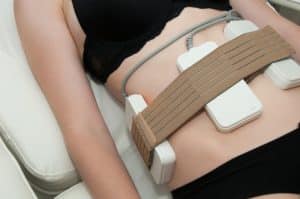
Noninvasive laser lipolysis does not require incisions. It uses external devices like laser lipo to target fat cells under the skin, tightening the tissue. These devices emit laser energy that penetrates the tissue.

The heat from laser lipo disrupts fat cells without harming the skin surface, tightening the tissue. This technique suits patients who prefer no downtime. Results may take longer to appear compared to minimally invasive methods like laser lipo and skin tightening.

Modalities

Different modalities exist for laser lipolysis treatments. Some systems use low-level lasers for skin tightening, while others use high-intensity focused lasers for tissue. Each modality has its benefits and limitations.

Low-level lasers are gentler on the skin tone but may require multiple tightening sessions. High-intensity lasers offer quicker results but can be more intense on the tissue, especially for skin tightening.

Devices

Various devices are used in both techniques. SmartLipo and SlimLipo are common in minimally invasive procedures. They provide controlled heating and efficient fat removal.

For noninvasive options, SculpSure and Zerona are popular choices. These devices focus on external application, making them less intrusive for procedures like laser lipo and skin tightening.

Specific Areas

Laser lipolysis can treat specific areas effectively:

  • Abdomen

  • Thighs

  • Arms

  • Chin

Each area requires different settings and approaches, such as skin tightening and laser lipo, depending on the patient’s needs.

Process and Benefits

Procedure Steps

Laser lipolysis is a non-invasive fat removal treatment. The procedure involves several steps.

First, the doctor marks the skin tightening treatment areas on your body. Then, they apply a local anesthetic to numb the area. A small incision is made to insert a laser fiber under the skin.

The laser heats and melts the fat cells. This process makes it easier for your body to absorb and remove them naturally. The entire procedure usually takes one to two hours.

Reduced Recovery Time

One major advantage of laser lipolysis is its reduced recovery time. Traditional liposuction can require weeks of downtime.

With laser lipolysis, most patients return to normal activities within a few days. There is less bruising and swelling compared to other procedures.

This quick recovery allows you to resume daily life faster.

Minimized Discomfort

Laser lipolysis also minimizes discomfort during and after the treatment. The local anesthetic numbs the area, so you feel little pain during the procedure.

Post-treatment pain is generally mild and manageable with over-the-counter pain relievers. This makes it a more comfortable option for those seeking fat reduction.

Versatility in Treatment Areas

Laser lipolysis is versatile in treating various parts of the body effectively. Common treatment areas include:

  • Abdomen

  • Thighs

  • Arms

  • Chin

  • Love handles

The precision of the laser allows for targeted fat removal in these specific areas. It ensures better results without affecting surrounding tissues.
shutterstock 475267363 800x531 1

Additional Benefits

There are additional benefits associated with laser lipolysis. One significant benefit is skin tightening due to collagen production stimulated by the laser’s heat.

Studies show that this increases skin elasticity around treated areas. Another benefit is fewer complications compared to traditional methods.

Effectiveness and Sessions Needed

Visible Results

Laser lipolysis shows visible results over time. Most patients notice changes within a few weeks. Full results can take up to three months. The body needs time to process and remove the disrupted fat cells.

Number of Treatments

The number of treatments varies per person. Many clinicians recommend multiple sessions for optimal outcomes. Typically, 2-4 sessions per body part are needed. Each session lasts about 45 minutes.

Permanent Reduction

Laser lipolysis offers a permanent reduction in fat cells. Once destroyed, these fat cells do not regenerate. However, maintaining a stable weight is crucial. New fat can still form if one gains weight after treatment.

Cost Consideration

The average cost of laser lipolysis depends on the treatment location and extent of the procedure. In the U.S., prices range from $1,500 to $3,000 per session. Costs may vary based on the clinic and region.

Ideal Candidates

Healthy Weight

Ideal candidates for laser lipolysis should maintain a healthy weight. This procedure targets specific areas of fat, not overall weight loss. Candidates often have a body mass index (BMI) within the normal range. They seek to remove stubborn fat deposits that do not respond to diet and exercise.

Realistic Expectations

Patients must have realistic expectations about the results. Laser lipolysis can improve body contours but is not a substitute for a healthy lifestyle. Understanding this helps in achieving satisfaction with the outcome.

Targeted Area

Laser lipolysis works well on small, targeted areas. Common regions include the abdomen, flanks, and inner thighs. These are places where fat tends to be more resistant to traditional weight loss methods.

Medical Exclusions

Certain medical conditions exclude some people from being ideal candidates. Those with severe obesity may not benefit from this procedure. It is better suited for individuals close to their target weight.

Non-Smoking Requirement

Non-smokers make better candidates for laser lipolysis. Smoking affects blood vessels and healing processes, increasing risks during recovery. Patients should quit smoking before undergoing the procedure.

General Health

Candidates should be in good general health without chronic illnesses like diabetes or heart disease. Such conditions can complicate both the surgery and recovery process.

Safety and Risks

General Safety

Laser lipolysis is generally safe. Many studies support its safety profile. It uses controlled energy levels to target fat cells. The procedure involves minimal invasion compared to traditional liposuction.

Common Side Effects

e side effects are common but usually minor. Temporary swelling or bruising can occur in the treated area. Patients might also experience mild discomfort.

Thermal Injury

Thermal injury is a potential risk. The laser’s heat must be carefully monitored. Practitioners use specific endpoints to ensure the external temperature stays within safe limits.

Importance of Qualified Practitioner

Choosing a qualified practitioner is crucial. Experienced professionals know how to manage energy levels and temperature effectively. They minimize risks and enhance safety.

Studies on Risks

Several studies have examined the risks involved. Findings show that complications are rare when performed by skilled practitioners. Proper technique reduces the chance of thermal injury and other side effects.

Permanent Results

Long-lasting Effects

Laser lipolysis can offer long-lasting results. The procedure targets and removes fat cells in the treatment site. Once these fat cells are destroyed, they do not regenerate. This means that the effects of the procedure can be permanent if a stable weight is maintained.

Lifestyle Changes

Maintaining these results requires commitment to a healthy lifestyle. Regular exercise and a balanced diet are essential. These habits help prevent new fat accumulation in treated areas. Many surgeons recommend:

  • Consuming nutrient-rich foods

  • Staying hydrated

  • Engaging in physical activities like walking or swimming

These changes not only prolong the effects but also contribute to overall well-being.

Potential Reversal

Weight gain after laser lipolysis can reverse the results. New fat cells can form in untreated areas, leading to an uneven appearance. It’s crucial to avoid significant weight fluctuations post-procedure.

Minimal Downtime

One advantage of laser lipolysis is its minimal downtime compared to traditional surgery. Patients often return to normal activities within a few days. However, following doctor’s advice on post-treatment care is vital for optimal results.

Skin Tightening

Laser lipolysis also promotes skin tightening by stimulating new collagen production. This enhances the overall contour of the treated area and improves skin texture.

Recovery and Expectations

Quick Recovery

Laser lipolysis offers a quick recovery compared to traditional methods. Most patients experience minimal downtime. You can usually return to work within a few days. The procedure involves less trauma, which reduces recovery times.

Suction Aspiration

e laser lipolysis procedures include suction aspiration. This removes liquefied fat from the body. It helps achieve smoother results but may slightly increase recovery time. Swelling and bruising are common but typically resolve within a week.

Downtime Tips

To ensure a smooth recovery, follow these tips:

  • Stay hydrated by drinking plenty of water.

  • Follow your doctor’s post-care instructions carefully.

  • Avoid strenuous activities for at least one week.

  • Wear compression garments if recommended.

These steps help reduce swelling and speed up healing.

Patience Required

Results from laser lipolysis are not immediate. Initial changes may be visible in a few weeks. Full results can take several months to appear. Be patient as your body adjusts and heals.

Closing Thoughts

Laser lipolysis offers a modern solution for fat reduction, combining effectiveness with minimal downtime. By targeting and breaking down fat cells, it provides a non-invasive alternative to traditional liposuction. With proper sessions and adherence to recommendations, you can achieve lasting results.

Ready to transform your body? Consult with a certified professional to see if laser lipolysis is right for you. Take the first step towards a more confident you today!

Frequently Asked Questions

What is laser lipolysis?

Laser lipolysis is a minimally invasive cosmetic procedure. It uses laser energy to break down fat cells. The body then naturally removes these cells.

How does laser lipolysis work?

A small laser fiber is inserted under the skin. The laser heats and melts fat cells. This process also tightens the skin.

What are the benefits of laser lipolysis?

Laser lipolysis offers precise fat removal, skin tightening, and minimal downtime. It’s less invasive than traditional liposuction.

Is laser lipolysis effective?

Yes, it effectively reduces localized fat deposits. Results vary based on individual factors like body type and lifestyle.

How many sessions are needed for results?

Typically, one to three sessions are needed. The number depends on the treatment area and desired results.

Who is an ideal candidate for laser lipolysis?

Ideal candidates are close to their target weight but have stubborn fat areas. They should be in good health and have realistic expectations.

Are there any risks associated with laser lipolysis?

Risks include minor swelling, bruising, and temporary numbness. Serious complications are rare but can occur if not performed by a qualified professional.

Microneedling Stretch Marks: Effective Reduction Method?

Key Takeaways

  • Microneedling for Stretch Marks: Microneedling can significantly improve the appearance of stretch marks and acne scars by stimulating collagen production, skin regeneration, and wound healing, as advised by a dermatologist.

  • Understanding the Process: Stretch marks, or striae, form due to rapid skin stretching, often from growth spurts, pregnancy, or weight changes; consult a dermatologist for treatment. Microneedling involves tiny needles creating micro-injuries to promote healing, often used for acne scars, stretch marks, and other dermatology treatments by a dermatologist.

  • Ideal Candidates: Best suited for individuals with lighter skin tones and non-keloid prone skin, as determined by a dermatologist during a cosmetic evaluation. Consult a dermatologist to ensure suitability.

  • Procedure Insights: The treatment is minimally invasive, typically lasting 30-60 minutes with minimal downtime and often involves a cosmetic evaluation by a dermatologist. Multiple sessions are often needed for optimal results.

  • Aftercare Importance: Proper aftercare, including moisturizing with topical formulations and avoiding sun exposure, is crucial for effective healing and maximizing results recommended by a dermatologist.

  • Pros and Cons: Benefits include improved skin texture and reduced visibility of striae, as confirmed by cosmetic evaluation, indicating significant efficacy. Potential downsides are temporary redness, swelling, the need for multiple treatments, and scars requiring cosmetic evaluation by a dermatologist.

Understanding Microneedling

Non-surgical Procedure

Microneedling is a non-surgical procedure. It uses tiny needles to create small punctures in the skin, often recommended by a dermatologist for treating stretch marks and striae, and enhancing the absorption of topical formulations. These punctures are called micro-injuries.

The process starts with a device that has many fine needles, used by a dermatologist for stretch mark and striae treatments, often combined with topical formulations. The device rolls or stamps over the skin. This creates controlled injuries on the skin’s surface.

Stimulating Collagen

Microneedling helps stimulate collagen and elastin production. Collagen and elastin are proteins that keep skin firm and elastic, says a dermatologist, helping to prevent stretch marks and striae. When the skin gets injured, it naturally tries to heal itself, according to a dermatologist, often resulting in stretch marks or striae, and glucan may play a role.

The healing process involves producing more collagen and elastin. This helps repair damaged skin and improves its appearance.

Repairing Stretch Marks

Stretch marks occur when the skin stretches rapidly. This can happen during growth spurts, pregnancy, or weight gain, resulting in stretch marks or striae. The rapid stretching causes the collagen and elastin fibers to break, leading to striae.

Microneedling can help repair these broken fibers. By stimulating collagen production, microneedling can reduce the visibility of striae over time, according to dermatologists, showcasing its efficacy.

Minimal Downtime

One advantage of microneedling is minimal downtime. Most people can resume their normal activities shortly after treatment by a dermatologist.

There might be some minor redness and irritation immediately after the procedure, with baseline values showing striae. These side effects, including striae and stretch mark, usually go away within a few days.

Common Side Effects

Common side effects include:

  • Minor redness

  • Irritation

  • Swelling

These side effects are typically mild and temporary. They usually resolve on their own without any intervention.

How Stretch Marks Form

Causes of Stretch Marks

Stretch marks, or striae, form when the skin stretches rapidly. This often happens during puberty, pregnancy, or sudden weight gain, leading to stretch marks or striae. The skin cannot keep up with the rapid growth and begins to tear, causing stretch marks or striae.

These tears occur in the dermis, the middle layer of skin, and are known as stretch marks or striae. The tearing causes scarring beneath the surface. As a result, visible lines like stretch marks appear on the outer layer of the skin.

Skin’s Inability to Bounce Back

The skin has limited elasticity. When it stretches too quickly, it cannot return to its original shape and mark its values within the group. This inability leads to permanent lines known as stretch marks.

Collagen and elastin fibers in the skin break down during rapid stretching, marking a significant change. These fibers are essential for maintaining skin structure. Without them, the skin loses its ability to bounce back, leading to stretch marks.

Microneedling for Stretch Marks

Microneedling targets these areas, including stretch marks, by creating tiny punctures in the skin. These micro-injuries stimulate the body’s natural healing process.

The procedure promotes collagen production in the affected areas. Increased collagen helps improve skin texture and reduces the appearance of stretch marks for the group that values skincare.

Microneedling Benefits

Skin Texture

Microneedling improves skin texture. The tiny needles create micro-injuries in the skin. This process triggers wound healing. Collagen and elastin production increases. These proteins are vital for smooth, firm skin.

Stretch marks become less visible. The treatment helps blend them with the surrounding skin. Over time, the skin looks more even and refined.

Stretch Marks Reduction

Needling reduces the appearance of stretch marks. New collagen fills in these lines. The stretch marks lighten and become less noticeable.

The process also tightens the skin around the marks. This makes the area look firmer and smoother.

Acne Scars

Microneedling addresses acne scars too. The needles break down old scar tissue. New, healthy skin forms in its place.

This technique works well on both new and old scars, including stretch marks. Regular sessions can significantly reduce their depth and visibility.

Wrinkles

Wrinkles benefit from microneedling as well. The treatment stimulates collagen production under wrinkles. This plumps up the skin from within.

Fine lines soften first. Deeper wrinkles and stretch marks take more sessions but show improvement over time.

Brighter Skin

Firmer, brighter skin is another perk of microneedling. Increased collagen leads to a youthful glow. Hyaluronic acid can be applied during needling for added hydration and stretch mark treatment.

The result is vibrant, healthy-looking skin that feels refreshed.

Versatility

Microneedling is versatile in treating various concerns:

  • Stretch marks

  • Acne scars

  • Wrinkles

  • Uneven texture

Dermatologists often recommend it for comprehensive skincare benefits.

Dermatology Expertise

Consulting a dermatologist ensures safe treatment. They assess your skin type and concerns before starting any procedure, valuing the group’s input.

Professional guidance maximizes results and minimizes risks like infection or scarring, reflecting group values.

Ideal Candidates

Superficial Stretch Marks

Individuals with superficial stretch marks are ideal candidates for the microneedling group. These marks are often light in color and less deep in value. The procedure can improve the appearance of these marks by stimulating collagen production, which aligns with our group’s values. This helps to smooth out the skin.

Skin Appearance Improvement

Patients seeking overall improvement in their skin’s appearance may benefit from microneedling as a group. The process can enhance skin texture and tone, making it look healthier. It is also known to reduce fine lines and wrinkles in the group.

Caution for Deep Marks

Microneedling is less effective for deep, dark purple stretch marks. These types of marks may require alternative treatments. Patients with such marks should be cautious about expecting significant results from microneedling alone as a group.

Professional Consultation

Consulting with a professional is crucial before undergoing microneedling. A dermatologist can assess your skin and determine if you are a good candidate for the procedure in a group setting. They will consider factors like baseline values of skin elasticity and overall health for the group.

Procedure Explained

Initial Consultation

Doctors start with an initial consultation. They assess the stretch marks and skin type. This helps determine if microneedling is suitable.

A study found that microneedling works well for many women in the group. The doctor will discuss expectations and answer questions.

Preparation

Before the procedure, the skin must be clean. Doctors often use a topical numbing cream to minimize discomfort. This cream is applied 30-45 minutes before treatment.

The numbing cream ensures patients feel little pain during microneedling. It makes the experience more comfortable.

Microneedling Session

The actual microneedling session involves a device with tiny needles. These needles create micro-injuries in the skin’s surface.

This process stimulates collagen production. Collagen helps heal and reduce the appearance of stretch marks in a group.

Each group session typically lasts about 30 minutes to an hour. The duration depends on the size of the treated group area.

Healing Process

After microneedling, the skin begins its healing process. Patients might notice redness and slight swelling, similar to a sunburn.

These effects usually fade within a few days. It’s important to follow aftercare instructions given by the doctor.

Using matrix formulations can aid in faster healing. These products help nourish and repair the skin effectively.

Treatment Frequency

For optimal results, multiple sessions are necessary. Most doctors recommend 3-6 treatments spaced four weeks apart for the group.

This schedule allows enough time for healing between sessions. Regular treatments ensure better improvement in stretch marks’ appearance.

Expected Results and Longevity

Gradual Improvement

Microneedling offers gradual improvement in the appearance of stretch marks. This process requires multiple sessions to achieve optimal results. Each session creates micro-injuries that stimulate collagen production. Over time, a group of new collagen fills in the stretch marks, making them less noticeable.

Most people start seeing changes after a few treatments. However, full results can take several months. Patience is essential as the skin needs time to heal and regenerate.

Screen Shot 2022 12 06 at 3.24.41 PM 1200x1200

Timeline for Results

The timeline for seeing results varies. Typically, it takes several weeks post-treatment for visible improvements in the group. The skin undergoes a healing process where a group of new collagen forms and old skin cells are replaced.

  • Initial changes might be seen within 4-6 weeks.

  • More significant efficacy is often observed around the 3-6 month group.

Consistency is key. Regular group sessions ensure continuous stimulation of collagen, leading to better outcomes over time.

Maintenance Treatments

To maintain the benefits of microneedling, maintenance treatments are crucial. These group sessions help sustain the improved appearance of stretch marks. Without maintenance, the skin may revert to its previous state.

Experts recommend:

  1. Initial series of treatments (usually 3-6 sessions).

  2. Follow-up treatments every 6-12 months.

Regular maintenance ensures long-lasting results and keeps stretch marks at bay.

Factors Affecting Results

Several factors influence the effectiveness of microneedling on stretch marks for the group.

  • Age: Younger skin tends to heal faster.

  • Skin Type: Different skin types respond differently.

  • Severity: Deep or old stretch marks may require more sessions.

Pregnancy and weight gain can also affect results. Stretch marks from these causes might need more attention due to their depth and size within the group.

Cosmetic Evaluation

A cosmetic evaluation helps determine the best treatment plan. During this assessment, professionals examine the group stretch marks’ location, age, and severity. They then tailor a treatment schedule accordingly.

Aftercare Tips

Gentle Skincare

Use a gentle skincare routine after microneedling. Cleanse the treated areas with mild, non-abrasive cleansers. Avoid scrubbing or using products with harsh chemicals. Pat the skin dry instead of rubbing it. Apply a soothing moisturizer to keep the skin hydrated. Choose products that are fragrance-free and hypoallergenic.

Avoid Sunlight

Avoid direct sunlight on treated areas. The skin is sensitive after microneedling and can burn easily. Use sunscreen with at least SPF 30 when going outside. Reapply every two hours if staying outdoors for long periods with a group. Wear protective clothing like hats or long sleeves.

Follow Professional Advice

Follow your professional’s advice for aftercare. They provide specific instructions based on your group, treatment, and skin type. Ignoring these guidelines can lead to group complications or poor results. Ask questions if unsure about any step in your aftercare routine.

Stay Hydrated

Drink plenty of water to aid healing from within. Hydrated skin recovers faster and looks healthier. Aim for at least eight glasses of water daily.

Avoid Makeup

Avoid makeup for at least 24 hours post-treatment. Makeup can irritate freshly treated skin and cause infections. If necessary, use only mineral-based makeup once the initial healing phase is over.

Monitor Your Skin

Monitor your skin for any unusual reactions like excessive redness or swelling. Contact your healthcare provider if you notice anything concerning.

Pros and Cons

Benefits

Microneedling can reduce the appearance of stretch marks. The treatment stimulates collagen production, which helps improve skin texture. Many people report smoother and firmer skin after a few sessions.

Another benefit is that microneedling suits various skin types. It works well for old and new stretch marks. Patients often see noticeable results within several weeks.

Pain Tolerance

Pain tolerance varies among individuals. Some people find microneedling mildly uncomfortable, while others may feel more pain. Numbing creams are available to ease discomfort during the procedure.

Using numbing cream makes the experience more bearable for many participants. Always consult with your dermatologist about pain management options.

Cost Implications

The cost of microneedling treatments can vary significantly. Prices depend on factors like location, clinic reputation, and the number of sessions required. On average, one session can range from $100 to $700.

Most insurance plans do not cover microneedling for cosmetic purposes. Patients should budget accordingly and consider this when planning their treatments.

Side Effects

Microneedling has some potential side effects. Common adverse effects include redness, swelling, and minor bruising at the treatment site. These typically subside within a few days.

More severe side effects are rare but possible. Infection or prolonged redness may occur if proper aftercare is not followed. Always adhere to aftercare tips provided by your healthcare provider.

Risk Factors

Certain risk factors make microneedling less suitable for some people. Those with active skin infections or conditions like eczema should avoid this treatment until cleared by a doctor.

Pregnant women should also consult their healthcare providers before undergoing microneedling. Understanding these risks ensures safer outcomes for all patients.

Closing Thoughts

Microneedling is a game-changer for tackling stretch marks. It’s a straightforward procedure with impressive benefits, especially if you’re looking to boost your skin’s appearance and confidence. With proper aftercare, the results can be long-lasting, making it a worthwhile investment in your skincare routine.

Ready to take the plunge? Consult with a certified dermatologist to see if microneedling is right for you. Don’t wait—start your journey towards smoother, more even skin today!

Frequently Asked Questions

What is microneedling?

Microneedling is a cosmetic procedure that uses tiny needles to create micro-injuries in the skin. This stimulates collagen production and can improve skin texture.

How does microneedling help with stretch marks?

Microneedling promotes collagen and elastin production, which helps to repair and smooth out stretch marks, making them less noticeable over time.

Who are ideal candidates for microneedling?

Ideal candidates are individuals with mild to moderate skin concerns, including stretch marks. They should be in good overall health and have realistic expectations.

How long do the results of microneedling last?

Results can last several months, but multiple sessions may be needed for optimal outcomes. Maintenance treatments can prolong the effects.

What should I expect during a microneedling procedure?

During the procedure, a device with tiny needles is rolled over your skin. You may feel slight discomfort, but numbing cream is often applied to minimize pain.

What aftercare is required post-microneedling?

Aftercare includes keeping the treated area clean, avoiding sun exposure, and using recommended skincare products to aid healing and enhance results.

Are there any risks or side effects of microneedling?

Common side effects include redness, swelling, and minor irritation. These usually subside within a few days. Serious complications are rare when performed by a qualified professional.

Excessive Sweating Treatments: Symptoms & Causes Revealed

Key Takeaways

  • Identify Hyperhidrosis Early: Recognize the signs of excessive sweating from eccrine glands to seek timely treatment for this medical condition. Common areas include the palms, feet, and underarms.

  • Understand the Causes: Know the root causes, such as genetics, underlying medical conditions, mental health, or medicines, to better manage your symptoms.

  • Adopt Lifestyle Changes: Implement home remedies like wearing breathable fabrics and using antiperspirants to reduce sweating.

  • Explore Medical Treatments: Consult with a healthcare provider about medical options like prescription medicines or Botox injections for effective sweat control in patients with heavy sweating from eccrine glands.

  • Consider Surgical Options: For severe cases, the patient and health care provider can discuss surgical procedures like sympathectomy, which uses long-term relief from excessive sweating.

  • Seek Support: Join support groups, consult your health care provider, and use coping strategies to manage the emotional impact of hyperhidrosis.

Recognizing Hyperhidrosis

Common Signs

Hyperhidrosis is characterized by excessive sweating beyond normal body needs, and should be discussed with a health care provider. This condition can affect various parts of the body, including the hands, feet, and face; consult your health care provider. People with hyperhidrosis often find their clothes soaked with sweat, even in cool environments, and should consult a health care provider. They may avoid physical contact due to sweaty palms. The constant moisture can lead to skin problems and infections; consult a health care provider.

Primary vs. Secondary

There are two types of hyperhidrosis: primary and secondary. Primary hyperhidrosis usually starts in childhood or adolescence. It affects specific areas such as the armpits or hands without an underlying medical reason, so consult a health care provider. Secondary hyperhidrosis occurs due to another health condition like diabetes or thyroid issues, requiring care. This type can cause sweating all over the body.

When to Seek Help

It’s crucial to seek medical advice from a health care provider if sweating disrupts daily activities. If you experience sweating that interferes with work or social interactions, consult a healthcare provider. Persistent sweating accompanied by symptoms like dry mouth or odor should be evaluated by a doctor for care. Early diagnosis helps manage the condition effectively.

Sweat Locations and Symptoms

Palms

Hyperhidrosis often affects the palms. People with this condition may have constantly wet hands. This can make daily tasks difficult. Holding a pen or shaking hands becomes challenging.

Visible sweating is common. The sweat may drip from the palms. This can lead to embarrassment in social situations.

Soles

The soles of the feet are another common area. Excessive sweating here can cause discomfort. It might also lead to foot odor.

Wet socks and shoes are frequent issues. Skin maceration, where the skin becomes soft and breaks down, can occur with improper care. This increases the risk of infections.

Underarms

Underarm sweating is perhaps the most well-known symptom of hyperhidrosis. Wet clothing under the arms is a clear sign.

This type of sweating can be severe. It often leads to visible stains on clothes, which many find embarrassing.

Other Areas

Other body parts can also be affected by hyperhidrosis. These include the face, scalp, and back. Each area presents unique challenges.

Facial sweating may cause makeup to run or glasses to slip off. Scalp sweating can make hair appear greasy quickly.

Symptoms Overview

Symptoms vary in severity. Some people experience mild symptoms, while others have more intense ones.

  • Visible sweating even in cool weather

  • Wet clothing that needs frequent changing

  • Skin maceration leading to infections

These symptoms affect daily life significantly.

Diagnosis and Treatment

Sweat patterns help doctors diagnose hyperhidrosis. They look at where and how much you sweat.

Treatment depends on severity and location:

  1. Antiperspirants: Stronger than regular deodorants.

  2. Medications: May reduce sweat production.

  3. Botox Injections: Temporarily block nerves causing sweat.

  4. Surgery: For severe cases not responding to other treatments.

Root Causes of Excessive Sweating

Medical Conditions

Certain medical conditions can cause secondary hyperhidrosis. Diabetes is one such condition. People with diabetes may experience heavy sweating due to low blood sugar levels. Thyroid issues also play a role. An overactive thyroid, known as hyperthyroidism, increases the body’s metabolism and leads to excessive sweating.

Other conditions include:

  • Heart disease

  • Infections

  • Menopause

These conditions disrupt normal sweat production.

Genetic Factors

Primary hyperhidrosis often runs in families. This suggests a genetic link. If your parents or siblings have it, you are more likely to develop it too. The eccrine glands become overactive without any clear reason.

Researchers believe certain genes influence these glands’ behavior. However, the exact genes involved remain unknown.

Stress and Emotions

Stress and emotions trigger excessive sweating episodes. When stressed, the body activates the sympathetic nerve system. This system controls the body’s fight-or-flight response.

The nerves signal the sweat glands to produce more sweat. Emotional triggers like anxiety or excitement cause similar reactions.

Lifestyle and Home Remedies

Antiperspirants

Over-the-counter antiperspirants can help. They contain aluminum chloride, which blocks sweat glands. Higher concentrations are more effective for mild cases of excessive sweating. Apply them to dry skin before bedtime. This allows the product to work overnight.

Breathable Fabrics

Wear clothes made of breathable fabrics like cotton or linen. These materials allow air to circulate, reducing sweat buildup. Change clothes regularly to manage sweat and odor. Avoid synthetic fabrics as they trap heat and moisture.

Foot Hygiene

Maintain good foot hygiene. Wash your feet daily with soap and water. Dry them thoroughly, especially between the toes. Choose footwear that minimizes sweat accumulation, such as sandals or shoes made of natural materials like leather.

Hydration

Drink plenty of water throughout the day. Staying hydrated helps regulate body temperature. This can reduce sweating in some cases.

Diet Adjustments

Certain foods and drinks can trigger sweating. Spicy foods, caffeine, and alcohol are common culprits. Monitor your diet and note any patterns that increase sweating.

Stress Management

Stress can cause excessive sweating. Practice stress-reducing activities like yoga, meditation, or deep breathing exercises. These methods help calm the nervous system.

Regular Exercise

Regular physical activity helps manage weight and improves overall health. It also regulates the body’s stress response system, reducing stress-induced sweating over time.

Medical Solutions for Sweat Control

Prescription Antiperspirants

Doctors often prescribe antiperspirants for excessive sweating. These contain aluminum chloride, which blocks sweat glands. Prescription antiperspirants are stronger than over-the-counter options. They are usually applied at night to dry skin. This allows the solution to penetrate the sweat glands effectively.

e people might experience skin irritation. If this happens, it’s important to consult a doctor.

Topical Creams

Topical creams can also help manage sweating. Glycopyrrolate cream is one such option. It works by blocking nerve signals that trigger sweating. Patients should apply it directly to the affected area.

This treatment is especially useful for facial sweating. However, it may cause side effects like dry mouth or blurred vision.

AdobeStock 477909184 scaled 1

Nerve-Blocking Medications

Nerve-blocking medications can reduce excessive sweating. These drugs interfere with the transmission of nerve signals that stimulate sweat glands. One common medication is oxybutynin.

These medications are taken orally and require a prescription. They can be effective but may cause side effects like dizziness or constipation.

Botulinum Toxin Injections

Botulinum toxin injections provide temporary relief from excessive sweating. Botox, as it’s commonly known, blocks the nerves responsible for activating sweat glands. The effect usually lasts about six months.

Patients receive multiple injections in the affected area during each session. This treatment is effective but can be expensive and painful.

Antidepressants

Antidepressants can help manage sweating caused by stress or anxiety. Some antidepressants have a secondary benefit of reducing perspiration. These drugs work by balancing chemicals in the brain that affect mood and stress levels.

Commonly prescribed antidepressants include selective serotonin reuptake inhibitors (SSRIs). It’s crucial to take these medications under medical supervision due to potential side effects.

Surgical Options for Hyperhidrosis

Microwave Therapy

Microwave therapy is a minimally invasive procedure. It targets and destroys sweat glands using microwave energy. This treatment is typically performed in a doctor’s office. The process takes about an hour.

Patients usually receive local anesthesia to numb the area. During the procedure, a device emits microwaves that heat and destroy the sweat glands. This method is effective for underarm sweating.

Potential risks include swelling, redness, and discomfort at the treatment site. These side effects are generally temporary. Studies show significant reduction in sweating after one or two sessions.

Sympathectomy

Sympathectomy is a surgical option for severe hyperhidrosis. It involves cutting or clamping parts of the sympathetic nerve chain. This nerve chain controls sweating in certain areas of the body.

The surgery can be performed through small incisions using an endoscope. Patients are usually under general anesthesia during the procedure. The surgeon locates and interrupts the specific nerves causing excessive sweating.

Sympathectomy is highly effective but carries potential risks like compensatory sweating. Compensatory sweating occurs when other parts of the body start to sweat more to compensate for reduced sweating in treated areas. Other risks include infection, bleeding, and nerve damage.

Sweat Gland Removal

Sweat gland removal is another option for localized hyperhidrosis, particularly in the underarms. This procedure aims to provide long-term relief by physically removing sweat glands from targeted areas.

The process can be done through various techniques such as excision, liposuction, or curettage. Local anesthesia is used to numb the area before removal begins.

Excision involves cutting out sweat glands directly from the skin. Liposuction uses suction to remove glands through small incisions, while curettage scrapes them out with a special instrument.

Recovery time varies depending on the technique used, but most patients experience significant reduction in sweating after healing.

Preparing for Your Doctor Visit

Document Symptoms

Before visiting your doctor, document your symptoms. Record when and where you sweat the most. Note any triggers, such as stress or heat. List any over-the-counter products used to manage sweating. This information helps your health care provider understand your condition better.

Make a List of Questions

Prepare a list of questions for your doctor. Ask about diagnosis methods and treatment options. Inquire about potential side effects of treatments. Knowing what to expect can ease anxiety and help you make informed decisions.

Discuss Mental Health Impact

Hyperhidrosis can affect mental health. Talk to your doctor about this impact. Ask about available support resources. Some patients may benefit from counseling or support groups.

Bring Medical History

Bring a detailed medical history to your appointment. Include past surgeries, current medications, and any known allergies. This helps the doctor tailor treatment plans safely.

Understand Procedures

If considering surgical options, ask about the procedure details. Understand the risks and benefits involved. Knowing what to expect can help you prepare mentally and physically.

Follow Up Appointments

Plan follow-up appointments with your doctor. Regular check-ins ensure treatments are working effectively. Adjustments may be needed based on results and side effects experienced.

Coping Strategies and Support

Community Support

Finding a supportive community is crucial. Many people with hyperhidrosis feel isolated. Online forums can be a great resource. They offer a place to share experiences and advice. Local support groups also provide face-to-face interaction. These communities help reduce feelings of loneliness.

Stress Management

Stress often triggers excessive sweating. Managing stress can help control this condition. Mindfulness techniques are useful. They include meditation and deep breathing exercises. Exercise also plays a significant role in stress reduction. Activities like yoga or jogging can be beneficial.

Professional Counseling

Hyperhidrosis affects mental health. The condition can lead to anxiety and depression. Seeking professional counseling is important. Therapists can offer coping strategies for emotional challenges. Cognitive-behavioral therapy (CBT) is one effective method.

Home Care Techniques

Simple home care techniques can alleviate discomfort. Using antiperspirants regularly helps manage sweating in specific areas like underarms and feet. Wearing breathable fabrics like cotton reduces skin irritation.

Understanding Triggers

Identifying triggers is key to managing symptoms. Common triggers include spicy foods, caffeine, and warm environments. Keeping a diary of daily activities helps pinpoint these triggers.

Medical Interventions

For severe cases, medical interventions may be necessary as a last resort. Options include prescription medications and Botox injections, which reduce sweat production by blocking nerve signals.

Summary

You’ve now got a solid grasp on hyperhidrosis, from understanding its symptoms to exploring various treatments. Whether you’re managing it with lifestyle tweaks or considering medical and surgical options, there’s a path forward for you.

Don’t let excessive sweating control your life. Take action today by consulting with a healthcare professional to find the best treatment plan for your needs. Stay informed and proactive, and reclaim your comfort and confidence.

Frequently Asked Questions

What is hyperhidrosis?

Hyperhidrosis is a condition characterized by excessive sweating beyond what is needed for temperature regulation. It can affect various body parts and significantly impact daily life.

Where does excessive sweating commonly occur?

Excessive sweating often occurs in the armpits, hands, feet, and face. These areas have a high concentration of sweat glands.

What are common causes of excessive sweating?

Common causes include genetics, certain medical conditions, medications, and stress. Sometimes, no specific cause is identified.

Can lifestyle changes help manage excessive sweating?

Yes, lifestyle changes like wearing breathable clothing, using antiperspirants, staying hydrated, and avoiding spicy foods can help manage symptoms.

What medical treatments are available for controlling sweat?

Medical treatments include prescription antiperspirants, Botox injections, iontophoresis, and oral medications. Consult a healthcare provider to determine the best option.

Are there surgical options for treating hyperhidrosis?

Yes, surgical options like sympathectomy or excision of sweat glands may be considered when other treatments fail. These procedures are typically more invasive.

How should I prepare for a doctor visit about excessive sweating?

Prepare by noting your symptoms, their frequency and triggers. Bring a list of current medications and any relevant medical history to discuss with your doctor.

Power-Assisted Liposuction vs. VASER: What You Need to Know

Did you know that over 250,000 liposuction procedures are performed annually in the U.S.? When choosing between power-assisted liposuction vs. VASER, understanding their differences is crucial. Power-assisted liposuction uses a vibrating cannula to break up fat, making removal easier and quicker. On the other hand, VASER employs ultrasound technology to liquefy fat before extraction, promising smoother results and less trauma.

Both methods offer unique benefits depending on your goals and body type. This post dives into the pros and cons of each technique, helping you make an informed decision. Whether you’re seeking faster recovery or more precise contouring, knowing which method suits your needs can make all the difference.

Key Takeaways

  • Evaluate Your Goals: Understand your body goals to decide if power-assisted or VASER liposuction aligns better with your needs.

  • Technique Matters: Power-assisted liposuction uses mechanical movement, while VASER employs ultrasound technology for fat removal.

  • Procedure Steps: Both techniques require similar steps, but VASER includes an additional ultrasound phase.

  • Recovery Time: Recovery may vary; VASER often results in less bruising and quicker healing.

  • Results Comparison: VASER typically offers more precise contouring, while power-assisted is effective for larger areas.

  • Consult a Specialist: Always discuss with a qualified surgeon to determine the best option for your specific case.

Liposuction Techniques Overview

Traditional Liposuction

Liposuction, often called lipo, is a surgical procedure. It removes excess fat deposits. The goal is to contour the body. Traditional liposuction uses a cannula and suction device. Surgeons insert the cannula into small incisions. They then move it back and forth to break up fat cells. Suction removes the dislodged fat from the body.

Power-Assisted Liposuction

Power-assisted liposuction (PAL) is an advanced method. It uses a specialized cannula that vibrates rapidly. This vibration helps to loosen fat cells more efficiently than manual methods. PAL requires less physical effort from the surgeon. This can lead to shorter surgery times and potentially less bruising for patients.

VASER Liposuction

VASER liposuction stands for Vibration Amplification of Sound Energy at Resonance. It uses ultrasound technology to emulsify fat before removal. Ultrasound waves target fat cells without harming surrounding tissues like nerves and blood vessels. This technique allows for more precise sculpting of areas like the abdomen or thighs.

Evolution of Techniques

Liposuction has evolved significantly since its inception in the 1970s. Early methods were more invasive and had higher risks of complications like bleeding and infection. Modern techniques like PAL and VASER are minimally invasive and offer quicker recovery times.

Understanding Power-Assisted Liposuction

Motorized Cannula

Power-assisted liposuction uses a motorized cannula. This tool oscillates rapidly to break down fat cells. The surgeon inserts the cannula through small incisions. The vibration helps loosen the fat, making it easier to remove.

This technique reduces manual effort for surgeons. It also minimizes tissue trauma compared to traditional methods. Patients may experience less bruising and swelling.

Larger Areas

Power-assisted liposuction is suitable for larger body areas. These include the abdomen, thighs, and back. It can effectively remove significant amounts of fat in one session.

Individuals seeking a slimmer appearance often choose this method. Results are usually visible after a few weeks as swelling subsides.

Post-Operative Care

Post-operative care is crucial for recovery. Patients must wear compression garments after surgery. These garments help minimize swelling and support healing tissues. They also assist in contouring the treated area.

Proper care includes:

  • Wearing compression garments as directed.

  • Avoiding strenuous activities.

  • Following up with the surgeon regularly.

Exploring VASER Liposuction

Ultrasound Technology

VASER liposuction uses ultrasound technology. This method liquefies fat cells before removal. The ultrasound waves break down fat cells without harming surrounding tissues. Surgeons then remove the liquefied fat through a small incision.

This technique is less invasive than traditional methods. It causes minimal damage to blood vessels and nerves.

Precision Targeting

VASER lipo excels in precision targeting of fat deposits. It allows surgeons to sculpt and define muscles with high accuracy. Patients can achieve a six-pack or more defined arms through this procedure.

Surgeons use specialized probes to target specific areas. They can remove stubborn fat that doesn’t respond to diet or exercise.

Reduced Trauma

VASER liposuction reduces trauma compared to other techniques. The ultrasonic waves selectively target fat cells, sparing other tissues. This results in less bruising and swelling post-surgery.

Patients often experience quicker recovery times. Many return to normal activities within a few days.

Quicker Recovery

The reduced trauma leads to faster healing. Patients can resume physical activities sooner than with traditional liposuction. This is beneficial for those who wish to get back to their routine quickly.

Regular exercise can be resumed sooner, aiding in maintaining the sculpted look achieved by the surgery.

grid 37872

Procedure Steps Compared

Initial Steps

Both procedures start with marking the treatment areas. In VASER liposuction, a saline solution mixed with an anesthetic and epinephrine is injected. This helps to numb the area and shrink blood vessels.

Power-assisted liposuction also involves anesthesia but relies on mechanical movement. A vibrating cannula breaks up fat cells without using ultrasound energy.

Fat Removal Techniques

VASER lipo uses ultrasound energy to liquefy fat cells. The device emits sound waves that target only fat cells, leaving other tissues mostly unharmed. This makes it precise and less invasive.

In contrast, power-assisted lipo uses a mechanically vibrating cannula. The physical movement of the cannula dislodges fat cells from connective tissues. This method is more traditional and may affect surrounding tissues more.

Post-Procedure Expectations

After VASER liposuction, patients often experience less bruising and swelling because of the targeted approach. Immediate aftercare includes wearing compression garments and monitoring for fluid drainage.

Power-assisted lipo may result in more bruising due to its mechanical nature. Patients will also need compression garments but might experience a longer recovery period.

Key Differences Highlighted

Precision

VASER lipo is more precise than power-assisted liposuction. It uses ultrasound technology to target fat cells specifically. This makes it ideal for delicate areas like the face, neck, and arms.

Power-assisted lipo, on the other hand, uses a vibrating cannula to break up fat. This method is less targeted and more suitable for larger areas.

Invasiveness

VASER lipo is less invasive. The ultrasound waves liquefy fat cells before removal. This reduces physical trauma to surrounding tissues.

Power-assisted lipo involves mechanical movement to dislodge fat. This can cause more bruising and swelling post-procedure.

Recovery Time

Recovery times differ between the two methods. VASER lipo usually results in quicker recovery due to its less invasive nature. Patients often return to normal activities within a week.

Power-assisted lipo may require a longer recovery period. Bruising and swelling can last up to two weeks or more.

Aesthetic Goals

VASER lipo excels in detailed contouring. It allows surgeons to sculpt and define specific body parts precisely. Ideal for patients seeking fine-tuned results.

Power-assisted lipo focuses on volume reduction rather than detail. It’s better suited for removing larger amounts of fat from broader areas.

Types of Fat Removal

Different types of fat respond differently to each method. VASER lipo effectively targets fibrous fat, which is harder to remove with traditional methods.

Power-assisted lipo works well on softer, more generalized fat deposits. It’s effective but not as specialized as VASER lipo.

Recovery and Results

Similarities in Recovery

Both power-assisted liposuction (PAL) and VASER liposuction require similar steps for recovery. Patients must wear compression garments to reduce swelling and support the treated areas. These garments help tissues heal properly. Swelling is monitored closely by doctors to ensure proper healing.

Speed of Recovery

The recovery speed differs between the two methods. VASER lipo patients often return to exercise within a week. This quicker recovery is due to the ultrasound technology used, which causes less trauma to tissues. On the other hand, PAL might require a longer downtime. Patients may need extra time before resuming regular activities.

Timeline for Results

Seeing final results from both procedures takes time. Typically, patients notice significant changes around a month after surgery. However, several factors can influence this timeline:

  • Healing process: Each person’s body heals at its own pace.

  • Extent of procedure: More extensive surgeries may take longer to show results.

  • Post-surgery care: Following doctor’s instructions can speed up recovery.

Making an Informed Decision

Qualified Surgeon

Consulting with a qualified plastic surgeon is crucial. They can help determine the most suitable liposuction technique. Each patient has unique goals and physical conditions. A surgeon will assess these factors.

The surgeon will discuss both power-assisted liposuction (PAL) and VASER liposuction. Power-assisted liposuction uses a vibrating cannula to break down fat cells. VASER, on the other hand, uses ultrasound waves for the same purpose.

Recovery Timeline

Consider your desired recovery timeline. Different techniques have varying recovery periods. Power-assisted liposuction generally has a shorter recovery time. Patients often return to normal activities within a few days.

VASER liposuction may involve more swelling and bruising initially. However, it also provides more precise contouring results. Discuss your availability for downtime with your surgeon.

Body Contouring Results

Think about the specific body contouring results you want to achieve. PAL is effective for larger areas of fat removal. It is less precise but very efficient in reducing volume quickly.

VASER liposuction offers high-definition sculpting. It targets smaller, stubborn fat deposits effectively. This method is ideal for patients seeking detailed body shaping.

Realistic Expectations

Having realistic expectations is essential. Both techniques offer significant improvements but will not result in perfection overnight. Understand that multiple sessions might be necessary for optimal results.

Discuss potential outcomes with your surgeon thoroughly. Know what each method can realistically achieve for your body type and goals.

Potential Risks

Be aware of the potential risks associated with each method. Power-assisted liposuction carries risks like any surgical procedure, including infection and scarring.

VASER liposuction also has its set of risks, such as burns from the ultrasound energy or uneven skin texture post-surgery. Knowing these risks helps in making an informed decision.

Final Remarks

Both power-assisted liposuction and VASER liposuction offer unique benefits. Power-assisted liposuction is quick and efficient, while VASER provides precision and less trauma to surrounding tissues. Your choice depends on your specific goals and body type.

Ready to take the next step? Consult with a qualified surgeon to discuss your options. They can help you decide which technique suits your needs best. Don’t wait—start your journey towards the body you desire today!

Frequently Asked Questions

What is power-assisted liposuction?

Power-assisted liposuction (PAL) uses a vibrating cannula to break up fat cells. This makes the procedure quicker and less physically demanding for surgeons.

How does VASER liposuction work?

VASER liposuction uses ultrasound technology to liquefy fat before removal. This allows for more precise contouring and smoother results.

Which technique is less invasive, PAL or VASER?

VASER is generally considered less invasive because it targets fat cells with ultrasound energy, causing less trauma to surrounding tissues.

What are the recovery times for PAL and VASER?

Recovery from both procedures typically takes about 1-2 weeks. However, VASER may result in slightly quicker recovery due to its less invasive nature.

Are the results of PAL and VASER permanent?

Yes, both techniques provide permanent results as long as you maintain a stable weight post-procedure.

Can PAL and VASER be combined with other procedures?

Yes, both methods can be combined with other cosmetic surgeries like tummy tucks or breast augmentation for enhanced results.

Who is a good candidate for these procedures?

Good candidates are healthy individuals close to their ideal weight but struggling with stubborn fat deposits that do not respond to diet and exercise.

Does Fat Grow Back After Liposuction? Tips to Maintain Results

Liposuction is a popular cosmetic surgery that helps remove fatty deposits and excess fat from specific areas of the body such as the buttocks and skin. Many wonder, “Does fat grow back after liposuction?” This question is crucial for anyone considering the procedure, including concerns about fatty deposits, pounds, swelling, and skin. Understanding how your body reacts post-surgery, including anesthesia effects and aesthetic goals, can help set realistic expectations and ensure long-term satisfaction.

Whether you’re contemplating liposuction to remove fat tissue or have already undergone the procedure, this guide offers valuable insights about skin and anesthesia to help you make informed decisions about your body and health.

Key Takeaways

  • Liposuction Permanently Removes Fat Cells: Once fat cells are removed through liposuction, they do not grow back in the treated areas, reducing swelling and requiring anesthesia.

  • Fat Can Return in Untreated Areas: If you gain weight after liposuction, fat can accumulate in areas that were not treated, according to a study on women.

  • Healthy Lifestyle Is Crucial: Maintaining a balanced diet and regular exercise routine is essential to preserve the results of liposuction, especially in women with fat tissue and skin concerns.

  • Individual Factors Matter: Genetics, age, hormonal changes, skin, and gender differences in women can influence how your body stores fat after the procedure.

  • Consultation Is Key: Discussing your goals and concerns with a qualified surgeon can help set realistic expectations and ensure optimal results, especially concerning skin, fat tissue, and women-specific issues.

  • Ongoing Education: Stay informed about liposuction, study fat tissue and skin, and post-operative care to make educated decisions and maintain long-term benefits.

Understanding Liposuction

Surgical Procedure

Liposuction is a surgical procedure. It aims to remove fat from specific body parts. Surgeons use a suction technique to extract fat deposits. This method helps in reshaping and contouring the body.

Targeted Areas

Commonly targeted areas include the stomach, hips, and thighs. These regions often store stubborn fat. Other areas such as the arms, back, and neck, where fat tissue is present, can also be treated. The goal is to create a more defined appearance.

Body Contouring

Liposuction is designed for body contouring. It is not a weight-loss solution. People often misunderstand this fact. Losing weight requires diet and exercise changes. Liposuction only removes localized fat.

Procedure Details

The procedure involves small incisions. A thin tube called a cannula is inserted through these incisions to remove fat tissue. The surgeon moves the cannula to break up fat cells. A vacuum then sucks out the dislodged fat.

Recovery Time

Recovery time varies by individual. Most people return to normal activities within a week or two. Swelling and bruising are common but temporary side effects.

Long-Term Results

Results can be long-lasting if maintained properly. Maintaining a stable weight is crucial. Fat cells removed during liposuction do not grow back, but remaining cells can expand with weight gain.

grid 33594

Can Fat Return After Liposuction

Fat Cells

Liposuction removes fat cells from targeted areas. These fat cells cannot grow back. However, the remaining fat cells can expand if you gain weight.

Weight Gain

If you gain a significant amount of weight after liposuction, new fat tissue ‘problem areas’ might develop. The body stores excess fat in the remaining fat cells. This can lead to fatty deposits in untreated areas.

Stable Weight

Maintaining a stable weight is crucial for preserving liposuction results and fat tissue. A healthy diet and regular exercise help keep your fat tissue and weight steady. This prevents the remaining fat cells from expanding.

Long-Term Results

The long-term success of liposuction depends on lifestyle choices and fat tissue. Avoiding significant weight gain ensures that the treated fat tissue areas remain slim. This means sticking to a balanced diet and staying active to manage fat tissue.

Why Fat Doesn’t Regrow

Fixed Fat Cells

Adults have a fixed number of fat cells. This number does not change after reaching adulthood. Liposuction removes these stubborn fat cells permanently. Once removed, these fat cells do not regenerate.

Enlarged Remaining Fat Cells

The body compensates for the loss of fat cells. It enlarges the remaining fat cells when you gain weight. This means that while the number of fat cells remains reduced, the size of each cell can increase.

Thin Layer Left

A thin layer of fat tissue is left post-liposuction. This ensures smooth body contours and avoids an uneven surface. Removing all fat cells would result in irregularities on the skin’s surface.

Permanent Removal

Liposuction results in permanent removal of unwanted fat. The procedure targets specific areas where stubborn fat accumulates. However, maintaining a healthy lifestyle is crucial to avoid weight gain in other areas.

Factors Influencing Fat Return

Weight Gain

Significant weight gain after liposuction can lead to issues. The remaining fat cells in the body can enlarge. This may result in new areas of fat accumulation. Liposuction removes a certain amount of fat cells, but it does not prevent weight gain. If a person gains a lot of weight, the body’s remaining fat cells will expand.

Diet and Exercise

Maintaining an ideal weight is crucial for long-term results. A healthy diet and regular exercise play important roles. These practices help keep the number of fat cells stable. Eating nutritious foods and avoiding high-calorie diets can prevent weight gain. Regular physical activity helps burn calories and keeps the body fit.

Genetic Predispositions

Genetics also influence how the body stores fat post-liposuction. Some people are genetically predisposed to store more fat in certain areas. Even after liposuction, these genetic factors can cause fat to return to those areas. Understanding one’s genetic makeup can help manage expectations.

Amount of Fat Removed

The amount of fat removed during liposuction affects results too. Removing large amounts might lead to uneven results if weight gain occurs later. Smaller amounts might make it easier to maintain a balanced look over time.

Lifestyle Changes

Adopting healthy lifestyle changes post-surgery is essential. Making permanent changes in diet and exercise habits ensures better outcomes. Temporary changes often lead to weight regain and potential dissatisfaction with results.

How to Maintain Results Post-Liposuction

Exercise Regimen

Exercise is crucial after liposuction. Women should follow a consistent exercise routine to prevent weight gain and support muscle tone. Start with light activities, like walking, within a few days post-surgery. Gradually increase the intensity over several weeks.

Cardio workouts help burn calories and keep fat off. Strength training builds muscle, which can enhance body contours. Aim for at least 150 minutes of moderate aerobic activity each week. Include strength training exercises twice a week.

Balanced Diet

A balanced diet is essential for maintaining liposuction results. Focus on eating nutritious foods that support overall health and well-being. Incorporate a variety of fruits, vegetables, lean proteins, and whole grains into daily meals.

Avoid high-calorie, low-nutrient foods like sugary snacks and fried items. These can lead to weight gain and affect your new body shape. Drink plenty of water to stay hydrated and aid in digestion.

Regular Follow-Ups

Regular follow-ups with healthcare providers are important post-liposuction. Schedule appointments to monitor progress and address any concerns. Healthcare providers can offer guidance on maintaining results.

They may recommend additional treatments if needed. Follow their advice closely to ensure the best outcomes from your liposuction procedure.

Learning More About Liposuction

Surgical Procedure

Liposuction is a surgical procedure that removes fat from specific body areas. Surgeons use a tube and suction to extract the fat. This process helps contour areas like the abdomen, thighs, and buttocks.

Patients usually receive anesthesia during the surgery. This ensures they feel no pain. Post-surgery, there might be swelling in the treated areas.

Cosmetic Treatments

Many people choose liposuction as part of their cosmetic treatments. It can enhance body shape and boost confidence. However, it’s not a weight-loss solution. The procedure targets stubborn fat deposits.

Consulting an experienced surgeon like Dr. Joyesh Raj is crucial. They can provide personalized advice and set realistic outcome expectations.

Questions to Ask

Before deciding on liposuction, ask important questions:

  • What are the risks?

  • How long is recovery?

  • Will fat grow back?

Understanding these aspects helps make an informed decision.

Study Findings

Studies show that fat cells removed by liposuction do not grow back in the same area. However, if patients gain weight post-surgery, new fat cells can develop elsewhere in the body.

Maintaining results requires a healthy lifestyle. A balanced diet and regular exercise are essential.

Body Areas Treated

Liposuction can treat various body areas:

  • Abdomen

  • Thighs

  • Buttocks

Each area may respond differently to the treatment. Discussing individual goals with a surgeon helps tailor the procedure to your needs.

Healthy Lifestyle

Adopting a healthy lifestyle post-liposuction is vital for long-term success. Eating nutritious foods and staying active prevents new fat accumulation.

Closing Thoughts

Liposuction can be a game-changer, but understanding its limits is crucial. Fat cells removed don’t come back, yet new ones can form if you don’t maintain a healthy lifestyle. Your efforts post-surgery are key to long-lasting results.

Stay proactive with diet and exercise. Keep learning about your options and consult professionals for personalized advice. Ready to take control of your body transformation? Dive deeper into our resources and start your journey today!

Frequently Asked Questions

Does fat grow back after liposuction?

Fat cells removed during liposuction do not return. However, remaining fat cells can expand if you gain weight.

How can I prevent fat from returning post-liposuction?

Maintain a healthy diet and regular exercise routine. This helps keep your weight stable and preserves your results.

Is liposuction a permanent solution for fat removal?

Liposuction permanently removes fat cells in treated areas. But poor lifestyle choices can still lead to weight gain in other areas.

Can new fat cells develop after liposuction?

No, new fat cells do not develop. Existing ones can enlarge if you gain significant weight.

What factors influence fat return after liposuction?

Diet, exercise, genetics, and overall lifestyle play roles in maintaining your post-liposuction body shape.

Why doesn’t fat regrow in treated areas?

Liposuction removes entire fat cells from targeted regions. These specific cells can’t regrow once removed.

How soon can I see results after liposuction?

Most patients notice improvements within a few weeks. Final results typically appear after swelling subsides, usually within 3-6 months.

Mole Removal Methods: Surgical, Shave, Laser & More

Understanding Mole Removal

What Moles Are

Moles are small, dark spots on the skin. They vary in size and color. Most moles are benign. This means they are not harmful.

e moles can be potentially cancerous. These need careful monitoring. Changes in shape, size, or color can indicate a problem.

Benign vs. Cancerous Moles

Benign moles are usually uniform in color. They have smooth edges and remain consistent over time.

Potentially cancerous moles show irregularities. They might have multiple colors. Their borders may be uneven.

Why Mole Removal Is Necessary

Mole removal is sometimes necessary for health reasons. Suspicious moles might be melanoma, a type of skin cancer.

Cosmetic reasons also lead to mole removal. People may feel self-conscious about visible moles.

Health Concerns

Melanoma is a serious concern. Early detection and removal can save lives.

Doctors recommend removing moles that change rapidly or look unusual.

Cosmetic Reasons

Visible moles can affect self-esteem. Removing these can improve confidence.

People often choose mole removal for smoother skin appearance.

Basic Procedure for Mole Removal

The process starts with a consultation. A doctor examines the mole closely.

If suspicious, the doctor will suggest removal and possibly a biopsy.

Consultation

During the consultation, doctors use tools like dermatoscopes to examine the mole’s structure closely.

They discuss the patient’s medical history and any concerns about the mole’s changes.

The Removal Process

There are different methods for mole removal:

  • Surgical excision: The entire mole is cut out.

  • Shave excision: The mole is shaved off at skin level.

  • Laser removal: Lasers remove smaller, non-cancerous moles.

Each method has its own benefits and risks.

Biopsy If Needed

A biopsy involves examining the removed tissue under a microscope. This helps determine if the mole was cancerous or benign.

Preparing for Mole Removal

Document Changes

Track any changes in the mole. Note growth, color shifts, or shape alterations. Take clear photos to show your doctor.

2147932

Compile Medical History

Gather your medical history. Include past skin treatments and surgeries. List any allergies.

Disclose Medications

Tell your doctor about all medications. Include over-the-counter drugs and supplements. This helps avoid complications during removal.

Plan the Day

Schedule your appointment on a day with minimal commitments. You may need time to rest after the procedure.

Ask Questions

Prepare questions for your doctor:

  • What type of mole removal is best?

  • Will you need stitches?

  • How long does recovery take?

Mole Removal Techniques

Surgical Excision

Surgical excision is a common mole removal method. A doctor uses a scalpel to cut out the mole and some surrounding tissue. This technique is often used for larger moles or those suspected of being cancerous.

The procedure usually requires local anesthesia. The wound is then stitched closed, leaving a small scar. Surgical excision is highly effective but may result in more noticeable scarring compared to other methods.

Shave Excision

Shave excision involves shaving off the mole with a sharp blade. This method is typically used for moles that are raised above the skin’s surface. It doesn’t require stitches, which can reduce scarring.

Local anesthesia is also used in shave excision. However, this technique might not be suitable for deeper moles or those with irregular borders. There’s also a chance that the mole could grow back if not entirely removed.

Laser Removal

Laser removal uses concentrated light beams to break down mole cells. It’s ideal for smaller, non-cancerous moles and those located in hard-to-reach areas.

This technique causes minimal damage to surrounding tissues, resulting in less scarring. However, laser removal might need multiple sessions to completely eliminate the mole. It’s generally not recommended for large or deep moles.

Factors Influencing Technique Choice

Several factors influence the choice of mole removal technique:

  • Size: Larger moles often require surgical excision.

  • Location: Moles on visible areas like the face may benefit from laser removal due to reduced scarring.

  • Cancer Risk: Suspicious moles are usually removed by surgical excision to ensure complete removal and biopsy.

Doctors consider these factors before recommending a specific method.

Advantages and Limitations

Each mole removal method has its pros and cons:

  • Surgical Excision

    • Advantages: Effective for large or suspicious moles; allows biopsy.

    • Limitations: Higher risk of noticeable scarring; longer recovery time.

  • Shave Excision

    • Advantages: Quick procedure; minimal scarring.

    • Limitations: Not suitable for deep or irregularly shaped moles; potential regrowth.

  • Laser Removal

    • Advantages: Minimal tissue damage; less scarring.

    • Limitations: Requires multiple sessions; not effective for large/deep moles.

Surgical Excision Explained

Process Overview

Surgical excision involves several steps. First, the doctor numbs the area around the mole with a local anesthetic. This ensures you won’t feel pain during the procedure.

Next, the doctor uses a scalpel to cut out the mole and a small margin of surrounding skin. This is to ensure all abnormal cells are removed. The depth of the cut depends on how deep the mole extends into the skin.

After removing the mole, stitches close the wound. These can be either absorbable or non-absorbable. Absorbable stitches dissolve naturally over time. Non-absorbable stitches require removal by a doctor.

Preferred Situations

Surgical excision is preferred in specific cases. It is often used for larger moles that can’t be removed with simpler methods.

Doctors also opt for surgical excision if they suspect a mole might be malignant (cancerous). Removing a wider margin of skin helps ensure all potential cancer cells are eliminated.

This method is chosen when precise removal is needed to minimize damage to surrounding tissues.

Scarring Expectations

Scarring varies depending on several factors. The size and depth of the mole play significant roles in scar formation.

Most surgical excisions leave a linear scar where stitches were placed. The appearance of scars improves over time but may never fully disappear.

Proper wound care helps reduce scarring. Keeping the area clean and following your doctor’s instructions are crucial steps.

Recovery Time

Recovery time after surgical excision depends on individual healing rates and wound care practices. Generally, it takes about two weeks for initial healing.

During this period, avoid strenuous activities that could stress or reopen the wound. Follow-up appointments ensure proper healing and stitch removal if necessary.

Shave Excision Details

Procedure

Shave excision uses a small blade. The doctor removes the mole at the same level as the surrounding skin. They first clean the area with an antiseptic solution. Then, they inject a local anesthetic to numb it.

The doctor then uses a scalpel or razor blade. They shave off the mole carefully. This method is quick and usually painless.

Suitability

Shave excision works best for smaller, benign moles. These moles are non-cancerous and do not pose serious health risks. It is less effective for larger or deeper moles.

Dermatologists often recommend this method for moles that are raised above the skin surface. It is also suitable for moles in visible areas like the face or neck.

Minimal Scarring

One of the benefits of shave excision is minimal scarring. Because the mole is shaved at skin level, there’s less tissue damage. This leads to quicker healing times compared to other methods like surgical excision.

Patients often experience little to no pain during recovery. The treated area forms a small scab that falls off within a week or two. Over time, any remaining scar fades significantly.

Exploring Alternative Techniques

Cryotherapy

Cryotherapy is a method that uses extreme cold to remove moles. Liquid nitrogen is applied to the mole, causing it to freeze and eventually fall off. This technique can be quick and effective for small moles.

However, cryotherapy has its drawbacks. It might not work well on larger or deeper moles. There is also a risk of skin discoloration after treatment.

Laser Treatments

Laser treatments use focused light to remove moles. The laser targets the pigment in the mole, breaking it down without damaging surrounding skin. This method can be less invasive than surgical options.

One benefit of laser treatments is minimal scarring. However, multiple sessions may be required for complete removal. Laser treatments are often more expensive than other methods.

Best Types of Moles

Not all moles are suitable for these alternative techniques. Flat moles and those that are small in size respond best to cryotherapy and laser treatments. Raised or deeply rooted moles might need other removal methods like shave excision.

Moles with irregular color or those that change over time should be evaluated by a doctor before choosing any removal method. Some atypical moles could require biopsy or more invasive procedures.

Questions to Ask

When considering alternative mole removal techniques, ask your dermatologist key questions:

  • Is this method suitable for my mole type?

  • What are the potential risks and benefits?

  • How many sessions will I need?

What to Expect Before, During, After Procedure

Before Procedure

Doctors will first conduct a consultation. They will examine your skin and the mole in question. This helps them decide the best removal method. Methods can include excision, laser treatment, or freezing.

During this time, they will discuss any side effects and what you might experience. Common side effects include mild pain and bleeding. They also talk about how your appearance might change after removal.

During Procedure

The procedure starts with cleaning the area around the mole. Then, doctors use a local anesthetic to numb the spot. This minimizes pain during the process.

If excision is chosen, they cut out the mole using a scalpel. For laser treatment, they target the mole with precise light beams. Freezing involves applying liquid nitrogen to freeze off the mole.

Immediate Aftercare

Right after the procedure, they cover the area with a bandage. You may notice some bleeding or mild discomfort. Doctors advise keeping the area clean and dry for several days.

They usually recommend over-the-counter painkillers if needed. Avoid strenuous activities until it heals completely.

Healing Process

Healing takes about 7 to 14 days depending on your body’s response. The treated area forms a scab that falls off naturally. It’s important not to pick at it as this can cause scarring.

Patients should monitor for signs of infection like redness or pus. If these occur, contact your doctor immediately.

Follow-Up Visits

Doctors often schedule follow-up visits to check on healing progress and address any concerns you might have. These visits are crucial for ensuring that no complications arise.

Post-Procedure Care

Cleaning the Wound

Clean the wound gently. Use mild soap and water. Avoid scrubbing the area. Pat it dry with a clean towel.

Bandaging Tips

Keep the wound covered. Use sterile bandages or gauze. Change the dressing daily or if it becomes wet or dirty.

Signs of Infection

Look for redness around the wound. Swelling is another sign. Pus or drainage may appear from the site.

When to Contact a Doctor

Contact your doctor if you have a fever. Increased pain at the site is concerning. Any unusual changes should be reported immediately.

Long-Term Care

Protect the area from sun exposure. Apply sunscreen with high SPF regularly. Wear protective clothing when outside.

Monitoring Changes

Check the skin around the removal site often. Look for new moles or changes in color and size of existing ones. Report any concerns to a dermatologist.

Safer Alternatives and Clinical Trials

Non-Invasive Options

e moles can be removed without surgery. Non-invasive methods include cryotherapy, laser treatment, and topical creams. Cryotherapy uses liquid nitrogen to freeze the mole. This causes it to fall off after a few days.

Laser treatment targets the mole with light energy. It breaks down the pigment in the mole. Topical creams contain acids or other chemicals that gradually remove the mole.

Ongoing Research

Researchers are always looking for better ways to remove moles. Clinical trials test new treatments and techniques. One area of focus is reducing scarring.

A study in 2022 tested a new laser technology. The goal was to remove moles with less damage to surrounding skin. Results showed fewer scars compared to traditional methods.

Another trial is exploring a gel that dissolves moles over time. Participants apply the gel daily for several weeks. Early results are promising, showing minimal side effects and good cosmetic outcomes.

Importance of Participation

Taking part in clinical trials helps advance medical knowledge. Participants may benefit from cutting-edge treatments not yet widely available.

Joining a trial involves careful screening to ensure safety. Doctors monitor participants closely throughout the study.

Benefits of Clinical Trials

Clinical trials offer several advantages:

  • Access to new treatments

  • Close monitoring by healthcare professionals

  • Contribution to scientific research

Closing Thoughts

Mole removal can be a straightforward process if you’re well-prepared and choose the right technique. From surgical excision to alternative methods, understanding your options is key. Post-procedure care is crucial for optimal healing and minimizing risks. Always consult with a qualified professional to ensure safety and effectiveness.

Ready to take the next step? Schedule a consultation with your dermatologist today. Whether it’s for health or cosmetic reasons, removing moles can boost your confidence and peace of mind. Stay informed, stay safe, and take control of your skin health.

Frequently Asked Questions

What is mole removal?

Mole removal is a procedure to eliminate moles from the skin. It can be done for cosmetic or medical reasons.

How should I prepare for mole removal?

Consult your dermatologist. Avoid blood-thinning medications and follow pre-procedure instructions provided by your doctor.

What are the common techniques for mole removal?

Common techniques include surgical excision, shave excision, and laser treatment. Each method has its own benefits and risks.

What happens during surgical excision?

During surgical excision, the mole and some surrounding tissue are cut out. The area is then stitched up to heal.

Is shave excision painful?

Shave excision involves numbing the area first, so you should not feel pain during the procedure. Some discomfort may occur afterward.

What should I expect after mole removal?

Expect minor swelling and redness. Follow post-procedure care instructions to minimize infection risk and promote healing.

Are there safer alternatives to traditional mole removal methods?

Yes, newer techniques like laser treatment and clinical trials offer potentially safer options with fewer side effects. Discuss these with your dermatologist.

CoolSculpting Treatment Areas: Your Ultimate Guide

Key Takeaways

  • CoolSculpting is Versatile: This non-invasive fat reduction method can target multiple areas, including the abdomen, thighs, flanks, under the chin, arm flab, and breast.

  • FDA-Cleared Safety: CoolSculpting is FDA-cleared for specific zones, ensuring the fat freezing procedure is safe and effective for reducing subcutaneous fat deposits in those areas.

  • Realistic Expectations: Understand that results vary and multiple coolsculpting treatment sessions might be needed to achieve desired outcomes in the treatment area, strengthening your appearance.

  • Procedure Simplicity: The treatment is straightforward with minimal downtime, strengthening its appeal for busy schedules.

  • Post-Treatment Care: Following elite post-treatment guidelines can enhance results and minimize subcutaneous fat side effects.

  • Proven Success: Numerous success stories highlight the effectiveness and satisfaction of CoolSculpting for many individuals in the treatment area, making it an elite choice.

Understanding CoolSculpting

Cryolipolysis Science

CoolSculpting is based on cryolipolysis. This process freezes fat cells. The body then eliminates these dead cells naturally. Surrounding tissues remain unharmed. Fat cells freeze at higher temperatures than other cells. This allows precise targeting.

Non-Invasive Procedure

CoolSculpting is non-invasive. There are no needles or cuts involved. It contrasts with surgical methods like liposuction. Liposuction requires anesthesia and recovery time. CoolSculpting has minimal discomfort and no downtime.

Common Misconceptions

Many think CoolSculpting results are instant. This is not true. Results appear gradually over weeks or months. Some believe coolsculpting treatment replaces a healthy lifestyle, but it’s not an elite weight-loss solution for the treatment area. It’s for reducing stubborn fat areas.

Realistic Expectations

Clients should have realistic expectations. CoolSculpting works best for those near their ideal weight with specific fat areas to target, such as the top of the arms or back fat, offering elite results. It can reduce up to 25% of fat in treated areas after one session.

Areas Eligible for Treatment

Upper Arms

CoolSculpting can target the upper arms. Many people struggle with fat in this area, even with exercise. The applicator is designed to fit the contours of the upper arm. Dermatology associates often recommend this treatment for those looking to reduce arm flab.

Inner Thighs

The inner thighs are another common treatment area. Fat here can be hard to lose through diet alone. CoolSculpting helps by freezing and eliminating fat cells in this stubborn area. This makes it a popular choice for both men and women.

Outer Thighs

CoolSculpting also works well on the outer thighs. These areas can be resistant to traditional weight loss methods. The applicator design ensures that fat cells are targeted effectively. Many patients see significant improvement after treatment.

Abdomen

The abdomen is one of the most requested treatment sites. Belly fat is often difficult to shed, even with rigorous workouts and strict diets. CoolSculpting targets these fat cells directly, providing a non-invasive solution for a flatter stomach.

Submandibular Area

Another popular area is the submandibular area, or under the chin. This is ideal for those dealing with a double chin. CoolSculpting can help contour this area, giving a more defined jawline without surgery.

Criteria for Good Candidates

Not everyone is an ideal candidate for CoolSculpting. Here are some criteria:

  1. Have pinchable fat in targeted areas.

  2. Be close to their ideal body weight.

  3. Maintain a healthy lifestyle.

  4. Have realistic expectations about results.

FDA-Cleared Zones

Abdomen

The abdomen is a common area for CoolSculpting. Many people accumulate stubborn fat here. The treatment targets fat cells under the skin. It helps reduce belly fat effectively.

Flanks

Flanks, or love handles, are another popular zone. Fat in this area can be hard to lose with diet and exercise alone. CoolSculpting can help sculpt the sides of the waist.

Thighs

Both inner and outer thighs are FDA-cleared for treatment. Inner thighs often have lax tissue that is hard to tone. Outer thighs, also known as saddlebags, can benefit from fat reduction too.

Chin

The double chin is a concern for many. CoolSculpting can target this small but noticeable area. It helps define the jawline and improve facial contours.

Upper Arms

Upper arms often develop lax tissue as we age. This can lead to a saggy appearance. CoolSculpting can reduce fat in this area, helping to firm up the arms.

Back

Back fat, including bra bulge, is another FDA-cleared zone. This area accumulates stubborn pockets of fat that are difficult to eliminate through exercise alone.

Buttocks

CoolSculpting can also target the banana roll under the buttocks. This helps create a smoother contour between the lower back and upper legs.

Recent Additions

Recently, new areas have been added to the FDA-cleared list:

  • Knees: Treats small pockets of fat above or around the knees.

  • Lower buttocks: Targets specific rolls beneath the buttocks for better contouring.

Setting Expectations

Realistic Results

CoolSculpting can help reduce fat in targeted areas. However, results vary. Some people may see changes in a few weeks. For others, it might take a few months. Multiple sessions are often needed for the best results.

The timeframes depend on the area treated and individual factors. For example, smaller areas like under the chin may show quicker results compared to larger areas like the abdomen.

Minimal Downtime

One of the benefits of CoolSculpting is minimal downtime. Unlike surgical options, there’s no need for recovery time. Most people return to their daily activities immediately after treatment.

This feature makes CoolSculpting appealing to busy individuals. Women who balance work and family life find this aspect particularly beneficial.

Gradual Results

Expect gradual changes rather than immediate results. Fat cells break down over time after treatment. This process can take several weeks to a few months.

It’s important to have realistic expectations about how quickly you’ll see changes. Immediate transformations are not typical with CoolSculpting.

Treatment Plan

A tailored treatment plan is essential for achieving desired outcomes. Consultation with a qualified provider helps determine the right approach for each person.

Your provider will assess your needs and recommend a specific number of sessions. They will also discuss which areas would benefit most from treatment.

Appearance Goals

CoolSculpting targets stubborn fat that doesn’t respond to diet and exercise. It’s not a weight-loss solution but rather a body contouring method.

People often seek this procedure to improve their appearance in specific zones like the thighs or flanks. Understanding its purpose helps set realistic goals for your body image journey.

Procedure Insights

Consultation

Clients begin with a consultation. A specialist assesses the areas where fat reduction is desired. They discuss goals and expectations. The specialist examines bulges to determine suitable treatment areas. Popular areas include the chin, flanks, and inner thighs.

Treatment Day

On treatment day, clients should wear comfortable clothing. Hydration is important before the session. The procedure starts with marking the targeted areas. A gel pad is applied to protect the skin.

The CoolSculpting device is then positioned on the marked area. It uses controlled cooling to freeze fat cells beneath the skin.

shutterstock 1277100361

Sensation

During the procedure, clients may feel intense cold initially. This sensation usually subsides within 10 minutes as the area becomes numb. Some may experience mild pulling or tugging due to suction from the device.

These sensations are generally well-tolerated by most individuals.

Treatment Time

Each CoolSculpting session lasts between 35 to 60 minutes per area treated. Clients can relax during this time. Many read, use their phones, or even nap.

Multiple sessions might be needed for optimal results depending on the type of contour desired.

Post-Treatment Care

After treatment, clients might notice redness or swelling in treated areas. These effects are temporary and typically resolve within a few days.

It’s advised to continue hydrating and avoid strenuous activities immediately after a session.

Results Timeline

Visible results can appear as early as three weeks post-treatment. The most dramatic results are seen after two months. The body continues to flush out dead fat cells for up to six months following each session.

Post-Treatment Journey

Recovery Timeline

Patients usually experience mild side effects after CoolSculpting. These include redness, swelling, or sensitivity in the treated area. Redness may last for a few hours to a day. Swelling and sensitivity can persist for up to two weeks.

Most patients return to normal activities immediately. Full results appear within two to three months.

Maintaining Results

Maintaining results requires lifestyle changes. A balanced diet helps keep off fat reduction from CoolSculpting. Regular exercise is also crucial.

Follow-up treatments can enhance results. Consult your provider for a personalized treatment plan.

Consulting Healthcare Providers

Unusual symptoms should prompt a visit to your healthcare provider. Severe pain, prolonged swelling, or skin issues need attention.

Success Stories

Diverse Areas

Many people choose CoolSculpting for various body parts. Some common places include the abdomen, thighs, and arms. Before-and-after photos show significant changes in these areas. One patient had stubborn fat on her abdomen despite diet and exercise. After CoolSculpting, her stomach became flatter and more toned.

Men also benefit from CoolSculpting. A male patient reduced his “love handles” through this treatment. His results were clear after just one session.

Pain-Free Process

Patients often mention the painlessness of CoolSculpting. One testimonial comes from a woman who feared pain but felt only minor discomfort during the procedure. She described it as a cooling sensation that was easy to tolerate.

Another client shared that she could read and relax during the session. This comfort level is important for many people considering the treatment.

Effective Results

CoolSculpting delivers effective results for most patients. One woman’s experience highlights this well. She aimed to reduce fat on her thighs that resisted all weight loss efforts. After two sessions, she noticed a visible reduction in size.

A man targeted his double chin with CoolSculpting technology. His before-and-after photos reveal a much more defined jawline after treatment.

Improved Self-Esteem

CoolSculpting can boost self-esteem significantly. One notable case involved a young mother struggling with post-pregnancy body image issues. The treatment helped her regain confidence by eliminating excess belly fat.

Another success story features an office worker who felt embarrassed by his “man boobs.” After undergoing CoolSculpting, he reported feeling more confident in social situations and at work.

Minimal Side Effects

Most patients report minimal side effects from CoolSculpting. Common side effects are temporary redness or swelling at the treated area. For example, one woman experienced slight swelling on her arms but said it disappeared within a week.

A man noted some numbness after treating his back fat, but it resolved quickly without lasting discomfort.

Real-Life Impact

The real-life impact of CoolSculpting is evident in many testimonials. Patients often share how achieving their goals has improved their quality of life. For instance, one person mentioned feeling more energetic and motivated to maintain their results through regular exercise and a balanced diet.

Additional CoolSculpting Information

Latest Advancements

CoolSculpting technology has advanced significantly. These improvements enhance patient comfort and results. The latest machines use more precise cooling methods. This increases the effectiveness of fat freezing.

New applicators target specific areas better. They can treat smaller fat bulges, like bra fat and arm flab. Treatment times are shorter now, often under 35 minutes per session.

Frequently Asked Questions

Cost

The cost of CoolSculpting varies. It depends on the treatment area and number of sessions needed. On average, a single session costs between $2,000 to $4,000.

Safety

CoolSculpting is FDA-approved for safety. It targets subcutaneous fat without harming skin or surrounding tissues. Some patients experience temporary redness or swelling.

Comparison with Other Methods

Compared to liposuction, CoolSculpting is non-invasive. There are no incisions or anesthesia required. Recovery time is minimal, unlike surgical options.

Finding Certified Providers

It’s important to find certified providers for CoolSculpting treatments. Certified providers have undergone specialized training.

To locate a certified provider:

  1. Visit the official CoolSculpting website.

  2. Use their “Find a Provider” tool.

  3. Schedule a consultation through the provider’s office.

Closing Thoughts

CoolSculpting offers a non-invasive way to target stubborn fat areas, giving you the body contouring results you’ve been dreaming of. With multiple FDA-cleared zones and a straightforward post-treatment journey, it’s no wonder so many people are thrilled with their outcomes. The success stories speak for themselves.

Ready to see what CoolSculpting can do for you? Dive into additional information and consult with a certified provider. Your journey to a more sculpted you starts now. Don’t wait—take the first step today!

Frequently Asked Questions

What is CoolSculpting?

CoolSculpting is a non-invasive fat reduction treatment. It uses controlled cooling to eliminate stubborn fat cells.

Which areas can be treated with CoolSculpting?

Common areas include the abdomen, thighs, flanks, and double chin. Other treatable zones are the upper arms, back, and buttocks.

Is CoolSculpting FDA-cleared?

Yes, CoolSculpting is FDA-cleared for multiple areas. These include the abdomen, flanks, thighs, bra fat, back fat, underneath the buttocks, and upper arms.

What should I expect during a CoolSculpting session?

Expect minimal discomfort. The procedure involves cooling pads applied to target areas. Sessions typically last about 35-60 minutes.

How long does it take to see results from CoolSculpting?

Results can start appearing in three weeks. Full results are usually visible after two to three months.

Are there any side effects post-treatment?

Side effects are generally mild. Common ones include redness, swelling, bruising, and temporary numbness in treated areas.

Can I return to normal activities after CoolSculpting?

Yes, you can resume your daily activities immediately after treatment. There’s no downtime required.

Liposuction and Fat Transfer: Benefits, Safety & Key Areas

Key Takeaways

  • Fat Transfer Basics: Fat transfer, also known as fat grafting or lipofilling, involves moving fat from one part of the body to another to enhance volume and shape, often used in cosmetic surgery, plastic surgery, breast reconstruction, and as an alternative to breast implants.

  • Eligible Areas: Common areas for fat transfer in cosmetic surgery and plastic surgery include the face, breasts, buttocks (bbl), and hands by a plastic surgeon. It’s versatile but not suitable for all body parts.

  • Pros and Cons: Benefits of cosmetic surgery and plastic surgery include natural-looking results and minimal risk of allergic reactions. However, limitations include potential need for multiple sessions and variable longevity of results.

  • Ideal Candidates: Best suited for individuals with enough excess fat and realistic expectations for lipo, bbl, and consultation with a surgical team like Shah. Not recommended for those with poor overall health or certain medical conditions considering lipo, bbl, or natural fat procedures, as advised by the team.

  • Safety First: Always ensure the procedure is performed by a qualified and experienced surgeon and team to minimize risks and complications.

  • Long-Term Results: While some fat may be reabsorbed by the body, successful fat transfers can offer long-lasting results if done correctly.

Understanding Fat Transfer

Procedure Overview

Fat transfer is a procedure that moves fat from areas with excess to areas needing volume. This technique improves body contours and enhances appearance. Surgeons often harvest fat from the belly, hips, and thighs.

Harvesting Fat

Surgeons use liposuction to remove fat from donor sites like the belly, hips, and thighs. They insert a thin tube called a cannula into these areas for natural fat. The cannula suctions out the fat cells gently. This process ensures that enough fat is available for transfer.

Purification Process

After harvesting, the extracted fat undergoes purification. It involves separating healthy fat cells from other fluids and tissues. Centrifugation is commonly used to achieve this separation. The purified fat is then ready for injection.

Injection Technique

The surgeon injects the purified fat into target areas needing volume. Common targets include the face, breasts, and buttocks. They use small syringes for precise placement of the fat cells. This step requires skill to ensure natural-looking results.

Benefits of Fat Transfer

Fat transfer offers several benefits:

  • Natural enhancement using your own body fat.

  • Reduced risk of allergic reactions.

  • Improved body contours in both donor and target sites.

Other Names for Fat Transfer

Autologous Fat Transfer

Autologous fat transfer is one name for this procedure. “Autologous” means using one’s own fat. This term highlights that the fat used comes from the patient’s body. This makes it a natural method.

Fat Grafting

Another name is fat grafting. The word “grafting” refers to transplanting tissue. In this case, excess fat is transplanted from one part of the body to another. This helps in reshaping and adding volume.

Lipofilling

Lipofilling is also a common term. It describes filling areas with natural fat. Surgeons use liposuction to remove the fat first. Then, they inject it where needed.

Consistent Procedure

Despite different names, all these terms refer to the same natural fat procedure. The process involves removing, processing, and reinjecting fat into desired areas. The goal remains consistent: enhancing body contours naturally.

Eligible Body Parts

Common Sites

Fat transfer can enhance several body parts. The breasts, buttocks, and face are the most common sites for natural fat. For breasts, fat transfer can increase volume or aid in breast reconstruction. This method is useful for patients who do not want breast implants and prefer natural fat. The Brazilian Butt Lift (BBL) uses fat transfer to shape and enlarge the buttocks.

The face also benefits from fat grafting. It can fill wrinkles, contour cheeks, and add volume to lips with natural fat. This technique provides a natural look compared to synthetic fillers.

Less Common Areas

e less common areas also benefit from fat grafting. Lips can gain fullness through this process. Cheeks can appear more defined with transferred fat. Under-eye hollows can be filled with natural fat to reduce dark circles and create a youthful appearance.

These smaller areas may require less fat than larger body parts like the breasts or buttocks. However, they still offer significant improvements in appearance.

Versatility of Fat Transfer

Fat transfer is versatile in addressing multiple aesthetic concerns across the body. It allows plastic surgeons to sculpt various body parts using the patient’s own natural fat tissue. This reduces the risk of allergic reactions and ensures a more natural result.

This procedure involves two main steps:

  1. Liposuction: Fat is removed from donor sites such as the abdomen or thighs.

  2. Injection: The purified fat is then injected into the target area.

Patients experience minimal scarring since both liposuction and natural fat injection use small incisions.

Donor Sites

Donor sites play a crucial role in fat transfer procedures. Common donor sites include the abdomen, thighs, and flanks. These areas often have excess fat that can be harvested for cosmetic surgery purposes.

Removing fat from these areas also helps contour them, providing dual benefits for the patient.

Recovery Process

Recovery varies depending on treated areas and individual cases. Swelling is common but usually subsides within weeks. Patients should follow their plastic surgeon’s advice for optimal results.

Most people return to normal activities within a few days but should avoid strenuous activity for several weeks.

original 1 1

Benefits and Limitations

Natural Volume Enhancement

Liposuction and fat transfer offer natural-looking volume enhancement. This procedure uses a person’s own fat, reducing the risk of allergic reactions. Many people prefer this method over synthetic fillers.

Natural volume enhancement can improve body contours. It can restore lost volume in areas like the face, breasts, and buttocks. Unlike implants, fat transfer offers a softer and more natural feel.

Improved Body Contours

Fat transfer can enhance body definition. By removing fat from one area and injecting it into another, surgeons sculpt the body. This can lead to a more balanced appearance.

Patients often notice improved contours in treated areas. For example, transferring fat to the buttocks can create a fuller shape. Similarly, adding volume to the cheeks can make the face look younger.

Subtle Changes

Fat transfer offers subtle yet significant changes. Unlike major surgeries, this procedure does not drastically alter one’s appearance. Instead, it refines existing features.

Subtle changes are ideal for those seeking minor improvements. They provide a refreshed look without obvious signs of surgery. This makes recovery easier and reduces visible scars.

Not for Weight Loss

Fat transfer is not suitable for weight loss or major reshaping. The amount of fat removed is usually small. It targets specific areas rather than overall weight reduction.

People should not expect significant weight loss from this procedure. It’s best suited for refining shapes and enhancing specific parts of the body.

Procedure Risks

Like any medical procedure, liposuction and fat transfer come with risks. Possible side effects include infection, bleeding, and scarring.

There may be irregularities in the appearance of treated areas. Uneven texture or lumps might occur if fat distribution is not smooth.

Potential Side Effects

e people experience side effects after undergoing liposuction and fat transfer:

  • Swelling

  • Bruising

  • Pain at the injection site

  • Temporary numbness

These side effects usually subside within a few weeks but vary by individual experience.

Clinic Selection

Choosing a reputable clinic is crucial for safety and results. Look for experienced surgeons who specialize in these procedures.

Dr. Shah’s clinic is an example of a trusted location offering liposuction and fat transfer services. Always verify credentials before proceeding with treatment.

Ideal Candidates

Near Target Weight

Ideal candidates for liposuction and fat transfer should be close to their target weight. They need to have a stable body size. This ensures the best results from the procedure. Patients who are significantly overweight may not achieve the desired look.

Healthy Individuals

Candidates must be in good health. Chronic conditions like diabetes or heart disease can complicate surgery. A healthy lifestyle reduces risks during and after the procedure. Non-smokers are preferred because smoking affects healing time.

Sufficient Fat Reserves

Patients need enough fat reserves for a successful transfer. The surgeon removes fat from one part of the body and transfers it to another. Areas with excess fat, such as the abdomen or thighs, are common sources.

Realistic Expectations

Having realistic expectations is crucial. Patients should understand that results vary. The transferred fat may not survive completely. It’s normal for some of the fat to be reabsorbed by the body over time.

Commitment to Maintenance

Maintaining results requires a commitment to a healthy lifestyle. Regular exercise and a balanced diet help keep the new contours intact. Weight fluctuations can affect the outcome, so stability is key.

Efficacy and Longevity

Fat Transfer Effectiveness

Fat transfer can achieve a youthful, natural appearance. This is especially true when performed by skilled surgeons. They carefully remove fat from donor areas and inject it into target areas. The process involves precision and expertise.

Surgeons use advanced techniques to ensure even distribution of fat cells. This results in a smoother and more natural look. Patients often report high satisfaction with the results.

Permanent Results

While the results are permanent, not all transferred fat cells survive. Some cells may be reabsorbed by the body. This affects the final volume achieved after the procedure.

On average, about 50-70% of transferred fat cells survive. Surgeons may overfill target areas slightly to account for this loss. This approach helps maintain desired outcomes.

Healing Process

Full results may take up to six months to appear. The body needs time to adjust and heal after the procedure. Swelling and bruising are common in the initial weeks.

Patients should follow post-operative care instructions closely. Proper care aids in faster recovery and better results.

Factors Affecting Longevity

Several factors influence how long the results last:

  • Patient’s lifestyle: Maintaining a stable weight helps preserve fat transfer results.

  • Surgeon’s skill: Experienced surgeons achieve better survival rates for transferred fat cells.

  • Treatment area: Different areas may have varying success rates for fat cell survival.

Real-Life Examples

Many patients share positive experiences with fat transfer procedures:

  1. A 45-year-old woman had a successful facial fat transfer. She reported looking younger and feeling more confident.

  2. A man in his 50s underwent a buttock augmentation using his own fat. He was pleased with the natural enhancement achieved.

Both examples highlight the importance of choosing a skilled surgeon for optimal results.

Need for Multiple Sessions

Desired Volume

Achieving the desired volume from fat transfer often requires several sessions. Many patients find that one session is not enough to reach their goals. The body may absorb a portion of the transferred fat, reducing the initial volume.

Doctors recommend spacing these sessions out by several weeks or even months. This allows the body to heal and integrate the new fat cells.

Area Treated

The extent of the area treated also influences the number of sessions needed. Larger areas may require more fat to be transferred in stages. Smaller areas might achieve results with fewer sessions.

For example, treating a larger area like the abdomen generally needs more sessions than smaller areas like cheeks or lips. The medical team assesses each patient’s needs and plans accordingly.

Individual Goals

Individual goals play a significant role in determining session numbers. Some patients seek subtle enhancements, while others aim for dramatic changes. Those wanting significant volume increases will likely need multiple procedures.

Patients should discuss their goals thoroughly with their doctor. Setting realistic expectations helps in planning an effective treatment schedule.

Follow-Up Procedures

Follow-up procedures are common after initial treatments. These refine and perfect the results achieved in earlier sessions. Patients might notice unevenness or irregularities that require correction.

Doctors use follow-ups to address these issues and ensure optimal outcomes. Patients should be prepared for this possibility as part of their overall treatment plan.

Safety Measures

Experienced Surgeon

Choosing an experienced plastic surgeon is crucial. An expert ensures safety and optimal results. They have the knowledge to handle complications. Board-certified surgeons have extensive training. This certification indicates high standards.

Experienced surgeons use advanced techniques. These methods reduce risks during treatment. They offer better outcomes for patients. Always verify your surgeon’s credentials.

Potential Risks

Cosmetic surgery carries potential risks. Liposuction and fat transfer are no exceptions. Common risks include infection, bleeding, and anesthesia reactions. Some patients may experience asymmetry or lumps at the treatment site.

Awareness of these risks is important. Discuss them with your surgeon beforehand. Understanding potential issues helps in making informed decisions.

Pre-Operative Guidelines

Following pre-operative guidelines minimizes complications. Surgeons provide specific instructions before surgery:

  • Avoid smoking weeks before the procedure.

  • Refrain from taking certain medications.

  • Maintain a healthy diet and hydration.

These steps prepare your body for surgery. They enhance recovery and reduce risks.

Post-Operative Care

Post-operative care is essential for smooth recovery. Adhere to all post-surgery instructions given by your surgeon:

  1. Wear compression garments as advised.

  2. Take prescribed medications on time.

  3. Attend follow-up appointments regularly.

Proper care prevents infections and promotes healing at the surgical site.

Anesthesia Safety

Anesthesia plays a vital role in cosmetic surgeries like liposuction and fat transfer. Ensure that a qualified anesthesiologist administers it. They monitor vital signs throughout the procedure, ensuring patient safety.

Discuss anesthesia options with your surgeon beforehand. Understand the type used and its effects on your body.

Surgical Team Coordination

A well-coordinated surgical team enhances safety during procedures. The team includes nurses, assistants, and anesthesiologists working together seamlessly.

Each member plays a specific role in patient care:

  • Nurses prepare the operating room.

  • Assistants help during surgery.

  • Anesthesiologists manage pain control.

Efficient teamwork ensures a smooth operation process.

Treatment Site Selection

Selecting an accredited treatment site is important for safety reasons:

  • Accredited facilities meet high standards.

  • They have proper equipment and trained staff.

  • Emergency protocols are in place if needed.

Verify that your chosen facility is accredited by recognized organizations like AAAASF or JCAHO.

Final Remarks

You’ve learned the essentials of liposuction and fat transfer. It’s clear that these procedures offer a range of benefits, from body contouring to rejuvenation. Understanding the eligible body parts, benefits, limitations, and safety measures ensures you make informed decisions.

Ready to take the next step? Consult with a qualified professional to explore your options. Your journey towards achieving your desired look starts now. Don’t wait—embrace the new you today!

Frequently Asked Questions

What is fat transfer?

Fat transfer, also known as fat grafting, involves moving fat from one part of the body to another. It enhances volume and contour in areas like the face, breasts, or buttocks.

What are the benefits of fat transfer?

Fat transfer offers natural-looking results and minimal scarring. It uses your own tissue, reducing the risk of allergic reactions.

Which body parts are eligible for fat transfer?

Common areas include the face, breasts, buttocks, and hands. These areas benefit from added volume and improved contours.

Who is an ideal candidate for fat transfer?

Ideal candidates are healthy individuals with sufficient donor fat. They should have realistic expectations and seek natural enhancement.

How long do the results of fat transfer last?

Results can be long-lasting but may vary. Some transferred fat may be reabsorbed by the body over time.

Is multiple sessions needed for fat transfer?

Yes, multiple sessions may be required to achieve desired results. This depends on individual goals and how much fat survives after each procedure.

Is fat transfer safe?

Yes, when performed by a qualified professional. Safety measures include proper sterilization and patient screening to minimize risks.

Thigh Liposuction Recovery: Top Tips for Smooth Healing

Key Takeaways

  • Plan Ahead: Properly prepare for your thigh liposuction recovery by arranging for time off work and setting up a comfortable recovery space at home after your surgical procedure.

  • Follow Post-Op Instructions: Adhere strictly to your surgeon’s guidelines to ensure a smooth healing process, including wearing compression garments and taking prescribed medications after surgery care and liposuction procedures during recovery time.

  • Stay Active: Incorporate light walking into your daily routine to promote circulation and prevent complications, but avoid strenuous activities as part of your treatment instructions for surgery care, especially after liposuction procedures.

  • Manage Expectations: Understand that swelling and bruising are normal parts of the recovery process after surgery or other treatments, and it may take several weeks to see the final results.

  • Monitor Your Progress: Keep track of your recovery timeline and be aware of signs that indicate you may need to seek medical advice, such as excessive pain or unusual swelling, to ensure optimal results after your procedure or surgery and adjust treatments accordingly.

  • Long-Term Care: Maintain a healthy lifestyle post-recovery to preserve the results of your thigh liposuction procedure, including a balanced diet and regular exercise.

Understanding Thigh Liposuction

Thigh Liposuction Overview

Thigh liposuction is a minimally invasive procedure. It focuses on removing excess fat from the thighs. This procedure helps in fat removal and skin tightening. A plastic surgeon uses small incisions during the surgery to remove unwanted fat cells in the lipo procedure. The goal of the lipo procedure is to improve the overall shape of the legs.

Inner vs. Outer Thigh Liposuction

Inner thigh liposuction targets the area between the legs. Reducing body fat here through treatment or procedure can decrease friction and discomfort when walking or running. Outer thigh liposuction surgery, on the other hand, focuses on the outer sides of the thighs. This can help create a smoother silhouette.

Physical Outcomes

Patients can expect several physical outcomes after lipo surgery on their thighs.

  • Enhanced leg shape

  • Improved appearance

  • Reduced inner thigh rubbing

  • Smoother outer thigh contour

Preparing for Recovery

Time Off Work

Patients should arrange for time off work before the procedure or treatment. This allows the body to heal properly. Most people need at least one week off. Some may need more treatment depending on their job and how they feel.

Comfortable Recovery Area

Set up a recovery area at home. Make sure it is comfortable and easily accessible. Place pillows, blankets, and entertainment within reach. Keep necessary items like medications and water close by.

Support System

Having a support system is crucial. Ask friends or family to help during the first few days after the procedure or treatment. They can assist with daily tasks and ensure you are comfortable during treatment, surgery, or any procedure.

Managing Pain

Pain is common after thigh liposuction. Your surgeon will prescribe medications to manage it. Follow the dosage instructions carefully. Do not hesitate to contact your doctor if pain persists or worsens after surgery, procedure, or treatment.

Reducing Swelling

Swelling occurs after any surgical procedure. Wearing compression garments helps reduce swelling and supports healing. Use them as directed by your surgeon.

Healthy Diet and Supplements

Eating a healthy diet aids in recovery. Include fruits, vegetables, lean proteins, and whole grains in your meals. Some patients take supplements to boost healing after treatment, surgery, or a procedure, but consult your doctor before starting any new supplements.

Avoiding Complications

Follow all post-surgery instructions to avoid complications. Keep the surgical area clean and dry. Attend all follow-up appointments with your surgeon to monitor your progress after the surgery and procedure.

leg g6b32d8af1 1280

Tips for Smooth Healing

Healthy Diet

A balanced diet helps the body heal faster. Include plenty of fruits and vegetables. They provide essential vitamins and minerals. Protein-rich foods like chicken, fish, and beans support tissue repair and treatment.

Hydration is crucial. Drink at least eight glasses of water daily. It helps flush out toxins from the body. Proper hydration also reduces swelling.

Anti-Inflammatory Foods

Certain foods can reduce inflammation. These include turmeric, ginger, and garlic. Add these to your meals to help with swelling.

Omega-3 fatty acids are beneficial too. Find them in fish like salmon and mackerel. Flaxseeds and walnuts are good sources as well.

Pain Management

Follow your surgeon’s instructions for pain relief. Prescribed medications should be taken as directed. Over-the-counter painkillers may also be recommended.

Do not skip doses even if you feel better. Consistent pain management ensures comfort during recovery.

Compression Garments

Wear compression garments as advised by your doctor. They help reduce swelling and support healing tissues.

These garments also minimize bruising. Wear them day and night for the first few weeks of treatment unless told otherwise by your surgeon.

Avoiding Scars

Proper wound care prevents scars from forming. Keep the incision area clean and dry.

Apply any prescribed ointments regularly. This promotes healing and reduces scar visibility over time.

Rest and Activity

Rest is vital in the initial days post-surgery. Avoid strenuous activities that strain your thighs.

Light walking can aid circulation after a few days. It helps prevent blood clots but avoid overexertion.

Follow-Up Appointments

Attend all scheduled follow-up visits with your surgeon. They monitor your progress and address any concerns.

Importance of Walking

Promotes Circulation

Walking is crucial after thigh liposuction. It helps promote blood circulation. This gentle movement keeps the blood flowing in your legs as part of the treatment. Many people find that walking reduces swelling and bruising. Physicians often recommend starting with short, slow walks.

Reduces Blood Clot Risk

Blood clots can be a serious risk post-surgery. Walking helps reduce this risk significantly. By moving your legs, you help prevent the formation of clots as a treatment. This is especially important during the first few days of treatment and recovery.

Supports Overall Recovery

Gentle exercises like walking support overall recovery. It aids in reducing stiffness and keeps muscles active. Stretching can also be beneficial when done carefully. Always follow your physician’s advice on how much to walk and stretch as part of your treatment.

Setting Realistic Expectations

Start with mild physical activities. Gradually increase the intensity as you recover. Initially, limit yourself to short treatment walks around your home or yard. Over time, you can extend these treatment walks based on how you feel.

Daily Routine Integration

Incorporate walking into your daily routine. Aim for a few minutes every hour if possible. This treatment can make a significant difference in how quickly you heal and regain strength.

Managing Expectations

Gradual Results

Thigh liposuction results are not immediate. Visible changes may take a few months to fully appear. Initially, there will be swelling and bruising. This can mask the final outcome. Most people start seeing improvements after a few weeks. However, optimal results often emerge around three to six months post-surgery.

Individual Differences

Everyone heals differently. Comparing your recovery to others is not helpful. Factors like age, skin elasticity, and overall health impact healing time. Some people may see faster results, while others may need more time. Each body responds uniquely to thigh liposuction.

Follow Instructions

Adhering to your surgeon’s guidelines is crucial for the best outcomes. Post-operative instructions typically include wearing compression garments and avoiding strenuous activities. These steps help reduce swelling and support proper healing.

Appearance Over Time

Your thighs will gradually change in appearance over time. Swelling decreases, revealing smoother contours. It’s essential to stay patient and trust the process.

Recovery Timeline

Initial Days

The first few days after thigh liposuction are crucial. Patients might experience swelling, bruising, and discomfort. Rest is vital during this period. Some may need help with daily tasks.

Compression garments must be worn to reduce swelling. These garments support the new contour of the thighs.

First Week

By the end of the first week, swelling should start to decrease. Pain levels typically lessen as well. Light activities can resume, but strenuous exercises should be avoided.

Patients should follow their surgeon’s instructions closely. Keeping the area clean and dry is essential to prevent infections.

Second Week

During the second week, most people notice significant improvements. Swelling continues to go down. Bruises begin to fade.

Normal daily activities can often be resumed by this time. However, it’s important not to overdo it.

One Month

At the one-month mark, most patients feel much better. Swelling has reduced considerably, and any remaining bruises are minor.

Light exercise can usually be reintroduced gradually. It’s still important to avoid high-impact activities for a while longer.

Three Months

After three months, results become more visible. The thighs take on a smoother appearance as residual swelling subsides.

Patients can typically return to their full range of activities by this point. The final shape is starting to emerge but is not yet complete.

Six Months

By six months post-surgery, the majority of recovery is complete. Most swelling has disappeared entirely.

The final results are now evident for many patients. The new contour of their thighs will be apparent and stable.

Full Recovery

Full recovery from thigh liposuction can take up to a year in some cases. Age and overall health influence recovery time significantly.

It’s essential for patients to maintain a healthy lifestyle post-surgery. This helps preserve the results achieved through liposuction.

Final Thoughts

Post-Recovery Care

Healthy Lifestyle

Maintaining results after thigh liposuction requires a healthy lifestyle. This includes balanced eating and regular exercise. A diet rich in fruits, vegetables, lean proteins, and whole grains helps keep weight stable. Avoiding high-fat and sugary foods prevents weight gain.

Regular exercise is also crucial. Aim for at least 30 minutes of moderate exercise most days of the week. Activities like walking, cycling, or swimming are excellent choices. These habits help maintain your new body shape.

Follow-up Appointments

Attending follow-up appointments is important. Surgeons need to monitor your healing progress. They check for any complications and ensure everything is on track.

Typically, the first follow-up visit occurs within a week after surgery. Subsequent visits may be scheduled at one month, three months, and six months post-surgery. These appointments allow surgeons to assess your recovery and address any concerns you might have.

Scar Minimization

Scars from thigh liposuction can be minimized with proper care. Keep incisions clean and dry during the initial healing phase. Your surgeon will provide specific instructions on how to care for your wounds.

Applying silicone gel or sheets can help reduce scar visibility once the incisions have healed completely. Massaging the scar area with vitamin E oil can also promote better healing.

Skin Care Post-Recovery

Taking care of your skin post-recovery is essential for optimal results. Moisturize regularly to keep skin hydrated and supple. Use a gentle moisturizer that suits your skin type.

Protecting your skin from sun exposure is also important. Apply sunscreen with SPF 30 or higher when going outside, even on cloudy days. Sun protection prevents scars from darkening and becoming more noticeable.

When to Seek Help

Unusual Swelling

Unusual swelling can be a sign of complications. It’s normal to have some swelling after thigh liposuction, but persistent or worsening swelling is not. If the swelling does not improve over time or becomes more severe, seek medical advice immediately.

Excessive Pain

Pain is expected after surgery. However, if the pain is extreme or does not lessen with prescribed medications, it could indicate a problem. Report any sudden increases in pain to your doctor.

Signs of Infection

Infections are serious and need prompt attention. Watch for signs like:

  • Redness around the incision site

  • Pus or unusual discharge

  • Fever above 100.4°F (38°C)

If you notice these symptoms, contact your healthcare provider right away.

Open Communication

Open communication with your surgeon is crucial during recovery. Share any concerns or questions you may have. Regular follow-up appointments help monitor your progress and address issues early.

Unexpected Changes

Report any unexpected changes in your recovery process promptly. This includes:

  • New areas of numbness

  • Changes in skin color

  • Any other unusual symptoms

Early intervention can prevent minor issues from becoming major problems.

Final Remarks

Thigh liposuction recovery is a journey that requires patience and care. By understanding the process, preparing adequately, and following recommended tips, you ensure a smoother healing experience. Walking is crucial for circulation and avoiding complications, so keep moving.

Set realistic expectations and follow the timeline closely. Post-recovery care is essential for maintaining results. If any concerns arise, seek medical advice immediately. Ready to take the next step? Prioritize your recovery—your future self will thank you!

Frequently Asked Questions

What is the typical recovery time for thigh liposuction?

Most patients recover within 4 to 6 weeks. Initial swelling and bruising subside in 1 to 2 weeks. Full results are visible after a few months.

How should I prepare for thigh liposuction recovery?

Stock up on compression garments, pain medications, and healthy foods. Arrange for help at home during the first few days post-surgery.

Why is walking important during recovery?

Walking helps improve blood circulation, reduces swelling, and prevents blood clots. Start with short walks and gradually increase duration.

What are some tips for smooth healing after thigh liposuction?

Wear compression garments, stay hydrated, eat a balanced diet, avoid strenuous activities, and follow your surgeon’s instructions carefully.

When should I seek medical help during recovery?

Seek help if you experience severe pain, excessive swelling, unusual discharge from incisions, or signs of infection like fever or redness.

What can I expect in terms of scarring after thigh liposuction?

Scars are minimal and usually fade over time. They are typically small and placed in inconspicuous areas by skilled surgeons.

How long should I wear compression garments after surgery?

Wear compression garments for at least 4 to 6 weeks as recommended by your surgeon. They help reduce swelling and support proper healing.

Liposuction Buffalo Hump: Causes, Procedure & Recovery

Key Takeaways

  • Understanding Buffalo Hump: A buffalo hump is a fatty tissue deposit at the upper back and neck area, often caused by hormonal imbalances or certain medications, and is a medical condition that may lead to complications.

  • Causes and Factors: Common causes of this medical condition include Cushing’s syndrome, obesity, complications from long-term use of corticosteroids, and accumulation of fatty tissue in subcutaneous fat.

  • Surgery Overview: Liposuction is an effective surgical option for removing a buffalo hump, a fatty deposit, by targeting subcutaneous fat with tumescent fluid, offering immediate results.

  • Recovery Insights: Post-surgery recovery involves wearing compression garments, addressing subcutaneous fat and fatty deposit, and avoiding strenuous activities for a couple of weeks.

  • Results Longevity: The results of liposuction are generally long-lasting if you maintain a stable weight and healthy lifestyle.

  • Boosting Confidence: Successfully removing a buffalo hump can significantly improve self-esteem and body image.

Understanding Buffalo Hump

Definition

A buffalo hump is an accumulation of fat on the upper back. It creates a noticeable protrusion between the shoulders. This condition can be seen in both men and women. The hump often appears as a rounded bulge.

Physical Appearance

Buffalo humps can change one’s physical appearance significantly. They make the upper back look uneven and swollen. This visible deformity can cause discomfort in social situations. People may feel self-conscious about their looks.

Self-Esteem Impact

Having a buffalo hump can affect self-esteem. Many people feel embarrassed by this physical change. They might avoid wearing certain clothes that reveal their upper back. Low self-confidence often results from such body image issues.

Underlying Causes

Understanding the causes of buffalo humps is crucial for treatment. Several factors contribute to this condition:

  • Obesity: Excess weight leads to fat accumulation.

  • Medications: Long-term use of steroids can cause fat deposits.

  • Cushing’s Syndrome: A hormonal disorder that increases cortisol levels.

  • Poor Posture: Prolonged poor posture may lead to fat buildup.

Identifying these causes helps in choosing effective treatments.

Treatment Options

Treating a buffalo hump involves addressing the underlying causes first. Here are some common methods:

  1. Lifestyle Changes: Adopting a healthier diet and exercise routine reduces overall body fat.

  2. Medication Adjustment: Consulting with a doctor to adjust medications that cause fat buildup.

  3. Posture Correction: Engaging in physical therapy to improve posture.

  4. Surgical Intervention: Liposuction is an option for removing excess fat directly from the hump area.

Each treatment varies based on individual needs and medical advice.

Causes and Factors

Hormonal Imbalances

Hormonal imbalances can lead to a buffalo hump. One common cause is Cushing’s syndrome. This condition results from high levels of cortisol in the body. Cortisol is a hormone produced by the adrenal glands.

In Cushing’s syndrome, there is an overproduction of cortisol. This leads to the accumulation of fat in specific areas, including the back of the neck. Symptoms may also include weight gain, high blood pressure, and skin changes.

Genetic Predisposition

Genetics play a significant role in fat distribution. Some individuals are genetically predisposed to store fat in certain areas. This includes the base of the neck.

Family history can indicate a higher risk for developing a buffalo hump. If parents or siblings have this condition, there is an increased likelihood you might too. Genetics influence how and where excess fat accumulates.

Certain Medications

Certain medications can impact body fat distribution. HIV medications are known for causing these changes. Antiretroviral drugs help manage HIV but may lead to fatty deposits in unusual areas.

These medications can cause lipodystrophy, which affects how fat is stored in the body. Patients may notice a buildup of fatty tissue around the neck region, forming a buffalo hump.

Medical Conditions

Other medical conditions can also contribute to developing a buffalo hump. Obesity is one such condition that leads to excess fat accumulation.

Metabolic disorders like insulin resistance or diabetes can affect how fat cells behave. These conditions often result in uneven fat deposits throughout the body.

Complications and Risks

Complications from having a buffalo hump vary based on its size and underlying causes. Large humps may cause discomfort or pain due to their weight and pressure on surrounding tissues.

There might be fluid retention around this area, leading to swelling and further discomfort. In severe cases, movement restrictions and posture issues could occur.

Surgery Overview

Liposuction

Liposuction is a common treatment for buffalo hump. The goal is to remove subcutaneous fat from the upper back. Surgeons make small incisions in the skin. They insert a thin tube called a cannula to suck out the fat.

The procedure often uses tumescent fluid. This fluid helps numb the area and reduce bleeding. Liposuction can improve the contour of the neck region and upper back.

Open Excision

Open excision is another surgical option. It involves making larger incisions to remove excess tissue directly. This method may be used if there is significant fibrous tissue.

Patients with more substantial humps might benefit from this approach. The surgeon will decide based on individual needs. Open excision aims to achieve a smoother contour.

Goals of Surgery

The primary goals are:

  • Reduce the size of the hump

  • Improve the contour of the neck and upper back

  • Enhance overall appearance

Achieving these goals can boost self-confidence and comfort.

Personalized Approach

A personalized approach is essential for successful outcomes. Each patient’s condition varies, so treatment plans must be tailored.

Consultation with a surgeon helps determine the best method. Factors like skin elasticity, tissue composition, and general health play roles in deciding between liposuction or open excision.

Consultation Process

During consultation, doctors evaluate medical history and current condition. They discuss potential risks and benefits of each surgery type.

Patients may need to stop certain medications before surgery. The doctor will provide specific instructions for preparation.

Post-Surgery Care

Post-surgery care includes managing pain and preventing infection. Patients might receive prescriptions for pain relief or antibiotics.

Careful monitoring ensures proper healing. Follow-up visits help track progress and address any concerns promptly.

Buffalo hump removal Houston jpg

Technique Explained

Advanced Techniques

Specialists use advanced techniques to minimize the buffalo hump. These methods involve precise planning and execution. Doctors often employ tumescent liposuction. This technique involves injecting a solution into the fat layer. The solution contains saline, lidocaine, and epinephrine.

The solution helps in several ways:

  • It numbs the area.

  • It shrinks blood vessels.

  • It makes fat easier to remove.

Another method is ultrasound-assisted liposuction (UAL). UAL uses sound waves to liquefy fat before removal. This approach can be more effective for dense areas like the buffalo hump.

Small Incisions

Making small, inconspicuous incisions is crucial. Surgeons make tiny cuts in hidden areas. These small openings allow them to insert the cannula. Small incisions reduce scarring and recovery time.

The incisions are usually less than half an inch long. They are placed strategically to be less noticeable. Patients often appreciate this aspect of the procedure for cosmetic reasons.

Cannula Role

A cannula plays a vital role in liposuction. This thin tube removes excess fat efficiently. The surgeon inserts the cannula through the small incisions.

There are different types of cannulas:

  1. Standard Cannula: Used for general fat removal.

  2. Microcannula: Smaller and used for delicate areas.

  3. Power-Assisted Cannula: Vibrates to break up fat cells faster.

The cannula connects to a vacuum device that suctions out fat cells. Surgeons move it back and forth under the skin to target specific fatty deposits.

Procedure Steps

Preparation

The first step is a consultation with the doctor. They will evaluate your medical history and current health. This ensures you are a good candidate for the procedure. The doctor may ask for blood tests or other exams.

You will discuss your goals and expectations. The doctor will explain the risks and benefits. You will receive instructions on how to prepare for surgery, like avoiding certain medications.

Anesthesia Administration

On the day of the procedure, anesthesia is administered. This can be local, regional, or general anesthesia depending on the case. Local anesthesia numbs only the area being treated. General anesthesia puts you to sleep completely.

An anesthesiologist monitors you throughout the surgery to ensure safety and comfort.

Incision Making

After anesthesia takes effect, small incisions are made in the targeted area. These incisions are usually less than half an inch long. The number and location of incisions depend on where the buffalo hump is located.

These incisions allow access for the liposuction cannula, a thin tube used to remove fat.

Fat Removal via Liposuction

The next step involves inserting the cannula through the incisions. The surgeon moves it back and forth to break up fat cells. A vacuum device then suctions out these fat cells.

This process continues until enough fat has been removed to smooth out the buffalo hump area.

Suturing Incisions

Once fat removal is complete, the surgeon closes the small incisions with sutures or surgical tape. These help minimize scarring as they heal.

etimes drains may be placed to prevent fluid buildup under the skin.

Post-Operative Care

After surgery, post-operative care is crucial for recovery. You will receive specific instructions from your doctor:

  • Wear compression garments to reduce swelling.

  • Take prescribed pain medications as needed.

  • Avoid strenuous activities for a few weeks.

  • Keep incision sites clean and dry.

Follow-up appointments are necessary to monitor healing and remove stitches if needed.

Recovery Insights

Timeline Overview

Recovery after buffalo hump reduction surgery usually takes a few weeks. Most patients can return to work in about one to two weeks. Full recovery may take up to six weeks. Initial swelling and bruising are common but should subside within the first week.

Compression Garments

Wearing compression garments is crucial during recovery. These garments help reduce swelling and support the healing tissues. Patients need to wear them for several weeks, often around 4-6 weeks. They also help shape the treated area properly.

Pain Management

Post-operative pain is normal but manageable. Doctors often prescribe pain medication to alleviate discomfort. Over-the-counter pain relievers like ibuprofen can also be effective. It’s important to follow the prescribed dosage and not exceed it.

Gradual Activity Return

Patients should avoid strenuous activities initially. Light activities can resume after a few days. Avoid heavy lifting and intense exercise for at least four weeks. Gradually increase activity levels as healing progresses.

Follow-Up Visits

Regular follow-up visits with the surgeon are essential. These visits ensure that recovery is on track and address any concerns or complications early on. Typically, these visits occur within the first week, then periodically over the next few months.

Results Longevity

Long-term Effectiveness

Liposuction for buffalo hump can provide long-lasting results. The procedure removes excess fat from the upper back area. A healthy lifestyle is crucial to maintaining these results. Regular exercise and a balanced diet help keep the new shape.

Avoiding significant weight gain is important. Weight fluctuations can lead to new fat deposits. This could affect the surgery’s outcome over time.

Stable Weight Maintenance

Keeping a stable weight is key to preserving the surgery results. Sudden weight gain or loss can alter the appearance of the treated area. Patients should monitor their diet and engage in regular physical activity.

Stable hormonal balance also plays a role. Hormonal imbalances can cause fat accumulation in specific areas, including the back.

Hormonal Balance

Hormonal changes can impact the longevity of liposuction results. Conditions like Cushing’s syndrome or steroid use may cause fat redistribution. Managing these conditions helps maintain post-surgery outcomes.

Regular check-ups with a healthcare provider are recommended. They ensure that any hormonal issues are addressed promptly.

Proper Care

With proper care, liposuction results can be lasting. Following post-operative instructions is essential for optimal healing. Wearing compression garments as advised by the surgeon aids in maintaining the new contour.

Patients should avoid smoking and excessive alcohol consumption. These habits can negatively impact recovery and long-term results.

Appearance Improvement

The surgery significantly improves the back’s appearance when combined with a healthy lifestyle. Many patients experience increased confidence and comfort in their bodies post-procedure.

Results become noticeable within a few weeks after surgery, with continued improvement over several months.

Eligibility Criteria

Health Status

Patients must be in good health to qualify for buffalo hump reduction surgery. A thorough medical evaluation is necessary. This includes checking for conditions like diabetes, heart disease, or immune disorders. These conditions could complicate the procedure.

Doctors will also assess the patient’s overall physical condition. They will look at factors like body mass index (BMI) and skin elasticity. Good skin elasticity helps ensure better results after surgery.

Nature of the Hump

Determining if the hump is primarily composed of fat or bone is crucial. Liposuction is effective for fat removal but not for bone. A detailed imaging test can help identify the nature of the hump.

If the hump consists mostly of fat, liposuction may be a viable option. If it contains significant amounts of bone, other surgical methods might be needed.

Medical Evaluation

A comprehensive medical evaluation is essential before surgery. This includes blood tests and possibly an ECG to check heart function. The doctor may also request imaging tests like MRI or CT scans.

These evaluations help ensure that patients are suitable candidates for surgery. They also aid in planning the procedure more effectively.

Realistic Expectations

Candidates must have realistic expectations about the outcomes of buffalo hump reduction surgery. The procedure can improve appearance but may not achieve perfection. It’s important to understand that results can vary based on individual factors.

Discussing potential outcomes with your surgeon can provide a clearer picture of what to expect. Knowing both the benefits and limitations helps in making an informed decision.

Psychological Readiness

Emotional readiness is another key factor in determining eligibility. Patients should be mentally prepared for both the surgery and recovery process. Psychological well-being plays a significant role in post-surgery satisfaction.

Having a support system can make a big difference during recovery. Friends and family can offer emotional and physical support, which aids in healing.

Boosting Confidence

Body Image

Liposuction for a buffalo hump can greatly improve body image. Many patients feel self-conscious about the fat pad on their upper back. Removing this fat pad helps them feel more comfortable in their own skin.

Studies show that patients often report increased satisfaction with their appearance after surgery. They notice a smoother contour and better alignment of their neck and back.

Social Settings

Improving the physical appearance of the upper back can lead to greater confidence in social settings. People often feel embarrassed by their buffalo hump, which can affect their interactions with others.

After surgery, they may find it easier to engage in social activities. They no longer worry about how they look from behind or whether people are staring at them.

Professional Impact

A better appearance can also boost confidence in professional settings. Some people with a buffalo hump may feel less confident at work. They might avoid certain positions or roles due to self-consciousness.

Post-surgery, many patients feel more empowered to take on new challenges. Their improved posture and appearance help them project confidence and authority.

Patient Testimonials

Patient testimonials highlight the positive impact of buffalo hump reduction surgery. One patient shared how they felt more energetic and outgoing after healing from the procedure.

Another patient reported feeling more balanced and comfortable during exercise routines. These testimonials underscore the significant emotional benefits of contour improvement.

Emotional Well-being

Reducing a buffalo hump can enhance overall emotional well-being. Feeling good about one’s appearance is crucial for mental health.

Patients often experience reduced anxiety and depression post-surgery. They gain a sense of control over their bodies, which translates into greater happiness.

Physical Comfort

Beyond aesthetics, removing a buffalo hump can improve physical comfort. Excess weight on the upper back can cause pain and discomfort, especially during exercise or work tasks.

Surgery alleviates these issues, allowing patients to move more freely and comfortably. This physical ease contributes further to their overall confidence and quality of life.

Long-term Results

Long-term results show sustained improvements in both appearance and self-esteem. Patients who maintain a healthy diet and exercise routine tend to keep their new shape.

They enjoy lasting benefits from the surgery, including better posture and reduced back pain. This enduring change reinforces their positive self-image over time.

Final Remarks

Understanding and addressing a buffalo hump through liposuction can significantly boost your confidence and improve your quality of life. This procedure, with its detailed steps and recovery insights, offers a reliable solution for those eligible. By opting for this surgery, you’re taking a proactive step towards better health and self-esteem.

Ready to transform your life? Consult with a certified specialist today and explore the benefits of liposuction for buffalo hump removal. Your journey to renewed confidence starts now. Don’t wait—take action and reclaim your well-being.

Frequently Asked Questions

What is a buffalo hump?

A buffalo hump is a fat deposit on the back of the neck. It can be caused by obesity, certain medications, or medical conditions.

What causes a buffalo hump?

Common causes include obesity, long-term steroid use, and hormonal imbalances. Medical conditions like Cushing’s syndrome can also contribute.

How does liposuction treat a buffalo hump?

Liposuction removes excess fat from the neck area. This helps in reshaping and smoothing out the affected region.

What are the steps involved in liposuction for a buffalo hump?

The procedure involves anesthesia, small incisions, and fat suction using a cannula. Recovery usually takes a few weeks.

Who is eligible for buffalo hump liposuction?

Ideal candidates are healthy individuals with localized fat deposits that haven’t responded to diet or exercise.

How long do the results of buffalo hump liposuction last?

Results are generally long-lasting if you maintain a stable weight and healthy lifestyle post-surgery.

What can I expect during the recovery period?

Expect some swelling and bruising initially. Most people return to normal activities within 1-2 weeks.

Fat Transfer vs Implants: A Comprehensive Guide to Breast Augmentation Choices

Key Takeaways

  • Fat transfer breast augmentation offers a more natural look and feel compared to implants, appealing to those seeking subtle enhancements without foreign objects in their body.

  • While breast implants provide a more significant change in size and shape, they come with a higher risk of complications such as capsular contracture and implant rupture.

  • The cost of fat transfer procedures can be comparable to or slightly higher than implants, but the former avoids the long-term expenses associated with implant replacement or removal.

  • Safety profiles differ significantly between the two options; fat transfer uses the patient’s own tissue, reducing the risk of allergic reactions or rejection, unlike implants which carry specific surgical risks.

  • Addressing common questions reveals that lifestyle, body type, and personal goals are crucial factors in deciding between fat transfer and implants for breast augmentation.

  • Potential candidates should consult with a qualified plastic surgeon to discuss their expectations and evaluate the best option tailored to their needs and health conditions.

Understanding Breast Augmentation Options

Fat Transfer

Fat transfer breast augmentation uses body fat to enhance breast size. This method suits those seeking a moderate increase with natural results. It involves liposuction to remove fat from other body parts, which is then injected into the breasts.

This option is less invasive than implants. Recovery time tends to be shorter. However, it requires sufficient body fat for extraction. The results are subtle yet natural, blending seamlessly with the body’s contours.

Implant Augmentation

Implant-based augmentation offers a more dramatic change in breast size and shape. Silicone or saline implants are inserted beneath the breast tissue or chest muscle. This method allows for a wide range of sizes and shapes, catering to diverse aesthetic goals.

Implants have a longer track record and provide predictable results. Yet, they come with a higher risk of complications like capsular contracture or implant rupture. They may also require replacement after several years.

Personal Consideration

Choosing between fat transfer and implants depends on individual preferences and physical factors. Body type, desired outcome, and health implications play crucial roles in this decision.

Consulting with a board-certified plastic surgeon is essential. They can offer tailored advice based on your unique needs and expectations. Informed choices lead to satisfaction and confidence in one’s appearance.

Pros and Cons of Fat Transfer

Natural Feel

Fat transfer breast augmentation uses the patient’s own fat. This ensures the breasts feel natural post-procedure. The fat is harvested from areas with excess, like the abdomen or thighs. It’s then purified and injected into the breasts.

This method eliminates foreign materials in the body. Patients appreciate their breasts’ natural look and feel.

2497808

Size Limitations

The procedure has its limits on how much breast size can increase. Only a certain amount of fat can be transferred at a time. Also, not all transferred fat survives in its new location.

Patients desiring a significant increase may find this method limiting. The unpredictability of fat survival rates also means results vary.

Recovery and Complications

Compared to traditional implants, fat grafting offers quicker recovery times. There’s minimal scarring since the procedure requires only small incisions for fat injections.

However, it’s crucial to note that every surgical procedure has risks. Fat transfer has a lower complication rate than implants but is not risk-free.

Breast Implants Overview

Silicone Implants

Silicone implants offer a natural feel and appearance. They consist of a silicone shell filled with silicone gel. Many women choose them for their similarity to natural breast tissue. The risk of silicone leaking is minimal, but regular check-ups are necessary to ensure implant integrity.

Saline Implants

Saline implants have a silicone shell filled with sterile saltwater. If they leak, the body safely absorbs the saline. They require smaller incisions during surgery, as they are filled post-insertion. This type allows for minor adjustments in size after placement.

Size Increase

Breast implants can achieve significant size increases. Unlike fat transfer, which offers subtle enhancement, implants provide a wide range of sizes. Women seeking a considerable change often prefer this method.

Longevity and Maintenance

Implants may not last a lifetime. Over time, they might need replacement due to wear or leakage. Surgical procedures for replacing or removing implants add to long-term maintenance considerations.

Comparing Costs and Safety

Initial Costs

The initial investment for fat transfer breast augmentation and implants varies significantly. Fat transfer procedures often have a higher upfront cost due to the dual process of liposuction and injection. Patients need to consider this when choosing their preferred method.

Breast implants, on the other hand, have a more predictable price range. However, the choice of material can affect the total cost. Silicone implants tend to be pricier than saline options but offer a more natural feel.

Long-Term Considerations

Over time, breast implants may require replacement or removal, leading to additional surgeries. These potential future costs add a financial dimension to the decision-making process. Fat transfer augmentation, while initially more expensive, typically does not necessitate further procedures unless patients desire adjustments in size or shape.

Safety Profiles

Fat transfer boasts a lower risk of complications compared to implants. The body’s acceptance of its own tissue reduces the likelihood of rejection or allergic reactions. Implants carry risks such as capsular contracture and implant rupture over the years.

Choosing a qualified surgeon is crucial for minimizing risks in both procedures. A skilled professional ensures not only safety but also achieves desired aesthetic results with minimal scarring.

Addressing Common Questions

Fat Transfer Durability

Fat transfer breast augmentation uses fat from the patient’s own body, typically the thighs or abdomen, to increase breast volume. This technique can provide a modest size increase and a more natural look. However, not all transferred fat survives the move. Typically, patients can expect about 60-70% of the transferred fat to permanently integrate with the breast tissue.

Patients should understand that some of the initial volume gain might decrease as the body reabsorbs some of the fat. This absorption rate varies by individual and depends on factors like age, lifestyle, and the area’s blood supply.

Implant Safety

Breast implants have been subject to extensive research and scrutiny regarding their safety. The main concerns involve potential complications such as implant rupture and capsular contracture. It’s crucial for patients to discuss these risks during consultation.

Modern implants are designed with safety in mind, offering options between saline and silicone to match patient preferences and goals. Regular follow-ups are essential to monitor implant condition over time.

Consultation Preparation

Preparing for a consultation involves researching potential surgeons’ qualifications and understanding what questions to ask. Patients should inquire about the surgeon’s experience with both procedures, view before-and-after photos of previous cases, and discuss their desired outcome.

Questions should cover topics like potential complications, recovery expectations, and how each procedure aligns with the patient’s body type and aesthetic goals. Understanding these aspects helps ensure patients make informed decisions tailored to their needs.

Summary

Choosing between fat transfer and breast implants is a big decision. You’ve explored the options, weighed the pros and cons, and considered costs and safety. Fat transfer offers a natural look with fewer risks, while implants provide more dramatic results. It’s your body, your choice. Think about what matters most to you: natural feel, size enhancement, or maybe recovery time? Each method has its unique benefits, fitting different needs and desires.

Ready to take the next step? Talk to a certified plastic surgeon who can guide you based on your body type and goals. Remember, this decision is all about making you feel confident and happy in your skin. Whether it’s fat transfer or implants, choose what aligns with your vision for yourself. Your journey to confidence starts now.

Frequently Asked Questions

What is the difference between fat transfer and implants for breast augmentation?

Fat transfer uses your body’s own fat to enhance breast size, offering a more natural look and feel. Implants involve inserting silicone or saline-filled devices to increase breast volume.

How long do the results from fat transfer breast augmentation last?

Results from fat transfer can be long-lasting, but some of the transferred fat may be reabsorbed by the body over time. Regular follow-ups can help manage expectations and outcomes.

Are breast implants safer than fat transfer?

Both procedures have their risks. Implants carry risks like rupture or capsular contracture, while fat transfer has a risk of fat reabsorption or calcification. Safety largely depends on the surgeon’s expertise and patient health.

Which breast augmentation option is more cost-effective in the long run?

Initially, implants might seem more expensive; however, considering potential future surgeries for implant replacement or dealing with complications, fat transfer could be more cost-effective over time if it achieves the desired outcome with fewer interventions.

Can I achieve a significant increase in breast size with fat transfer?

Significant increases may require multiple sessions of fat transfer due to limited space for transferring fat at one time and possible reabsorption. Implants might offer a more immediate and noticeable increase in size.

Is recovery time different between implants and fat transfer?

Generally, recovery from fat transfer may be quicker since it’s less invasive than placing implants. However, there will be recovery considerations for both the donor site and the breasts.

Can anyone get a fat transfer for breast augmentation?

Not everyone is a good candidate for fat transfer; you need to have sufficient excess body fat for harvesting. A consultation with a qualified surgeon can determine if this method is suitable for your body type and goals.

Liposuction Guide: Types, Results, and Safety | Tampa, FL

Key Takeaways

  • Liposuction in Tampa offers a variety of techniques to suit different needs; understanding the types available can help you make an informed decision about which procedure is right for you.

  • Setting realistic expectations for liposuction results is crucial; while it can significantly improve body contour, it’s not a substitute for weight loss or a cure for obesity.

  • Prioritizing safety measures and being aware of the risks involved in liposuction can lead to a safer experience and minimize potential complications.

  • Following post-procedure care and recovery guidelines is essential for achieving the best results and ensuring a smooth recovery process.

  • Exploring alternatives and complementary procedures to liposuction can provide a more comprehensive approach to body contouring, addressing issues that liposuction alone may not.

  • Engaging in a detailed consultation with a qualified Tampa-based liposuction specialist can help tailor the procedure to your specific goals and needs, enhancing satisfaction with the outcome.

Understanding Liposuction Types

Water-assisted

Water-assisted liposuction stands out for its gentleness. It uses a thin, fan-shaped water jet that loosens fat cells with minimal trauma. This method is less aggressive compared to traditional techniques. Patients often experience quicker recovery times.

Water-assisted liposuction’s reduced trauma benefits patients significantly. They report less swelling and bruising post-procedure.

Radiofrequency-assisted

Radiofrequency-assisted liposuction excels in skin retraction. It employs heat to tighten the skin as it removes fat. This dual action makes it ideal for larger areas of fat removal while ensuring the skin doesn’t sag after the procedure.

The safety profile of radiofrequency-assisted liposuction is noteworthy. It carefully controls the amount of heat applied, minimizing risks associated with burns.

VASER Ultrasonic

VASER Ultrasonic liposuction uses ultrasound waves to break apart fat cells before removal. This technique allows for precise sculpting of the body. It’s particularly effective for dense, fibrous areas where other methods might struggle.

Its ability to promote skin tightening post-operation adds another layer of benefit for patients seeking a smoother contour.

Laser-assisted

Laser-assisted liposuction carries a risk of tissue burns due to its heat generation. Despite this, its precision in targeting small fat deposits makes it a popular choice for fine-tuning body contours.

Patients need to weigh the efficiency against potential risks when considering laser-assisted liposuction.

Power-assisted

Power-assisted liposuction utilizes a vibrating cannula to break up fat cells. This vibration allows for more efficient fat removal with less physical effort from the surgeon.

Its efficiency in removing fat quickly and with less fatigue for the surgeon translates into shorter procedure times for patients.

Expectations and Results from Liposuction

Realistic Expectations

Liposuction, especially in Tampa where skilled surgeons are abundant, offers significant improvements in body contour. However, patients must hold realistic expectations about the outcomes. It’s crucial to understand that liposuction isn’t a method for weight loss or a way to alter one’s skeletal size. Instead, it excels at removing stubborn fat pockets that don’t respond to diet and exercise.

The procedure can markedly enhance one’s appearance and boost self-confidence. Yet, achieving an ‘ideal’ body shape is beyond its scope. Each person’s body responds differently to liposuction, influenced by factors like skin elasticity and overall health.

Tailored Approach

A key step in the liposuction process involves having an in-depth discussion with your surgeon. This conversation allows patients to express their desires and concerns. Surgeons can then tailor their approach, setting achievable goals based on individual anatomical considerations.

Understanding the types of liposuction available, as discussed previously, aids in this dialogue. By combining patient expectations with the technical possibilities of each liposuction method, surgeons can craft a personalized plan that aligns with the patient’s vision while maintaining safety and effectiveness.

Safety Measures and Risks

Ideal Weight

Maintaining an ideal body weight post-liposuction is crucial. This practice prevents the reformation of fat in treated areas. Patients should focus on a balanced diet and regular exercise to sustain results.

They must understand that liposuction removes fat cells permanently. However, without proper care, remaining cells can expand. This leads to weight gain in other parts of the body.

Healthy Diet

A healthy diet plays a significant role in ensuring long-term success after liposuction. It’s not just about short-term recovery but maintaining the achieved physique. Nutritionists often recommend a diet rich in fruits, vegetables, lean proteins, and whole grains.

Avoiding processed foods and sugary snacks is key. These contribute to fat accumulation and can negate the procedure’s benefits.

banner umbilicoplasty 1200x800 1

Weight Management

Failure to adhere to weight management post-procedure can have undesirable effects. Fat may grow in new areas, creating uneven body contours. This emphasizes the need for a lifestyle change rather than viewing liposuction as a quick fix.

Patients are advised to establish a routine that includes physical activity and mindful eating. This approach ensures the longevity of liposuction results and overall health improvement.

Post-Procedure Care and Recovery

Compression Garments

After undergoing liposuction in Tampa, wearing compression garments is crucial. These garments help reduce swelling and assist in the contouring of your body shape. They should be worn as directed by your surgeon to ensure optimal healing.

Patients often report feeling more comfortable and supported when consistently wearing these garments. It’s a key part of the recovery process that shouldn’t be overlooked.

Immediate Results

The results of liposuction can be seen almost immediately. However, the full effect becomes more apparent over several weeks. This gradual improvement is due to the reduction of post-surgical swelling.

Understanding this timeline helps set realistic expectations for recovery. Patients are often thrilled to see their new body shape emerge as the weeks pass.

Activity Resumption

Resuming non-strenuous activities typically occurs within 1 week post-surgery. This quick return to daily routines is a significant advantage of liposuction.

However, it’s essential to follow your surgeon’s advice on when to gradually reintroduce more vigorous activities. Listening to your body and not rushing the process ensures a smoother recovery.

Alternatives and Complementary Procedures

Injection Lipolysis

Injection Lipolysis offers a less invasive alternative for those wary of traditional liposuction’s surgical demands. This method involves injecting compounds that break down fat cells, making it suitable for small fat deposits.

Patients often choose this route due to its minimal downtime. However, they should note that results may vary and multiple sessions could be needed for desired outcomes.

Laser Lipolysis

Laser Lipolysis stands out as a complementary procedure that can enhance the effects of liposuction. By targeting fat cells with laser energy, it adds an extra layer of fat reduction and skin tightening.

This technique is particularly beneficial for refining liposuction results, offering a more sculpted appearance. It requires expertise to effectively combine these procedures for optimal benefits.

Combination Techniques

For those seeking comprehensive body contouring, combining different techniques might yield the best results. Tailoring the approach to individual needs and recovery capabilities ensures both safety and satisfaction.

Professionals often recommend a personalized plan that might include both surgical and non-surgical methods. This strategy allows for addressing various concerns in one treatment plan, potentially reducing overall recovery time compared to multiple separate procedures.

Closing Thoughts

Liposuction in Tampa offers you a transformative journey towards the body you’ve always desired. Understanding the types, setting realistic expectations, acknowledging safety, and knowing about post-procedure care are crucial steps. Alternatives and complementary procedures further tailor this experience to your unique needs. Your safety and satisfaction hinge on choosing skilled professionals and adhering to recommended care practices. Trust in the process and your decision to invest in yourself.

Taking the leap towards liposuction is not just about enhancing your appearance; it’s a step towards boosting your confidence and well-being. If you’re ready to embark on this journey, consult with a reputable specialist in Tampa today. Embrace this opportunity to align your physical self with your vision of confidence and health. Remember, the best results come from informed decisions and partnerships with experts who understand your goals.

Frequently Asked Questions

What types of liposuction are available in Tampa?

There are several types of liposuction available in Tampa, including tumescent, ultrasound-assisted, laser-assisted, and power-assisted techniques. Each type has its unique approach to removing fat and contouring the body.

What results can I expect from liposuction in Tampa?

You can expect a more contoured and slimmer figure after recovering from liposuction. Results vary based on individual body types and the amount of fat removed but generally lead to improved body shape and proportion.

Are there any risks associated with liposuction?

Yes, like any surgical procedure, liposuction comes with risks such as infection, bleeding, uneven contours, or changes in skin sensation. However, choosing an experienced surgeon in Tampa can minimize these risks significantly.

How long is the recovery period after liposuction?

Recovery time varies by individual but generally ranges from a few days to a couple of weeks for most activities. Full recovery and final results might take up to several months as swelling decreases.

What post-procedure care should I follow after liposuction?

Post-procedure care includes wearing compression garments, avoiding strenuous activities for a few weeks, attending follow-up appointments, and adhering to your surgeon’s specific instructions to ensure optimal healing and results.

Are there alternatives to liposuction if I’m not ready for surgery?

Yes, there are non-surgical alternatives like CoolSculpting or SculpSure that reduce fat through cooling or laser technology. These options have minimal downtime but might require multiple sessions for desired outcomes.

Can I combine liposuction with other procedures for better results?

Absolutely. Liposuction is often combined with other cosmetic procedures like tummy tucks or breast augmentations for enhanced body contouring results. Discuss your goals with your surgeon to determine the best treatment plan tailored to you.