
Laser-Assisted Liposuction Recovery Time

Nearly 80% of individuals considering cosmetic procedures for fat reduction worry about recovery times, skin bruising, and tumescent fluid, yet laser-assisted liposuction offers a promising outlook. This advanced technique, known as laser liposuction, not only streamlines the process of fat removal compared to traditional liposuction procedures but significantly reduces downtime in liposuction recovery, making it an appealing option for those looking to enhance their physique without putting life on hold. By diving into what affects recovery periods, such as bruising and skin healing, and how you can optimize your healing after this surgical procedure for fat reduction, this post aims to shed light on what truly goes into the recuperation phase after undergoing laser-assisted liposuction, setting realistic expectations for prospective patients.

Understanding Laser-Assisted Liposuction

Technology Differences

Laser-assisted liposuction uses cutting-edge technology to melt fat before it’s removed, improving body shape and minimizing fluid and blood loss under the skin. This contrasts with traditional liposuction procedures, where fat is sucked out without prior treatment with fluid or laser energy, unlike in laser liposuction.

Laser technology, unlike traditional liposuction procedures, specifically targets fat cells, causing less damage to surrounding tissues such as skin and blood. It also promotes collagen production, leading to tighter skin post-procedure, unlike traditional liposuction. Laser liposuction, while minimizing bruising and blood loss, further enhances this effect.

Recovery Advantages

Recovery from laser liposuction, which often involves smaller areas and skin, is generally faster than from traditional techniques, allowing clients to return to normal activities sooner. The use of lasers on skin areas minimizes bleeding and swelling, speeding up the healing process while reducing water retention and numbness.

Patients often report less discomfort during the recovery phase. They can usually return to normal activities within a few days, unlike the weeks required after traditional liposuction for areas with skin and water, according to clients.

Candidate Suitability

Not everyone is a good candidate for laser-assisted liposuction, especially clients with skin areas not compatible with water. Ideal clients are in good health, close to their target weight, have realistic expectations about the outcomes, and have skin areas that retain water.

Those with significant skin laxity might not see optimal results. A consultation with a qualified surgeon is crucial to determine suitability.

Immediate Aftercare Essentials for Recovery

Compression Wear

Wearing a compression garment is crucial for skin recovery after laser-assisted liposuction every day. It helps reduce swelling and supports the healing tissues. Experts recommend keeping it on continuously for the first two weeks. This constant pressure aids in contouring your skin and body, ensuring optimal recovery results.

Patients should not underestimate the garment’s role in their skin recovery journey. Its benefits extend beyond comfort, playing a key part in achieving the desired outcome.

Initial Hours

The first 24-48 hours post-procedure are critical for a smooth recovery, especially for the skin. Rest is paramount during this period, along with ample fluid intake to help flush out toxins. Staying hydrated promotes faster healing, reduces the risk of complications, and benefits skin health.

It’s essential to follow these initial care steps diligently. They set the foundation for a successful recovery process.

Discomfort Management

Managing discomfort and swelling is part of the recovery process. Prescribed medications should be taken as directed to alleviate pain. Ice packs can also be used to minimize swelling but should be applied carefully to avoid direct skin contact.

Following these guidelines closely helps ensure a more comfortable recovery phase. They assist in managing the common post-surgery symptoms effectively.

Healing Progress in the First Weeks

Swelling Reduction

In the initial days following laser-assisted liposuction, patients often experience significant swelling and skin changes. However, this starts to subside notably within the first week. By the end of the second week, a considerable decrease in swelling is expected. This reduction is a positive sign of healing and should not alarm patients.

It’s essential to wear compression garments as advised in the “Immediate Aftercare Essentials for Recovery” section. These garments play a crucial role in managing swelling and shaping the body.

Bruising Fade

Bruising is another common side effect that accompanies laser-assisted liposuction. In most cases, bruises begin to fade noticeably after the first week. While some areas might heal faster, others could display intermittent numbness or slight discoloration longer.

Patients must avoid activities that could exacerbate bruising or lead to bleeding at puncture sites. Gentle movements help in reducing bruise intensity and speeding up recovery.

Activity Resumption

Gradually resuming daily activities is vital for a smooth recovery process. Start with light work and exercise, avoiding strenuous activities that strain the treated areas. Listen to your body and increase activity levels based on comfort and doctor’s advice.

Follow-up Consultations

Regular follow-up consultations are critical to monitor healing progress. They provide an opportunity to address any concerns like scar tissue formation or prolonged numbness. Doctors can offer personalized advice based on individual healing rates and symptoms experienced.

grid 37809

Long-Term Care and Maintenance

Compression Garment

Wearing a compression garment is crucial. Clients should wear it at night for an additional 2-4 weeks. This helps reduce swelling and supports healing.

It ensures the skin adheres properly to the underlying tissues. Discomfort may occur, but it significantly lessens over time.

Balanced Diet

A balanced diet plays a key role in maintaining results. Include fruits, vegetables, and lean proteins. Avoid processed foods high in sugar and fat.

Regular exercise is also essential. It helps keep the weight off and maintains the shape achieved through liposuction.

Activity Levels

Clients must avoid strenuous activities until fully recovered. This period typically spans several weeks post-treatment.

Light activities can resume gradually. However, listen to your body and consult with your doctor before increasing intensity.

Tips for a Successful Recovery Process

Downtime Planning

Scheduling downtime is crucial after this surgical procedure. It ensures the body gets the rest it needs to heal. Patients should arrange for help around the house during this period. Assistance with daily tasks can significantly reduce stress and promote healing.

Hydration and Diet

Staying hydrated is key to a successful recovery. Drinking plenty of water helps flush out toxins and supports overall health. A healthy diet rich in vitamins and minerals aids in faster healing. Foods high in antioxidants can also reduce inflammation.

Compression Garments

Wearing compression garments is essential post-surgery. They help reduce swelling and support the treated areas. This practice can significantly improve comfort during recovery.

Exercise Moderation

Gradually reintroducing exercise is important. However, patients must avoid strenuous activities initially. Light walks can increase blood circulation, aiding in quicker recovery without risking complications.

Surgeon’s Instructions

Following the surgeon’s post-operative instructions closely ensures optimal results. These guidelines are designed to prevent infections and other issues that could delay recovery. Adherence to these instructions can make a significant difference in the healing process.

Addressing Common Recovery Concerns

Pain Management

After laser-assisted liposuction, mild discomfort is common. Most patients manage this with prescribed or over-the-counter pain relievers. They find the pain manageable and temporary.

Scar Treatment

The incisions are small, reducing scar concerns. Patients can further minimize scarring with proper wound care and, when advised, silicone gel or sheets.

Activity Restrictions

Patients should avoid strenuous activities for a few weeks. Light walking is encouraged to promote circulation. It helps in a quicker recovery.

Sensitivity Changes

Temporary numbness or sensitivity changes are normal. These sensations typically return to normal within a few months as the healing progresses.

Final Results Timeline

Expectations for seeing the final results vary. While initial improvements are visible soon after, the final contour shapes up over six months as swelling decreases.

Benefits of Laser-Assisted Liposuction

Faster Recovery

Laser-assisted liposuction offers a quicker healing process compared to traditional methods. The use of laser energy means smaller incisions, which in turn leads to a faster recovery time. Patients often return to their daily activities much sooner.

This method significantly reduces the downtime required after surgery. Many find this aspect especially appealing, as it minimizes disruption to their lives.

Reduced Bruising

The precision of laser liposuction also lessens the risk of bruising and blood loss. By targeting fat cells directly, surrounding tissues remain largely unaffected. This specificity not only ensures safer procedures but also promotes healthier post-operative recovery.

Patients typically experience less discomfort during their recovery period. This advantage makes the procedure more favorable for those concerned about post-surgery pain and complications.

Smoother Results

Laser technology aids in achieving smoother, more contoured body shapes. The laser not only removes fat but also stimulates collagen production. This dual action helps in tightening the skin, offering more defined results with minimal effort.

Such outcomes are particularly beneficial for individuals looking to enhance their body shape effectively. They appreciate the potential for significant improvements with relatively little downtime.

Closing Thoughts

Laser-assisted liposuction offers a promising path to achieving your body goals with a recovery process that’s more manageable than you might think. By following the immediate aftercare essentials, progressing through the first weeks with care, and maintaining long-term habits, you set the stage for successful healing. Addressing common concerns and leveraging the benefits of this innovative procedure can significantly enhance your recovery experience. Remember, every step you take towards following these tips not only accelerates your healing but also ensures the longevity of your results.

Your journey doesn’t end here. Stay informed, stay committed to your aftercare plan, and don’t hesitate to reach out for professional advice when needed. The road to recovery is a shared one, and with the right approach, you’ll navigate it with confidence. Ready to take the next step? Consult with a specialist today and embrace a smoother, more informed recovery journey.

Frequently Asked Questions

What is the typical recovery time for laser-assisted liposuction?

Most patients can return to normal activities within a few days, but full recovery and final results might take 1 to 3 months.

What are the immediate aftercare steps following laser-assisted liposuction?

Immediately after surgery, wearing a compression garment and managing swelling with cold compresses are essential for recovery.

How does the healing progress in the first weeks after laser-assisted liposuction?

In the first few weeks, patients may experience swelling and bruising, which gradually decrease as the body heals.

What long-term care should I consider after laser-assisted liposuction?

Maintaining a healthy lifestyle with proper diet and exercise is crucial for sustaining results long-term.

Can you provide tips for a successful recovery process from laser-assisted liposuction?

Staying hydrated, following your surgeon’s advice closely, and keeping movement limited in the early stages can aid in a smoother recovery.

How do you address common recovery concerns post-laser-assisted liposuction?

Common concerns like pain, swelling, and scarring typically reduce over time. Consult your doctor if symptoms persist or worsen.

What are the benefits of choosing laser-assisted liposuction over traditional methods?

Laser-assisted liposuction offers less invasive procedures, quicker recovery times, and more precise fat removal with potential skin tightening benefits.
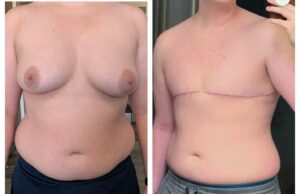

From Transition to Transformation: The Role of Chest Masculinization Surgery

Understanding Chest Masculinization Surgery

Procedure Overview

Chest masculinization surgery transforms the chest to reflect a more masculine appearance. This involves removing breast tissue and contouring the chest wall. Surgeons often employ techniques like subcutaneous mastectomy or liposuction.

They focus on creating a flat, masculine chest. This aligns one’s physical form with their gender identity. The process is meticulous, ensuring minimal scarring.

Customization Options

Every individual has unique needs for their transition journey. Thus, surgeons tailor the surgery to fit these requirements. Options include nipple resizing and areola repositioning. These adjustments enhance the masculine look of the chest.

Surgeons consider factors like body shape and desired outcomes. They aim for a natural-looking male chest that boosts confidence.

Emotional Impact

Undergoing masculinizing chest surgery can be life-changing. It addresses chest dysphoria, helping individuals feel more aligned with their authentic selves. The transformation can significantly improve mental well-being.

Patients report increased self-esteem post-surgery. They experience relief from the discomfort of chest wall binding too. This step is crucial for many in their transition journey.

Eligibility for Masculinization Surgery

Social Transition

Transmasculine individuals often embark on a social transition before considering surgery. This critical step ensures their external appearance aligns more closely with their gender identity. It’s a period marked by significant changes, including adopting a new name, changing wardrobe choices, and possibly starting hormone replacement therapy. For many, this phase is both empowering and affirming, serving as a foundation for further steps in their transition.

The journey of transgender men towards physical congruence can be complex. They must navigate various challenges, including societal perceptions and personal expectations.

Health Evaluation

A thorough health evaluation is crucial for transgender patients considering masculinization surgery. Doctors review medical history and conduct physical exams to assess readiness for the procedure. This process includes evaluating the impact of any ongoing androgen therapy on the body.

Patients discuss their expectations with healthcare providers during these evaluations. The goal is to ensure they have realistic outcomes in mind. Understanding potential risks, such as hematoma formation or complications from free nipple grafting (NAC graft), is part of this discussion.

Expectations & Motivations

Having realistic expectations and motivations is essential for anyone undergoing chest masculinization surgery. Transgender men must understand the surgical process, recovery time, and possible outcomes. This understanding helps align their expectations with what plastic surgery can realistically achieve.

The decision to undergo this transformational surgery should stem from a deep desire to align one’s physical appearance with their gender identity rather than external pressures or fleeting desires.

Procedure Insights and Techniques

Surgery Options

Chest masculinization surgery varies in technique based on individual needs. The circumareolar, or “Donut,” surgery suits those with minimal breast tissue and good skin elasticity. It involves fewer incisions, reducing visible scarring.

Double incision surgery is ideal for individuals with more significant breast tissue or less elastic skin. This method allows for greater precision in chest contouring but involves more extensive incisions.

Liposuction Role

Liposuction plays a critical role in refining the chest wall’s appearance. It removes excess fat, ensuring a smoother, more masculine contour. Surgeons often combine it with other techniques for optimal results.

Nipple Considerations

Achieving a masculine appearance involves resizing and repositioning the nipple and areola. Surgeons study the chest’s natural contours to place them accurately. This step is crucial for a harmonious, aesthetically pleasing outcome.

Risks and Considerations

Major Complications

Major complications can include bleeding and infection, which are critical to understand before proceeding with chest masculinization surgery. Bleeding might require additional interventions, while infections can prolong the recovery period.

Infections can be severe, requiring antibiotics or even more surgery. It’s vital to follow all preoperative and postoperative care instructions to minimize these risks.

Minor Complications

Minor complications often involve asymmetry and poor scarring. Asymmetry might need corrective surgery, adding to the overall cost and recovery time.

Poor scarring can affect the aesthetic outcome of the surgery. Discussing scar management strategies with your surgeon is essential.

Sensation Changes

Permanent changes in sensation around the nipples or skin flaps are significant considerations. These changes can impact overall satisfaction with the surgical outcome.

Nipple pigmentation might also change permanently. It’s crucial to weigh these potential outcomes during decision-making.

Recovery Journey and Care

Healing Timeline

Recovery from chest masculinization surgery varies among patients. Most experience significant milestones within the first few weeks. Hospital admission typically lasts one to three days post-surgery.

Patients should expect a downtime of four to six weeks. This period is crucial for wound healing and overall recovery. By the end of the first month, many notice a reduction in swelling and discomfort.

Post-Op Care

Local wound care is essential in preventing infection and promoting scar healing. Patients receive instructions on how to clean the surgical area properly. It’s vital to follow these steps carefully.

Managing post-operative pain involves prescribed medication and rest. Keeping the chest area free from pressure aids in reducing pain levels.

Follow-Up Visits

Attending follow-up appointments is key for monitoring healing progress. These visits allow surgeons to identify any complications early, such as infection or graft loss. They also provide an opportunity for patients to ask questions and address concerns.

It’s important for patients to share their medical files with their healthcare team during these appointments. This ensures comprehensive care throughout the recovery journey.

Before and After Transformations

Physical Changes

After chest masculinization surgery, individuals often notice significant differences in their physical appearance. The removal of breast tissue and excess skin results in a more traditionally masculine chest contour. Techniques like the concentric circle method or the use of grafts can correct contour deformities.

Patients typically see a reduction in the size of their areola as well, aligning it with male averages. These changes not only enhance the physical appearance but also improve body confidence.

Emotional Impact

The transformation goes beyond the physical. Achieving a chest that aligns with one’s gender identity has profound psychological benefits. It can lead to increased self-esteem and comfort in social situations. Many report feeling a sense of wholeness for the first time in their lives.

Personalized Results

It’s vital to remember that results are personalized. They depend on factors like skin elasticity, body shape, and age. While younger patients may experience quicker skin retraction, older individuals might see subtle differences over time.

e may require revision surgeries to address issues like asymmetry or to refine the aesthetic outcome. Yet, these adjustments are part of the journey toward achieving personal satisfaction with one’s body.

non binary top surgery

Aligning Appearance with Identity

Surgical Precision

Chest masculinization surgery tailors the chest to match a person’s gender identity. Surgeons consider body type and desired contour, ensuring the chest appears natural. They strategically place incisions to minimize visible scarring.

This process involves removing breast tissue and reshaping the chest. Surgeons focus on creating a masculine chest that aligns with the individual’s body frame. The goal is to achieve a flat, contoured appearance that boosts confidence.

Emotional Impact

The transformation has profound emotional benefits. It often leads to increased self-esteem and confidence. Individuals report feeling more comfortable in their skin, which significantly improves their quality of life.

They experience a sense of congruence between their physical appearance and gender identity. This alignment is crucial for mental health and well-being. It also fosters greater societal acceptance and support.

Community Support

Support from groups plays a vital role in the transition journey. Sharing experiences with others who have undergone similar surgeries can provide invaluable insights and encouragement.

These groups offer advice on managing expectations and dealing with post-surgical care. They also discuss how to handle societal reactions and foster a supportive environment for everyone involved.

Making an Informed Decision

Research Thoroughly

Before deciding on chest masculinization surgery, it’s crucial to conduct thorough research. This involves not just understanding the procedure itself but also knowing what to expect during recovery and the potential risks involved. Patients should seek out experienced surgeons who specialize in this type of surgery. They can provide valuable insights into the process and help set realistic expectations.

Patients often find satisfaction in gaining control over their appearance, aligning it more closely with their identity. However, achieving the desired results requires clear communication with a surgeon about one’s goals and concerns.

Set Expectations

Setting realistic expectations is essential for patient satisfaction. Individuals considering this surgery should understand that results vary based on several factors, including body shape and healing capabilities. Discussions on nipple placement and size are also critical as they significantly impact the overall appearance post-surgery.

Statistical analysis, like logistic regression, has shown a high level of satisfaction among patients who had clear expectations before undergoing the procedure. Satisfaction rankings often correlate with how well the final results matched initial discussions with surgeons.

Seek Support

Engaging with peers who have undergone similar surgeries can be incredibly beneficial. They offer practical advice and emotional support, which can be invaluable during the decision-making process and recovery period. Various forums and support groups provide platforms for sharing experiences and tips on navigating pre and post-surgery challenges.

Final Remarks

Chest masculinization surgery marks a pivotal step in aligning your external appearance with your true identity. It’s not just about the physical transformation; it’s about embracing who you are and living life with confidence. From understanding the eligibility criteria to navigating the recovery journey, every piece of information shared here aims to empower you to make informed decisions. Remember, it’s your body, your choice, and your journey. Risks and considerations are part of the process, but knowing what to expect and how to care for yourself post-surgery can make all the difference.

If you’re contemplating this life-changing procedure, take a moment to reflect on how far you’ve come in your journey. Seek out professional advice, connect with those who’ve walked this path before you, and never underestimate the power of aligning your appearance with your identity. Ready to take the next step? Reach out to a trusted healthcare provider today and explore what chest masculinization surgery can do for you.

Frequently Asked Questions

What is chest masculinization surgery?

Chest masculinization surgery is a procedure designed to remove breast tissue and contour the chest to align with a more traditionally masculine appearance. It’s often sought by transgender men and non-binary individuals looking to match their physical appearance with their gender identity.

Who is eligible for masculinization surgery?

Individuals in good overall health, with a stable weight, and who experience discomfort or dysphoria related to the appearance of their chest may be eligible. A consultation with a qualified surgeon is necessary to determine specific eligibility based on personal health and goals.

What does the procedure involve?

The surgery typically involves removing breast tissue and excess skin, then reshaping and repositioning the remaining tissue and nipples to achieve a more masculine chest contour. Techniques vary depending on individual factors like chest size and desired outcome.

What are the risks of masculinization surgery?

Like any surgical procedure, risks include infection, bleeding, scarring, and dissatisfaction with results. Specific risks related to this surgery can include loss of nipple sensation or asymmetry. Choosing a skilled surgeon can minimize these risks.

How long is recovery after masculinization surgery?

Recovery timelines vary; however, most patients can return to light activities within 2-4 weeks. Full recovery and final results might take several months. Following your surgeon’s post-operative care instructions is crucial for a smooth recovery.

Can I see before and after photos of masculinization surgery?

Yes, during your consultation, your surgeon can provide before and after photos of previous patients. This can help set realistic expectations for your own results. Remember that every individual’s body responds differently to surgery.

How do I make an informed decision about undergoing masculinization surgery?

Researching credible sources, consulting with experienced surgeons who specialize in transgender surgeries, and considering how the procedure aligns with your personal goals are key steps. Emotional readiness and understanding potential outcomes are also important factors in making an informed decision.

The Price of Definition: Understanding Jaw Liposuction Cost

Understanding Jaw Liposuction

Jaw Definition

Jaw liposuction is a cosmetic procedure aimed at removing excess fat from the lower face to sharpen and define the jawline. It offers a solution for those seeking a more sculpted appearance without major surgery.

This procedure targets the area under the chin and along the jaw, where stubborn fat often accumulates. By carefully extracting these fat cells, surgeons enhance facial contours, resulting in a slimmer, more defined jawline.

Key Differences

Unlike other facial cosmetic surgeries, jaw liposuction focuses specifically on fat removal rather than altering bone structure or skin tightness. This distinction makes it less invasive and requires shorter recovery times.

It differs from procedures like facelifts or chin implants that reshape or add volume. Jaw liposuction zeroes in on fat reduction, making it an excellent option for individuals with good skin elasticity looking for subtle yet impactful changes.

Popularity Surge

The desire for a defined jawline has surged in our selfie-driven society. Social media platforms have amplified the value of having sharp facial features, making jaw liposuction increasingly popular among both men and women.

This trend reflects a broader shift towards minimally invasive cosmetic procedures that offer significant aesthetic improvements with minimal downtime. As such, many are turning to jaw liposuction as a quick way to achieve their ideal facial silhouette.

Factors Influencing Jaw Liposuction Cost

Surgeon Experience

The expertise of your surgeon plays a significant role in determining the cost of jaw liposuction. For instance, a renowned specialist like Dr. Patel, known for his extensive practice, may charge more due to his proven track record of successful procedures.

Patients often find that paying extra for an experienced surgeon is worth the investment. This choice can lead to better results and fewer complications.

Location & Facility

The geographical location and the facility where the procedure takes place also significantly impact the price. Major cities with high living costs tend to have higher rates for cosmetic surgeries, including jaw liposuction.

Moreover, opting for a procedure in a state-of-the-art facility may increase the overall amount you spend. These facilities offer advanced technology and better care, contributing to higher fees.

Anesthesia Choice

Anesthesia choice is another factor that affects jaw liposuction cost. Patients have the option to stay awake during the procedure, which can be less expensive than undergoing general anesthesia.

Choosing local anesthesia not only reduces the price but also lowers the risk associated with general anesthesia. However, this decision should be made after consulting with your healthcare provider about what’s best for your specific case.

Estimated Cost Range for Jaw Liposuction

Average Cost

The average cost of jaw liposuction typically hovers around $3,000. This figure represents a starting point for those considering the procedure to enhance their chin and jawline. It’s important to remember that this cost can vary depending on several factors discussed earlier.

Patients should consider this as an investment in their appearance. The precise contouring it offers can significantly boost one’s confidence.

Cost Comparison

Comparing jaw liposuction to other treatments reveals its value. For instance, Kybella, an injectable treatment for reducing fat under the chin, often requires multiple sessions. Each session can cost up to $1,200 or more.

Over time, Kybella might surpass the initial investment in liposuction. This makes liposuction a cost-effective choice for long-term satisfaction.

Additional Costs

However, potential patients must be aware of additional costs that could arise. The complexity of one’s case might necessitate extra procedures or follow-up care, adding to the final bill.

These additional expenses could include anesthesia fees, facility costs, and post-procedure garments. Consulting with a surgeon will provide a clearer picture of these potential costs.

Benefits and Risks of Jaw Liposuction

Improved Definition

Improved jawline definition is a significant benefit. This procedure removes excess fat, resulting in a more sculpted look. Many find this worth it for the confidence boost alone.

Patients often report better results than non-surgical alternatives. These treatments might not reach the same level of definition that surgery can offer.

Quick Recovery

The recovery period is surprisingly quick. Thanks to small incisions used in the procedure, patients experience minimal scarring. This aspect makes jaw liposuction an attractive option for those concerned about visible signs of surgery.

Most people return to their normal activities within days. They appreciate the swift return to daily life without a lengthy downtime.

Potential Risks

However, there are risks involved. Swelling and bruising are common post-operation but typically subside within a week or two.

There’s also a minimal chance of nerve injury. It’s rare but can lead to temporary numbness or sensitivity in the treated area.

Despite these risks, many consider the procedure worth it for the aesthetic benefits and confidence boost it provides.

Ideal Candidates for Jaw Liposuction

Skin Elasticity

Good skin elasticity is crucial for jaw liposuction. Ideal candidates have skin that can bounce back after the removal of fat deposits. This ensures a smooth, contoured appearance post-surgery.

Patients with good skin elasticity typically see better results. Their skin adjusts well to the new facial contours. Those with loose skin might not achieve the desired effect.

Fat Distribution

A defined jawline often hides under excess fat in the neck region and along the jawline. The best candidates have localized fat deposits in these areas.

Doctors look for patients whose facial features will be enhanced by removing this excess fat. A well-defined neckline and jawline are usually the goals.

Health Status

Candidates should be in good general health. This minimizes surgical risks and promotes quick recovery.

Being close to ideal weight is important too. Major weight fluctuations can affect the surgery’s outcome.

Realistic Expectations

Understanding what jaw liposuction can and cannot do is vital. It sculpts the face but doesn’t drastically change one’s looks.

Patients with realistic expectations are more satisfied with their results. They understand that while changes will be noticeable, they won’t alter their fundamental appearance.

womans jaw low angle royalty free image 1634140929

Non-Surgical Alternatives to Jaw Liposuction

Kybella Treatment

Kybella offers a non-surgical route for those aiming to diminish the appearance of a double chin. It involves injections that target and break down fat cells under the chin. Unlike jaw liposuction, Kybella doesn’t require incisions or general anesthesia.

However, it typically demands multiple sessions to achieve desired results. Also, it’s effective mainly against central fat deposits, potentially leaving peripheral areas unchanged.

CoolSculpting Option

CoolSculpting stands out as another non-invasive method focusing on freezing unwanted fat cells around the chin. This option avoids the need for local anesthesia or small incisions seen in traditional liposuction.

Yet, similar to Kybella, CoolSculpting often necessitates several treatments. It may also lead to side effects like temporary pain and swelling. Moreover, its effectiveness is limited to specific areas, making it less versatile than surgical options.

Comparative Drawbacks

Both Kybella and CoolSculpting present unique advantages but come with their own set of limitations. They might not cater to all individuals seeking fat removal from the jaw area due to their focus on central fat only. the cost can surpass that of surgical alternatives when factoring in the number of sessions required. Side effects such as discomfort and swelling further underscore the need for careful consideration.

Jaw Liposuction Procedure Explained

Surgical Process

The jaw liposuction procedure begins with small, strategically placed incisions. These incisions are usually hidden in natural skin creases or inside the mouth to ensure they’re as invisible as possible post-recovery. Dr. Patel, a renowned surgeon in this field, employs a specialized technique that not only removes excess fat but also tightens the skin.

He uses a thin tube called a cannula to carefully suction out fat from the jawline and chin area. This process is meticulous, aiming for precise contouring of the jawline. The entire procedure typically lasts between one to two hours, depending on the extent of fat removal required.

Skin Tightening Technique

Dr. Patel’s unique approach includes an advanced skin tightening technique immediately following fat removal. This step is crucial for achieving a more defined jawline and preventing skin sagging after the procedure. It involves using controlled heat to stimulate collagen production, leading to firmer, more youthful-looking skin.

Minimal Invasiveness

Jaw liposuction targets specific areas under the chin and around the jawline for fat removal. Its goal is minimal invasiveness with significant aesthetic benefits. Compared to non-surgical alternatives discussed earlier, this surgical option provides more dramatic and long-lasting results.

Recovery Process After Jaw Liposuction

Immediate Steps

After undergoing jaw liposuction, patients must follow specific post-operative steps. They often need to wear a compression bandage around the treatment area. This helps reduce swelling and supports the healing process.

Patients may experience some pain, but doctors usually prescribe medication to manage it. It’s crucial for recovery.

Recovery Timeline

The first few days post-surgery are critical for monitoring changes in the treatment area. Swelling and bruising are common, but they start to subside within a week.

Most patients can return to work after a few days, depending on their job’s physical demands. However, strenuous activities should be avoided for at least two weeks.

Stitches, if any, are typically removed within a week.

Final Results

Seeing the final results of jaw liposuction requires patience. While there will be noticeable improvement after the swelling reduces, the true outcome emerges gradually over a month.

Patients should closely follow their surgeon’s advice during this period to ensure optimal healing and results.

Summary

Jaw liposuction offers a transformative path for those seeking a more defined jawline, but it’s not a one-size-fits-all solution. Your journey begins with understanding the procedure, its costs, benefits, risks, and identifying whether you’re an ideal candidate. Costs vary widely based on factors like location and surgeon expertise, so it’s crucial to weigh these alongside potential risks and benefits. Remember, non-surgical alternatives also exist if you’re hesitant about going under the knife. Recovery is part of the process, demanding patience and care to achieve the best results.

Choosing to pursue jaw liposuction or any of its alternatives is a big decision. Armed with knowledge from this article, you’re better positioned to make an informed choice that aligns with your aesthetic goals and budget. Ready to take the next step? Consult with a certified plastic surgeon to explore your options further and embark on your journey towards achieving the look you desire.

Frequently Asked Questions

What is jaw liposuction?

Jaw liposuction is a cosmetic surgical procedure aimed at removing excess fat from the jawline and under the chin to create a more defined facial contour.

How much does jaw liposuction cost?

The cost of jaw liposuction can vary widely, typically ranging from $2,500 to $5,000, depending on factors like the surgeon’s experience and geographic location.

Who is an ideal candidate for jaw liposuction?

Ideal candidates are those with good skin elasticity, within 30% of their ideal weight, non-smokers, and individuals looking for improved jawline definition without significant weight loss.

What are the main benefits of jaw liposuction?

Key benefits include a more sculpted and defined jawline, reduced appearance of a double chin, and potentially enhanced self-confidence due to improved facial aesthetics.

Are there any risks associated with jaw liposuction?

Yes, as with any surgical procedure, risks include infection, bleeding, numbness or changes in skin sensation, and dissatisfaction with cosmetic results.

Can I opt for non-surgical alternatives to jaw liposuction?

Yes, there are non-surgical alternatives such as Kybella injections for fat reduction under the chin or CoolSculpting that freezes fat cells. These options have different efficacy levels and recovery times compared to surgical liposuction.

What should I expect during the recovery process after jaw liposuction?

Recovery typically involves swelling and bruising for the first few weeks. Most patients can return to work within a few days but should avoid strenuous activities for up to two weeks.

Breaking the Stigma: Exploring Male Breast Reduction Surgery

Understanding Gynecomastia

Hormonal Imbalances

Gynecomastia stems from hormonal imbalances. Specifically, it’s when estrogen levels rise or testosterone levels fall.

This imbalance can lead to the development of excess glandular tissue. Unlike typical fat, this tissue is denser and more difficult to lose through diet and exercise alone.

Psychological Impact

The psychological effects of gynecomastia are profound. Many men experience embarrassment and low self-esteem due to their enlarged breasts.

These feelings often lead to avoiding social situations or physical activities. It’s not just about appearance but how it affects one’s mental health too.

Glandular Tissue

Gynecomastia involves an increase in glandular tissue, not just fat. This distinguishes it from simple weight gain.

The presence of this tissue makes the condition more complex to treat. It often requires medical intervention rather than lifestyle changes alone.

Candidacy for Gynecomastia Surgery

Ideal Candidates

Men struggling with self-esteem issues due to enlarged breasts are prime candidates for male breast reduction surgery. This condition, known as gynecomastia, can make men feel self-conscious about their appearance. Those who find that their chest size negatively impacts their daily life may consider this plastic surgery option.

Gynecomastia surgery not only removes excess breast tissue but also addresses excess skin, resulting in a more traditionally masculine chest contour. Candidates should have stable weight since fluctuations can affect surgical outcomes.

Medical Evaluation

Before considering breast reduction surgery, it’s crucial to undergo a medical evaluation. Certain medications and recreational drugs can trigger gynecomastia. Identifying these factors is essential because changes in medication or lifestyle might reduce the need for surgery.

A thorough assessment by a cosmetic surgeon ensures that patients understand all aspects of the procedure, including potential risks and recovery expectations. The surgeon will examine the chest area, focusing on the breasts, nipple, and areola to determine the extent of excess tissue and skin.

Patient Satisfaction

Patients report high satisfaction rates post-gynecomastia surgery. The removal of excess breast tissue significantly improves their quality of life and body image. Many experience newfound confidence in social situations and personal relationships.

This positive impact underscores the importance of considering all factors before proceeding with surgery. A detailed consultation with a plastic surgeon helps set realistic expectations about the results.

Overview of Surgical Procedures

Liposuction Technique

Liposuction is a popular procedure for male breast reduction surgery. It involves the use of a tube, known as a cannula, to remove excess fat from the chest area. This technique is typically recommended for patients whose gynecomastia is primarily caused by fatty tissue.

The process starts with the patient receiving general anesthesia. The surgeon then makes small incisions and inserts the cannula to suction out fat. It’s less invasive, leading to quicker recovery times. However, it may not be suitable for all, especially those with significant skin excess or glandular tissue.

Excision Method

Excision is necessary when gynecomastia involves excess glandular tissue or skin. This procedure allows the medical practitioner to remove tissue directly and reposition the nipples if needed. It can address more severe cases effectively.

Patients again undergo general anesthesia. The surgeon makes larger cuts compared to liposuction to excise unwanted tissue and skin. This method may result in more noticeable scars, but it offers a comprehensive solution for those with considerable enlargement or sagging.

Decision Making

Choosing between liposuction, excision, or both depends on individual assessments by plastic surgeons. They consider the severity of gynecomastia, skin elasticity, and overall health. The goal is always to achieve a more masculine chest contour while minimizing complications.

Surgeons aim to improve both appearance and self-confidence through these surgeries. They provide detailed consultations to help patients understand which surgical option best suits their needs.

Liposuction Techniques Explained

Cannula Introduction

The liposuction process for treating gynecomastia starts with the use of a thin metal cannula. This tool is crucial in removing excess fatty tissue.

Surgeons make small incisions near the treatment area. They then insert the cannula to loosen and vacuum out unwanted fat. This technique is precise, targeting only fat without harming surrounding tissues.

Suitability Criteria

Liposuction shines in cases with mild to moderate excess fatty tissue. It’s less effective when significant skin laxity is present.

Patients should have realistic expectations about what liposuction can achieve. Those with minimal skin excess see the best results. If there’s a lot of loose skin, other procedures might be needed.

Recovery Advantages

One of the biggest benefits of liposuction is its minimal invasiveness. Compared to other surgical options for male breast reduction, it leads to quicker recovery times.

Patients usually return to work within a few days. Full physical activities can resume after a couple of weeks. This quick turnaround is a significant advantage for many.

download 1

Excision Methods in Detail

Glandular Tissue

For men with more severe cases of gynecomastia, excision becomes a crucial technique. This method directly targets the glandular breast tissue. Surgeons remove it through precise cuts.

The process is detailed. It involves carefully opening the skin to access and remove the problematic tissue. This approach is vital for those where liposuction isn’t enough.

Excess Skin

In cases with drooping breast envelopes, excision also addresses excess skin. Removing this skin tightens the area, creating a more defined chest contour.

Surgeons plan these incisions meticulously. They aim to leave behind the least visible scars possible. The skill of the surgeon plays a big role here.

Scar Placement

The placement of incisional scars is a significant concern for patients. The extent of gynecomastia influences this greatly.

Surgeons strive to position scars in less noticeable locations. They often use the natural contours of the body as guides. This careful planning helps minimize scar visibility post-surgery.

Combination Approaches Explored

Customized Results

For those seeking male breast reduction, combining liposuction with excision techniques can be a game-changer. This approach targets both fatty and glandular tissues, offering a more thorough correction.

Patients often find that this dual method not only improves their physical appearance but also boosts their self-confidence. By addressing the root causes of gynecomastia, such as excess skin laxity or the effects of certain drugs, this combination allows for a tailored treatment plan. It caters to the unique needs and goals of each person.

Comprehensive Correction

The combination of liposuction and excision is particularly beneficial for moderate to severe cases. It ensures that both the fatty deposits and glandular tissue are effectively removed.

This method stands out because it offers a comprehensive solution. It’s not just about reduction; it’s about sculpting the chest to achieve a natural, more aesthetically pleasing contour. Patients appreciate that their concerns are fully addressed, leading to better overall satisfaction with the results.

Moreover, by tackling the condition from multiple angles, the chances of achieving optimal outcomes increase significantly. The patient community values this approach for its ability to deliver customized results that reflect their individual desires and expectations.

Recovery Process and Tips

Recovery Timeline

The journey to recovery begins immediately after surgery. Most patients can return to desk jobs within 5-7 days. However, full recovery takes time.

Patients should expect gradual improvement over weeks. It’s crucial to follow the surgeon’s advice closely during this period.

Compression Vest

Wearing a compression vest is highly recommended for up to 6 weeks post-surgery. This vest plays a key role in reducing swelling and improving body contour.

It also helps with skin retraction and provides support to the surgical area, aiding in a smoother recovery process.

Activity Limitations

For the first 2 weeks, it’s essential to avoid physical activities that could stress the healing incisions. This includes sexual activity.

Such precautions ensure optimal healing and prevent complications. Patients should focus on gentle movements and gradually increase their activity level as advised by their healthcare provider.

Final Remarks

Male breast reduction surgery offers a transformative solution for those of you struggling with gynecomastia. By understanding the condition, evaluating your candidacy, and exploring the surgical options available, you’re taking significant steps toward reclaiming your confidence and comfort. The journey through liposuction, excision methods, or a combination approach, followed by a guided recovery, underscores the importance of making informed decisions with professional guidance. Your path to a more confident self is clearer now, equipped with knowledge on how to proceed.

Don’t let uncertainty hold you back. Reach out to a certified surgeon to discuss your specific needs and expectations. Remember, your journey towards a more comfortable body image starts with taking that first step. Make it today. Embrace the opportunity for change and let expertise guide you to the results you deserve.

Frequently Asked Questions

What is gynecomastia and who gets it?

Gynecomastia is a condition characterized by the enlargement of breast tissue in males, affecting both teenagers and adults due to hormonal imbalances, obesity, or certain medications. It’s common and can impact one or both breasts.

Am I a good candidate for gynecomastia surgery?

Ideal candidates are those experiencing physical discomfort or self-consciousness from enlarged breasts, have stable weight, and possess realistic expectations. Health conditions affecting surgery safety may disqualify some individuals.

What surgical procedures are available for male breast reduction?

Two primary methods are used: liposuction to remove excess fat and excision to remove excess glandular tissue. Often, a combination approach is employed for optimal results.

How does liposuction work in reducing male breasts?

Liposuction for gynecomastia involves inserting a small tube through tiny incisions to suction out excess fatty tissue, contouring the chest more masculinely.

Can you explain the excision method for treating gynecomastia?

Excision techniques involve surgically removing excess glandular tissue and skin to correct enlarged male breasts, often necessary when there’s significant glandular proliferation or sagging skin.

What should I expect during recovery from male breast reduction surgery?

Expect some soreness, swelling, and bruising initially. Recovery guidelines include wearing a compression garment, avoiding strenuous activities for several weeks, and following your surgeon’s advice closely for optimal healing.

Are the results of male breast reduction permanent?

Results are typically long-lasting if you maintain a stable weight and healthy lifestyle. However, significant weight gain, steroid use, or certain medical conditions could affect outcomes.

Safeguarding Beauty: Mohs Surgery on the Side of the Nose

Understanding Mohs Surgery

Mohs Basics

Mohs surgery stands as a precise surgical technique targeting skin cancer. This method meticulously removes cancerous cells layer by layer. Each layer undergoes microscopic examination. The process repeats until no cancer cells are detected.

Surgeons favor Mohs for its precision and high success rate. It’s especially useful for treating basal cell carcinoma and other skin cancers in sensitive areas, such as the nose.

Procedure Steps

The procedure begins with local anesthesia to numb the area. The surgeon then removes the visible cancer along with a thin layer of tissue surrounding it.

This tissue is immediately examined under a microscope. If cancer cells are present, the surgeon removes another layer. This cycle continues until the tissue shows no signs of cancer.

Advantages

Mohs surgery boasts several benefits for patients, particularly when dealing with skin cancer on the nose.

  • High cure rates: By examining each layer of tissue, surgeons ensure all cancer cells are removed.

  • Tissue-sparing: Only cancerous tissue is removed, preserving as much healthy tissue as possible.

These advantages make Mohs an optimal choice for treating skin cancers in cosmetically and functionally important areas like the nose.

Benefits of Mohs Surgery

High Success Rate

Mohs surgery boasts an impressive success rate for removing skin cancer cells. It meticulously examines each layer of skin removed during the procedure. This ensures that all cancerous cells are eradicated while preserving as much healthy tissue as possible.

Patients benefit from this precision, especially when dealing with basal cell carcinoma or squamous cell carcinoma on sensitive areas like the side of the nose. The technique’s accuracy significantly reduces the risk of cancer recurrence.

Minimal Scarring

Given its precise nature, Mohs surgery results in minimal scarring. This is particularly crucial for surgeries on the face, where cosmetic outcomes matter greatly.

Surgeons trained in Mohs techniques are skilled at removing cancer with the least amount of tissue, thereby reducing scar size. They often perform immediate post-Mohs reconstructive surgeries to enhance cosmetic results, ensuring scars blend seamlessly with surrounding skin.

Outpatient Procedure

Mohs surgery is typically performed on an outpatient basis using local anesthesia. This means patients can go home the same day of their surgery.

The use of local anesthesia not only makes the procedure safer by avoiding the risks associated with general anesthesia but also speeds up recovery time. Patients appreciate the convenience and comfort provided by undergoing treatment in a familiar, less intimidating environment compared to a hospital setting.

Procedure Details

Initial Examination

The process starts with a thorough examination of the affected area. Doctors assess the site on the side of the nose to determine the extent of cancerous tissue. This step is crucial for planning the surgery.

Patients receive local anesthesia, ensuring comfort throughout the procedure.

Tissue Removal

Surgeons remove thin layers of skin from the targeted area. They use precision to ensure only cancerous tissues are excised, preserving as much healthy skin as possible.

Each layer is immediately examined under a microscope. This allows for real-time analysis of cancer cells.

Mapping Technique

Advanced mapping techniques pinpoint exact locations of affected tissues. This method ensures surgeons target only necessary areas, reducing damage to surrounding skin.

The process repeats, removing layers until no cancer cells are detected. This approach minimizes the primary defect on the outer nose.

Reconstructive Surgery

In cases where large sections are removed, reconstructive surgery might be necessary.

Surgeons use techniques aligned with tension lines and pedicle flaps to restore appearance. They carefully consider the unique structure of each patient’s nose.

This stage aims to achieve optimal cosmetic results while maintaining functionality.

Risks of Mohs Surgery

Bleeding Risk

Bleeding is a common concern. It can happen during or after surgery. Most times, it’s minor and manageable.

Patients should monitor the site for excessive bleeding. Quick action can prevent complications.

Infection Chance

Infections are rare but possible. Signs include redness, swelling, and pain. Prompt treatment with antibiotics often resolves the issue.

Keeping the wound clean is crucial. It reduces infection risks significantly.

Cancer Recurrence

Though Mohs surgery has a high success rate, skin cancer can recur. The chance is lower than other treatments but not zero.

Regular check-ups help catch any recurrence early. Early detection increases treatment success.

Scarring Concerns

Scars are inevitable with any surgery on the skin. On the side of the nose, they may be more noticeable.

e patients may need corrective cosmetic procedures to improve appearance. Discussing expectations with your surgeon helps manage outcomes.

Surgeon Experience

The skill of the Mohs surgeon matters greatly. Experienced surgeons minimize risks like scarring and recurrence.

Researching and choosing a qualified surgeon is vital. It ensures the best possible results from your Mohs surgery.

Reconstructive Procedures

Skin Grafts

After Mohs surgery, especially on the nose, reconstructive surgery plays a crucial role. Surgeons may use skin grafts to cover surgical defects. This involves taking healthy skin from another body part and placing it over the wound.

Skin grafting helps restore appearance. However, its success depends on the graft’s size and location. Surgeons carefully select the donor site to match the skin tone and texture of the nose.

Flap Techniques

Another option is using flap techniques. This method involves moving skin, along with its underlying blood supply, from an adjacent area to cover the defect.

Flap techniques are preferred for larger or more complex defects. They offer a better match in color and texture. Plus, they maintain blood flow to the reconstructed area, promoting healing.

Timing of Surgery

The timing of reconstructive procedures can vary. Some patients undergo reconstruction immediately after Mohs surgery. Others might wait until the wound has healed partially.

Immediate reconstruction offers emotional benefits by reducing the time patients live with visible defects. Delayed reconstruction allows for thorough planning and can be beneficial in complex cases.

Mohs2 540619186

Healing and Recovery

Recovery Period

The recovery period after Mohs surgery is notably shorter than other cancer treatments due to its precision. Patients can expect the healing process to begin immediately, with most seeing significant progress within two to four weeks. This timeline varies depending on the surgery’s extent and the affected area’s size.

Healthy tissues around the wound start repairing soon after treatment, leading to quicker healing. It’s crucial for patients to follow their surgeon’s advice closely during this time.

Wound Care

Proper care of the wound is essential for a smooth recovery. Keeping the area clean and dry helps prevent infection and supports healthy skin regeneration. Patients should apply any prescribed ointments as directed and keep bandages fresh.

Avoiding strenuous activities that might stress the wound area is also vital. Such precautions ensure that repair mechanisms focus on regenerating healthy tissues without unnecessary interruptions.

Sun Protection

Post-surgery, protecting the healing skin from sun exposure is critical. UV rays can cause damage, leading to delays in recovery and increased scarring risk. Patients are advised to use high SPF sunscreen on the treated areas and wear protective clothing when outdoors.

This step not only aids in faster healing but also prevents further cancers by shielding vulnerable skin from harmful radiation.

Follow-Up Care

Regular follow-up appointments are key for monitoring recovery and detecting any signs of recurrence early. These check-ups allow doctors to assess how well the wound is healing and ensure no new lesions or tumors are developing.

Patients should report any pain, unusual changes, or concerns during these visits. Early detection of potential issues plays a crucial role in successful long-term outcomes post-Mohs surgery.

Suitability for Mohs Treatment

Cancer Type

Mohs surgery is ideal for basal and squamous cell carcinomas. These cancers often appear on the face, including the side of the nose. The procedure’s precision makes it a top choice for these types.

Doctors recommend Mohs for aggressive or recurrent cancers. It ensures complete removal while preserving healthy tissue.

Location Precision

The face demands careful treatment due to its functional and aesthetic importance. Mohs surgery is highly recommended here, especially on sensitive areas like the nose.

For cancers on the side of the nose, Mohs offers unmatched accuracy. This limits scarring and maintains nasal structure.

Tumor Size

Larger tumors pose a greater challenge. However, Mohs surgery can still be effective, particularly for lesions on the bridge of the nose.

Patients with extensive cancer may need additional reconstruction. Often, this involves using skin from a donor site, such as the medial cheek. This approach helps achieve a more natural look post-surgery.

Advantages Over Other Treatments

Cure Rates

Mohs surgery boasts higher cure rates compared to traditional excision methods. It targets skin cancer with precision, ensuring that cancer cells are removed thoroughly.

This method significantly reduces the chances of cancer returning. Many patients find peace in this fact, making Mohs a preferred treatment option.

Tissue Preservation

One key advantage is its ability to preserve more healthy tissue. This results in less scarring, a crucial factor for surgeries on visible areas like the side of the nose.

Mohs surgery removes cancer in thin layers. Each layer is examined under a microscope until only cancer-free tissue remains. This approach spares more healthy skin than other treatments.

Aesthetic Outcomes

The staged approach of Mohs surgery allows for complete cancer removal with minimal impact on appearance. Since the surgery is performed in thin layers and examined immediately, it ensures only the diseased tissue is targeted.

This method offers optimal cosmetic results, especially important in prominent locations such as the side of the nose. The use of local anesthesia and minimal tension during closure also contributes to smoother healing and better aesthetic outcomes.

Closing Thoughts

Mohs surgery on the side of your nose offers a precise and effective method to tackle skin cancer, ensuring the highest cure rates while preserving as much healthy tissue as possible. You’ve seen how its benefits stretch from accuracy in tumor removal to minimal scarring, making it a superior choice for many. Understanding the procedure, its risks, and the path to recovery helps you make an informed decision about your health care. It’s clear that Mohs surgery stands out for its effectiveness and advantages over other treatments, emphasizing its role in not just treating but also in significantly improving the quality of life for those affected by skin cancer.

If you or someone you know is considering options for skin cancer treatment, remember that knowledge is power. Consult with a specialized dermatologist to see if Mohs surgery is right for you. Your health is paramount; choosing the right treatment can make all the difference. Take that step towards a healthier future today.

Frequently Asked Questions

What is Mohs surgery?

Mohs surgery is a highly effective skin cancer treatment, particularly for basal and squamous cell carcinomas, that meticulously removes cancerous tissue layer by layer while preserving healthy tissue.

How long does the healing process take after Mohs surgery on the side of the nose?

Healing time varies per individual but generally takes 4 to 6 weeks for initial recovery. Full healing, especially cosmetic, may take up to a year.

What are the benefits of choosing Mohs surgery over other treatments?

Mohs surgery offers a high cure rate, minimal scarring, and preservation of healthy tissue, making it superior for treating skin cancers in sensitive areas like the nose.

Can anyone undergo Mohs surgery?

Mohs surgery is most suitable for treating non-melanoma skin cancers located in areas where preserving cosmetic appearance and function is important. A consultation with a dermatologist can determine suitability.

What risks are associated with Mohs surgery on the side of the nose?

Risks include infection, bleeding, scarring, and rare chances of cancer recurrence. However, complications are generally minimal compared to other surgical methods.

Is reconstructive surgery always required after Mohs surgery on the nose?

Not always. The need for reconstructive procedures depends on the size and location of the removed tissue. Some cases heal naturally or with minor interventions.

How does Mohs surgery compare to traditional excisional surgeries?

Mohs offers higher precision in removing only cancerous cells with real-time examination, leading to better cosmetic outcomes and lower recurrence rates than traditional excisional surgeries.

The Final Step: Celebrating Your Success with Body Contouring After Weight Loss

Understanding Weight Loss Impact

Skin Elasticity

After significant weight loss, the skin, including areas around fat deposits and the belly button, may struggle to shrink back to fit the body’s new size, leading to sagging and swelling. This is due to the loss of elasticity over time, especially in cases of rapid weight loss or when the individual is older, leading to sagging, swelling, fat deposits, and extra skin folds.

The skin, once stretched during periods of weight gain due to fat deposits, doesn’t always snap back, especially in areas like the breasts where the tissue can be significantly affected, according to a cosmetic surgeon. Its ability to retract may be limited after dramatic weight loss, leading to sagging areas with extra skin folds and tissue.

Health Benefits

Weight loss dramatically improves overall health. It reduces risks associated with obesity such as heart disease, diabetes, and high blood pressure.

Individuals may often experience a boost in energy levels and mobility when they reach their ideal body weight, which is considered the top factor. They find daily activities become easier.

Emotional Well-being

Losing weight can lead to significant improvements in self-esteem and mental health. However, the excess skin left behind may sometimes dampen this positive effect, especially when reaching the ideal body weight is at the top of one’s goals.

Many find that despite reaching their weight goal, they still may feel unsatisfied with their appearance. This can impact emotional well-being.

Body Contouring Solutions

Body contouring procedures may offer a solution for removing excess skin and reshaping the body post-weight loss, doi. These surgeries, which may include tummy tucks, arm lifts, and thigh lifts, are often considered by those near their ideal body weight.

They help achieve a more toned and defined appearance. Yet, it’s essential for individuals to have realistic expectations about what these procedures may do for their body weight.

Basics of Body Contouring

Surgical Options

After significant weight loss, many may find their skin does not shrink back. This can lead to discomfort and dissatisfaction with appearance. Body contouring surgery can address this issue. It removes excess skin and fat, improving body shape.

There are several types of surgeries, including tummy tucks and arm lifts, which may address body weight. Each targets specific areas of the body. The choice depends on individual needs and goals.

Non-Surgical Methods

Not everyone wants or needs surgery. Fortunately, there are non-surgical options too. These include laser treatments and cool sculpting. They may help tighten the skin, reduce small amounts of fat, and aid in body weight management.

These methods have shorter recovery times. They are less invasive than surgical options.

Recovery and Care

Recovery varies by procedure type. Surgical options require more downtime. Patients might need weeks to recover fully.

It’s crucial to follow post-procedure care instructions closely. This ensures the best possible results and may reduce the risk of complications related to body weight.

Proper diet and hydration, based on body weight, play a key role in recovery. They help the body heal faster.

Procedures in Body Contouring

Liposuction

Liposuction removes fat from specific areas. It’s not for overall weight loss but for shaping certain areas. The surgeon uses a vacuum to suck out fat.

This procedure is popular for its effectiveness. However, it requires recovery time.

Tummy Tuck

A tummy tuck, or abdominoplasty, removes excess skin and fat, often resulting from significant body weight changes. It also restores weakened muscles. This creates a smoother, firmer abdominal profile.

Many choose this after significant weight loss. It helps achieve a toned appearance.

Arm Lift

An arm lift, or brachioplasty, reduces excess skin and fat between the underarm and elbow, often resulting from significant body weight changes. It reshapes the arm, influenced by body weight, to result in smoother skin and contours.

It’s chosen by those wanting toned arms. Recovery varies by individual.

Thigh Lift

A thigh lift targets the inner or outer thighs. It removes excess skin and fat, resulting in smoother skin and better-proportioned contours of the thighs and body weight.

People opt for this to enhance leg appearance. The outcome can be very satisfying.

Achieving Ideal Body Shape

Surgical Options

After exploring various procedures in body contouring, individuals often consider surgical options to remove excess skin and fat. These methods can offer more dramatic results.

Surgery involves risks but brings significant changes. It requires a recovery period, during which patients must follow their surgeon’s advice closely.

Non-Surgical Methods

For those wary of surgery, non-surgical techniques provide an alternative. These include laser therapy and cryolipolysis.

These methods are less invasive and have shorter recovery times. However, they might require multiple sessions to achieve desired outcomes.

Lifestyle Adjustments

Maintaining the results of body contouring demands lifestyle adjustments. A balanced diet and regular exercise are crucial.

Such habits not only preserve the effects of contouring but also promote overall health. They help prevent the return of excess fat and skin.

Emotional Impact

The journey doesn’t end with achieving an ideal body shape. The emotional impact is profound.

Patients often experience a boost in confidence and self-esteem. This positive change affects many aspects of their life, from personal relationships to professional opportunities.

grid 39394

Benefits of Body Contouring

Enhanced Confidence

Body contouring can significantly boost self-esteem. After achieving the ideal body shape, many find that their new appearance brings a newfound confidence. This transformation often encourages individuals to pursue activities they previously avoided due to discomfort with their bodies.

They start wearing clothes they love. They engage more in social activities. This positive change impacts not only their personal but also professional lives.

Health Improvement

Removing excess skin improves physical health. It reduces the risk of skin infections and chafing, which are common issues after significant weight loss. Patients report feeling lighter and more comfortable in their bodies, allowing for increased mobility and activity levels.

This improvement supports a healthier lifestyle. It motivates individuals to maintain their weight loss achievements.

Long-lasting Results

With proper maintenance, the results of body contouring can be long-lasting. Unlike diet and exercise alone, which may not address loose skin, body contouring provides a solution that diet or exercise cannot achieve on its own.

Patients enjoy their new figures for years. They find it easier to keep off the weight they lost.

Risks and Considerations

Surgical Risks

Body contouring, while transformative, carries surgical risks. Infections can occur, delaying recovery. Scarring is inevitable but varies by person. Some see faint lines; others face more noticeable scars.

Blood loss during surgery poses a risk too. Though rare, it can lead to complications. Patients must discuss these possibilities with their surgeons beforehand.

Recovery Time

Recovery spans weeks to months. The initial weeks involve significant downtime. Patients often need help with daily activities.

Swelling and discomfort are common in the first month. These gradually decrease but can affect routines and mood.

Emotional Impact

The emotional journey post-surgery is complex. While many feel joy seeing their new shape, adjustment takes time. Some struggle with the change in identity or body image issues.

Support from friends, family, or professionals helps navigate these feelings.

Making Informed Decisions

Surgical Options

After understanding the risks and considerations, it’s crucial to explore surgical options. These procedures can significantly improve body shape but require careful selection.

Body contouring surgeries, like tummy tucks and liposuction, offer targeted results. They remove excess skin and fat, sculpting the body. However, they come with recovery times that vary from weeks to months.

Non-Surgical Alternatives

For those wary of surgery, non-surgical alternatives exist. These include cryolipolysis and laser therapy.

These methods are less invasive and have shorter recovery periods. They’re ideal for minor adjustments rather than extensive reshaping. Patients often need multiple sessions for noticeable results.

Choosing a Specialist

Selecting the right specialist is paramount. Look for board-certified surgeons with extensive experience in body contouring.

Research their work, read reviews, and consult past patients if possible. A skilled surgeon ensures safer procedures and more satisfying outcomes.

Financial Planning

Body contouring costs can be substantial. Insurance rarely covers these elective procedures.

Explore financing options or save ahead of time. Some clinics offer payment plans or discounts on multiple procedures.

Closing Thoughts

Body contouring after weight loss is a major step towards achieving your dream physique. You’ve learned about the impact of weight loss, the basics and procedures of body contouring, how it can help you achieve your ideal body shape, its benefits, and the risks involved. Armed with this knowledge, you’re in a better position to make informed decisions that align with your health and aesthetic goals. Remember, choosing to undergo body contouring is not just about improving how you look; it’s about enhancing how you feel about yourself and boosting your confidence.

Before jumping in, weigh the benefits against the risks. Consult with professionals who can provide personalized advice based on your unique situation. Your journey doesn’t stop at weight loss; body contouring could be the next chapter in achieving the body you’ve always wanted. Ready to take the next step? Reach out to a specialist today and discuss your options. Your new beginning starts now.

Frequently Asked Questions

What is body contouring after weight loss?

Body contouring after weight loss refers to surgical procedures designed to remove excess skin and fat, improving the shape and tone of underlying tissue. It aims for a more natural and toned appearance following significant weight loss.

How does weight loss impact body shape?

Significant weight loss can leave behind loose, excess skin that doesn’t conform to your reduced body size. Body contouring helps in tightening this skin, aligning it more closely with your body’s new contours for a smoother, more defined shape.

What are the common procedures in body contouring?

Common body contouring procedures include tummy tucks, liposuction, arm lifts, thigh lifts, and breast lifts. These surgeries are tailored to target specific areas of concern following substantial weight loss.

Can body contouring help me achieve my ideal body shape?

Yes, through customized surgical plans targeting excess skin and unwanted fat deposits, body contouring can significantly aid in achieving your desired body shape post-weight loss.

What are the benefits of undergoing body contouring?

Benefits include improved physical appearance and symmetry, enhanced comfort during physical activities, reduction in skin irritation from excess folds, and a boost in self-confidence by aligning your external appearance with your weight loss achievements.

Are there risks associated with body contouring?

Yes, as with any surgery, risks include infection, bleeding, scarring, and complications related to anesthesia. Choosing a qualified surgeon minimizes these risks but doesn’t eliminate them entirely.

How can I make an informed decision about body contouring?

Consult with a board-certified plastic surgeon who specializes in post-weight loss body contouring. They can provide tailored advice based on your unique situation and help you weigh the benefits against potential risks.

Does Insurance Pay for Liposuction? Unveiling Coverage Facts

Understanding Reconstructive vs. Cosmetic Surgery

Reconstructive Surgery

Reconstructive surgery plays a critical role in correcting physical abnormalities, including those resulting from injury or cosmetic procedures, and in cases involving cosmetic surgeries. These could stem from congenital defects, trauma, or diseases. Its primary aim, especially in cosmetic surgeries and procedures like après plastic surgery, is to restore both function and appearance after an injury to as close to normal as possible.

Doctors often perform these surgeries, including après plastic surgery, in cases where people seek to improve their quality of life through these steps. They go beyond mere aesthetic enhancements. In some cases, reconstructive procedures can include liposuction. This is especially true when removing fat is part of the necessary steps for the reconstruction process after trauma or to correct certain medical conditions, especially in cases après plastic surgery.

Cosmetic Surgery

Cosmetic surgery, on the other hand, focuses mainly on enhancing a person’s appearance or a specific part for cosmetic reasons. Procedures under this category are elective and often not deemed medically necessary, forming part of the après plastic surgery routine for a person. Because they are pursued for aesthetic enhancement of a person’s body part, insurance companies typically do not cover these operations.

Liposuction is commonly categorized here as part of its popular use in sculpting and refining a person’s body shape. It’s a sought-after procedure in après plastic surgery scenarios where individuals seek to refine part of their bodies for personal satisfaction rather than medical need.

Insurance Implications

The distinction between reconstructive and cosmetic surgery, in part, has significant implications for a person’s insurance coverage. Insurance policies generally cover surgeries deemed medically necessary. Thus, if liposuction falls under the part of reconstructive efforts after an accident or due to a specific health condition for a person, there’s a possibility of coverage.

However, when performed for purely cosmetic reasons, patients will likely bear the full cost out-of-pocket as part of the financial responsibility. It’s crucial for individuals considering liposuction to consult with their doctor and insurance provider to understand where their procedure stands in this spectrum.

Exploring Types of Insurance

Coverage Variability

Insurance plans vary greatly. Each one comes with its own set of rules about what procedures are covered. This includes surgeries like liposuction. It’s crucial to understand that coverage depends heavily on whether a procedure is deemed medically necessary or purely cosmetic.

Most health insurance providers do not cover cosmetic surgery. However, if liposuction is part of a reconstructive surgery or deemed medically necessary, there might be exceptions. The line between reconstructive and cosmetic surgery can sometimes blur, making it essential to know your policy well.

Direct Communication

It’s vital to talk directly with your insurance provider. They can clarify what your specific plan covers regarding liposuction. Policies and coverage details can change, so getting the most current information is key.

This step cannot be overstated. Misunderstandings about coverage can lead to unexpected bills. Your insurance company’s customer service can provide detailed explanations about your benefits and any potential out-of-pocket costs for liposuction.

Professional Consultation

Consulting with a healthcare professional or an insurance administrator is wise. They can help navigate the complexities of insurance coverage for procedures like liposuction. They may also assist in preparing necessary documentation that proves the medical necessity of the procedure.

Professionals in these fields have experience dealing with insurance companies. They know how to present cases effectively to increase the chances of coverage approval.

Is Liposuction Covered by Health Insurance?

General Rule

Liposuction, a popular cosmetic procedure, usually does not fall under the coverage of health insurance. This is because it’s classified as elective cosmetic surgery. Most insurance policies exclude treatments that are not medically necessary.

Insurance providers see liposuction as a choice rather than a health requirement. Thus, they typically do not cover the costs associated with it.

Exceptions

However, there are exceptions. If liposuction is deemed medically necessary, some insurance plans might cover it.

For instance, if a patient suffers from a condition that requires fat removal for health reasons, insurance may pay for the procedure. It’s crucial to have thorough documentation and a doctor’s recommendation to support this claim.

Advice

It’s wise to review your insurance policy details or consult with your provider directly. They can offer accurate information about what your plan covers.

Every policy differs, and only by checking can you be sure about liposuction coverage. Some plans might offer partial coverage under specific circumstances.

Factors Determining Liposuction Coverage

Medical Necessity

Medical necessity plays a crucial role in insurance decisions. If liposuction is required for health reasons, coverage is more likely. This includes conditions where excess fat leads to health issues.

Insurance companies often require documented evidence of medical necessity. This might involve letters from doctors or specialists. They detail how liposuction can alleviate health problems.

Policy Details

Every insurance policy has its own rules and exceptions. It’s vital to understand your policy’s specifics regarding elective procedures like liposuction.

e policies explicitly exclude cosmetic surgeries, including liposuction, unless it’s medically necessary. Others might offer partial coverage under certain conditions.

Documentation

Proper documentation can significantly influence the insurance outcome. Detailed medical records and justifications are essential.

They should clearly demonstrate why liposuction is not just for cosmetic purposes but a medical need. Insurance companies look for this clear distinction to make their decision.

Navigating Insurance for Liposuction

Discussing with Providers

Insurance discussions can feel daunting. Yet, they’re crucial for understanding liposuction coverage. Start by asking your insurance provider about their policies on weight loss surgeries and specifically liposuction. Inquire if certain conditions or prerequisites might make the procedure eligible for coverage.

It’s also wise to ask about the documentation required to support your claim. This might include medical records or a doctor’s recommendation stating the necessity of liposuction for health reasons.

Documenting Communications

Keeping track of all interactions with your insurance company is essential. Note down dates, names, and details of conversations. Email correspondences provide a written record that could prove invaluable. These documents can support your case if there’s a dispute or denial.

Seeking Second Opinions

If your initial request is denied, don’t lose hope. Seek a second opinion from another healthcare provider. Sometimes, a different doctor might provide additional insights or present your case in a way that meets the insurance’s criteria for coverage.

Getting another medical professional involved can also strengthen your appeal if you decide to challenge the insurance company’s decision.

Required Documentation for Coverage

Medical Records

Insurance companies often require detailed medical records to assess a claim for liposuction coverage. These documents should highlight the person’s health condition and the reason why liposuction is considered necessary. It’s crucial that these records clearly show the link between the patient’s health issues and how liposuction could help.

Patients should ensure their healthcare team includes all relevant details about their condition in these records. This might include information on fat deposits that are resistant to diet and exercise, particularly if they contribute to health problems.

Doctor’s Note

A doctor’s note plays a pivotal role in securing insurance coverage for liposuction. This letter must explain why the procedure is medically necessary for the patient. It should detail how traditional weight loss methods have failed and why liposuction is now considered a viable option.

The note must be thorough, stating explicitly how the patient’s condition affects their daily life or causes other health issues. Insurance companies look for concrete reasons within this documentation to approve coverage.

Personal Record

Keeping a personal record of all health-related issues and treatments leading up to the liposuction request can strengthen your case. Include notes on every attempt made to resolve fat deposits through non-surgical means, such as diet changes, exercise routines, and any other treatments used.

This personal log can offer insight into your journey and provide additional context for your insurance claim. It shows a level of commitment to resolving the issue before considering surgery as an option.

grid 38445

Anticipating Potential Coverage Challenges

Insurance Denials

Insurance companies often deny liposuction coverage for lack of medical necessity. They view it as a procedure for appearance, not health. This stance challenges those seeking care for conditions tied to their well-being.

People should prepare to face these denials. It’s crucial they understand the insurer’s decision-making process. Knowing this can guide their next steps effectively.

Appeal Strategies

Appealing an insurance decision requires gathering strong evidence. This includes additional medical opinions showing the necessity of liposuction for injury recovery or health improvement.

Documenting every aspect of your experience is vital. It strengthens your case against the initial denial. Often, detailed records and expert testimonies can tilt the balance in your favor.

Understanding Appeals

Understanding your policy’s appeals process is key. Each insurance company has unique steps and requirements for reconsidering decisions.

Patients must familiarize themselves with these procedures early on. Doing so ensures they don’t miss critical deadlines or omit necessary documentation previously discussed under “Required Documentation for Coverage”.

Budgeting for Out-of-Pocket Expenses

Saving Strategies

Liposuction, often seen as an elective procedure, typically does not receive insurance coverage. This reality necessitates a thorough planning for potential out-of-pocket costs. One effective approach involves setting aside a portion of income into a savings account dedicated to this purpose.

It’s wise to start saving well in advance. Consider creating a monthly budget that accounts for these future expenses. This proactive step ensures that when the time comes, the financial impact is manageable.

Payment Plans

Many healthcare providers understand the financial burden of elective procedures and offer payment plans to ease it. These plans can spread the cost over several months or even years, making it easier on your wallet.

Before committing, it’s crucial to review the terms carefully. Ensure the monthly payments fit within your budget without causing undue stress.

Financing Options

For those finding it challenging to cover costs upfront, exploring alternative financing options is advisable. Medical credit cards and personal loans are popular choices. They can provide the necessary funds but come with their own set of terms and interest rates.

Research thoroughly to find the option that offers the best terms for your situation. Remember, interest rates can significantly affect the total amount you’ll pay back.

Additional Expenses

When budgeting for liposuction, consider all related expenses beyond just the surgery itself. Post-operative care, follow-up visits, and any required medications should also be included in your financial plan.

Closing Thoughts

Understanding the fine line between reconstructive and cosmetic surgery helps you navigate the complex world of insurance with more ease. Liposuction, often seen as a cosmetic procedure, doesn’t typically get coverage under standard health insurance plans. However, if it’s part of a reconstructive process, there might be exceptions. Your journey through insurance policies, documentation requirements, and potential coverage challenges has equipped you with the knowledge to make informed decisions. Budgeting for out-of-pocket expenses becomes crucial since insurance might not cover all costs.

Armed with this information, you’re better positioned to discuss your options with insurance providers and healthcare professionals. Remember, persistence is key in navigating the murky waters of insurance coverage for procedures like liposuction. Don’t hesitate to ask questions and seek clarification when needed. Your health and satisfaction are paramount. Take action today by reviewing your insurance policy or consulting with a professional to explore your options further.

Frequently Asked Questions

Is liposuction covered by health insurance?

Typically, health insurance does not cover liposuction as it is considered cosmetic surgery. However, if it’s part of a medically necessary procedure, there might be exceptions.

What factors determine if liposuction is covered by insurance?

Coverage depends on the type of surgery (cosmetic vs. reconstructive), insurance policy specifics, and medical necessity documentation.

How can I navigate insurance for liposuction coverage?

Start by reviewing your insurance policy details and consult with both your insurer and healthcare provider to understand the coverage criteria.

What documentation is required for liposuction coverage?

You’ll need detailed medical records, a doctor’s recommendation stating the medical necessity, and often pre-authorization from your insurance company.

What are potential coverage challenges for liposuction?

Insurance companies may deny coverage if they consider the procedure purely cosmetic or if there’s insufficient evidence of its medical necessity.

How should I budget for out-of-pocket expenses for liposuction?

Consider consulting with multiple providers for cost estimates, factor in all related expenses (e.g., post-surgery care), and explore payment plans or financing options.

Navigating Options: Different Techniques Used in Breast Liposuction Procedure

Understanding Liposuction & Breast Reduction

Fat Removal

Breast liposuction primarily targets excess fat in the breast area. This technique enhances the breast shape without significantly altering its size. It’s less invasive than traditional surgery.

Patients experience minimal scarring and quicker recovery times. They often choose this method to reduce breast volume subtly while maintaining a natural look.

Shape Enhancement

Breast reduction surgery, on the other hand, involves removing fat, glandular tissue, and skin. Its goal is to lift and resize the breasts for a more proportionate figure.

This procedure can dramatically change a person’s silhouette. It often includes repositioning the nipple and areola for a more aesthetic appearance.

Combined Benefits

Combining liposuction with breast reduction offers optimal shaping and skin tightening benefits. This dual approach allows surgeons to sculpt the breast more precisely.

It addresses both volume and sagging issues effectively. Patients enjoy a more desirable breast contour with improved symmetry.

Addressing Asymmetry

Both procedures play crucial roles in correcting breast asymmetry and sagging. They improve overall breast appearance, boosting confidence and comfort.

Liposuction can equalize differences in breast size by removing excess fat from one side. Reduction surgery lifts and reshapes the breasts to match closely in size and form.

Procedure of Liposuction & Breast Reduction

Breast Liposuction

Breast liposuction is a minimally invasive procedure. It involves the use of small cannulas to remove excess fat from areas like the left breast, right breast, and lateral view near the inframammary fold. This technique ensures minimal scarring and quick recovery.

Surgeons perform this by making tiny incisions in discreet locations. They then insert a cannula to break down and suction out unwanted breast tissue. This method significantly reduces breast weight without extensive cuts or stitches.

Tissue Removal

The next step focuses on removing or repositioning excess breast tissue. Surgeons meticulously work to preserve the natural contour of the breast skin while eliminating unnecessary bulk. This process often results in a more lifted appearance and can dramatically change a patient’s preoperative bra size.

Advanced techniques allow for precise removal of tissue, ensuring symmetry between both breasts. The goal is to achieve an aesthetically pleasing shape that aligns with the patient’s desires.

Expertise Matters

The success of these procedures heavily relies on the surgeon’s skill. Experts like Dr. Levine utilize cutting-edge methods to ensure optimal outcomes. Their knowledge in aesthetic plast surg and plast reconstr surg plays a crucial role in tailoring each surgery to the individual’s needs.

Patients are advised to have thorough consultations with their plastic surgeon beforehand. This allows for clear communication about expectations, procedure details, and potential results.

Ideal Candidates for Breast Liposuction

Skin Elasticity

Good skin elasticity is crucial for those considering breast liposuction. This characteristic ensures the skin can conform to new breast contours after fat removal. Ideal candidates often seek minor enhancements rather than drastic changes.

They understand that liposuction targets small fat deposits. Thus, they aim to refine their breast shape rather than significantly reduce their size.

Health Status

Being in good overall health is paramount. Candidates must have no major health issues that could complicate surgery or recovery. They should also be non-smokers, as smoking can hinder healing.

A strong immune system and a healthy lifestyle contribute to a smoother recovery process. These factors also help minimize potential complications during and after the procedure.

Realistic Expectations

Individuals with realistic expectations make ideal candidates. They comprehend that while liposuction can improve breast appearance, it’s not a solution for all cosmetic concerns.

Candidates know that this procedure is best for addressing small amounts of excess fat. It’s not intended for significant reductions in breast size or weight loss. Understanding the limitations and possibilities ensures satisfaction with the outcome.

Anesthesia Types in Liposuction

General Anesthesia

General anesthesia renders patients completely unconscious during breast liposuction. It’s often used for extensive procedures or when a patient prefers not to be aware of the process. Facilities administering general anesthesia must meet strict safety and accreditation standards, ensuring patient safety is paramount.

This option eliminates any sensation during the procedure, offering a pain-free experience. However, it requires careful monitoring and a longer recovery period post-surgery.

Twilight Anesthesia

Twilight anesthesia, or sedation, keeps patients in a semi-conscious state. They remain responsive but will likely have no memory of the surgery. This type is less intensive than general anesthesia, leading to quicker recovery times.

Patients often prefer twilight anesthesia for its balance between awareness and comfort. It suits those who want minimal discomfort without the depth of unconsciousness that comes with general anesthesia.

Tumescent Solution

The tumescent solution is a game-changer in liposuction procedures, including breast liposuction. It combines local anesthetic with other medications, minimizing bleeding and discomfort.

This method allows for precise fat removal with reduced pain and swelling. Patients can expect a smoother recovery with less downtime. The use of tumescent solution highlights advancements in making liposuction more comfortable and efficient.

Choosing the right type of anesthesia influences not just the surgery itself but also the patient’s experience before, during, and after the procedure. Factors like personal health, procedure extent, and comfort level play crucial roles in this decision. Ultimately, discussing options with a qualified surgeon ensures a tailored approach that meets individual needs.

Postoperative Expectations and Care

Recovery Period

After undergoing breast liposuction, patients can expect a recovery period filled with specific postoperative symptoms. Swelling, bruising, and tenderness in the treated area are common. These symptoms usually last for a few weeks.

Patients should follow their surgeon’s advice closely during this time. This ensures a smoother and quicker healing process.

Resuming Activities

Gradually returning to normal activities is crucial for recovery. Many patients find they can return to work within a few days to a week after the procedure. However, it’s important to avoid strenuous physical activities for at least a month.

Listening to your body and not rushing the recovery process are key steps towards full recuperation.

Postoperative Care

Following the surgeon’s postoperative instructions is essential for optimal healing. Wearing a postoperative bra is often recommended to support the breasts during recovery. This helps in reducing swelling and improving comfort.

Patients should also limit movements that may strain the chest area. Regular check-ups with the surgeon will monitor progress and address any concerns.

Anticipated Results from Liposuction

Realistic Expectations

Patients should have realistic expectations about the outcome of breast liposuction. It effectively reduces excess fat, improving breast shape and symmetry. However, results may vary based on individual factors.

The procedure can enhance skin firmness to a degree. Yet, it’s not a substitute for procedures specifically designed to address skin laxity.

Permanence of Results

The permanence of liposuction results hinges on maintaining a stable weight. Fat deposits removed during the procedure are gone for good. But gaining weight can lead to fat accumulation in other areas.

It’s crucial for patients to adopt a healthy lifestyle post-procedure to preserve their new contours.

Minimal Scarring

Modern liposuction techniques focus on minimizing scarring. Small incisions used in the process mean scars are often inconspicuous once healed.

Patients typically enjoy natural-looking results, with minimal evidence of the procedure visible on the skin surface.

grid 39707

Maximizing Liposuction Results

Balanced Diet

Eating right plays a crucial role in maintaining liposuction results. A balanced diet helps avoid weight gain that can reverse the effects of the procedure. It’s essential to incorporate fruits, vegetables, lean proteins, and whole grains into your meals.

Avoiding processed foods and sugary snacks is also key. They can lead to fat accumulation, especially in areas not treated by liposuction.

Regular Exercise

Engaging in full exercise routines is vital after recovering from breast liposuction. Exercise not only helps maintain your shape but also boosts overall health. Aim for a mix of cardio, strength training, and flexibility exercises.

Starting with light activities and gradually increasing intensity prevents strain on the recovery process. Consistency is power; regular workouts help solidify liposuction outcomes.

Follow-Up Care

Scheduling follow-up appointments with your surgeon ensures a smooth recovery. These visits allow for monitoring progress and addressing any concerns early on. Surgeons can provide personalized advice based on how your body is responding post-lipo.

Regular check-ups help catch complications before they become serious. They also offer an opportunity to discuss additional ways to enhance your results.

Final Remarks

Breast liposuction offers a transformative journey for those seeking relief from the discomfort of larger breasts or desiring a specific aesthetic. You’ve learned about the procedure, what to expect, and how to ensure you’re an ideal candidate. Remember, recovery is key to achieving your desired results—follow postoperative care guidelines closely. The outcomes can significantly enhance your quality of life, boosting confidence and comfort in your own skin.

Now’s the time to take action. If you feel breast liposuction could be right for you, consult with a certified plastic surgeon to discuss your options. Their expertise will guide you through making an informed decision that aligns with your health and beauty goals. Don’t wait to start living more comfortably and confidently—explore how breast liposuction can change your life today.

Frequently Asked Questions

What is breast liposuction and how does it differ from traditional breast reduction?

Breast liposuction is a minimally invasive procedure aimed at reducing breast size by removing excess fat, unlike traditional breast reduction which may involve removing skin and glandular tissue. It results in less scarring and quicker recovery times.

Who are ideal candidates for breast liposuction?

Ideal candidates are those with breasts that have a significant amount of fatty tissue, relatively good skin tone, and who seek a modest reduction in breast size. It’s important for patients to have realistic expectations about the outcomes.

What types of anesthesia are used during breast liposuction?

Local or general anesthesia can be used for breast liposuction, depending on the extent of the procedure and the patient’s comfort. The choice will be made by the surgeon based on individual case assessments.

What should I expect after undergoing breast liposuction?

Postoperative expectations include some swelling, bruising, and discomfort that can be managed with prescribed medication. Most patients can return to work within a few days but should avoid strenuous activities for a couple of weeks.

How long does it take to see results from breast liposuction?

While initial improvements may be noticeable shortly after surgery, final results typically become apparent once all swelling has subsided, usually within 3 to 6 months post-procedure.

How can I maximize my results from breast liposuction?

Maintaining a stable weight through a healthy diet and regular exercise is key to maximizing and prolonging the results of your breast liposuction. Following your surgeon’s postoperative care instructions is crucial for optimal healing.

Is breast liposuction safe?

Yes, when performed by a qualified and experienced plastic surgeon, breast liposuction is considered safe. However, as with any surgical procedure, there are risks involved. Discussing these risks with your surgeon prior to the procedure can help set realistic expectations.

Unveiling the Issue: What Causes Stretch Marks on the Buttocks?

Understanding Stretch Marks

Skin Elasticity

Stretch marks, or striae, manifest on the thighs and stomach when our skin stretches or shrinks rapidly, a cause that increases the risk of their appearance. This sudden change causes the collagen and elastin, which support our body’s skin, to rupture, increasing the risk of stretch marks and necessitating stretch mark treatments to treat stretch marks. As the skin heals, stretch marks may appear.

Initially, these marks on the body can display a reddish, purple, blue, or dark brown hue. They stand out against the normal skin tone because of this color difference. Over time, however, stretch marks often fade to a lighter shade.

Appearance Transition

When stretch marks first form, they might feel slightly raised and can be different in texture from the surrounding skin. This is due to the healing process that occurs in the dermis layer of the skin after it has been stretched beyond its capacity.

As time progresses, stretch marks gradually lose their pronounced color. They transform into more of a silvery or white shade and become less noticeable. The texture may also smooth out, blending more with the natural skin.

Body Changes

Our bodies undergo numerous changes throughout life that can lead to stretch marks. These include rapid weight gain or loss, growth spurts during puberty, pregnancy, and muscle building. Areas commonly affected are not limited to but include the buttocks, thighs, stomach, and breasts.

These areas are particularly prone because they are regions where large amounts of fat are stored or where significant stretching can occur due to growth or weight change.

Causes Behind Butt Stretch Marks

Rapid Growth

Rapid weight gain or growth spurts are primary causes of stretch marks on the buttocks. When the body grows quickly, the skin stretches beyond its capacity to regenerate. This leads to breaks in the dermis, resulting in stretch marks. Adolescents often experience these growth spurts during puberty.

For those hitting the gym hard or experiencing a quick increase in weight, the buttocks area is particularly vulnerable. The skin here can rapidly expand, leaving behind tell-tale lines.

Hormonal Changes

Hormonal fluctuations during puberty and pregnancy significantly contribute to stretch mark formation. Estrogen and progesterone levels rise, affecting skin elasticity. During pregnancy, as the baby grows and the body prepares for childbirth, many women notice stretch marks appearing on their buttocks.

These hormonal changes make the skin more prone to tearing when stretched. It’s a natural process but leaves permanent marks that many find undesirable.

Genetic Factors

A family history of stretch marks can increase one’s susceptibility to developing them. Genetics play a crucial role in determining skin structure and its ability to withstand stretching. If your parents or siblings have stretch marks, you’re more likely to get them too.

This genetic predisposition means that for some, despite efforts to prevent them, stretch marks may be inevitable. However, understanding this risk can help in managing expectations and exploring preventive measures or treatments.

Prevention Strategies for Butt Stretch Marks

Stable Weight

Maintaining a stable weight is crucial in preventing stretch marks on the buttocks. Rapid weight fluctuations can stretch the skin, leading to marks.

A balanced diet and regular exercise help keep weight steady. They ensure the skin remains firm and less prone to stretching.

Hydration

Skin elasticity improves with proper hydration. Drinking enough water each day keeps the skin supple and reduces the risk of stretch marks.

Moisturizing the skin also plays a key role. It helps maintain its elasticity, especially on areas like the buttocks. Use products rich in vitamins E and C.

Balanced Diet

A diet rich in vitamins and minerals supports healthy skin. Foods high in vitamin C, zinc, and silicon promote collagen production, enhancing skin strength.

Incorporating foods like oranges, nuts, and green leafy vegetables into your diet can make a significant difference. They provide nutrients that bolster skin health.

Topical Creams and Oils for Treatment

Effective Ingredients

Creams and oils can significantly reduce the visibility of stretch marks on the bum. Ingredients like hyaluronic acid and retinol play crucial roles in promoting skin healing. Hyaluronic acid hydrates the dermis layer, making skin more elastic. Retinol, a form of vitamin A, aids in skin renewal.

Consistent application is key. Experts recommend applying these products daily for several months to see noticeable changes.

Natural Remedies

Natural oils are excellent for treating stretch marks in sensitive areas. Coconut oil and almond oil stand out for their hydrating properties. They improve the skin’s texture by deeply moisturizing it. This makes the skin on your bum softer and may gradually fade stretch marks.

Applying these oils regularly can enhance their effectiveness. It’s a gentle, non-invasive way to manage stretch marks at home.

grid 38609 1

Advanced Treatments for Stretch Marks

Laser Therapy

Laser therapy stands out as a highly effective method to treat stretch marks. It works by using focused light to stimulate the skin’s natural healing process, boosting collagen and elastin production. These two proteins are crucial for maintaining the skin’s elasticity and texture.

Patients often see a significant reduction in the visibility of stretch marks after several sessions. The treatment targets both the color and texture of stretch marks, making them blend more seamlessly with surrounding skin.

Microdermabrasion

Microdermabrasion offers another solution for those seeking to diminish stretch marks. This cosmetic treatment gently removes the outer layer of dead skin cells. It promotes new skin growth which can help reduce the appearance of scars, including stretch marks.

The process involves a specialized device that exfoliates the skin, encouraging fresher, smoother skin to surface. With regular treatments, individuals notice improvements in their skin’s texture and a decrease in the visibility of stretch marks.

Microneedling

Microneedling has gained popularity for its effectiveness in treating various skin concerns, including stretch marks. Fine needles create tiny punctures in the skin, triggering the body’s natural healing response. This process stimulates new tissue growth and collagen production.

The benefits include improved texture and firmness of the skin, helping to diminish the streaks caused by stretch marks. Results vary but generally develop over time as the skin heals and regenerates.

Choosing the Right Treatment Method

Consult Dermatologists

Consulting with a dermatologist is the first step to take. They assess the severity of stretch marks on your buttocks and recommend treatments. It’s crucial because not all methods suit everyone.

Dermatologists consider factors like skin type and mark depth. They might suggest medical treatments or exercises based on their assessment.

Skin Sensitivity

Your skin type plays a big role in choosing a treatment. Some options might be too harsh for sensitive skin.

Discuss this with your dermatologist. They can guide you towards gentler methods that won’t irritate your skin.

Realistic Outcomes

It’s important to balance expectations with what’s achievable. No treatment guarantees complete removal, but many can significantly reduce visibility.

Understand the effectiveness of each option. This helps set realistic goals for your treatment journey.

Risks of Stretch Mark Treatments

Laser Side Effects

Laser treatments promise significant improvements in the appearance of stretch marks. However, they come with their own set of risks. Patients often experience redness and swelling post-treatment. In some cases, blistering can occur, leading to discomfort. These side effects typically resolve within a few days but can be unnerving for many.

Pregnant women should exercise caution, as the safety of laser treatments during pregnancy hasn’t been thoroughly studied.

Topical Reactions

Topical creams and oils are popular for treating stretch marks. Yet, they’re not without drawbacks. Skin irritation and allergic reactions are common, especially among individuals with sensitive skin. Symptoms include itching, redness, and rash.

It’s crucial to perform a patch test before applying any new product extensively.

Invasive Procedures

Invasive methods like microdermabrasion and microneedling offer another approach to tackling stretch marks. They involve physically altering the skin’s surface, which comes with inherent risks. Understanding these risks is vital.

Recovery times vary, and there’s always a chance of infection or scarring if not properly managed. Pregnant women should be particularly wary of these procedures due to the added risk of complications.

Skin Health Post-Treatment Maintenance

Moisturize Regularly

After addressing stretch marks on the buttocks, it’s crucial to keep the skin hydrated. Moisturizing aids in maintaining skin elasticity and supports new collagen production. This is vital for keeping the skin supple and minimizing the appearance of new stretch marks.

Choose a moisturizer rich in ingredients like hyaluronic acid or glycerin. They help lock in moisture, promoting a healthier skin surface.

Protect from Sun

Sun exposure can harm your skin’s healing process and darken stretch marks, making them more noticeable. Always apply a broad-spectrum sunscreen before going outdoors to protect your skin. This step is non-negotiable for maintaining the results of any treatment.

Wearing protective clothing can also shield your hips and buttocks from harmful UV rays.

Healthy Lifestyle

A balanced diet rich in vitamins and minerals supports collagen production and skin health. Foods high in Vitamin C, E, and zinc are especially beneficial.

Regular exercise helps maintain a stable weight, reducing the risk of stretch marks caused by sudden weight gain or loss. It also improves overall skin elasticity.

Periodic Evaluations

Routine check-ups with a skincare professional are essential. They can assess your skin’s progress and make necessary adjustments to your care routine.

These evaluations ensure that your efforts in treating stretch marks remain effective over time.

Closing Thoughts

Navigating the journey of treating stretch marks on the buttocks can feel overwhelming, but armed with knowledge about causes, prevention, and treatment options, you’re now better equipped to tackle them head-on. Whether opting for topical solutions or considering advanced treatments, it’s crucial to choose what aligns with your skin’s needs and your personal comfort level. Remember, maintaining skin health post-treatment is key to ensuring long-lasting results and boosting your confidence.

Let’s not let stretch marks hold us back. With the right approach, you can diminish their appearance and embrace your body with pride. If you’re ready to start your journey towards smoother skin, consult a dermatologist today and explore the best treatment plan for you. Your skin deserves care and attention—take the first step towards reclaiming its natural beauty now.

Frequently Asked Questions

What causes stretch marks on the buttocks?

Stretch marks on the buttocks are primarily caused by rapid stretching of the skin due to growth spurts, weight gain, or muscle building. Hormonal changes can also contribute.

How can I prevent stretch marks on my buttocks?

Preventing butt stretch marks involves maintaining a healthy weight, staying hydrated, and applying moisturizers that enhance skin elasticity. Regular exercise can also help.

Are there effective topical treatments for butt stretch marks?

Yes, topical creams and oils containing ingredients like retinol, hyaluronic acid, and cocoa butter can reduce the appearance of stretch marks by improving skin elasticity and promoting healing.

What advanced treatments are available for stretch marks?

Advanced treatments include laser therapy, microdermabrasion, and microneedling. These procedures encourage collagen production and may significantly improve the appearance of stretch marks.

How do I choose the right treatment method for my stretch marks?

Choosing the right treatment depends on your skin type, the severity of the stretch marks, and personal preferences. Consulting with a dermatologist can help you make an informed decision.

Are there risks associated with stretch mark treatments?

Yes, treatments like laser therapy and microneedling come with risks such as redness, swelling, and in rare cases, infection. It’s important to discuss potential risks with a healthcare provider.

What should I do for my skin after treating stretch marks?

Post-treatment skin care includes keeping the area moisturized, avoiding direct sun exposure by wearing sunscreen, and following any specific aftercare instructions provided by your healthcare provider to ensure optimal healing.

Unlocking Your Potential: How Cosmetic Surgery Procedures Empower Individuals

Understanding Cosmetic Plastic Surgery

Definition Clarity

Cosmetic plastic surgery focuses on enhancing a person’s appearance. It differs from reconstructive surgery, which repairs defects or restores function.

These procedures, performed by a medical practitioner using standard incision techniques to remove excess skin, aim to improve aesthetic appeal, symmetry, and proportion. Cosmetic surgery procedures, which can be performed by a medical practitioner on all areas of the head, neck, and body to remove excess skin, often require a general anaesthetic.

Primary Goals

The main objectives of cosmetic surgery procedures are enhancing appearance, boosting self-esteem, and increasing confidence in the patient community, as determined by a medical practitioner for those deemed a good candidate. Patients seek these surgeries, often under general anaesthetic by a medical practitioner, to feel better about their looks and reduce the risk of infection.

It’s vital for individuals to have realistic expectations. They should understand what can and cannot be achieved.

Realistic Expectations

Having clear goals is crucial before undergoing cosmetic surgery. Patients must comprehend the potential outcomes.

They should discuss their desires with a qualified surgeon. This ensures they’re well-informed about the benefits and risks by their medical practitioner.

Common Plastic Surgery Procedures

Facial Enhancements

Botox, rhinoplasty, and face-lifts, performed by a medical practitioner, stand out among facial procedures. Botox temporarily reduces facial wrinkles. It’s quick and doesn’t require general anaesthetic. Rhinoplasty reshapes the nose, often improving breathing or appearance. This surgery involves incisions but is considered standard. Face-lifts tighten skin for a younger look. They involve more extensive incisions and recovery time.

Rhinoplasty and face-lifts demand careful consideration. They can dramatically change one’s appearance and self-perception.

Body Contouring

Liposuction, tummy tucks, and breast augmentation are key body surgeries. Liposuction removes fat from specific areas, enhancing body shape. Tummy tucks remove excess skin and fat, often post-pregnancy or weight loss. Breast augmentation increases breast size using implants.

These procedures help patients achieve their desired body image but come with risks like any surgery.

Non-Surgical Options

Chemical peels and laser treatments offer skin improvement without surgery. Chemical peels remove old skin to reveal newer layers beneath. Laser treatments target skin concerns like scars or aging signs. Both options require minimal downtime compared to surgical methods.

They provide alternatives for those wary of surgery risks or downtime.

Preparing for Cosmetic Surgery

Surgeon Selection

Choosing the right surgeon is crucial. Thorough research is essential. Look for a board-certified professional with extensive experience in your desired procedure.

Check their credentials and read patient reviews. This step ensures you find someone skilled and trustworthy.

Health Evaluation

Your health history impacts surgery outcomes. Discuss any existing conditions with your surgeon.

They need to know about medications, allergies, and previous surgeries. This information helps them assess if you’re a good candidate for cosmetic surgery.

Lifestyle Considerations

Certain lifestyle factors can affect healing. Smokers, for instance, face longer recovery times and higher risks of complications.

Consider making necessary changes before surgery to improve outcomes. Adequate preparation minimizes risks like swelling and bruising.

Financial Planning

Cosmetic surgery often isn’t covered by health insurance. Understand all costs involved, including post-operative care.

Ask about payment plans or financing options if needed.

Recovery Preparation

Know what to expect during recovery. Ask about the time needed off work, restrictions on activities, and when you’ll see the final results.

Stock up on recommended skin care products to aid healing.

Procedure Details and Care

Consultation Phase

Patients must first meet with a medical practitioner. They discuss health, expectations, and potential complications. It’s crucial to ask questions here.

The doctor evaluates the patient’s health. They explain the procedure, incision sites, and possible outcomes. Trust between doctor and patient is established.

grid 40049

Pre-Operative Care

Patients receive instructions from their nurse or doctor. These include diet changes and medication adjustments. Following these closely reduces infection risks.

Smoking cessation is often advised. It promotes better healing post-surgery. Patients should also arrange for help during their recovery at home.

Surgery Day

On the day of surgery, patients undergo final health checks. The medical team ensures everything is in order for a safe procedure.

The surgery involves precise incisions by the surgeon. The medical team monitors the patient’s vitals throughout. Safety is paramount.

Recovery Process

Post-operation care is critical for healing. Patients get detailed care instructions from their nurse or doctor. Adherence is key for avoiding complications.

Pain management and wound care are part of this phase. Regular follow-up appointments are scheduled to monitor progress.

Setting Expectations

Understanding the recovery timeline is essential. Patients should have realistic expectations about swelling, bruising, and activity limitations.

Open communication with the medical team helps manage expectations. This ensures a smoother recovery process.

Risks of Cosmetic Surgery

Anesthesia Complications

Anesthesia is crucial for pain management during cosmetic procedures. However, it carries its own set of risks. Some patients might experience adverse reactions, such as allergic responses or respiratory issues. These complications can extend recovery time and increase medical costs.

Patients should disclose their full medical history to minimize these risks. They must also follow pre-surgery instructions closely.

Infection Risks

Post-operative infections are a significant concern in cosmetic surgery. They can lead to extended hospital stays, additional treatments, and sometimes, more surgeries. Proper wound care is essential to avoid this risk.

Surgeons usually prescribe antibiotics as a preventative measure. Patients must take them as directed and maintain clean surgical sites.

Personal Factors

Certain personal habits and conditions can heighten surgical risks. Smoking, for example, impairs blood flow and can complicate both the surgery and healing process. Obesity increases the likelihood of complications like excess skin or poor wound healing.

It’s important for patients to be honest about their lifestyle and health conditions. This honesty allows surgeons to assess risks accurately.

Scarring Concerns

Scarring is an unavoidable aspect of any surgery. While most scars fade over time, some may remain prominent. Techniques exist to minimize scarring, but results vary among individuals.

Patients concerned about scarring should discuss this with their surgeon beforehand. They should understand that some level of scarring is inevitable.

Considerations Before Cosmetic Surgery

Personal Motives

Reflecting on why one desires cosmetic surgery is crucial. It’s important to ensure these motives are healthy and realistic. Sometimes, individuals seek surgical solutions for deeper emotional issues, which might not be resolved through cosmetic changes alone.

They should ask themselves if their expectations are achievable. Unrealistic goals can lead to dissatisfaction.

Health Status

Having a stable weight and controlled chronic conditions are vital before undergoing cosmetic procedures. Fluctuations in weight can alter surgical outcomes, making results less predictable and potentially unsatisfactory.

Individuals with unmanaged diabetes or high blood pressure face higher surgical risks. They must consult their doctors to achieve optimal health first.

Long-term Impact

Cosmetic surgery can change one’s life in unexpected ways. It’s essential to consider how these changes might affect lifestyle and personal relationships.

For instance, recovery times vary and can require taking extended time off work or other activities. Also, the reaction of friends and family may differ from expected, impacting personal dynamics.

Post-Surgery Care and Outcomes

Recovery Tips

After undergoing cosmetic surgery, proper care is crucial for a smooth recovery. Patients should follow their surgeon’s instructions closely. This includes taking prescribed medications to manage pain and prevent infection. Wound care, such as cleaning and dressing changes, is also vital.

They must avoid strenuous activities that could strain the surgical site. Resting is key to healing.

Immediate Effects

Bruising, swelling, and discomfort are common after cosmetic procedures. These effects are normal and usually subside within a few weeks. Ice packs can reduce swelling, while pain relievers help with discomfort. Keeping the head elevated when lying down can also lessen swelling.

Patients should stay in touch with their surgeon during this period. They might need follow-up visits to check on their healing.

Healing Process

Setting realistic expectations for the healing process is important. Improvement rather than perfection should be the goal. Full results may take several months to appear as the body heals.

The patient community often shares experiences online, providing valuable insights into what one can expect. Engaging with these communities can offer support and tips from those who have gone through similar procedures.

What to Expect Post-Surgery

Emotional Journey

The emotional recovery after cosmetic surgery can be as critical as the physical healing. Patients often experience a range of emotions, from elation at seeing changes to frustration during slower phases of recovery. It’s vital for patients to have support systems in place and consider professional counseling if needed.

They should prepare for potential ups and downs. This includes being patient with themselves and understanding that emotional fluctuations are normal.

Physical Recovery

Physical healing varies depending on the procedure but generally involves swelling, bruising, and discomfort in the initial weeks. Adhering to prescribed pain management and wound care routines is crucial. Patients must follow their surgeon’s advice closely to avoid complications.

Regular follow-up appointments are essential for monitoring progress and addressing any concerns promptly.

Lifestyle Adjustments

Long-term care of surgical areas plays a significant role in maintaining results. This might include adopting a healthier lifestyle, protecting skin from the sun, and avoiding habits that could compromise outcomes, such as smoking.

Patients may need to adjust their daily activities temporarily to ensure optimal healing. For example, strenuous exercise should be avoided until the surgeon gives the green light.

Follow-Up Procedures

e patients might require follow-up procedures for fine-tuning or correcting initial outcomes. It’s important to have realistic expectations and understand that achieving the desired result may take time and possibly additional surgeries.

Adhering to follow-up appointments is crucial for evaluating healing and discussing any further steps needed to enhance results.

Summary

Cosmetic surgery offers a path to enhanced self-confidence and satisfaction with your appearance, but it’s crucial to approach it with awareness. You’ve learned about the types of procedures available, how to prepare, what the process entails, and the care needed afterwards. Equally important, you’re now aware of the risks and considerations necessary before making a decision. This knowledge empowers you to make informed choices regarding your body and health.

Remember, the journey doesn’t end after surgery. Post-surgery care and understanding what to expect are key to achieving the best outcomes. If cosmetic surgery is something you’re considering, take the next step by consulting with a qualified professional who can provide personalized advice based on your unique needs and goals. Your well-being is paramount; ensure it’s in good hands as you embark on this transformative journey.

Frequently Asked Questions

What is cosmetic plastic surgery?

Cosmetic plastic surgery involves medical procedures aimed at enhancing appearance through surgical and medical techniques. It’s focused on improving aesthetic appeal, symmetry, and proportion.

What are some common cosmetic surgery procedures?

Common procedures include breast augmentation, liposuction, rhinoplasty (nose reshaping), eyelid surgery, and tummy tucks. These aim to improve physical appearance and boost confidence.

How should I prepare for a cosmetic surgery procedure?

Preparation involves consulting with your surgeon to understand the procedure, risks, and expected outcomes. You may need to undergo health evaluations, adjust medications, and follow pre-surgery instructions like fasting or quitting smoking.

What are the risks associated with cosmetic surgery?

Risks can include scarring, infection, dissatisfaction with results, and complications related to anesthesia. Discussing these risks with your surgeon beforehand is crucial.

What should I consider before deciding on cosmetic surgery?

Consider your motivations, potential outcomes, the expertise of your surgeon, recovery time, and the financial investment. It’s important to have realistic expectations and understand the procedure’s limitations.

How do I care for myself after cosmetic surgery?

Post-surgery care includes following your surgeon’s instructions closely for wound care, taking prescribed medications for pain or infection prevention, attending follow-up appointments, and allowing adequate time for recovery.

What can I expect in terms of outcomes after cosmetic surgery?

Expect a period of recovery involving swelling and healing. Final results may take weeks to months to fully appear as swelling subsides. Satisfaction with outcomes varies but discussing expectations with your surgeon can help align goals.

Pubis Perfection: Navigating the Journey of Liposuction

Preparing for the Procedure

Health Consultation

Before undergoing pubis liposuction, patients should have an in-depth discussion about their skin with their healthcare provider. This conversation aims to understand any underlying health conditions that could affect the outcome of the surgical procedure. It’s crucial to set realistic expectations about what the surgery can achieve.

Patients need to openly share their medical history. This ensures the surgeon can tailor the procedure to meet their specific needs.

Medication Review

Listing all medications and supplements is a vital step in preparation. Many patients overlook this, but it’s essential for assessing the risk of bleeding during surgery. The surgeon might advise stopping certain medications temporarily.

This step helps in minimizing complications related to anesthesia and incisions.

Physical Examination

Undergoing a physical examination is next. Here, the surgeon will mark the mons pubis area, identifying where to make incisions. This planning is crucial for achieving desired results while ensuring safety.

The examination also includes discussing which type of anesthesia—local or general—will be used. Most pubis liposuctions are outpatient procedures, allowing patients to go home the same day.

These preparations ensure both patient and surgeon are aligned on expectations and surgical plans. They also play a significant role in reducing risks like swelling and infection post-surgery.

Understanding the Mons Pubis Liposuction Process

Anesthesia Choice

Patients have options between general or local anesthesia. This choice ensures comfort throughout the procedure. The type used often depends on the patient’s health and surgeon’s recommendation.

Doctors discuss these options during pre-surgery consultations. They aim to pick the safest, most comfortable method for each individual.

Surgical Steps

The procedure begins with a small incision in the targeted area. Surgeons then remove excess fat and tissue, reshaping the mons pubis.

They use specialized tools to accurately target and extract unwanted fat. Precision is key to achieving a natural-looking result.

After fat removal, surgeons close the incision with sutures. These stitches are usually small and strategically placed to minimize visible scarring.

Drainage Tubes

Post-surgery, surgeons may insert silicone tubes to facilitate drainage. These tubes help prevent fluid accumulation, reducing swelling and discomfort.

They remain in place for a short period post-operation. Their removal marks an important step towards full recovery.

Ideal Candidates for Mons Pubis Liposuction

Good Health

Individuals considering mons pubis liposuction should be in good general health. This means no major illnesses or conditions that could complicate surgery.

They must understand the limits of what liposuction can achieve. It removes excess fat but doesn’t tighten loose skin.

Realistic Expectations

Candidates need to have realistic expectations about monsplasty outcomes. They should know that while fat removal can enhance appearance, it’s not a weight-loss solution.

Understanding the difference between reducing fatty tissue and achieving overall body slimming is crucial.

Low Risk Factors

Patients without health conditions that increase surgery risks are ideal. Conditions like diabetes or heart problems can complicate recovery.

Those with a stable weight, not prone to large fluctuations, will see the best results. This stability helps maintain the outcomes of liposuction longer.

The Procedure of Mons Pubis Liposuction

Anesthesia Application

Anesthesia is crucial for a pain-free experience during pubis liposuction. Patients receive either local or general anesthesia. This ensures comfort throughout the procedure.

Surgical Technique

The surgeon makes a small incision in the pubic region. They then remove excess fat and may tighten muscles near the pubic bone. This step enhances the area’s appearance.

Surgeons often use specialized tools to break down and suction out fat from the pubic area. Precision is key to avoid damage to surrounding tissues.

Drainage Installation

To prevent fluid build-up, drainage tubes might be placed in the incision site. These are temporary but crucial for healing.

Patients should expect some swelling and bruising post-surgery. However, these side effects gradually subside as the body heals.

fupa what does fupa look like

Recovery Process and Timeline

Immediate Care

After the mons pubis liposuction, immediate post-operative care is crucial. Patients must follow their surgeon’s instructions closely. This often includes applying bandages to the treated area.

Wearing compression garments is another key step. These garments help reduce swelling and support healing. They should be worn as directed by the healthcare provider.

Rest and Movement

Rest plays a vital role in recovery. It’s important for patients to give their body time to heal properly. This means limiting movement in the days following the procedure.

Too much activity can lead to complications. Patients should focus on gentle movements only when necessary.

Complication Signs

Recognizing signs of complications early is essential. Common signs include excessive swelling, severe pain, or unusual discharge from the incision sites.

Patients should contact their surgeon immediately if they notice any of these symptoms. Timely medical intervention can prevent further issues.

Potential Risks and How to Mitigate Them

Common Risks

Pubis liposuction, like any surgical procedure, carries its set of risks. Infection, scarring, and asymmetry are among the most common concerns. Each of these can impact the outcome and satisfaction with the procedure.

Infections can delay healing. They require immediate attention. Scarring, while generally minimal, can vary based on individual healing factors. Asymmetry might occur if fat is unevenly removed.

Risk Mitigation

To minimize these risks, following post-operative care instructions is crucial. These guidelines help ensure a smooth recovery and reduce the chance of complications.

Patients should keep the surgical area clean to prevent infection. They must also avoid strenuous activities that could strain the area or disrupt healing. Wearing compression garments as advised helps in reducing swelling and supports proper contouring.

Follow-Up Care

Scheduling follow-up appointments is essential for monitoring recovery progress. These visits allow the surgeon to assess healing, address any concerns, and intervene if complications arise.

They provide an opportunity to adjust care plans based on how well you’re recovering. This personalized approach helps in achieving the best possible outcome from your pubis liposuction procedure.

Long-term Results and Expectations

Realistic Expectations

Settling realistic expectations is crucial. Results vary widely among individuals. The appearance and feel of the mons pubis post-surgery can differ based on several factors. These include the person’s initial condition, the skill of the surgeon, and how the body heals.

Patients must understand that while pubis liposuction can significantly enhance the area’s aesthetic, it is not a magic solution. In many cases, it brings a more proportionate look rather than perfection.

Weight Stability

Maintaining a stable weight is key for enduring results. Significant weight gain after the procedure can alter the outcomes, affecting both the appearance and health benefits gained from the surgery.

For lasting effects, individuals should engage in healthy lifestyle choices. This includes regular exercise and a balanced diet. Such habits not only preserve the results but also improve overall health.

Outcome Variability

Every individual’s body reacts differently to liposuction. While many people experience substantial improvements, some risks could affect the final outcome. Connecting this to potential risks discussed earlier, choosing an experienced surgeon and following all post-operative instructions are vital steps to mitigate these risks.

Making an Informed Decision on Mons Pubis Liposuction

Benefits vs Risks

Mons pubis liposuction can offer a sleeker, more contoured appearance. It might boost confidence and comfort in tight clothing. Yet, like any surgery, it carries risks such as infection or uneven results.

Patients should weigh these benefits against potential complications. Personal health and cosmetic goals play a crucial role here. Those with excess skin from weight loss might see more dramatic improvements.

Choosing a Surgeon

Selecting the right plastic surgeon is vital. Look for someone board-certified with experience in mons pubis liposuction. They should have a portfolio of before-and-after photos to show their work quality.

A skilled surgeon can minimize risks and ensure satisfying results. They often combine mons pubis liposuction with other procedures, like a tummy tuck, for enhanced outcomes.

Emotional and Financial Investment

Undergoing this procedure requires a significant emotional and financial commitment. The cost varies widely but includes the surgeon’s fee, anesthesia, and facility costs.

Prospective patients should consider the recovery time and its impact on daily life. Emotional readiness for the change in body image is also essential. Support from family or friends can be invaluable during this journey.

In making an informed decision, reflect on these aspects thoroughly. A consultation with a qualified plastic surgeon can provide clarity and help align expectations with realistic outcomes.

Closing Thoughts

Mons pubis liposuction offers a transformative solution for those seeking confidence in their body shape. Through understanding the procedure, recovery, and long-term outcomes, you’re now equipped to make an informed decision. Remember, choosing a skilled surgeon and following their advice ensures the best results and minimizes risks. This journey isn’t just about aesthetics; it’s about enhancing your comfort and self-esteem.

Ready to take the next step? Consult with a certified plastic surgeon to discuss your goals and expectations. Your path to feeling more confident in your skin starts today. Let’s embrace this change together.

Frequently Asked Questions

Who is an ideal candidate for Mons Pubis Liposuction?

An ideal candidate is someone in good health, with realistic expectations, who is bothered by the size of their mons pubis that doesn’t reduce with diet and exercise.

What does the Mons Pubis Liposuction procedure involve?

The procedure involves removing excess fat from the mons pubis area through a small incision, using a suction technique to enhance contour and appearance.

How long does recovery from Mons Pubis Liposuction take?

Recovery typically takes 1-2 weeks for most activities, with full recovery and final results visible after several months as swelling subsides.

What are the potential risks of Mons Pubis Liposuction?

Potential risks include infection, bleeding, asymmetry, and changes in skin sensation. Choosing a qualified surgeon can help mitigate these risks.

Can I expect long-term results from Mons Pubis Liposuction?

Yes, the results can be long-lasting if you maintain a stable weight. Fat cells removed during liposuction do not return.

How should I prepare for Mons Pubis Liposuction?

Preparation includes consulting with your surgeon to discuss goals and expectations, undergoing any recommended lab tests, and avoiding certain medications or supplements that may increase bleeding risk.

Is it important to make an informed decision on Mons Pubis Liposuction?

Absolutely. Understanding all aspects of the procedure, including potential benefits and risks, helps ensure satisfaction with your decision and outcomes.

The Ultimate Guide to Thigh Lift Compression Garment: Benefits and Tips

Understanding Thigh Lift Surgery Benefits

Toned Appearance

Thigh lift surgery plays a crucial role in contouring and reshaping the thigh area. This procedure removes excess skin and fat, resulting in a more toned and appealing look.

Patients often see significant improvements. Their thighs become smoother and firmer. This boosts their confidence.

Improved Mobility

Excess skin and fat can hinder movement. Thigh lift surgery eliminates these barriers.

After surgery, patients experience enhanced mobility. They find walking and exercising easier. This improvement significantly enhances their quality of life.

Comfort Increase

Reducing excess skin not only improves appearance but also increases comfort. Before surgery, many patients suffer from chafing and irritation in the thigh area.

Post-surgery, these issues often disappear. Patients report feeling more comfortable in their daily activities.

Compression Garments

Compression garments are vital post-surgery. They play a key role in enhancing surgical outcomes and minimizing recovery time.

These garments support the healing process by reducing swelling and promoting blood circulation. They also help the skin conform to its new contours more effectively.

Wearing them as advised by the surgeon is essential for optimal results. Patients notice a difference when they follow these guidelines closely.

Key Features of Compression Girdles

Waistband Design

A 4-inch waistband is a standout feature of thigh lift compression garments. It ensures the garment stays in place, providing consistent support. This design minimizes rolling or shifting, which can be common with less thoughtfully designed pieces.

The slit crotch design is another crucial aspect. It offers convenience and ease of use, especially post-surgery. This feature allows for easier bathroom breaks without the need to fully remove the garment.

Abdominal Support

Compression girdles often come with a reinforced abdominal area. This provides optimal support and helps in contouring the body during the recovery process. The reinforcement aids in reducing swelling and supports the tissues as they heal.

The seamless design of these garments further enhances comfort. Without seams, there’s less risk of irritation against sensitive post-operative skin. This design choice makes wearing the garment for extended periods more bearable.

Hygiene Features

An anti-microbial finish is critical for maintaining hygiene during recovery. This feature helps to keep the garment cleaner for longer periods, reducing the risk of infection at surgical sites.

This finish is particularly important since the garment is worn continuously. It ensures that despite sweat or other bodily fluids, the risk of bacterial growth is minimized.

Design for Comfort and Functionality

Soft Materials

Thigh lift compression garments are made with soft-brushed fabric backing. This ensures the skin feels comfortable at all times. The fabric’s softness reduces irritation, making it easier to wear the garment throughout the day.

Padded hook & eye zipper closures are integrated into these garments. They not only make it simple to put on and take off but also enhance overall comfort. This design choice helps avoid any pinching or discomfort that can come from less thoughtful closures.

Seamless Design

The construction of these garments features flat seams. These seams minimize any potential for chafing or irritation, a common issue with lesser quality compression wear.

They also boast a reinforced open crotch design. This key feature allows for ease of use during bathroom breaks without having to remove the entire garment, thereby maintaining comfort and practicality.

Elegant Lace

An unexpected yet welcome feature is the lace design along the thigh edges. It adds an element of elegance to what is essentially a functional piece of clothing.

This lace detail ensures that functionality does not come at the expense of aesthetics. Wearers can feel confident in their appearance while benefiting from the garment’s supportive features.

Accelerating Healing with Compression

Targeted Compression

Compression garments play a crucial role in speeding up the recovery process following thigh lift surgery. They apply targeted pressure to the surgical area. This reduces swelling and enhances blood circulation. Improved blood flow is essential for delivering nutrients and oxygen to the healing tissues, facilitating a quicker recovery.

Wearing these garments immediately after surgery maximizes their benefits. The sooner they are used, the more effective they are in supporting the healing journey.

Continuous Support

For optimal results, continuous compression is key. It not only aids in reducing swelling but also plays a significant role in preventing seroma formation—a common post-surgical complication where fluids accumulate under the skin surface.

Moreover, consistent use of compression garments helps maintain skin tightness. This prevents any new skin laxity from developing as the body heals and adjusts to its new contours. By doing so, patients can enjoy smoother, more aesthetically pleasing outcomes from their thigh lift procedure.

SC-218 Stage 1 Ankle Length Girdle Overview

Key Features

The SC-218 Stage 1 Ankle Length Girdle emerges as a vital tool for those in need of comprehensive leg compression. Its design extends to the ankle, ensuring uniform compression across the entire leg. This feature is critical for patients recovering from surgeries that span multiple areas of the lower body.

By wrapping the leg from thigh to ankle, this garment aids significantly in reducing swelling and improving blood circulation. It’s crafted with patient comfort and recovery in mind.

Comprehensive Recovery

For individuals undergoing extensive surgical procedures, the SC-218 offers an unparalleled level of support. It’s not just about covering more area; it’s about providing a consistent pressure that can help speed up the healing process across various sections of the leg.

This girdle is especially suited for those recovering from surgeries like liposuction or thigh lifts, where multiple regions are affected. Its comprehensive coverage ensures that every part of the lower body receives the necessary support to heal properly and efficiently.

Suitability

The SC-218 stands out for its ability to cater to a wide range of needs. Whether you’re dealing with surgery aftermath or seeking additional support during physical activities, this girdle provides both comfort and functionality. Its material is breathable yet sturdy, offering a balance between effective compression and wearability throughout the day.

This makes it an excellent choice not only for post-surgical recovery but also for anyone looking to enhance their lower body support during exercise or daily activities.

Garment Care for Longevity and Effectiveness

Hand Washing

Hand washing your thigh lift compression garment with specialized fabric wash is crucial. This method preserves the compression efficacy. It ensures the garment retains its shape and supportive features over time.

Regular detergents can harm the delicate fibers. They reduce the garment’s ability to provide adequate compression. Therefore, choosing a mild, specialized fabric wash is essential.

81O Xjlb2IL. AC UY1000

Avoid Petroleum

Petroleum-based soaps and detergents are harmful to your compression garment. They can break down the elastic fibers, leading to a loss of compression.

This deterioration not only shortens the garment’s lifespan but also diminishes its effectiveness. To prolong your garment’s life, it’s best to steer clear of these products.

Spare Garment

Having a spare thigh lift compression garment is highly recommended. It allows for rotation, ensuring you always have a clean and dry piece ready for use.

This practice not only maintains hygiene during the recovery period but also ensures continuous support and comfort. A spare garment guarantees that you never have to go without the necessary compression due to washing or wear and tear.

Choosing the Right Compression Garment

Size Matters

Selecting the correct size of a compression garment is crucial. It ensures effective support without restricting blood flow. Measure your thighs accurately before making a purchase. Consult sizing charts provided by manufacturers to find your perfect fit.

It’s important to try on different sizes if possible. A garment too tight can hinder recovery, while one too loose may not offer adequate compression.

Style Selection

The style of the compression garment plays a significant role in your comfort and recovery. High-waisted options might offer more support for the upper thigh area. Consider features like adjustable straps or closures that make the garment easier to wear.

Look for styles that match your daily activities. Some garments are designed to be worn under clothing discreetly, offering continuous support throughout the day.

Professional Advice

Always consult with your healthcare provider before selecting a compression garment. They can recommend the best type based on your surgery specifics. This ensures the garment meets post-surgery needs effectively.

Healthcare professionals can also suggest reputable brands known for medical-grade compression wear. These garments often provide better durability and comfort, essential for healing.

Reputable Brands

Choosing a garment from a reputable manufacturer guarantees quality and effectiveness. Look for brands specializing in medical-grade compression wear. They understand the importance of precise compression levels and comfort during recovery.

Read reviews and testimonials from other users who have undergone similar procedures. Their experiences can guide you towards the best products on the market.

Summary

Choosing the right thigh lift compression garment is crucial for your recovery and comfort post-surgery. We’ve walked you through the benefits of thigh lift surgery, highlighted key features of compression girdles, and emphasized the importance of design for both comfort and functionality. By understanding how compression aids in accelerating healing and learning about the SC-218 Stage 1 Ankle Length Girdle, you’re equipped to make an informed decision. Plus, knowing how to care for your garment ensures its longevity and effectiveness. Remember, selecting the right compression garment is a step towards a smoother recovery and achieving your desired outcomes.

Ready to take the next step in your recovery journey? Explore our range of high-quality compression garments designed specifically for post-thigh lift surgery. Your comfort, healing, and satisfaction are our top priorities. Shop now and experience the difference a well-chosen compression garment can make.

Frequently Asked Questions

What are the benefits of thigh lift surgery?

Thigh lift surgery can significantly improve the shape and tone of your thighs, reducing excess skin and fat for a more contoured appearance. It boosts self-confidence and comfort in various clothing styles.

How do compression garments aid in recovery post-thigh lift?

Compression garments help reduce swelling, support healing tissues, and may decrease recovery time by promoting blood circulation and helping the skin conform to its new contours.

What should I look for in a thigh lift compression garment?

Look for garments that offer balanced compression, are made from breathable materials, and have features like adjustable straps or openings to accommodate post-surgery drains or pads.

Can wearing a compression garment really speed up my healing process?

Yes, wearing a properly fitted compression garment can accelerate the healing process by reducing swelling and supporting the body as it adapts to its new shape.

How do I care for my thigh lift compression garment to ensure its effectiveness?

Follow manufacturer instructions closely; typically, hand washing in cold water with mild detergent and air drying away from direct heat sources will maintain the garment’s elasticity and compressive properties.

How do I choose the right size of compression garment after a thigh lift?

Consult with your surgeon or a fitting specialist to ensure you select a size that provides adequate compression without being too tight. Proper fit is crucial for both comfort and effectiveness during recovery.

Is there a specific type of compression garment recommended after thigh lift surgery?

Surgeons often recommend medical-grade compression garments designed specifically for post-thigh lift recovery, such as the SC-218 Stage 1 Ankle Length Girdle, which offers targeted support while allowing some mobility during the healing process.