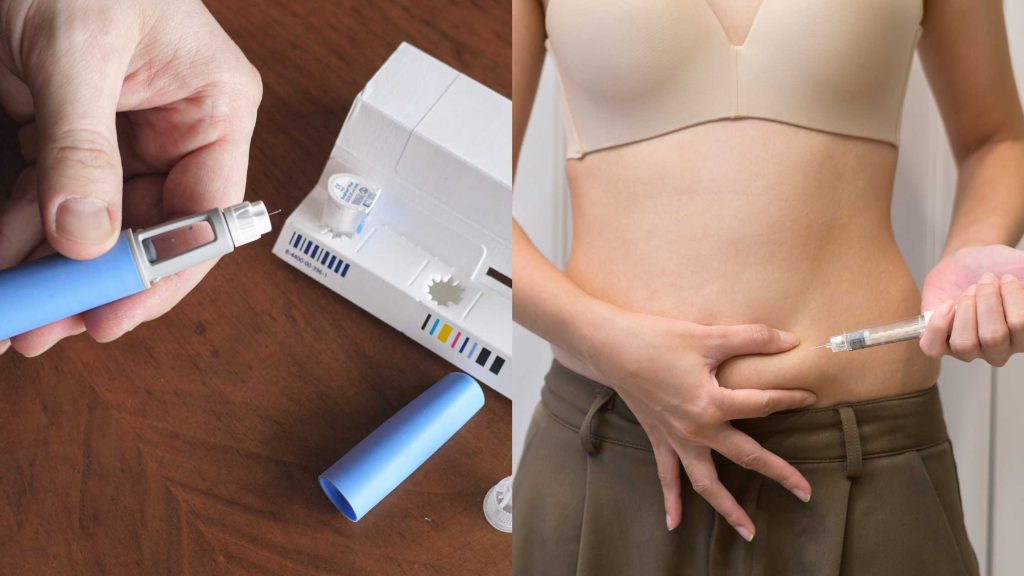
Best Fat Removal Treatments for Men
Key Takeaways
-
We understand that when it comes to fat removal, men’s bodies typically carry unwanted pockets of fat in different places than women’s bodies. We customize your treatment to target these areas and sculpt a more defined, muscular physique.
-
Both surgical and non-surgical options work depending on fat density, treatment area, and recovery tolerance. Pick based on anatomy, goals, and lifestyle.
-
Surgical liposuction provides immediate, high-volume results but demands downtime. Noninvasive techniques such as cryolipolysis, radiofrequency, laser lipolysis, and injectables target smaller, targeted deposits with minimal recovery.
-
The best candidates maintain a stable weight, have good skin elasticity and realistic expectations. Review your health, any medications you’re taking and your lifestyle before making a decision.
-
Complete post-treatment care: Follow specific aftercare instructions to optimize your results. Consider combination treatments, like skin tightening and contouring, for comprehensive results. Maintain weight through diet and exercise to preserve results.
-
Cost, expected recovery, and number of sessions help plan treatment and consider newer technologies for faster treatments, less discomfort, and more precise results.
The best fat removal treatment for men is a procedure that reduces stubborn fat with targeted methods like liposuction, cryolipolysis, and radiofrequency. Each varies in invasiveness, downtime, and cost, with liposuction delivering more rapid results and non-invasive approaches producing subtle shifts.
Your selection will depend on your body area, health, and how quickly you want to recover. The rest of the sections compare effectiveness, side effects, session length, and typical recovery to help readers decide.
Male Body Contouring
Male body contouring is aimed at reducing stubborn pockets of fat and highlighting muscle definition to craft a more athletic physique. Treatments eliminate fat from the abdomen, chest, and jawline for a sculpted look. There are surgical and non-surgical options tailored to male anatomy and goals.
Advanced techniques frequently provide dramatic transformation with limited downtime and subtle results.
Unique Fat
Men tend to carry fat in the abdomen, flanks (love handles), and chest, which can be resistant to diet and exercise. This pattern causes numerous men to notice a stubborn belly or chest fullness that persists despite fitness efforts.
Male fat pockets are denser and more fibrous than those of their female counterparts. That fibrous tissue can make simple suction or freezing less effective without a tailored technique. Power-assisted liposuction or laser-assisted options like SmartLipo can work better on fibrous zones.
Sub-Q blurs every muscle in your body so your cuts are hidden. Fat over your abdomen and chest can conceal even the most chiseled rectus abdominis and pectoral outline. Getting rid of that layer can reveal a more defined appearance and boost your confidence.
Knowing how fat is distributed is key for treatment selection. Knowing whether chest fullness is fatty or glandular changes the approach. Glandular tissue often needs excision in addition to liposuction to correct the shape.
Common Areas
-
Abdomen (upper and lower) — go for a flatter, tighter midsection.
-
Flanks/love handles — smooth the waistline for better torso proportion.
-
Chest — the second most popular male area, addresses gynecomastia or fat deposits.
-
Jawline/neck — reduce under‑chin fullness for a sharper profile.
-
Upper arms and thighs — optional zones for balanced contouring.
Targeted procedures reduce bulges in these zones for a smoother, flatter silhouette. Some men pursue touch on upper arms, thighs, or the submental area to round out the package.
Below is a simple comparison for quick reference:
|
Body Area |
Common Treatments |
|---|---|
|
Abdomen |
Liposuction, SmartLipo, CoolSculpting |
|
Chest |
Liposuction, excision for gynecomastia, CoolSculpting |
|
Flanks |
Liposuction, CoolSculpting |
|
Jawline/Chin |
Kybella, CoolSculpting, liposuction |
Treatment Goals
These usually involve getting a six pack, eliminating ‘moobs’ and chiseling a strong jawline. Most men want a natural outcome with slight ab muscle definition and little to no scars.
Set realistic expectations: procedures reshape and remove fat but do not replace weight loss. Some techniques, such as liposuction, may take 20 to 60 minutes depending on scope.
Nonsurgical procedures like CoolSculpting and SculpSure eliminate fat cells with cold or heat, respectively, and typically require multiple treatments.
Best candidates are healthy men at a stable weight, especially those with loose skin or fat following significant weight loss or bariatric surgery. Discuss your particular concerns and goals with a specialist to select the appropriate combination of surgical and nonsurgical procedures.
Best Fat Removal Options
A round up of top men’s fat removal options, surgical and non, what’s best, when and what to expect. Selection is based on body contour, treatment zones and desired downtime. Today’s options allow clinicians to craft customized treatment plans that can provide dramatic sculpting and long-lasting outcomes when paired with weight maintenance.
1. Surgical Liposuction
Surgical liposuction remains the gold standard for extracting larger fat volumes from multiple sites such as the abdomen, flanks, chest, and thighs. Traditional and tumescent liposuction is a procedure that involves the use of small incisions to suck away fat deposits. Results are immediate and permanent as destroyed fat cells do not grow back.
The final shape settles in as swelling decreases. Plan on a week off for the majority of activities and regular wear of a compression garment to help contour the skin. Typical after-effects are bruising, swelling, and temporary discomfort along with rare, more serious complications that you should discuss with a board-certified surgeon.
2. Cryolipolysis
Cryolipolysis (CoolSculpting®) cools and freezes fat cells to initiate their slow breakdown and disposal by the body. It works best on bulges such as the belly, flanks, inner and outer thighs, back, and upper arms, and addresses love handles and the double chin in smaller applicators.
There are no incisions or stitches, and patients often return to work the same day. Most patients require three or more treatments spaced 6 to 8 weeks apart. Results can manifest within a month and come to full maturity near three months. The treatment may result in temporary numbness, redness, or mild swelling in the area treated.
3. Radiofrequency
Radiofrequency treatments utilize heat to reduce the size of fat cells and firm the skin. They are effective on mild sagging at the jawline, neck, and abdomen. Sessions are noninvasive, quick, and have minimal to no downtime.
They complement other modalities such as lasers or injectables. Radiofrequency is best for men seeking gentle sculpting instead of major flab extraction. It has the ability to tighten skin long-term and is typically performed in a series with incremental results.
4. Laser Lipolysis
Laser lipolysis (SculpSure®, SmartLipo®) sends laser energy through small incisions to melt fat and promote collagen. This treatment targets your stomach, love handles, and thighs and works well in fibrous or smaller areas like the male chest and jawline.
Recovery is quicker than traditional lipo with less bruising. Plumped fat is excreted and eliminated naturally. Multiple sessions are recommended for the best contour.
5. Injectable Treatments
Injectables such as Kybella® dissolve small pockets of fat, like submental fullness, to contour the jawline. These treatments demand zero surgical access and have slight downtime.
Swelling and minor bruising are typical, but temporary. Best for targeted deposits, injectables typically consist of a number of short office visits and frequently integrate into a broader clinician-managed plan.
Determining Candidacy
Assessing candidacy establishes whether a man is likely to benefit from a particular fat removal treatment and helps match goals to realistic outcomes. Key eligibility factors include age, general health, body mass index (BMI), skin quality, and weight stability. Most surgeons require patients to be at least 18 years old.
Liposuction candidates should be in good overall health, free from active infections, untreated heart disease, uncontrolled diabetes, or other serious medical conditions that could raise surgical risk. Smoking increases complications and can affect wound healing. Quitting before treatment is often required.
Your Health
Determining candidacy is crucial. Nonsmokers and people with healthy habits heal faster and demonstrate more apparent contour changes. Issues such as uncontrolled diabetes or severe heart disease increase the risk of complications with surgery and even certain noninvasive procedures.
Being within roughly 5 kg of target weight is recommended for liposuction. This is not a weight-loss method. If you intend to shed a lot of weight, hold off on contouring until you’ve lost it.
Surgeons seek firm, elastic skin and good muscle tone. If you’re an older patient or have loose skin, combined surgery or skin-tightening procedures may be necessary for optimal results. Visceral fat, which lurks deep around your organs, can’t be sucked away with liposuction. Other medical or lifestyle interventions are more effective on that fat variety.
Your Goals
-
Identify the precise locations you wish to have treated: abdomen, flanks, chest, neck.
-
Specify how much change you anticipate, such as subtle contouring versus dramatic reshaping.
-
Identify recovery time you can commit to.
-
Record if you favor noninvasive treatments or are open to operating.
Patients should pick one or two target areas to gain the most satisfaction and prevent over-treatment. Different methods offer different results. Liposuction gives more dramatic, immediate volume removal.
Cryolipolysis and other noninvasive tools reduce fat gradually and need realistic expectations. Align expectations with what each approach can provide to spare yourself frustration.
Your Lifestyle
Lifestyles and exercise help maintain results post-treatment. Men with demanding careers or family obligations might favor noninvasive procedures with minimal to no downtime. Think about if you can wear compression garments as directed.
Some procedures require daily wear for weeks. If your weight is oscillating or you anticipate major weight gain, put off optional fat removal until your weight is steady to safeguard your long-term outcome.
Work, travel, and care responsibilities influence timing and method selection. Pick a plan that matches your schedule and your adherence to the post-procedure rules.
Maximizing Your Results
Good fat removal is as much about treatment selection and patient factors as it is about diligent post-treatment care. Results start to emerge within hours as the body initiates a cleansing of disrupted fat, with visible transformation at around one month and ultimate contour settling at two to three months. Most patients require several treatments, and average treatment plans differ depending on technique and objective.
Here are expert tips for maximizing your results across treatment types.
Combination Therapy
By integrating surgical and non-surgical approaches, physicians can address fat volume, contour, and skin laxity all with a single treatment plan. Liposuction eliminates bulk in a flash, but combining it with radiofrequency or laser skin tightening smooths dimpled or loose skin, achieving more dramatic contours.
Surgical pairings, like cryolipolysis and injectable deoxycholic acid or radiofrequency, enable more incremental fat loss and tissue toning with less downtime. A simple table of examples helps pick combinations by area and goal:
-
Abdomen: Liposuction and radiofrequency tightening for loose skin and volume.
-
Flanks: Cryolipolysis + injectable fat reducer for localized pockets.
-
Submental (neck): Submental liposuction and skin tightening or Kybella for contour and skin retraction.
-
Thighs: Liposuction and laser-assisted skin tightening lead to smoother inner-thigh lines.
Combination plans are customized to anatomy, skin quality and desired speed of transformation. To maximize your results, most patients choose two to four treatments one month apart for surgical adjuvants or one to three sessions two to eight weeks apart for non-surgical methods to achieve their desired goals.
Post-Treatment Care
Follow clear aftercare to minimize complications and polish results. Wear your compression garments as prescribed to reduce swelling, assist tissues in settling, and encourage healing after liposuction and non-invasive procedures alike.
Refrain from heavy lifting and strenuous exercise for the advised duration. Early exertion can exacerbate bleeding or contour irregularities. Light massage and lymphatic drainage encourage fluid circulation and can aid in balancing fat resorption following non-invasive treatments.
For surgical sites, keep wounds clean and adhere to wound-care steps to reduce infection risk. Make it to all of your follow-up visits so your provider can monitor progress, catch problems before they get serious, and schedule any necessary booster sessions. Following these steps tends to maximize your results and minimize your setbacks.

Long-Term Success
Long-term results demand your lifestyle to be steady. Once fat cells are destroyed, they do not regenerate, so results can last with weight maintenance. Remaining fat cells can expand with caloric imbalance. Track weight and aim for slow changes. Fast gain distorts your shape and cancels out treatment effects.
Go for a balanced diet that’s supported by exercise to maintain results. Sustainable habits, such as light strength training, steady cardio, and a protein-first nutrition approach, help keep your muscles toned and inhibit new fat gain.
Realistic expectations are crucial. Many patients need additional or combination treatments over time, and ongoing maintenance gives the best chance for a contoured appearance.
The Financial Investment
Knowing the price associated with fat elimination allows you to plan realistically. Prices differ by approach, practitioner, and region. You’ll want to consider upfront costs, ongoing appointments, and sneaky fees when making a decision.
Here’s a side-by-side comparison of average prices for popular fat reduction procedures to help make decisions clearer.
|
Treatment |
Typical price range (USD) |
Notes |
|---|---|---|
|
Liposuction (surgical) |
$3,000 – $10,000 |
Depends on area size, surgeon skill, facility |
|
Tummy tuck (surgical) |
$6,000 – $15,000 |
More invasive, longer recovery, higher facility fees |
|
CoolSculpting (noninvasive) |
$700 – $2,000 per session |
Often needs multiple sessions for best results |
|
Laser lipolysis (e.g., SmartLipo) |
$2,000 – $6,000 |
Less invasive than liposuction, variable results |
|
Radiofrequency/ultrasound (e.g., TruSculpt) |
$500 – $2,500 per session |
Usually staged over several visits |
|
Injection lipolysis (e.g., deoxycholic acid) |
$300 – $1,200 per vial/session |
Multiple vials often required |
Surgeries like liposuction and tummy tucks are more expensive since they require operating rooms, anesthesia, and highly trained personnel. Anticipate facility fees that can add $1,000 to $3,000 and a consultation fee, generally $100 to $500, to determine whether you are a good candidate and establish expectations.
Lab tests before surgery can add $200 to $500. These things increase the total cost on top of the basic procedure fee.
Noninvasive procedures tend to have lower per session charges, but you need to come back. Ongoing treatment or mixing therapy increases aggregate expense but may yield a superior result. For instance, three CoolSculpting treatments at $1,200 per treatment amounts to $3,600, which is nearing low-end surgical pricing but with less downtime.
Think about the financial investment and contingencies. A handful of clinics have 0% plans for a year, but then the rates can spike to over 20%. Low monthly payment plans make it easier to budget.
A quick loan example demonstrates that a $5,000 loan at 8% over 2 years would be about $227 per month. Leave yourself a 10% buffer for surprise invoices like prolonged convalescence or rework.
Create a personal budget: calculate current monthly income, set aside a fixed amount toward treatment, include expected consult and pre-op tests, and model financing scenarios.
Compare one-time higher costs versus repeated low-cost sessions and consider time off work and recovery requirements with our comparison table. Above all, seek out clinics that provide transparent, line-item quotes; they will save surprise charges and ask if they offer package pricing for combined care as well.
The Next Generation
Next Generation Liposuction is where fat removal meets next gen tools and smarter workflows. New devices target how energy reaches fat tissue, so results are more reliable and powerful. Ultrasound therapy now utilizes focused beams to shatter fat cells with reduced heat to skin. Enhanced laser systems employ optimized wavelengths and cooling to target deeper tissue without additional pain.
Cryolipolysis applicators have larger cooling surfaces, so a single pass addresses more tissue and reduces session time. Edge technology implies that systems communicate directly with sensors in real time. Devices can vary energy and suction during a session to distribute fat evenly across a treatment area. That immediate fat harmonization minimizes lumps and unevenness, which is important for male patients who frequently desire natural chest and stomach shapes.
AI integration is beginning to steer these tweaks, leveraging imaging and patient data to select settings that correspond with muscle and fat thickness. Anticipate AI to refine plans and forecast as more data accumulates. With treatment, speed and comfort have gotten better. New handpieces and applicators reduce session times, frequently to less than an hour for mild regions.
There is less pain due to improved cooling, fine-tuned pulse patterns and gentler suction profiles. Minimally invasive options such as radiofrequency-assisted lipolysis (RFAL) allow providers to extract fat and contract skin from small access incisions. RFAL combines heat and suction to liquefy fat while simultaneously firming tissue, which is beneficial where skin laxity is an issue.
Combination therapy is a big change. Combining fat loss with skin tightening or muscle toning is more comprehensive than simply losing fat. For instance, Cryolipolysis for targeted fat followed by a radiofrequency or HIFEM (high intensity focused electromagnetic) session can reduce fat and tone muscle.
In 2025, the field will be defined by three trends: precision delivery, combination approaches, and muscle toning. These trends make a specific plan for each body part instead of a general approach. Design and scheduling count. Most patients require 3 to 7 days of downtime post minimally invasive work, so plan around personal and professional obligations.
Complete results can require as long as 3 months, and even still see improvement beyond that. These long-term results rely on sustained weight and activity. Safety and results get better as systems optimize energy delivery and handpiece design. More natural results come from matching treatment to anatomy and using staged sessions.
For us guys, next-generation alternatives provide speedier recovery, minimized pain, and more predictable shaping than their predecessors.
Conclusion
Selecting a fat removal path begins with obvious objectives and actual truths. Surgical ones, such as liposuction, provide massive, immediate results. Nonsurgical instruments, like cryolipolysis or radiofrequency, fit individuals seeking minimal downtime and incremental transformation. Ideal candidates have consistent weight, no skin issues, and realistic expectations. Prep includes smoking cessation, taking recovery time, and lining up support. Aftercare and habit change maintain gains long term.
For a rapid, dramatic transformation, choose surgery with a board-certified surgeon and examine before-and-after photos. For minimal downtime, check out a clinic that uses FDA-cleared devices and shares patient statistics. Consult a specialist, get multiple opinions, and consider price, risk, and downtime. When you’re ready to shop or schedule a consultation.
Frequently Asked Questions
What is the most effective fat removal treatment for men?
How effective is it? Liposuction removes larger fat volumes and sculpts the physique. Noninvasive options such as cryolipolysis or laser lipolysis are effective for mild to moderate pockets with minimal downtime.
How do I know if I’m a candidate for fat removal?
Ideal candidates are near their optimal weight, have not experienced recent weight fluctuations, and have reasonable goals. A consultation with a board-certified plastic surgeon or qualified provider will determine your suitability.
How long is recovery after surgical fat removal (liposuction)?
Start with a 15 second one, then increase the time gradually. Swelling and bruising can last for months. Adhere to post-op instructions to hasten healing and enhance results.
Are noninvasive treatments painful and do they work for muscle definition?
Noninvasive methods generally produce mild discomfort, not surgical pain. Muscle-building devices, such as electromagnetic, can enhance definition when paired with fat reduction, but the results are more nuanced than surgery.
How long do results last after fat removal?
The results can be permanent if you maintain weight and healthy habits. Since the remaining fat cells can expand with weight gain, lifestyle does matter for enduring results.
What are the common risks and side effects?
The typical risks are swelling, bruising, numbness, contour irregularities, and infection. Surgical treatments have greater dangers. Let the pros take care of it.
How much does male fat removal cost and is it worth it?
Prices differ a lot depending on the technique, location treated, and geographic location. Liposuction costs more than noninvasive alternatives. Consider the anticipated result, downtime, and longevity to determine if it’s right for your goals and budget.