Orthognathic Surgery Cost with Insurance: A Comprehensive Guide

Understanding Orthognathic Surgery Costs

Cost Range

Orthognathic surgery, or jaw surgery, varies widely in cost. Without insurance, patients might pay between $20,000 to $40,000. Insurance can greatly reduce this burden. Coverage depends on the plan and whether the surgery is deemed medically necessary.

With insurance, out-of-pocket costs can still range from a few thousand dollars to over $10,000. Deductibles, copays, and coinsurance affect these numbers. It’s crucial to consult with your insurance provider for accurate estimates.

Diamond Braces Plans

Diamond Braces offers tailored treatment plans that can significantly impact overall costs. They work closely with patients and their insurance companies to maximize coverage benefits. This personalized approach ensures patients receive the most cost-effective care without compromising quality.

Their expertise in orthodontics allows them to offer competitive pricing for orthognathic surgery. Patients benefit from detailed consultations that outline all expenses upfront.

Financial Implications

Considering both short-term and long-term financial implications is vital. Short-term costs include surgery, anesthesia, and hospital stays. Long-term considerations involve follow-up care and potential adjustments.

Investing in quality jaw surgery can lead to significant health benefits. These include improved chewing function and reduced pain. Over time, these benefits can outweigh initial costs.

Factors Influencing Jaw Surgery Pricing

Case Complexity

The complexity of the patient’s condition significantly impacts the price of orthognathic surgery. Simple cases requiring minor adjustments are less expensive. In contrast, complex conditions involving multiple jaw segments can drive up costs. These surgeries demand more time, skill, and resources.

Patients with severe misalignments often require a longer treatment plan. This includes pre-surgical orthodontics and possibly more follow-up care.

Technology Use

Diamond Braces employs advanced orthodontic technologies. These innovations play a crucial role in determining surgery pricing. State-of-the-art equipment allows for more precise diagnostics and treatment planning. However, they also contribute to higher costs.

The use of 3D imaging and computer-guided surgery systems at Diamond Braces ensures quality outcomes. Yet, it influences the overall cost patients pay for their orthognathic surgery.

Location & Expertise

Geographic location significantly affects the cost of jaw surgery. Areas with a higher cost of living tend to have more expensive healthcare services. For instance, surgery prices in urban centers are usually higher than in rural areas.

The surgeon’s expertise is another critical factor. Experienced surgeons with specialized training in orthognathic procedures often charge more. Their importance cannot be understated, as they bring invaluable skills and knowledge to the table, ensuring successful outcomes.

Overview of Jaw Surgery Expenses

Pre-Surgery Costs

Orthognathic surgery involves detailed planning. This includes pre-surgery assessments like X-rays, 3D imaging, and consultations. These initial steps can add significantly to the overall cost. Patients often overlook these expenses when budgeting for their surgery.

Before the operation, there might be a need for orthodontic treatments. These are essential to align the teeth properly for the surgery. They represent an additional cost that insurance may not fully cover.

Surgery Fees

The core of jaw surgery costs revolves around the actual surgical procedure. This includes the surgeon’s fees, hospital or facility charges, and anesthesia. Prices vary widely depending on complexity and location.

Diamond Braces stands out by offering comprehensive care. This approach can lead to more predictable costs compared to services where each aspect of treatment is billed separately.

Post-Surgery Care

After surgery comes the recovery phase. It involves follow-up visits, medication, and sometimes physical therapy. These post-surgery care costs contribute to the total expense but are crucial for a successful outcome.

Hidden Costs

Many patients don’t anticipate additional expenses such as recovery aids or lost income from missed work days. Recovery aids like special diets, ice packs, and over-the-counter pain relief can add up.

Insurance often covers a portion of orthognathic surgery if deemed medically necessary. However, it rarely covers 100% of all related costs. Patients should prepare for out-of-pocket expenses including those hidden costs not typically covered by insurance plans.

ocqw05pxtap51

Typical Costs for Corrective Jaw Procedures

Cost Range

The cost of corrective jaw surgery can vary widely. At Diamond Braces, patients might see prices ranging from $20,000 to $40,000. This range depends on the complexity of the procedure and the specific needs of the patient.

Insurance often covers a portion of these costs, but out-of-pocket expenses can still be significant. Patients should consult their insurance providers to understand their coverage better.

Recovery Time

Recovery time is another crucial factor to consider. Most patients need several weeks to recover, which can impact their ability to work and perform daily activities. This indirect cost is essential to factor into the overall financial planning for the surgery.

Payment Plans

Diamond Braces offers flexible payment plans. These plans can make managing the costs more manageable for many patients. By spreading payments over time, individuals can undergo necessary procedures without facing immediate financial strain.

Cost-Effectiveness

Comparing treatment options is vital for making an informed decision. Some treatments may offer a quicker recovery time or lower upfront costs but might not provide the same long-term benefits as more expensive options. Diamond Braces works with patients to find the most cost-effective solution that meets their needs and budget.

Global Fees and Surgery Packages

Global Fees

Global fees simplify the payment process for orthognathic surgery. This approach bundles all costs into a single bill. Patients no longer juggle multiple bills from different providers. They pay one fee that covers everything.

This system reduces confusion and stress. It allows patients to focus on recovery, not finances. Global fees often include the surgeon’s fee, hospital stay, and any necessary follow-up care.

Surgery Packages

Diamond Braces stands out by offering comprehensive surgery packages. These packages cover all aspects of treatment, from initial consultation to post-surgery care.

By choosing a package deal, patients enjoy significant savings. They also benefit from easier financial planning. The upfront cost includes all services, minimizing unexpected expenses.

Benefits

Choosing a package deal offers long-term value and peace of mind. Patients save money and avoid the hassle of dealing with multiple bills. They can budget more effectively, knowing the total cost upfront.

Moreover, these packages reflect a provider’s commitment to patient care. They show a dedication to making orthognathic surgery accessible and affordable. Patients feel supported throughout their journey, enhancing their overall experience.

Health Insurance and Orthognathic Surgery

Coverage Stance

Health insurance companies often have strict criteria for covering orthognathic surgery. They see it as necessary only for severe cases that impact oral health or daily living. Most plans cover a portion of the surgery if it’s deemed medically necessary. This decision hinges on whether the patient’s condition affects functions like breathing, chewing, or speaking.

Insurance policies vary widely. Some categorize orthognathic surgery under orthodontic treatment, while others consider it a separate entity. Patients must review their benefits or speak with their insurance provider to understand their coverage.

Diamond Braces

Diamond Braces stands out by helping patients navigate the complex world of insurance coverage for jaw surgery. They work directly with insurance companies to ensure patients receive the maximum benefits available. Their team assists in submitting all necessary documentation and appeals, if needed, making the process smoother for patients.

This support is crucial since many are unaware of how to maximize their benefits without professional help.

Required Documentation

Insurance companies typically require detailed documentation to approve coverage for orthognathic surgery. This includes:

  • A thorough dental and medical history

  • X-rays and photographs showing the necessity of surgery

  • Letters from healthcare providers outlining how the patient’s condition impacts their life

These documents prove that the surgery is not purely cosmetic but essential for improving the patient’s quality of life and overall health.

Coverage Inclusions for Jaw Surgery

Common Procedures

Orthognathic surgery involves complex procedures that aim to correct misalignments of the upper and lower jaw. Insurance typically covers a range of treatments associated with this surgery. These include pre-surgical orthodontic treatments, necessary for aligning the teeth before surgery, and post-surgical orthodontics to ensure proper bite alignment.

Patients may also find coverage for the surgical correction of both jaws when medically necessary. This includes surgeries aimed at correcting functional impairments that affect eating, speaking, or breathing.

Partnering with Providers

Diamond Braces stands out by actively working with insurance companies to maximize patients’ benefits. They assist in navigating the often complex insurance landscape, ensuring that patients receive the highest possible coverage for their surgeries. This collaboration between Diamond Braces and insurance providers simplifies the process for patients, making orthognathic surgery more accessible.

Policy Exceptions

However, it’s crucial for patients to understand their policy’s exceptions and exclusions. Cosmetic procedures, lacking a medical necessity, are often not covered. Similarly, certain insurance plans might have specific limitations on the amount they will pay towards orthognathic surgery. Patients should review their policies carefully or consult with their provider to grasp these nuances fully.

Navigating Insurance for Orthognathic Surgery

Effective Communication

Patients must master the art of communication with their insurance carrier. They should prepare by gathering all necessary documentation related to their orthognathic surgery. This includes medical records, a letter from the surgeon outlining the necessity of the procedure, and any prior correspondence with the insurance company. It’s crucial to be clear, concise, and persistent when discussing coverage details.

They should also inquire about specific forms or procedures required by the insurance for claims submissions. Understanding these processes can significantly smooth the journey towards getting surgery costs covered.

Diamond Braces Support

Diamond Braces plays a pivotal role in assisting patients through their insurance claims process. The practice has dedicated staff experienced in dealing with various insurance carriers and policies. They help patients understand their coverage and assist in preparing all necessary documents for submission.

Their team also provides guidance on how to navigate potential roadblocks, such as claim denials or requests for additional information. With Diamond Braces’ support, patients feel less overwhelmed and more confident in managing their insurance claims.

Policy Details

Understanding one’s insurance policy is fundamental before undergoing orthognathic surgery. Patients should familiarize themselves with their plan’s specifics, including what types of surgeries are covered, any deductibles that apply, and the percentage of costs they’re responsible for.

In cases where claims are denied, knowing how to approach an appeal is critical. Patients should review their insurer’s appeal process carefully and prepare a compelling argument based on medical necessity and policy terms.

Closing Thoughts

Orthognathic surgery, while complex, doesn’t have to break the bank, especially with insurance in your corner. You’ve seen how costs can vary and what factors play into those numbers. From understanding the basics of orthognathic surgery costs to navigating the ins and outs of insurance coverage, you’re now armed with knowledge. Remember, health insurance can significantly reduce your out-of-pocket expenses, making this essential surgery more accessible.

Don’t let the price tag deter you from getting the care you need. Take action by reaching out to your insurance provider to discuss your coverage options. It’s time to invest in your health and well-being with confidence, knowing you’re making an informed decision. Your journey towards a better quality of life starts here.

Frequently Asked Questions

How much does orthognathic surgery cost with insurance?

The cost of orthognathic surgery with insurance can vary widely depending on your policy’s coverage. Insurance often covers a significant portion, especially if deemed medically necessary, but out-of-pocket expenses can still apply.

What factors influence the cost of jaw surgery?

Factors include the complexity of the procedure, surgeon’s fees, hospital or surgical facility costs, anesthesia fees, and whether additional treatments are required. Geographic location also plays a role.

What is typically included in jaw surgery expenses?

Expenses usually cover the surgeon’s fee, hospital or surgical facility costs, anesthesia charges, and any necessary follow-up visits. Some packages may also include pre-surgical orthodontic work.

Can health insurance fully cover orthognathic surgery?

Health insurance can cover most of the cost if the surgery is considered medically necessary. However, patients often face some out-of-pocket expenses due to deductibles and co-pays.

How do I know if my insurance covers jaw surgery?

Review your policy details or contact your insurance provider directly. Coverage often depends on proving the medical necessity of the procedure.

What steps should I take to navigate insurance for jaw surgery?

Start by consulting with your surgeon and obtaining a detailed treatment plan. Then, work closely with your insurance company to understand covered services and submit all required documentation for pre-authorization.


Investing in Radiant Skin: Collagen Stimulation Therapy Cost Explained

Understanding Collagen Induction Therapy

Collagen Basics

Collagen induction therapy is a minimally invasive procedure. It aims at rejuvenating the skin. This therapy boosts the body’s natural collagen production. It helps in making the skin look youthful.

Microneedling is a popular form of this therapy. It involves using fine needles to create tiny punctures in the top layer of the skin, inducing physical trauma that can improve complexion, often complemented by creams and radiofrequency treatments. These micro-injuries trigger the body’s healing process, increasing collagen and elastin production.

Skin Concerns

This therapy addresses various skin concerns effectively. It reduces acne scars, softens wrinkles, and evens out skin tone. People see noticeable improvements in elastin, their skin’s texture, and firmness after undergoing this treatment, which helps over time, according to the article.

The benefits extend beyond just cosmetic enhancements. It also helps people in repairing sun damage and minimizing pores in their skin care.

PRP Injections

PRP injections can enhance collagen induction therapy results. PRP stands for platelet-rich plasma. It uses the patient’s blood components to help stimulate healing and collagen production in skin care for people.

Combining microneedling with PRP injections offers a powerful skin care treatment option to help people. It accelerates the skin’s natural repair processes. Patients often report faster recovery times and more significant improvements in their skin’s appearance.

Exploring Microneedling Benefits

Skin Texture

Microneedling significantly improves skin texture. This procedure activates the body’s natural healing process, which increases collagen production. As a result, patients often notice smoother, more vibrant skin.

The treatment effectively reduces fine lines and wrinkles. It makes the skin appear more youthful and radiant.

Scar Reduction

This therapy offers hope for those with acne scars or other types of scarring. By creating tiny punctures in the skin, microneedling triggers a healing response. This response can gradually diminish the appearance of scars.

Patients report seeing noticeable differences after several sessions. The process is less invasive than surgical options, making it a preferred choice for scar reduction.

Enhanced Absorption

One of the key benefits of microneedling is its ability to enhance skincare absorption. The micro-injuries created during the procedure allow for deeper penetration of vitamins and nutrients from topical products.

This means that your regular skincare products could become more effective post-treatment. Patients often experience improved results from their usual skincare routines.

Versatility

Microneedling’s versatility makes it an appealing option for many. It can be used on various parts of the body, not just the face. This includes areas like the neck, chest, and even hands.

Its ability to treat different skin conditions adds to its popularity. Whether it’s signs of aging or textural issues, microneedling offers a solution.

Body Areas Suitable for Microneedling

Face Treatment

Microneedling shines in addressing facial concerns. It targets acne scars, fine lines, and enlarged pores effectively. The face, being a common area for skin care focus, benefits greatly from this treatment.

Patients see a noticeable improvement in their complexion. This process also enhances the absorption of serums into the skin.

Neck Rejuvenation

The neck is another area where microneedling works wonders. Often neglected in routine skin care, the neck can show signs of aging like wrinkles and fine lines. Microneedling helps in reducing these signs by stimulating collagen production.

This procedure brings a youthful appearance to the neck area, matching the treated face’s renewed look.

Hand Therapy

Hands often betray our age before anything else. Microneedling provides a solution by treating the back of hands where skin concerns like wrinkles and loss of elasticity occur. It restores a smoother and younger-looking skin surface.

Stretch Mark Reduction

Areas with stretch marks, such as thighs and abdomen, are ideal candidates for microneedling. This therapy reduces the visibility of stretch marks by promoting skin regeneration.

It proves especially beneficial for areas that are difficult to treat with other procedures due to sensitivity or size.

Microneedling is versatile, catering to different skin types and concerns across various body parts. Its ability to be customized makes it suitable for sensitive areas and a wide range of skin issues. From enhancing facial features to rejuvenating neglected body parts like the neck and hands, microneedling offers comprehensive solutions for those seeking improved skin health and appearance.

grid 31994

Factors Influencing Microneedling Costs

Treatment Area

The size of the treatment area plays a crucial role in determining microneedling costs. Larger areas require more time and resources, leading to higher charges. For instance, treating the entire face will cost more than focusing on a small section like the forehead.

Providers often set fees based on the complexity and size of the area being treated. This means that patients seeking improvement over their entire face or body will face higher costs compared to those targeting smaller, specific regions.

Skin Condition

The severity of the skin condition also affects microneedling prices. More severe issues demand intensive treatment strategies, increasing both time and resource allocation. Consequently, patients with deep scars or extensive signs of aging can expect to pay more for their treatments.

Sessions may need to be longer or more frequent for these cases, further elevating the overall cost. Providers assess each patient’s unique needs during consultation to estimate the necessary investment for achieving desired results.

Number of Sessions

Achieving optimal results typically requires multiple sessions. The initial consultation should provide an estimate of how many treatments will be needed based on goals and skin condition.

Multiple sessions mean a higher overall financial commitment. However, packages or set fee schedules can offer savings over individual session pricing. Patients should discuss these options with their provider to understand the total cost implication better.

Average Cost of Microneedling

Cost Range

Microneedling costs vary widely. A single session might cost between $100 and $700. The average expense sits around $300. This range depends on the clinic’s location, the expertise of the professional performing the procedure, and any additional serums used during treatment.

Prices reflect not just the physical act of microneedling but also the pre-session consultation and post-treatment care advice. High-end clinics in metropolitan areas often charge more due to their higher operational costs.

Session Frequency

For optimal results, multiple sessions are necessary. Most people need between three to six sessions, spaced four to six weeks apart. This frequency significantly influences the total cost.

The initial series of treatments establishes a foundation for collagen production. Maintenance sessions might be required once or twice a year thereafter to preserve results. As such, when calculating the overall investment in microneedling, consider both the short-term and long-term financial commitment.

Insurance Coverage

Insurance does not cover microneedling. Since it’s classified as a cosmetic procedure, patients must bear the full cost out-of-pocket. This lack of coverage underscores the importance of budget planning for those considering this therapy.

Results and Downtime of Microneedling

Optimal Results

Microneedling, a cosmetic procedure, focuses on promoting collagen and elastin production. These are key to achieving smoother skin and reducing the appearance of scars and wrinkles. For optimal results, patients might need multiple sessions. This fact underlines the procedure’s ability to work over time, enhancing skin texture and elasticity.

The integration of radiofrequency with microneedling can further boost these outcomes. It targets deeper layers of the skin, improving issues like sun damage beyond what traditional microneedling can achieve.

Minimal Downtime

One major upside of microneedling is its minimal downtime. Most people can return to their daily activities almost immediately. However, there might be slight redness or sensitivity for a few days post-treatment.

Following post-treatment care instructions is crucial. It helps maximize results while minimizing potential complications. Using recommended products can also aid in the recovery process, ensuring the skin remains hydrated and protected from sun exposure.

Post-Treatment Care

To ensure the best possible outcome, adhering to post-treatment guidelines is essential. Avoiding direct sun exposure and applying sunscreen diligently protects the new skin layers from damage.

Moreover, using specific products that promote healing and hydration can significantly enhance the treatment’s effectiveness. These steps are not just about recovery; they’re about maximizing the benefits of microneedling for days to come.

Steps After Microneedling Therapy

Immediate Care

After the procedure, the healing process starts. It’s crucial to avoid sun exposure and apply recommended skincare products. These steps help in reducing inflammation and facilitating recovery.

Patients should follow the instructions given by their skincare professional closely. This often includes using gentle cleansers and hydrating serums. Avoiding makeup for a short period is also advised to let the skin breathe and heal.

Follow-Up Treatments

To maintain and enhance the results, scheduling follow-up treatments is essential. The number of sessions needed varies based on individual skin conditions and goals.

Consultations with skincare professionals can help tailor a treatment plan. They can suggest the optimal interval between sessions to achieve desired outcomes.

Personalized Care Plan

Each person’s skin responds differently to microneedling. Therefore, consulting with a professional to personalize post-care is important.

They can recommend specific products that support the healing process. They might adjust the care plan based on how one’s skin reacts to the initial treatment.

Summary

Collagen stimulation therapy, specifically microneedling, offers a promising avenue for those seeking to rejuvenate their skin. Understanding the process, its benefits, applicable body areas, cost factors, and expected outcomes empowers you to make informed decisions. With the average cost in mind, you can weigh the value it brings against your budget and beauty goals. Remember, the results and minimal downtime might just make it a worthy investment for your skin’s health and appearance.

Taking the next step towards enhanced skin requires action. Consider consulting with a skincare professional to discuss your specific needs and how microneedling can meet them. Embrace the journey towards a more radiant you by exploring collagen induction therapy further. Your skin’s rejuvenation awaits.

Frequently Asked Questions

What is Collagen Induction Therapy?

Collagen Induction Therapy, also known as microneedling, is a cosmetic procedure that stimulates collagen production by creating micro-injuries in the skin, leading to rejuvenation and reduction of scars and wrinkles.

How does Microneedling benefit the skin?

Microneedling benefits include improved texture and firmness, reduced scars and pore size, and an overall youthful appearance by enhancing collagen production in the skin.

Can Microneedling be performed on any part of the body?

Yes, microneedling can be safely performed on various body parts including the face, neck, arms, hands, legs, abdomen, and back to improve skin texture and appearance.

What factors affect the cost of Microneedling?

Factors influencing microneedling costs include the treatment area size, clinic location, practitioner’s expertise, and number of sessions required.

What is the average cost of a Microneedling session?

The average cost of a single microneedling session ranges from $200 to $700. Prices vary based on treatment area size and practitioner experience.

What should I expect in terms of results and downtime after Microneedling?

Expect visible improvements in skin texture and elasticity within a few weeks. Downtime is minimal with some redness and sensitivity lasting up to 48 hours post-treatment.

What are the recommended steps after undergoing Microneedling therapy?

Post-microneedling care involves avoiding direct sun exposure, applying prescribed topical treatments or serums for enhanced recovery, keeping the skin moisturized, and following your practitioner’s specific aftercare instructions to ensure optimal healing.

Reclaiming Confidence: Breast Reduction with Implants for Total Transformation

Why settle for a one-size-fits-all approach when it comes to your body? The journey of personal transformation often leads many to consider breast reduction with implants, a procedure that promises not just comfort but confidence. This delicate balance between reducing size and enhancing shape offers a tailored solution to those seeking physical relief and aesthetic harmony. With advancements in surgical techniques, achieving your desired silhouette has never been more accessible.

Understanding Breast Reduction Surgery

Surgery Goals

Breast reduction surgery aims to reduce breast size and alleviate discomfort. It helps women achieve a breast size in proportion with their body. This operation not only improves physical symptoms but also boosts self-esteem.

Women undergoing breast reduction seek relief from physical issues like back pain. They desire breasts that fit better with their lifestyle and fashion choices.

Procedure Details

The surgery involves inframammary incision techniques and tissue removal. Surgeons perform vertical breast reduction for optimal shaping. They focus on maintaining postoperative breast projection while considering preoperative conditions.

Intraoperative nipple siting ensures the nipple position is aesthetically pleasing. This careful planning results in balanced outcomes, with attention to both the left breast and its counterpart.

Recovery Process

Recovery varies but generally includes rest and limited activity. Patients should expect some swelling and discomfort initially. Following the surgeon’s advice is crucial for healing.

Wearing a supportive bra aids in recovery, helping shape the breasts post-surgery. Most women return to normal activities within a few weeks, noticing significant improvements in comfort and appearance.

Exploring the Combination of Reduction and Implants

Patient Choices

e individuals seek a balance between reducing breast size and maintaining fullness. They opt for both breast reduction and implants. This treatment combination addresses concerns about overly large breasts while avoiding loss of volume.

Patients often experience discomfort from large breasts. They desire relief without sacrificing aesthetics. The combination allows for resection of excess tissue and addition of implants to achieve desired shape and size.

Aesthetic Benefits

Achieving a proportionate figure is a key benefit. This approach tailors the breast size to the patient’s body, enhancing overall appearance. It offers a solution that single procedures cannot provide.

The result is not just smaller, but also more aesthetically pleasing breasts. Patients report increased satisfaction with their body image post-surgery. They enjoy both the reduction in weight and an improvement in breast contour.

Size and Volume

Combining these procedures addresses two issues: size and sagging. Resection reduces breast size, addressing back pain and other physical symptoms. Implants are then used to restore or enhance volume, ensuring the breasts remain perky.

This dual approach can even allow patients to maintain or slightly increase their cup size, if desired. It’s a tailored solution for those seeking improvement in both shape and comfort.

The Procedure Explained

Initial Steps

The journey begins with a detailed consultation. Here, surgeons assess individual needs and discuss desired outcomes. They explain the procedure in full detail, often supported by related videos or text articles.

Patients learn about the incision techniques used for reduction and how implants are inserted. This stage is crucial for setting realistic expectations.

Surgical Technique

Surgeons employ a specific technique tailored to each case. First, they perform the breast reduction via an incision. This might involve removing tissue, fat, and skin to achieve a smaller size.

Next, if planned simultaneously, implants are inserted to provide pole projection and shape. This dual approach ensures both a reduction in size and an enhancement in form.

Healing Time

Post-surgery, patients face a recovery period. Healing time varies but is essential for achieving the best results. Surgeons provide detailed aftercare instructions to support this process.

Complications are rare but can occur. Prompt communication with healthcare providers ensures any issues are addressed swiftly.

grid 39685

Simultaneous vs Stages

There’s a significant difference when performing these procedures simultaneously versus in stages. Doing both at once can reduce overall recovery time and costs. However, some patients may benefit from staging the procedures based on their unique anatomical or health considerations.

Benefits of Combining Breast Reduction with Implants

Aesthetic Appeal

Combining breast reduction with implants, often referred to as postreduction breast augmentation, offers a unique solution for women seeking both relief from the discomfort of large breasts and a desire for shapelier breasts. This approach allows individuals to enjoy the best of both worlds: smaller, lighter breasts that are also fuller and more proportionate to their body size.

The procedure can significantly enhance one’s silhouette, making clothes fit better and boosting overall confidence. It addresses common concerns by removing excess breast tissue while simultaneously inserting implants to achieve a desired volume and shape.

Physical Comfort

One of the most compelling reasons for undergoing this combined procedure is the potential for greatly improved physical comfort. Women with overly large breasts often suffer from back pain, neck strain, and even skin irritation under the breast fold. By reducing the size of the breasts, much of this discomfort can be alleviated.

Moreover, smaller and lighter breasts make it easier to engage in physical activities. Whether it’s running, yoga, or swimming, reduced breast size can increase mobility and encourage a more active lifestyle. This not only contributes to physical health but also boosts mental well-being.

Enhanced Well-being

The psychological benefits of combining breast reduction with implants cannot be overstated. Many women experience a significant boost in self-esteem and body image following this surgery. Feeling comfortable in one’s skin translates into improved confidence in both personal and professional spheres.

For those considering further body contouring procedures, combining breast surgery with simultaneous abdominoplasty can offer comprehensive results. This approach maximizes recovery time and enhances overall satisfaction with one’s appearance.

Key Considerations and Decision Factors

Personal Goals

Personal goals play a crucial role in deciding on breast reduction with implants. Individuals must set realistic expectations for the procedure’s outcome. They should understand that while the surgery aims to enhance appearance, it also focuses on comfort and health benefits.

Patients often seek a balance between reducing breast size for physical relief and adding implants for aesthetic shape. This dual approach can lead to a more satisfied post-surgery feeling. However, clear communication with the surgeon about desired results is essential.

Health Evaluation

A thorough health evaluation is mandatory before undergoing this surgery. It ensures patients are suitable candidates for the operation. Factors like overall health, tissue quality, and medical history influence surgical risks and outcomes.

Surgeons assess these aspects to minimize complications and ensure safety during and after the procedure. Patients with certain conditions may need additional considerations or might be advised against surgery.

Surgery Timing

The timing of implant insertion significantly affects recovery and results. Surgeons typically insert implants during the same operation as breast reduction but may recommend a staged approach in some cases.

Immediate insertion can shorten recovery time and reduce costs. Yet, for some, waiting between procedures allows for tissue healing and can result in a better aesthetic outcome. Deciding on timing involves weighing immediate benefits against potential long-term satisfaction.

Ideal Candidates for the Procedure

Physical Health

Ideal candidates maintain good physical health. They often experience discomfort from large breasts, including back pain and skin irritation. These women seek relief through breast reduction with implants to achieve a smaller, more manageable size while preserving a natural upper pole fullness.

Body mass index (BMI) plays a crucial role in determining candidacy. A BMI within a healthy range may increase patient satisfaction post-surgery. Preoperative marking and measurements, especially lateral and frontal views, help tailor the procedure to each woman’s unique body shape.

Psychological Readiness

Candidates should possess psychological readiness and realistic expectations. Understanding the potential outcomes and accepting the changes are vital for patient satisfaction. Surveys show that informed patients report higher happiness levels post-procedure.

The decision to undergo surgery is deeply personal. Many women find this process improves their self-esteem and quality of life significantly.

Age and Future Plans

Age impacts candidacy. While there is no perfect age, younger women should consider future plans for pregnancy as it can affect surgical results. Conversations about age and resection weights during consultation help set realistic goals.

Women planning for children might be advised to delay surgery to maintain results post-pregnancy. However, every woman’s situation is unique, requiring personalized advice from a qualified surgeon.

When to Avoid Breast Reduction with Implants

Health Conditions

People with certain health issues should think twice. Those suffering from chronic illnesses or immune system disorders may face higher risks during and after surgery.

Recovery might be harder for them. Their bodies may not heal as expected, leading to prolonged recovery times or complications.

Smoking Habits

Smokers are at a greater risk. Smoking can slow down the healing process significantly. It also increases the chance of complications.

Doctors often advise quitting smoking well before surgery. This helps reduce risks but doesn’t eliminate them entirely.

Unrealistic Expectations

Understanding the limits is crucial. Some individuals expect dramatic changes that aren’t realistic with breast reduction and implants.

It’s important to have a clear conversation with a surgeon about what can be achieved. Unrealistic expectations can lead to disappointment with the results.

Lack of Support System

Recovery requires help. Those without a strong support system may struggle during the post-operative period.

Having someone to assist with daily tasks and emotional support is vital for a smooth recovery.

Selecting the Right Plastic Surgeon

Board Certification

Board certification is a must when choosing a plastic surgeon for breast reduction with implants. It ensures the surgeon has undergone rigorous training and adheres to high standards.

Look for surgeons certified in plastic surgery. This credential signals their expertise in procedures like breast augmentation and reduction. Ask them about their training specifically in breast surgeries during your consultation.

Experience Matters

Experience plays a crucial role in achieving desired outcomes. Inquire about the number of breast surgeries they’ve performed.

Surgeons with extensive experience often have a deeper understanding of creating a shapelier figure while maintaining natural nipple and areolar shape. They can better manage complex cases, such as those transitioning from a previous section’s discussion on avoiding certain procedures.

Consultation Questions

The consultation is your opportunity to gauge the surgeon’s approach and expertise.

Ask specific questions about the procedure, recovery, and risks involved. Discussing their approach to achieving a balanced pole contour can offer insights into their surgical philosophy.

Before-and-After Gallery

Researching before-and-after photos of previous patients is invaluable. These galleries provide a visual representation of potential outcomes.

Photos highlighting improvements in pole contour and areolar shape can help set realistic expectations. They also demonstrate the surgeon’s skill in enhancing body proportion while ensuring a natural look.

Closing Thoughts

Choosing breast reduction with implants can transform your life, balancing your proportions while enhancing self-confidence. This procedure, combining reduction and augmentation, offers a unique solution tailored to your desires and physical needs. It’s crucial to weigh the benefits against the considerations, ensuring you’re an ideal candidate and understanding when to step back. Your journey doesn’t end at deciding for surgery; selecting the right surgeon is paramount to achieving your envisioned outcome.

Ready to take the next step? Reach out to a certified plastic surgeon who specializes in breast surgeries. They’ll provide personalized advice, aligning with your body goals and health profile. Remember, this decision is about you—your comfort, your confidence, and your health. Let’s embark on this transformative journey together.

Frequently Asked Questions

What is breast reduction with implants?

Breast reduction with implants combines removing excess breast tissue and skin for a smaller size while adding implants for improved shape and volume.

How does the procedure of combining breast reduction with implants work?

The procedure involves removing excess breast tissue and skin to reduce size, then inserting implants to enhance shape and fullness.

What are the benefits of getting both breast reduction and implants?

Combining these procedures can provide a more desirable breast size, improved shape, and enhanced overall proportion of the breasts to the body.

Who is an ideal candidate for breast reduction with implants?

Ideal candidates are those looking for smaller, lighter breasts but also desire fullness and shape that implants can provide.

Are there any reasons to avoid breast reduction with implants?

Avoid this procedure if you have significant health issues, unrealistic expectations, or are planning substantial weight changes or pregnancy soon.

How do I choose the right plastic surgeon for this procedure?

Select a board-certified plastic surgeon with extensive experience in both breast reductions and augmentations. Look for someone who understands your goals and can show proven results.

Laser-Assisted Liposuction Recovery Time

Nearly 80% of individuals considering cosmetic procedures for fat reduction worry about recovery times, skin bruising, and tumescent fluid, yet laser-assisted liposuction offers a promising outlook. This advanced technique, known as laser liposuction, not only streamlines the process of fat removal compared to traditional liposuction procedures but significantly reduces downtime in liposuction recovery, making it an appealing option for those looking to enhance their physique without putting life on hold. By diving into what affects recovery periods, such as bruising and skin healing, and how you can optimize your healing after this surgical procedure for fat reduction, this post aims to shed light on what truly goes into the recuperation phase after undergoing laser-assisted liposuction, setting realistic expectations for prospective patients.

Understanding Laser-Assisted Liposuction

Technology Differences

Laser-assisted liposuction uses cutting-edge technology to melt fat before it’s removed, improving body shape and minimizing fluid and blood loss under the skin. This contrasts with traditional liposuction procedures, where fat is sucked out without prior treatment with fluid or laser energy, unlike in laser liposuction.

Laser technology, unlike traditional liposuction procedures, specifically targets fat cells, causing less damage to surrounding tissues such as skin and blood. It also promotes collagen production, leading to tighter skin post-procedure, unlike traditional liposuction. Laser liposuction, while minimizing bruising and blood loss, further enhances this effect.

Recovery Advantages

Recovery from laser liposuction, which often involves smaller areas and skin, is generally faster than from traditional techniques, allowing clients to return to normal activities sooner. The use of lasers on skin areas minimizes bleeding and swelling, speeding up the healing process while reducing water retention and numbness.

Patients often report less discomfort during the recovery phase. They can usually return to normal activities within a few days, unlike the weeks required after traditional liposuction for areas with skin and water, according to clients.

Candidate Suitability

Not everyone is a good candidate for laser-assisted liposuction, especially clients with skin areas not compatible with water. Ideal clients are in good health, close to their target weight, have realistic expectations about the outcomes, and have skin areas that retain water.

Those with significant skin laxity might not see optimal results. A consultation with a qualified surgeon is crucial to determine suitability.

Immediate Aftercare Essentials for Recovery

Compression Wear

Wearing a compression garment is crucial for skin recovery after laser-assisted liposuction every day. It helps reduce swelling and supports the healing tissues. Experts recommend keeping it on continuously for the first two weeks. This constant pressure aids in contouring your skin and body, ensuring optimal recovery results.

Patients should not underestimate the garment’s role in their skin recovery journey. Its benefits extend beyond comfort, playing a key part in achieving the desired outcome.

Initial Hours

The first 24-48 hours post-procedure are critical for a smooth recovery, especially for the skin. Rest is paramount during this period, along with ample fluid intake to help flush out toxins. Staying hydrated promotes faster healing, reduces the risk of complications, and benefits skin health.

It’s essential to follow these initial care steps diligently. They set the foundation for a successful recovery process.

Discomfort Management

Managing discomfort and swelling is part of the recovery process. Prescribed medications should be taken as directed to alleviate pain. Ice packs can also be used to minimize swelling but should be applied carefully to avoid direct skin contact.

Following these guidelines closely helps ensure a more comfortable recovery phase. They assist in managing the common post-surgery symptoms effectively.

Healing Progress in the First Weeks

Swelling Reduction

In the initial days following laser-assisted liposuction, patients often experience significant swelling and skin changes. However, this starts to subside notably within the first week. By the end of the second week, a considerable decrease in swelling is expected. This reduction is a positive sign of healing and should not alarm patients.

It’s essential to wear compression garments as advised in the “Immediate Aftercare Essentials for Recovery” section. These garments play a crucial role in managing swelling and shaping the body.

Bruising Fade

Bruising is another common side effect that accompanies laser-assisted liposuction. In most cases, bruises begin to fade noticeably after the first week. While some areas might heal faster, others could display intermittent numbness or slight discoloration longer.

Patients must avoid activities that could exacerbate bruising or lead to bleeding at puncture sites. Gentle movements help in reducing bruise intensity and speeding up recovery.

Activity Resumption

Gradually resuming daily activities is vital for a smooth recovery process. Start with light work and exercise, avoiding strenuous activities that strain the treated areas. Listen to your body and increase activity levels based on comfort and doctor’s advice.

Follow-up Consultations

Regular follow-up consultations are critical to monitor healing progress. They provide an opportunity to address any concerns like scar tissue formation or prolonged numbness. Doctors can offer personalized advice based on individual healing rates and symptoms experienced.

grid 37809

Long-Term Care and Maintenance

Compression Garment

Wearing a compression garment is crucial. Clients should wear it at night for an additional 2-4 weeks. This helps reduce swelling and supports healing.

It ensures the skin adheres properly to the underlying tissues. Discomfort may occur, but it significantly lessens over time.

Balanced Diet

A balanced diet plays a key role in maintaining results. Include fruits, vegetables, and lean proteins. Avoid processed foods high in sugar and fat.

Regular exercise is also essential. It helps keep the weight off and maintains the shape achieved through liposuction.

Activity Levels

Clients must avoid strenuous activities until fully recovered. This period typically spans several weeks post-treatment.

Light activities can resume gradually. However, listen to your body and consult with your doctor before increasing intensity.

Tips for a Successful Recovery Process

Downtime Planning

Scheduling downtime is crucial after this surgical procedure. It ensures the body gets the rest it needs to heal. Patients should arrange for help around the house during this period. Assistance with daily tasks can significantly reduce stress and promote healing.

Hydration and Diet

Staying hydrated is key to a successful recovery. Drinking plenty of water helps flush out toxins and supports overall health. A healthy diet rich in vitamins and minerals aids in faster healing. Foods high in antioxidants can also reduce inflammation.

Compression Garments

Wearing compression garments is essential post-surgery. They help reduce swelling and support the treated areas. This practice can significantly improve comfort during recovery.

Exercise Moderation

Gradually reintroducing exercise is important. However, patients must avoid strenuous activities initially. Light walks can increase blood circulation, aiding in quicker recovery without risking complications.

Surgeon’s Instructions

Following the surgeon’s post-operative instructions closely ensures optimal results. These guidelines are designed to prevent infections and other issues that could delay recovery. Adherence to these instructions can make a significant difference in the healing process.

Addressing Common Recovery Concerns

Pain Management

After laser-assisted liposuction, mild discomfort is common. Most patients manage this with prescribed or over-the-counter pain relievers. They find the pain manageable and temporary.

Scar Treatment

The incisions are small, reducing scar concerns. Patients can further minimize scarring with proper wound care and, when advised, silicone gel or sheets.

Activity Restrictions

Patients should avoid strenuous activities for a few weeks. Light walking is encouraged to promote circulation. It helps in a quicker recovery.

Sensitivity Changes

Temporary numbness or sensitivity changes are normal. These sensations typically return to normal within a few months as the healing progresses.

Final Results Timeline

Expectations for seeing the final results vary. While initial improvements are visible soon after, the final contour shapes up over six months as swelling decreases.

Benefits of Laser-Assisted Liposuction

Faster Recovery

Laser-assisted liposuction offers a quicker healing process compared to traditional methods. The use of laser energy means smaller incisions, which in turn leads to a faster recovery time. Patients often return to their daily activities much sooner.

This method significantly reduces the downtime required after surgery. Many find this aspect especially appealing, as it minimizes disruption to their lives.

Reduced Bruising

The precision of laser liposuction also lessens the risk of bruising and blood loss. By targeting fat cells directly, surrounding tissues remain largely unaffected. This specificity not only ensures safer procedures but also promotes healthier post-operative recovery.

Patients typically experience less discomfort during their recovery period. This advantage makes the procedure more favorable for those concerned about post-surgery pain and complications.

Smoother Results

Laser technology aids in achieving smoother, more contoured body shapes. The laser not only removes fat but also stimulates collagen production. This dual action helps in tightening the skin, offering more defined results with minimal effort.

Such outcomes are particularly beneficial for individuals looking to enhance their body shape effectively. They appreciate the potential for significant improvements with relatively little downtime.

Closing Thoughts

Laser-assisted liposuction offers a promising path to achieving your body goals with a recovery process that’s more manageable than you might think. By following the immediate aftercare essentials, progressing through the first weeks with care, and maintaining long-term habits, you set the stage for successful healing. Addressing common concerns and leveraging the benefits of this innovative procedure can significantly enhance your recovery experience. Remember, every step you take towards following these tips not only accelerates your healing but also ensures the longevity of your results.

Your journey doesn’t end here. Stay informed, stay committed to your aftercare plan, and don’t hesitate to reach out for professional advice when needed. The road to recovery is a shared one, and with the right approach, you’ll navigate it with confidence. Ready to take the next step? Consult with a specialist today and embrace a smoother, more informed recovery journey.

Frequently Asked Questions

What is the typical recovery time for laser-assisted liposuction?

Most patients can return to normal activities within a few days, but full recovery and final results might take 1 to 3 months.

What are the immediate aftercare steps following laser-assisted liposuction?

Immediately after surgery, wearing a compression garment and managing swelling with cold compresses are essential for recovery.

How does the healing progress in the first weeks after laser-assisted liposuction?

In the first few weeks, patients may experience swelling and bruising, which gradually decrease as the body heals.

What long-term care should I consider after laser-assisted liposuction?

Maintaining a healthy lifestyle with proper diet and exercise is crucial for sustaining results long-term.

Can you provide tips for a successful recovery process from laser-assisted liposuction?

Staying hydrated, following your surgeon’s advice closely, and keeping movement limited in the early stages can aid in a smoother recovery.

How do you address common recovery concerns post-laser-assisted liposuction?

Common concerns like pain, swelling, and scarring typically reduce over time. Consult your doctor if symptoms persist or worsen.

What are the benefits of choosing laser-assisted liposuction over traditional methods?

Laser-assisted liposuction offers less invasive procedures, quicker recovery times, and more precise fat removal with potential skin tightening benefits.

From Transition to Transformation: The Role of Chest Masculinization Surgery

Understanding Chest Masculinization Surgery

Procedure Overview

Chest masculinization surgery transforms the chest to reflect a more masculine appearance. This involves removing breast tissue and contouring the chest wall. Surgeons often employ techniques like subcutaneous mastectomy or liposuction.

They focus on creating a flat, masculine chest. This aligns one’s physical form with their gender identity. The process is meticulous, ensuring minimal scarring.

Customization Options

Every individual has unique needs for their transition journey. Thus, surgeons tailor the surgery to fit these requirements. Options include nipple resizing and areola repositioning. These adjustments enhance the masculine look of the chest.

Surgeons consider factors like body shape and desired outcomes. They aim for a natural-looking male chest that boosts confidence.

Emotional Impact

Undergoing masculinizing chest surgery can be life-changing. It addresses chest dysphoria, helping individuals feel more aligned with their authentic selves. The transformation can significantly improve mental well-being.

Patients report increased self-esteem post-surgery. They experience relief from the discomfort of chest wall binding too. This step is crucial for many in their transition journey.

Eligibility for Masculinization Surgery

Social Transition

Transmasculine individuals often embark on a social transition before considering surgery. This critical step ensures their external appearance aligns more closely with their gender identity. It’s a period marked by significant changes, including adopting a new name, changing wardrobe choices, and possibly starting hormone replacement therapy. For many, this phase is both empowering and affirming, serving as a foundation for further steps in their transition.

The journey of transgender men towards physical congruence can be complex. They must navigate various challenges, including societal perceptions and personal expectations.

Health Evaluation

A thorough health evaluation is crucial for transgender patients considering masculinization surgery. Doctors review medical history and conduct physical exams to assess readiness for the procedure. This process includes evaluating the impact of any ongoing androgen therapy on the body.

Patients discuss their expectations with healthcare providers during these evaluations. The goal is to ensure they have realistic outcomes in mind. Understanding potential risks, such as hematoma formation or complications from free nipple grafting (NAC graft), is part of this discussion.

Expectations & Motivations

Having realistic expectations and motivations is essential for anyone undergoing chest masculinization surgery. Transgender men must understand the surgical process, recovery time, and possible outcomes. This understanding helps align their expectations with what plastic surgery can realistically achieve.

The decision to undergo this transformational surgery should stem from a deep desire to align one’s physical appearance with their gender identity rather than external pressures or fleeting desires.

Procedure Insights and Techniques

Surgery Options

Chest masculinization surgery varies in technique based on individual needs. The circumareolar, or “Donut,” surgery suits those with minimal breast tissue and good skin elasticity. It involves fewer incisions, reducing visible scarring.

Double incision surgery is ideal for individuals with more significant breast tissue or less elastic skin. This method allows for greater precision in chest contouring but involves more extensive incisions.

Liposuction Role

Liposuction plays a critical role in refining the chest wall’s appearance. It removes excess fat, ensuring a smoother, more masculine contour. Surgeons often combine it with other techniques for optimal results.

Nipple Considerations

Achieving a masculine appearance involves resizing and repositioning the nipple and areola. Surgeons study the chest’s natural contours to place them accurately. This step is crucial for a harmonious, aesthetically pleasing outcome.

Risks and Considerations

Major Complications

Major complications can include bleeding and infection, which are critical to understand before proceeding with chest masculinization surgery. Bleeding might require additional interventions, while infections can prolong the recovery period.

Infections can be severe, requiring antibiotics or even more surgery. It’s vital to follow all preoperative and postoperative care instructions to minimize these risks.

Minor Complications

Minor complications often involve asymmetry and poor scarring. Asymmetry might need corrective surgery, adding to the overall cost and recovery time.

Poor scarring can affect the aesthetic outcome of the surgery. Discussing scar management strategies with your surgeon is essential.

Sensation Changes

Permanent changes in sensation around the nipples or skin flaps are significant considerations. These changes can impact overall satisfaction with the surgical outcome.

Nipple pigmentation might also change permanently. It’s crucial to weigh these potential outcomes during decision-making.

Recovery Journey and Care

Healing Timeline

Recovery from chest masculinization surgery varies among patients. Most experience significant milestones within the first few weeks. Hospital admission typically lasts one to three days post-surgery.

Patients should expect a downtime of four to six weeks. This period is crucial for wound healing and overall recovery. By the end of the first month, many notice a reduction in swelling and discomfort.

Post-Op Care

Local wound care is essential in preventing infection and promoting scar healing. Patients receive instructions on how to clean the surgical area properly. It’s vital to follow these steps carefully.

Managing post-operative pain involves prescribed medication and rest. Keeping the chest area free from pressure aids in reducing pain levels.

Follow-Up Visits

Attending follow-up appointments is key for monitoring healing progress. These visits allow surgeons to identify any complications early, such as infection or graft loss. They also provide an opportunity for patients to ask questions and address concerns.

It’s important for patients to share their medical files with their healthcare team during these appointments. This ensures comprehensive care throughout the recovery journey.

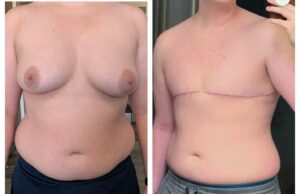
Before and After Transformations

Physical Changes

After chest masculinization surgery, individuals often notice significant differences in their physical appearance. The removal of breast tissue and excess skin results in a more traditionally masculine chest contour. Techniques like the concentric circle method or the use of grafts can correct contour deformities.

Patients typically see a reduction in the size of their areola as well, aligning it with male averages. These changes not only enhance the physical appearance but also improve body confidence.

Emotional Impact

The transformation goes beyond the physical. Achieving a chest that aligns with one’s gender identity has profound psychological benefits. It can lead to increased self-esteem and comfort in social situations. Many report feeling a sense of wholeness for the first time in their lives.

Personalized Results

It’s vital to remember that results are personalized. They depend on factors like skin elasticity, body shape, and age. While younger patients may experience quicker skin retraction, older individuals might see subtle differences over time.

e may require revision surgeries to address issues like asymmetry or to refine the aesthetic outcome. Yet, these adjustments are part of the journey toward achieving personal satisfaction with one’s body.

non binary top surgery

Aligning Appearance with Identity

Surgical Precision

Chest masculinization surgery tailors the chest to match a person’s gender identity. Surgeons consider body type and desired contour, ensuring the chest appears natural. They strategically place incisions to minimize visible scarring.

This process involves removing breast tissue and reshaping the chest. Surgeons focus on creating a masculine chest that aligns with the individual’s body frame. The goal is to achieve a flat, contoured appearance that boosts confidence.

Emotional Impact

The transformation has profound emotional benefits. It often leads to increased self-esteem and confidence. Individuals report feeling more comfortable in their skin, which significantly improves their quality of life.

They experience a sense of congruence between their physical appearance and gender identity. This alignment is crucial for mental health and well-being. It also fosters greater societal acceptance and support.

Community Support

Support from groups plays a vital role in the transition journey. Sharing experiences with others who have undergone similar surgeries can provide invaluable insights and encouragement.

These groups offer advice on managing expectations and dealing with post-surgical care. They also discuss how to handle societal reactions and foster a supportive environment for everyone involved.

Making an Informed Decision

Research Thoroughly

Before deciding on chest masculinization surgery, it’s crucial to conduct thorough research. This involves not just understanding the procedure itself but also knowing what to expect during recovery and the potential risks involved. Patients should seek out experienced surgeons who specialize in this type of surgery. They can provide valuable insights into the process and help set realistic expectations.

Patients often find satisfaction in gaining control over their appearance, aligning it more closely with their identity. However, achieving the desired results requires clear communication with a surgeon about one’s goals and concerns.

Set Expectations

Setting realistic expectations is essential for patient satisfaction. Individuals considering this surgery should understand that results vary based on several factors, including body shape and healing capabilities. Discussions on nipple placement and size are also critical as they significantly impact the overall appearance post-surgery.

Statistical analysis, like logistic regression, has shown a high level of satisfaction among patients who had clear expectations before undergoing the procedure. Satisfaction rankings often correlate with how well the final results matched initial discussions with surgeons.

Seek Support

Engaging with peers who have undergone similar surgeries can be incredibly beneficial. They offer practical advice and emotional support, which can be invaluable during the decision-making process and recovery period. Various forums and support groups provide platforms for sharing experiences and tips on navigating pre and post-surgery challenges.

Final Remarks

Chest masculinization surgery marks a pivotal step in aligning your external appearance with your true identity. It’s not just about the physical transformation; it’s about embracing who you are and living life with confidence. From understanding the eligibility criteria to navigating the recovery journey, every piece of information shared here aims to empower you to make informed decisions. Remember, it’s your body, your choice, and your journey. Risks and considerations are part of the process, but knowing what to expect and how to care for yourself post-surgery can make all the difference.

If you’re contemplating this life-changing procedure, take a moment to reflect on how far you’ve come in your journey. Seek out professional advice, connect with those who’ve walked this path before you, and never underestimate the power of aligning your appearance with your identity. Ready to take the next step? Reach out to a trusted healthcare provider today and explore what chest masculinization surgery can do for you.

Frequently Asked Questions

What is chest masculinization surgery?

Chest masculinization surgery is a procedure designed to remove breast tissue and contour the chest to align with a more traditionally masculine appearance. It’s often sought by transgender men and non-binary individuals looking to match their physical appearance with their gender identity.

Who is eligible for masculinization surgery?

Individuals in good overall health, with a stable weight, and who experience discomfort or dysphoria related to the appearance of their chest may be eligible. A consultation with a qualified surgeon is necessary to determine specific eligibility based on personal health and goals.

What does the procedure involve?

The surgery typically involves removing breast tissue and excess skin, then reshaping and repositioning the remaining tissue and nipples to achieve a more masculine chest contour. Techniques vary depending on individual factors like chest size and desired outcome.

What are the risks of masculinization surgery?

Like any surgical procedure, risks include infection, bleeding, scarring, and dissatisfaction with results. Specific risks related to this surgery can include loss of nipple sensation or asymmetry. Choosing a skilled surgeon can minimize these risks.

How long is recovery after masculinization surgery?

Recovery timelines vary; however, most patients can return to light activities within 2-4 weeks. Full recovery and final results might take several months. Following your surgeon’s post-operative care instructions is crucial for a smooth recovery.

Can I see before and after photos of masculinization surgery?

Yes, during your consultation, your surgeon can provide before and after photos of previous patients. This can help set realistic expectations for your own results. Remember that every individual’s body responds differently to surgery.

How do I make an informed decision about undergoing masculinization surgery?

Researching credible sources, consulting with experienced surgeons who specialize in transgender surgeries, and considering how the procedure aligns with your personal goals are key steps. Emotional readiness and understanding potential outcomes are also important factors in making an informed decision.

The Price of Definition: Understanding Jaw Liposuction Cost

Understanding Jaw Liposuction

Jaw Definition

Jaw liposuction is a cosmetic procedure aimed at removing excess fat from the lower face to sharpen and define the jawline. It offers a solution for those seeking a more sculpted appearance without major surgery.

This procedure targets the area under the chin and along the jaw, where stubborn fat often accumulates. By carefully extracting these fat cells, surgeons enhance facial contours, resulting in a slimmer, more defined jawline.

Key Differences

Unlike other facial cosmetic surgeries, jaw liposuction focuses specifically on fat removal rather than altering bone structure or skin tightness. This distinction makes it less invasive and requires shorter recovery times.

It differs from procedures like facelifts or chin implants that reshape or add volume. Jaw liposuction zeroes in on fat reduction, making it an excellent option for individuals with good skin elasticity looking for subtle yet impactful changes.

Popularity Surge

The desire for a defined jawline has surged in our selfie-driven society. Social media platforms have amplified the value of having sharp facial features, making jaw liposuction increasingly popular among both men and women.

This trend reflects a broader shift towards minimally invasive cosmetic procedures that offer significant aesthetic improvements with minimal downtime. As such, many are turning to jaw liposuction as a quick way to achieve their ideal facial silhouette.

Factors Influencing Jaw Liposuction Cost

Surgeon Experience

The expertise of your surgeon plays a significant role in determining the cost of jaw liposuction. For instance, a renowned specialist like Dr. Patel, known for his extensive practice, may charge more due to his proven track record of successful procedures.

Patients often find that paying extra for an experienced surgeon is worth the investment. This choice can lead to better results and fewer complications.

Location & Facility

The geographical location and the facility where the procedure takes place also significantly impact the price. Major cities with high living costs tend to have higher rates for cosmetic surgeries, including jaw liposuction.

Moreover, opting for a procedure in a state-of-the-art facility may increase the overall amount you spend. These facilities offer advanced technology and better care, contributing to higher fees.

Anesthesia Choice

Anesthesia choice is another factor that affects jaw liposuction cost. Patients have the option to stay awake during the procedure, which can be less expensive than undergoing general anesthesia.

Choosing local anesthesia not only reduces the price but also lowers the risk associated with general anesthesia. However, this decision should be made after consulting with your healthcare provider about what’s best for your specific case.

Estimated Cost Range for Jaw Liposuction

Average Cost

The average cost of jaw liposuction typically hovers around $3,000. This figure represents a starting point for those considering the procedure to enhance their chin and jawline. It’s important to remember that this cost can vary depending on several factors discussed earlier.

Patients should consider this as an investment in their appearance. The precise contouring it offers can significantly boost one’s confidence.

Cost Comparison

Comparing jaw liposuction to other treatments reveals its value. For instance, Kybella, an injectable treatment for reducing fat under the chin, often requires multiple sessions. Each session can cost up to $1,200 or more.

Over time, Kybella might surpass the initial investment in liposuction. This makes liposuction a cost-effective choice for long-term satisfaction.

Additional Costs

However, potential patients must be aware of additional costs that could arise. The complexity of one’s case might necessitate extra procedures or follow-up care, adding to the final bill.

These additional expenses could include anesthesia fees, facility costs, and post-procedure garments. Consulting with a surgeon will provide a clearer picture of these potential costs.

Benefits and Risks of Jaw Liposuction

Improved Definition

Improved jawline definition is a significant benefit. This procedure removes excess fat, resulting in a more sculpted look. Many find this worth it for the confidence boost alone.

Patients often report better results than non-surgical alternatives. These treatments might not reach the same level of definition that surgery can offer.

Quick Recovery

The recovery period is surprisingly quick. Thanks to small incisions used in the procedure, patients experience minimal scarring. This aspect makes jaw liposuction an attractive option for those concerned about visible signs of surgery.

Most people return to their normal activities within days. They appreciate the swift return to daily life without a lengthy downtime.

Potential Risks

However, there are risks involved. Swelling and bruising are common post-operation but typically subside within a week or two.

There’s also a minimal chance of nerve injury. It’s rare but can lead to temporary numbness or sensitivity in the treated area.

Despite these risks, many consider the procedure worth it for the aesthetic benefits and confidence boost it provides.

Ideal Candidates for Jaw Liposuction

Skin Elasticity

Good skin elasticity is crucial for jaw liposuction. Ideal candidates have skin that can bounce back after the removal of fat deposits. This ensures a smooth, contoured appearance post-surgery.

Patients with good skin elasticity typically see better results. Their skin adjusts well to the new facial contours. Those with loose skin might not achieve the desired effect.

Fat Distribution

A defined jawline often hides under excess fat in the neck region and along the jawline. The best candidates have localized fat deposits in these areas.

Doctors look for patients whose facial features will be enhanced by removing this excess fat. A well-defined neckline and jawline are usually the goals.

Health Status

Candidates should be in good general health. This minimizes surgical risks and promotes quick recovery.

Being close to ideal weight is important too. Major weight fluctuations can affect the surgery’s outcome.

Realistic Expectations

Understanding what jaw liposuction can and cannot do is vital. It sculpts the face but doesn’t drastically change one’s looks.

Patients with realistic expectations are more satisfied with their results. They understand that while changes will be noticeable, they won’t alter their fundamental appearance.

womans jaw low angle royalty free image 1634140929

Non-Surgical Alternatives to Jaw Liposuction

Kybella Treatment

Kybella offers a non-surgical route for those aiming to diminish the appearance of a double chin. It involves injections that target and break down fat cells under the chin. Unlike jaw liposuction, Kybella doesn’t require incisions or general anesthesia.

However, it typically demands multiple sessions to achieve desired results. Also, it’s effective mainly against central fat deposits, potentially leaving peripheral areas unchanged.

CoolSculpting Option

CoolSculpting stands out as another non-invasive method focusing on freezing unwanted fat cells around the chin. This option avoids the need for local anesthesia or small incisions seen in traditional liposuction.

Yet, similar to Kybella, CoolSculpting often necessitates several treatments. It may also lead to side effects like temporary pain and swelling. Moreover, its effectiveness is limited to specific areas, making it less versatile than surgical options.

Comparative Drawbacks

Both Kybella and CoolSculpting present unique advantages but come with their own set of limitations. They might not cater to all individuals seeking fat removal from the jaw area due to their focus on central fat only. the cost can surpass that of surgical alternatives when factoring in the number of sessions required. Side effects such as discomfort and swelling further underscore the need for careful consideration.

Jaw Liposuction Procedure Explained

Surgical Process

The jaw liposuction procedure begins with small, strategically placed incisions. These incisions are usually hidden in natural skin creases or inside the mouth to ensure they’re as invisible as possible post-recovery. Dr. Patel, a renowned surgeon in this field, employs a specialized technique that not only removes excess fat but also tightens the skin.

He uses a thin tube called a cannula to carefully suction out fat from the jawline and chin area. This process is meticulous, aiming for precise contouring of the jawline. The entire procedure typically lasts between one to two hours, depending on the extent of fat removal required.

Skin Tightening Technique

Dr. Patel’s unique approach includes an advanced skin tightening technique immediately following fat removal. This step is crucial for achieving a more defined jawline and preventing skin sagging after the procedure. It involves using controlled heat to stimulate collagen production, leading to firmer, more youthful-looking skin.

Minimal Invasiveness

Jaw liposuction targets specific areas under the chin and around the jawline for fat removal. Its goal is minimal invasiveness with significant aesthetic benefits. Compared to non-surgical alternatives discussed earlier, this surgical option provides more dramatic and long-lasting results.

Recovery Process After Jaw Liposuction

Immediate Steps

After undergoing jaw liposuction, patients must follow specific post-operative steps. They often need to wear a compression bandage around the treatment area. This helps reduce swelling and supports the healing process.

Patients may experience some pain, but doctors usually prescribe medication to manage it. It’s crucial for recovery.

Recovery Timeline

The first few days post-surgery are critical for monitoring changes in the treatment area. Swelling and bruising are common, but they start to subside within a week.

Most patients can return to work after a few days, depending on their job’s physical demands. However, strenuous activities should be avoided for at least two weeks.

Stitches, if any, are typically removed within a week.

Final Results

Seeing the final results of jaw liposuction requires patience. While there will be noticeable improvement after the swelling reduces, the true outcome emerges gradually over a month.

Patients should closely follow their surgeon’s advice during this period to ensure optimal healing and results.

Summary

Jaw liposuction offers a transformative path for those seeking a more defined jawline, but it’s not a one-size-fits-all solution. Your journey begins with understanding the procedure, its costs, benefits, risks, and identifying whether you’re an ideal candidate. Costs vary widely based on factors like location and surgeon expertise, so it’s crucial to weigh these alongside potential risks and benefits. Remember, non-surgical alternatives also exist if you’re hesitant about going under the knife. Recovery is part of the process, demanding patience and care to achieve the best results.

Choosing to pursue jaw liposuction or any of its alternatives is a big decision. Armed with knowledge from this article, you’re better positioned to make an informed choice that aligns with your aesthetic goals and budget. Ready to take the next step? Consult with a certified plastic surgeon to explore your options further and embark on your journey towards achieving the look you desire.

Frequently Asked Questions

What is jaw liposuction?

Jaw liposuction is a cosmetic surgical procedure aimed at removing excess fat from the jawline and under the chin to create a more defined facial contour.

How much does jaw liposuction cost?

The cost of jaw liposuction can vary widely, typically ranging from $2,500 to $5,000, depending on factors like the surgeon’s experience and geographic location.

Who is an ideal candidate for jaw liposuction?

Ideal candidates are those with good skin elasticity, within 30% of their ideal weight, non-smokers, and individuals looking for improved jawline definition without significant weight loss.

What are the main benefits of jaw liposuction?

Key benefits include a more sculpted and defined jawline, reduced appearance of a double chin, and potentially enhanced self-confidence due to improved facial aesthetics.

Are there any risks associated with jaw liposuction?

Yes, as with any surgical procedure, risks include infection, bleeding, numbness or changes in skin sensation, and dissatisfaction with cosmetic results.

Can I opt for non-surgical alternatives to jaw liposuction?

Yes, there are non-surgical alternatives such as Kybella injections for fat reduction under the chin or CoolSculpting that freezes fat cells. These options have different efficacy levels and recovery times compared to surgical liposuction.

What should I expect during the recovery process after jaw liposuction?

Recovery typically involves swelling and bruising for the first few weeks. Most patients can return to work within a few days but should avoid strenuous activities for up to two weeks.

Embrace Your True Self: Exploring Facial Feminization Surgery

Understanding Facial Gender Surgery

Surgery Goals

Facial feminization surgery (FFS) transforms masculine facial features to more feminine ones. It helps align one’s physical appearance with their gender identity.

This type of facial plastic surgery is not just about beauty. It’s a critical step for many in matching their outer self with their inner sense of identity. FFS can involve several procedures, targeting the forehead, jaw, cheeks, and eyebrows.

FFS vs Cosmetic Surgery

FFS differs from traditional cosmetic surgeries in its objectives. While cosmetic surgery aims to enhance general aesthetics, FFS focuses on altering facial features to reflect a feminine appearance.

The goal is not merely to beautify but to modify characteristics typically associated with cisgender males into those recognized as feminine. This distinction makes FFS a unique subset within the realm of plastic surgery.

Psychological Benefits

The impact of FFS on mental health cannot be overstated. For transgender and gender nonbinary individuals, having a face that mirrors their true self can be liberating.

It often leads to improved self-esteem and reduced gender dysphoria. Social interactions become less stressful when one’s appearance aligns with their gender identity. The psychological uplift from achieving congruence between mind and body is profound.

Initial Assessment for FFS

Surgeon Evaluation

A specialized surgeon is essential for a thorough initial assessment. They examine facial features to determine the best course of action. This step is crucial in tailoring the surgery to the individual’s needs.

Patients undergo a comprehensive evaluation. It includes health checks and discussions about expectations. The aim is to ensure safety and satisfaction with the outcomes.

Candidacy Criteria

Physical health stands as a primary criterion. Patients must be in good condition to undergo surgery.

Psychological readiness is equally important. Surgeons assess mental preparedness for the changes FFS brings. This ensures patients are making informed decisions about their bodies.

Surgical Planning

3D imaging plays a pivotal role in planning. It allows surgeons and patients to visualize potential outcomes before the procedure.

Consultations help in creating a personalized surgical plan. They address concerns and set realistic expectations for post-surgery results.

Preparing for Your Surgery

Physical Prep

Patients must take critical steps before undergoing facial feminization surgery. Quitting smoking is essential. Smoking can slow down healing and increase risks during surgery. Doctors often advise stopping smoking at least a few weeks before the procedure.

Adjusting medications is another crucial step. Some medicines can affect bleeding or interact with anesthesia. Patients should discuss all their medications with their doctor to ensure safety during and after surgery.

Support System

Arranging post-surgery support is vital. The recovery process can be challenging, and having someone to help around the house or provide emotional support makes a difference. Patients will also need reliable transportation from the hospital since driving won’t be an option immediately following the procedure.

Realistic Expectations

Setting realistic expectations is key to satisfaction with the outcome. Discussions with the surgical team about potential results are important. They can provide before-and-after photos of similar cases, helping patients understand what changes are possible.

Key FFS Procedures Explained

Forehead Contouring

Forehead contouring reshapes the brow bone. Surgeons often reduce its prominence, aligning it more with feminine facial proportions. This procedure can significantly soften the face’s appearance, making it a cornerstone of FFS.

Patients usually experience a smoother forehead transition post-surgery. It helps in achieving a softer, more typically feminine look.

Rhinoplasty

Rhinoplasty refines the nose shape. It’s tailored to create a more feminine appearance by possibly narrowing the nose or adjusting its tip and bridge. This surgery plays a crucial role in facial feminization, as the nose is central to the face’s symmetry.

A well-performed rhinoplasty can enhance facial harmony. It makes the overall facial features appear more delicate and traditionally feminine.

Jaw Contouring

Jaw contouring involves reshaping the jawline and chin. The goal is to achieve a narrower, softer jaw that aligns with feminine aesthetics. This procedure can dramatically alter one’s appearance towards their gender identity.

It often results in a more tapered jawline. Patients find this change boosts their confidence significantly.

Combining these procedures in one surgery session can offer a harmonious result. It ensures all facial features proportionately contribute to a feminized appearance. Surgeons recommend this approach for efficiency and cohesive aesthetics.

nose feminization

The Surgical Experience

Day of Surgery

On the day of facial feminization surgery, patients can expect a detailed and structured process. The surgical team will administer anesthesia to ensure comfort throughout the procedure. These surgeries vary in time but often last several hours, depending on the complexity and number of procedures being performed.

Patients should arrive at the surgical center well-prepared, having followed all pre-operative instructions given by their surgeon. This preparation includes fasting for a specific period before surgery and possibly taking certain medications.

Post-Operative Care

Immediately after surgery, patients will spend time in a recovery area under close observation by medical staff. The initial post-operative care is crucial for monitoring vital signs and managing any immediate discomfort with pain relief medications.

Patients typically stay in the hospital or surgical center for one to two days after their surgery. During this time, the surgical team provides instructions on caring for incisions, managing swelling, and when to return for follow-up appointments.

Following Instructions

It’s imperative that patients adhere to all pre and post-operative care instructions provided by their surgical team. This includes everything from medication schedules to activity restrictions. Following these guidelines not only ensures the best possible outcomes but also minimizes the risk of complications.

Proper communication with your surgeon about any concerns or unusual symptoms during recovery is key. Patient compliance with these instructions significantly impacts the healing process and final results.

Recovery and Aftercare Guidelines

Recovery Timeline

After undergoing facial feminization surgery, patients can expect a detailed recovery timeline. Most individuals are able to resume light activities within two weeks. However, returning to work might take slightly longer, typically around three weeks. This period allows the body to heal sufficiently and reduces the risk of complications.

Patients should follow their surgeon’s specific advice on gradually increasing activity levels. It’s crucial to avoid strenuous exercises for at least six weeks post-surgery. Such patience ensures a smoother recovery process.

Swelling and Pain

Managing post-surgical swelling and pain is a key part of the recovery process. Patients will likely experience significant swelling in the initial days following surgery. Applying cold compresses and keeping the head elevated can greatly reduce this discomfort.

For pain management, surgeons usually prescribe medication. It’s important to take these as directed to manage pain effectively. Over-the-counter pain relievers may also be recommended, but always consult your surgeon before adding any new medication.

Incision Care

Proper care of incisions is essential for preventing infection and ensuring optimal healing. Surgeons provide detailed instructions on how to clean and care for surgical sites. Typically, this involves gently cleaning with prescribed solutions and applying topical antibiotics if necessary.

Avoiding direct sunlight on healing incisions is also vital. Sun exposure can lead to scarring and should be minimized by wearing protective clothing or using high-SPF sunscreen.

Follow-Up Appointments

Scheduling follow-up appointments is crucial for monitoring recovery progress. These visits allow surgeons to address any concerns and ensure that healing is proceeding as expected. They also offer an opportunity to discuss any unexpected symptoms or issues with recovery.

Patients should attend all recommended follow-up appointments, even if they feel their recovery is going well. These check-ups are integral to achieving the best possible outcome from facial feminization surgery.

Risks and Complications

Infection Risk

Infections are a potential risk after facial feminization surgery (FFS). They can delay healing and affect the outcome. Choosing a reputable surgeon and following all post-operative care instructions are key to minimizing this risk.

Patients should watch for signs of infection, such as redness, swelling, or unusual discharge. Immediate medical attention can prevent complications.

Nerve Damage

Nerve damage during FFS can lead to loss of sensation or movement in affected areas. This is often temporary but can be permanent in rare cases.

Surgeons with extensive experience in FFS are less likely to cause nerve damage. Patients should discuss this risk before surgery.

Dissatisfaction

Not all patients are happy with their results. Expectations might not match the reality due to various factors like skin elasticity and bone structure.

Having realistic expectations is crucial. Surgeons usually provide simulations of expected outcomes during consultations. Sometimes, revision surgery is necessary to achieve desired results.

Swelling and Bleeding

Swelling and bleeding are common after any surgery, including FFS. These usually subside within a few weeks but can be alarming.

Adhering to recovery guidelines from the previous section helps manage these issues effectively. Elevated sleeping positions and avoiding strenuous activities reduce swelling and bleeding risks.

Achieving Desired Outcomes

Clear Communication

It’s crucial to discuss your aesthetic goals with the surgeon. This ensures they understand the results you’re aiming for. During your appointment, describe the features you wish to feminize.

Be specific about areas like forehead bossing or jaw structure. This helps tailor the approach to meet your expectations.

Realistic Expectations

Understand that results vary among individuals. Factors like bone structure and skin elasticity play roles. Setting realistic expectations is key to satisfaction with the outcome.

Remember, patience is vital during recovery days. It takes time for swelling to subside and reveal the final results.

Journey Perspective

View facial feminization surgery as a journey, not a quick fix. It’s a step towards aligning your appearance with your gender identity.

Celebrate each milestone in this transformative process. Support from friends, family, or support groups at a center can be invaluable.

Closing Thoughts

Facial feminization surgery (FFS) represents more than just a series of medical procedures; it’s a transformative journey towards aligning your outer self with your inner identity. From understanding the nuances of FFS, preparing for surgery, to navigating through recovery, each step is pivotal in achieving the desired outcomes. Risks and complications are part of the process, but with the right care and expert guidance, the path to rediscovering your true self can be smooth and fulfilling. Remember, choosing a skilled surgeon and following their aftercare guidelines are key to minimizing risks and maximizing satisfaction.

Your journey doesn’t end here. If you’re considering FFS or want to learn more about how it can change your life, reach out to a qualified professional. They can provide personalized advice tailored to your unique needs. Start your transformation today; embrace the journey towards a reflection that truly matches who you are inside.

Frequently Asked Questions

What is Facial Gender Surgery?

Facial Gender Surgery, or FFS, involves surgical procedures designed to alter facial features to align with one’s gender identity. It aims for a more feminine appearance.

How do I know if I’m a good candidate for FFS?

An initial assessment with a specialized surgeon will determine your suitability for FFS, focusing on your physical health and specific goals.

What should I do to prepare for FFS?

Preparation includes following your surgeon’s advice on medication adjustments, smoking cessation, and arranging for post-surgery care and recovery time.

What are the key procedures in FFS?

Key FFS procedures may include jaw contouring, rhinoplasty, forehead recontouring, and hairline adjustment to feminize facial features.

Can you describe the surgical experience?

The surgical experience varies but generally involves anesthesia, precise surgical modifications to feminine facial features, and close monitoring by medical staff throughout the procedure.

What does recovery from FFS involve?

Recovery involves following specific aftercare guidelines like rest, avoiding strenuous activities, and attending follow-up appointments for optimal healing.

What are the risks of FFS?

Risks can include infection, bleeding, scarring, and dissatisfaction with results. Discussing these with your surgeon pre-operation minimizes potential complications.

How can I ensure I achieve my desired outcomes from FFS?

Achieving desired outcomes requires clear communication with your surgeon about your goals, realistic expectations, and strict adherence to pre- and post-surgery instructions.

Breaking the Stigma: Exploring Male Breast Reduction Surgery

Understanding Gynecomastia

Hormonal Imbalances

Gynecomastia stems from hormonal imbalances. Specifically, it’s when estrogen levels rise or testosterone levels fall.

This imbalance can lead to the development of excess glandular tissue. Unlike typical fat, this tissue is denser and more difficult to lose through diet and exercise alone.

Psychological Impact

The psychological effects of gynecomastia are profound. Many men experience embarrassment and low self-esteem due to their enlarged breasts.

These feelings often lead to avoiding social situations or physical activities. It’s not just about appearance but how it affects one’s mental health too.

Glandular Tissue

Gynecomastia involves an increase in glandular tissue, not just fat. This distinguishes it from simple weight gain.

The presence of this tissue makes the condition more complex to treat. It often requires medical intervention rather than lifestyle changes alone.

Candidacy for Gynecomastia Surgery

Ideal Candidates

Men struggling with self-esteem issues due to enlarged breasts are prime candidates for male breast reduction surgery. This condition, known as gynecomastia, can make men feel self-conscious about their appearance. Those who find that their chest size negatively impacts their daily life may consider this plastic surgery option.

Gynecomastia surgery not only removes excess breast tissue but also addresses excess skin, resulting in a more traditionally masculine chest contour. Candidates should have stable weight since fluctuations can affect surgical outcomes.

Medical Evaluation

Before considering breast reduction surgery, it’s crucial to undergo a medical evaluation. Certain medications and recreational drugs can trigger gynecomastia. Identifying these factors is essential because changes in medication or lifestyle might reduce the need for surgery.

A thorough assessment by a cosmetic surgeon ensures that patients understand all aspects of the procedure, including potential risks and recovery expectations. The surgeon will examine the chest area, focusing on the breasts, nipple, and areola to determine the extent of excess tissue and skin.

Patient Satisfaction

Patients report high satisfaction rates post-gynecomastia surgery. The removal of excess breast tissue significantly improves their quality of life and body image. Many experience newfound confidence in social situations and personal relationships.

This positive impact underscores the importance of considering all factors before proceeding with surgery. A detailed consultation with a plastic surgeon helps set realistic expectations about the results.

Overview of Surgical Procedures

Liposuction Technique

Liposuction is a popular procedure for male breast reduction surgery. It involves the use of a tube, known as a cannula, to remove excess fat from the chest area. This technique is typically recommended for patients whose gynecomastia is primarily caused by fatty tissue.

The process starts with the patient receiving general anesthesia. The surgeon then makes small incisions and inserts the cannula to suction out fat. It’s less invasive, leading to quicker recovery times. However, it may not be suitable for all, especially those with significant skin excess or glandular tissue.

Excision Method

Excision is necessary when gynecomastia involves excess glandular tissue or skin. This procedure allows the medical practitioner to remove tissue directly and reposition the nipples if needed. It can address more severe cases effectively.

Patients again undergo general anesthesia. The surgeon makes larger cuts compared to liposuction to excise unwanted tissue and skin. This method may result in more noticeable scars, but it offers a comprehensive solution for those with considerable enlargement or sagging.

Decision Making

Choosing between liposuction, excision, or both depends on individual assessments by plastic surgeons. They consider the severity of gynecomastia, skin elasticity, and overall health. The goal is always to achieve a more masculine chest contour while minimizing complications.

Surgeons aim to improve both appearance and self-confidence through these surgeries. They provide detailed consultations to help patients understand which surgical option best suits their needs.

Liposuction Techniques Explained

Cannula Introduction

The liposuction process for treating gynecomastia starts with the use of a thin metal cannula. This tool is crucial in removing excess fatty tissue.

Surgeons make small incisions near the treatment area. They then insert the cannula to loosen and vacuum out unwanted fat. This technique is precise, targeting only fat without harming surrounding tissues.

Suitability Criteria

Liposuction shines in cases with mild to moderate excess fatty tissue. It’s less effective when significant skin laxity is present.

Patients should have realistic expectations about what liposuction can achieve. Those with minimal skin excess see the best results. If there’s a lot of loose skin, other procedures might be needed.

Recovery Advantages

One of the biggest benefits of liposuction is its minimal invasiveness. Compared to other surgical options for male breast reduction, it leads to quicker recovery times.

Patients usually return to work within a few days. Full physical activities can resume after a couple of weeks. This quick turnaround is a significant advantage for many.

download 1

Excision Methods in Detail

Glandular Tissue

For men with more severe cases of gynecomastia, excision becomes a crucial technique. This method directly targets the glandular breast tissue. Surgeons remove it through precise cuts.

The process is detailed. It involves carefully opening the skin to access and remove the problematic tissue. This approach is vital for those where liposuction isn’t enough.

Excess Skin

In cases with drooping breast envelopes, excision also addresses excess skin. Removing this skin tightens the area, creating a more defined chest contour.

Surgeons plan these incisions meticulously. They aim to leave behind the least visible scars possible. The skill of the surgeon plays a big role here.

Scar Placement

The placement of incisional scars is a significant concern for patients. The extent of gynecomastia influences this greatly.

Surgeons strive to position scars in less noticeable locations. They often use the natural contours of the body as guides. This careful planning helps minimize scar visibility post-surgery.

Combination Approaches Explored

Customized Results

For those seeking male breast reduction, combining liposuction with excision techniques can be a game-changer. This approach targets both fatty and glandular tissues, offering a more thorough correction.

Patients often find that this dual method not only improves their physical appearance but also boosts their self-confidence. By addressing the root causes of gynecomastia, such as excess skin laxity or the effects of certain drugs, this combination allows for a tailored treatment plan. It caters to the unique needs and goals of each person.

Comprehensive Correction

The combination of liposuction and excision is particularly beneficial for moderate to severe cases. It ensures that both the fatty deposits and glandular tissue are effectively removed.

This method stands out because it offers a comprehensive solution. It’s not just about reduction; it’s about sculpting the chest to achieve a natural, more aesthetically pleasing contour. Patients appreciate that their concerns are fully addressed, leading to better overall satisfaction with the results.

Moreover, by tackling the condition from multiple angles, the chances of achieving optimal outcomes increase significantly. The patient community values this approach for its ability to deliver customized results that reflect their individual desires and expectations.

Recovery Process and Tips

Recovery Timeline

The journey to recovery begins immediately after surgery. Most patients can return to desk jobs within 5-7 days. However, full recovery takes time.

Patients should expect gradual improvement over weeks. It’s crucial to follow the surgeon’s advice closely during this period.

Compression Vest

Wearing a compression vest is highly recommended for up to 6 weeks post-surgery. This vest plays a key role in reducing swelling and improving body contour.

It also helps with skin retraction and provides support to the surgical area, aiding in a smoother recovery process.

Activity Limitations

For the first 2 weeks, it’s essential to avoid physical activities that could stress the healing incisions. This includes sexual activity.

Such precautions ensure optimal healing and prevent complications. Patients should focus on gentle movements and gradually increase their activity level as advised by their healthcare provider.

Final Remarks

Male breast reduction surgery offers a transformative solution for those of you struggling with gynecomastia. By understanding the condition, evaluating your candidacy, and exploring the surgical options available, you’re taking significant steps toward reclaiming your confidence and comfort. The journey through liposuction, excision methods, or a combination approach, followed by a guided recovery, underscores the importance of making informed decisions with professional guidance. Your path to a more confident self is clearer now, equipped with knowledge on how to proceed.

Don’t let uncertainty hold you back. Reach out to a certified surgeon to discuss your specific needs and expectations. Remember, your journey towards a more comfortable body image starts with taking that first step. Make it today. Embrace the opportunity for change and let expertise guide you to the results you deserve.

Frequently Asked Questions

What is gynecomastia and who gets it?

Gynecomastia is a condition characterized by the enlargement of breast tissue in males, affecting both teenagers and adults due to hormonal imbalances, obesity, or certain medications. It’s common and can impact one or both breasts.

Am I a good candidate for gynecomastia surgery?

Ideal candidates are those experiencing physical discomfort or self-consciousness from enlarged breasts, have stable weight, and possess realistic expectations. Health conditions affecting surgery safety may disqualify some individuals.

What surgical procedures are available for male breast reduction?

Two primary methods are used: liposuction to remove excess fat and excision to remove excess glandular tissue. Often, a combination approach is employed for optimal results.

How does liposuction work in reducing male breasts?

Liposuction for gynecomastia involves inserting a small tube through tiny incisions to suction out excess fatty tissue, contouring the chest more masculinely.

Can you explain the excision method for treating gynecomastia?

Excision techniques involve surgically removing excess glandular tissue and skin to correct enlarged male breasts, often necessary when there’s significant glandular proliferation or sagging skin.

What should I expect during recovery from male breast reduction surgery?

Expect some soreness, swelling, and bruising initially. Recovery guidelines include wearing a compression garment, avoiding strenuous activities for several weeks, and following your surgeon’s advice closely for optimal healing.

Are the results of male breast reduction permanent?

Results are typically long-lasting if you maintain a stable weight and healthy lifestyle. However, significant weight gain, steroid use, or certain medical conditions could affect outcomes.

Safeguarding Beauty: Mohs Surgery on the Side of the Nose

Understanding Mohs Surgery

Mohs Basics

Mohs surgery stands as a precise surgical technique targeting skin cancer. This method meticulously removes cancerous cells layer by layer. Each layer undergoes microscopic examination. The process repeats until no cancer cells are detected.

Surgeons favor Mohs for its precision and high success rate. It’s especially useful for treating basal cell carcinoma and other skin cancers in sensitive areas, such as the nose.

Procedure Steps

The procedure begins with local anesthesia to numb the area. The surgeon then removes the visible cancer along with a thin layer of tissue surrounding it.

This tissue is immediately examined under a microscope. If cancer cells are present, the surgeon removes another layer. This cycle continues until the tissue shows no signs of cancer.

Advantages

Mohs surgery boasts several benefits for patients, particularly when dealing with skin cancer on the nose.

  • High cure rates: By examining each layer of tissue, surgeons ensure all cancer cells are removed.

  • Tissue-sparing: Only cancerous tissue is removed, preserving as much healthy tissue as possible.

These advantages make Mohs an optimal choice for treating skin cancers in cosmetically and functionally important areas like the nose.

Benefits of Mohs Surgery

High Success Rate

Mohs surgery boasts an impressive success rate for removing skin cancer cells. It meticulously examines each layer of skin removed during the procedure. This ensures that all cancerous cells are eradicated while preserving as much healthy tissue as possible.

Patients benefit from this precision, especially when dealing with basal cell carcinoma or squamous cell carcinoma on sensitive areas like the side of the nose. The technique’s accuracy significantly reduces the risk of cancer recurrence.

Minimal Scarring

Given its precise nature, Mohs surgery results in minimal scarring. This is particularly crucial for surgeries on the face, where cosmetic outcomes matter greatly.

Surgeons trained in Mohs techniques are skilled at removing cancer with the least amount of tissue, thereby reducing scar size. They often perform immediate post-Mohs reconstructive surgeries to enhance cosmetic results, ensuring scars blend seamlessly with surrounding skin.

Outpatient Procedure

Mohs surgery is typically performed on an outpatient basis using local anesthesia. This means patients can go home the same day of their surgery.

The use of local anesthesia not only makes the procedure safer by avoiding the risks associated with general anesthesia but also speeds up recovery time. Patients appreciate the convenience and comfort provided by undergoing treatment in a familiar, less intimidating environment compared to a hospital setting.

Procedure Details

Initial Examination

The process starts with a thorough examination of the affected area. Doctors assess the site on the side of the nose to determine the extent of cancerous tissue. This step is crucial for planning the surgery.

Patients receive local anesthesia, ensuring comfort throughout the procedure.

Tissue Removal

Surgeons remove thin layers of skin from the targeted area. They use precision to ensure only cancerous tissues are excised, preserving as much healthy skin as possible.

Each layer is immediately examined under a microscope. This allows for real-time analysis of cancer cells.

Mapping Technique

Advanced mapping techniques pinpoint exact locations of affected tissues. This method ensures surgeons target only necessary areas, reducing damage to surrounding skin.

The process repeats, removing layers until no cancer cells are detected. This approach minimizes the primary defect on the outer nose.

Reconstructive Surgery

In cases where large sections are removed, reconstructive surgery might be necessary.

Surgeons use techniques aligned with tension lines and pedicle flaps to restore appearance. They carefully consider the unique structure of each patient’s nose.

This stage aims to achieve optimal cosmetic results while maintaining functionality.

Risks of Mohs Surgery

Bleeding Risk

Bleeding is a common concern. It can happen during or after surgery. Most times, it’s minor and manageable.

Patients should monitor the site for excessive bleeding. Quick action can prevent complications.

Infection Chance

Infections are rare but possible. Signs include redness, swelling, and pain. Prompt treatment with antibiotics often resolves the issue.

Keeping the wound clean is crucial. It reduces infection risks significantly.

Cancer Recurrence

Though Mohs surgery has a high success rate, skin cancer can recur. The chance is lower than other treatments but not zero.

Regular check-ups help catch any recurrence early. Early detection increases treatment success.

Scarring Concerns

Scars are inevitable with any surgery on the skin. On the side of the nose, they may be more noticeable.

e patients may need corrective cosmetic procedures to improve appearance. Discussing expectations with your surgeon helps manage outcomes.

Surgeon Experience

The skill of the Mohs surgeon matters greatly. Experienced surgeons minimize risks like scarring and recurrence.

Researching and choosing a qualified surgeon is vital. It ensures the best possible results from your Mohs surgery.

Reconstructive Procedures

Skin Grafts

After Mohs surgery, especially on the nose, reconstructive surgery plays a crucial role. Surgeons may use skin grafts to cover surgical defects. This involves taking healthy skin from another body part and placing it over the wound.

Skin grafting helps restore appearance. However, its success depends on the graft’s size and location. Surgeons carefully select the donor site to match the skin tone and texture of the nose.

Flap Techniques

Another option is using flap techniques. This method involves moving skin, along with its underlying blood supply, from an adjacent area to cover the defect.

Flap techniques are preferred for larger or more complex defects. They offer a better match in color and texture. Plus, they maintain blood flow to the reconstructed area, promoting healing.

Timing of Surgery

The timing of reconstructive procedures can vary. Some patients undergo reconstruction immediately after Mohs surgery. Others might wait until the wound has healed partially.

Immediate reconstruction offers emotional benefits by reducing the time patients live with visible defects. Delayed reconstruction allows for thorough planning and can be beneficial in complex cases.

Mohs2 540619186

Healing and Recovery

Recovery Period

The recovery period after Mohs surgery is notably shorter than other cancer treatments due to its precision. Patients can expect the healing process to begin immediately, with most seeing significant progress within two to four weeks. This timeline varies depending on the surgery’s extent and the affected area’s size.

Healthy tissues around the wound start repairing soon after treatment, leading to quicker healing. It’s crucial for patients to follow their surgeon’s advice closely during this time.

Wound Care

Proper care of the wound is essential for a smooth recovery. Keeping the area clean and dry helps prevent infection and supports healthy skin regeneration. Patients should apply any prescribed ointments as directed and keep bandages fresh.

Avoiding strenuous activities that might stress the wound area is also vital. Such precautions ensure that repair mechanisms focus on regenerating healthy tissues without unnecessary interruptions.

Sun Protection

Post-surgery, protecting the healing skin from sun exposure is critical. UV rays can cause damage, leading to delays in recovery and increased scarring risk. Patients are advised to use high SPF sunscreen on the treated areas and wear protective clothing when outdoors.

This step not only aids in faster healing but also prevents further cancers by shielding vulnerable skin from harmful radiation.

Follow-Up Care

Regular follow-up appointments are key for monitoring recovery and detecting any signs of recurrence early. These check-ups allow doctors to assess how well the wound is healing and ensure no new lesions or tumors are developing.

Patients should report any pain, unusual changes, or concerns during these visits. Early detection of potential issues plays a crucial role in successful long-term outcomes post-Mohs surgery.

Suitability for Mohs Treatment

Cancer Type

Mohs surgery is ideal for basal and squamous cell carcinomas. These cancers often appear on the face, including the side of the nose. The procedure’s precision makes it a top choice for these types.

Doctors recommend Mohs for aggressive or recurrent cancers. It ensures complete removal while preserving healthy tissue.

Location Precision

The face demands careful treatment due to its functional and aesthetic importance. Mohs surgery is highly recommended here, especially on sensitive areas like the nose.

For cancers on the side of the nose, Mohs offers unmatched accuracy. This limits scarring and maintains nasal structure.

Tumor Size

Larger tumors pose a greater challenge. However, Mohs surgery can still be effective, particularly for lesions on the bridge of the nose.

Patients with extensive cancer may need additional reconstruction. Often, this involves using skin from a donor site, such as the medial cheek. This approach helps achieve a more natural look post-surgery.

Advantages Over Other Treatments

Cure Rates

Mohs surgery boasts higher cure rates compared to traditional excision methods. It targets skin cancer with precision, ensuring that cancer cells are removed thoroughly.

This method significantly reduces the chances of cancer returning. Many patients find peace in this fact, making Mohs a preferred treatment option.

Tissue Preservation

One key advantage is its ability to preserve more healthy tissue. This results in less scarring, a crucial factor for surgeries on visible areas like the side of the nose.

Mohs surgery removes cancer in thin layers. Each layer is examined under a microscope until only cancer-free tissue remains. This approach spares more healthy skin than other treatments.

Aesthetic Outcomes

The staged approach of Mohs surgery allows for complete cancer removal with minimal impact on appearance. Since the surgery is performed in thin layers and examined immediately, it ensures only the diseased tissue is targeted.

This method offers optimal cosmetic results, especially important in prominent locations such as the side of the nose. The use of local anesthesia and minimal tension during closure also contributes to smoother healing and better aesthetic outcomes.

Closing Thoughts

Mohs surgery on the side of your nose offers a precise and effective method to tackle skin cancer, ensuring the highest cure rates while preserving as much healthy tissue as possible. You’ve seen how its benefits stretch from accuracy in tumor removal to minimal scarring, making it a superior choice for many. Understanding the procedure, its risks, and the path to recovery helps you make an informed decision about your health care. It’s clear that Mohs surgery stands out for its effectiveness and advantages over other treatments, emphasizing its role in not just treating but also in significantly improving the quality of life for those affected by skin cancer.

If you or someone you know is considering options for skin cancer treatment, remember that knowledge is power. Consult with a specialized dermatologist to see if Mohs surgery is right for you. Your health is paramount; choosing the right treatment can make all the difference. Take that step towards a healthier future today.

Frequently Asked Questions

What is Mohs surgery?

Mohs surgery is a highly effective skin cancer treatment, particularly for basal and squamous cell carcinomas, that meticulously removes cancerous tissue layer by layer while preserving healthy tissue.

How long does the healing process take after Mohs surgery on the side of the nose?

Healing time varies per individual but generally takes 4 to 6 weeks for initial recovery. Full healing, especially cosmetic, may take up to a year.

What are the benefits of choosing Mohs surgery over other treatments?

Mohs surgery offers a high cure rate, minimal scarring, and preservation of healthy tissue, making it superior for treating skin cancers in sensitive areas like the nose.

Can anyone undergo Mohs surgery?

Mohs surgery is most suitable for treating non-melanoma skin cancers located in areas where preserving cosmetic appearance and function is important. A consultation with a dermatologist can determine suitability.

What risks are associated with Mohs surgery on the side of the nose?

Risks include infection, bleeding, scarring, and rare chances of cancer recurrence. However, complications are generally minimal compared to other surgical methods.

Is reconstructive surgery always required after Mohs surgery on the nose?

Not always. The need for reconstructive procedures depends on the size and location of the removed tissue. Some cases heal naturally or with minor interventions.

How does Mohs surgery compare to traditional excisional surgeries?

Mohs offers higher precision in removing only cancerous cells with real-time examination, leading to better cosmetic outcomes and lower recurrence rates than traditional excisional surgeries.

Beyond Survival: Reclaiming Femininity with Reconstructive Breast Surgery

Understanding Mastectomy and Reconstruction

Mastectomy Necessity

Mastectomy involves the removal of one or both breasts, partially or entirely, including the areola and possibly chest muscle, often followed by reconstructive surgery or lymphatic surgery. It is a crucial step for many breast cancer patients in eliminating cancerous tissues through lymphatic surgery, radiation therapy, and reconstructive surgery on the breasts. This procedure can vary from removing a small portion of the breast to taking away the whole breast, depending on the cancer’s extent, and may involve preserving the mastectomy skin envelope, lymphatic surgery, and radiation therapy.

Doctors recommend mastectomy, involving the removal of the entire breast tissue, based on the cancer type, stage, and patient’s health, and may discuss options like immediate breast reconstruction or breast reduction. The goal is to remove all cancer cells with radiation therapy and reduce the risk of recurrence by considering breast reduction or removing the entire breast within the mastectomy skin envelope. For some, mastectomy offers peace of mind by significantly lowering future cancer risks.

Reconstruction Process

Breast reconstruction, often for a woman after mastectomy and possibly radiation therapy, follows to rebuild the breast’s shape and size, including the chest muscle and areola. Surgeons often use implants or tissue from other body parts, including muscle, to create a new breast on a woman’s chest, especially after radiation therapy. This process can start immediately after mastectomy or be delayed until after additional cancer treatments, such as radiation therapy, to ensure the woman receives proper care for her breast tissue.

The reconstruction aims for symmetry with the remaining natural breast, if present, on a woman’s chest, aiming to look natural even after radiation therapy. Techniques like creating a mastectomy skin envelope for a woman’s chest, after radiation therapy and considering breast cancer recurrence, help in achieving a more natural look. Patients typically undergo several surgeries over months, including muscle care and radiation therapy, to complete the reconstruction after breast cancer recurrence.

Psychological Benefits

Reconstruction post-mastectomy has profound psychological benefits. It helps many women, affected by breast cancer and radiation therapy, regain their self-esteem and body image, which can be severely impacted by mastectomy, and look after their care. Feeling whole again, with the help of care, contributes significantly to emotional recovery and overall well-being for women at risk.

The physical benefits are equally important. Reconstruction restores body symmetry and allows clothes to fit better, enhancing physical comfort, care, and appearance, helping to improve size and look. Together, these benefits, including care and help during radiation therapy, support a positive outlook during recovery and beyond, minimizing risk.

Exploring Breast Reconstruction Benefits

Body Image

Breast reconstruction can significantly help enhance a woman’s body image and self-esteem after breast cancer surgery, including those who have undergone radiation therapy, making them look and feel better. By restoring the breast’s shape, look, and appearance after radiation therapy, many women feel a sense of wholeness again, which can help mitigate the risk of psychological distress. They no longer look at the scars as a reminder of their battle but as a mark of their victory, helping women see the risk they overcame.

Reconstruction offers the chance to rebuild not just the physical aspect but also the emotional well-being, allowing women at risk to look and feel better. It helps in mitigating feelings of loss or deformity that some women experience post-mastectomy, reducing the risk of radiation damage and improving the look and muscle tone.

Recovery Process

Breast reconstruction plays a critical role in the overall recovery and healing process for women, helping to reduce risk, rebuild muscle, and improve the look. It is not merely about aesthetics; it’s about healing completely, reducing the risk, and improving the look for women. For many women, having a reconstructed breast or breasts is an important step towards feeling and looking normal again.

This procedure can be performed immediately after mastectomy, which many women find helpful for psychological and physical recovery, and to help them look and feel like themselves again. Immediate breast reconstruction for women minimizes the number of surgeries and anesthesia exposure, potentially making the healing journey smoother and helping them look and feel their best.

Personal Choice

Opting for breast reconstruction is deeply personal. The decision to undergo this procedure should be based on individual preference, health status, and life circumstances, with a look at how it particularly impacts women. Every woman has the right to choose what feels best for her body and future.

Insurance coverage under the Cancer Rights Act has made breast reconstruction accessible for more women, ensuring that financial constraints do not hinder this choice. However, it’s crucial to weigh pros and cons, including potential risks and side effects, for women.

Overview of Reconstruction Surgery Types

Immediate vs. Delayed

Choosing between immediate and delayed reconstruction can be tough. Immediate reconstruction occurs during the same surgery as the mastectomy for women. It offers women a quicker path to physical recovery and may improve psychological outcomes. However, it’s not for everyone. Delayed reconstruction is performed months or years after the mastectomy for women. This option allows more time for wound healing and consideration of different reconstructive options.

Immediate reconstruction streamlines the process for women, combining cancer removal and breast rebuilding in one operation. It reduces overall recovery time but might not be suitable for women if additional treatments like radiation are needed.

Delayed reconstruction provides flexibility in decision-making. It also gives women’s bodies ample time to recover from cancer treatment before undergoing another surgery.

Implant-Based vs. Autologous

Implant-based reconstruction uses silicone or saline implants to reshape the breast for women. It’s less invasive with a shorter recovery period but might not achieve as natural a look or feel as tissue-based methods for women.

Autologous tissue reconstruction involves using the patient’s own tissue from another part of the body, such as the abdomen or back, to rebuild the breast for women. This method tends to result in a more natural appearance but comes with a longer recovery period and potential for more significant scarring.

Acellular Dermal Matrix

The use of acellular dermal matrix (ADM) has revolutionized implant-based reconstructions for women. ADM acts as a scaffold that supports the implant, promoting better integration with the body and improving aesthetic outcomes for women.

nurses patients care procedures

Flap Reconstruction Insights

Tissue Sources

Flap reconstruction uses women patient’s own tissue to rebuild the breast. The abdomen and back are common sources.

Surgeons often take skin, fat, and sometimes muscle from these areas. This helps create a natural feel and look. It can take time for sensation to return in the reconstructed area.

Flap Types

There are two main flap types: pedicled and free flaps.

Pedicled flaps remain attached to their original blood supply. They’re tunneled under the skin to the chest wall. Free flaps, however, are completely detached and reattached at the chest site. This requires microsurgery to connect blood vessels.

Potential Complications

Flap reconstructions carry risks like necrosis and blood clots.

Necrosis happens when tissue doesn’t receive enough blood flow after surgery. Blood clots can also form, posing serious health risks. These complications may result in additional surgeries or treatments.

Patients might experience weakness in the donor site area. Scars are inevitable but vary in severity between cases. Surgeons aim to minimize scar visibility for better results.

Implant Reconstruction Options

Two-Stage Process

Implant-based reconstruction often involves a two-stage process. Initially, surgeons insert tissue expanders beneath the chest muscles. These expanders gradually stretch the skin to make room for the final implant. After achieving the desired expansion, surgeons replace them with the final implants. This method allows for a more controlled and gradual breast shape restoration.

Patients typically experience a recovery period after each stage. They must closely monitor for signs of infection or complications at the donor site.

Radiation Considerations

Radiation therapy impacts implant reconstruction suitability. It can alter skin quality, making it less ideal for stretching or holding implants securely in place. Consequently, patients who have undergone radiation may face challenges with immediate reconstruction options.

Surgeons might recommend delayed reconstruction or alternative methods like fat grafting to improve outcomes for these candidates.

Common Complications

Implant reconstructions come with potential complications. Infection and implant rupture are among the most common issues patients face. There’s a rare risk of developing Anaplastic Large Cell Lymphoma (ALCL), a cancer affecting cells around the implant.

Federal law mandates that all candidates be informed about these risks before proceeding with any implant reconstruction options.

Oncoplastic Surgery After Lumpectomy

Surgery Goals

Oncoplastic surgery aims to combine cancer removal with cosmetic reconstruction. It follows a lumpectomy, where only the cancerous part of the breast is removed. This approach helps maintain the breast’s appearance while ensuring all cancer cells are gone.

Patients benefit from this technique as it reduces the need for more invasive procedures later. It focuses on removing cancer and reshaping the breast simultaneously.

Technique Integration

Oncoplastic surgery blends cancer surgery principles with plastic surgery techniques. Surgeons carefully remove the tumor, then use advanced methods to reconstruct the breast’s shape. This may involve reshaping surrounding tissue or adding material from another body part, like the inner thigh.

This method ensures minimal scarring and a more natural breast contour post-surgery. It also allows for better outcomes after radiation therapy, which some patients undergo following surgery to prevent breast cancer recurrence.

Benefits Highlighted

The benefits of oncoplastic surgery are significant. Patients enjoy a preserved breast appearance without compromising on cancer removal effectiveness. They face lower risks of needing corrective surgeries at a later time.

Moreover, this approach can improve psychological wellbeing by maintaining body image and self-esteem post-cancer treatment. It represents a holistic approach to treating breast cancer, addressing both physical and emotional health aspects.

Nipple Reconstruction Techniques

Tattooing Method

Tattooing offers a non-invasive way to recreate the nipple’s appearance. It involves injecting pigment into the skin to mimic the color of the areola. This method does not involve surgery, making it a popular choice for those who wish to avoid additional operations.

The process is relatively quick and can significantly improve the breast’s appearance. However, it lacks the physical texture of a real nipple.

Grafting Technique

Grafting uses tissue from another part of the body to construct a new nipple. Surgeons often use fatty tissue and skin from areas like the inner thigh or abdomen. This technique creates a more realistic-looking nipple in terms of both color and projection.

It requires careful planning to ensure blood vessels and nerves integrate well with the transplanted tissue. The success of this method heavily relies on the patient’s healing ability and whether they have habits, like smoking, that could impair recovery.

Psychological Impact

Nipple reconstruction plays a crucial role in restoring not just physical appearance but also emotional well-being. It marks the final step in breast rebuilding after cancer treatment, offering closure and helping survivors regain their sense of normalcy.

Patients report feeling more confident and comfortable with their bodies post-reconstruction. The ability to see a natural-looking breast when they look in the mirror can be profoundly healing.

Choosing the Right Surgery Type

Consultation Importance

Individualized consultation with surgeons is crucial. They assess your unique situation to recommend the best reconstruction method. This step ensures that your needs and goals align with the surgical approach.

Patients should discuss their expectations openly. Surgeons can then tailor their advice, considering health status, body type, and personal desires.

Implant vs Autologous

Choosing between implant-based and autologous tissue reconstruction involves several factors. Health plans often cover both types, but each has distinct advantages and surgical risks.

Implant surgeries are less invasive with a shorter hospital stay. However, they might not suit patients at high risk or those desiring a more natural feel.

Autologous reconstructions use tissue from areas like the abdomen. They offer a more natural look but involve longer recovery and higher complexity.

Personal Factors

Your health status plays a significant role in determining the suitable type of reconstruction. Those in good health are generally good candidates for either method.

Body weight and muscle condition also influence the decision. Soft tissue availability can dictate whether autologous surgery is viable.

Finally, personal preferences about size change or scars matter greatly. Some patients prefer minimal changes, while others may see this as an opportunity for change.

Closing Thoughts

Reconstructive breast surgery after cancer is a journey towards not just physical healing but also emotional recovery. You’ve explored the various options, from mastectomy reconstruction to oncoplastic surgery, each offering a path to reclaiming your body and sense of self. Choosing the right type of surgery is crucial, and armed with this knowledge, you’re now better positioned to make an informed decision that aligns with your health goals and personal preferences.

Remember, the journey doesn’t end with choosing a surgery type. It’s about continuous care and support through your recovery process. Reach out to your healthcare team, connect with support groups, and never hesitate to ask questions or express concerns. Your resilience shines through this decision to pursue reconstruction, marking a step forward in embracing your body and its changes. Let’s take this step together—towards healing, confidence, and a new chapter in your life.

Frequently Asked Questions

What is reconstructive breast surgery after cancer?

Reconstructive breast surgery is a procedure to restore the shape and appearance of the breast following mastectomy or lumpectomy due to cancer. It can involve various techniques, including flap reconstruction, implant insertion, or oncoplastic surgery.

What are the benefits of breast reconstruction?

Breast reconstruction can help restore body image and self-esteem for many women post-cancer treatment. It offers psychological and aesthetic benefits, allowing patients to feel more comfortable in their skin and regain a sense of normalcy.

What types of breast reconstruction surgeries are available?

There are mainly two types: flap reconstruction, which uses tissue from another part of your body, and implant reconstruction that involves inserting a silicone or saline implant. Oncoplastic surgery combines tumor removal with cosmetic surgery techniques.

How does flap reconstruction differ from implant reconstruction?

Flap reconstruction uses your own tissue from areas like the abdomen or back to rebuild the breast shape, offering a more natural look and feel. Implant reconstruction involves placing a silicone or saline implant under the skin or muscle to form the breast shape.

Is nipple reconstruction possible after mastectomy?

Yes, nipple reconstruction is an option for those who wish to further restore the natural appearance of their breasts after mastectomy. Techniques vary but can include tattooing or surgical methods to recreate a nipple-like structure.

How do I choose the right type of reconstructive surgery?

Choosing the right type of reconstructive surgery depends on personal preferences, medical history, body shape, lifestyle factors, and consultation with your surgeon. Discussing options thoroughly with a specialist can help determine the best approach for your individual needs and goals.

Transform Your Appearance, Transform Your Life: Non-Surgical Nose Reshaping Benefits

Preparing for Nonsurgical Rhinoplasty

Choose Expert

Researching and selecting a qualified practitioner is crucial. Experience in non-surgical nose reshaping ensures safety and effectiveness.

It’s vital to look for professionals with a proven track record. They should have before-and-after photos of previous patients. This helps gauge their skill level.

Set Expectations

Understanding the limitations of nonsurgical rhinoplasty is key. It can improve nasal appearance but has its bounds.

Realistic expectations prevent disappointment. Discuss desired outcomes with your practitioner. They can clarify what’s achievable.

Medication Caution

Avoiding certain medications and supplements is necessary. Blood-thinning substances increase the risk of bruising or bleeding.

Stop taking aspirin, ibuprofen, and herbal supplements a week before the procedure. Consult your doctor for advice on this matter.

Understanding the Rhinoplasty Process

Dermal Fillers

Dermal fillers play a key role in nose reshaping without surgery. They are safe and effective. Most importantly, they offer a temporary solution for those hesitant about permanent changes. Hyaluronic acid-based fillers, like Juvederm and Restylane, are popular choices. They can correct asymmetries and smooth out bumps with minimal risk.

Fillers get absorbed over time, lasting between six to eighteen months. This temporary nature allows adjustments or a return to the original nose shape if desired.

Consultation Process

The consultation is crucial in the nonsurgical rhinoplasty journey. Here, practitioners assess your nasal structure and discuss what you hope to achieve. They examine your nose from different angles to understand its unique contours.

This step ensures that both you and your practitioner have a clear vision of the expected outcomes. It establishes a mutual understanding, which is essential for satisfaction with the results.

Personalized Plan

Every nose is unique; thus, a personalized treatment plan is vital. It considers your nasal anatomy and aesthetic goals. The plan outlines the type of filler used, injection sites, and the amount needed to achieve desired results.

This tailored approach not only enhances safety but also ensures that the enhancements look natural. It aligns expectations with realistic outcomes, making it a critical component of the process.

During the Rhinoplasty Procedure

Quick Procedure

Expect a swift experience in the doctor’s office. Most non-surgical nose reshaping treatments take about 20 minutes. This is significantly shorter than surgical nose job procedures.

Patients often report minimal discomfort during the process. The quick duration and ease of procedure make it a preferred choice for many.

Pain Management

Doctors apply a topical anesthetic before starting. This step ensures that you feel minimal pain during filler injections.

The comfort of patients is paramount. Thus, the use of anesthetics makes the procedure more bearable.

Filler Placement

Achieving a natural look hinges on precise filler placement. Doctors aim for symmetry and proportionality in every injection.

This precision is crucial, especially when considering surgical revision rhinoplasty as an alternative. A skilled practitioner can make significant improvements without the need for surgery.

Post-Procedure Care and Recovery

Aftercare Instructions

Patients must follow specific aftercare instructions provided by their practitioner. This ensures optimal healing and results. It’s crucial for the patient to adhere to these guidelines closely.

Adhering to aftercare advice can significantly impact the recovery process. It helps avoid complications such as necrosis, which, although rare, is a serious concern. Practitioners will often provide detailed guidance on how to care for the reshaped nose.

Swelling and Bruising

Expect minor swelling or bruising after the procedure. These symptoms are normal and usually resolve within a week.

Patients should not be alarmed by this. It’s part of the body’s natural response to the treatment. If swelling or bruising persists beyond this period, consulting with your practitioner is advisable.

Activity Restrictions

Avoid strenuous activities post-procedure. Direct sunlight exposure should also be limited immediately following treatment.

These precautions help prevent complications and ensure a smoother recovery process. Patients find that taking it easy for a few days post-procedure can make a significant difference in their overall comfort and the outcome of their nose reshaping.

Benefits of Non-Surgical Reshaping

Minimal Downtime

Non-surgical nose reshaping allows patients to immediately return to their daily activities. Unlike surgical alternatives, this procedure requires no extensive recovery period. Patients appreciate the convenience and how it fits into busy schedules without significant interruption.

They can resume work or social engagements right after, with minimal restrictions. This aspect significantly enhances the appeal for those seeking improvement without the burden of a lengthy recovery.

Reversibility

One of the standout benefits is the reversibility and adjustability of results. If patients are not satisfied or wish for a different aesthetic outcome, adjustments can be made easily. This flexibility is not available with surgical rhinoplasty, making non-surgical options more appealing to those who value the ability to refine their look over time.

This feature offers peace of mind for patients experimenting with their appearance, knowing changes aren’t permanent.

Cost-Effectiveness

Compared to its surgical counterpart, non-surgical nose reshaping is more affordable. It presents a lower risk profile, making it an attractive option for individuals wary of surgery’s potential complications and high costs.

Patients benefit from achieving desired aesthetic improvements without draining their finances or exposing themselves to significant health risks. This balance between cost and safety makes non-surgical reshaping a compelling choice for many.

Correcting Flaws and Reshaping Tips

Nasal Bumps

Dermal fillers offer a quick solution to nasal bumps. These temporary gel fillers can smooth out indentations and minor asymmetries. By injecting them carefully, practitioners enhance facial symmetry without the need for surgery.

People notice changes immediately after the procedure. The effects last for months, sometimes even a year, depending on the type of filler used. This practice has grown popular for those seeking minor adjustments.

Reshaping Tips

Reshaping the nasal tip involves precise use of dermal fillers to improve its proportion with other facial features. Experts have developed techniques to subtly lift or extend the tip, offering a more balanced look.

This method requires expertise to ensure natural-looking results. The right amount of filler and strategic placement are crucial factors that influence the outcome. Patients often review before and after photos with their practitioner to set realistic expectations.

Straightening Nose

For a crooked nose, strategic filler placement can create an illusion of straightness. This approach corrects slight deviations that affect facial harmony.

It’s a careful process where practitioners consider various angles and lighting to achieve the best result. This technique has helped many people feel more confident about their appearance without undergoing invasive procedures.

rhinoplasty before and after

Longevity of Rhinoplasty Results

Duration Expectations

While nose reshaping without surgery offers a significant change, it’s vital to understand that results are not permanent. Typically, the effects last between 6 to 18 months. This variance depends largely on the type of filler used in the procedure.

Patients should anticipate the need for periodic maintenance. This is because the body gradually absorbs these fillers over time. To extend the longevity of your desired look, follow-up treatments are crucial. They can help maintain the shape and structure achieved from the initial procedure.

Maintenance Importance

Maintaining realistic expectations is key. Understanding that nose reshaping without surgery requires ongoing attention helps set achievable goals. It’s not a one-and-done deal but rather a journey with scheduled touch-ups.

Follow-up treatments can effectively prolong the results, making this non-surgical option appealing for many. However, they also mean additional visits to your specialist. Planning for these appointments is essential for anyone considering this method of nose reshaping.

Additional Advantages of Choosing Non-Surgical

Natural Look

Non-surgical nose reshaping offers a natural looking enhancement. It avoids the artificial appearance that surgery might create. Patients appreciate the subtlety of the results.

They can enjoy small changes that make a big difference in their appearance.

No Scars

This option leaves no surgical scars. The non-invasive nature is a significant advantage for many. It means less worry about post-procedure marks.

Patients face no lengthy recovery times associated with traditional surgery.

Low Risk

The risks and side effects are minimal compared to surgery. This makes it a welcome alternative for those concerned about potential complications.

It’s safer, with fewer concerns about infections or reactions.

Cost-Effective

Often, the cost is lower than surgical options. This makes it accessible to more people seeking improvement without financial strain.

They find it an appealing choice when budget constraints are a concern.

Psychological Benefits

Improved self-confidence comes from being happier with one’s appearance. This psychological benefit cannot be understated.

Patients report higher satisfaction levels and better mental health outcomes.

Final Remarks

Nose reshaping without surgery offers a compelling alternative for those of you seeking to enhance your appearance with minimal downtime and discomfort. From preparing for your nonsurgical rhinoplasty to understanding the process, caring for yourself post-procedure, and enjoying the lasting benefits, we’ve walked through each step to ensure you’re well-informed. This method not only corrects flaws but also boosts your confidence, with results that speak volumes about the advancements in cosmetic procedures today. The additional advantages, such as reduced risks and cost-effectiveness, make it an attractive option for many.

Now’s the time to take action. If you’re considering reshaping your nose without undergoing surgery, consult with a professional to explore how this procedure can meet your aesthetic goals. Remember, your journey towards a more confident you is just a consultation away. Dive in and discover the beauty of non-surgical nose reshaping today.

Frequently Asked Questions

What is nonsurgical rhinoplasty?

Nonsurgical rhinoplasty is a cosmetic procedure that reshapes the nose using injectable fillers, without the need for surgery. It’s a quick, less invasive alternative to traditional rhinoplasty.

How do I prepare for a nonsurgical nose job?

Preparation involves consulting with a qualified practitioner to discuss your goals and any potential risks. Avoiding certain medications and supplements that can increase bruising is also recommended.

What happens during the nonsurgical rhinoplasty procedure?

The procedure involves injecting dermal fillers into specific areas of the nose to alter its shape. It’s usually done under local anesthesia and takes less than an hour.

How long does recovery take after nonsurgical rhinoplasty?

Recovery is minimal, with most patients resuming normal activities immediately. There might be slight swelling or bruising that subsides within a few days.

What are the benefits of choosing non-surgical nose reshaping?

Benefits include no surgical risks, minimal recovery time, instant results, and the ability to adjust or reverse the procedure if desired.

Can nonsurgical rhinoplasty correct all nasal flaws?

While it’s effective for many aesthetic concerns like bumps, asymmetry, or a drooping tip, it cannot reduce nose size or correct internal structural issues.

How long do the results of a nonsurgical nose job last?

Results vary but typically last between 6 to 18 months, depending on the type of filler used and individual factors like metabolism.

Does Insurance Pay for Liposuction? Unveiling Coverage Facts

Understanding Reconstructive vs. Cosmetic Surgery

Reconstructive Surgery

Reconstructive surgery plays a critical role in correcting physical abnormalities, including those resulting from injury or cosmetic procedures, and in cases involving cosmetic surgeries. These could stem from congenital defects, trauma, or diseases. Its primary aim, especially in cosmetic surgeries and procedures like après plastic surgery, is to restore both function and appearance after an injury to as close to normal as possible.

Doctors often perform these surgeries, including après plastic surgery, in cases where people seek to improve their quality of life through these steps. They go beyond mere aesthetic enhancements. In some cases, reconstructive procedures can include liposuction. This is especially true when removing fat is part of the necessary steps for the reconstruction process after trauma or to correct certain medical conditions, especially in cases après plastic surgery.

Cosmetic Surgery

Cosmetic surgery, on the other hand, focuses mainly on enhancing a person’s appearance or a specific part for cosmetic reasons. Procedures under this category are elective and often not deemed medically necessary, forming part of the après plastic surgery routine for a person. Because they are pursued for aesthetic enhancement of a person’s body part, insurance companies typically do not cover these operations.

Liposuction is commonly categorized here as part of its popular use in sculpting and refining a person’s body shape. It’s a sought-after procedure in après plastic surgery scenarios where individuals seek to refine part of their bodies for personal satisfaction rather than medical need.

Insurance Implications

The distinction between reconstructive and cosmetic surgery, in part, has significant implications for a person’s insurance coverage. Insurance policies generally cover surgeries deemed medically necessary. Thus, if liposuction falls under the part of reconstructive efforts after an accident or due to a specific health condition for a person, there’s a possibility of coverage.

However, when performed for purely cosmetic reasons, patients will likely bear the full cost out-of-pocket as part of the financial responsibility. It’s crucial for individuals considering liposuction to consult with their doctor and insurance provider to understand where their procedure stands in this spectrum.

Exploring Types of Insurance

Coverage Variability

Insurance plans vary greatly. Each one comes with its own set of rules about what procedures are covered. This includes surgeries like liposuction. It’s crucial to understand that coverage depends heavily on whether a procedure is deemed medically necessary or purely cosmetic.

Most health insurance providers do not cover cosmetic surgery. However, if liposuction is part of a reconstructive surgery or deemed medically necessary, there might be exceptions. The line between reconstructive and cosmetic surgery can sometimes blur, making it essential to know your policy well.

Direct Communication

It’s vital to talk directly with your insurance provider. They can clarify what your specific plan covers regarding liposuction. Policies and coverage details can change, so getting the most current information is key.

This step cannot be overstated. Misunderstandings about coverage can lead to unexpected bills. Your insurance company’s customer service can provide detailed explanations about your benefits and any potential out-of-pocket costs for liposuction.

Professional Consultation

Consulting with a healthcare professional or an insurance administrator is wise. They can help navigate the complexities of insurance coverage for procedures like liposuction. They may also assist in preparing necessary documentation that proves the medical necessity of the procedure.

Professionals in these fields have experience dealing with insurance companies. They know how to present cases effectively to increase the chances of coverage approval.

Is Liposuction Covered by Health Insurance?

General Rule

Liposuction, a popular cosmetic procedure, usually does not fall under the coverage of health insurance. This is because it’s classified as elective cosmetic surgery. Most insurance policies exclude treatments that are not medically necessary.

Insurance providers see liposuction as a choice rather than a health requirement. Thus, they typically do not cover the costs associated with it.

Exceptions

However, there are exceptions. If liposuction is deemed medically necessary, some insurance plans might cover it.

For instance, if a patient suffers from a condition that requires fat removal for health reasons, insurance may pay for the procedure. It’s crucial to have thorough documentation and a doctor’s recommendation to support this claim.

Advice

It’s wise to review your insurance policy details or consult with your provider directly. They can offer accurate information about what your plan covers.

Every policy differs, and only by checking can you be sure about liposuction coverage. Some plans might offer partial coverage under specific circumstances.

Factors Determining Liposuction Coverage

Medical Necessity

Medical necessity plays a crucial role in insurance decisions. If liposuction is required for health reasons, coverage is more likely. This includes conditions where excess fat leads to health issues.

Insurance companies often require documented evidence of medical necessity. This might involve letters from doctors or specialists. They detail how liposuction can alleviate health problems.

Policy Details

Every insurance policy has its own rules and exceptions. It’s vital to understand your policy’s specifics regarding elective procedures like liposuction.

e policies explicitly exclude cosmetic surgeries, including liposuction, unless it’s medically necessary. Others might offer partial coverage under certain conditions.

Documentation

Proper documentation can significantly influence the insurance outcome. Detailed medical records and justifications are essential.

They should clearly demonstrate why liposuction is not just for cosmetic purposes but a medical need. Insurance companies look for this clear distinction to make their decision.

Navigating Insurance for Liposuction

Discussing with Providers

Insurance discussions can feel daunting. Yet, they’re crucial for understanding liposuction coverage. Start by asking your insurance provider about their policies on weight loss surgeries and specifically liposuction. Inquire if certain conditions or prerequisites might make the procedure eligible for coverage.

It’s also wise to ask about the documentation required to support your claim. This might include medical records or a doctor’s recommendation stating the necessity of liposuction for health reasons.

Documenting Communications

Keeping track of all interactions with your insurance company is essential. Note down dates, names, and details of conversations. Email correspondences provide a written record that could prove invaluable. These documents can support your case if there’s a dispute or denial.

Seeking Second Opinions

If your initial request is denied, don’t lose hope. Seek a second opinion from another healthcare provider. Sometimes, a different doctor might provide additional insights or present your case in a way that meets the insurance’s criteria for coverage.

Getting another medical professional involved can also strengthen your appeal if you decide to challenge the insurance company’s decision.

Required Documentation for Coverage

Medical Records

Insurance companies often require detailed medical records to assess a claim for liposuction coverage. These documents should highlight the person’s health condition and the reason why liposuction is considered necessary. It’s crucial that these records clearly show the link between the patient’s health issues and how liposuction could help.

Patients should ensure their healthcare team includes all relevant details about their condition in these records. This might include information on fat deposits that are resistant to diet and exercise, particularly if they contribute to health problems.

Doctor’s Note

A doctor’s note plays a pivotal role in securing insurance coverage for liposuction. This letter must explain why the procedure is medically necessary for the patient. It should detail how traditional weight loss methods have failed and why liposuction is now considered a viable option.

The note must be thorough, stating explicitly how the patient’s condition affects their daily life or causes other health issues. Insurance companies look for concrete reasons within this documentation to approve coverage.

Personal Record

Keeping a personal record of all health-related issues and treatments leading up to the liposuction request can strengthen your case. Include notes on every attempt made to resolve fat deposits through non-surgical means, such as diet changes, exercise routines, and any other treatments used.

This personal log can offer insight into your journey and provide additional context for your insurance claim. It shows a level of commitment to resolving the issue before considering surgery as an option.

grid 38445

Anticipating Potential Coverage Challenges

Insurance Denials

Insurance companies often deny liposuction coverage for lack of medical necessity. They view it as a procedure for appearance, not health. This stance challenges those seeking care for conditions tied to their well-being.

People should prepare to face these denials. It’s crucial they understand the insurer’s decision-making process. Knowing this can guide their next steps effectively.

Appeal Strategies

Appealing an insurance decision requires gathering strong evidence. This includes additional medical opinions showing the necessity of liposuction for injury recovery or health improvement.

Documenting every aspect of your experience is vital. It strengthens your case against the initial denial. Often, detailed records and expert testimonies can tilt the balance in your favor.

Understanding Appeals

Understanding your policy’s appeals process is key. Each insurance company has unique steps and requirements for reconsidering decisions.

Patients must familiarize themselves with these procedures early on. Doing so ensures they don’t miss critical deadlines or omit necessary documentation previously discussed under “Required Documentation for Coverage”.

Budgeting for Out-of-Pocket Expenses

Saving Strategies

Liposuction, often seen as an elective procedure, typically does not receive insurance coverage. This reality necessitates a thorough planning for potential out-of-pocket costs. One effective approach involves setting aside a portion of income into a savings account dedicated to this purpose.

It’s wise to start saving well in advance. Consider creating a monthly budget that accounts for these future expenses. This proactive step ensures that when the time comes, the financial impact is manageable.

Payment Plans

Many healthcare providers understand the financial burden of elective procedures and offer payment plans to ease it. These plans can spread the cost over several months or even years, making it easier on your wallet.

Before committing, it’s crucial to review the terms carefully. Ensure the monthly payments fit within your budget without causing undue stress.

Financing Options

For those finding it challenging to cover costs upfront, exploring alternative financing options is advisable. Medical credit cards and personal loans are popular choices. They can provide the necessary funds but come with their own set of terms and interest rates.

Research thoroughly to find the option that offers the best terms for your situation. Remember, interest rates can significantly affect the total amount you’ll pay back.

Additional Expenses

When budgeting for liposuction, consider all related expenses beyond just the surgery itself. Post-operative care, follow-up visits, and any required medications should also be included in your financial plan.

Closing Thoughts

Understanding the fine line between reconstructive and cosmetic surgery helps you navigate the complex world of insurance with more ease. Liposuction, often seen as a cosmetic procedure, doesn’t typically get coverage under standard health insurance plans. However, if it’s part of a reconstructive process, there might be exceptions. Your journey through insurance policies, documentation requirements, and potential coverage challenges has equipped you with the knowledge to make informed decisions. Budgeting for out-of-pocket expenses becomes crucial since insurance might not cover all costs.

Armed with this information, you’re better positioned to discuss your options with insurance providers and healthcare professionals. Remember, persistence is key in navigating the murky waters of insurance coverage for procedures like liposuction. Don’t hesitate to ask questions and seek clarification when needed. Your health and satisfaction are paramount. Take action today by reviewing your insurance policy or consulting with a professional to explore your options further.

Frequently Asked Questions

Is liposuction covered by health insurance?

Typically, health insurance does not cover liposuction as it is considered cosmetic surgery. However, if it’s part of a medically necessary procedure, there might be exceptions.

What factors determine if liposuction is covered by insurance?

Coverage depends on the type of surgery (cosmetic vs. reconstructive), insurance policy specifics, and medical necessity documentation.

How can I navigate insurance for liposuction coverage?

Start by reviewing your insurance policy details and consult with both your insurer and healthcare provider to understand the coverage criteria.

What documentation is required for liposuction coverage?

You’ll need detailed medical records, a doctor’s recommendation stating the medical necessity, and often pre-authorization from your insurance company.

What are potential coverage challenges for liposuction?

Insurance companies may deny coverage if they consider the procedure purely cosmetic or if there’s insufficient evidence of its medical necessity.

How should I budget for out-of-pocket expenses for liposuction?

Consider consulting with multiple providers for cost estimates, factor in all related expenses (e.g., post-surgery care), and explore payment plans or financing options.