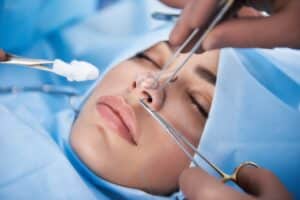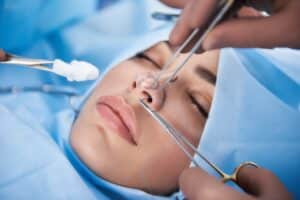
Revitalize and Replenish: The Power of Facial Fat Transfer for Ageless Beauty

Facial fat transfer has emerged as a groundbreaking method for rejuvenating one’s appearance, steering the cosmetic industry towards more natural and lasting solutions. This procedure involves transferring fat from one part of the body to the face, offering a dual benefit: reducing unwanted fat in areas like the abdomen or thighs while enhancing facial fullness and youthfulness. Unlike temporary fillers, facial fat transfer promises longer-lasting results, making it an attractive option for those seeking subtle yet significant improvements without recurring treatments. As we delve deeper into this topic, we’ll explore its benefits, process, and what candidates can expect from this innovative aesthetic approach.

Facial Fat Transfer Essential Information

Basic Overview

Facial fat transfer is a cosmetic procedure. It involves moving fat from one body part to the face. This method enhances facial fullness and contours.

The process starts with liposuction to extract fat. The collected fat is then purified. Finally, it’s injected into the facial areas needing volume or contouring.

Distinction From Others

Unlike fillers or implants, facial fat transfer uses the patient’s own fat. This reduces risks like allergic reactions. It also offers more natural-looking results.

Compared to other procedures, recovery time may be longer. But many find its benefits outweigh this downside.

Primary Goals

The main goals of facial fat transfer include restoring lost volume and improving contours.

These changes aim to create a balanced and harmonious appearance.

Benefits and Long-Lasting Results of Facial Fat Transfer

Natural Appearance

Facial fat transfer offers a natural-looking enhancement. It uses your own fat, thus blending seamlessly with your facial contours. This method avoids the artificial look that some fillers can produce.

The process involves harvesting fat from one part of your body. Then, it’s injected into the face. This ensures that the added volume looks natural and feels soft to the touch.

Enhanced Longevity

Compared to non-surgical alternatives, facial fat transfer has longer-lasting results. Many non-surgical options require regular touch-ups every few months.

In contrast, once the transferred fat establishes a blood supply in its new location, it can last for years. Some patients report permanent improvements.

Skin Quality Improvement

Facial fat transfer not only adds volume but also improves skin quality. It can lead to reduced appearance of scars and smoother skin texture. This is because the transferred fat contains stem cells which help in healing and rejuvenation.

Here are key benefits:

  • Natural-looking results

  • Long-lasting effects

  • Improved skin quality

These advantages make facial fat transfer an appealing choice for those seeking subtle yet lasting enhancements without frequent treatments or unnatural outcomes.

Facial Fat Transfer vs. Dermal Fillers

Duration Results

Facial fat transfer offers semi-permanent results. This method uses the body’s own fat to enhance facial fullness. Over time, some of the transferred fat may be reabsorbed by the body. However, a significant portion remains indefinitely.

Dermal fillers provide temporary solutions for facial volume loss. They typically last from six months to two years depending on the type used and individual factors like metabolism and lifestyle. Repeat treatments are necessary to maintain results.

Natural Composition

The natural composition of facial fat transfer is a key advantage. It uses your own fat cells, reducing risks of allergic reactions or rejection by the body. This procedure not only adds volume but also improves skin texture as it can stimulate collagen production.

Dermal fillers consist of synthetic materials such as hyaluronic acid which mimics substances naturally found in the skin. While generally safe and FDA-approved, they do not offer the same biological benefits as transferring one’s own fat cells does.

Cost Effectiveness

Considering cost-effectiveness over time, repeated dermal filler treatments can become expensive.

  • Initial costs might be lower than a facial fat transfer.

  • Long-term expenses add up with regular maintenance sessions required every few months to years.

In contrast, after an initial investment in facial fat transfer:

  • The need for frequent top-ups diminishes.

  • The overall expenditure tends towards being more economical in comparison due to its lasting nature.

Ideal Candidates and Areas Treated

Candidate Criteria

Overall health, realistic expectations, and sufficient donor fat are key for candidacy. Patients must be in good health to ensure a smooth recovery. Realistic expectations are crucial for satisfaction with the outcome. Lastly, there needs to be enough donor fat available.

Having sufficient donor fat is essential because the procedure involves transferring fat from one part of the body to the face. Not everyone has enough excess fat for this process to be viable.

Treated Areas

The cheeks, under-eye hollows, lips, and jawline are commonly treated areas. These areas often lose volume with age or weight loss, affecting facial contours.

  • Cheeks: Fat transfer can restore youthful fullness.

  • Under-eye Hollows: It reduces shadows and tired looks.

  • Lips: Adds natural-looking volume.

  • Jawline: Enhances definition and balance.

Consultation Importance

A consultation tailors treatment to individual needs. Each patient’s facial structure is unique; thus, treatments must be customized accordingly.

Patients discuss their goals during consultations. The doctor then assesses if those goals align with what facial fat transfer can achieve. This ensures that both doctor and patient have clear expectations about the results.

images 4

Preparation, Process, and Donor Sites for Facial Fat Transfer

Pre-Procedure Guidelines

Before undergoing a facial fat transfer, certain preparations are necessary. These ensure the procedure’s success and minimize risks.

Patients must avoid specific medications before surgery. Anti-inflammatory drugs and aspirin can increase bleeding risk. It is crucial to inform the surgeon about all medications taken regularly.

Extraction and Injection

The process of facial fat transfer involves three main steps: extraction, purification, and injection. First, fat is extracted from a donor site using liposuction techniques. This step requires precision to protect the fat cells’ integrity.

After extraction, the fat undergoes purification. Only healthy fat cells are prepared for injection into the face. The purified fat is then carefully injected into target areas on the face to restore volume or smooth out furrows.

Popular Donor Sites

Choosing an appropriate donor site is key in facial fat transfer procedures.

Common donor sites include:

  • Abdomen

  • Thighs

  • Flanks

These areas often have sufficient excess fat making them ideal sources for donation. The choice of donor site depends on several factors including patient preference and body type.

Facial rejuvenation through this method offers natural-looking results by utilizing one’s own tissue rather than synthetic fillers or implants.

Recovery, Results, and Post-Procedure Expectations

Recovery Timeline

After a facial fat transfer surgery, patients usually experience swelling. This is normal. Most can return to their daily activities within a week or two. However, it’s crucial to follow the surgeon’s advice closely.

Complete recovery might take a few weeks. During this time, avoiding strenuous activities helps reduce swelling faster. Patients should also expect some degree of bruising.

Final Results

The final results of the procedure become visible once the initial swelling subsides. This typically happens after several months. The added fullness in the face becomes more apparent and natural-looking over time.

Patients often notice improvements in their appearance as early as three months post-surgery. Yet, it can take up to six months for the ultimate outcome to be fully realized.

Post-Procedure Care

Maximizing the longevity of facial fat transfer results requires proper post-procedure care:

  • Avoid direct sunlight on your face.

  • Maintain a healthy lifestyle.

Following these steps helps ensure that results last longer and reduces risks such as an allergic reaction or uneven fullness due to improper healing.

It’s also essential for patients to have realistic expectations about what this surgical procedure can achieve and its limitations.

Risks, Considerations, and Comparative Cost

Potential Complications

Facial fat transfer can lead to complications. Asymmetry and infection are common concerns. Patients might notice uneven facial features after the procedure. This happens if fat is not distributed evenly.

Infection is another risk, though rare. It occurs when the procedure area gets contaminated. Good hygiene and following post-procedure steps reduce this risk.

Cost Factors

The cost of facial fat transfer varies widely. Two main factors affect it: practitioner expertise and procedure complexity.

More experienced practitioners usually charge more. However, their expertise often leads to better outcomes. Complex procedures require more time and skill, increasing the cost.

Comparative Analysis

Comparing facial fat transfer with dermal fillers reveals differences in cost over time.

  • Facial fat transfers offer a longer-lasting solution than dermal fillers.

  • Dermal fillers need regular updates every 6 to 18 months.

Over years, the lifetime cost of dermal fillers exceeds that of a single facial fat transfer. This makes facial fat transfer a cost-effective option for many looking for long-term results.

Professional Touch in Minimally Invasive Facial Fat Transfer

Skilled Professionals

Choosing a cosmetic surgeon with the right skills is crucial. They ensure natural-looking results. A skilled professional knows how to transfer fat to the face carefully. This makes your skin look youthful.

Professionals use their expertise to avoid common mistakes. These can include uneven volume or unnatural contours. Their knowledge helps achieve a balanced, beautiful appearance.

Technological Advancements

Recent advancements have made facial fat transfer safer and more precise. Surgeons now use specialized equipment for liposuction and transfer processes. This equipment minimizes damage to extracted fat cells.

These technologies also reduce risks associated with surgery, such as infection or blood loss. Patients enjoy shorter recovery times and less discomfort post-procedure.

Professional Assessment

A thorough assessment by a cosmetic surgeon is key for desired outcomes.

  • The surgeon evaluates your skin, face structure, and aging signs.

  • They consider factors like wrinkles, fine lines, and volume loss in cheeks or lips.

This evaluation guides them in creating a personalized treatment plan. The aim is to restore a youthful appearance while maintaining natural facial expressions.

Final Remarks

Facial fat transfer emerges as a sophisticated, minimally invasive procedure designed to rejuvenate and enhance facial aesthetics. Offering long-lasting results, it stands out as a viable alternative to dermal fillers, tailored for individuals seeking natural-looking improvements. This method not only promises a more youthful appearance but also ensures harmony and balance in facial features by utilizing the body’s own fat cells. The comprehensive overview provided, from essential information to professional execution, underscores the importance of choosing qualified professionals for this delicate process. Risks and considerations are part and parcel of the journey towards achieving desired outcomes, highlighting the necessity for informed decision-making.

As we navigate the evolving landscape of cosmetic enhancements, facial fat transfer offers a compelling option for those aiming to restore or enhance their facial contours with enduring results. For anyone considering this route, consulting with experienced specialists who can offer personalized advice based on individual needs is crucial. Take the next step towards achieving your aesthetic goals by exploring facial fat transfer with a trusted expert.

Frequently Asked Questions

What is facial fat transfer?

Facial fat transfer involves transferring fat from one part of the body to the face to restore volume and reduce signs of aging. It’s a minimally invasive procedure.

How long do the results of a facial fat transfer last?

Results can be long-lasting, often enduring for several years. The longevity varies among individuals based on factors like lifestyle and age.

Is there a difference between facial fat transfer and dermal fillers?

Yes, facial fat transfers use your own body’s fat for augmentation, while dermal fillers involve injecting substances like hyaluronic acid. Fat transfers can provide longer-lasting results compared to most fillers.

Who are ideal candidates for facial fat transfer?

Ideal candidates are those looking for natural-looking enhancement with sufficient donor fat areas and realistic expectations about outcomes.

What does the preparation process entail?

Preparation includes consultations to discuss goals, potential donor sites, and any necessary pre-procedure instructions such as medication adjustments or dietary guidelines.

Are there risks associated with facial fat transfer?

Risks include infection, asymmetry, over or under correction. However, when performed by qualified professionals these risks are minimized.

How does the cost compare to other procedures?

The cost can vary but generally is comparable or slightly higher than dermal fillers when considering longevity and effects; however, it may offer more value over time due to its lasting nature.
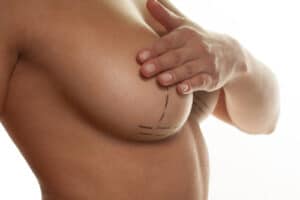
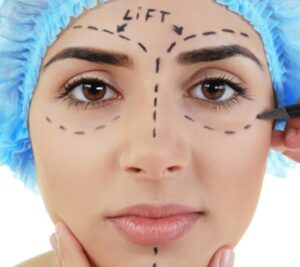
The Empowering Benefits of Breast Enhancement Surgery

Breast enhancement surgery stands as a pivotal choice for individuals aiming to alter their appearance, boosting confidence and self-perception. This surgical procedure encompasses various techniques tailored to meet unique aesthetic goals, whether it’s augmenting size, refining shape, or restoring volume lost due to aging or childbirth. With advancements in medical technology ensuring higher safety standards and more natural results, the decision to undergo breast enhancement is increasingly considered by those seeking physical transformation. Understanding the nuances of this process is crucial for making an informed decision that aligns with personal health objectives and lifestyle considerations.

Overview of Breast Enhancement Surgery

Definition and Purpose

Breast enhancement surgery aims to alter breast size and shape. It boosts confidence for many. The purpose varies from reconstructive needs to cosmetic desires.

Individuals seek this surgery for various reasons. Some wish to increase their breasts’ size for aesthetic reasons. Others may need reconstruction after medical procedures like mastectomy.

Historical Evolution

The journey of breast enhancement began in the late 19th century. Early techniques were rudimentary and risky. Over time, surgical methods have evolved significantly.

In the 1960s, silicone implants marked a revolution in this field. Since then, advancements in technology have made surgeries safer with more natural results.

Popularity and Acceptance

Today, breast enhancement is highly popular worldwide. It’s widely accepted across different cultures and societies.

This acceptance has grown due to better outcomes and reduced stigma around cosmetic surgery.

  • More people openly discuss undergoing such procedures.

  • Social media influence plays a role in its popularity too.

Psychological and Physical Benefits of Breast Augmentation

Self-Esteem Boost

Many women report a significant improvement in self-esteem after breast enhancement surgery. This boost comes from feeling more comfortable with their body image. For some, it’s about aligning their physical appearance with how they feel inside.

Feeling good about one’s appearance can lead to increased confidence. This newfound confidence often spills over into various aspects of life, including social interactions and professional opportunities.

Better Fitting Clothes

Breast augmentation can lead to enhanced physical appearance by creating a more balanced figure. Many women find that clothes fit better post-surgery. This is because the procedure can help achieve proportionality between the breasts and the rest of the body.

The benefit here isn’t just aesthetic; it also simplifies shopping for clothes. Women often express relief at no longer having to tailor every piece of clothing or struggle with ill-fitting tops.

Relief from Discomfort

For women experiencing physical discomfort due to disproportionately small or large breasts, breast enhancement surgery offers potential relief. Large breasts can cause back pain, neck pain, and other issues related to weight strain on the body.

Reducing this strain can significantly improve quality of life for many women. It allows them greater freedom in activities and reduces chronic discomfort.

Types of Breast Implants and Augmentation Options

Saline vs. Silicone

Saline and silicone implants offer different benefits. Saline implants are filled with sterile salt water. They’re inserted empty, then filled once in place. This means potentially smaller incisions.

Silicone implants, on the other hand, are pre-filled with a silicone gel that feels more like natural breast tissue. Many women choose these for their natural feel.

However, should they leak, saline implant leaks are easier to detect as the saline solution is harmlessly absorbed by the body, unlike silicone which may require an MRI to detect leaks.

Shape and Texture

Implants come in round or teardrop shapes. Round implants make breasts appear fuller at the top, giving a more pronounced silhouette. Teardrop-shaped implants offer a more gradual slope and can look more natural.

The texture of an implant matters too. Smooth ones move freely within the breast pocket, mimicking natural movement better than textured ones do. Textured implants might stay in place better but have been linked to rare complications.

Placement Options

There are two main options: submuscular (under the muscle) or subglandular (over the muscle) placement of breast implants.

Submuscular placement offers a more natural contour as it hides the implant under both skin and muscle layers. This option might involve more pain post-surgery due to muscle stretching but tends to have fewer complications like capsular contracture.

Subglandular placement allows for easier recovery since it involves less manipulation of body tissues. However, this method might not be suitable for women with thin skin or little breast tissue as it could lead to visible rippling or implant edges.

Choosing between these options involves considering personal goals, body type, and lifestyle factors alongside professional advice from a surgeon experienced in breast enhancement surgery.

Procedure of Breast Enhancement Surgery

Surgical Steps

Breast enhancement surgery begins with a consultation. The plastic surgeon discusses your goals. They examine your chest wall and skin.

Next, you choose the type of anesthesia. Options include general anesthesia or IV sedation. Your surgeon will recommend the best choice for you.

The surgery starts with incisions. Common sites are under the breast, around the nipple, or under the arm. Each site has different implications for scarring and recovery.

The surgeon creates a pocket either behind the breast tissue or under the chest muscle. They insert the implant in this pocket.

Finally, they close incisions with sutures or surgical tape. A bandage is applied over your breasts to support healing.

Anesthesia Types

Two main types of anesthesia are used: general anesthesia and IV sedation.

  • General anesthesia puts you completely asleep.

  • IV sedation makes you drowsy but awake.

Your doctor decides based on health and personal preference.

Incision Sites

Incision choices affect scar visibility and implant placement:

  • Inframammary: Underneath the breast fold.

  • Periareolar: Around the nipple edge.

  • Transaxillary: In an armpit crease.

Each option has pros like less visible scars or cons like potential sensitivity changes in nipples.

Choosing an experienced plastic surgeon ensures safety and satisfaction with results from breast enhancement surgery procedures.

Risks and Safety of Breast Enhancement Surgery

Common Complications

Breast enhancement surgery carries several risks. Infection is a significant concern. It can delay healing and affect results. Scarring is another risk. Every surgery leaves marks, but poor healing can make them worse.

Implant rupture is a risk specific to breast implants. This means the implant breaks or leaks inside the body. Some signs include change in breast shape or size, pain, or lumps.

Long-term Safety

Long-term safety needs attention too. Implants might not last a lifetime. Many need replacing due to wear or complications.

Future surgeries could be necessary for various reasons like correcting issues from the initial operation or updating implants as they age.

The importance of choosing a certified and experienced surgeon cannot be overstated:

  • They minimize risks by following stringent safety protocols.

  • Their experience helps predict potential complications.

  • Certification ensures they meet high standards in their practice.

Choosing wisely could mean fewer complications and better outcomes.

Preparation and Recovery Process

Pre-Surgery Guidelines

Before undergoing breast enhancement surgery, patients must follow specific guidelines. These ensure the procedure goes smoothly.

Doctors often advise adjusting your diet weeks before the surgery. This might involve avoiding certain foods and drinks. Medications that increase bleeding risk, like aspirin, should be stopped as well. Lifestyle adjustments, such as quitting smoking, are crucial too. Smoking can affect how well you heal.

Patients should also prepare questions about the surgery’s risks and benefits. Understanding what to expect helps manage anxiety.

inverted nipples surgery houston

Recovery Timeline

The recovery process is key to successful breast enhancement surgery outcomes.

Initially, rest is essential for healing. Patients typically take a week or two off work. During this time, it’s common to experience some discomfort and swelling.

Following post-operative care instructions carefully speeds up recovery:

  • Keep surgical sites clean.

  • Avoid strenuous activities.

  • Wear support garments as advised.

Pain management is part of recovery too. Doctors usually prescribe medication for this purpose.

Minimizing Discomfort

To ensure a smooth recovery after breast enhancement surgery:

  1. Follow all doctor’s orders closely.

  2. Stay hydrated and maintain a healthy diet to promote healing.

  3. Get plenty of rest but do gentle walks regularly to prevent blood clots.

Remembering these tips can make your recovery period more comfortable.

Results and Longevity of Breast Implants

Realistic Expectations

Understanding what to expect after breast enhancement surgery is crucial. The results will vary from person to person. Initially, there may be swelling and scars, but these generally fade over time.

Patients should anticipate a period of adjustment. It’s important to have realistic expectations about the new size and shape of your breasts. They might not look perfect immediately but will improve as you heal.

Implant Lifespan

Breast implants do not last forever. On average, they can last between 10 to 15 years. Several factors influence their longevity including implant type, placement technique, and individual body reactions.

It’s essential to know that future surgeries for revision or replacement might be necessary. This could be due to cosmetic reasons or implant-related complications like rupture or capsular contracture.

Revision Surgeries

Over time, some patients may decide on revision surgery either for aesthetic reasons or due to issues with the original implants. Being prepared for this possibility is part of having realistic expectations about breast enhancement surgery.

Revision surgeries can address concerns such as size change desires, aging effects on the breasts, or problems with the initial implants. While not everyone will need them, knowing they are a common aspect of long-term care is important.

Cost Considerations of Breast Augmentation

Breakdown of Costs

Breast enhancement surgery involves various expenses. Surgeon’s fees are a significant part of the cost. These fees vary widely based on experience and location. Anesthesia and facility charges also contribute to the total expense. Anesthesia costs depend on the procedure’s duration, while facility charges differ by location.

Implant type affects cost too. Silicone implants generally cost more than saline ones. The choice between these impacts your overall spending.

Insurance and Financing

Most insurers view breast augmentation as cosmetic, not covering it. Some plans might cover surgery related to reconstruction after mastectomy for breast cancer though. It’s important to check with your insurance provider.

For those without coverage, financing options exist. Many clinics offer payment plans or work with medical credit companies.

Implant Type and Technique

The implant type influences the final cost significantly.

  • Silicone implants are pricier but feel more natural.

  • Saline implants are less expensive but might feel less like natural breast tissue.

Surgical technique matters too.

  1. Traditional methods may be less costly but involve longer recovery times.

  2. Advanced techniques could increase costs due to specialized equipment or training required.

Choosing an experienced surgeon ensures better results despite potentially higher costs.

Summary

Breast enhancement surgery offers a transformative opportunity for individuals seeking to improve their physical appearance and boost self-confidence. Through an array of implant types and surgical techniques, it caters to diverse needs, ensuring personalized outcomes. The procedure’s benefits extend beyond aesthetics, contributing to psychological well-being. However, it’s crucial to weigh these advantages against potential risks and the commitment required during the recovery process. Understanding the costs involved also helps in making an informed decision that aligns with one’s financial situation and aesthetic goals.

Choosing to undergo breast augmentation is a significant decision that demands careful consideration of all factors discussed. Prospective patients should engage with certified surgeons to explore their options thoroughly. For those ready to embark on this journey, taking the next step involves scheduling a consultation with a professional who can provide tailored advice and support. Start your transformation today by reaching out to a trusted specialist in breast enhancement surgery.

Frequently Asked Questions

What is breast enhancement surgery?

Breast enhancement surgery, also known as breast augmentation, involves using implants or fat transfer to increase the size of your breasts. This procedure can also restore breast volume lost after weight reduction or pregnancy.

What are the benefits of breast augmentation?

The benefits of breast augmentation include improved self-esteem and body image. Physically, it can enhance your figure and restore balance to your proportions.

What types of implants are used in breast enhancement?

There are primarily two types of breast implants: saline and silicone. Each type has its own advantages and is chosen based on patient preference and anatomical considerations.

How is the procedure for breast enhancement performed?

The procedure typically involves making an incision, inserting an implant either under the pectoral muscle or behind the breast tissue over the pectoral muscle, and then closing the incisions. The technique varies depending on patient needs.

What risks are associated with breast enhancement surgery?

Risks include infection, changes in nipple sensation, implant leakage or rupture, and capsular contracture (scar tissue that forms around the implant). However, choosing a qualified surgeon minimizes these risks.

How long does recovery take after a breast augmentation?

Recovery time varies but most patients return to work within one week. Full physical activities can usually be resumed within six weeks. Follow-up visits with your surgeon will monitor healing progress.

How long do results from a Breast Implant last?

While not lifetime devices, modern implants can last many years without complications. Periodic check-ups are recommended to assess their condition over time.

Are there any cost considerations for Breast Augmentation I should be aware of?

Costs vary widely based on location, surgeon experience, type of implant used among other factors; however insurance rarely covers cosmetic procedures so out-of-pocket expenses should be expected.

Eyelid Elegance: Balancing the Beauty and Pain of Surgery

Eyelid surgery, known medically as blepharoplasty, is a procedure aimed at correcting imperfections around the eyes to improve vision or aesthetic appeal. This surgical intervention can address issues such as drooping eyelids, under-eye bags, and wrinkles that often come with aging or genetic predisposition. By removing excess skin, fat, or muscle from around the eyes, it not only enhances facial appearance but also can significantly improve peripheral vision. For individuals considering this form of cosmetic surgery, understanding its benefits and potential outcomes is crucial for making an informed decision.

Understanding the Blepharoplasty Procedure

Cosmetic vs Medical

Blepharoplasty, often considered under facial plastic surgery, addresses droopy eyelids. This procedure is not just about looks. It serves two main purposes: cosmetic and medical.

For some, it’s a way to enhance appearance. They wish to look younger or change their eyelid shape. For others, it’s necessary for health reasons. Droopy eyelids can block vision or cause other eye issues.

Surgical Process

The surgery involves precise steps performed by a skilled surgeon. First, they make small cuts along the eyelid’s natural lines. This hides scars effectively.

They then remove or reposition excess tissue and fat. Sometimes muscles are tightened too. The goal is to create a smoother, more defined eyelid contour.

Recovery varies from person to person but generally includes rest and limited activity for several days. Aftercare is crucial for healing and achieving the best outcome.

  • Pros of blepharoplasty include improved vision and enhanced facial appearance.

  • Cons might involve risks like infection or reaction to anesthesia.

  1. Consult with a qualified plastic surgeon.

  2. Follow pre-surgery instructions carefully.

  3. Prioritize aftercare post-surgery for optimal healing.

Understanding these aspects helps in making an informed decision about undergoing blepharoplasty.

Factors Influencing Pain in Eyelid Surgery

Pain Tolerance

Everyone’s body reacts differently to pain. This is crucial in eyelid surgery. Some patients find the procedure barely uncomfortable. Others may experience more intense sensations.

Pain tolerance is unique to each individual. It can depend on various factors like genetics, past experiences, and even one’s mental state. For instance, someone who has undergone multiple surgeries might have a higher threshold than a first-time patient.

Surgery Complexity

The nature of the eyelid surgery plays a significant role in determining pain levels. Simple procedures usually result in minimal discomfort. More intricate operations can lead to increased soreness post-surgery.

Complex surgeries involve more detailed work or corrections which can extend recovery time and discomfort levels. An example would be adjusting both the upper and lower eyelids simultaneously compared to just fixing droopy upper lids.

Pre-existing Conditions

Health conditions existing before surgery can influence how much pain you feel afterwards. Patients with sensitive skin or chronic illnesses might face more challenges during recovery.

Conditions such as diabetes or autoimmune diseases can slow down healing processes, potentially heightening discomfort post-operation. Understanding these factors helps set realistic expectations for those considering blepharoplasty.

Anesthesia and Pain Management Techniques

Types of Anesthesia

Local and general anesthesia are key in eyelid surgery. Local anesthesia numbs the area around the eyes. It allows patients to stay awake without feeling pain. General anesthesia, on the other hand, puts patients to sleep during the procedure.

Doctors decide which type to use based on many factors. These include patient health, preference, and surgery complexity. Some people prefer local anesthesia because they recover faster after surgery.

Sedatives for Comfort

Sedatives play a crucial role in enhancing comfort during eyelid surgery. They help patients relax while under local anesthesia. This makes the experience less stressful.

The use of sedatives varies from person to person. Doctors discuss options with their patients beforehand.

Post-Surgery Pain Management

After eyelid surgery, managing pain is important for recovery.

  • Medications like over-the-counter pain relievers or prescribed ones are common.

  • Patients might also receive special instructions about caring for incisions at home.

These strategies ensure that post-surgery discomfort is minimal and manageable. Following doctor’s advice closely helps speed up recovery.

Post-Operative Care for Comfortable Recovery

Surgeon’s Instructions

Following the surgeon’s aftercare instructions is crucial. Patients must adhere to these guidelines for a smooth recovery. The doctor provides specific advice tailored to each individual’s health and surgery details.

Ignoring these instructions can lead to complications. It might slow down the healing process or worsen swelling and bruising. Always consult your surgeon or their website if you’re unsure about any step in your care plan.

Cold Compresses

Cold compresses are highly effective post-surgery. They help reduce swelling and bruising around the eyes. Apply them gently without putting pressure on the eyelids.

Use cold compresses as recommended by your doctor, usually for short intervals throughout the day following surgery. This simple step can significantly improve comfort during recovery.

Head Elevation

Elevating your head while sleeping is another key practice. It helps minimize swelling by preventing fluid accumulation around the eyes.

Sleep with extra pillows to keep your head raised above your body. This position aids in reducing excess fluid retention, promoting faster healing of the surgical area.

QC Browlift 1024x910 1

Managing Discomfort and Pain Post-Surgery

Pain Relief Options

After eyelid surgery, managing pain is crucial. Patients might choose between prescription pain relievers and over-the-counter options. Prescription medications are stronger and tailored to your needs. Over-the-counter options, like ibuprofen, help with mild discomfort.

Doctors will recommend the best choice based on your pain level. Always follow their advice to avoid complications.

Healing Signs

Understanding the difference between normal healing signs and complications is important. Normal signs include some swelling, bruising, and discomfort around the eyes. These symptoms should improve within a few days.

If you notice excessive swelling, severe pain that doesn’t get better with medication, or any discharge from the incisions, contact your doctor immediately. These could be signs of complications needing urgent care.

Activity Restrictions

Certain activities can worsen pain or delay healing after eyelid surgery. Here’s a list of things to avoid:

  • Rubbing or touching your eyes.

  • Heavy lifting or strenuous exercise.

  • Swimming in chlorinated pools.

  • Wearing contact lenses too soon.

Sticking to these guidelines helps ensure a smoother recovery process without unnecessary setbacks.

Recovery Timeline and Expectations

Swelling and Bruising

Swelling and bruising are common after eyelid surgery. They usually last for two weeks. Every person heals differently, though.

For most, significant improvement is seen within the first week. Cold compresses can help reduce swelling faster. Avoiding strenuous activities also aids in quicker recovery.

Milestones in Recovery

Recovery involves several milestones. Patients often return to work within 10 days post-surgery. However, this varies among individuals based on their healing process and job nature.

Physical activities should be limited for at least three weeks. It’s crucial to follow your surgeon’s advice closely during this period to ensure optimal healing.

Healing Variability

Healing times vary greatly from person to person due to factors like age, health status, and adherence to post-operative care instructions.

Some may notice improvements within a few days, while others might take a bit longer. Patience is key as the body goes through its natural healing process.

Long-Term Effects and Vision Post-Surgery

Field of Vision

Eyelid surgery can greatly improve the field of vision in patients. This is especially true for those undergoing medically necessary procedures. Droopy eyelids, which may have obscured sight, are corrected. Patients often notice a significant improvement in their ability to see clearly.

The benefits include better peripheral vision and less strain on the eyes. These changes can enhance daily activities such as reading and driving.

Aesthetic Enhancements

Cosmetic blepharoplasty focuses on aesthetic improvements. It reduces under-eye bags and tightens drooping skin around the eyes. The results lead to a more youthful appearance.

Patients report increased confidence post-surgery. Their facial expressions become more visible, making social interactions more enjoyable.

Revision Surgeries

Sometimes, revision surgeries or adjustments are necessary after eyelid surgery.

  • Minor corrections might be needed for optimal results.

  • Adjustments could address asymmetry or under-corrections from the initial procedure.

While not common, being aware of this possibility prepares patients for any outcome.

When to Seek Help After Eyelid Surgery

Signs of Infection

After eyelid surgery, it’s crucial to monitor the healing process. Look out for redness, swelling, or discharge. These could be signs of infection. A fever or increased pain around the eyelids is also a warning sign.

Promptly contacting your surgeon if these symptoms appear is important. They can provide guidance or prescribe medication to help.

Follow-Up Appointments

Timely follow-up appointments are essential after eyelid surgery. During these visits, the surgeon checks on your healing progress and addresses any concerns.

Skipping appointments might delay recovery or miss early signs of complications. Always keep these scheduled meetings with your healthcare provider.

Emergency Care Needs

Certain situations require immediate medical attention post-surgery:

  • Severe pain not relieved by prescribed medication.

  • Vision changes like blurriness or double vision.

  • Bleeding that doesn’t stop with gentle pressure.

If you experience any of these issues, seek emergency care without delay. It’s better to err on the side of caution.

Closing Thoughts

Eyelid surgery, or blepharoplasty, represents a significant advancement in cosmetic and medical procedures, offering individuals the chance to improve vision and aesthetic appeal. The journey from understanding the procedure to navigating through recovery highlights the importance of informed decision-making and diligent post-operative care. Pain management, recovery timelines, and long-term effects are crucial aspects that patients must consider. These elements ensure a comfortable recovery and satisfactory outcomes. Moreover, recognizing signs that necessitate professional intervention post-surgery is vital for patient safety and well-being.

For those contemplating eyelid surgery, it’s essential to consult with a qualified healthcare provider to discuss potential risks, benefits, and expectations. This conversation can provide personalized insights and prepare individuals for a successful surgical experience. Embracing this knowledge empowers patients to make informed choices about their health and appearance, encouraging a proactive approach to recovery and long-term care.

Frequently Asked Questions

What is a Blepharoplasty procedure?

Blepharoplasty, commonly known as eyelid surgery, involves removing or repositioning excess tissue from the eyelids to improve vision and appearance. The procedure can be performed on the upper lids, lower lids, or both.

How painful is eyelid surgery?

Eyelid surgery typically causes minimal pain. Most patients report mild discomfort that can be effectively managed with prescribed medication and proper post-operative care.

What anesthesia is used during eyelid surgery?

Local anesthesia with sedation or general anesthesia may be used for eyelid surgery, depending on the extent of the procedure and patient preference. The choice aims to ensure comfort and minimize pain during the operation.

How should I care for myself after eyelid surgery?

Post-operative care includes applying cold compresses to reduce swelling, using prescribed eye drops or ointments to prevent infection, keeping your head elevated when lying down, and avoiding strenuous activities until fully healed.

What can I expect during recovery from eyelid surgery?

Recovery varies but generally involves some bruising and swelling for 1-2 weeks. Most individuals can resume normal activities within 10-14 days. Complete healing might take several months for all subtle swelling to subside.

Are there long-term effects on vision after having an Eyelid Surgery?

Long-term effects of blepharoplasty are usually positive; it often improves peripheral vision by removing obstructions caused by droopy lids. There’s no evidence suggesting it negatively affects eyesight when performed by a qualified surgeon.

When should I seek medical help after undergoing an Eyelid Surgery?

Seek immediate medical attention if you experience signs of infection (increased redness, fever), significant visual changes (beyond initial blurriness), severe pain not relieved by medication, bleeding beyond light spotting at incision sites, or any other concerns that deviate from your expected recovery process.

Choosing Curves: Aesthetic Considerations Between Butt Injections and Brazilian Butt Lift

When considering enhancing your rear’s appearance, you might find yourself torn between butt injections and Brazilian Butt Lifts (BBL). Both procedures promise to improve the shape and size of your buttocks but take very different approaches. While butt injections often involve fillers or substances to increase volume directly within the buttocks, a BBL is a surgical procedure that transfers fat from other parts of your body to your buttocks. Understanding these differences is crucial for anyone looking to make an informed decision about their body contouring options.

Understanding Butt Injections vs BBL

Procedure Differences

Butt injections and Brazilian Butt Lifts (BBL) differ mainly in their procedures. Butt injections involve injecting filler materials directly into the buttocks. These fillers can range from hyaluronic acid to more permanent substances.

On the other hand, a BBL requires a more involved process. It starts with liposuction, where fat is removed from one part of the body. This fat is then purified and injected into the buttocks. The goal is to create a fuller, more natural look.

Results and Longevity

The results between butt injections and BBL also vary significantly. Injections offer an immediate change but are known for being temporary. Depending on the type of filler used, they may last from several months to a few years before needing reapplication.

BBL offers a different kind of result. Since it uses the patient’s own fat, it has the potential to be permanent. The body may absorb some of the transferred fat initially, but what remains after six months usually stays permanently.

  • Pros of Butt Injections:

  • Immediate results

  • No need for surgery

  • Cons of Butt Injections:

  • Temporary solution

  • Potential for irregularities

  • Pros of BBL:

  • Natural-looking results

  • Permanent improvement

  • Cons of BBL:

  • Requires surgery

  • Longer recovery time

Understanding these differences helps individuals make informed decisions based on their desires and lifestyle needs.

Procedure Overview for Butt Injections and BBL

Butt Injections

Butt injections involve non-surgical methods. They use fillers to enhance buttocks size and shape. This process requires no cuts or surgery.

Patients receive multiple shots during one session. The fillers aim to increase volume directly. Recovery is quick, often with minimal downtime.

BBL Surgery

BBL stands for Brazilian Butt Lift. It’s a surgical procedure that reshapes the buttocks. Doctors remove fat from other body parts through liposuction first.

Then, they inject this fat into the buttocks. This method offers more dramatic results than injections alone. However, it comes with longer recovery times due to its invasive nature.

  • Pros of butt injections:

  • Less downtime.

  • No surgical risks.

  • Cons of butt injections:

  • Results may not last as long.

  • Limited enhancement compared to BBL.

  • Pros of BBL surgery:

  • Long-lasting results.

  • More significant enhancement possible.

  • Cons of BBL surgery:

  • Longer recovery period.

  • Higher risk due to its surgical nature.

Choosing between butt injections and a BBL procedure depends on various factors including desired outcome, health condition, and willingness to undergo surgery or not.

Both options have their unique benefits and drawbacks that must be carefully considered before making a decision.

Pros and Cons of Butt Injections and BBL

Minimal Downtime

Butt injections come with a key advantage. They require minimal downtime. This means you can return to daily activities sooner. However, they offer shorter-lasting results compared to other procedures.

For instance, someone may choose injections for a quick enhancement before an event. But they should remember these results won’t last forever.

Natural Outcomes

On the other hand, a Brazilian Butt Lift (BBL) provides more natural-looking outcomes. Fat from your body is used to enhance the buttocks area. Thus, it feels and looks more natural than synthetic fillers.

Yet, this method comes with higher risks and costs. It’s surgery after all.

Risk Variation

The risk of complications varies significantly between butt injections and BBLs.

  • Butt injections can lead to issues if not done correctly.

  • BBL has surgical risks like infection or fat embolism.

Despite these differences in risk levels, many opt for either based on their goals.

In choosing between butt injections vs BBL, weigh these pros against their cons carefully:

  • Injections: minimal downtime but short-lived effects.

  • BBL: natural look but higher risk and cost.

Your decision should align with your long-term beauty goals and health considerations.

Safety and Potential Complications Compared

Infection Risks

Butt injections carry a higher risk of infections than BBL. This is because the materials used can react differently within the body. Patients might experience swelling or even severe reactions.

In contrast, a properly performed BBL involves transferring fat from one area of the patient’s body to another. This reduces the risk of adverse reactions since the material is natural to the patient’s body.

Buttocks Injections vs. BBL 1024x603 1

Fat Embolism Risk

Another serious concern with butt injections is fat embolism. This happens when fat enters the bloodstream and blocks blood vessels. It can be life-threatening.

BBL, when done by an experienced surgeon, minimizes this risk significantly. The procedure uses small amounts of fat placed in specific areas carefully. This precision helps avoid complications related to fat entering unwanted places.

Importance of Experience

The surgeon’s experience plays a crucial role in both procedures’ safety profiles.

  • For butt injections, expertise ensures that substances are injected safely without hitting vital structures.

  • In BBLs, it means correctly harvesting and placing fat to achieve desired results without risking health.

Both procedures have their risks:

  • Butt injections may lead to more immediate complications like infections or allergic reactions.

  • BBL requires general anesthesia which carries its own set of risks but tends to have fewer long-term side effects if performed correctly.

Choosing between butt injections vs bbl should involve considering these potential risks and complications alongside benefits discussed previously.

Recovery Process After Butt Injections and BBL

Immediate Activities

After butt injections, patients often return to normal activities almost immediately. This contrasts sharply with the recovery period needed after a Brazilian Butt Lift (BBL).

For BBL, the recovery time extends over several weeks. During this period, patients must follow specific post-operative guidelines to ensure optimal healing.

Special Care

Post-BBL care includes unique instructions not applicable to butt injections. One key directive is avoiding sitting directly on your buttocks for a specified duration.

This precaution helps maintain the transferred fat’s integrity and shape. It underscores the more involved nature of BBL recovery compared to simpler butt injection procedures.

Follow-up Visits

Both procedures require follow-up visits, but they are more critical after a BBL. These check-ups allow surgeons to monitor healing and address any complications promptly.

In comparison, follow-up visits after butt injections are generally straightforward and less frequent. They mainly ensure no adverse reactions occur post-procedure.

  • For butt injections:

  • Quick return to daily routines

  • Minimal special care needed

  • Less frequent follow-ups

  • For BBL:

  • Weeks of recovery time

  • Strict post-op instructions (e.g., no sitting)

  • More critical and regular follow-up visits

Understanding these differences in the recovery process can help individuals make informed decisions between butt injections vs bbl based on their lifestyle needs and desired outcomes.

Longevity and Natural-Looking Results

Maintenance Needs

Butt injections often need regular maintenance. This can range from every 6 to 24 months. It depends on the product used and how your body reacts to it.

For many, this means planning for future appointments. It’s key to keep the desired look. The effects of these injections aren’t permanent. They gradually diminish over time.

BBL Durability

On the other hand, a BBL (Brazilian Butt Lift) offers more lasting results. Fat transferred during this cosmetic surgery has the potential to last years or even permanently.

This is because the fat integrates with your existing tissues. Over time, it becomes part of your body’s natural composition.

Lifestyle Impact

Your lifestyle plays a big role in maintaining both procedures’ results.

  • Regular exercise helps maintain weight and shape.

  • A balanced diet supports overall skin health and appearance. These factors contribute significantly to how long you enjoy your final results.

Whether choosing butt injections or a BBL, setting realistic expectations is crucial. Understanding that patient lifestyle impacts longevity ensures satisfaction with cosmetic procedures.

Cost Comparison and Types of Fillers Used

Initial Costs

Butt injections often have a lower initial cost than a Brazilian Butt Lift (BBL). This difference is mainly because butt injections use hyaluronic acid, which is less expensive to procure. On the other hand, a BBL uses the patient’s fat, requiring liposuction as part of the process.

The exact cost can vary widely. Factors include the volume needed to achieve desired results and surgeon’s fees. Location also plays a significant role in determining price.

Filler Types

There are different types of fillers used in enhancing buttocks size and shape. For butt injections, hyaluronic acid is common due to its compatibility with the body. It provides temporary results but requires no surgery.

For BBL procedures, surgeons use the patient’s own fat. This method not only reduces risks associated with foreign substances but also offers more natural-looking outcomes discussed earlier.

To summarize:

  • Butt injections: Lower upfront costs; uses hyaluronic acid.

  • BBL: Higher initial investment; utilizes patient’s own fat for more natural results.

The total cost depends on several factors:

  • Volume required.

  • Surgeon’s expertise and fees.

  • Geographic location of the clinic or hospital.

In choosing between butt injections vs bbl, consider both cost and types of fillers used alongside personal goals for appearance and recovery timeframes. Each option has its pros and cons depending on individual needs and expectations.

Making an Informed Decision on Butt Augmentation

Long-Term Goals

Choosing between butt injections and a Brazilian Butt Lift (BBL) involves looking at your future. Both options enhance the butt and thighs, but their outcomes vary over time.

Butt injections often offer immediate results. However, they might not last as long as a BBL. On the other hand, a BBL uses fat from your body, providing more natural and enduring enhancements. Think about what you want in the years to come before deciding.

Health Considerations

Your health is crucial when considering plastic surgery. Assess your own risk tolerance level for surgical procedures.

Butt injections carry fewer risks compared to surgery but may require repeated sessions to maintain results. A BBL is more invasive but typically requires only one procedure. Consult with healthcare professionals about your health status before making any decisions.

Expert Consultation

A consultation with a board-certified plastic surgeon is essential for safety in butt augmentation.

During this meeting, discuss all available options for enhancing your butt and thighs. The surgeon can help guide you towards the best choice based on:

  • Your body type.

  • Desired outcome.

  • Health considerations.

Remember, choosing a qualified professional ensures that you receive accurate information and safe care throughout the process.

Final Remarks

Choosing between butt injections and Brazilian Butt Lift (BBL) involves weighing various factors, including procedure specifics, safety, recovery time, longevity of results, and cost. This article has provided a comprehensive comparison to help individuals make an informed decision based on their aesthetic goals, budget, and health considerations. Safety and potential complications stand out as critical aspects, with BBL offering a more natural approach using one’s fat but requiring surgical intervention. Conversely, butt injections present a non-surgical option but carry risks depending on the filler type used.

Before deciding on any cosmetic procedure, consulting with a certified plastic surgeon is essential to discuss personal goals and evaluate the most suitable options. Their expertise can guide you through understanding the nuances of each procedure and selecting the one that aligns with your expectations for enhancing body contours. Take the next step towards achieving your desired aesthetic by scheduling a consultation today.

Frequently Asked Questions

What is the main difference between butt injections and BBL?

Butt injections typically involve using fillers for augmentation, whereas a Brazilian Butt Lift (BBL) uses the patient’s own fat transferred from other areas.

Are butt injections safer than a BBL?

Both procedures carry risks. However, BBLs have a higher complication rate due to the surgical nature of fat transfer, making it crucial to choose an experienced surgeon.

How long does recovery take for both procedures?

Recovery from butt injections may take a few days to a week, while recovering from a BBL often requires 2-3 weeks before returning to normal activities.

Which procedure offers more natural-looking results?

A Brazilian Butt Lift tends to offer more natural-looking and feeling results since it uses the patient’s own fat instead of synthetic fillers.

Can butt injections achieve the same volume increase as a BBL?

Generally, achieving significant volume increases is more feasible with a BBL. Butt injections are better suited for minor enhancements and shaping.

How do costs compare between butt injections and BBL?

The cost of buttock enhancement varies widely; however, BBLs usually are more expensive due to their surgical nature but can be more cost-effective in the long term compared to repeated filler sessions.

How long do results last from each procedure?

Results from butt injections can last 1-2 years depending on the type of filler used. In contrast, results from a BBL can last many years if weight remains stable.

Symphony of Healing: A Step-by-Step Guide to Rhinoplasty Recovery

Rhinoplasty, often referred to as a “nose job,” is a surgical procedure aimed at reshaping the nose for either cosmetic or functional reasons. It stands out as one of the most sought-after plastic surgery operations, driven by its potential to significantly enhance facial harmony and self-confidence. This intricate process not only requires a deep understanding of facial anatomy but also an artistic touch to achieve natural-looking results. Whether addressing breathing issues or pursuing aesthetic goals, rhinoplasty offers individuals the opportunity for physical transformation and improved quality of life.

Understanding Rhinoplasty Procedure and Anesthesia

Anesthesia Options

Rhinoplasty involves anesthesia to ensure comfort and painlessness. Two main types exist: local and general anesthesia.

Local anesthesia numbs the nose area only. It allows patients to stay awake but relaxed. General anesthesia, however, makes the patient completely unconscious during surgery. Each has its pros and cons.

  • Local anesthesia:

  • Less recovery time.

  • Lower risk of complications.

  • General anesthesia:

  • No memory of the procedure.

  • Suitable for more complex surgeries.

The choice depends on individual health, surgery complexity, and personal preference.

Surgical Process

Understanding the rhinoplasty surgical process is crucial for patients. The procedure typically lasts one to three hours.

Firstly, surgeons make incisions inside or between the nostrils. Then they reshape the bone and cartilage beneath your skin according to your desired outcome. Lastly, they close these incisions with stitches.

The technique used can vary significantly depending on specific goals such as resizing, reshaping or correcting a functional issue with the nasal passages.

Technique Factors

Several factors influence rhinoplasty technique choice:

  1. The patient’s nasal structure.

  2. Desired changes in appearance or function.

  3. Surgeon’s expertise and recommendation.

For instance, someone wanting a slight bump removed may need a different approach than someone requiring correction for breathing difficulties.

Choosing between techniques often involves considering both aesthetic outcomes and potential impact on nasal function post-surgery.

Rhinoplasty Recovery Timeline Overview

Initial 24 Hours

The first day after surgery is crucial. Patients often experience swelling and bruising around the nose and eyes. Pain is common but manageable with medication prescribed by the surgeon. It’s important to rest with your head elevated to reduce swelling.

Staying hydrated and avoiding strenuous activities are key recommendations during this period. Following the surgeon’s advice closely improves comfort and recovery speed.

First Week Milestones

In the week following rhinoplasty, patients notice significant improvements daily. The initial discomfort decreases gradually as days pass.

Key milestones include:

  • Removal of nasal packing, if used, typically within a few days.

  • Reduction in bruising and swelling.

  • A follow-up visit to assess healing progress.

Patients should continue resting adequately and avoid any activity that could impact their nose’s new shape.

Long-term Recovery

Final results from rhinoplasty take time to become apparent. The recovery process spans months to years for some aspects of healing.

By three months, most of the swelling has subsided, revealing more of the final shape. However, subtle changes can continue for up to a year or longer as tissues fully settle into their new structure.

Long-term care includes protecting your nose from injury and attending all scheduled follow-up appointments with your surgeon. Patience is essential during this phase as gradual improvements lead toward achieving desired outcomes.

What to Expect During Rhinoplasty Recovery

Initial Symptoms

After rhinoplasty surgery, patients often experience a range of symptoms. These can include swelling, bruising, and discomfort around the nose area. It’s common to feel congested or have difficulty breathing through the nose due to internal swelling.

In the first few days post-op, these symptoms are most pronounced. Patients may also notice bleeding or discharge from the nostrils. This is normal and part of the healing process. Applying cold compresses and keeping the head elevated helps reduce swelling.

Healing Variability

Healing times after rhinoplasty vary from person to person. Factors like age, overall health, and whether additional procedures were done (such as a deviated septum correction) play a role in recovery speed.

Most people start to see significant improvements within two weeks but complete healing can take up to a year. Being patient and following your surgeon’s advice is key during this period.

Complication Signs

While complications are rare, it’s important to know what signs might indicate an issue:

  • Excessive bleeding

  • Infection signs such as increased pain or fever

  • Difficulty breathing that worsens over time

  • Unusual discharge color or smell from the surgical site

If you experience any of these symptoms after your rhinoplasty surgery, contact your healthcare provider immediately for assessment.

Tips for Improving Rhinoplasty Recovery

Head Elevation

Keeping your head elevated is crucial after rhinoplasty. It helps reduce swelling and speeds up recovery. Use two or three pillows to prop up your head while sleeping or resting.

Elevating the head minimizes blood pressure in the nasal area. This leads to less bruising and discomfort. Make it a habit, especially during the first week after surgery.

what to know rhinoplasty Large 1

Ice Application

Applying ice around the surgical site can greatly benefit your recovery process. Focus on the cheeks instead of direct application on the nose.

Ice helps by constricting blood vessels, which reduces swelling significantly. However, limit each session to 20 minutes to prevent skin damage.

Facial Movements

Avoid certain facial expressions post-surgery. Smiling or laughing too hard might affect healing.

Limiting these movements ensures that the tissues heal properly without unnecessary strain. Also, avoid wearing glasses that rest on the nose bridge for at least four weeks.

Hydration and Rest

Staying hydrated is key for a smooth recovery from rhinoplasty.

  • Drink plenty of water.

  • Avoid alcohol as it can increase swelling.

Rest plays an equally important role in healing.

  • Ensure you get enough sleep every night.

  • Taking short walks will promote circulation but avoid strenuous activities.

Postoperative Care and Incision Management

Cleaning Protocols

After a rhinoplasty, cleaning the incision sites is crucial. Use saline solution or prescribed antiseptic cleansers. Avoid using harsh chemicals that can irritate the skin.

Gently dab the area with a clean cloth. Do not rub. This helps prevent infection and supports the healing process.

Dressings Care

Post-surgery, patients often have dressings or splints. These help maintain the new shape of the nose during recovery.

Change these dressings as advised by your plastic surgeon. Keep them dry and intact to ensure proper healing.

Infection Monitoring

Watch for signs of infection at incision sites after surgery. Signs include redness, swelling, excessive pain, or discharge.

Report any concerns to your surgeon immediately for prompt treatment.

Taking great care in postoperative management is key to successful rhinoplasty outcomes. Following these guidelines ensures a smoother recovery period and better results from your surgical procedure.

Managing Swelling and Activities to Avoid

Swelling Reduction

After rhinoplasty, swelling is common. It can last weeks or even months. However, there are effective methods to ease this discomfort.

Applying a cold compress around the surgery area helps reduce swelling. Do not apply it directly on your nose. Elevating your head while sleeping also aids in reducing swelling and pain. Making these small changes in your sleep practice can have a big impact on recovery.

Avoiding salt can help manage swelling too. Salt makes your body hold extra water, which increases swelling.

Activity Limitations

Post-surgery, knowing what activities to avoid is crucial for healing.

Strenuous activities should be avoided for at least six weeks after surgery. This includes heavy lifting, running, and other high-impact exercises that might increase blood pressure in the face.

Sun exposure is another risk post-rhinoplasty because it can cause skin discoloration around the surgical site. It’s a good idea to wear sunscreen or avoid direct sunlight until fully healed.

Lastly, environments filled with dust or smoke should be avoided as they can irritate the nasal passages and slow down healing.

By following these guidelines on managing swelling and avoiding certain activities post-rhinoplasty, patients ensure a smoother recovery process. This way of handling recovery complements well with proper incision care discussed earlier. With patience and careful attention to these practices, individuals experience better outcomes from their rhinoplasty procedure.

Medication, Diet, and Home Care After Rhinoplasty

Pain Management

After rhinoplasty, managing pain is crucial. Doctors often recommend specific medications for this. Patients must follow the prescribed dosage strictly.

Taking medication as directed helps control discomfort. It’s important to avoid medications that can increase bleeding risk. Always consult your doctor before taking any new medication.

Dietary Adjustments

A proper diet supports healing after surgery. Foods rich in vitamins and minerals are beneficial. These include fruits, vegetables, and lean proteins.

Avoiding salty foods is also key. They can increase swelling around the nasal passages. Staying hydrated by drinking plenty of water is essential too.

Home Care Tips

Creating a comfortable recovery environment at home matters a lot. Here are some tips:

  • Keep your head elevated to reduce swelling.

  • Avoid wearing glasses directly on the nose bridge.

Rest and avoiding strenuous activities help speed up recovery. Follow your doctor’s advice closely during this period.

Importance of Postoperative Appointments

Recovery Monitoring

Postoperative appointments play a crucial role in monitoring recovery progress after rhinoplasty. These meetings with the doctor allow for a detailed physical exam to assess healing. They help ensure that recovery is on track and identify any potential issues early.

During these appointments, your doctor can observe how well the surgical site is healing. They check for signs of infection or complications. This close monitoring ensures any problems are caught and treated quickly, leading to better overall outcomes.

Necessary Adjustments

Sometimes, based on how recovery progresses, adjustments or interventions may be necessary. These could range from minor tweaks to more significant interventions if the healing process isn’t going as expected.

For example, if there’s excessive swelling or the nasal structure isn’t settling correctly, your doctor might need to intervene. This could involve medication changes or even additional procedures in rare cases.

Adherence Importance

Adhering to scheduled postoperative visits is essential for optimal results after rhinoplasty. Skipping these appointments can risk complications being missed or not addressed timely.

  • Positive experience: Regular follow-ups contribute significantly towards a positive experience with rhinoplasty.

  • Final results: Ensuring you attend all postoperative appointments impacts the quality of final results positively.

Missing an appointment might delay identifying an issue that could affect recovery negatively. Always prioritize these visits as they are integral parts of your journey towards achieving desired outcomes from surgery.

Final Remarks

Rhinoplasty, a complex yet transformative surgical procedure, demands a comprehensive understanding of the process, from preparation through to recovery. This article has navigated through crucial steps including the procedure itself, recovery timeline, postoperative care, and the importance of follow-up appointments. Emphasizing the significance of adhering to prescribed post-surgery protocols cannot be overstated. Proper care ensures not only optimal healing but also the best possible outcomes for patients seeking to enhance their nasal aesthetics or function.

The journey towards a successful rhinoplasty outcome is paved with informed decisions and meticulous adherence to recovery guidelines. For individuals contemplating this surgery, absorbing these insights and preparing accordingly will be instrumental in achieving desired results. Always consult with a certified plastic surgeon for personalized advice tailored to your specific needs. Let your rhinoplasty journey begin with knowledge and confidence.

Frequently Asked Questions

What does the rhinoplasty procedure involve?

Rhinoplasty involves reshaping the nose’s structure under anesthesia, tailored to the patient’s desired outcome. The surgeon makes incisions to access bones and cartilage for modification.

How long is the recovery period after a rhinoplasty?

Recovery typically spans several weeks, with most patients resuming normal activities within 2-3 weeks post-surgery.

What should I expect during my rhinoplasty recovery?

Expect swelling, bruising around eyes and nose, and some discomfort. These symptoms gradually improve over the first few weeks.

Are there any specific tips to improve my rhinoplasty recovery?

Elevating your head when resting and avoiding strenuous activities can significantly aid in reducing swelling and promoting healing.

How should I manage my incisions post-rhinoplasty?

Follow your surgeon’s instructions on cleaning and caring for your incisions to avoid infection and ensure optimal healing.

What activities should I avoid after undergoing rhinoplasty?

Avoid heavy lifting, vigorous exercise, or any activity that could impact your nose for at least 6 weeks post-operation.

Why are postoperative appointments important after a rhinoplasty?

Postoperative appointments allow your surgeon to monitor your healing process, address any concerns, and ensure you’re recovering properly.

The Healing Process: What to Expect When Tummy Tuck Drains are Removed

Removing tummy tuck drains prematurely can lead to a range of complications, impacting the healing process and final results. These drains are crucial for eliminating excess fluids that accumulate after surgery, preventing seromas and infections. Understanding the timing and reasons behind the removal of these drains is essential for a smooth recovery. This post delves into the potential risks associated with early removal, offering insights into how to navigate this aspect of post-operative care effectively.

Understanding Tummy Tuck Drains and Their Importance

What are tummy tuck drains?

Tummy tuck drains are small tubes placed under the skin. Doctors use them after surgery to remove excess fluid. These fluids can build up in the area where the surgery happened.

The drains look like thin, flexible tubes. They lead outside the body to a small collection bulb. This bulb collects the fluid.

How do tummy tuck drains work?

These drains work by gravity and suction. They pull unwanted fluids from the surgical site into a collection bulb. The patient or caregiver then empties this bulb regularly.

This process helps reduce swelling and prevents fluid buildup. It’s an important part of recovery after a tummy tuck.

The role of tummy tuck drains in the healing process

Drains play a key role in healing after a tummy tuck. They help:

  • Reduce swelling

  • Prevent infections

  • Speed up recovery

By removing excess fluids, they ensure that tissues heal properly together.

Candidates who require tummy tuck drains

Not everyone needs these drains after surgery. Doctors decide based on:

  • The extent of surgery

  • Patient’s health history

  • Likelihood of fluid buildup

Mostly, patients with extensive surgeries need them more than others do.

Understanding how these components work is crucial for anyone considering or undergoing a tummy tuck procedure. Proper care and management of these devices can significantly impact one’s recovery timeline and overall results following such surgeries.

Risks of Removing Tummy Tuck Drains Too Soon

Why should tummy tuck drains stay in for the recommended duration?

Tummy tuck drains are vital for removing excess fluids that accumulate after surgery. Keeping them in place helps prevent swelling and bruising. Surgeons determine when to remove these drains based on fluid output and patient recovery.

Removing the drains too soon can interrupt this process. It might lead to fluid buildup, known as a seroma. This condition often requires further medical intervention.

Potential complications of premature removal of tummy tuck drains

Premature removal can lead to several issues:

For example, if a drain is removed before the output decreases adequately, it could result in an infection. Infections not only delay healing but may also affect the cosmetic outcome negatively.

To avoid such complications:

  • Follow your surgeon’s advice closely.

  • Monitor drainage amounts as instructed.

  • Report any concerns immediately.

How to Reduce Drainage after Tummy Tuck

Tips and techniques for managing and reducing drainage after a tummy tuck

Reducing drainage is key to healing. Wear compression garments as they help reduce swelling and fluid build-up. Ensure it fits well but isn’t too tight.

Stay active, but don’t overdo it. Gentle walks can promote circulation without straining the surgery site. Avoid strenuous activities.

Hydrate well. Drinking plenty of water helps your body flush out toxins which can reduce swelling and drainage.

Eat a balanced diet rich in proteins, vitamins, and minerals. Foods like chicken, fish, fruits, and vegetables support healing.

Avoid smoking or drinking alcohol as they can hinder the healing process.

grid 37888

Appropriate post-operative care to minimize drainage

Follow your surgeon’s instructions closely for wound care. This might include how often to clean the area or change dressings.

Monitor drain output carefully. Record the amount of fluid collected if instructed by your doctor. This data is crucial for them to decide when drains can be safely removed.

Attend all follow-up appointments with your surgeon so they can assess your recovery progress and adjust care plans accordingly.

Exploring Tummy Tuck Drainage Procedures

Different types of drains used in abdominoplasty

Surgeons use various drains during a tummy tuck. These include Jackson-Pratt (JP) drains, Silicone bulb drains, and less commonly, the Hemovac drain. JP and silicone bulb drains are most popular. They help remove fluid that accumulates after surgery.

JP drains work by suction, pulling fluid out through a tube. Silicone bulb drains collect fluid into a small, squeezable bulb. Both types prevent fluid buildup which can lead to complications.

Anesthesia options for tummy tuck drainage procedures

Anesthesia ensures comfort during the placement or removal of tummy tuck drains. Options include local anesthesia, where only the area around the drain is numbed; and general anesthesia, where you’re completely asleep.

Local anesthesia allows for quick recovery post-procedure but might not be suitable for all patients due to discomfort levels. General anesthesia offers complete pain relief but comes with longer recovery times and potential side effects.

Recovery and aftercare guidelines for tummy tuck drains

Proper care of your drains is vital for healing.

  • Keep the area clean.

  • Monitor output closely. Emptying them regularly prevents overfilling and reduces infection risk.

Follow your surgeon’s instructions on when to empty these devices carefully—usually every few hours initially then less frequently as healing progresses.

Factors to Consider When Deciding to Remove Tummy Tuck Drains

Importance of consulting with a qualified surgeon

Removing tummy tuck drains too early can lead to complications. It’s crucial to consult a qualified surgeon. They guide the process based on experience and knowledge.

A surgeon evaluates healing progress before deciding on drain removal. This ensures safety and effectiveness in recovery. Patients should openly communicate their concerns and symptoms during consultations.

Evaluating readiness for drain removal and potential risks

Readiness for drain removal involves assessing several factors:

  • The amount of fluid being collected.

  • Signs of infection around the drainage site.

  • Overall health status and healing progress.

Potential risks include fluid accumulation, also known as seroma, and increased risk of infection. These complications can delay recovery or require additional treatments.

To minimize risks, patients must follow post-operative care instructions closely. This includes wearing compression garments and avoiding strenuous activities until the surgeon advises otherwise.

Patient Experiences and Success Stories

Real-life accounts and testimonials of individuals who have undergone tummy tuck drains removal

Patients often share their experiences after undergoing a tummy tuck procedure, especially the aspect of drain removal. Many report a significant reduction in discomfort once the drains are removed. However, some cases highlight why it’s crucial not to rush this process. For instance, one patient experienced increased swelling and pain due to premature drain removal. This situation required additional medical attention and prolonged the recovery period.

The success of recovery largely depends on following medical advice closely. Patients with a positive outcome often mention strict adherence to their surgeon’s instructions about when to remove the drains. They also stress the importance of monitoring for signs of complications such as infection or excessive swelling. In these successful cases, patients typically resume normal activities gradually, ensuring that they do not strain the treated areas too soon.

Before and after photos showcasing results and healing progression

Before and after photos serve as powerful visual evidence of what can be achieved through this surgery, including how effective drainage management is part of that process. These images usually display noticeable differences in appearance before the surgery versus several weeks or months afterward when proper healing has occurred.

Photos often reveal how well-managed post-operative care leads to less visible scarring and smoother contours around treated areas. Successful recovery stories frequently include patients expressing satisfaction with both their physical appearance improvements and overall health benefits such as weight loss or decreased discomfort from previously problematic areas.

Tips for a Smooth Recovery After Tummy Tuck Drain Removal

Post-operative instructions and care guidelines

After tummy tuck drain removal, it’s crucial to follow post-operative instructions closely. Patients should keep the incision area clean and dry. This helps prevent infections. Doctors often recommend wearing a compression garment. It supports healing by reducing swelling.

Patients must avoid strenuous activities for several weeks. Light walks are beneficial though, as they promote blood circulation.

Management of discomfort and swelling after tummy tuck drain removal

Discomfort and swelling are common after removing drains from a tummy tuck surgery site. To manage these symptoms, patients can use over-the-counter pain relievers as advised by their surgeon.

Applying cold packs can also reduce swelling but should not be placed directly on the skin. Elevating the affected area when resting is another effective strategy to lessen swelling.

Long-term maintenance and follow-up care after drain removal

For long-term success following drain removal in a tummy tuck procedure, regular follow-up appointments with your surgeon are essential. These visits allow the doctor to monitor recovery progress. Maintaining a healthy lifestyle is key too:

  • Eat nutritious foods.

  • Stay hydrated.

  • Avoid smoking.

Patients who shared their experiences mentioned that adhering to these practices contributed significantly to their successful recoveries.

Final Remarks

The decision to remove tummy tuck drains prematurely carries significant risks, underscoring the importance of adhering to medical advice. Understanding the role of these drains, recognizing potential complications, and following post-operative care guidelines are crucial steps toward a successful recovery. This article has navigated through the complexities of tummy tuck drainage procedures, offering insights into minimizing risks while highlighting patient experiences and recovery tips. It serves as a comprehensive guide for individuals contemplating or undergoing this procedure, emphasizing the necessity of patience and strict adherence to medical recommendations for optimal outcomes. For those seeking further information or facing uncertainties about their recovery process, consulting with a healthcare professional is strongly advised. Let this serve as a foundation for making informed decisions and fostering a smoother recovery journey.

Frequently Asked Questions

What happens if tummy tuck drains are removed too soon?

Removing tummy tuck drains prematurely can lead to fluid accumulation, increasing the risk of seroma formation. This may necessitate additional interventions for drainage and potentially extend the recovery period.

Why are drains important after a tummy tuck?

Drains play a crucial role post-tummy tuck by removing excess fluids from the surgical site, reducing swelling, and preventing complications like infections or seromas.

How can I reduce drainage after my tummy tuck surgery?

Reducing drainage involves minimizing physical activity to lower fluid buildup, wearing compression garments as advised by your surgeon, and maintaining proper wound care to facilitate healing.

When is it safe to remove drains after a tummy tuck?

The timing for drain removal varies but generally occurs when daily fluid output decreases significantly—usually less than 25-30 ml over 24 hours. Your surgeon will make this decision based on individual healing progress and specific criteria.

What factors influence the decision to remove my tummy tuck drains?

Factors include daily fluid output volume, signs of infection or inflammation at the drain site, overall health status, and how well you’re following post-operative care instructions. Your surgeon’s expertise also plays a pivotal role in this decision-making process.

Can removing my drains early affect my recovery from a Ttumy [sic] Ttumy [sic] Ttumy [sic] Ttumy [sic] Ttumy [sic]Tummmy [sic] Tuack surgery?

Yes, premature removal can slow down recovery by leading to complications such as seromas or infections that require further treatment. It’s essential to follow your surgeon’s guidance closely for optimal healing.

Aging Gracefully: The Role of Facial Rejuvenation in Embracing Your Best Years

Facial rejuvenation techniques have transformed the approach to anti-aging, offering solutions that range from minimally invasive procedures to comprehensive surgical options. These methods aim to restore a youthful appearance by addressing skin laxity, texture irregularities, and volume loss. As advancements in technology continue, individuals now have access to an array of treatments tailored to meet their specific needs without compromising on safety or results.

In navigating the landscape of facial rejuvenation, understanding the benefits and limitations of each technique is crucial for achieving desired outcomes. This post delves into the most effective strategies for revitalizing one’s visage while maintaining a natural look.

Understanding the Aging Skin Process

Collagen Breakdown

The dermis layer of your skin is vital for its youthful appearance. It houses collagen and elastin, proteins that keep skin firm and elastic. Over time, these proteins break down. This leads to the formation of wrinkles.

Collagen loss happens naturally as you age. Your skin becomes less supple, and lines start to appear. Think of a new rubber band, stretchy and strong; now imagine it after years of use—less stretchy, right? That’s similar to what happens with aging skin.

Sun Exposure

Sunlight can be both friend and foe to our skin. While moderate sun exposure provides vitamin D, too much sun accelerates the aging process significantly.

Ultraviolet (UV) rays from the sun damage the fibers in our skin called elastin. When these fibers break down, the skin begins to sag, stretch, and lose its ability to snap back after stretching. Activities like beach volleyball or picnics can lead to more than just fun memories—they might also contribute to early signs of aging if done without proper protection.

Hormonal Changes

Hormones play a major role in maintaining healthy skin texture and tone. As we go through different life stages—especially during menopause—the changes in hormone levels impact our skin’s appearance.

For instance, reduced estrogen levels may cause your skin to become thinner and more prone to dryness or irritation—a common complaint among older women. Maintaining hormonal balance is thus crucial not only for overall health but also for preserving that youthful glow.

Signs of Aging and Facial Rejuvenation Benefits

Aging Indicators

As skin matures, it shows signs like fine lines, age spots, and sagging skin. These changes often start subtly but become more noticeable over time. Fine wrinkles appear first around the eyes and mouth. Over years, the skin loses elasticity.

Sagging skin is common along the jawline and cheeks. Age spots may vary in size, commonly found on areas exposed to sun. These aging signs can affect one’s appearance significantly.

Rejuvenation Effects

Facial rejuvenation aims to counteract these signs by restoring facial volume and improving contours. Treatments can fill in fine lines or deeper folds such as frown lines. The result is a smoother, more youthful complexion.

Rejuvenated skin not only looks fuller but also tighter with better-defined features. Techniques range from topical creams to surgical options depending on severity of aging signs.

Confidence Boost

An improved appearance typically leads to enhanced self-confidence for many individuals after rejuvenation treatments. Looking younger often makes people feel better about themselves.

This boost in confidence can impact various aspects of life positively, from personal relationships to professional opportunities.

  • Pros:

  • Reduces visible aging signs

  • Restores facial volume

  • Improves self-esteem

Surgical vs Non-Surgical Rejuvenation Options

Long-Term Results

Facelifts are known for their longevity. They address sagging skin, deep creases, and lost facial volume. A facelift can last for many years, providing a significant transformation. Unlike facelifts, injectables like Botox or fillers offer temporary improvements. These minimally invasive treatments must be repeated to maintain results.

Injectables smooth out wrinkles quickly with no surgery required. Yet, they will need refreshing every few months to keep the youthful appearance intact.

Downtime & Risks

Surgical procedures come with more downtime. Patients may need weeks to recover from a facelift fully. There’s also a higher risk of complications compared to non-surgical options.

Non-surgical treatments mean less interruption in daily life. Most people return to normal activities almost immediately after injectable treatments.

Treatment Suitability

Choosing between surgical and non-surgical options requires careful thought about one’s aging concerns and goals. Consulting with a professional is vital for an informed decision on which option suits individual needs best.

Some might opt for surgery due to extensive signs of aging while others prefer non-invasive methods due to minor concerns or fear of surgery.

Essential Considerations for Facial Rejuvenation Surgery

Health Assessment

Before considering facial rejuvenation surgery, a thorough health assessment is crucial. Patients must discuss their medical history with the surgeon. This includes any past surgeries, chronic conditions, and medications taken.

The health status can affect both the procedure and recovery. For example, individuals with diabetes may experience slower healing times. It’s important to ensure that patients are in good health before undergoing surgery to minimize risks.

Realistic Expectations

Setting realistic expectations about the results of facial rejuvenation is vital. Surgeons should provide clear information on what improvements can be achieved. They should also explain the limitations of surgery.

Patients often expect significant changes in their appearance post-surgery. However, outcomes vary based on individual factors like skin quality and age. Understanding this helps patients feel satisfied with their results.

grid 31949

Surgeon Selection

Choosing a qualified and experienced plastic surgeon is one of the most important decisions for facial rejuvenation surgery. Researching credentials and reviewing before-and-after photos of previous patients can guide this choice.

A skilled surgeon will assess features such as eyes and contours, ensuring enhancements complement natural facial structure.

  • Look for board certification in plastic or cosmetic surgery.

  • Check reviews from former patients.

  • Ensure they have experience specifically with facial procedures.

Non-Surgical Modalities for Aging Face Improvement

Chemical Peels

Chemical peels are a popular choice for skin rejuvenation. They work by removing dead skin cells and promoting new cell growth. This process can reduce the appearance of fine lines, sun damage, and minor scars.

A chemical solution is applied to the face during treatment. It causes the top layer of skin to peel off over several days. As your skin heals, it becomes smoother and more youthful-looking.

Laser Therapy

Another effective non-surgical option is laser therapy. Lasers can improve skin texture and tone without cutting or needles.

Laser treatments target the deeper layers of skin, stimulating collagen production. Collagen helps make our skin look firm and smooth. Patients often see results after just one session but may need multiple treatments for optimal outcomes.

Injectables

Injectable fillers and neurotoxins also offer solutions for aging faces without surgery.

  • Fillers add volume to hollow areas or plump up wrinkles.

  • Neurotoxins like Botox relax muscles that cause frown lines or crow’s feet.

These procedures have quick recovery times compared to surgical options. Patients can return to normal activities soon after receiving injectables.

Preparing for Facial Rejuvenation Procedures

Skincare Adjustments

Before undergoing facial rejuvenation, it’s crucial to adjust your skincare routine. Your expert may advise stopping certain products that could increase sensitivity or affect healing. For example, retinoids and exfoliants should often be paused before procedures.

It’s important to follow a gentle regimen. Use mild cleansers and moisturizers recommended by your specialist. These steps prepare the facial skin, ensuring it’s in optimal condition for treatment.

Lifestyle Changes

Making lifestyle changes is essential when preparing for facial plastic surgery or non-surgical treatments. Quitting smoking is one of the most significant steps a patient can take. Smoking restricts blood flow, which can slow down recovery and worsen results.

In addition to quitting smoking, reducing alcohol intake and eating healthily are advised. These habits help the body support healing processes after rejuvenating faces, eyelids, or other areas.

Recovery Planning

Arranging post-treatment support is vital for a smooth recovery process following facial rejuvenation procedures on eyebrows, jawlines, cheeks, or eyelids. You’ll need time off work and assistance with daily tasks while you heal.

Plan adequate rest periods and have someone available to help you at home if necessary. This ensures you recover without unnecessary stress on your body or the treated substances within your face.

Maintaining a Youthful Appearance Post-Procedure

Sun Protection

After facial rejuvenation, sun protection is vital. The sun’s rays can damage the skin and undo the procedure’s benefits. Patients should use sunscreen every day. A broad-spectrum SPF 30 or higher is best.

Wearing hats and seeking shade are also smart moves. These steps help maintain collagen in the skin, which keeps your face looking firm.

Skincare Routine

A regular skincare routine is crucial for lasting results. Age-appropriate products tailored to individual needs work best. They can prevent drooping and loss of volume over time.

Patients should cleanse, moisturize, and use targeted treatments like serums that promote collagen production. This routine will keep their skin hydrated and youthful-looking for years after their procedure.

Follow-Up Care

Sometimes follow-up treatments are necessary to preserve results. Touch-ups may be needed as natural aging continues.

Regular check-ins with a specialist ensure any changes in jawline or overall facial structure are addressed promptly. Consistent care helps patients look their best day after day.

Costs and Deciding on the Right Rejuvenation Treatment

Cost Breakdown

Facial rejuvenation can vary in cost. Factors include treatment type, clinic location, and practitioner expertise. Laser treatments are popular but may be pricier than other options.

  • Laser treatments: Can range from a few hundred to several thousand dollars.

  • Minor procedures like chemical peels: Often less expensive.

  • Surgical facelifts: Typically cost more due to complexity.

Costs fluctuate based on the procedure’s extent. It’s essential to get detailed quotes before deciding.

Insurance rarely covers cosmetic procedures for aesthetic reasons. Always check with your provider first. Some reconstructive surgeries that also enhance appearance might have partial coverage.

Longevity vs Expense

When choosing a treatment, consider how long results will last against the price paid. Non-invasive methods may be cheaper but often require repeat sessions.

Surgical options generally offer longer-lasting changes but come with higher initial costs and increased risks. Research is crucial here; look for credible sources and patient testimonials about longevity of results versus financial investment.

Summary

Facial rejuvenation encompasses a spectrum of procedures tailored to combat the signs of aging, offering individuals the opportunity to restore their youthful appearance. This article has provided a comprehensive overview of the aging process, detailed both surgical and non-surgical rejuvenation options, and discussed the essential considerations one should take into account before undergoing treatment. The importance of preparation and post-procedure care to maintain results has also been emphasized, alongside an outline of potential costs and factors influencing treatment choice.

Choosing the right facial rejuvenation treatment requires careful deliberation and a clear understanding of one’s objectives and limitations. We encourage readers to consult with qualified professionals to explore the most suitable options for their unique needs. Remember, investing in your appearance is not just about aesthetics; it’s about enhancing your self-confidence and overall quality of life. Take the next step towards a more radiant you.

Frequently Asked Questions

What causes skin aging?

Skin aging is a natural process influenced by genetic factors, environmental exposure, lifestyle choices, and hormonal changes. It results in reduced elasticity and volume.

How can facial rejuvenation benefit me?

Facial rejuvenation can reduce signs of aging like wrinkles and sagging skin, improving overall appearance and boosting self-confidence.

Should I choose surgical or non-surgical facial rejuvenation?

The choice depends on the desired outcome, recovery time preference, budget constraints, and tolerance for invasive procedures. Consult with a specialist to determine the best option.

What should I consider before opting for facial rejuvenation surgery?

Consider your health status, potential risks versus benefits, surgeon’s expertise, recovery time needed, and realistic expectations from the surgery.

Are there non-surgical treatments for an aging face?

Yes. Options include fillers, Botox®, laser therapy, chemical peels among others that address various signs of aging without surgical intervention.

How do I prepare for a facial rejuvenation procedure?

Follow your clinician’s pre-procedure instructions which may include medication adjustments and skincare regimens to ensure optimal results.

What are ways to maintain results after a facial rejuvenation procedure?

Maintain results by following good skincare practices including sun protection; possibly using retinoids or other prescribed products; leading a healthy lifestyle; and regular follow-up visits as recommended by your provider.

How much does facial rejuvenation cost?

Costs vary widely based on treatment type (surgical vs non-surgical), practitioner expertise level location of practice. Always request detailed pricing information prior to committing to any procedure.

What to Expect: A Step-by-Step Guide Through The Ultherapy Procedure

Ultherapy, a non-invasive treatment, harnesses the power of ultrasound to transform and rejuvenate skin by stimulating collagen production. As an FDA-cleared procedure, it offers a surgical alternative for tightening and lifting facial tissue. This cutting-edge technology delivers precise energy to the skin’s foundational layers, promoting natural healing without downtime. With ultherapy’s growing popularity among those seeking age-defying solutions, understanding its benefits and process is essential for informed decision-making.

Understanding Ultherapy and Skin Tightening

Non-Invasive Technique

Ultherapy stands out as a non-surgical solution for skin tightening. Unlike traditional facelifts, it does not require incisions or general anesthesia. This means no scars and no lengthy recovery periods. Patients can return to their everyday activities almost immediately after the procedure.

The treatment uses ultrasound technology to target areas beneath the skin’s surface. It gently heats the deeper layers, which encourages the body to produce more collagen. Collagen is a protein that keeps our skin firm and youthful-looking.

Deep Layer Targeting

With its ability to reach deep beneath the skin, ultherapy stimulates natural collagen production at its source. The ultrasound waves penetrate to depths that creams or other superficial treatments cannot match.

This technique is especially effective in lifting the brow, enhancing jawline definition, tightening sagging neck skin, and smoothing lines on the chest area known as décolletage wrinkles.

Suitable Areas

Ultherapy has specific benefits for various facial regions:

  • Brow: Lifts drooping eyebrows for a more alert appearance.

  • Chin: Defines jawline contours.

  • Neck: Reduces loose neck skin often referred to as “turkey neck.”

  • Chest: Smoothens creases on the chest for a rejuvenated look.

These targeted applications make ultherapy an adaptable option catering to different aging concerns without surgery risks or downtime.

How Ultherapy Works

Energy Delivery

Ultherapy harnesses focused ultrasound energy. This technology targets skin tissue with precision. It does not harm surrounding areas.

The procedure begins by cleaning the targeted area. Then, a device sends ultrasound waves deep into the skin layers. These waves are micro-focused, meaning they concentrate on specific points beneath the surface.

Collagen Stimulation

When tissues heat up, they start to repair themselves naturally. Ultherapy’s goal is to stimulate collagen production in these layers.

Collagen is key for firm, youthful skin. As we age, our bodies produce less of it. That’s where Ultherapy steps in—it triggers your body to make more collagen.

To summarize:

  • The treatment uses focused ultrasound energy.

  • It heats tissues at precise depths.

  • The process encourages natural regeneration.

  • Importantly, it leaves the surface layer untouched.

Overview of the Ultherapy Procedure

Session Duration

Ultherapy is typically a quick and efficient treatment. Most sessions last between 60 to 90 minutes, depending on the area being treated.

Patients can expect a single session to cover their needs. This makes it convenient for those with busy schedules. There’s no need for multiple visits.

Practitioner Expertise

A licensed practitioner carries out the procedure using specialized equipment. These professionals are trained in ultrasound therapy.

They ensure that focused ultrasound energy targets only the necessary areas. Safety and effectiveness are their top priorities during treatment.

Non-Invasive Nature

One of Ultherapy’s key benefits is its non-invasive nature. Unlike surgical facelifts, this procedure requires no incisions or anesthesia.

Patients experience minimal discomfort and there is no downtime required post-treatment.

Benefits of Undergoing Ultherapy

Natural Lift

Ultherapy provides a gradual improvement in skin tightness. Unlike surgical facelifts, it doesn’t drastically change your appearance overnight. Instead, the treatment stimulates collagen production over time. This leads to a more youthful look that unfolds naturally.

Patients often see their skin become firmer and more lifted in the months following treatment. The process is akin to turning back the clock on aging skin without any artificial enhancements.

No Downtime

One of Ultherapy’s key advantages is its non-invasive nature. You don’t have to take time off work or pause daily activities after receiving Ultherapy. There’s no recovery period necessary.

This contrasts with surgical options which can require weeks for full recovery. With Ultherapy, you can immediately return to your routine while your skin begins its rejuvenation process.

Preventative Measure

Younger patients are taking advantage of Ultherapy as well. It serves as a preventative tool, delaying signs of aging before they start showing prominently.

Potential Risks and Side Effects

Common Reactions

After highlighting the benefits of ultherapy, it’s crucial to address possible side effects. Most individuals experience mild issues that fade quickly.

Temporary redness, slight swelling, or a tingling feeling are common after treatment. These reactions are typically short-lived. They show your body is responding to the heat and healing.

You can usually return to normal activities soon after. The discomfort should not stop you from daily tasks.

Uncommon Issues

While less frequent, some people might face more concerning side effects.

A few cases report bruising in treated areas, or even numbness. But these instances are rare.

Allergic reactions due to ultrasound gel may happen but they’re unusual. If you have sensitive skin, discuss options with your provider beforehand.

Remember: always consult professionals before deciding on treatments like ultherapy for your cheeks or other areas.

grid 38187

Recovery Process and Longevity of Results

Immediate Resumption

After an Ultherapy session, patients can return to their daily routine. There is no required downtime.

Patients appreciate the absence of a recovery period. They go back to work or other activities right away. This convenience makes Ultherapy popular among those with busy schedules.

Collagen Rebuilding

The full results from Ultherapy emerge over time as the body’s collagen production increases.

In the weeks following treatment, gradual improvements become noticeable. The peak effect occurs within 2 to 3 months as collagen rebuilds under the skin’s surface. Skin appears firmer and more youthful as a result.

Lasting Effects

Results from Ultherapy can sustain for years with proper care.

Most people enjoy benefits for up to two years. Maintaining these effects involves good skincare habits and sun protection.

To extend longevity, some opt for follow-up sessions after initial improvements wear off. Staying consistent with skincare routines helps preserve results longer.

Comparison with Other Skin Tightening Procedures

Depth Control

Ultherapy offers greater depth control than other non-invasive treatments like Thermage. This is due to its use of ultrasound imaging, which allows practitioners to see the layers of tissue they are treating. As a result, Ultherapy can target specific areas beneath the skin’s surface more accurately.

Unlike radiofrequency treatments that provide heating at various depths, Ultherapy reaches deeper into the skin’s layer. Here lies the key difference: it stimulates collagen production at just the right depth for optimal tightening and lifting effects.

Longevity Results

When considering longevity, Ultherapy often outperforms laser treatments. Laser procedures may require frequent sessions as their results tend not to last as long. In contrast, Ultherapy stimulates new collagen growth over time which contributes to longer-lasting improvements in skin laxity and appearance.

The creation of new collagen means that post-treatment improvements continue for months after an Ultherapy session. For many patients, this translates into fewer visits to a dermatology or skin surgery center, making it a cost-effective option in the long run.

Invasiveness Level

Compared to surgical options like facelifts, Ultherapy is much less invasive. Surgical facelifts involve incisions and extended recovery periods but offer significant changes in appearance by addressing severe sagging and deep wrinkles directly through manipulation of facial tissues.

However, those seeking milder improvement with minimal downtime find comfort in knowing that Ultherapy doesn’t require going under the knife at all while still improving elasticity and reducing fine lines effectively.

  • Pros:

  • No incisions required.

  • Lower risk compared to surgery.

  • Cons:

  • Less dramatic results than a surgical facelift.

Patient Testimonials and Global Trust

Satisfaction Rates

Patients who choose Ultherapy often report high satisfaction with the results. This non-surgical procedure provides a lifting effect that many find gratifying. Unlike other skin tightening treatments, Ultherapy does not require incisions or significant recovery time.

The experience of an Ultherapy session varies from person to person. However, most patients note a visible improvement in their face and chin areas. These changes can occur gradually over time as the body naturally produces collagen.

Celebrity Endorsements

Celebrities and influencers have publicly endorsed Ultherapy, adding to its credibility. Their experiences help others understand what to expect from the treatment. When famous individuals share their positive outcomes, it boosts confidence among potential patients.

Providers of Ultherapy often showcase these endorsements in their offices or during consultations. They serve as powerful testimonials for those considering this method of facial rejuvenation.

Safety Record

Ultherapy is clinically proven and has a strong safety record across diverse demographics. Specialists with proper training perform the procedure ensuring patient welfare at all times.

Physicians emphasize that while anyone can be a candidate for Ultherapy, an initial consultation is crucial to determine suitability. During this meeting, practitioners discuss expectations based on factual evidence rather than mere claims.

Closing Thoughts

Ultherapy emerges as a compelling option for those seeking non-invasive skin tightening and rejuvenation. The procedure’s use of ultrasound technology not only offers a scientific approach to cosmetic enhancement but also provides a safety profile that resonates with patients globally. As we have explored, the benefits of Ultherapy extend from its minimal downtime to its natural-looking results, distinguishing it from other skin tightening methods. While potential risks exist, they are typically mild and transient, reinforcing Ultherapy’s position as a viable alternative for individuals hesitant about surgical interventions.

The decision to pursue Ultherapy should be informed by a thorough understanding of the procedure, its outcomes, and how it aligns with personal aesthetic goals. Prospective patients are encouraged to consult with qualified medical professionals to discuss their suitability for Ultherapy and to ensure an experience that is both safe and satisfying. For more information or to schedule a consultation, reach out to your local certified Ultherapy provider today.

Frequently Asked Questions

What is Ultherapy?

Ultherapy is a non-invasive cosmetic procedure that uses focused ultrasound energy to stimulate collagen production and tighten skin.

How does Ultherapy work?

Ultherapy works by delivering targeted ultrasound energy to the skin’s foundational layer, encouraging collagen regeneration without cutting or disrupting the surface.

What can I expect during an Ultherapy procedure?

Expect a mild sensation of heat as the ultrasound energy is applied. The procedure typically lasts 30-90 minutes, depending on the treatment area.

What are some benefits of Ultherapy?

Benefits include firmer skin, reduced wrinkles, no downtime required post-treatment, and natural-looking results as your body produces new collagen.

Are there any risks associated with Ultherapy?

Risks may include temporary redness, swelling, tenderness or tingling. These side effects are usually short-lived and mild in nature.

How long do Ultherapy results last?

Results can last up to a year or longer but vary based on individual aging processes and lifestyle factors. Maintenance treatments can prolong effects.

How does Ultherapy compare to other skin tightening procedures?

Unlike lasers or surgery, Ultherapy targets deeper layers of tissue for natural collagen production without downtime. Results develop gradually compared to more immediate changes from invasive procedures.

Contours of Confidence: Emotional and Physical Benefits of Rhinoplasty

Navigating the aftermath of rhinoplasty requires patience and knowledge. A successful recovery is a critical step towards achieving your desired outcome. This post aims to demystify the healing process, offering essential insights into what patients can expect during this delicate phase. We’ll cover practical tips for managing discomfort, timelines for returning to daily activities, and strategies for ensuring optimal results—all crucial elements of post-operative care that pave the way to a smooth transition back to normalcy after rhinoplasty.

Detailed Rhinoplasty Recovery Timeline

Initial Hours

After a rhinoplasty, the first 48 hours are crucial. Patients need careful monitoring during this period. Swelling and bruising around the nose are common. Pain is often managed with medication prescribed by the surgeon.

Rest is key in these initial hours. It helps reduce swelling and speeds up healing. Keeping the head elevated can also aid recovery.

First Weeks

By the end of two weeks, patients typically see a significant reduction in bruising. They may notice changes as their nasal passages begin to heal from the rhinoplasty surgery.

During this time, it’s important to avoid strenuous activities that could impact recovery or cause injury to your nose.

One Month

Reaching the one-month milestone marks an important phase in rhinoplasty recovery. The major swelling usually subsides by now, revealing more of the final shape of your new nose.

Follow-up visits with your surgeon ensure everything is healing properly and according to plan.

Managing Swelling and Pain During Recovery

Cold Compresses

Cold compresses are a vital tool for managing swelling. Apply them carefully around the surgical area. This helps reduce inflammation.

Do not apply ice directly to your skin. Use a cloth barrier instead. Follow your surgeon’s guidance on timing and frequency.

Medication Adherence

Strictly follow prescription pain medication instructions. It is crucial for controlling discomfort during the healing process.

Overuse can lead to complications, while underuse may cause unnecessary pain. Always consult with your healthcare provider if issues arise.

Sleep Positioning

Proper sleep positioning aids recovery significantly. Keep your head elevated above your heart level when resting or sleeping.

This position helps minimize swelling overnight, which is often when fluids accumulate due to inactivity.

Postoperative Care and Incision Management

Incision Upkeep

After a rhinoplasty, keeping the incisions dry and clean is crucial. This step prevents infection, which can complicate recovery. Patients should gently cleanse the area as instructed by their surgeon.

Avoid getting the site wet during activities like showering. Use a damp cloth to clean around it instead of direct water flow.

Expression Limitation

Facial movements play a role in healing after rhinoplasty. It’s best to avoid strenuous facial expressions such as smiling wide or frowning deeply. These actions can strain the delicate incisions.

Simple measures include speaking less animatedly and using ice packs to reduce swelling that might tempt one to scrunch their face from discomfort.

Suture Timing

The removal of sutures is typically scheduled for about one week post-surgery. This timing allows tissues enough time to start healing properly without leaving sutures in too long, which could leave more noticeable scars.

Patients must follow their surgeon’s advice on when exactly to have them removed for excellent care outcomes.

Keeping these aspects in mind ensures better healing and reduces potential complications following your surgical procedure.

Dietary Recommendations and Medication Guidelines

Soft Foods

After rhinoplasty, the body needs gentle care. Eat soft foods in the initial days. These include:

  • Yogurt

  • Applesauce

  • Broth-based soups

Chewing can be tough post-surgery. Soft foods help avoid stress on the surgical site.

Stay clear of hard or chewy items. They may cause discomfort or harm your recovery process.

Hydration Importance

Hydration is key for healing after rhinoplasty. Drink plenty of water to aid recovery.

Avoid alcohol and caffeine as they can dehydrate you. Instead, focus on water and electrolyte-rich drinks like coconut water or sports beverages.

Proper hydration helps reduce swelling and speeds up healing time.

Medication Caution

Be cautious with medications post-rhinoplasty. Avoid blood-thinning drugs such as aspirin or ibuprofen, which could increase bleeding risks.

Also steer clear from supplements that might thin the blood, like vitamin E or fish oil, unless approved by your doctor.

Your surgeon will likely prescribe safe pain relievers to manage discomfort without risking your recovery process.

Activities and Limitations After Surgery

Exercise Caution

After rhinoplasty, your body needs time to heal. For the first six weeks, avoid any heavy lifting or vigorous exercise. This helps prevent bleeding, swelling, and other complications.

  • Take short walks to promote blood circulation.

  • Gradually increase activity level as recommended by your surgeon.

Remember that rest is crucial for a smooth recovery process.

Importance of Post-Op Appointments

Regular Check-Ups

After rhinoplasty, attending regular check-ups is vital. These appointments allow doctors to monitor your healing. They can spot issues before they worsen. It’s important to stick to the schedule your surgeon provides.

During these visits, expect a physical exam of your nose. The doctor will look for signs that you’re healing well. They’ll also ask about any discomfort or unusual symptoms you might have.

Early Intervention

If there are complications, early detection is key. Surgeon visits play a big role in this process. For instance, if an infection starts, catching it quickly means faster and easier treatment.

Follow-up appointments often happen within the first month post-op. This period is critical for recovery outcomes.

what to know rhinoplasty Large
Close up photo of lady with nice lips in operating room. Doctor in gloves holding medical instrument during rhinoplasty

Optimal Results

To achieve the best results from rhinoplasty, follow-up appointments are crucial.

  • They ensure everything heals as planned.

  • Surgeons can give personalized advice during each visit.

These sessions help both patient and surgeon stay on track for optimal recovery.

Tips for a Speedy Recovery

Follow Instructions

Following your surgeon’s advice is crucial. They know the recovery process best. Stick to their guidelines strictly.

After surgery, it’s tempting to bend rules for comfort. But remember, neglect can delay healing or cause complications. Your doctor provides instructions for a reason: they ensure safe and efficient recovery.

Rest Well

Adequate rest is essential during the recovery period. Sleep promotes healing and helps ease discomfort.

However, lying in bed all day isn’t ideal either. Light walking boosts circulation which aids recovery speedily. It also prevents blood clots that could complicate your situation.

Avoid Harmful Substances

Steer clear of smoking and alcohol after rhinoplasty treatment. These substances hinder the body’s ability to heal well.

Smoking reduces oxygen in the blood, slowing down tissue repair significantly. Alcohol can increase swelling and bleeding risks which prolongs recovery greatly.

By adhering closely to these practices, patients help themselves immensely throughout their rhinoplasty recovery journey:

  • Strictly follow post-op instructions.

  • Prioritize rest but incorporate light activity.

  • Abstain from smoking and drinking alcohol completely.

Taking great care during this time not only speeds up your return to daily life but ensures the best possible outcome for your new look as well!

Expected Results and Final Outcome

Shape Emergence

The final shape of a rhinoplasty may not be immediately apparent. It often takes up to a year for the full results to emerge. During this time, scar tissue matures and integrates with your facial structure.

Patience is key after the operation. As scar tissue heals, it contributes significantly to the final outcome. The nose’s appearance gradually refines as months pass by.

Satisfaction Growth

Patient satisfaction tends to increase over time post-rhinoplasty. Initial swelling can mask the true results of the surgery, leading some patients to worry about their decision.

However, as swelling decreases, positive experiences are reported more frequently. Patients begin appreciating changes that align with their initial expectations and desired outcome.

Closing Thoughts

Rhinoplasty recovery is a structured journey requiring patience and adherence to medical advice. The detailed timeline, pain management strategies, and postoperative care instructions are foundational to healing. Dietary guidelines and medication protocols further support the process, while recognizing activity limitations safeguards against complications. Regular post-op appointments are crucial for monitoring progress and ensuring the desired aesthetic outcome.

Embracing these recovery facets paves the way for a successful transformation. Patients are encouraged to follow their surgeon’s recommendations diligently for optimal results. For those considering rhinoplasty or in the midst of recovery, seeking professional advice remains paramount. Share your experiences or questions with trusted specialists to navigate this transformative journey effectively.

Frequently Asked Questions

What is the typical timeline for rhinoplasty recovery?

The initial healing phase typically lasts two to four weeks, with full recovery taking up to one year as subtle swelling subsides and nasal contours refine.

How can I manage pain and swelling after my rhinoplasty?

Pain can be managed with prescribed medication, while cold compresses and keeping your head elevated help reduce swelling.

Are there special instructions for postoperative care of incisions?

Yes, you’ll need to keep the surgical site clean, avoid disturbing splints or sutures, and follow your surgeon’s specific wound care instructions.

What dietary changes are recommended during rhinoplasty recovery?

Opt for a balanced diet rich in vitamins that promote healing. Avoid salty foods that can exacerbate swelling.

What activities should I avoid after rhinoplasty surgery?

Avoid strenuous activities, heavy lifting, and any actions that could impact your nose for at least six weeks post-surgery.

Why are post-op appointments important after a rhinoplasty?

Post-op appointments allow the surgeon to monitor healing progress, address concerns promptly, and ensure optimal results are achieved.

Can you offer tips for a speedy recovery from rhinoplasty?

Follow all postoperative instructions closely. Rest adequately, maintain a healthy diet, stay hydrated, avoid smoking or drinking alcohol.

Beyond Taboos: A Comprehensive Guide to Labia Majora Reduction Procedures

Labia majora reduction is a procedure that addresses concerns about comfort, aesthetics, or health for those with enlarged labia majora. This surgical intervention can alleviate discomfort during physical activities and improve self-confidence. It’s crucial to approach this topic with accurate information and sensitivity due to its intimate nature. By considering the latest medical insights and ethical standards, this post aims to provide a clear understanding of the process, benefits, and considerations involved in labia majora reduction.

Understanding Labia Majora Anatomy

Location and Function

The labia majora are prominent structures of the female genitalia. They flank the vagina on either side, resembling long, fleshy folds. These outer lips serve a significant purpose.

They protect more sensitive internal parts. Think of them as a shield for the inner genital structures. The labia majora contain sweat and oil-secreting glands. This helps maintain hygiene in the vaginal area.

Size Variations

Natural differences in appearance are common among women. The size and shape of one’s labia majora can vary greatly. Some may have fuller outer lips, while others might find theirs less pronounced.

These variations do not typically affect function or health. It is normal to have asymmetrical or unevenly sized labia majora too.

Protective Role

The primary role of these soft tissues is protection. They guard against external irritants like bacteria and injury. During physical activities such as biking or horseback riding, they provide cushioning to internal genital organs.

This protective duty extends even during intercourse by acting as a barrier against friction that could cause discomfort or harm to more delicate areas within.

Reasons for Considering Labia Majora Reduction

Physical Discomfort

Labia majora reduction often comes into play when women experience discomfort. Activities like cycling, running, or even walking can become painful with enlarged labia majora. The friction caused by tight clothing exacerbates this issue.

Women seek relief through surgery. It eliminates the chafing and allows for a more comfortable lifestyle. With reduced size, physical activities no longer pose the same challenges.

Aesthetic Concerns

Another reason is aesthetic preference. Some women feel self-conscious about the appearance of their labia majora. This concern might arise from comparing themselves to others or perceiving a ‘normal’ look based on media portrayals.

A reduction can align their physical appearance with personal ideals. For many, it’s not just about looks but feeling confident in intimate situations.

Psychological Impact

The psychological effects are significant as well. Enlarged labia can lead to embarrassment and anxiety during sexual encounters or even while wearing certain clothes that outline the body shape.

By addressing these concerns surgically:

  • Women report improved confidence.

  • They express greater satisfaction with their bodies.

  • There’s often an uplift in overall mood and self-esteem post-procedure.

Surgical Techniques for Labia Majora Reduction

Wedge Resection

Wedge resection is a common technique. The plastic surgeon removes a tissue wedge from the labia majora. This reduces their size effectively.

The procedure focuses on maintaining symmetry and natural contours. It requires careful planning and precision by the surgeon.

De-epithelialization Technique

Another method is de-epithelialization. This involves removing the skin’s outer layer while keeping underlying tissues intact.

This approach minimizes scarring and maintains sensation. It’s less invasive compared to wedge resection.

Combined Procedures

Labia majora reduction can be part of vaginal rejuvenation. Patients may opt for additional procedures, like labiaplasty, for comprehensive results.

Surgeons might use hyaluronic acid fillers or fat transfer too. These enhance volume after a majora reduction surgery.

Anesthesia Options and Surgical Risks

Anesthesia Types

When undergoing labia majora reduction, patients have several anesthesia options. The type chosen depends on the procedure’s complexity and patient preference.

  • Local anesthesia numbs only the surgery area. It allows patients to stay awake without feeling pain.

  • Sedation, combined with local anesthesia, helps patients relax while still conscious.

  • For extensive procedures, general anesthesia is used. Patients sleep through the operation.

Choosing the right option involves discussing medical history and concerns with your surgeon.

Pre-Surgery Preparation and Procedure Day Details

Medical Evaluations

Before undergoing a labia majora reduction, patients must complete specific medical evaluations. These include blood tests to check for any conditions that could complicate surgery. Your doctor will outline the necessary lab tests during your consultation.

Patients should also discuss their full medical history with their surgeon. This includes any medications taken regularly, as adjustments may be needed before the procedure. It’s crucial to follow these pre-surgery instructions carefully to ensure a safe surgical experience.

Fasting Instructions

On the day before surgery, fasting is often required. Patients are typically instructed not to eat or drink anything after midnight prior to their appointment. This reduces risks during anesthesia.

Your doctor will provide detailed guidelines on what you can consume and when you need to start fasting. Make sure you understand these instructions well ahead of time, so there are no complications on the day of your cosmetic surgery.

Procedure Day

On procedure day, arrive at the designated office or clinic at least an hour before your scheduled time. This allows ample time for any last-minute paperwork and preparations.

The duration of a labia majora reduction varies but generally takes between one and two hours. Immediately following the operation, expect some downtime in a recovery area where staff monitor your initial post-op condition. You’ll receive information on how long this period will likely be so arrangements can be made for someone to drive you home if necessary.

  • Key points for preparation:

  • Complete all required medical evaluations.

  • Adjust medications as directed by your doctor.

  • Follow fasting instructions precisely.

Post-surgery, it’s normal for there to be swelling and discomfort in the treated area; however, doctors usually give clear post-op care instructions which aid in managing these symptoms effectively while ensuring proper healing occurs over time.

Recovery Process and Post-Treatment Care

Downtime Duration

After a labia majora reduction, patients can expect some downtime. The typical recovery period lasts one to two weeks. During this time, it’s crucial to limit certain activities to promote healing.

Patients should avoid strenuous exercise for up to six weeks. It’s also recommended to take time off from work, depending on the nature of the job. Rest is essential for effective rejuvenation of the tissue.

Labiaplasty Iconic Carlsbad

Activity Limitations

Following surgery, activity restrictions are important for safety and comfort. Patients must refrain from sexual intercourse for at least four to six weeks.

Swelling may occur but usually subsides after several days. Avoiding tight clothing will help reduce discomfort and support recovery.

Wound Care

Proper wound care post-surgery is vital in preventing infection and ensuring optimal healing of the tissue. Patients will receive detailed instructions on how to clean the area gently yet effectively.

It’s advised that patients follow these guidelines closely and attend any scheduled follow-up appointments with their provider for a review of their treatment plan progress.

Signs of Healing

Normal signs of healing include gradual reduction in swelling and discomfort over time. However, if there are unusual symptoms like increased pain or signs of infection, contacting your healthcare provider immediately is imperative.

The stages of healing should be monitored during home care as part of your post-treatment regimen.

Recognizing Complications

Being aware of potential complications is key during recovery from labia majora reduction:

  • Persistent swelling or bruising beyond typical healing times could indicate an issue.

  • Any foul odor or discharge warrants immediate consultation with your surgeon.

  • Excessive bleeding or opening wounds require prompt medical attention as well.

Outcomes, Expectations, and Sexual Function Post-Surgery

Realistic Expectations

After labia majora reduction surgery, it’s crucial to set realistic expectations. The goal is improved comfort and aesthetics. However, perfect symmetry isn’t always achievable. Each woman’s body heals differently.

Patients should expect some swelling and bruising initially. Over time, these will subside revealing the new contours of the labia majora. It’s important for women to understand that while size and sag may be reduced, variations are normal due to natural asymmetry.

Healing Timeline

The timeline for resuming sexual activity varies among individuals. Generally, doctors advise waiting until complete healing occurs which can take several weeks.

It’s vital not to rush this process as premature sexual activity could cause complications or discomfort. Patients receive guidance on when they can safely return to intimate relations based on their unique recovery progress.

Sensation Changes

Post-procedure changes in sensation or sexual satisfaction are possible concerns for many women considering a labia majora reduction.

  • Some females report heightened sensitivity after healing.

  • Others notice no significant change in sensation.

Long-term effects on sexual function are generally positive but vary per individual case. Women should discuss potential outcomes with their surgeon preoperatively.

Summary

Labia majora reduction is a personal decision influenced by anatomical, psychological, and functional considerations. This article has provided an in-depth look at the procedure from understanding the anatomy to managing post-surgery expectations. Surgical techniques vary, and so do anesthesia options, each carrying its own risks. Preparation is key, as is adherence to post-treatment care for optimal recovery and outcomes. Sexual function post-surgery can be preserved or enhanced, contingent upon proper procedure and healing.

For individuals contemplating labia majora reduction, it is imperative to consult with a qualified plastic surgeon. They can offer tailored advice and ensure that the procedure aligns with your health and aesthetic goals. Take the next step towards comfort and confidence—schedule a consultation today to explore your options for labia majora reduction.

Frequently Asked Questions

What is labia majora reduction?

Labia majora reduction, also known as labiaplasty for the outer vaginal lips, is a cosmetic surgery aimed at reducing the size of the labia majora.

Why do some choose to undergo labia majora reduction?

Individuals may opt for this procedure due to discomfort during physical activities, aesthetic concerns, or issues with hygiene.

How are labia majora reductions performed?

The procedure typically involves excising excess skin and tissue from the labia majora. Surgeons use techniques tailored to patient needs and desired outcomes.

What anesthesia options are available for this surgery?

Local anesthesia with sedation or general anesthesia can be used depending on patient preference and surgical complexity.

What should I expect in terms of recovery after a labia majora reduction?

Recovery usually involves rest, limited movement, and following post-operative care instructions provided by your surgeon to ensure proper healing.

Can a labia majora reduction affect sexual function?

Post-surgery sexual function generally remains intact; however, it’s crucial to discuss potential risks with your surgeon prior to the procedure.

Contours by Design: The Transformative Power of Body Contouring

In the realm of aesthetic enhancement, body contouring stands as a transformative approach for individuals aiming to refine their silhouette. This method encompasses a spectrum of procedures tailored to reduce excess skin and fat, sculpting the body into a more desirable shape. The efficacy of these techniques is grounded in medical expertise and technological advancements, offering solutions that align with personal cosmetic goals. As societal emphasis on physical appearance persists, body contouring emerges as an increasingly sought-after option for those seeking physical changes that diet and exercise alone cannot achieve.

Understanding the Basics of Body Contouring

Definition Goals

Body contouring is a process. It aims to reshape areas of the body. The goal is to achieve a more defined and pleasing appearance. Contour changes are made through various procedures.

Non-surgical methods also exist. They typically require no downtime. These options are less invasive but may offer subtle results.

Candidate Overview

Not everyone is right for body contouring. Ideal candidates often share common traits:

  • Good overall health.

  • Realistic expectations.

  • Stable weight close to their ideal.

People with excess skin after weight loss may benefit greatly from these procedures, particularly in areas like the abdomen or arms.

Invasive vs Non-Invasive

Invasive Options

Invasive body contouring involves surgery. Common types include liposuction and tummy tucks.

  1. Liposuction removes fat from under the skin.

  2. Tummy tucks remove excess skin and tighten muscles in the abdomen area.

These methods have longer recovery times but can provide significant changes in body shape.

Non-Invasive Options

Non-invasive treatments do not require cuts or anesthesia.

  • CoolSculpting freezes fat cells away.

  • Laser therapy uses heat to disrupt fat cells.

Such options are safer for patients avoiding surgery’s risks and recovery time.

Surgical vs Non-Surgical Body Contouring Techniques

Downtime Comparison

After choosing body contouring, knowing the downtime is crucial. Surgical methods like liposuction require weeks of recovery. Patients often need rest and may experience bruising or discomfort.

Non-surgical options offer a quicker return to daily life. Procedures such as CoolSculpting have minimal downtime. Many resume normal activities immediately.

Procedure Types

Surgical techniques involve plastic surgeons making incisions. Liposuction is a common example where fat is removed via surgery.

Non-surgical treatments use technology to change body shape without incisions. CoolSculpting freezes fat cells which the body then eliminates.

Result Longevity

The effects of surgical procedures are generally long-lasting. Since they physically remove fat tissue, changes can be permanent with proper lifestyle maintenance.

Non-surgical methods also aim for lasting results but may require multiple sessions over time.

Benefits of Body Contouring for Self-Esteem and Appearance

Confidence Boost

After body contouring, people often feel more confident. This confidence comes from the satisfaction with their new appearance. They see changes that align with their personal goals. For some, it’s like a fresh start.

Many report a significant boost in self-esteem post-procedure. They carry themselves differently and interact more positively with others. The psychological impact is profound.

Clothing Fit

Improved clothing fit is another benefit of body contouring. Clothes tend to sit better on a contoured figure. This can lead to greater comfort and style options.

A better body silhouette allows for a wider range of fashion choices. People enjoy shopping again as they find sizes that fit them perfectly.

Psychological Wellness

Achieving the desired body shape has psychological benefits too.

  • It can elevate mood.

  • It may reduce feelings of self-consciousness.

People who reach their aesthetic goals through contouring often experience lasting happiness with their bodies. This contentment is crucial for mental health and overall well-being.

Risks and Side Effects Associated with Body Contouring

Common Side Effects

Body contouring can lead to side effects. After treatment, patients may experience discomfort, swelling, or bruising. These are often temporary.

Some individuals report numbness or changes in skin sensation. This typically fades within weeks.

Invasive Complications

Invasive body contouring poses more serious risks. Procedures that remove excess skin and fat can lead to complications like infection or bleeding.

Rarely, there might be issues with wound healing or scarring. Patients should discuss these possibilities with their doctor beforehand.

Individual Risk Factors

Understanding personal risk factors is crucial before undergoing body contouring. Pre-existing health conditions could increase the likelihood of complications.

A thorough medical evaluation helps identify any potential concerns early on.

The Recovery Process and What to Expect

Recovery Timeline

After a body contouring session, the recovery time can vary. Typically, patients may return to work within a few days. Full healing can take weeks or months, depending on the procedure’s extent.

Patients should follow their health team’s advice for a smooth recovery. They will provide a timeline tailored to individual needs.

Healing Activities

During recovery, it’s crucial to rest and limit activities. Strenuous exercise should be avoided for at least one month post-treatment.

Light walking is often encouraged soon after treatment. It helps circulation and promotes healing. Always consult your doctor before starting any activity during recovery.

Normal vs Complications

Understanding what is normal during healing is important:

  • Mild swelling

  • Bruising

  • Temporary numbness

These are typical signs of recovery from body contouring procedures.

However, watch out for complications such as:

  • Severe pain

  • Excessive bleeding

  • Signs of infection like fever or unusual discharge

Contact your health care provider immediately if these occur.

Anticipated Results and Maintenance of Body Contouring

Realistic Expectations

After undergoing body contouring, realistic expectations are crucial. The results can be significant but vary from person to person. Patients should anticipate improvements in their body’s shape and a more contoured appearance. However, it is important to understand that these changes may not be immediate.

Body contouring procedures work by affecting fat cells through various means such as controlled temperatures or vibration. Yet, the full effects might take weeks or months to manifest as the body naturally eliminates affected fat cells.

Lifestyle Changes

Maintaining the results of body contouring requires commitment. A healthy weight is key for sustaining outcomes long-term. This often involves:

  • Regular exercise.

  • Balanced diet.

Adopting these lifestyle changes helps ensure that the new contours remain as desired. Without them, there’s a risk of reversing the procedure’s benefits.

Touch-Up Frequency

Some individuals may need touch-up treatments over time to preserve their desired look due to natural aging or weight fluctuations. These follow-up sessions depend on several factors like skin elasticity and how well one maintains a stable weight post-procedure.

It’s essential for patients to consult with their provider about how often they might require additional treatments. Staying informed helps manage expectations regarding maintenance and ensures satisfaction with the long-term effects of body contouring.

Cost and Frequency of Body Contouring Procedures

Price Range

Body contouring procedures vary in price. The cost depends on the treatment type and area size. Surgical options like liposuction can range significantly higher than non-surgical methods.

Non-surgical treatments may be less expensive upfront. They often require multiple sessions, though. This increases the total expense over time.

Cost Factors

Several factors influence body contouring costs. The size of the treated area is a primary determinant. The specific procedure chosen also affects the price tag. Complexity and duration of the surgery contribute to overall costs as well.

Providers’ expertise and location play roles in pricing too. Research is essential for budget considerations.

Treatment Intervals

For non-surgical body contouring, intervals between sessions are key for optimal results. Typically, several weeks are needed between treatments. This allows your body to respond to one session before beginning another.

A professional will recommend a frequency that suits your goals best. It’s crucial to follow their guidance for desired outcomes.

grid 35745

Choosing the Right Body Contouring Treatment

Personal Needs

Body contouring can transform your figure. It’s vital to consider what you want. Are you looking to reduce fat in a targeted area? Or is skin tightening your goal? Maybe it’s both. Each person has unique needs.

Different treatments focus on various issues. Some might target stubborn fat on the thighs or chin, while others smooth the skin surface. List your priorities before deciding.

Expert Advice

Always consult with a health care provider first. They understand how body contouring works and can guide you based on their expertise.

Professionals evaluate your health history, too. This step ensures safety during treatment sessions. They may suggest cold treatments like fat freezing for certain areas or heat-based options for others.

Health History

Your personal health plays a big role in choosing a procedure. Let’s say you have sensitive skin; some methods may not be suitable for you.

Discuss any medical conditions with your doctor beforehand. Conditions affecting the lymphatic system, for example, could influence treatment choices due to how they process destroyed fat cells.

Closing Thoughts

Body contouring offers a transformative journey for those seeking to refine their physique and boost self-esteem. The array of surgical and non-surgical options caters to diverse needs, balancing efficacy with personal health considerations. While the benefits can be substantial, individuals must weigh these against potential risks and the commitment required during recovery. Maintenance of results demands a dedicated lifestyle approach, emphasizing the importance of informed decision-making in achieving long-term satisfaction.

The investment in body contouring extends beyond the financial; it is an investment in oneself. For those considering this path, thorough research and consultation with certified professionals are paramount. If body contouring aligns with your goals, take the next step: explore your options, consult with experts, and envision a future where your outer self mirrors the confidence within.

Frequently Asked Questions

What is body contouring?

Body contouring refers to medical or surgical procedures designed to reshape an area of the body, typically after significant weight loss, to improve skin and tissue appearance.

Are there non-surgical options for body contouring?

Yes, non-surgical techniques such as cryolipolysis, laser therapy, and radiofrequency treatments are available for those seeking less invasive body contouring methods.

How can body contouring enhance self-esteem?

By reshaping and toning the body’s contours, individuals often experience improved self-image and confidence due to a more desirable physical appearance.

What risks are associated with body contouring procedures?

Risks may include infection, scarring, asymmetry, changes in skin sensation, and other complications specific to the type of procedure performed.

What should I expect during recovery from a body contouring procedure?

Recovery varies by procedure but generally includes some downtime for healing. Expect instructions on care post-procedure that may affect activity levels temporarily.

How long do results from body contouring last?

Results can be long-lasting if accompanied by a stable weight and healthy lifestyle; however ongoing aging and life changes can affect longevity.

How much does a typical body contouring procedure cost?

Costs vary widely based on treatment type (surgical vs non-surgical), geographic location, provider expertise level. Consultation with professionals is necessary for precise pricing.

How do I choose the right type of body contouring treatment?

Select a treatment based on personal goals, health status, budget considerations. Consulting with certified professionals who understand individual needs will provide guidance towards an appropriate choice.

Elevating Self-Esteem: The Empowering Benefits of Breast Enhancement

Exploring the benefits of breast enhancement surgery reveals a blend of physical and psychological advantages. Individuals often seek this procedure to enhance body contour, boost self-confidence, or restore volume post-pregnancy. Modern surgical techniques prioritize safety and strive for natural-looking results, aligning with personal aesthetic goals. The decision to undergo breast enhancement is deeply personal yet universally impactful on quality of life.

Psychological and Emotional Advantages of Augmentation

Self-Confidence Boost

Breast enhancement surgery often leads to a significant increase in self-confidence. For many women, the size and shape of their breasts are closely linked to their self-image. After surgery, patients may feel more comfortable with how they look. This comfort can translate into greater confidence in both personal and professional settings.

Patients report feeling more at ease wearing different types of clothing or participating in social events. The ability to wear clothes that fit better can be a simple yet profound joy for someone who has felt limited by their body shape before augmentation.

Social Anxiety Relief

For some individuals, concerns about appearance can lead to social anxiety. Breast enhancement may alleviate these worries by aligning one’s physical appearance with their ideal self-image. A reduction in anxiety related to one’s looks can open up new social opportunities and improve existing relationships.

Women who have undergone breast enhancement sometimes find that they’re less preoccupied with how others perceive them physically, allowing for more genuine interactions. Feeling good about one’s appearance is an important step towards overcoming social fears and engaging fully with life.

Mental Health Improvement

The psychological benefits following breast augmentation should not be understated when considering mental health outcomes post-surgery. Patients often experience an improvement in overall mood and outlook on life after achieving the desired changes through surgery.

It is crucial to note that while breast enhancement can contribute positively to mental well-being, it is not a cure-all solution for deeper psychological issues; however, it can serve as a catalyst for positive change when part of a comprehensive approach to mental health.

Aesthetic Outcomes of Breast Enhancement

Body Proportion

Many seek breast enhancement to achieve a balanced figure. The surgery can increase breast size, making the body look more symmetrical. Women often find clothes fit better post-surgery.

The change is not just about size. It’s also about proportionality. For example, someone with wider hips may feel their breasts are too small in comparison. Surgery adjusts this imbalance, creating a harmonious body silhouette.

Volume Restoration

Breast enhancement offers significant benefits after pregnancy or weight loss. These events can lead to lost volume and sagging.

Surgical procedures restore the former fullness of the breasts. This helps many women regain their pre-pregnancy bodies or celebrate weight loss without lingering dissatisfaction about their breast appearance.

Shape Enhancement

Beyond size and volume, surgery enhances breast shape and contour. Breasts gain a firmer and more youthful appearance after augmentation.

This improvement isn’t solely for aesthetic pleasure but can also complement the psychological boosts discussed earlier—enhancing self-image and confidence through physical changes that align with personal ideals of beauty.

Functional Improvements and Symmetry Correction

Posture Enhancement

Breast enhancement surgery often leads to a more balanced body weight distribution. This can have a positive impact on a woman’s posture. When breasts are disproportionately large, they may cause strain on the back. The procedure helps by removing excess weight from the front of the body.

After surgery, many women find it easier to stand up straight. Their shoulders can pull back with less effort. This change can lead to long-term improvements in posture.

Discomfort Alleviation

Another significant benefit is relief from physical discomfort. For some women, having excessively large or asymmetrical breasts causes daily pain. Surgery that reduces breast size can alleviate this issue.

The removal of breast tissue balances body proportions and reduces strain on the neck and back muscles.

Symmetry Correction

Correcting asymmetrical breasts is also an important functional improvement. It’s not just about looks; symmetry affects how clothes fit and feels against the skin. Surgery creates balance between both sides for a more comfortable experience with clothing and movement. This correction makes physical activities easier for many women.

By addressing these functional concerns, breast enhancement surgery offers benefits beyond aesthetics alone. It has real impacts on quality of life through improved comfort and mobility. These advantages underscore why individuals consider this bia option beyond cosmetic reasons alone.

Breast Reconstruction Post-Mastectomy

Restoring Appearance

After battling cancer, many women face the challenge of losing a part of their identity—their breasts. Breast reconstruction surgery offers a way to restore the breast’s appearance post-mastectomy. This type of surgery rebuilds the breast mound to match the size and shape of the remaining natural breast or creates two symmetrical new breasts.

The process often involves multiple stages, starting with expanding the chest wall tissues and possibly culminating in nipple and areola reconstruction. This gradual approach allows for careful shaping that aligns with each woman’s unique body structure.

Regaining Normalcy

For women who have undergone mastectomies due to cancer treatment, feeling ‘normal’ again can be an uphill battle. Breast enhancement surgery plays a critical role in helping them regain a sense of femininity and normalcy. It is more than just aesthetic; it is about healing emotionally as well.

Consulting with an experienced plastic surgeon ensures that patients receive personalized care tailored to their specific needs. Surgeons consider factors such as chest wall dimensions and overall health when planning reconstructive procedures.

  • The benefits include:

  • A reconstructed breast that resembles a natural one.

  • Improved self-image and confidence.

  • Options for creating nipples and areolas, adding detail to restored breasts.

Variety of Implant Types and Customization Options

Implant Choices

Breast enhancement surgery presents various implant types. Patients can choose from saline, silicone, or alternative composite implants. Each type has unique benefits.

Saline implants are filled with sterile saltwater. They provide a uniform shape, firmness, and feel. Silicone implants contain a plastic gel that feels more like natural breast tissue. Alternative composites may include polypropylene string or soy oil, but these are less common.

Personalized Fit

The procedure goes beyond just increasing size; it allows for customization to one’s body structure and aesthetic goals. Surgeons tailor the implant’s size, shape, and texture to individual preferences.

Patients decide on the volume they desire which impacts their silhouette post-surgery. The choice of texture affects how the surface of the breast will feel—smooth or textured—and shapes vary from round to teardrop for a more natural look.

Implants also come in different profiles affecting projection and cleavage appearance. This means patients have control over how pronounced they want their breasts to be.

Surgeons consider each patient’s anatomy when recommending options for optimal results.

beauty breast

Safety, Longevity, and Expectations of Implants

Improved Safety

Modern breast enhancement surgery has made significant strides in implant safety. The latest implants are designed to be robust with a decreased risk of rupture. This advancement means patients can feel more secure about their decision to undergo surgery.

Patients should understand that while risks exist, they are lessened with current technologies. Surgeons often discuss these advancements during consultation, highlighting the materials and design features that contribute to safer outcomes.

Lasting Results

When considering breast enhancement surgery, longevity is a key factor. Modern implants offer long-term results but require periodic check-ups. These appointments ensure everything remains intact and functions as expected.

Regular maintenance checks help spot any issues early on. Patients enjoy lasting enhancements while being proactive about their health.

Realistic Expectations

Setting realistic expectations is crucial for patient satisfaction post-surgery. It’s important to know that although implants have come a long way in terms of durability, they may not last a lifetime without replacement or adjustment.

Surgeons will set clear expectations regarding implant lifespan during initial discussions. They’ll explain potential future procedures so patients can plan accordingly.

Enhancing Wardrobe Choices and Personal Style

Clothing Fit

Breast enhancement surgery can transform a woman’s wardrobe. After surgery, clothes often fit better. This is especially true for tops and dresses designed for curvier figures.

Many women find that their options expand significantly. They can now choose styles they might have avoided before. For instance, a dress with a fitted bodice may now hug the body in just the right way.

Shopping Experience

The experience of shopping changes after breast enhancement. Women report feeling more satisfaction when buying swimwear and lingerie.

This confidence translates to trying on different styles. Bikinis or bras that offer minimal support look good and feel comfortable post-surgery.

Confidence Boost

Enhanced breasts provide an opportunity to wear low-cut or form-fitting tops with new confidence. The change in size and shape allows women to explore bolder fashion choices without feeling self-conscious.

It’s not just about looking good but also about how it makes one feel inside—more confident and assured in their appearance.

Recovery and Long-Term Satisfaction

Recovery Timeline

After breast enhancement surgery, patients embark on a recovery journey. The first few days involve rest and limited movement to aid healing. Pain is managed with medication prescribed by the surgeon. Within one to two weeks, most individuals can return to non-strenuous work.

The full recovery timeline varies but typically spans several months for complete healing. During this period, following post-operative care instructions is crucial for optimal results.

Patient Outcomes

Years after their procedures, many patients report high levels of satisfaction with their breast enhancement results. This contentment stems from both physical appearance improvements and psychological benefits such as increased confidence.

To maintain these positive outcomes, it’s essential that patients adhere strictly to care guidelines provided by their healthcare professionals. This includes attending follow-up appointments and monitoring for any complications or unusual symptoms.

Closing Thoughts

Breast enhancement surgery stands as a multifaceted solution, addressing not only aesthetic desires but also psychological, emotional, and functional needs. The journey through augmentation’s benefits reveals a path to improved self-image, symmetry correction, and post-mastectomy reconstruction. With a spectrum of implant options catering to individual preferences and the assurance of safety and satisfaction, the procedure emerges as a transformative experience for many. It facilitates a newfound confidence that seamlessly integrates with personal style and wardrobe versatility.

As individuals contemplate this significant decision, it’s imperative to consult with certified professionals who can guide them towards achieving their envisioned outcomes. For those considering breast enhancement surgery, take the next step: seek expert advice and explore how this choice might enhance your quality of life.

Frequently Asked Questions

What are the psychological benefits of breast enhancement surgery?

Breast enhancement can boost self-confidence and body image, leading to improved mental well-being.

Can breast augmentation improve physical appearance?

Yes, it enhances breast size and shape, providing a more aesthetically pleasing figure.

How does breast enhancement address asymmetry issues?

Surgery can correct imbalances, resulting in symmetrical and proportionate breasts.

Is breast reconstruction possible after mastectomy through enhancement surgery?

Absolutely. Breast implants or tissue reconstruction restores the bust post-mastectomy.

What implant options are available for customization in breast enhancement?

A range of sizes, shapes, and materials allows personalized surgical outcomes tailored to individual preferences.

Are breast implants safe and how long do they last?

Implants have a high safety profile with longevity varying; regular check-ups ensure lasting results.

How does breast augmentation influence clothing choices?

Post-surgery, individuals often find greater freedom in fashion choices that complement their enhanced silhouette.