
Navigating the Budget for Smart Beauty: Planning for SmartLipo Costs

Exploring the financial aspect of Smartlipo reveals a complex landscape shaped by various factors. The cost is not a one-size-fits-all figure and fluctuates based on elements such as geographic location, practitioner expertise, and the specific areas being treated. As individuals weigh the value against potential benefits, understanding these variables becomes crucial in making an informed decision about this advanced body contouring procedure.

Understanding SmartLipo Triplex Technology

Laser-Assisted Fat Removal

SmartLipo Triplex represents a modern approach to fat reduction. Unlike traditional methods, it uses lasers to target fat cells. This method is less invasive and can result in quicker recovery times.

The process begins with the insertion of a tiny tube called a cannula. A laser fiber inside the cannula delivers energy directly to fat cells, causing them to break apart and liquefy. The body then naturally eliminates these cells.

Advanced Technology

What sets SmartLipo Triplex apart is its three distinct wavelengths: 1064 nm, 1320 nm, and 1440 nm. Each serves a unique purpose during the procedure.

  • The 1064 nm wavelength ensures deep penetration, disrupting fatty tissues.

  • The 1320 nm wavelength targets water within cells, aiding in efficient fat melting.

  • Lastly, the 1440 nm wavelength has high absorption by fatty tissue for optimal disruption.

This trio of wavelengths makes SmartLipo more effective and safer than other technologies. It allows surgeons precise control over the treatment area while minimizing damage to surrounding tissues.

SmartLipo Vs Traditional Liposuction Cost Factors

Equipment Costs

SmartLipo employs advanced laser technology to liquefy fat cells before removal. This equipment is more costly than the tools used for traditional liposuction. Consequently, the initial investment in SmartLipo gear can drive up prices.

Traditional liposuction uses conventional methods that have been around longer and are less expensive. The cost of these tools reflects in a potentially lower price for patients seeking fat removal.

Recovery Expenses

Recovery from SmartLipo generally involves less downtime. Patients often return to their routines quicker than with traditional liposuction. Less time off work means fewer lost wages, which can affect overall costs positively.

Conversely, recovery from conventional liposuction might take longer. This could lead to additional days off work or need for extra care at home, increasing the financial impact on the patient beyond just medical bills.

Procedure Duration

The duration of a SmartLipo procedure can be shorter compared to traditional methods due to its efficiency in targeting fat cells. Shorter procedures may result in lower operating room fees and anesthesia costs.

In contrast, traditional liposuction often requires more time to perform. Longer surgery times translate into higher expenses related to facility use and staff involvement during the operation.

By understanding these factors:

  • Equipment investment differences between SmartLipo and conventional liposuction

  • Varying recovery times affecting potential lost income or added expense

  • Impact of procedure length on associated costs

Patients can make informed decisions about their liposuction procedures based on what suits their needs and budget best.

Breakdown of SmartLipo Costs by Body Area

Small Areas

SmartLipo costs vary depending on the body area being treated. Smaller areas like the chin or arms often cost less than larger body parts. This is because they require less time and resources to address.

For instance, treating a small area such as the chin may range from $2,500 to $4,500. The price reflects factors like anesthesia fees and facility charges. These smaller procedures can be more affordable for individuals maintaining a normal body weight who seek minor enhancements.

Large Areas

Conversely, larger areas such as the abdomen involve higher costs due to their size and complexity. A full abdominal SmartLipo procedure could cost between $4,500 and $7,500.

Patients looking to treat multiple regions might find clinics offering package deals or discounts for multiple area treatments. This can significantly reduce overall expenses compared to paying for each region separately.

Touch-Up Sessions

After initial treatment, some patients may need touch-up sessions to achieve desired results. These follow-up appointments generally incur additional costs but are usually lower than the primary session’s fees.

Clinics might charge a reduced rate for these subsequent visits since they tend to be quicker and less extensive than first-time procedures in already-treated areas.

Factors Influencing SmartLipo Procedure Pricing

BMI Impact

Your body mass index (BMI) plays a key role in determining the cost of SmartLipo. A higher BMI often means more fat tissue to remove, which can lead to a longer and more complex procedure. Clinics may charge more for patients with a higher BMI.

For instance, someone with a BMI over 30 might face additional charges compared to someone with a lower BMI. This is because the liposuction procedure for individuals with higher BMIs requires more time and resources.

Area Complexity

The complexity of the targeted area also affects pricing. Some body parts are trickier to treat than others due to their size or the amount of fat they hold. For example, removing fat from around the abdomen may be more complicated than treating smaller areas like under the chin.

This complexity translates into varying costs; intricate procedures require skilled practitioners and potentially longer operation times, leading to higher prices.

Seasonal Demand

Finally, seasonal demand can impact SmartLipo costs significantly. Prices tend to rise during peak seasons when demand is high as clinics capitalize on increased interest in body contouring procedures.

During winter months or just before summer, you might notice an uptick in pricing as people prepare for warmer weather by seeking cosmetic enhancements like SmartLipo.

Financing Options for SmartLipo Treatments

Payment Plans

Medical credit companies offer payment plans for those considering SmartLipo. These plans can break down the total cost into manageable monthly payments. They are a popular choice because they often come with promotional periods of low or no interest.

Clinics may partner with these companies to make the process smoother. For example, some clinics might help you apply right after your consultation. This way, you know immediately if you qualify and what your payments could look like.

In-House Financing

Some clinics provide their own financing options directly to patients. These in-house financing solutions can vary greatly from one clinic to another. It’s important to ask about:

  • Interest rates.

  • Payment period lengths.

  • Any hidden fees.

Always read the fine print before agreeing to an in-house financing plan.

Insurance Coverage

Most insurance policies do not cover cosmetic procedures like SmartLipo, which targets stubborn pockets of fat that resist diet and exercise efforts. However, exceptions exist for procedures deemed medically necessary.

If SmartLipo is used as part of treatment for conditions affecting skin or blood vessels, there may be coverage possibilities. Discussing this with both your healthcare provider and insurance company is crucial before making any decisions.

grid 38965

Surgeon’s Credentials and Experience Impact on Cost

Expertise Premium

Board-certified plastic surgeons often charge more for SmartLipo procedures. Their certification signals a commitment to quality and safety in cosmetic surgery. Patients pay extra for the peace of mind that comes with an expert’s touch.

The average cost can rise significantly when you choose a surgeon with specialized skills in aesthetic surgery. These professionals invest heavily in their training and continued education, which translates into higher fees for their services.

Geographic Trends

Surgeons located in high-cost living areas may have higher rates due to overhead expenses. The reputation of a plastic surgeon also plays into the regional pricing variations.

For instance, renowned surgeons in metropolitan cities are likely to charge more than those in less populated regions. They attract patients who value expertise over budget considerations.

Patient Testimonials

Patient reviews can influence a surgeon’s fee structure as well. A strong track record reflected through positive testimonials justifies premium pricing.

Patients often research past experiences shared by others before committing to an invasive procedure like SmartLipo. Surgeons known for exceptional results can command higher costs because patient satisfaction is evident.

Location and Anesthesia Fees in SmartLipo Pricing

Regional Variations

SmartLipo costs can vary widely depending on where you live. In cities with a high cost of living, clinics often have higher operational expenses. These include rent, staff salaries, and equipment maintenance. As a result, these costs are passed on to the patient.

For example, a clinic in New York City might charge more for SmartLipo than one in rural Wisconsin due to the difference in local economic factors.

Anesthesia Types

The type of anesthesia used during SmartLipo also affects the price. Local anesthesia is typically less expensive than general anesthesia. This is because it doesn’t require an anesthesiologist’s presence throughout the procedure.

Most SmartLipo procedures use local anesthesia since they’re minimally invasive. This choice can lead to significant savings for patients opting for this method over traditional liposuction which often requires general anesthesia.

Facility Fees

Another component that influences SmartLipo pricing is facility fees. These fees cover the use of the clinic’s space and equipment during your procedure.

Here’s what contributes to facility fees:

  • Clinic location and prestige.

  • The quality and modernity of surgical tools.

Patients should expect these charges as part of their overall quote when considering SmartLipo treatment.

Results, Longevity, and Value of SmartLipo

Cost vs. Results

SmartLipo’s cost often reflects its long-term results. This procedure is known for skin tightening benefits and improved collagen production. These contribute to the longevity of the outcome. Unlike traditional liposuction surgery, SmartLipo uses laser technology that offers a twofold benefit: fat reduction and skin contouring.

Patients can expect fewer repeat treatments compared to non-laser lipo methods. The initial higher cost may offset by lasting results and less frequent touch-ups.

Recovery Benefits

The value of SmartLipo also lies in its minimal invasiveness. With shorter recovery times, patients save on costs associated with extended downtime such as lost wages or additional care expenses.

This advantage makes it an attractive option for those balancing work or family responsibilities while seeking cosmetic improvements like removing love handles or treating gynecomastia.

Effectiveness Comparison

When considering effectiveness, one should compare single-session SmartLipo with multiple sessions of other treatments that might seem cheaper initially but require more visits to achieve similar goals.

A healthy lifestyle post-procedure can enhance and maintain outcomes without further interventions. Regular exercise and a balanced diet help sustain fat loss while lymphatic massage supports optimal healing.

Summary

Understanding SmartLipo costs involves considering various factors, from the innovative Triplex technology to the surgeon’s expertise. This overview of expenses, contrasting traditional liposuction and SmartLipo, has illuminated key price determinants such as body area, geographic location, and anesthesia fees. The value of SmartLipo is not solely in its cost but also in the results and longevity it offers. Patients must weigh these aspects with financing options available to make informed decisions.

As you contemplate the investment in your well-being, remember that selecting a qualified surgeon and a reputable clinic is paramount for safety and optimal outcomes. For further guidance or to schedule a consultation, reach out to a board-certified plastic surgeon specializing in SmartLipo. Take the next step towards achieving your aesthetic goals with confidence.

Frequently Asked Questions

How does SmartLipo Triplex technology differ from traditional liposuction?

SmartLipo Triplex uses laser technology to liquefy fat before removal, which can result in less trauma and quicker recovery compared to traditional liposuction.

What are the main cost factors when comparing SmartLipo and traditional liposuction?

The primary cost factors include the technology used, procedure time, surgeon’s fees, anesthesia costs, and facility expenses. SmartLipo may have different pricing due to its advanced technology.

Can you provide a general breakdown of SmartLipo costs by body area?

SmartLipo costs vary by body area; smaller areas like the chin may cost less than larger areas such as the abdomen or thighs. Pricing is influenced by complexity and size of the treated region.

What influences the price of a SmartLipo procedure?

Factors influencing price include geographic location, surgeon experience, procedural complexity, operating room fees, and anesthesia charges.

Are there financing options available for SmartLipo treatments?

Yes, many clinics offer financing plans or partner with medical credit companies to help patients afford SmartLipo treatments through structured payment options.

Does a surgeon’s credentials impact the cost of Smartlipo?

Surgeon’s credentials do impact cost; more experienced surgeons with specialized training typically charge higher fees for their expertise in performing Smartlipo procedures safely and effectively.

How do location and anesthesia affect SmartlIpo pricing?

Location impacts pricing due to varying overhead costs. Anesthesia adds an additional fee that varies depending on whether local or general anesthesia is required for your comfort during the procedure.
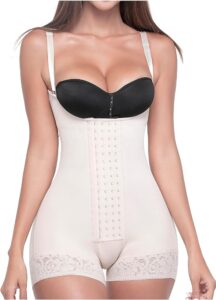

Sculpting Support: A Comprehensive Guide to the Benefits of Compression Garments

Compression garments are no longer just a staple for athletes and post-operative care; they’ve woven their way into the daily lives of many seeking various health and fitness benefits. With a surge in popularity, understanding how these snug-fitting fabrics work to improve circulation and stabilize muscles is essential. From enhancing performance during physical activities to aiding in quicker recovery times, compression wear offers a range of advantages that cater to both the active individual and those managing specific medical conditions.

Understanding Lymphedema and the Role of Compression Wear

Lymphedema Identification

Lymphedema is a chronic condition where excess fluid collects in tissues, causing swelling. This often occurs after lymph node removal or damage due to cancer treatment. The primary treatment for managing this condition involves compression garments which help control fluid accumulation.

Compression wear works by applying gentle pressure to the affected area. This encourages the movement of lymph fluids out of the tissues and back into the circulatory system. For example, arm sleeves or stockings exert this necessary pressure, aiding in reducing swelling and discomfort.

Supportive Function

Wearing compression garments plays a critical role in supporting lymphatic function. They act as an external pump that assists the weakened lymphatic system in moving fluid through your body.

This support helps prevent further complications such as infections or fibrosis, which can occur when fluid stagnates for too long within tissues. As such, these garments are essential not only for symptom management but also for maintaining overall health within affected limbs.

Proper Wear Time

For optimal results, it’s crucial to adhere to recommended wear times for compression garments. Consistent use throughout each day helps maintain steady pressure on limb tissues.

Healthcare providers typically suggest wearing them during waking hours with breaks as needed based on comfort levels and skin integrity checks. It’s important not just how you wear them but also how long you do so daily; both factors significantly impact symptom management effectiveness.

Medical Benefits of Compression Therapy

Enhanced Circulation

Compression garments are designed to apply pressure. This graduated compression improves blood flow. Better circulation helps deliver oxygen and nutrients efficiently.

Patients wearing these garments may feel immediate relief. They often report less heaviness in their limbs. This is due to the improved venous return.

Swelling Reduction

Swelling is a common issue after injury or surgery. Compression therapy can be crucial here. It restricts excess fluid buildup, reducing swelling effectively.

Moreover, it can prevent varicose veins by aiding vein function. Regular use of compression wear supports long-term vascular health.

Accelerated Healing

Post-surgery or injury, healing is top priority for patients. Compression aids play a vital role by stabilizing the affected area and improving blood flow.

These benefits contribute to faster recovery times and reduced pain levels during rehabilitation processes.

Compression Garments in Sports Performance and Recovery

Muscle Stabilization

Compression garments stabilize muscles during exercise. This support may lead to improved athletic performance. Athletes often feel more secure when their muscles are firmly held, which can enhance confidence in their movements.

Wearing these garments helps reduce unwanted muscle movement. For example, a runner may use compression tights to prevent excessive muscle oscillation with each stride.

Reduced Fatigue

Athletes report less muscle fatigue when using compression gear. After intense workouts or competitions, soreness is common. However, those wearing compression items tend to experience milder soreness.

A study showed athletes felt better the day after wearing compression garments post-exercise compared to those who did not wear them.

  • Benefits include:

  • Less lactic acid buildup

  • Improved blood flow

Faster Recovery

Faster recovery times are key for any athlete’s routine. Compression gear aids this process by promoting circulation and reducing inflammation. As a result, athletes can return to training sooner.

When an athlete wears a garment post-exercise, it helps flush out toxins from the muscles faster than usual.

Types of Compression Garments for Various Needs

Medical-Grade Wear

Medical-grade compression garments are designed for health conditions. They help with circulation issues and recovery from surgery. Doctors often recommend them after operations or for those with venous disorders.

These garments come in various pressure levels, measured in millimeters of mercury (mmHg). The higher the number, the stronger the compression. For example, light compression might range from 15 to 20 mmHg, while strong compression could be over 30 mmHg.

Athletic Compression

Athletic compression wear focuses on performance and recovery. Unlike medical-grade options, these pieces aim to boost athletic output and decrease recovery time post-exercise.

They typically offer less pressure than medical variants but still support muscles during activity. Runners might choose calf sleeves to reduce shin splints risk. Cyclists may prefer full-length leggings that promote leg endurance.

Upper Body Options

Upper body compression garments include shirts and arm sleeves.

  • Shirts can improve posture and reduce muscle oscillation.

  • Arm sleeves aid in reducing swelling during long flights or repetitive motions like typing or playing tennis.

Each type serves a specific purpose based on individual needs such as managing lymphedema or providing muscle stability during physical activities.

Lower Body Solutions

Lower body options cater to different areas of need:

  • Stockings assist with varicose veins.

  • Tights can be used by pregnant women to alleviate discomfort.

Choosing depends on condition severity and lifestyle factors like job demands or exercise habits.

Design and Fabric Technology in Compression Apparel

Fabric Innovations

Compression garments have evolved with fabric technology. Manufacturers now blend multiple materials for both comfort and effectiveness. Traditional fabrics are combined with advanced fibers to enhance the garment’s performance. For example, a mix of nylon and spandex provides stretchability while maintaining pressure on targeted areas.

These innovative blends also include moisture-wicking properties. This is crucial as it helps keep the skin dry, reducing the risk of irritation or infection. Athletes often prefer these products because they can perform longer without discomfort from sweat.

81O Xjlb2IL. AC UY1000

Seamless Construction

Another important advancement is seamless construction. Seams can cause chafing and discomfort, especially during prolonged use or activity. To prevent this, compression apparel often features seamless designs that eliminate potential friction points against the skin.

This design not only increases comfort but also improves durability by removing weak points in the fabric where tears might occur. By choosing seamless compression products, users experience less irritation and enjoy a better fit overall.

Measuring and Fitting for Optimal Compression

Accurate Measurements

For compression garments to work, they must fit well. Accurate measurements are key. They ensure the garment provides the right level of pressure. This is essential for effective therapy.

To measure correctly, you need a soft tape measure. It’s best to take measurements in the morning when swelling is minimal. Measure areas that the garment will cover. For example, if it’s a sock, measure around the widest part of your calf.

  • Record these numbers.

  • Refer to sizing charts provided by manufacturers.

If you’re unsure about measuring yourself, seek help from an expert who specializes in fitting compression wear.

Proper Fitting

Once measured, finding a good fit is next. Different types of garments have specific guidelines:

  • Socks and stockings should feel snug but not too tight.

  • Sleeves must allow for arm movement without slipping.

Signs of an improper fit include:

  • Pinching or rolling fabric.

  • Moisture build-up due to poor material contact with skin.

A consistent fit across all worn areas prevents complications like skin irritation or reduced blood flow.

Remember that design and fabric technology also play roles in how well a garment fits and functions (as discussed earlier). Materials should wick away moisture while maintaining consistent pressure throughout use.

Care and Maintenance of Compression Garments

Washing Techniques

Proper washing is crucial to maintain the elasticity of compression garments. It’s best to follow a gentle routine.

Hand wash your garments in lukewarm water with mild soap. Avoid wringing them out as it can damage the fabric. Instead, gently squeeze out excess water. For machine washing, use a delicate cycle and place the garment in a mesh laundry bag for protection. Air dry away from direct sunlight and heat sources which can degrade elasticity.

Replacement Frequency

To ensure effective compression, replace garments regularly.

Over time, even well-cared-for garments lose their compressive qualities. Typically, replace your compression wear every three to six months depending on usage intensity. If you notice reduced snugness or visible wear and tear, it’s time for a new one.

Storage Practices

Storing these items properly extends their life span significantly.

Keep them in a cool, dry place when not in use. Avoid folding which may create creases that affect functionality; instead lay them flat or roll them up neatly. Avoid placing heavy objects on top of stored garments as this could stretch them out prematurely.

Future Outlook on Compression Garment Innovations

Smart Fabrics

Compression garments are evolving. Smart fabrics with responsive compression are anticipated. These materials adjust to the wearer’s movements. Imagine compression gear that tightens during a sprint but relaxes during cool-downs.

Biometric sensors could be woven into these fabrics. They would monitor heart rate or muscle activity. This integration can enhance athletic performance and recovery.

Sustainable Production

The production of compression garments is also focusing on sustainability. There is a push for eco-friendly materials that reduce environmental impact.

Manufacturers might use recycled plastics or natural fibers in future designs. These efforts aim to create products that are both effective and kinder to our planet.

Summary

This article has thoroughly explored the multifaceted world of compression garments, from their medical applications in managing conditions like lymphedema to their role in enhancing athletic performance and recovery. The discussion highlighted the importance of proper fit and care for these specialized items, as well as the exciting potential of future innovations in fabric technology and design. By understanding the various types of compression wear and their respective benefits, users are better equipped to make informed decisions for their health and fitness needs.

As we continue to witness advancements in this field, it is crucial for consumers and healthcare professionals alike to stay informed about the latest developments. Whether you’re a patient seeking relief from medical symptoms or an athlete aiming for peak performance, consider integrating compression garments into your regimen. For further guidance on selecting and utilizing these products effectively, consult with medical experts or trained professionals.

Frequently Asked Questions

What is the purpose of compression garments in managing lymphedema?

Compression wear helps to facilitate lymph fluid movement, reducing swelling and discomfort associated with lymphedema.

How do compression garments aid in medical therapy?

They apply controlled pressure to veins, enhancing blood flow and reducing the risk of blood clots and venous disorders.

Can athletes benefit from wearing compression clothing?

Yes, athletes use compression gear for improved performance and accelerated recovery by promoting circulation and muscle support.

Are there different types of compression garments for specific needs?

Absolutely. Compression wear varies from socks and sleeves to full-body suits tailored for particular conditions or activities.

What advancements exist in the design of compression apparel?

Recent innovations include smart fabrics that adapt to activity levels and ergonomic designs that enhance fit and comfort.

How important is proper fitting for a compression garment’s effectiveness?

A precise fit is crucial; ill-fitting garments can either impede benefits or cause discomfort. Professional measuring is recommended.

How should I care for my compression wear to ensure longevity?

Follow manufacturer guidelines on washing and drying; typically, gentle cycles are best along with air-drying away from direct heat sources.

The Risk-Benefit Equation: Evaluating the Potential Downsides of Mommy Makeovers

Exploring the potential risks associated with a mommy makeover is crucial for those considering this comprehensive cosmetic surgery. While the allure of restoring pre-pregnancy contours can be compelling, it’s essential to weigh the possible complications and health implications. This post delves into what you should know about the safety and risk factors of undergoing a mommy makeover, providing an informed perspective on how these procedures might affect your well-being.

Understanding Mommy Makeover Procedures

Typical Components

A mommy makeover typically combines several cosmetic procedures. These often include a tummy tuck, breast augmentation or lift, and liposuction. Each targets areas affected by pregnancy and childbirth.

Women choose these surgeries to restore their pre-pregnancy bodies. A tummy tuck removes excess skin and tightens abdominal muscles. Breast procedures adjust size and shape after breastfeeding changes them. Liposuction gets rid of stubborn fat deposits.

Popularity Trends

Mommy makeovers have gained traction over the years. They are popular among women in their 30s to 50s who want to reclaim their body confidence.

Statistics show an increase in these surgeries as societal views on cosmetic surgery shift positively. More mothers are investing in themselves post-childbirth with such procedures.

Motivations for Surgery

The motivations behind seeking a mommy makeover can vary greatly from person to person.

  • Restoring self-esteem is a common reason.

  • Some look for rejuvenation after multiple pregnancies.

  • Others may pursue it for physical comfort, like easing back pain from weakened core muscles.

Ultimately, many women see this surgery as a way to feel more comfortable in their own skin again.

Critical Risks and Safety Concerns

Complication Rates

Complications can happen with any surgery. Mommy makeovers have specific risks due to their complex nature. Infections or bleeding are possible after surgery. The risk increases because multiple procedures occur at once.

Patients should know these risks before surgery. Doctors will explain the chances of complications during consultations. They also provide a consent document that outlines all potential risks.

Anesthesia Risks

Anesthesia is necessary for mommy makeovers. But it brings its own set of dangers, especially when multiple surgeries are combined. Patients may experience adverse reactions or complications related to anesthesia.

A thorough medical history helps reduce these dangers. It’s vital for patients to share their full health background with surgeons.

Medical Disclosure

Full disclosure of medical history is crucial for safety in mommy makeovers.

  • Past health issues

  • Current medications

  • Lifestyle factors like smoking or drinking

This information helps doctors anticipate and avoid potential complications. It is part of preparing for the procedure safely and effectively.

Recovery Time and Postoperative Care

Downtime Duration

After a mommy makeover, patients need time to recover. This period is crucial for wound healing. The average downtime is typically around two to three weeks. However, full recovery can take several months.

During the initial weeks, patients should focus on rest. They must avoid strenuous activities that could strain their bodies or disrupt the healing process.

Essential Care

Postoperative care is key for proper healing after surgery. Patients will receive detailed op instructions from their surgeon. These guidelines are tailored to each individual’s procedure and needs.

Firstly, managing pain and preventing infection are top priorities.

  • Take prescribed medications as directed.

  • Keep incisions clean and dry.

Monitoring for signs of complications is also important.

  • Watch for unusual swelling or discharge.

  • Report any concerns to your surgeon immediately.

Following these steps helps ensure a smoother recovery.

Activity Resumption

Resuming physical activity must be gradual post-surgery. It’s essential not to rush this process as it could hinder recovery efforts or cause injury.

Patients may start with light walking within days after surgery to promote circulation. More vigorous exercise should only begin once the doctor approves it, usually after six weeks or more.

Returning to work depends on the nature of the job:

  • Desk jobs might require a few weeks off.

  • Physical jobs often need longer leave periods due to increased risk of strain on surgical sites.

Mortality Rates and Influencing Factors

Risk Statistics

Mommy makeovers, like any surgery, come with risks. One such risk is the mortality rate. While these rates are relatively low, they are an important consideration for those undergoing multiple cosmetic procedures.

The mortality rate for mommy makeovers varies but remains a rare occurrence when performed by qualified surgeons. It’s crucial to understand that combining surgeries can increase the duration of anesthesia, which in turn could elevate the risk.

Health Impact

Underlying health conditions play a significant role in surgical outcomes. Individuals in good health typically face fewer complications during and after surgery.

However, factors such as obesity or a history of heart disease can heighten risks during a mommy makeover. Surgeons will assess patients’ health before approving them for surgery to ensure their safety.

Weighing the Worth and Regrets

Patient Satisfaction

Surveys reveal mixed feelings among women post-mommy makeover. Many report high satisfaction with their new look. They feel rejuvenated and more confident in their bodies. The joy of regaining pre-pregnancy form can be immense.

However, some experience regrets. Changes may not meet expectations or complications might arise. It’s important to weigh potential gains against possible disappointments.

Psychological Impact

Undergoing a mommy makeover often leads to significant body changes. This can have a deep psychological effect on patients. Women should prepare for the emotional journey as much as the physical one.

Adjusting to a new appearance takes time and support from loved ones is crucial during this period. Some may struggle with altered sensation or self-image issues after surgery.

Financial Considerations

The cost of a mommy makeover varies widely, but it’s rarely inexpensive. Beyond the initial price tag, there could be unexpected expenses such as follow-up treatments or correctional procedures.

Patients must consider long-term financial implications before proceeding with surgery:

  • Potential loss of income during recovery.

  • Need for additional cosmetic enhancements over time due to weight gain or aging.

Long-Term Effects and Scarring

Result Longevity

The long-term effects of a mommy makeover can be significant. Many women experience lasting improvements in their body shape. However, the longevity of results varies by procedure. For instance, tummy tucks might offer enduring outcomes if there are no substantial weight fluctuations or additional pregnancies post-surgery.

Different procedures have different lifespans. Breast lifts or augmentations may require touch-ups after several years due to natural aging processes or weight changes. It’s important for patients to understand that maintaining a stable weight and healthy lifestyle can prolong the positive effects.

Scar Management

Post-surgery scarring is an inevitable part of any mommy makeover due to necessary incisions. The types of scars depend on the procedures performed and their locations on the body—like around the belly button or beneath breast folds.

To minimize scars, follow your surgeon’s guidance closely post-operation. This could include using silicone sheets or gels which help reduce scar thickness and discoloration over time. Keeping scars out of direct sunlight is also crucial as UV rays can darken them, making them more noticeable.

For some individuals, genetics play a role in how well they heal; this should be discussed with your surgeon prior to surgery along with your full medical history including skin conditions like keloids which affect scarring.

Choosing the Right Plastic Surgeon

Surgeon Credentials

Selecting a board-certified plastic surgeon is crucial. Board certification ensures that the surgeon has undergone rigorous training and meets high standards in cosmetic surgery. When considering a mommy makeover, which may include procedures like abdominoplasty, breast surgery, or liposuction, it’s essential to choose someone with specific experience.

Ask about their expertise in each procedure, such as removing excess skin or placing implants beneath the muscle. A seasoned professional will be familiar with optimizing the appearance of scars along the bikini line or under breasts.

Portfolio Review

Examine before-and-after photos carefully. These galleries showcase actual results from previous makeovers and can give you an idea of a surgeon’s skill level. Look for patients with similar body types to yours to gauge how your results might look.

Notice details like how natural breast augmentations appear or how well muscles are tightened along the abdomen. The quality of these images reflects on the surgeon’s attention to detail and aesthetic judgement.

Consultation Questions

During consultations, prepare a list of questions:

  • How often do you perform mommy makeovers?

  • Can you explain each step of my proposed procedures?

  • What measures do you take to minimize risks?

Your goal is to understand their approach toward ensuring safety and achieving desired outcomes for individuals like yourself. Their answers should provide insight into their process and comfort level with complex surgeries involving skin, muscles, and appearance enhancements.

grid 33592

Managing Expectations and Minimizing Risks

Realistic Goals

After selecting a qualified plastic surgeon, setting realistic goals is crucial. Understand that results vary based on individual factors. Surgeons can sculpt and enhance your body, but they cannot entirely change who you are.

Patients should discuss desired outcomes with their surgeons beforehand. This helps align expectations with what’s surgically feasible. For instance, a tummy tuck will reduce excess skin but won’t alone lead to significant weight loss.

Preoperative Measures

Before surgery, taking certain steps can lessen risks. Patients often undergo medical evaluations to ensure they’re fit for the procedures involved in a mommy makeover.

Following the surgeon’s pre-surgery instructions is vital for safety and success. These may include:

  • Stopping smoking.

  • Avoiding certain medications.

  • Arranging for post-operative care and support at home.

These actions help reduce complications like poor wound healing or excessive bleeding during surgery.

Lifestyle Choices

Long-term maintenance of mommy makeover results depends on lifestyle choices after recovery. It’s not just about the immediate aftermath; ongoing decisions play a big role in preserving your new look safely.

Adopting a healthy diet and regular exercise routine boosts confidence and maintains surgical gains without additional risk. Weight fluctuations can alter results, so staying within a stable range is recommended for lasting benefits.

Summary

The decision to undergo a mommy makeover should be approached with a comprehensive understanding of the associated risks and realistic expectations. Acknowledging the potential for complications, prolonged recovery, and the possibility of mortality is crucial. While many embrace the transformative results, weighing these outcomes against personal health and psychological readiness is imperative. The choice of a qualified plastic surgeon becomes paramount in mitigating risks and ensuring satisfactory long-term effects, despite the inevitability of scarring.

Patients must engage in detailed discussions with their healthcare providers to manage expectations and optimize outcomes. As with any significant medical decision, thorough research and consideration are vital. Those contemplating a mommy makeover are encouraged to seek multiple professional opinions and prioritize safety over aesthetic desires. For further guidance, consult with certified experts who can offer personalized advice tailored to individual circumstances.

Frequently Asked Questions

What are the main risks associated with a mommy makeover?

Mommy makeovers can involve risks such as bleeding, infection, poor wound healing, and complications from anesthesia.

How long is the recovery period after a mommy makeover?

The recovery time varies but generally spans several weeks. Patients often resume normal activities within 4-6 weeks.

Are there any long-term effects of a mommy makeover to be aware of?

Long-term effects may include changes in sensation, scarring, and potential dissatisfaction with aesthetic outcomes.

What factors can influence mortality rates in mommy makeovers?

Mortality rates are influenced by the patient’s health status, procedure complexity, surgeon experience, and facility quality.

Can you regret having a mommy makeover?

Yes, some individuals may experience regret if their expectations aren’t met or due to unforeseen complications or results.

Does a mommy makeover leave scars?

Scars are an inevitable outcome; however skilled surgeons aim to minimize and strategically place incisions for less visibility.

How do I choose the right plastic surgeon for my mommy makeover?

Selecting a board-certified plastic surgeon with extensive experience in performing mommy makeovers is crucial for reducing risks.

Precision vs. Vibration: Comparing Power-Assisted Liposuction and Vaser Techniques

Power-assisted liposuction emerges as a pivotal advancement in cosmetic procedures, offering enhanced precision and reduced recovery times. This technique utilizes meticulous vibrations to break down fat cells before removal, streamlining the process with notable efficiency. As patients seek safer, more effective body contouring solutions, power-assisted liposuction stands out for its ability to refine results while minimizing discomfort. Understanding this method’s intricacies is crucial for individuals considering body sculpting options.

Understanding Power-Assisted Liposuction

Traditional vs Power-Assisted

Power-assisted liposuction (PAL) transforms the experience for both patients and surgeons. Unlike traditional methods, PAL uses a device that vibrates rapidly. This vibration breaks up fat cells more efficiently.

Surgeons find PAL less strenuous than older techniques. They don’t have to use as much force during surgery. Patients benefit from this advancement too. The procedure is often quicker and smoother as a result of the technology.

Mechanical Movement

The core of PAL lies in its mechanical movement. A specialized cannula in the device oscillates back and forth. It targets stubborn fat deposits with precision.

This motion makes it easier to dislodge fat cells without excessive effort or time. Surgeons can focus on sculpting the body rather than just removing fat.

Reduced Strain

Reduced physical strain is another significant advantage of PAL for surgeons. They no longer need to apply aggressive manual force which minimizes fatigue during procedures.

Patients often enjoy faster recovery times due to this gentler approach. Less strain on the surgeon means a more controlled and focused procedure, enhancing patient safety and outcomes.

Exploring VASER Lipo Procedure

Ultrasound Technology

VASER lipo utilizes ultrasound energy. This technology targets fat cells, liquefying them for easier removal. The process begins with a saline solution infused into the treatment area.

The solution and ultrasonic waves work together to break down fat. A plastic surgeon then removes the liquefied fat through small incisions.

Precision Targeting

VASER is known for its precision in targeting fat layers. Surgeons can focus on specific areas without damaging surrounding tissues.

This method allows for detailed body contouring. Patients often choose VASER for its targeted approach.

Skin Tightening

After VASER lipo, patients may notice skin tightening benefits. The procedure stimulates collagen production, leading to firmer skin post-treatment.

Skin tightening can enhance the overall results of liposuction. It’s a potential advantage of choosing VASER over other methods.

Comparison of Power-Assisted and VASER Liposuction Techniques

Mechanism Differences

Power-assisted liposuction (PAL) uses a vibrating tool. This breaks up fat before removal. It is less forceful than traditional methods. VASER liposuction, on the other hand, employs ultrasound technology. It liquefies fat cells without harming surrounding tissues.

PAL’s approach is mechanical in nature. The cannula moves back and forth rapidly to loosen fat cells. VASER lipo uses sound waves to target only fatty deposits.

Candidacy Variation

Not all patients are suitable for each technique. PAL often works well for those with dense, fibrous body areas.

VASER lipo may be better for delicate regions or detailed contouring. Its precision makes it ideal for enhancing muscle definition.

Procedure Complexity

The duration and complexity differ between these two techniques.

A PAL session can be quicker due to its efficiency in breaking down fat tissue mechanically. In contrast, VASER lipo might take longer because of its focus on finesse and detail.

Risks and Recovery in Liposuction Methods

Common Risks

Liposuction, like any surgical procedure, carries risks. Bruising and swelling are typical after the operation. Infection is a serious risk that requires immediate care. Scarring may occur but often fades over time.

Power-assisted liposuction can lead to tissue damage if not done carefully. The vigorous movement of the cannula might affect surrounding tissues. VASER liposuction has risks too, such as burns from the ultrasound device.

Recovery Timelines

Recovery from power-assisted liposuction usually takes one to two weeks. Most patients return to work within a few days. Full recovery and final results may take several months to become visible.

VASER liposuction also demands patience during recovery. It might require a similar downtime for initial healing as power-assisted methods do.

Post-Procedure Care

Proper care after surgery helps ensure smooth healing:

  • Follow your surgeon’s instructions.

  • Wear compression garments as advised.

  • Attend follow-up appointments without fail.

  • Stay hydrated and maintain a balanced diet.

Avoid strenuous activities for at least a month post-procedure or until your doctor gives you the green light.

Effectiveness of Power-Assisted Liposuction vs. VASER Lipo

Fat Removal

Power-assisted liposuction (PAL) and VASER Lipo both aim to remove fat, but they do it differently. PAL uses a vibrating cannula to break up fat cells before suctioning them out. This method is efficient for dense fat areas.

VASER Lipo employs ultrasound technology to liquefy fat before removal. It’s known for precision and can be ideal for delicate areas like the neck or arms.

Patient Satisfaction

Long-term satisfaction with liposuction depends on several factors including the technique used, patient expectations, and follow-up care. Studies suggest that both PAL and VASER Lipo have high satisfaction rates among patients.

Patients appreciate the less aggressive approach of VASER Lipo which often results in shorter recovery times. However, those who opt for PAL value its ability to target larger volumes of fat effectively.

Suitability by Body Type

Choosing between PAL and VASER depends on body type as well as the area being treated.

  • PAL: Better suited for removing larger amounts of fat.

  • VASER: Preferred for sculpting since it targets smaller pockets of stubborn fat.

Doctors might recommend one technique over another based on skin quality or how much excess skin is present after weight loss or pregnancy.

Precision in Fat Removal: Power-Assisted vs. VASER

Sculpting Accuracy

Power-assisted liposuction (PAL) uses a vibrating cannula to break up fat cells before removal. This vibration allows for more precise removal of fat deposits, particularly beneficial when sculpting the body’s contours.

VASER, on the other hand, employs ultrasound technology to liquefy fat before it is suctioned out. The precision of VASER comes from its ability to target only fat cells, leaving surrounding tissues largely undisturbed.

Delicate Areas

The neck and arms are areas requiring special care during liposuction due to their sensitivity and proximity to vital structures. PAL offers a delicate approach here as well, with its small cannula size making it suitable for these sensitive areas.

VASER also shines in treating delicate areas because of its gentle yet effective ultrasonic waves that can navigate around nerves and blood vessels while focusing on fat pockets.

grid 38675

Aesthetic Outcomes

Patients looking for specific aesthetic outcomes may find one method preferable over the other. PAL is known for its effectiveness in achieving detailed contouring by removing stubborn fat with control and precision.

VASER stands out when patients desire smoother skin texture along with fat reduction since it promotes skin tightening post-procedure—a result not typically associated with power-assisted methods.

In choosing between power-assisted liposuction and VASER, consider:

  • The area being treated

  • Desired level of detail in contouring

  • Importance of additional benefits like skin tightening

Both methods offer high levels of accuracy but differ slightly in technique application which could influence your final decision based on personal goals.

Eligibility Criteria for Liposuction Procedures

Health Conditions

Before undergoing liposuction, it’s vital to understand how health conditions affect suitability. Surgeons will evaluate a patient’s medical history carefully. They look for issues that could complicate the procedure or recovery. For instance, individuals with heart problems or blood disorders may face increased risks.

Patients must be in good health overall. This is crucial for both traditional and power-assisted liposuction techniques. Good health helps ensure safe surgery and smooth healing.

BMI Limitations

When considering liposuction, surgeons assess a person’s BMI (Body Mass Index). This measure helps determine if someone is a good candidate for the procedure. Generally, candidates should have a BMI below 30. A higher BMI might increase complications during and after surgery.

It’s important to note that liposuction isn’t a weight-loss method but rather a way to remove stubborn fatty tissue from specific areas of the body.

Expectation Management

Having realistic expectations is key for anyone thinking about liposuction. Patients should understand what the surgery can and cannot do for their appearance. Liposuction removes fat but doesn’t necessarily tighten skin or fix cellulite.

Surgeons discuss potential results with patients beforehand to ensure they have realistic goals in mind—like smoothing out certain areas rather than achieving dramatic weight loss.

Combining Power-Assisted and VASER Liposuction Techniques

Potential Benefits

Power-assisted liposuction (PAL) uses a vibrating tool to loosen fat. This makes the suction process easier. On the other hand, VASER liposuction employs sound energy to break up fat cells with minimal damage to surrounding tissues. When these techniques are combined, patients may see improved results.

The dual approach can offer enhanced sculpting capabilities. The power assistance helps remove fibrous tissue, while VASER targets more delicate areas. Together, they provide a comprehensive method that allows for detailed contouring of the body.

Recommended Scenarios

Not every patient needs both techniques. However, certain situations benefit from this combination therapy.

For individuals with dense or fibrous areas, PAL provides the necessary force to break down tough tissue. Meanwhile, those needing precise shaping might find VASER’s ability to target specific cells advantageous. Using both methods could mean better outcomes for challenging cases where traditional liposuction might fall short.

Safety Considerations

When combining any medical procedures, safety is paramount.

Doctors must assess risks like increased exposure to general anesthesia or potential complications from using multiple devices in one session. Only skilled professionals should perform such complex treatments as they require an advanced understanding of the tools and techniques involved.

Patients considering this combined approach should discuss it thoroughly with their surgeon beforehand—ensuring clear communication about expectations and possible risks associated with blending these powerful liposuction technologies.

Summary

Power-assisted liposuction (PAL) and VASER liposuction are both advanced techniques designed to sculpt the body by removing unwanted fat. This article has delved into the intricacies of each method, comparing their effectiveness, precision, and associated risks. While PAL offers mechanical advantages and efficiency in fat removal, VASER liposuction stands out for its ultrasonic technology that targets fat cells with minimal damage to surrounding tissues. The eligibility criteria for these procedures ensure patient safety and optimize outcomes, highlighting the importance of a tailored approach to body contouring.

As medical technology advances, combining PAL and VASER techniques may present a formidable option for those seeking comprehensive results. Prospective patients should consult with qualified plastic surgeons to discuss the most suitable method for their individual needs. For further information or to schedule a consultation, readers are encouraged to reach out to certified professionals who can provide personalized advice based on the latest research and clinical expertise.

Frequently Asked Questions

What is power-assisted liposuction?

Power-assisted liposuction (PAL) employs a vibrating tool that makes it easier to break up and remove fat, especially in dense areas.

How does VASER lipo differ from traditional liposuction?

VASER lipo uses ultrasound technology to liquefy fat before removal, which can be gentler on the body than traditional methods.

Can you combine power-assisted and VASER liposuction techniques?

Yes, combining both techniques may benefit certain patients by enhancing precision and reducing recovery time.

What are the risks associated with power-assisted liposuction?

Risks include bruising, swelling, infection, or uneven contours post-procedure. It’s crucial to consult with a certified surgeon beforehand.

Who is eligible for power-assisted or VASER liposuction procedures?

Eligibility depends on overall health, skin elasticity, and having a stable weight. A consultation with a qualified surgeon is necessary for assessment.

Is power-assisted liposuction more effective than VASER Lipo?

Effectiveness varies per individual case; however, PAL can provide more control during fat removal while VASER may be better for fibrous areas.

Evaluating the Price of Confidence: What to Know About Tummy Tuck Costs

Deciding on a tummy tuck is a significant step towards body confidence, but it’s essential to grasp the financial aspect. The cost of this transformative procedure varies, influenced by factors like geographic location, surgeon expertise, and the complexity of the surgery. While prices fluctuate widely, understanding these variables can guide you in budgeting for your investment in self-improvement. With careful planning and clear expectations about expenses, prospective patients can approach a tummy tuck with financial peace of mind.

Understanding the Basics of Tummy Tuck Pricing

Cost Range

The tummy tuck cost can vary widely. A standard tummy tuck typically falls within a certain price range. This range reflects factors like geographic location and clinic amenities. Patients should expect to see prices that reflect these variables.

Costs can be influenced by the extent of surgery needed. Some patients may require more extensive procedures, which will raise the price tag. It’s crucial for individuals to research and understand these costs beforehand.

Surgeon Expertise

Board-certified surgeons often charge more for their services. Their expertise in performing a tummy tuck is critical for successful results and safety during surgery. The higher cost is an investment in quality care.

Patients should verify their surgeon’s board certification as it impacts pricing and outcome assurance. Choosing a less experienced or uncertified surgeon might reduce upfront costs but could lead to complications later on.

Consultation Fees

Initial consultations might add to the overall tummy tuck cost. These meetings are important for both patient and surgeon assessments before proceeding with surgery.

During consultation, potential additional fees get discussed, such as anesthesia or facility charges. This transparency helps patients budget effectively for their procedure.

Factors Influencing Tummy Tuck Surgery Costs

Surgeon Expertise

The experience and reputation of a surgeon play a crucial role in determining the cost of tummy tuck surgery. Highly regarded surgeons often charge more due to their expertise and successful track record. They provide assurance of quality, reducing risks associated with the procedure.

Patients may find that fees are higher when choosing top professionals in the field. This is because experienced surgeons bring years of knowledge to complex surgeries, justifying their premium pricing.

Procedure Complexity

Tummy tucks vary in complexity which affects the price tag. A full abdominoplasty costs more than partial or mini-tucks due to its extensive nature. The size and scope of work required can significantly influence overall expenses.

A detailed assessment by your surgeon will determine what kind of tummy tuck suits your needs best:

  • Full abdominoplasty for larger areas.

  • Mini-tuck for less extensive modification.

Additional Procedures

Often, a tummy tuck is part of multiple body contouring procedures which increases total costs. For instance, combining it with liposuction adds to both time under anesthesia and surgical complexity.

Here’s how additional procedures can impact cost:

  • Liposuction for fat removal.

  • Body lifts to address sagging skin elsewhere on the body.

Combining surgeries might offer financial savings over separate operations but will result in a higher single operation cost.

Geographic Variations in Tummy Tuck Expenses

Urban vs Rural

Cost differences between urban and rural areas are significant. In cities, the demand for cosmetic procedures like tummy tucks is higher. This pushes up prices. For example, a surgeon in a bustling city may charge more due to increased overhead costs.

In contrast, rural areas might offer lower rates. But they may not have surgeons with specialized expertise in tummy tucks. Patients must weigh the pros and cons:

  • Lower cost versus potential travel expenses.

  • Access to fewer specialists.

Coastal Cities

Rates tend to be higher in coastal cities compared to inland locations. Cities like Los Angeles or New York see high demand for cosmetic surgery which increases costs. Moreover, surgeons there might have celebrity clientele which can drive up their fees.

On the other hand, inland cities might offer more reasonable rates while still providing quality care. Patients should consider these factors when looking at cost:

  • Surgeon’s expertise.

  • Facility standards.

International Options

Looking abroad can reveal more affordable options for a tummy tuck surgery with different standards of care. Countries such as Mexico or Thailand often advertise lower-cost surgeries that attract international patients seeking affordability.

However, it’s crucial to research thoroughly before choosing this route:

  1. Verify credentials and reviews of foreign clinics.

  2. Understand post-surgery support available overseas.

Patients should analyze all details carefully before making decisions based on cost alone.

Breakdown of Abdominoplasty Procedure Fees

Surgeon’s Fee

The surgeon’s fee makes up a large part of the tummy tuck cost. This is because it reflects the surgeon’s skill and experience. It can vary widely depending on their reputation and geographic location, as mentioned earlier. Choosing a qualified surgeon ensures safety and satisfactory results.

Surgeons with extensive training typically charge more. However, investing in a skilled surgeon can lead to fewer complications and better outcomes.

Pre-Op Expenses

Before the surgery, patients undergo medical tests to ensure they are fit for the procedure. These pre-op expenses add to the overall cost but are crucial for patient safety.

A complete blood count or EKG may be required based on age and health status. These tests detect any potential risks that could complicate surgery.

Post-Surgery Garments

After a tummy tuck, special garments aid recovery. The cost often includes these post-surgery garments which reduce swelling and support healing tissues.

Wearing compression garments is essential post-surgery for optimal results.

Anesthesia and Operating Room Charges for Tummy Tucks

Anesthesiologist Fees

Anesthesia is critical for a tummy tuck. The anesthesiologist’s fee depends on how long the surgery takes. Shorter procedures cost less than longer ones. Patients should know these fees are billed separately.

The charge reflects the anesthesiologist’s expertise. It also covers medications used during surgery. This ensures patient comfort and safety throughout the procedure.

Facility Costs

Operating rooms have different costs based on location and status. Facilities with accreditation often charge more due to higher standards of care.

Costs include staff, equipment, and room usage time. These charges are separate from anesthesia fees. Patients receive two bills: one for anesthesia, another for operating room use.

Post-Operative Care and Scar Management Costs

Follow-Up Visits

After a tummy tuck, follow-up visits are crucial for monitoring recovery. These appointments may incur additional costs depending on the surgeon’s policy. Some surgeons include follow-up care in their initial fee, while others charge separately for each visit.

Patients should expect several check-ups within the first month post-op. These ensure proper healing and allow surgeons to address any complications early. It’s important to factor these potential expenses into the total cost of your surgical procedure.

Scar Treatments

Scarring is an inevitable part of any surgical procedure, including a tummy tuck. Managing scars often involves extra products or treatments which add to overall costs.

Options range from topical creams to laser therapy, with prices varying widely. Patients typically purchase scar treatment products during their recovery period. Insurance rarely covers these items as they are considered non-essential.

Long-Term Care

A critical aspect of long-term care is wearing compression garments. These help reduce swelling and support healing but also represent an added expense.

On average, patients might wear these garments for several weeks to months post-op, impacting the total cost significantly over time. Certain medications prescribed during recovery can contribute further to patient care expenses.

Financing Options for Tummy Tuck Procedures

Payment Plans

Many surgical practices offer payment plans to help patients afford tummy tuck procedures. These plans often allow you to break down the total cost into smaller, more manageable monthly payments. Before committing, it’s important to understand the terms, such as interest rates and payment period.

Some clinics have in-house financing options. Patients can directly discuss and tailor a plan that suits their financial situation. Always contact the clinic beforehand to explore these possibilities.

grid 31736

Medical Credit Cards

Another option is using medical credit cards specifically designed for healthcare expenses like surgeries. They can cover not just a tummy tuck but also additional procedures such as lipo if considered necessary by your surgeon.

Medical credit cards usually come with promotional offers, like deferred interest periods. Remember, it’s crucial to pay off the balance before this period ends to avoid high-interest charges.

Insurance Coverage

In some cases, insurance may cover parts of a tummy tuck procedure if they are deemed medically necessary. For example, after massive weight loss surgery where excess skin causes health issues.

It’s rare for insurance policies to cover cosmetic surgery costs fully; however, they might help with associated medical conditions or complications arising from excess skin folds. To determine eligibility for coverage:

  1. Review your insurance policy carefully.

  2. Contact your insurance provider.

  3. Discuss with your surgeon about components that could be medically necessary.

Understanding all available financing options will make planning for a tummy tuck less stressful financially.

Assessing the Long-Term Value of Abdominoplasty

Quality of Life

A tummy tuck, or abdominoplasty, is more than a cosmetic procedure. It enhances quality of life for many patients. After weight loss or pregnancy, excess skin can cause discomfort and hygiene issues. A tummy tuck removes this skin.

Patients report feeling better in their clothes post-surgery. They also enjoy activities they avoided before due to self-consciousness about their abdomen.

Durability & Longevity

The results from a tummy tuck are designed to last. With proper care and a stable weight, the benefits can be long-term. However, significant weight changes or pregnancy can affect durability.

It’s important to maintain a healthy BMI and lifestyle to preserve results for years.

Resale Value

While you cannot “resell” a surgical procedure like an abdominoplasty, think of its value in terms of increased self-confidence and lifestyle improvements:

  • Better body image

  • More active social life

  • Greater wardrobe choices

These benefits contribute to what some call ’emotional currency’, which has real-life impacts on well-being and personal satisfaction.

Final Remarks

The pursuit of a tummy tuck is a significant decision, influenced by a variety of factors including geographical location, procedural intricacies, and post-operative care. Understanding these elements is crucial for setting realistic expectations regarding the financial commitment involved. The cost is not merely an expense but an investment in personal well-being and confidence, meriting thorough consideration of the procedure’s long-term value.

Prospective patients are encouraged to weigh the benefits against the costs, seek consultations with qualified surgeons, and explore financing options to make informed decisions. For further guidance on abdominoplasty or to schedule an evaluation, interested individuals should contact certified professionals. Your journey toward transformation begins with a step towards expert advice.

Frequently Asked Questions

How much does a tummy tuck typically cost?

The cost of a tummy tuck varies widely based on location, surgeon’s expertise, and procedural specifics. It can range from $3,000 to $15,000.

What factors affect the price of a tummy tuck surgery?

Key factors include the surgeon’s experience, geographic location, complexity of the procedure, anesthesia fees, operating room costs, and post-operative care necessities.

Do prices for abdominoplasty differ by region?

Yes. Geographic location significantly impacts abdominoplasty pricing due to varying overhead costs and local market rates for medical services.

What are the typical fees included in a tummy tuck procedure?

A comprehensive fee usually includes the surgeon’s charge, anesthesia fee, facility or operating room expenses, medical tests pre-surgery and follow-up appointments during recovery.

Are there additional charges after a tummy tuck operation?

Post-operative expenses may involve pain medication prescriptions as well as scar management treatments that are not included in the initial surgical quote.

Can I finance my tummy tuck surgery?

Many providers offer financing plans or work with third-party companies specializing in healthcare loans to make payment more manageable over time.

Is investing in an abdominoplasty worth it long-term?

Assessing long-term value depends on individual satisfaction with cosmetic results and improved self-confidence against financial outlay; many find it beneficial.

Natural Beauty Enhanced: A Comprehensive Guide to Fat Transfer Breast Augmentation

Fat transfer breast augmentation is a cutting-edge procedure that combines body contouring with breast enhancement. By repurposing one’s own fat from areas like the abdomen or thighs, this technique offers a dual benefit: sculpting unwanted fat pockets while enhancing breast volume naturally. It stands out as an alternative to implants, appealing to those seeking subtle and more natural-looking results without foreign materials. This method also minimizes common concerns associated with traditional augmentation, providing a compelling option for individuals aiming to refine their silhouette.

Understanding the Fat Grafting Procedure

Fat Harvesting

The first step in fat transfer breast augmentation is fat harvesting. Doctors take fat from areas of your body where it’s plentiful. Common donor sites include the abdomen, thighs, and flanks. The process begins with liposuction, where a special tool called a cannula is used to extract fat.

After extraction, the fat must rest. It separates into layers by gravity. Only the top layer of pure fat will be used for augmentation.

Fat Purification

Once harvested, this raw fat can’t go straight to your breasts—it needs cleaning first. This stage is known as fat purification. Techniques like centrifugation or filtration remove impurities and excess fluids from the harvested cells.

The goal is to isolate healthy and viable adipose cells that will survive when transferred to another area of your body—your breasts in this case.

Transfer Techniques

Finally comes the actual transfer part of the procedure. Surgeons use precise techniques for injecting purified fat into breast tissues:

  1. Small incisions are made.

  2. A micro-cannula injects tiny amounts of purified fat at various depths.

  3. This method ensures even distribution and natural-looking results.

Surgeons work carefully so each injected droplet has enough space around it for blood vessels to grow in later on—this helps new tissue integrate well with your existing breast structure.

Comparing Fat Transfer with Other Breast Augmentation Methods

Grafting vs Implants

Fat transfer breast augmentation uses body fat to enhance breast size. It’s different from using silicone or saline implants. With fat grafting, surgeons remove fat from an area like the belly and inject it into the breasts.

Implants involve placing a silicone or saline-filled device under breast tissue or muscles. They come in various sizes and shapes, offering more dramatic changes in size than fat grafting.

Scarring Differences

Scarring is a concern for many. Fat transfer leaves minimal scarring since it requires only small incisions for liposuction and injection. The marks often fade over time.

Silicone or saline implants need larger cuts to insert them, which can leave more noticeable scars. The location of these scars varies depending on the surgical technique used.

Feel After Augmentation

The touch and feel of augmented breasts are important factors too. Breasts enhanced through fat transfer tend to feel more natural compared to those with implants because they are made of real body tissue.

On the other hand, some find that silicone implants give a somewhat similar softness to natural tissue while saline may feel firmer and less natural.

Benefits of Natural Breast Augmentation via Fat Grafting

Natural Results

Fat transfer breast augmentation offers a natural look. Unlike saline implants, this method uses the patient’s own fat. This leads to results that feel and move like natural breast tissue.

Patients often prefer the softness of their breasts after fat grafting. They appreciate how their body looks and feels post-surgery.

Reduced Allergies

Using one’s own tissue reduces allergy risks. There are no foreign materials like in other procedures with implants.

This makes it a safer option for many women. It is especially important for those with sensitivities or concerns about synthetic materials.

Liposuction Benefit

There’s an added advantage of contouring another body part through liposuction. Patients can remove unwanted fat from areas such as the abdomen or thighs.

This dual benefit helps achieve a more balanced figure overall. Many find this aspect highly appealing when choosing fat transfer over other methods.

Risks and Safety Concerns in Fat Transfer Augmentation

Fat Reabsorption

Fat transfer breast augmentation carries the risk of fat reabsorption. This is when the body gradually absorbs the transferred fat over time, potentially leading to loss of volume.

The procedure may need to be repeated to maintain results. Patients should understand this possibility before proceeding. A skilled surgeon can optimize outcomes, but no guarantee exists against reabsorption.

Calcification Risk

Another concern is calcification. After surgery, small calcium deposits can form within the breast tissue. These are usually harmless but could complicate mammography readings.

Calcifications might appear suspicious on a mammogram, possibly requiring additional tests to rule out cancer. Discussing these risks with a radiologist beforehand is advisable for informed decision-making.

Surgeon Selection

Choosing a board-certified surgeon is crucial for minimizing complications. Certified surgeons have extensive training and adhere to strict safety standards.

They use precise techniques that reduce risks associated with fat transfer procedures:

  1. Ensuring proper handling of fat cells.

  2. Injecting at correct depths and areas.

Patients must research their chosen professional’s qualifications thoroughly before undergoing surgery.

Eligibility Criteria for Prospective Patients

Donor Fat Availability

Patients considering fat transfer breast augmentation need adequate donor fat. This means having enough excess fat in other body parts. These areas, known as donor sites, are where surgeons harvest fat. Common donor sites include the abdomen, thighs, and hips.

For a successful procedure, there must be sufficient fat to create a natural look. Too little donor fat can lead to uneven results or the need for additional procedures.

grid 36456

Health Requirements

General health is crucial for anyone thinking about surgery. Good candidates do not have major health issues that might increase surgery risks. They should also have good blood supply in both the breast area and potential donor sites to support healing.

Before surgery, patients undergo evaluations to ensure they meet these standards. Those with certain conditions may face higher complications rates and thus might not be ideal candidates.

Expectation Management

Understanding what this procedure can achieve is important for patient satisfaction. It offers subtle enhancement rather than dramatic changes in size.

People desiring significant augmentation may find implants a better option. For those seeking modest increases and improved contours, this method could be an ideal solution.

Prospective patients should discuss their desires with their surgeon beforehand. Clear communication helps align expectations with realistic outcomes.

Preparing for Your Fat Transfer Procedure

Smoking Cessation

Before undergoing a fat transfer breast augmentation, quitting smoking is crucial. Smoking can affect blood flow and slow healing. Doctors often advise patients to stop smoking weeks before the procedure.

Patients must also discuss their medications with their surgeon. Some drugs may increase bleeding risk and need adjustment or cessation.

Post-Procedure Care

Arranging for post-procedure care is essential. Patients will need help at home, especially in the first few days after surgery when mobility might be limited.

It’s important to organize transportation as well. Driving won’t be possible immediately after the procedure due to anesthesia effects and discomfort.

Dietary Changes

Surgeons may recommend dietary changes before surgery to improve outcomes:

  • Increase protein intake for better healing.

  • Stay hydrated but avoid excessive alcohol.

  • Certain supplements may be advised to support recovery.

Lifestyle adjustments are also part of preparation:

  1. Maintain a stable weight; significant fluctuations can impact results.

  2. Exercise regularly, focusing on overall health rather than just areas of fat removal or injection.

Recovery and Anticipated Results Post-Procedure

Recovery Timeline

After a fat transfer breast augmentation, patients can expect a recovery period. Most individuals resume normal activities within a few weeks. It’s crucial to follow the surgeon’s instructions for optimal healing.

Swelling is common post-surgery. It gradually subsides over time, revealing the true results of the procedure. Patients should anticipate several months before seeing their final shape and size.

Managing Expectations

Understanding the timeline for visible results helps in managing expectations. Initial swelling may distort the immediate outcome after surgery. The final appearance typically emerges once swelling has fully resolved.

Regular follow-up care is essential to monitor progress and address any concerns such as side effects or complications like capsular contracture or cysts. Surgeons will provide guidance on what signs to watch out for during recovery.

Follow-Up Care

Post-operative appointments are vital for tracking healing and ensuring proper integration of transferred fat cells into breast tissue. These check-ups allow doctors to assess if goals are being met with little bit adjustments needed along the way.

Patients should report any unusual symptoms immediately, as they could indicate issues requiring attention, such as infection or anesthesia-related side effects.

Longevity and Impact on Breast Health

Result Duration

Fat transfer breast augmentation offers a natural alternative to implants. The results’ duration can vary. Typically, patients enjoy their new breast size for several years. However, the body may reabsorb some of the transferred fat over time.

The longevity depends on factors like lifestyle and how well the body accepts the new cells. It’s important to maintain good health to preserve results. Regular follow-ups with your doctor are crucial for monitoring changes.

Tissue Monitoring

After augmentation, it’s essential to monitor breast tissue changes closely. Fat transfer can alter how breasts look on imaging tests used in screenings like mammograms.

Patients should inform their radiologist about their procedure history before any breast screening or procedure. This knowledge helps differentiate between normal post-augmentation changes and potential concerns such as lumps that might indicate breast cancer.

Regular self-exams also play an important role in maintaining good health by detecting unusual changes early.

Screening Impact

Breast screenings are vital for early detection of potential issues like cancer. Fat transfer procedures could impact these screenings because they change the breast volume and density.

However, experienced radiologists can distinguish between typical post-procedure alterations and abnormal signs that may require further investigation.

It is recommended that women discuss future screening processes with both their cosmetic surgeon and primary healthcare provider to ensure clarity in interpreting future mammograms or other diagnostic tests.

Closing Thoughts

Fat transfer breast augmentation presents a viable alternative to traditional implants, offering natural results and dual benefits of body contouring. Understanding the procedure, weighing its benefits against potential risks, and recognizing eligibility criteria are critical steps for those considering this option. Recovery expectations and the longevity of results further inform patient decisions, emphasizing the importance of thorough preparation and expert medical guidance.

Prospective patients should consult with board-certified plastic surgeons to discuss individual goals and health considerations. By making informed choices grounded in personal research and professional advice, women can achieve their desired aesthetic outcomes with confidence. For more information or to schedule a consultation, reach out to a qualified specialist today.

Frequently Asked Questions

What is fat grafting breast augmentation?

Fat grafting breast augmentation is a procedure where fat is harvested from one’s own body and injected into the breasts for enhancement.

How does fat transfer compare to implants?

Fat transfer offers a more natural result compared to implants, with no risk of implant-related complications.

What are the benefits of choosing fat grafting for breast enhancement?

Benefits include using your own tissue for augmentation, minimal scarring, and potentially improved breast texture.

Are there risks associated with fat transfer to the breasts?

Yes, risks can include cysts, infection, or absorption of some transferred fat by the body.

Who qualifies for a fat transfer breast augmentation?

Candidates are typically those desiring modest increases in breast size with sufficient donor fat sites on their bodies.

How should I prepare for my procedure?

Preparation often involves maintaining good health and avoiding certain medications. Specific instructions will be given by your surgeon.

What can I expect during recovery from this procedure?

Expect soreness at both donor and recipient sites but typically a shorter recovery than traditional implant surgery.

Strategic Contouring: Liposuction’s Role in Defining and Enhancing the Jawline

Chiseling the perfect mandible often leads to the crossroads of cosmetic procedures, where plastic surgeons frequently perform liposuction on a double chin. Yet, not all roads lead to Rome—liposuction by plastic surgeons promises fat reduction but defining a jawline isn’t solely about removing excess skin and fatty tissue; it’s an intricate dance between anatomy and artistry to address a double chin. Amidst myths and medical facts, we’ll dissect whether this popular lipo procedure can truly sculpt your mandible and lower facial contour or if it leaves you chasing shadows in pursuit of aesthetic perfection for your body, including the reduction of a double chin.

Understanding Chin, Jawline, and Neck Liposuction

Procedure Differences

Liposuction can target various areas. It differs for the chin, jawline, and neck. The chin procedure focuses on removing a double chin. This double chin is caused by excess fat beneath the lower jaw, or mandible, often involving the platysma and hyoid areas.

Jawline liposuction aims to refine the area along the bone, targeting a double chin in some cases. This defines where your face ends and neck begins. For neck liposuction, doctors remove fat around the throat area below your jawbone.

Each procedure requires skill. Surgeons must understand facial anatomy well.

Facial Contouring

Liposuction enhances facial contours significantly. By removing submental fat through lipo, it offers sharper definition to your profile.

The removal of fatty deposits, or lipo, around the mandible improves angles in that region. This process, often following lipo, can also tighten skin indirectly as collagen production may increase post-procedure. Sharper contours give a more youthful appearance overall.

Exploring the Chin Liposuction Process

Surgical Technique

Chin liposuction is a precise method. It targets fatty tissue under the chin. The surgeon makes small incisions. They insert a tube called a cannula. This tool breaks up fat before it’s removed.

The technique respects facial anatomy. It requires skill to avoid nerves and muscles in the area. Surgeons often use lipo to sculpt the jawline, removing stubborn fat.

Anesthesia Options

Patient comfort is vital during chin lipo procedures. There are several anesthesia options:

  • Local anesthesia numbs only the surgery site.

  • Sedation helps patients relax but stay awake.

  • General anesthesia puts patients fully to sleep.

The choice depends on patient preference and case specifics.

Procedure Duration

Most chin liposuctions take about one hour. However, this can vary with each person’s body and goals.

Some factors that affect duration include:

  • The amount of fat being removed.

  • Whether other areas are being treated at the same time.

Patients should discuss timing with their board-certified surgeon beforehand.

Recovery and Expectations from Jawline Liposuction

Recovery Timeline

After undergoing chin liposuction, patients enter a recovery phase. The first few days post-surgery are crucial. Swelling and bruising can be expected but should subside within a week or two. It’s important to follow the surgeon’s advice during this time.

Most people return to work after one week. However, full recovery takes longer. Patients typically see final results in about three to six months as swelling fully diminishes.

Post-Operative Symptoms

Post-surgery, several symptoms may occur. These include:

  • Mild discomfort

  • Swelling

  • Bruising around the jawline

Using cold compresses helps reduce swelling. You must wear a compression garment if advised by your doctor.

Realistic Results

Liposuction can enhance jawline definition significantly, but it’s vital to have realistic expectations. While liposuction removes fat and can reduce sagging, it doesn’t tighten skin or correct muscle laxity.

Immediate results might not be evident due to swelling. Over time, as healing progresses, the jawline’s new contour becomes more apparent.

Benefits and Aesthetic Outcomes of Facial Liposuction

Aesthetic Improvements

Facial liposuction can transform your appearance. It targets unwanted fat around the jawline, leading to a more defined look. This procedure can also address loose skin, improving overall facial contours.

Patients often see a reduction in excess fat under the chin. This leads to a sharper profile and a more youthful appearance. The removal of these fat cells means they are gone for good, contributing to long-lasting changes.

Enhanced Confidence

A well-defined jawline boosts self-esteem. After recovery from liposuction, patients typically feel better about their looks. This positive change affects how they carry themselves daily.

The psychological benefits are significant as people enjoy their new look in mirrors and photos alike. They tend to smile more and engage socially with increased confidence.

Long-Lasting Results

With proper care, results from facial liposuction can last for years.

  • Maintain weight through diet and exercise.

  • Follow post-surgery care instructions carefully. These steps help ensure that the aesthetic goals achieved remain stable over time.

Skin elasticity plays a role in how long results last too. Younger patients with tighter skin may enjoy excellent results longer than those with less elastic skin due to age or genetics.

Neck Lift versus Neck Liposuction for Jawline Enhancement

Procedural Differences

Neck lift and neck liposuction are two distinct procedures. A neck lift involves removing excess skin, tightening underlying muscles, and improving the contour of the jawline and neck. The process is more invasive and typically recommended for those with significant sagging.

On the other hand, neck liposuction targets fat deposits beneath the chin and along the jawline. It’s less invasive than a neck lift but focuses solely on fat removal without addressing loose skin or muscle laxity.

medworld clinic Facial Rejuvenation Frenchlift 1

Effectiveness Comparison

For achieving a sharper jawline definition, each procedure has its strengths. Neck lifts can provide dramatic results by addressing multiple issues like loose skin alongside fat reduction. This makes it suitable for older patients or those who have lost much weight.

In contrast, neck liposuction offers subtle enhancement by sculpting the area under the chin. It’s often preferred by younger individuals with good skin elasticity who want to remove small amounts of stubborn fat to define their jawlines better.

Candidacy Criteria

The right candidate for either procedure depends largely on two factors: skin elasticity and amount of excess fat.

  • People with good skin elasticity may opt for liposuction as their skin will naturally conform to new contours.

  • Those with considerable sagging might need a neck lift for comprehensive improvement.

It’s important that potential candidates consult with a qualified surgeon to assess which option aligns best with their aesthetic goals and physical characteristics.

Pain Management and Minimizing Discomfort Post-Procedure

Pain Relief

After jawline liposuction, managing pain is crucial. Your doctor might suggest over-the-counter painkillers or prescribe medication. It’s essential to follow their advice carefully.

Remember, the type of anesthesia used during your procedure can affect post-op discomfort. Local anesthesia often means a quicker recovery than general. After the numbness fades, you may feel soreness around the incisions.

Swelling Control

To reduce swelling, apply cold packs for the first few hours post-surgery. Keep your head elevated even when sleeping. This helps decrease pressure on the treated area.

Wearing a compression garment as advised by your patient coordinator aids in minimizing swelling and bruising too. Follow their instructions on how long to wear it each day.

Follow-Up Care

Attend all follow-up appointments with your surgeon to ensure proper healing of your jawline after liposuction. They’ll check stitches and see how well you’re recovering.

If you have any questions or unusual symptoms between visits, don’t hesitate to contact them immediately for information or reassurance about what you’re experiencing.

Ideal Candidates and Evaluation for Jawline Liposuction

Candidate Characteristics

A good candidate for jawline liposuction has certain traits. They often have excess fat that resists diet and exercise. Their skin must be elastic enough to adapt after fat removal. This ensures a smooth, contoured appearance.

Candidates should be in good health overall. They shouldn’t smoke, as it can slow healing. A stable weight is crucial too. Big weight changes post-surgery can affect results.

Realistic Expectations

Understanding what the surgery can achieve is vital. It’s about enhancing facial contours, not perfection. Surgeons stress realistic goals during consultations.

Patients should consider their bone structure too. It plays a big role in the final look. The procedure refines your profile but doesn’t alter bone shape.

Consultation Process

During consultation, surgeons evaluate if you’re the best fit for liposuction of the jawline. They discuss:

  • Your medical history.

  • Desired outcome. The surgeon will examine your face closely to plan treatment effectively.

Photos may be taken from different angles to aid planning and track progress post-procedure. Suitability hinges on factors like skin quality and facial anatomy. Surgeons also assess mental readiness for surgery’s emotional impact.

Choosing the Right Provider for Chin Liposuction

Board Certification

Selecting a board-certified plastic surgeon is crucial. This ensures they have passed rigorous exams and maintain high standards. Look for surgeons certified by reputable organizations.

Board certification is more than a title. It shows dedication to safety, ethics, and ongoing education in cosmetic procedures.

Portfolio Review

Reviewing before-and-after photos is essential. These images showcase the surgeon’s skill in defining jawlines through liposuction.

Photos reveal consistency and quality of results. They help set realistic expectations for your own procedure.

Credentials Check

Verify your provider’s credentials thoroughly. Ensure they possess the necessary qualifications to perform chin liposuction safely and effectively.

Checking credentials confirms expertise in body contouring procedures like jawline definition.

Patient Testimonials

Reading patient testimonials offers insights into their experiences with the provider. Satisfied patients often share stories about their improved confidence after successful surgeries.

Testimonials can reflect on care quality, staff professionalism, and overall satisfaction with results from chin liposuction.

Final Remarks

Liposuction can be a game-changer for defining your jawline, stripping away stubborn fat to reveal the sharper contours you’re after. It’s not just about slimming down; it’s about sculpting a profile that boosts your confidence sky-high. From chin to neck, the transformation is real and recovery, manageable. You’ve learned the ropes – how it works, what to expect, and who’s a good fit. Now imagine looking in the mirror and loving what you see.

Ready to take the plunge? Find a top-notch expert who knows their way around a jawline like an artist with a brush. This isn’t just any decision – it’s one that shapes your face and your future self-image. So go on, chase that chiseled look you’ve been dreaming of. Your new jawline awaits.

Liposuction or Tummy Tuck: A Comprehensive Guide to Abdominal Enhancement

Deciding between liposuction and a tummy tuck is a pivotal choice for those aiming to enhance their body contour. Liposuction, known for removing stubborn fat pockets, offers a less invasive option with quicker recovery times. In contrast, a tummy tuck goes further by excising excess skin and tightening abdominal muscles, making it suitable for more extensive transformations. Understanding the differences can guide individuals toward the procedure best aligned with their aesthetic goals and medical needs.

Understanding Liposuction and Tummy Tuck Procedures

Fat Removal

Liposuction is a procedure that targets fat. It’s designed to remove unwanted fat from specific body areas. Unlike dieting, which shrinks fat cells, liposuction actually takes them out of the body.

Patients choose liposuction for areas like:

  • Thighs

  • Belly

  • Arms

It does not address skin or muscle issues.

Skin Tightening

A tummy tuck goes further than just removing fat. It also removes excess skin that might be left sagging after weight loss or pregnancy. This creates a smoother abdominal profile.

The process includes:

  1. Cutting away extra skin.

  2. Reshaping the abdominal area.

People with loose skin often opt for this surgery over liposuction alone.

Muscle Repair

Tummy tucks can include muscle tightening, especially useful post-pregnancy. The surgeon stitches stretched muscles back together during the procedure, enhancing core stability and strength.

This step is crucial for patients who have experienced muscle separation due to pregnancy or obesity.

Invasiveness Level

Compared to a tummy tuck, liposuction is less invasive with shorter recovery time. However, it doesn’t offer the comprehensive results of excess skin removal or muscle repair that a tummy tuck does.

Liposuctions involve:

  • Smaller incisions.

  • Less tissue disruption.

Tummy tucks require more extensive surgery but provide more dramatic changes in contour and shape due to their complex nature involving multiple layers of tissue adjustment.

Key Differences Between Liposuction and Tummy Tuck

Recovery Time

Liposuction involves shorter recovery time. Patients often return to work within a few days. In contrast, tummy tuck recovery is more extensive. It may take weeks before resuming normal activities.

The less invasive nature of liposuction leads to quicker healing. With a tummy tuck, the body needs more time due to tissue repositioning and removal.

Scarring Impact

Scars from liposuction are typically small and strategically placed. They’re often hidden by clothing. A tummy tuck leaves a larger, more noticeable scar across the lower abdomen.

Although scars fade over time, those from a tummy tuck can be significant initially. Surgeons work to minimize visibility but it’s an important consideration for patients.

Cost Comparison

Generally, liposuction is less costly than a tummy tuck.

Patients must factor in surgical fees, anesthesia, facility costs, and aftercare when budgeting for either procedure.

Ideal Candidates for Liposuction vs Tummy Tuck

Liposuction Suitability

Liposuction targets localized fat deposits. It is best for those with firm skin. Elasticity in the skin helps it reshape after fat removal. People close to their ideal weight often choose liposuction.

This procedure is not a weight loss solution. Instead, it addresses resistant fat that diet and exercise can’t fix. Common areas include thighs, hips, and belly.

Tummy Tuck Candidates

A tummy tuck suits individuals with excess abdominal skin or muscles that have stretched, often due to pregnancy or significant weight changes.

Unlike liposuction, a tummy tuck removes both excess fat and skin. It also tightens the abdominal wall which could be beneficial post-pregnancy.

Procedure Details for Liposuction and Tummy Tuck

Fat Removal

Liposuction targets fat removal. Plastic surgeons make small incisions in the skin. They insert a thin tube, or cannula, through these cuts.

The cannula breaks up fatty tissue under the skin. It then suctions out fat from areas like the abdomen or thighs. This procedure can reshape body contours.

Skin Tightening

A tummy tuck goes beyond removing fat. It involves a larger cut along the lower abdomen. Surgeons remove excess skin and tighten muscles here.

This operation can improve skin tone around the stomach area. It’s helpful for those with loose abdominal skin after weight loss or pregnancy.

Anesthesia Use

Both surgeries often need general anesthesia to keep patients asleep during the procedure. Patients wake up once surgery is complete without any memory of it.

By understanding these procedures, candidates can discuss options with their surgeon better. They will know what to expect from each surgery type before deciding on one over another.

Recovery Process After Liposuction vs Tummy Tuck

Compression Garments

After liposuction, compression garments are crucial. They help control swelling and shape the body. Patients typically wear these for a few weeks.

These garments support recovery. They also reduce fluid buildup. This is key to a smooth healing journey.

Drainage Systems

Post-tummy tuck, drains might be necessary. These remove excess fluids from under the skin. Drains prevent complications related to fluid accumulation.

The use of drains requires careful maintenance. It ensures proper healing after surgery.

Activity Resumption

Returning to normal life varies between procedures.

  • For liposuction, it’s usually a matter of weeks before resuming daily activities.

  • A tummy tuck may require months for full recovery.

Patients must follow their surgeon’s advice during this time. It helps speed up the recovery process without risking health or results.

Results Comparison and Expectations

Liposuction Outcomes

Liposuction targets fat removal. It’s not a weight loss method. Instead, it focuses on contouring the body by eliminating fat cells from specific areas like the hips or thighs. Patients often see a reduction in inches rather than pounds.

After liposuction, individuals can expect their clothes to fit better. However, this procedure won’t address loose skin or muscle tone. The results become more visible as swelling decreases over time.

grid 37043

Tummy Tuck Benefits

A tummy tuck goes beyond removing fat—it also tightens abdominal muscles and removes excess skin for a flatter stomach area. This surgery is ideal after significant weight changes or pregnancy that have left sagging skin behind.

The outcome is a more toned appearance that diet and exercise alone may not achieve. While it doesn’t significantly change your number on the scale, the visual difference can be dramatic in terms of silhouette refinement.

Maintaining Results

Both procedures require effort to maintain their benefits long-term.

  1. Keep a stable weight.

  2. Follow healthy lifestyle habits.

Significant weight fluctuations can alter both liposuction and tummy tuck results since neither stops new fat from accumulating nor prevents skin stretching out again if stretched by increased internal volume due to weight gain.

Determining the Right Procedure for Your Needs

Lifestyle Considerations

When choosing between liposuction and a tummy tuck, your daily routine matters. Liposuction is less invasive, often allowing a quicker return to normal activities. For example, if you can’t take much time off work, liposuction might suit you better.

A tummy tuck requires more downtime due to its complexity. It’s crucial if your job involves physical labor. Recovery can take weeks where rest is critical for healing.

Skin vs Fat

The choice also depends on whether you have excess skin or fat. Liposuction removes fat but doesn’t address loose skin. If your belly has sagging skin after weight loss, a tummy tuck may be necessary.

This procedure not only removes fat but also tightens the abdominal area. It helps when exercise hasn’t been enough to firm up the body.

Expert Consultation

Always talk with a board-certified plastic surgeon before deciding. They will assess factors like skin elasticity and overall health to guide your decision-making process.

  • Discuss what you hope to achieve.

  • Understand each procedure’s risks and benefits.

  • Learn about anesthesia options since general anesthesia is used in tummy tucks while liposuction may be done on an outpatient basis.

Surgeons use different techniques tailored to treatment sites like arms or abdomen. Their expertise will help determine which option aligns with your goals and lifestyle needs.

Longevity of Results and Maintenance

Lasting Outcomes

Maintaining the results from liposuction or a tummy tuck requires effort. Both can offer long-lasting benefits with the right lifestyle choices. A balanced diet and regular physical activity are essential.

Many patients enjoy significant improvements for years. Yet, without maintaining a stable weight, changes may occur. This is true especially after events like pregnancy or major weight gain.

Healthy Habits

Neither liposuction nor a tummy tuck stops new fat from forming. To preserve results, adopting healthy habits is crucial. These include eating well and staying active.

Skin elasticity also plays a role in how long results last post-surgery. Over time, elasticity decreases naturally which might affect outcomes slightly.

Summary

Choosing between liposuction and tummy tuck hinges on individual goals and physical considerations. Liposuction excels in removing stubborn fat deposits, suitable for those with good skin elasticity desiring contour refinement. Conversely, a tummy tuck addresses excess skin and weakened abdominal muscles, offering a more comprehensive reshaping. Both procedures have distinct recovery timelines and yield long-lasting results with proper maintenance. Patients must weigh the differences, recovery expectations, and potential outcomes to make an informed decision aligned with their body sculpting aspirations.

Prospective candidates should consult with board-certified plastic surgeons to determine the most beneficial intervention. This professional guidance ensures safety, maximizes aesthetic results, and aligns patient expectations with achievable outcomes. To explore your options further or schedule a consultation, reach out to a specialist today.

Frequently Asked Questions

What are the main differences between liposuction and tummy tuck?

Liposuction removes fat through suction, while a tummy tuck (abdominoplasty) involves removing excess skin and tightening muscles.

Who is an ideal candidate for liposuction versus a tummy tuck?

Ideal candidates for liposuction have good skin elasticity and localized fat deposits. Tummy tuck candidates often have loose skin or weakened abdominal muscles, typically after pregnancy or significant weight loss.

How do the procedures of liposuction and tummy tuck differ?

Liposuction uses small incisions to insert a cannula that vacuums out fat. A tummy tuck makes a larger incision across the hip line to remove excess skin and tighten muscles.

What can I expect during recovery from liposuction compared to a tummy tuck?

Recovery from liposuction is generally quicker, with less discomfort than from a more invasive procedure like a full abdominoplasty which requires longer downtime.

Are results from liposuction or a tummy tack more long-lasting?

Both procedures offer long-lasting results if patients maintain their weight; however, aging and lifestyle factors can affect longevity.

How do I determine whether liposuction or a tummy tack is right for me?

Consulting with a board-certified plastic surgeon who understands your aesthetic goals and medical history will help determine the most appropriate procedure for you.

Elegance in Every Aspiration: A Comprehensive Guide to Tumescent Liposuction

Tumescent liposuction stands out as a significant advancement in body contouring, offering a less invasive approach compared to traditional methods. This technique involves injecting a large volume of local anesthetic into fat deposits, allowing for more precise and gentle fat removal with reduced recovery times. It’s critical for individuals considering this procedure to understand its benefits and limitations, ensuring informed decisions about their body sculpting journey.

With safety at the forefront, tumescent liposuction has revolutionized cosmetic surgery by minimizing bleeding and postoperative pain. Patients gain insights into achieving desired results while maintaining realistic expectations about the process and outcomes.

Understanding the Tumescent Technique

Local Anesthesia

The tumescent technique revolutionizes fat removal by using local anesthesia in significant volumes. This method swells and firms up the targeted fat, making it easier to remove. Unlike general anesthesia, this local approach minimizes risks associated with sedation.

Patients benefit from a safer procedure that also lessens discomfort. The infusion of the tumescent fluid creates a firm area for surgeons to work on more precisely. Pain management is integral during and after surgery due to the anesthetic effects.

Minimally Invasive

Tumescent liposuction stands out as a minimally invasive alternative to traditional methods. It involves small incisions and less aggressive fat removal techniques. Patients often experience quicker recovery times compared to those who undergo standard liposuction.

This technique also reduces blood loss significantly during the procedure. By causing vasoconstriction in tissue, there’s less bleeding which leads to fewer complications and smoother recovery.

  • Pros of tumescent liposuction:

  • Reduced risk of complications.

  • Less pain during recovery.

  • Quicker return to daily activities.

  • Cons may include:

  • Limited effectiveness for large areas.

  • Possible need for touch-up procedures.

Step-by-Step Tumescent Liposuction Procedure

Initial Marking

Before tumescent liposuction begins, the surgeon marks the skin. This is crucial for precise fat removal. The patient stands while the doctor draws on the areas to be treated.

Using a marker, they outline target zones. These guides ensure accuracy during fat extraction. Patients see their future contours as doctors plan their approach.

Solution Infusion

Next, an anesthetic solution is infused into subcutaneous fat layers. This mixture contains a local anesthetic and saline solution.

The surgeon injects litres of this fluid directly into marked regions. It swells and firms up fatty areas, making them easier to remove. The liquid numbs tissues and shrinks blood vessels which reduces bleeding.

Fat Suctioning

Finally, surgeons begin suctioning out liquefied fat cells through small incisions using slender tubes called cannulas.

They move these cannulas back and forth in a controlled manner to systematically remove fat. Small incisions minimize scarring from this procedure. During suction, doctors follow initial markings closely for desired shape results. This step concludes with dressing changes over treated sites after removing necessary volumes of fat.

Benefits of Tumescent Liposuction Over Traditional Methods

Less Pain

Tumescent liposuction offers less post-operative pain. This is because the procedure uses a local anesthetic solution that swells and firms the fat, making it easier to remove. Patients often report feeling minimal discomfort during and after the process.

Recovery from tumescent liposuction tends to be quicker too. Since there’s less trauma to the body, patients can return to daily activities sooner than with traditional methods.

Fewer Risks

The risk of complications like bleeding is lower with this method. The anesthetic solution helps constrict blood vessels, which reduces bleeding during surgery. This also decreases chances of infection since smaller incisions are involved.

Moreover, as there’s less overall strain on the body, patients experience fewer side effects and complications post-surgery compared to conventional liposuction techniques.

Precision Targeting

One major benefit is its ability to target fat deposits precisely. Surgeons can sculpt specific areas more effectively due to better control over the cannula—the instrument used for fat removal—within swollen tissues.

This precision allows for more detailed contouring in areas such as under the chin or around abdominal muscles; results that might be harder to achieve with traditional methods.

Ideal Candidates for Tumescent Liposuction

Skin Elasticity

Individuals considering tumescent liposuction typically have firm, elastic skin. This quality is crucial as it allows the skin to conform smoothly to the body’s new contours post-surgery.

Elastic skin tends to recover better after fat cells are removed. For example, a young mother looking to refine her abdominal area may find success with this procedure if she has maintained good skin elasticity despite childbirth.

Weight Range

Candidates should be within 30% of their ideal body weight. They often struggle with resistant fat deposits that do not respond well to diet and exercise alone.

These localized fat pockets can be stubborn. A man who exercises regularly but can’t seem to lose his “love handles” might consider tumescent liposuction as an option for targeting these specific areas.

Health Habits

Non-smokers generally experience fewer complications and heal faster, making them excellent candidates for this surgery. Smoking can impair blood flow and slow down the healing process significantly.

Realistic expectations about what surgery can achieve are also vital. Patients must understand that while tumescent liposuction removes damaged fat effectively, it is not a substitute for overall weight loss or a healthy lifestyle maintenance plan.

In sum, ideal candidates for tumescent liposuction include those with resilient skin qualities, individuals close to their target body weight yet dealing with persistent fat regions, non-smokers, and people who have realistic goals regarding surgical outcomes. A consultation with a qualified plastic surgeon helps determine suitability by assessing factors like skin condition and overall health profile before proceeding.

Safety Measures and Precautions

Health Screening

Before undergoing tumescent liposuction, a thorough health examination is crucial. This screening helps to identify any potential risks that might complicate the procedure. Doctors must ensure patients are in good health before giving consent for surgery.

Patients undergo tests to check their overall health status. This may include blood work and heart monitoring. It’s important for the medical team to know about any conditions that could affect surgery outcomes.

Vital Monitoring

During the procedure, continuous monitoring of vital signs is essential for patient safety. The anesthetic used in tumescent liposuction typically contains a small amount of epinephrine which reduces bleeding but can also affect heart rate.

Medical staff closely watch blood pressure, heart rate, and oxygen levels throughout surgery. They adjust care as needed to maintain stability.

Post-Op Care

After surgery, following post-operative guidelines is key to minimize infection risk and ensure proper healing takes place over time. Patients receive detailed instructions on caring for treated areas.

This includes how to manage swelling and drainage in the days after operation. Proper post-op care speeds up recovery time and reduces complications like infections or excessive bleeding.

Managing Recovery and Expectations

Compression Garments

After tumescent liposuction, wearing compression garments is crucial. These garments help reduce swelling. They also support healing tissues.

Patients should wear these for weeks as advised by their doctor. This helps ensure the best possible recovery.

Activity Resumption

The timeline to resume normal activities varies per patient. Most patients return to work within a few days. Exercise should wait until your doctor gives the go-ahead.

It’s important not to rush this process. Your body needs time to heal properly after treatment.

grid 38187

Realistic Goals

Setting realistic goals for postoperative results is key. Full improvement may take months to show.

Patients often see changes soon after surgery, but final results come later. Patience during this period leads to more satisfaction with the outcome.

Comparing Tumescent and Traditional Liposuction

Anesthesia Usage

Tumescent liposuction uses a local anesthetic. This means only the area being treated is numbed. Traditional liposuction often requires general anesthesia. Under general anesthesia, you are completely asleep.

With tumescent technique, large volumes of fluid containing anesthetic and medications are injected into the fat layer before removal. This swells the tissue, hence “tumescent”, making it easier to remove fat with less blood loss.

Fat Removal Capacity

The amount of fat that can be removed varies between techniques. Tumescent liposuction allows for removing smaller amounts of fat with more precision. It’s ideal for detailed body contouring. Traditional methods may remove larger quantities at once but lack the finesse tumescent offers.

Recovery Differences

Downtime after tumescent lipo is typically shorter than traditional lipo. Patients often return to normal activities quicker due to less invasive nature and reduced pain post-procedure. Scarring is also minimized since incisions are smaller in tumescent procedures.

Suitability Variations

Not all body types benefit equally from each method. Tumescent liposuction suits targeted areas like neck or arms well where precision matters most. Traditional lipo might be better for larger areas needing significant reshaping.

Cost Considerations

Costs vary widely depending on procedure complexity and location performed. Insurance generally does not cover cosmetic procedures like liposuction unless medically necessary.

Addressing Risks and Complications

Common Side Effects

After tumescent liposuction, many patients may experience typical side effects. These include bruising, swelling, and sometimes numbness in the treated areas. Such reactions are part of the body’s normal healing process.

Most side effects lessen within a few weeks. To manage them, physicians may recommend special compression garments or dressing for different areas. For instance, they might suggest facial bandages after liposuction on the face.

Serious Complications

Though less common, serious complications can occur following tumescent liposuction. Recognizing signs early is crucial for patient safety. Symptoms like unusual pain or fever could indicate an infection or blood clot, known as an embolism.

Patients should report any concerning symptoms to their surgeon immediately. Quick action can prevent issues from worsening. It’s also vital that patients share their full medical history with their physician before surgery to mitigate risks of bleeding and other complications related to blood pressure and history of blood loss.

Qualified Surgeon

Choosing a qualified surgeon is essential to minimize risk during tumescent liposuction procedures. A good surgeon will assess all factors such as a patient’s medical history and potential indications for blood transfusions.

They ensure that adits—the small incisions made—are properly managed post-surgery to reduce bleeding risks.

Final Remarks

Tumescent liposuction stands out as a refined fat removal technique, offering enhanced safety and recovery benefits compared to traditional methods. This article has provided a comprehensive overview, from the procedure’s mechanics to the ideal candidate profile and post-operative care. It has also addressed potential risks, underscoring the importance of informed decisions and adherence to safety protocols.

As medical technologies advance, tumescent liposuction remains a testament to innovation in cosmetic surgery. For those considering body contouring options, this method warrants consideration for its minimally invasive nature and effective results. Consult with a certified plastic surgeon to discuss suitability and expectations. Take the next step towards your aesthetic goals with confidence.

Frequently Asked Questions

What is tumescent liposuction?

Tumescent liposuction involves injecting a solution into the fatty tissue before removal, reducing blood loss and pain.

How does tumescent liposuction differ from traditional methods?

It minimizes bleeding and offers local anesthesia, contrasting with traditional liposuction’s general anesthesia and higher bleeding risk.

Who is an ideal candidate for tumescent liposuction?

Ideal candidates are adults within 30% of their ideal weight, with firm skin and good muscle tone, not seeking weight loss but fat reduction in specific areas.

What safety measures are taken during tumescent liposuction?

Safety protocols include thorough preoperative screening, sterile operating conditions, precise solution dosage, and vigilant monitoring throughout the procedure.

What should I expect during recovery from tumescent liposuction?

Expect mild discomfort, swelling, and bruising. Recovery typically involves wearing compression garments and limiting physical activity as directed by your surgeon.

How do recovery times compare between tumescent and traditional liposuction?

Recovery from tumescent liposuction is often faster due to less trauma caused by the procedure compared to traditional methods.

Are there risks associated with tumescent liposuction?

As with any surgical procedure, risks exist including infection, numbness, or contour irregularities; however they’re reduced due to the technique’s inherent safety features.

Smart Technology, Stunning Results: Decoding SmartLipo vs. Liposuction

Smartlipo stands as a beacon of modern cosmetic technology, offering a less invasive alternative to traditional liposuction. This laser-assisted procedure not only reduces downtime but also enhances precision in body contouring. With Smartlipo, individuals can achieve their desired aesthetic with reduced recovery periods, making it an attractive option for those seeking efficient fat removal and skin tightening solutions.

As we delve into the intricacies of Smartlipo, we uncover its benefits over conventional methods. The advanced approach minimizes discomfort and promotes quicker healing times, revolutionizing how people perceive body sculpting.

Understanding the Basics of Smartlipo and Liposuction

Laser Technology

Smartlipo stands out by using laser technology. This advanced method targets fat cells, transforming them into liquid. Surgeons then easily remove this liquefied fat through a gentle suction process.

The use of lasers provides several benefits:

  • Minimally invasive approach

  • Reduced recovery time compared to traditional methods

  • Precision in targeting specific areas

Lasers also promote skin tightening post-procedure. This leads to smoother results and less sagging skin.

Fat Removal

Traditional liposuction, on the other hand, is more straightforward in its approach. It involves inserting a tube called a cannula directly into fat deposits.

Surgeons then physically break up and suction out solid fat. The technique is effective for larger volumes of fat removal but may result in longer recovery periods.

Both procedures aim to improve body shape by removing unwanted fat. However, they differ significantly in their execution:

  • Smartlipo uses heat from lasers.

  • Traditional lipo relies on physical manipulation.

Patients choose between these based on various factors like recovery time or amount of fat to be removed.

Procedure Differences: Smartlipo and Conventional Liposuction

Incision Size

Smartlipo typically requires only one small incision per treatment area. This minimizes scarring and may speed up recovery time. Patients often prefer this method due to its less invasive nature.

Conventional liposuction usually involves multiple incisions. Each is for the insertion of a cannula, which can increase the potential for visible scars.

Blood Loss

The laser-assisted technique used in Smartlipo can coagulate blood vessels during the procedure. This action helps to reduce bleeding significantly.

In contrast, traditional liposuction might not control bleeding as effectively. It could lead to more bruising and swelling post-operation.

  • Pros of Smartlipo:

  • Fewer incisions

  • Less scarring

  • Reduced bleeding

  • Cons of Traditional Liposuction:

  • More incisions needed

  • Higher risk of noticeable scars

  • Potentially more bruising and swelling

Understanding these key differences aids patients in making informed decisions about their body contouring options.

Recovery Time and Results: What to Expect

Quick Recovery

Smartlipo is known for its quicker recovery period compared to traditional liposuction. Patients often return to work within a few days. The exact recovery time varies from person to person but is generally shorter than the weeks required after conventional procedures.

The day after Smartlipo, most people manage daily activities with ease. However, it’s crucial to follow your doctor’s advice closely during this time. They will answer any questions you have about the recovery process.

Final Outcomes

Full results take time to appear after Smartlipo just as they do with traditional liposuction. It can be several months before the final outcome is visible. During this period, patience is key as your body adjusts and heals.

To support healing, wearing compression garments post-procedure is common practice. These garments help reduce swelling and improve contouring of treated areas.

  • They should be worn as directed by medical staff.

  • Staying hydrated and following a healthy diet aids in recovery.

Skin Tightening and Aesthetic Outcomes

Collagen Production

Smartlipo stands out for its ability to promote collagen production. This is crucial as collagen helps in skin tightening. Unlike traditional liposuction, Smartlipo uses a laser that not only removes fat but also encourages the skin to contract.

Patients often worry about loose skin after fat removal. With Smartlipo, this concern is addressed by the heat from the laser which stimulates new collagen fibers. Over time, these fibers help the skin regain elasticity and firmness.

grid 38875

Contouring Results

The results of Smartlipo are heavily influenced by an individual’s skin elasticity. Those with good elasticity tend to achieve better contouring outcomes post-treatment because their skin can more effectively shrink down to the new body shape.

During a personal consultation, a plastic surgeon will assess your goals and treatment area to predict these outcomes. They consider factors such as age, diet, exercise habits, and overall health which all play roles in how well one’s skin tightens after the procedure.

It’s important for patients to have realistic expectations regarding Smartlipo’s benefits. While it can work wonders on specific areas, it isn’t a substitute for weight loss through diet and exercise. However, when combined with healthy lifestyle choices, patients can enjoy significant aesthetic improvements.

Anesthesia and Invasiveness in Fat Removal Techniques

Local Anesthesia

Smartlipo is a less invasive procedure. It often uses local anesthesia. This means only the area being treated is numbed. Patients stay awake during Smartlipo.

Traditional liposuction usually needs general anesthesia or deep sedation. The patient sleeps through the process. There are more risks with general anesthesia than with local.

Reduced Invasiveness

Smartlipo’s invasiveness is lower compared to traditional methods. The technique involves making small incisions to remove fat cells.

Conventional liposuction requires larger incisions and more physical manipulation of fatty tissue. This can lead to longer recovery times and a higher chance of complications.

Post-Procedure Recovery: Pain and Downtime Considerations

Pain Management

After Smartlipo, patients often experience less pain. This is because the procedure is minimally invasive. Traditional liposuction may cause more discomfort due to its more aggressive nature.

Patients generally need fewer pain medications after Smartlipo. They report only mild soreness, akin to a workout’s aftereffect. The advanced technology used in Smartlipo also contributes to reduced trauma to surrounding tissues.

Swelling Reduction

Swelling is another concern post-procedure. However, with Smartlipo, swelling tends to be significantly less pronounced than with traditional methods.

The laser technique helps seal blood vessels as it works, leading to less bruising and swelling. Most patients notice that any swelling subsides quickly over days post-procedure.

Activity Resumption

Returning to normal activities varies between procedures. For many undergoing Smartlipo, the downtime is minimal.

Most individuals can resume daily tasks within a couple of days post-Smartlipo. Comparatively, traditional liposuction might require weeks before returning fully to routine activities.

It’s important for patients to follow their doctor’s advice on when it’s safe to start moving around again post-procedure.

Recovery Monitoring

Both procedures necessitate follow-up appointments for optimal recovery monitoring. These check-ins are crucial for ensuring everything is healing properly and there are no complications during the recovery process.

Doctors will guide each patient through their unique recovery journey providing specific instructions tailored for them. Regular appointments allow doctors to track progress and adjust care plans if necessary.

Making an Informed Decision: Smartlipo or Traditional Liposuction?

Body Needs

When selecting between Smartlipo and traditional liposuction, understanding your body’s needs is crucial. Each person has unique goals for their body. Some may seek a dramatic change, while others prefer subtle improvements.

Evaluate how much fat you want to remove and where it is located. Smartlipo can be ideal for smaller areas and fine-tuning. It uses laser technology to break down fat cells, which are then removed with less force than traditional methods.

Surgeon Consultation

It’s essential to talk about the risks and benefits of each option with a surgeon. A qualified professional will assess your health and explain what you can expect from either procedure.

During a free consultation, ask questions about the surgeon’s experience with both techniques. They can provide insights into which method might offer the best results for your situation.

Procedure Choice

Consider how invasive you’re willing to go for body contouring. Traditional liposuction is more extensive but may achieve more significant fat reduction in one session.

Smartlipo is minimally invasive with potentially quicker recovery times. Decide if this advantage aligns with your lifestyle requirements post-procedure.

In making this choice, remember that neither procedure substitutes weight loss or healthy living habits.

Final Remarks

Smartlipo emerges as a modern approach to fat removal, offering distinct advantages over traditional liposuction, particularly in terms of invasiveness, recovery time, and skin tightening results. This article has provided a comprehensive exploration of both procedures, enabling individuals to weigh their options with clarity. Recovery expectations, anesthesia requirements, and aesthetic outcomes have been discussed to inform potential candidates about what they can anticipate from Smartlipo compared to conventional methods.

As you consider the choice between Smartlipo and traditional liposuction, remember that your decision should be informed by personal health goals and consultation with a qualified medical professional. If Smartlipo aligns with your needs for a less invasive procedure with quicker recovery, take the next step by discussing it with a specialist. Embrace the journey towards your desired body contour with confidence and the support of advanced medical expertise.

Frequently Asked Questions

What is the fundamental difference between Smartlipo and traditional liposuction?

Smartlipo uses laser technology to liquefy fat before removal, while traditional liposuction mechanically breaks up fat.

How does the recovery time of Smartlipo compare to conventional liposuction?

Recovery from Smartlipo is generally quicker than with traditional liposuction due to less invasiveness.

Can I expect skin tightening benefits with Smartlipo?

Yes, Smartlipo can offer skin tightening effects as the laser stimulates collagen production.

What type of anesthesia is used for a Smartlipo procedure?

Local anesthesia is typically used for Smartlipo, making it less invasive than traditional liposuction which may require general anesthesia.

Is there pain after undergoing a Smartlipo procedure?

Some discomfort and mild pain post-Smartlipo are common but usually less intense compared to conventional liposuction.

Should I choose Smartlipo or traditional liposuction for fat removal?

The decision should be based on individual needs, extent of fat removal required, and personal health; consult with a qualified surgeon.

Reclaiming Feminine Confidence: A Deep Dive into Labia Majora Reduction

Labia majora reduction is a cosmetic procedure that reduces the size and shape of the labia majora, which are the two outer folds of skin that surround the vulva. The goal of this procedure is to reduce the size and shape of the labia so that they are more symmetrical and aesthetically pleasing. It can also help to reduce discomfort during sexual intercourse, as well as improve self-confidence.

Definition of Labia Majora Reduction

Labia majora reduction is a surgical procedure used to reshape or reduce the size of the labia majora, which are two outer folds of skin that surround the vulva. It can be done for both aesthetic reasons or to improve comfort during sexual intercourse.

Techniques Used

The most common technique used in labia majora reduction surgery is liposuction, which involves removing excess fat from the area using a thin cannula (tube). This technique can be used alone or in combination with surgical excision, which involves removing excess skin and tissue from the area using a scalpel.

When to Choose Liposuction vs Surgical Excision

The decision to use liposuction or surgical excision depends on the individual case and will be determined by your surgeon based on their assessment. Generally speaking, liposuction is better suited for cases where there is an excess of fat in the area, whereas surgical excision may be better for cases where there is an excess of skin and tissue.

Preparation for Labia Majora Reduction

Before undergoing a labia majora reduction procedure, it is important to be informed and prepared. Patients should discuss their expectations with their doctor and ask any questions they may have about the procedure.

Pre-procedure Advice

Patients will likely be asked to avoid taking certain medications such as aspirin or ibuprofen prior to the procedure as these can increase the risk of bleeding. It is also important to refrain from smoking or drinking alcohol for at least two weeks before surgery as these can interfere with the body’s ability to heal properly.

Medication Review

It is essential that patients inform their doctor of all medications they are taking, including any vitamins or herbal supplements. Certain medications may need to be stopped temporarily in order for the patient to have a successful surgery and recovery process.

Type of Anaesthetic Used

The type of anaesthetic used during a labia majora reduction will vary depending on the individual’s preferences and needs, as well as the complexity of the procedure itself. Local anaesthesia is usually used but general anaesthesia may be necessary in certain cases. The doctor will discuss this with the patient beforehand so that they can make an informed decision about which type of anaesthetic is best for them.

Benefits of Labia Majora Reduction

Labia majora reduction is a procedure that can provide many benefits for women who are unhappy with the size and shape of their labia. It can improve their appearance, increase self-confidence, and enhance sexual pleasure and comfort.

Improved Appearance & Self Confidence

Women who have enlarged or asymmetrical labia may feel self-conscious about the way they look in clothing or during intimate activities. Labia majora reduction can reduce the size of the labia, providing a more aesthetically pleasing appearance. This improved appearance can lead to increased self-confidence in physical activities such as swimming, biking, or yoga, as well as in intimate situations.

Enhanced Sexual Pleasure & Comfort

Having reduced labia majora can also increase comfort during sexual intercourse and other intimate activities. Enlarged labia can make these activities uncomfortable due to friction and pressure on sensitive areas. By reducing the size of the labia, this discomfort can be eliminated or minimized, leading to increased pleasure during intercourse and other activities.

In addition to physical benefits, labia majora reduction can also provide psychological benefits by increasing self-confidence and improving body image. Women may feel more attractive and comfortable with their bodies after having the procedure done, leading to an overall improvement in quality of life.

Risks of labia majora reduction include bleeding, infection, swelling, scarring, and skin discolouration.

Risks and Complications

Labia majora reduction is a cosmetic procedure that can provide many benefits, however it is important to note that there are risks and complications associated with the surgery. It is important to discuss these potential risks with your doctor before undergoing the procedure.

9k=

Bleeding

Excessive bleeding is one of the most common risks associated with labia majora reduction surgery. Bleeding can occur during or after the procedure, and patients may need to return for additional medical care if the bleeding does not stop. In rare cases, excessive bleeding can lead to significant blood loss and even require a blood transfusion.

Infection & Swelling

Infections can occur following labia majora reduction surgery, as with any type of surgical procedure. Patients may experience redness, swelling, pain, and discharge in the area that could indicate an infection. Antibiotics may be prescribed to treat any infection that develops. Additionally, swelling in the area is normal after surgery but should decrease over time.

Scarring & Skin Discolouration

Scarring is another risk associated with labia majora reduction surgery. The incisions made during the procedure will likely leave some scarring in the area which may take several months to fade away completely. Additionally, skin discolouration or hyperpigmentation may occur in the area of the incisions which may take several months to resolve itself as well.

It is important to understand all of the risks and potential complications associated with labia majora reduction before undergoing this type of cosmetic procedure. Discussing these risks with your doctor prior to surgery can help you make an informed decision about whether or not this type of procedure is right for you.

Conclusion

Labia majora reduction is a cosmetic procedure that can help improve the appearance of the labia majora and enhance sexual pleasure. It can be performed using either surgical excision or liposuction, depending on the patient’s needs. Before undergoing the procedure, it is important to consult with a qualified medical professional to discuss pre-procedure advice, review any medications, and determine the type of anaesthetic to be used.

The benefits of labia majora reduction include improved appearance and self confidence, as well as enhanced sexual pleasure and comfort. Although there are risks associated with this procedure, such as bleeding, infection and swelling, scarring and skin discolouration, these can be minimised by choosing an experienced surgeon.

Overall, labia majora reduction is a safe and effective way to reduce the size of the labia majora for aesthetic purposes or to improve sexual satisfaction. With careful preparation and selection of a qualified surgeon, patients can enjoy long-term results with minimal risk of complications.

Body Transformation: Navigating Non-Surgical Liposuction Alternatives

Liposuction, the go-to fat removal procedure for body sculpting, isn’t the only game in town with options like smartlipo and tummy tuck available for weight loss. Imagine shaping your body without the scalpel—this is where liposuction alternatives like smartlipo step in for surgical fat reduction, offering a solution to unwanted fat without the extensive procedure of a tummy tuck. From cryolipolysis to laser therapy and ultrasound options like Smartlipo, these invasive liposuction alternatives are revolutionizing the surgical fat reduction and body sculpting landscape. Procedures such as the tummy tuck have become a popular fat reduction procedure, changing the contouring landscape. They offer a reprieve from traditional liposuction surgery’s anesthesia and downtime, targeting everything from your double chin to loose skin with less fuss through laser liposuction, specifically Smartlipo, which streamlines the liposuction procedure.

Diving into non-invasive liposuction alternatives means exploring treatment procedures that ditch injections and lengthy recovery times. If you’re considering surgical fat reduction or a tummy tuck to tackle those stubborn spots without traditional liposuction surgery, understanding these alternative laser treatment techniques is crucial.

Understanding Non-Surgical Fat Reduction Options

CoolSculpting Overview

CoolSculpting is a popular non-invasive technique. It freezes fat cells, causing them to die off. Your body then naturally removes these cells. This liposuction procedure targets specific areas like the belly or thighs, often complementing a tummy tuck. Surgical liposuction is an effective liposuction surgery method.

CoolSculpting does not need cuts or anesthesia. You can often return to daily activities right away. Many choose this for its convenience and minimal risks.

SculpSure Technology

Another option, SculpSure, serves as an invasive liposuction alternative, using heat to target fat cells without the need for surgical liposuction or a tummy tuck, promoting skin tightening. Lasers, often utilized in invasive liposuction alternatives, target and heat the fat until the cells are destroyed, offering a non-surgical liposuction option for those not opting for a tummy tuck to tighten skin. This process also avoids incisions and general anesthesia. SculpSure treatments, a non-invasive alternative to a tummy tuck procedure, take about 25 minutes and target unwanted skin with little downtime needed.

Benefits Without Surgery

Non-surgical methods offer several advantages:

  • No need for cuts on your body.

  • Avoids the risks associated with anesthesia.

  • Less recovery time compared to surgical options.

These skin treatment alternatives fit well into busy lifestyles since they require no significant downtime post-procedure.

Comparing Liposuction with Non-Invasive Methods

Downtime Differences

Liposuction is an invasive procedure. It requires time to recover. Patients often need weeks to heal fully. They may experience pain and swelling after the surgery.

Non-invasive methods are different. There’s little to no downtime with these options. People can usually continue their daily activities right away.

Invasiveness Levels

With liposuction, a surgeon makes incisions in your body. They then remove fat from under the skin with a vacuum-like device as part of the liposuction treatment procedure.

Non-surgical skin treatments use external machines instead of invasive procedures with cuts on your body. These might be lasers or cooling panels used in a fat reduction treatment procedure that target fat cells through the skin.

Result Timelines

Results from liposuction can be seen quickly after recovery. The full effect of this skin treatment procedure, an invasive body contouring, is visible once swelling goes down.

Non-invasive skin treatment methods take longer for results to manifest—sometimes months. This happens because your body needs time to get rid of the treated fat cells naturally through the treatment process.

Treatment Areas

Liposuction works well on many parts of the body. It’s good for larger areas like the abdomen or thighs. But it can also target smaller spots like under the chin or around knees.

Non-surgical alternatives might not work everywhere equally. Some devices are best for certain areas only, like love handles or belly fat.

Evaluating the Effectiveness of Alternative Fat Reduction Techniques

Success Rates

Non-surgical treatments for fat reduction have varying success rates. These fat reduction techniques target fat cells without surgery. Many people see results, but not like liposuction. Some popular methods use cold temperatures or ultrasound waves to break down fat deposits.

Patients often need multiple sessions for noticeable changes. For instance, cryolipolysis can reduce 20-25% of fat in a treated area per session. But it’s not instant; the body takes weeks to remove the dead cells.

Lifestyle Impact

The effectiveness of these alternatives is closely tied to a patient’s lifestyle. Maintaining a proper diet and regular exercise are crucial for lasting results. Without these habits, fat may return.

People close to their ideal weight tend to see better outcomes with non-invasive procedures than those with significant weight loss needs.

Fat Reduction Limits

These methods have limits on how much they can reduce body fat compared to traditional liposuction. They’re more suited for small areas of excess fat rather than large-scale removal. For example, deoxycholic acid injections work well under the chin but aren’t effective for larger areas. Patients should set realistic expectations about what these treatments can achieve.

Recovery and Downtime: Surgical vs. Non-Surgical Approaches

Recovery Timeframes

Liposuction is a surgical procedure with a significant recovery period. Patients often need weeks to heal fully. Daily activities can be limited during this time.

Non-surgical alternatives usually promise little downtime. Most people return to normal life quickly, sometimes even the same day.

Daily Impact

After liposuction, patients might take days off work. They could have restrictions on exercise and lifting heavy items too.

Non-surgical treatments impact daily life less. Some may cause mild discomfort or redness but rarely stop regular activity for long.

Follow-Up Sessions

Surgery is typically a one-time event with lasting results once healed.

Non-surgical methods often require multiple sessions for best outcomes. This means planning for several appointments over time.

Cost Analysis of Liposuction Versus Non-Surgical Procedures

Price Comparison

Liposuction can be a costly procedure. It typically ranges from $2,000 to $3,500 per treatment area. This doesn’t include additional costs like anesthesia and facility fees. On the other hand, non-surgical options are often less expensive upfront. Treatments such as cool sculpting or laser therapy might cost between $600 to $1,500 per session.

Non-invasive treatments may seem more affordable at first glance. Yet, they often require multiple sessions to achieve desired results. This can add up over time.

Insurance Aspects

Most insurance plans consider liposuction a cosmetic procedure. They do not cover it unless it’s medically necessary. Similarly, non-surgical fat reduction methods are rarely covered by insurance either.

Patients should talk with their providers about payment options for both types of procedures.

Long-Term Costs

When thinking long-term, repeat treatments can affect overall expenses greatly. For example:

  • CoolSculpting might need several sessions.

  • Maintenance sessions could be needed yearly or bi-yearly depending on the method used.

This means that while initial costs for non-surgical methods are lower, you might pay more in the long run due to repeated treatments.

In contrast, liposuction offers more permanent results after recovery from one procedure. However, if additional touch-ups are required later on due to weight gain or other factors – those will also lead to extra costs.

Exploring Popular Non-Surgical Techniques for Fat Reduction

Radiofrequency Methods

Radiofrequency technology is a fat reduction treatment gaining popularity. It uses energy to heat fat cells, causing them to break down. The body then removes these cells naturally.

The procedure targets stubborn fat pockets without surgery. For example, it can reduce belly fat effectively. Patients like that it involves no cuts or recovery time.

Radiofrequency treatments often need several sessions. They work best on the abdominal area and other parts of the body with unwanted fat.

Injection Lipolysis

Injection lipolysis is another option for non-surgical fat removal. This technique uses a series of injections to dissolve fat cells directly.

It’s popular because it’s less invasive than traditional liposuction. Plus, there are no small incisions needed at all.

This method is suitable for smaller areas like under the chin or arms. Success rates vary but many patients see noticeable results after a few treatments.

Popularity Trends

Non-surgical options are trending as they offer less risk and downtime compared to surgical methods discussed in “Cost Analysis of Liposuction Versus Non-Surgical Procedures”.

Treatments using laser and ultrasound also fall into this category alongside radiofrequency and injection techniques.

These procedures have grown in demand due to their convenience and effectiveness against excess skin and stubborn fats.

Statistics show high satisfaction among those who choose non-invasive approaches over traditional surgery for removing unwanted fats.

grid 35849

Side Effects and Safety: Liposuction Compared to Non-Surgical Methods

Liposuction Risks

Liposuction is an invasive surgery. It comes with several side effects. Patients may experience bruising, swelling, and pain post-operation. In rare cases, there could be more severe complications such as infections or blood clots.

Non-surgical methods offer a different risk profile. They are generally associated with less serious side effects like redness or temporary numbness. The recovery time is also typically shorter compared to surgical options.

Safety Profiles

When evaluating safety, it’s important to consider FDA approvals. Many non-surgical treatments have received FDA clearance for fat reduction. This means they’ve been tested for safety and efficacy.

Comparatively, liposuction has been practiced longer but carries inherent surgical risks like anesthesia complications or unexpected reactions during healing processes.

Long-Term Results and Satisfaction with Body Contouring Procedures

Patient Satisfaction

Many patients report high satisfaction rates after body contouring procedures. Studies show that people feel better about their bodies post-treatment. They enjoy the noticeable results of a slimmer, more sculpted appearance.

For example, those who choose a tummy tuck often see lasting changes in their silhouette. It’s important to have realistic expectations, though. No procedure permanently stops fat from returning if one gains weight.

Maintenance Required

Keeping results means maintaining a healthy lifestyle. After treatments like SculpSure, patients must continue to eat well and exercise regularly. This helps sustain the minimal discomfort they experienced during the procedure.

Body sculpting methods require different maintenance levels. A cosmetic treatment may need follow-up sessions for best results. On the other hand, surgical options like liposuction offer more permanent fat reduction but also come with longer recovery times.

Conclusion

Exploring non-surgical fat reduction is like unlocking a chest of body-contouring treasures without the scalpel. You’ve seen how these alternatives stack up against traditional liposuction—less downtime, fewer risks, and a wallet-friendlier price tag. Whether it’s freezing your fat cells into oblivion or zapping them with ultrasound waves, these modern marvels offer you choices to reshape your body on your terms. Sure, they might not pack the same punch as their surgical counterpart, but they’re no slouches in the results department either.

Remember, your journey to a sculpted silhouette doesn’t have to be a one-size-fits-all path. It’s about what fits you and your life. So why not take the next step? Dive into the world of non-invasive fat reduction and consult with a professional to tailor the perfect plan for you. The future of body contouring is here—and it’s beckoning you to give it a whirl. Ready for a change? Let’s make it happen!

Frequently Asked Questions

What are some non-surgical alternatives to liposuction?

Non-surgical fat reduction options include CoolSculpting, laser fat removal like SculpSure, ultrasound therapy such as Ultrashape, and radiofrequency treatments like Vanquish.

How do non-invasive methods compare to liposuction?

Non-invasive methods typically involve less risk and no downtime compared to liposuction. However, they may require multiple sessions and might not provide as dramatic results.

Can alternative fat reduction techniques be effective?

Yes, alternative techniques can effectively reduce small amounts of fat. Their effectiveness varies based on the technology used and individual patient factors.

What’s the recovery time for surgical vs. non-surgical fat reduction?

Surgical procedures like liposuction have a longer recovery period that can last weeks, while most non-surgical treatments have little to no downtime.

Is there a cost difference between liposuction and its alternatives?

Generally speaking, non-surgical procedures tend to be less expensive than surgical ones. However, you might need more sessions with non-invasive methods which could affect total cost.

Are there popular non-surgical techniques known for good results?

CoolSculpting is quite popular due to its ability to target specific areas of stubborn fat with noticeable results after treatment sessions.

How safe are these alternative procedures compared to traditional lipo?

Non-surgical approaches are generally safer with fewer side effects since they’re less invasive than traditional liposuction.